Top 5 Natural Monuments around Albert Canal
Best natural monuments around Albert Canal include diverse natural spaces and features. The Albert Canal is an artificial waterway connecting Liège with Antwerp, primarily used for freight transport. Its towpaths provide routes for cycling and walking, offering views of the water and adjacent rural landscapes. The canal banks contribute to local biodiversity, providing habitats for various flora and fauna.
Best natural monuments around Albert Canal
- The most popular natural monument is Thier des Vignes Flint Caves, a cave system…
Last updated: April 29, 2026
Thier des Vignes Flint Caves
Highlight • Cave
Source: mini-ardenne.be/poi.card.php?id=6036&language=fr
Translated by Google •
Tip by

Lanaye Spawning Grounds Nature Reserve
Highlight • Natural Monument
Translated by Google •
Tip by

Sign up now to discover places like this
Get recommendations on the best single tracks, peaks, & plenty of other exciting outdoor places.
Sign up for free
Neanderthal Site Veldwezelt
Highlight • Historical Site
Translated by Google •
Tip by

St. Pietersberg Marl Caves
Highlight • Cave
Translated by Google •
Tip by

Breeding wall for sand martins
Highlight • Structure
It is worth seeing these creatures at work.
The wall has been here since September 2023.
Translated by Google •
Tip by

Sign up for free to discover even more natural monuments around Albert Canal.
Sign up for free
Already have an account?
Start today with a free account
Your next adventure awaits.
Login or Signup
Popular around Albert Canal
From Flanders to the Ardennes — GR 5 in Belgium
The best of Flanders — the Flanders Route
Cycling around Albert Canal
Road Cycling Routes around Albert Canal
MTB Trails around Albert Canal
Hiking around Albert Canal
Gravel biking around Albert Canal
Running Trails around Albert Canal

Mountain Hikes around Albert Canal


Tips from the Community

Biked all along the canal in between swarms of swallows... amazing.
0
0

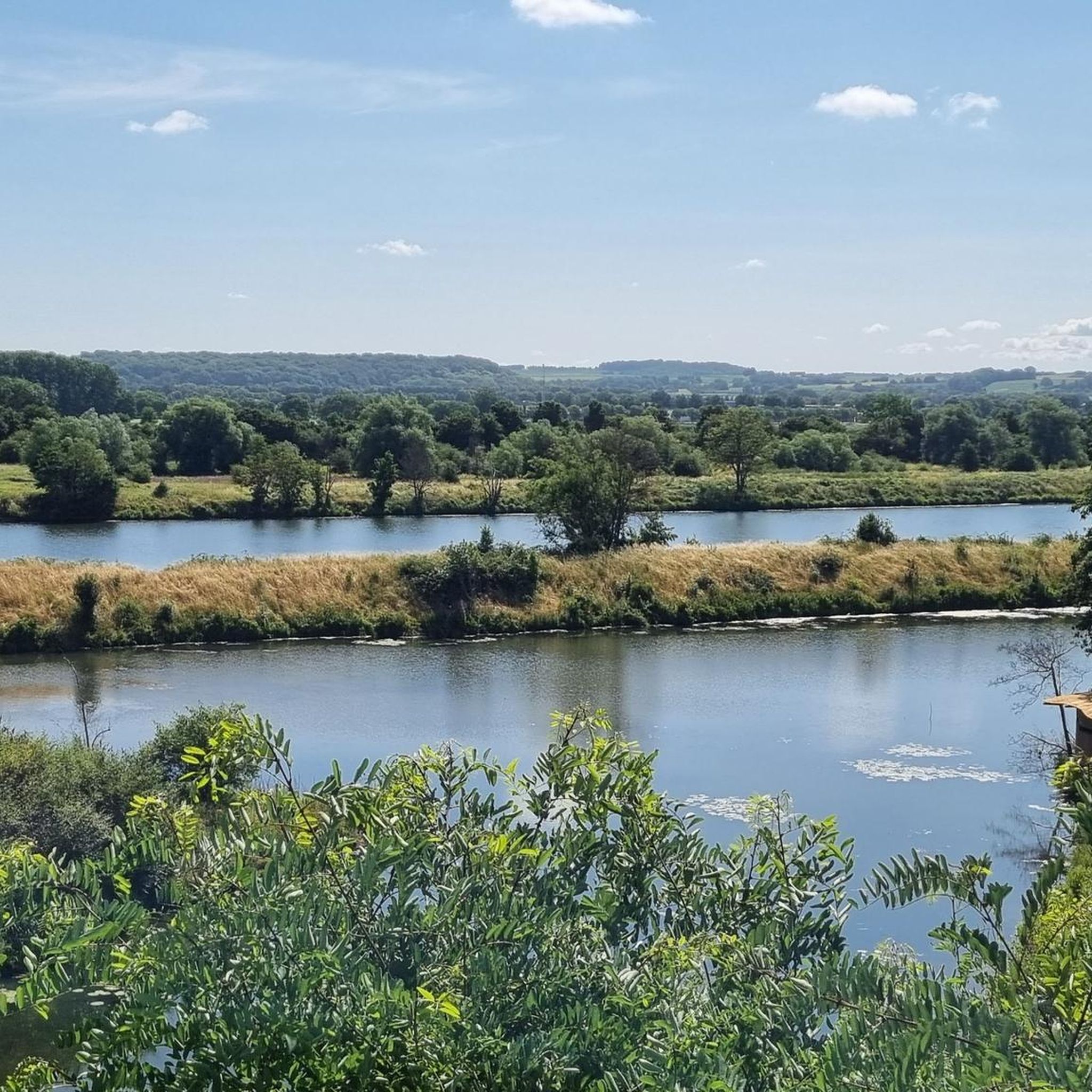
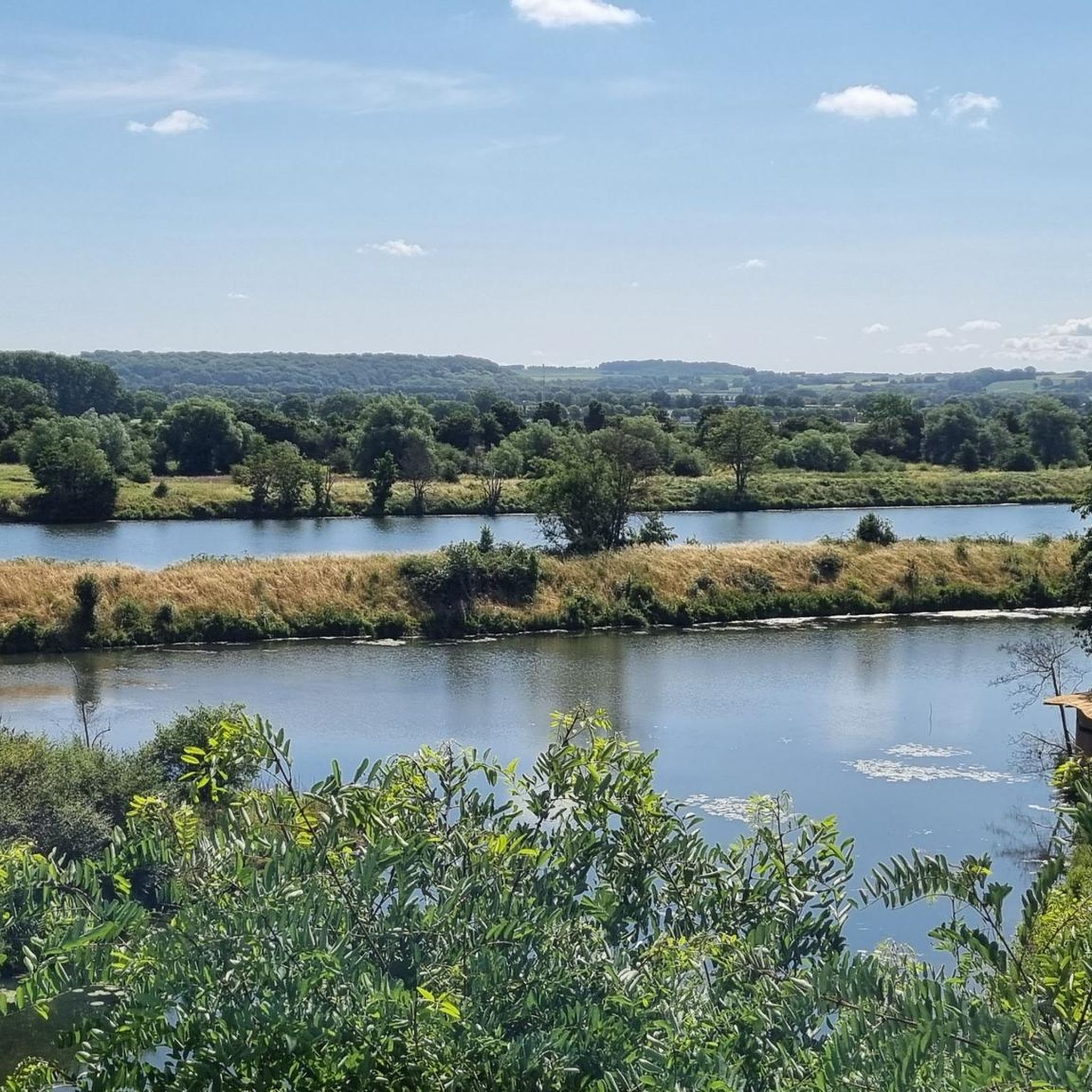
Located at the foot of the Thier de Caster and Montagne Saint-Pierre site, between the Albert Canal and the Meuse, this site forms a unique natural space. The area hides a remarkable natural heritage with its limestone grasslands, its orchids, its caves filled with bats, and its marshes.
1
0

There are old flint quarries in this area: the “Carrières de silex du Thier des Vignes”.
1
0

This breeding wall features 1,650 nesting holes to house a colony of swallows. Come at the right time and enjoy the playful antics of these birds. This breeding wall was created at the initiative of the Flemish Waterways Authority (Vlaamse Waterweg) and the Albert Canal.
1
0

A mysterious flint cave on the edge of the Albert Canal, near the locks at Klein Ternaaien. You reach the entrance via a steep path through the woods. The caves are dark, cool, and full of atmosphere—perfect for those who love hidden natural spaces. Bring a flashlight and good walking shoes!
2
0
This steep hill, formed by the Maas and the Jeker, borders Haspengouw and the Land of Herve. Characteristic is the limestone soil, which has given rise to all kinds of natural phenomena and which has been used by man for centuries.
2
0

You can cycle well here
1
0

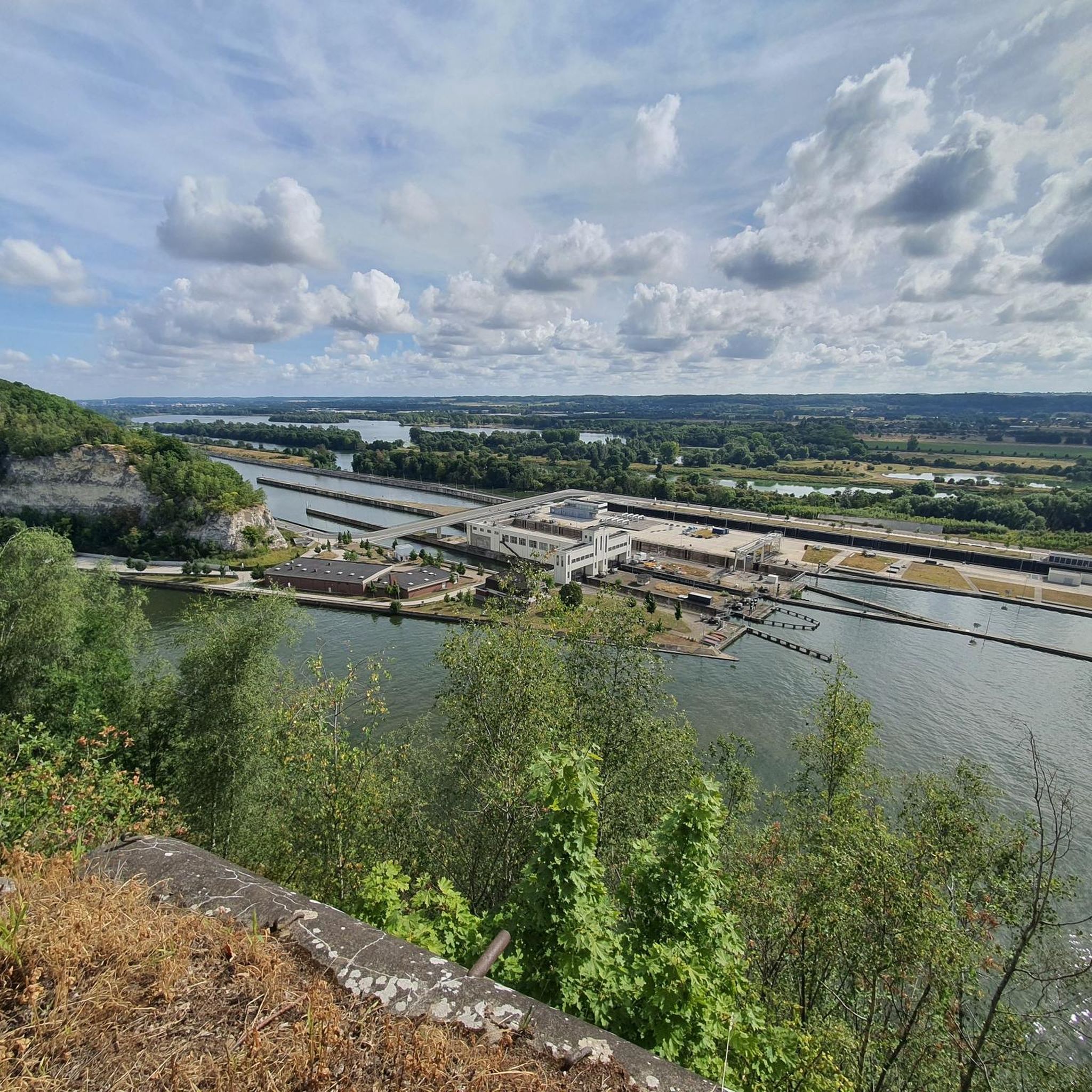
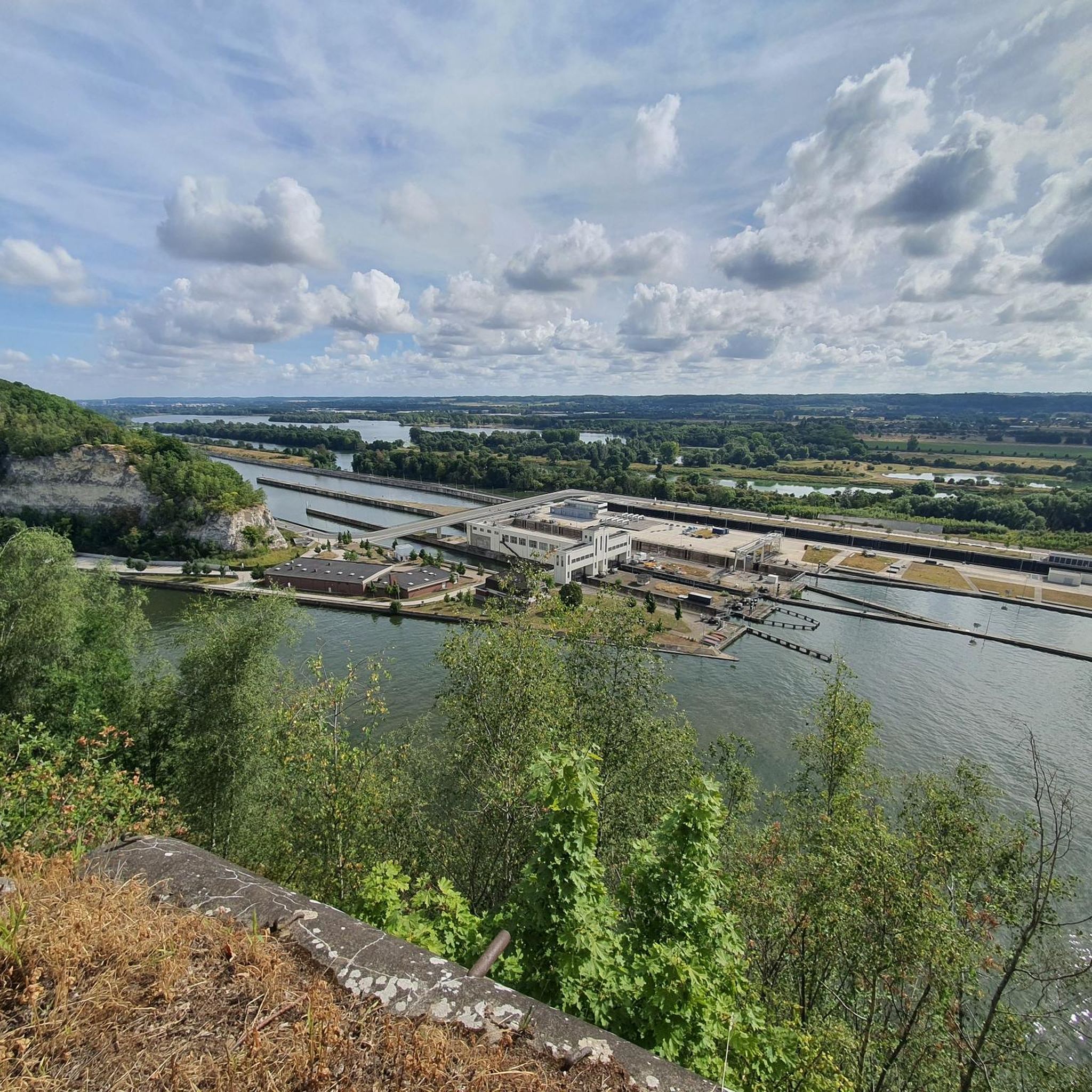
Access to the footpath to the marl caves, quite a steep climb. Beautiful panorama above the Albert Canal and Maas lock complex.
1
0
Frequently Asked Questions
What kind of natural features can I expect to see around the Albert Canal?
The region around the Albert Canal, while featuring an artificial waterway, offers diverse natural spaces. You can find everything from the canal's own towpaths and green banks, which support local biodiversity, to extensive nature reserves. These include forests, moors, fens, sand flats, riverine landscapes with wild nature shaped by the Meuse River, and unique wetlands with peaty bogs.
Are there any unique natural attractions near the Albert Canal?
Yes, beyond the general landscapes, the Albert Canal itself serves as a crucial fish migration route for species like eel and salmon, connecting the Meuse and Scheldt rivers. Additionally, you can visit the Breeding wall for sand martins, an artificial structure with 1,650 nesting holes designed to house a colony of swallows, offering a unique opportunity to observe these birds.
What are some interesting natural monuments to visit near the Albert Canal?
Beyond the most popular ones, you can explore the Lanaye Spawning Grounds Nature Reserve, which plays a vital role in fish conservation and offers new hiking trails. Another fascinating site is the Neanderthal Site Veldwezelt, a unique archaeological natural monument where you can learn about ice ages and early human inhabitants.
What kind of wildlife can be observed in the natural areas around the Albert Canal?
The diverse ecosystems around the Albert Canal support various wildlife. In areas like the Maas Valley River Park, you can spot birds and large grazers. The canal itself is important for fish species like eel and salmon. The Breeding wall for sand martins is a dedicated spot to observe colonies of swallows.
Are there hiking opportunities near the natural monuments of the Albert Canal?
Absolutely. The region offers numerous hiking trails. For easy walks, consider routes like the 'Kanne Bridge – Albert Canal at Cannerberg loop' or the 'Gravière Brock Nature Reserve – View of the Gravière Brock loop'. More challenging options include the 'Kanne Grenzeloos - Orange hiking route' or the extensive 'Fort Sint Pieter – ENCI Quarry Viewpoint loop'. You can find more details on these and other routes in the Hiking around Albert Canal guide.
Can I go cycling along the Albert Canal's natural areas?
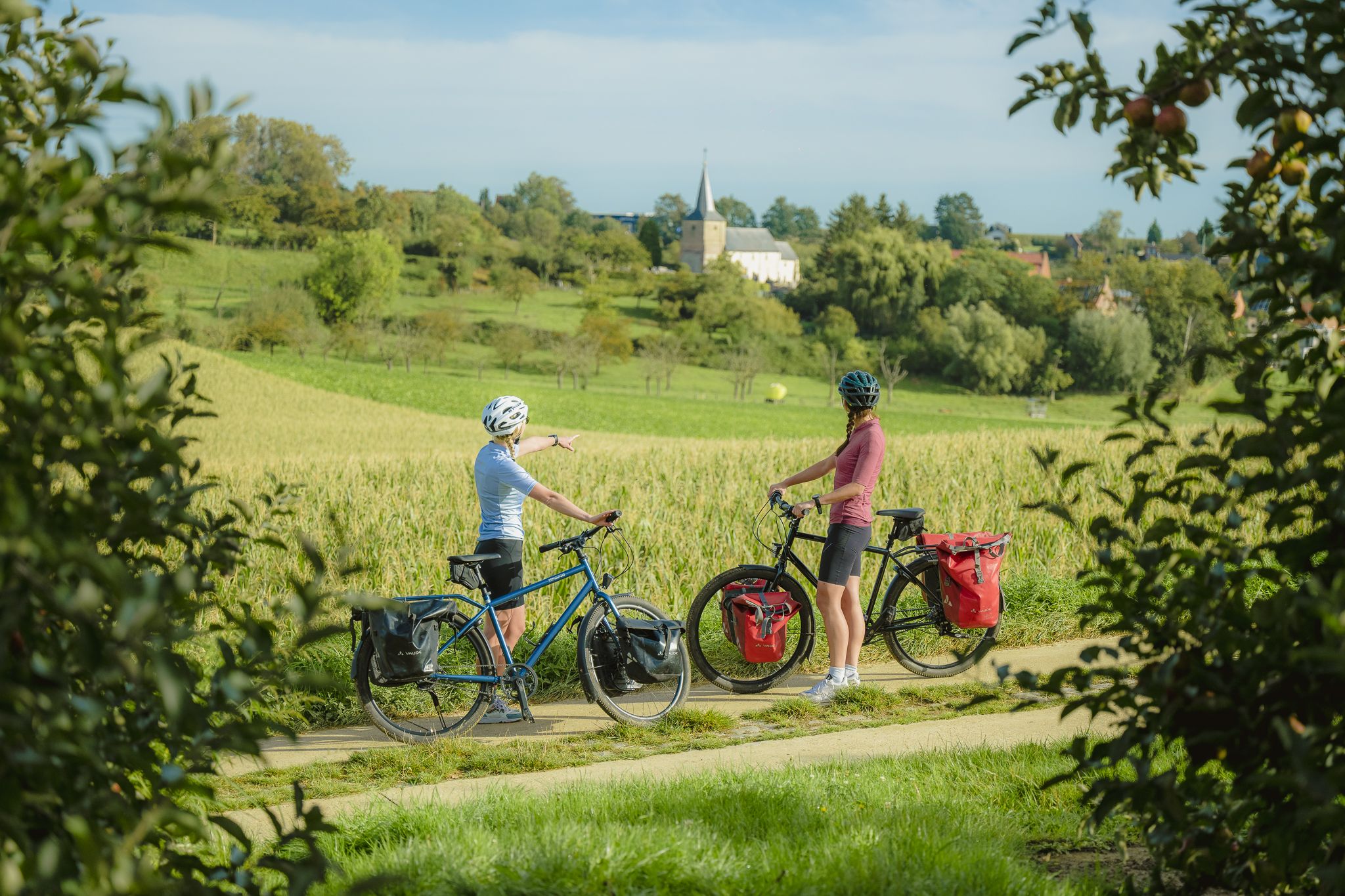
Yes, the towpaths running alongside the 130-kilometer-long Albert Canal are excellent for cycling, offering pleasant views of the water and rural landscapes. There are various road cycling routes available, such as the 'Path Along the Albert Canal – Rommelzwaan Veldweg loop' or the 'Stokrooi Bridge – Albert Canal loop'. Explore more options in the Road Cycling Routes around Albert Canal guide.
Are there family-friendly natural monuments or activities in the Albert Canal region?
Yes, several sites are suitable for families. The Breeding wall for sand martins is a great spot to observe birds. The Neanderthal Site Veldwezelt offers an engaging journey through time, though visits are by appointment. Many of the canal's towpaths also provide easy, flat terrain for family walks and bike rides.
What is the best time of year to visit the natural monuments around the Albert Canal?
Spring and autumn are generally ideal for visiting, offering pleasant temperatures for outdoor activities like hiking and cycling, and vibrant natural scenery. Spring brings blooming flora, while autumn showcases colorful foliage. Summer is also popular, but can be warmer, while winter offers a quieter, often starkly beautiful landscape, though some facilities or paths might have limited access.
Are there any historical or archaeological natural sites to explore?
Yes, the region is rich in historical natural sites. The Thier des Vignes Flint Caves feature very old flints and were also used for chalk mining. The St. Pietersberg Marl Caves are formed by limestone soil, reflecting centuries of human interaction with the landscape. Additionally, the Neanderthal Site Veldwezelt is a protected archaeological site where remains of ancient hunting camps were found.
Where can I find extensive nature reserves near the Albert Canal?
While not directly on the canal's immediate banks, the province of Limburg, through which the Albert Canal passes, is home to several vast nature reserves. These include the Hoge Kempen National Park, the Maas Valley River Park, the Zwarte Beek Valley, and the Abeek Valley. These areas offer diverse landscapes and numerous routes for nature lovers. For more information on Limburg's nature, you can visit visitlimburg.be.
What do visitors enjoy most about the natural monuments around the Albert Canal?
Visitors frequently appreciate the tranquil scenery and accessibility for outdoor activities along the canal's towpaths. The unique geological formations of the flint and marl caves offer a fascinating glimpse into the past. Many also enjoy observing the wildlife, such as the sand martins at their breeding wall, and the overall opportunity to connect with nature in diverse landscapes.
Are there any viewpoints offering panoramic views of the Albert Canal and surrounding natural areas?
Yes, the St. Pietersberg Marl Caves area offers a footpath with beautiful panoramic views above the Albert Canal and the Maas lock complex. From the Lanaye Spawning Grounds Nature Reserve, you can also see the central part of the reserve from above, providing a scenic perspective.
Most popular routes around Albert Canal
Most popular attractions around Albert Canal

Get inspired with the komoot mobile app


Explore more
Extend your search for the best caves by checking out these guides of the top ones around Albert Canal:
