Top 20 Natural Monuments around Nationalpark Hohe Tauern
Natural monuments around Nationalpark Hohe Tauern showcase a pristine alpine landscape, making it one of Austria's most significant protected areas. This region, spanning parts of Tyrol, Salzburg, and Carinthia, is characterized by its majestic glaciers, roaring waterfalls, serene mountain lakes, and towering peaks. Hohe Tauern National Park natural attractions offer diverse ecosystems, from montane forests to alpine grasslands, supporting a rich variety of plant and animal life. The interplay of unique geological formations, shaped over millions of years, adds to…
Last updated: July 10, 2026
Ankogel Summit
Highlight • Summit
Translated by Google •
Tip by

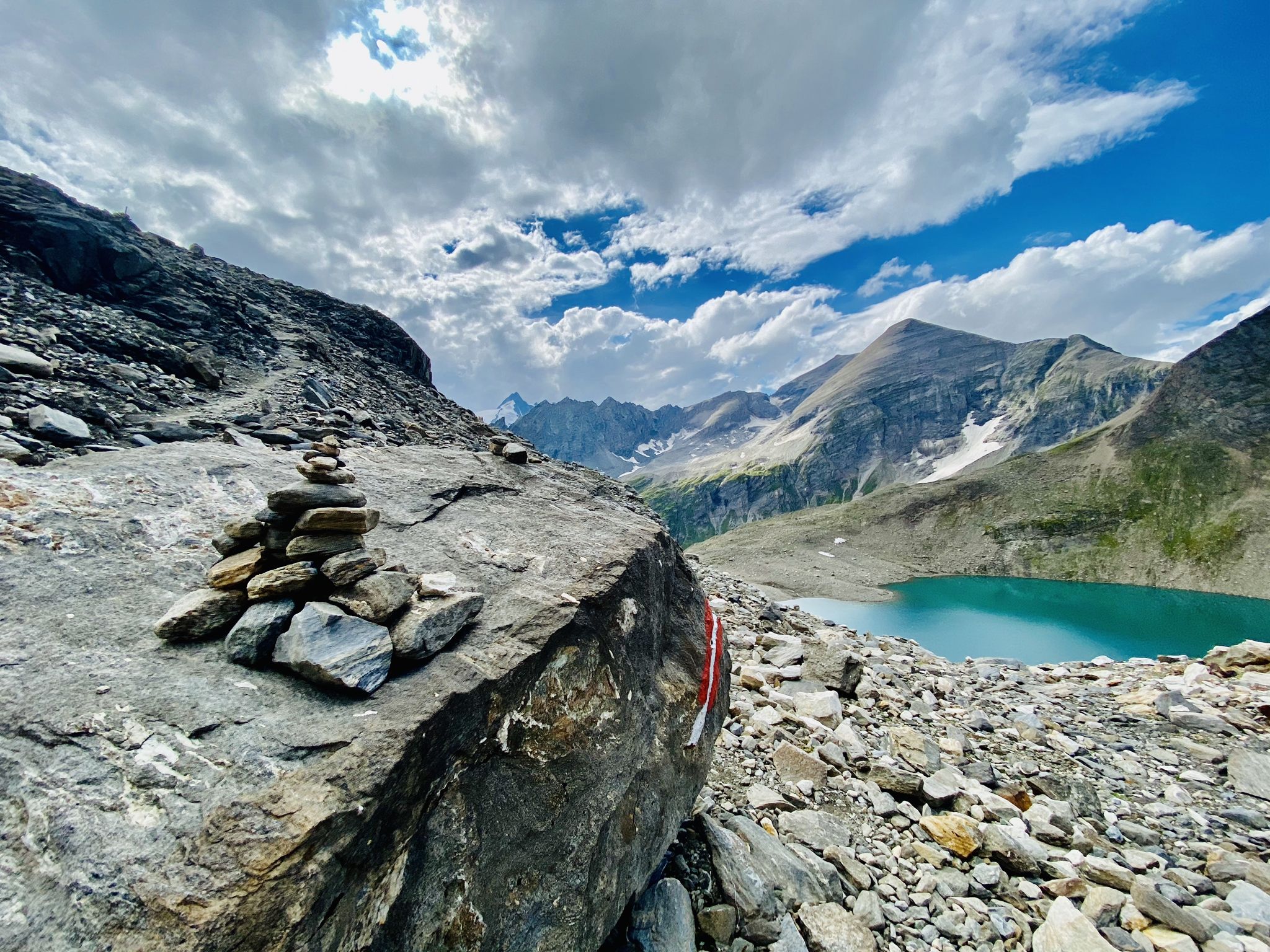
Stappitzer Lake
Highlight • Lake
Translated by Google •
Tip by

Sign up now to discover places like this
Get recommendations on the best single tracks, peaks, & plenty of other exciting outdoor places.
Sign up for free
Rauriser Urwald Trail
Highlight (Segment) • Trail
See also here: raurisertal.at/de/winter/nationalpark-hohe-tauern/rauriser-urwald
Translated by Google •
Tip by

Palfnersee
Highlight • Lake
Translated by Google •
Tip by

Hüttenkogel Summit
Highlight • Summit
Translated by Google •
Tip by
Sign up for free to discover even more natural monuments around Nationalpark Hohe Tauern.
Sign up for free
Already have an account?
Start today with a free account
Your next adventure awaits.
Login or Signup
Popular around Nationalpark Hohe Tauern
The Tauernhöhenweg – Once across the Hohe Tauern
Ruperti Trail – Hike from Austria's Bohemian Forest to the Carnic Alps
Peak happiness – hut hikes in the High Tauern
Your time out – long-distance hiking trails in the High Tauern
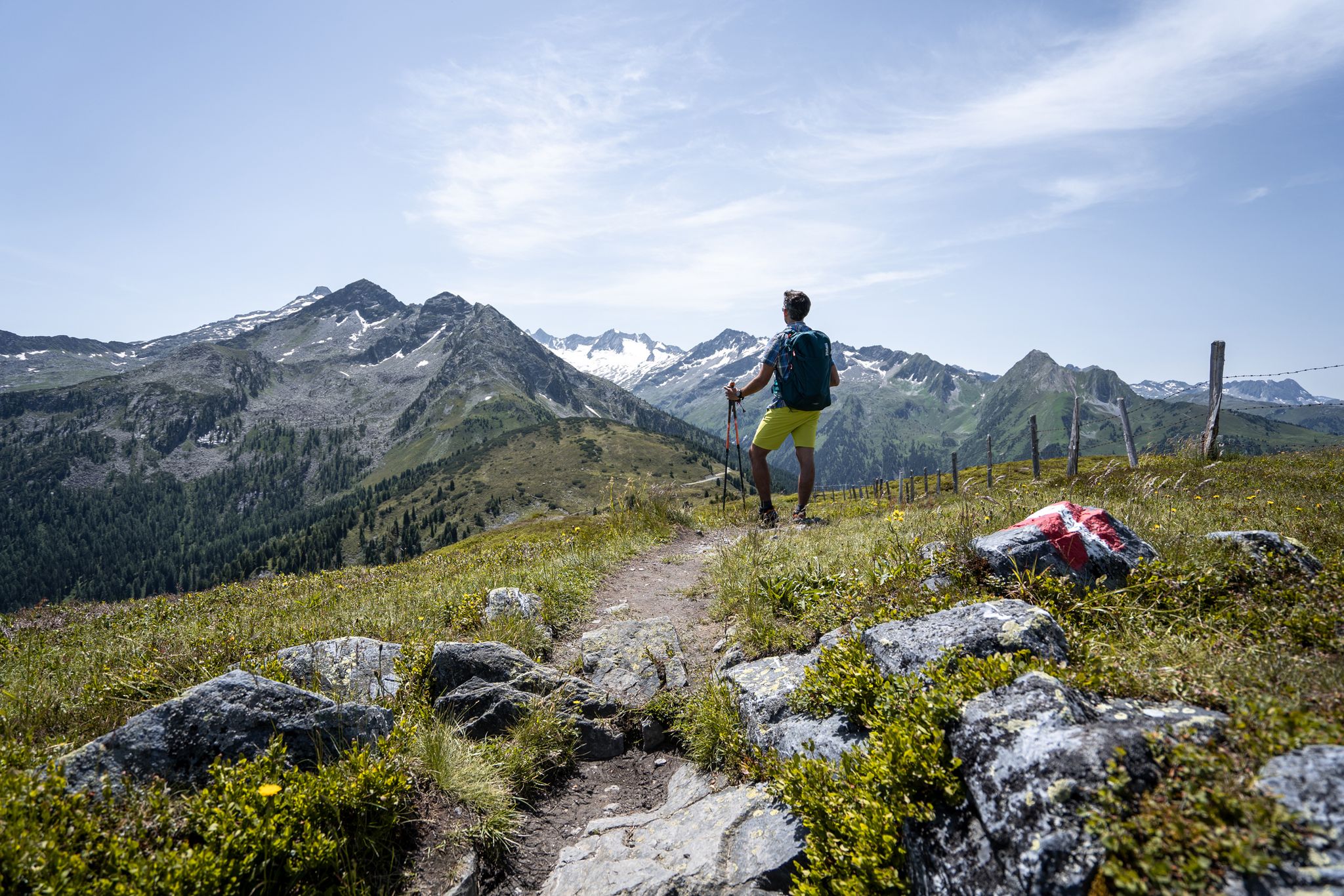
Best views of the highest mountains — Hohe Tauern Panorama Trail
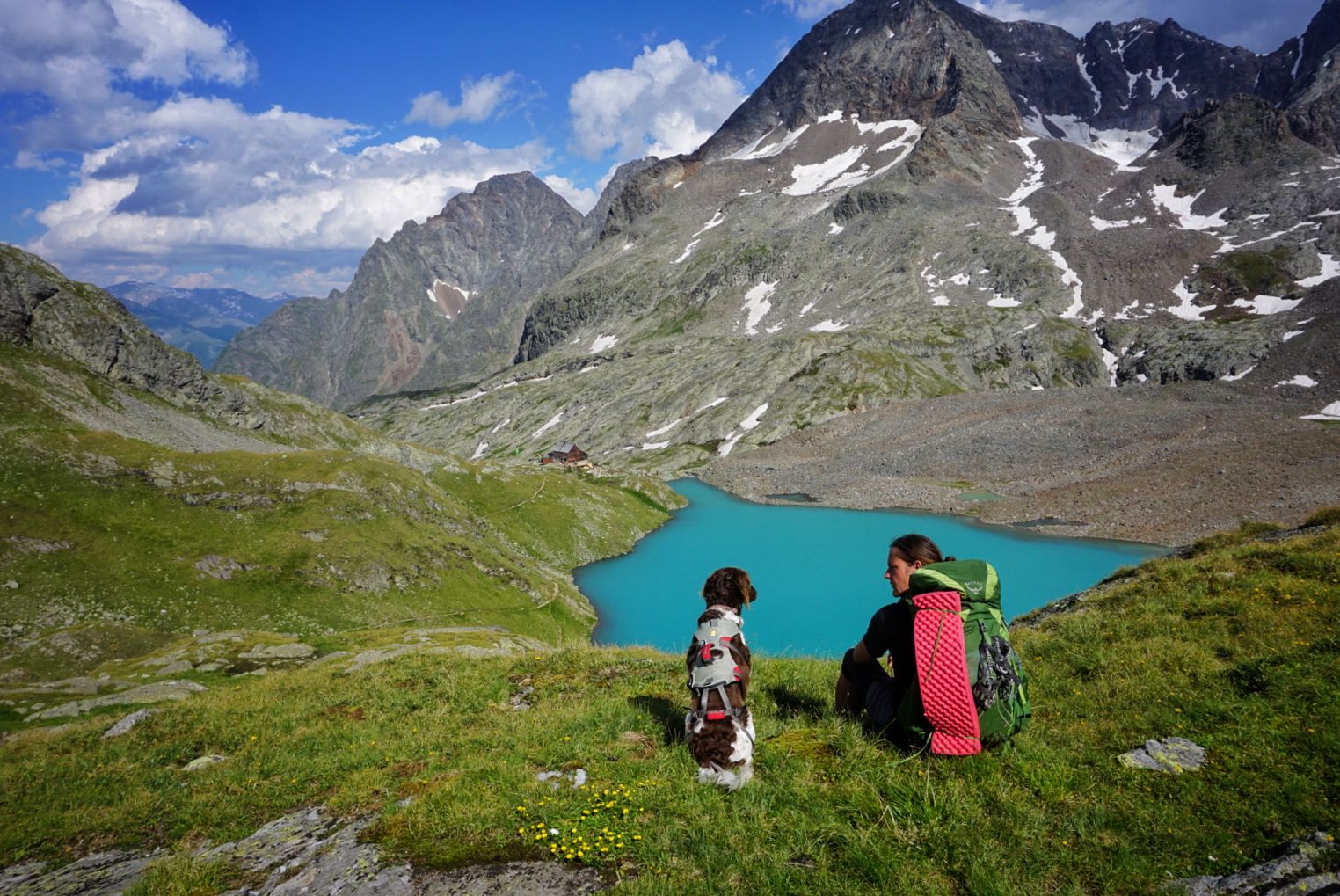
An alpine adventure – from east to west through Austria
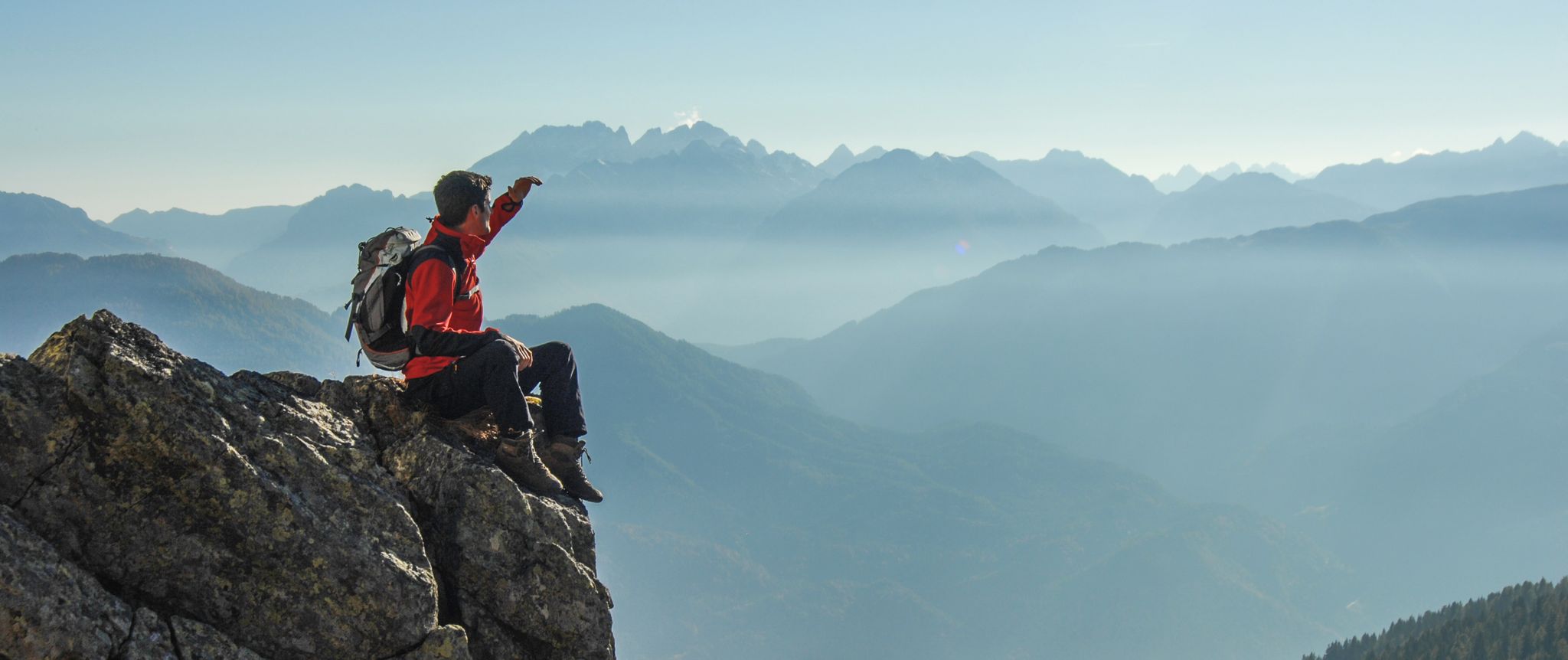
Peaks and gorges in the Hohe Tauern
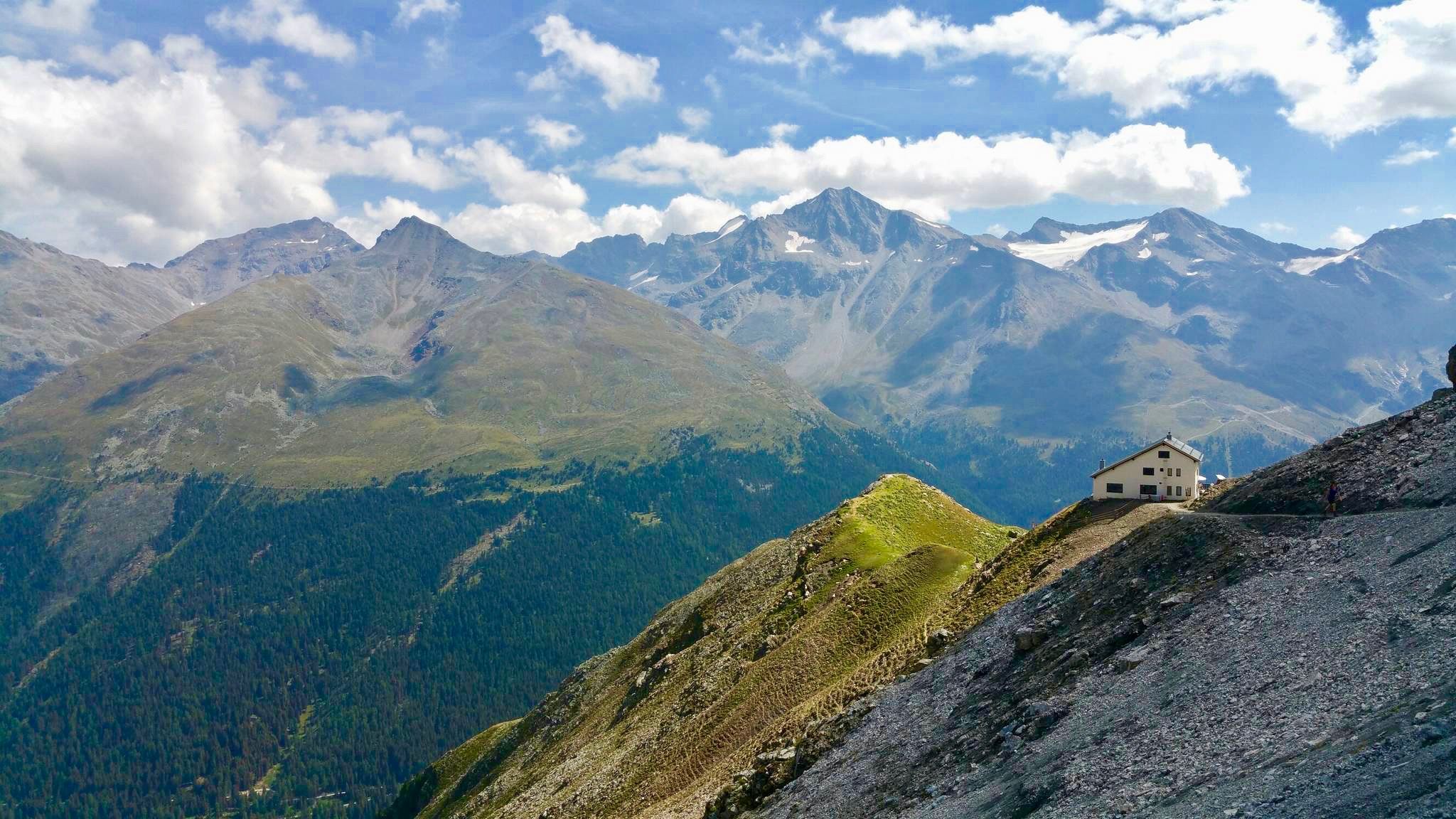
Huts with fantastic views
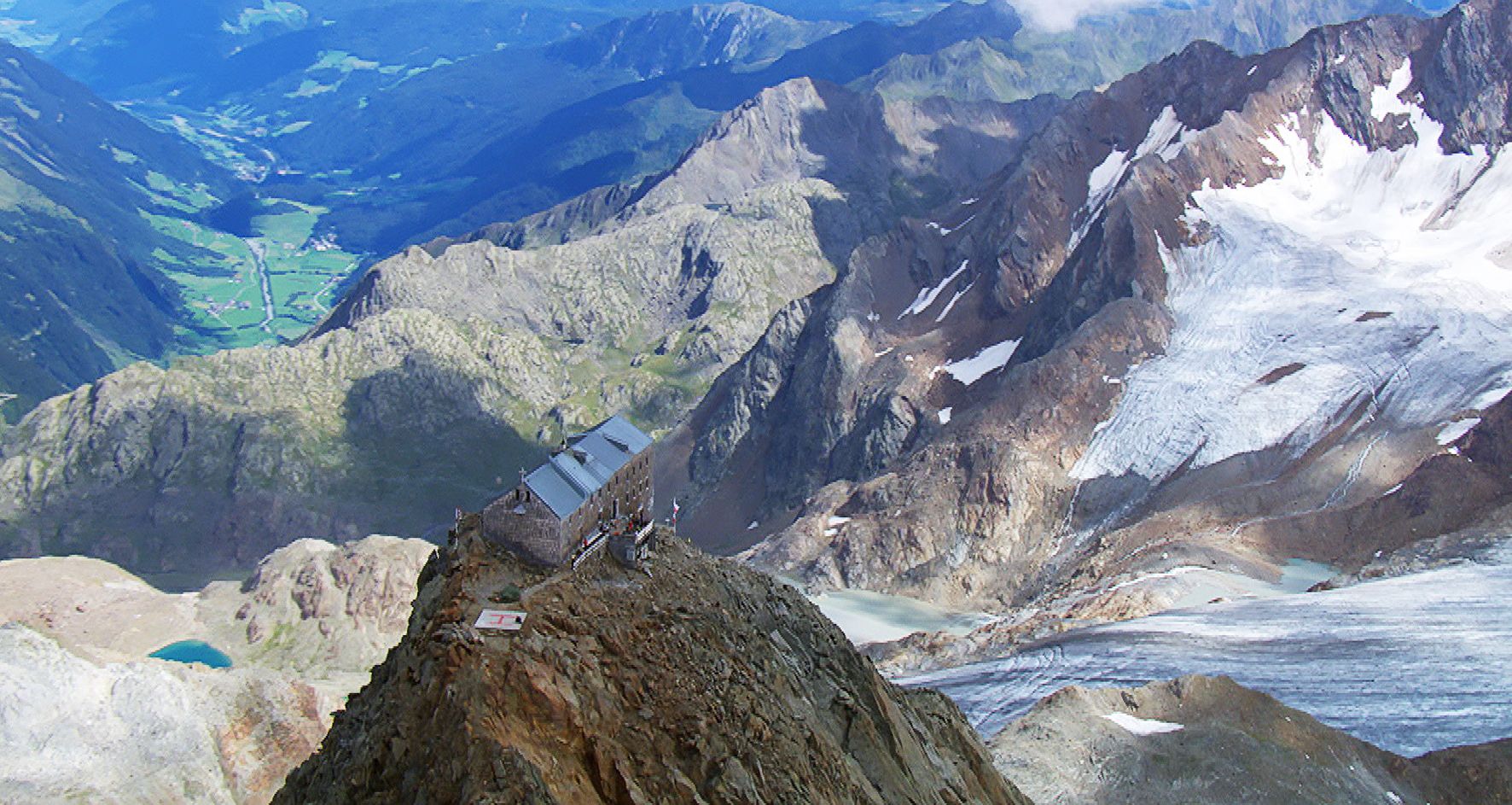
Sleep above 3000 meters
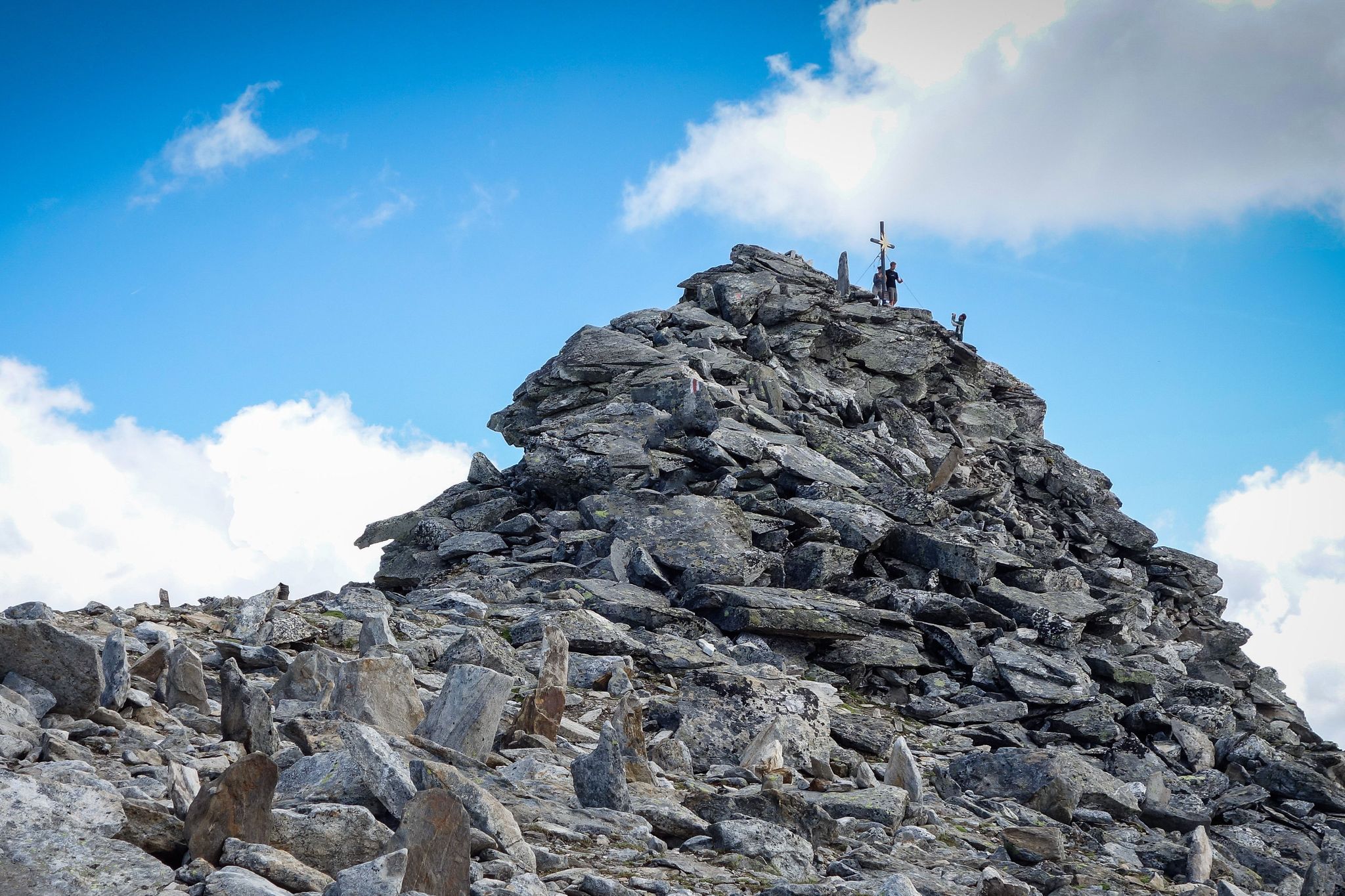
Your first 3000m peak
Other adventures around Nationalpark Hohe Tauern


Tips from the Community


Lake Stappitz was formed at the end of the last ice age.
0
0

It's always wonderful and an experience to be up here!
1
0

The summit can be reached from the Graukogelbahn mountain station in 45 minutes. The trail is signposted and easily accessible, assuming surefootedness. From the top, you'll have (in good weather) a magnificent view of the surrounding landscape.
7
0
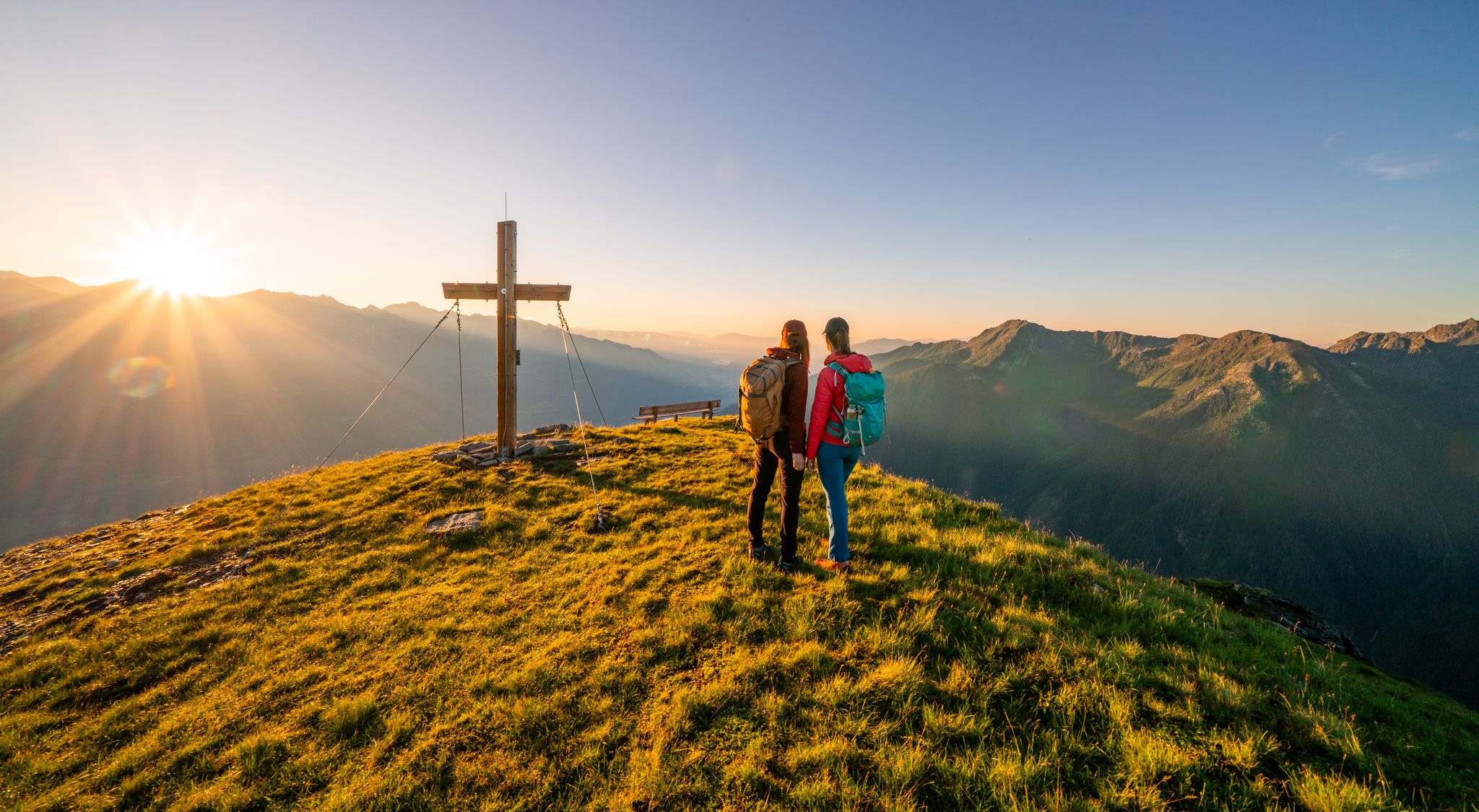
The summit of the Hüttenkogel (2,231 m) can be reached from the Graukogel cable car mountain station after a 45-minute, 1.2 km hike along a well-marked trail rated as moderately difficult. The route has an elevation gain of approximately 240–250 m. The summit offers impressive views: of the Gastein Valley, the glaciers of the Tischler Group, Lake Reedsee, and far into the Hohe Tauern. At the summit, there is a memorial cross, erected in 2016 by the local traditional costume association, with memorial plaques for the fallen of the First World War.
8
0


Pure nature, sometimes you just hear the wind and the rustling of the trees, then again a rushing stream. The many trees make walking bearable even in high temperatures.
0
0

Frequently Asked Questions
What are some of the most impressive natural monuments in Nationalpark Hohe Tauern?
The region boasts a variety of stunning natural monuments. Among the most popular are the Rauriser Urwald Trail, known for its varied path through a moor area, and Stappitzer Lake, a beautifully situated lake that serves as a rest station for migratory birds. Beyond these, the park is home to the majestic Krimml Waterfalls, Europe's highest, and Austria's highest mountain, the Grossglockner, which features the Pasterze Glacier.
What natural features can I expect to see in the Nationalpark Hohe Tauern region?
Nationalpark Hohe Tauern offers a diverse alpine landscape. You can expect to encounter majestic glaciers, roaring waterfalls like the Krimml Waterfalls, serene mountain lakes such as Stappitzer Lake and Hintersee, and towering peaks like the Grossglockner and Hüttenkogel Summit. The region also features montane forests, alpine grasslands, and unique geological formations.
Are there family-friendly natural monuments around Nationalpark Hohe Tauern?
Yes, several natural monuments are particularly suitable for families. The Rauriser Urwald Trail offers a varied and accessible path through a moor area. Stappitzer Lake is another great option for a leisurely walk, and the nature trail around Hintersee provides insights into the region's ecology in a tranquil setting.
What outdoor activities can I do near these natural monuments?
The Nationalpark Hohe Tauern region is ideal for various outdoor activities. You can find numerous running trails, such as the 'Durchgangalm – Mitterastenalm loop,' and challenging MTB trails like 'To the Kreealmen in Hüttschlag.' For road cyclists, routes like the 'Hochtor Pass Summit – Heiligenblut from above loop' offer breathtaking scenery. You can explore more options on the Running Trails around Nationalpark Hohe Tauern, MTB Trails around Nationalpark Hohe Tauern, and Road Cycling Routes around Nationalpark Hohe Tauern guide pages.
Are there challenging natural monuments for experienced hikers?
Absolutely. For experienced hikers, the Ankogel Summit offers incredibly beautiful views, though the last stretch is pebbly and can be slippery. The Hüttenkogel Summit also provides expansive views of the Gastein Valley and the Tischler Group glaciers after a moderately difficult hike. The Grossglockner, Austria's highest mountain, is a significant challenge for mountaineers.
What do visitors enjoy most about the natural monuments in Nationalpark Hohe Tauern?
Visitors frequently praise the stunning panoramic views from summits like Hüttenkogel Summit and Ankogel Summit. The tranquil beauty of lakes like Stappitzer Lake and Palfnersee, and the fairytale-like atmosphere of the Rauriser Urwald Trail are also highly appreciated. Many are captivated by the sheer power of the Krimml Waterfalls and the grandeur of the Grossglockner and its Pasterze Glacier.
Can I reach these natural monuments using public transport?
Yes, some natural monuments are accessible by public transport. For instance, the starting point for the Rauriser Urwald Trail, Lenzanger, can be reached by bus from the Rauris Valley. For other locations, it's advisable to check local bus schedules or national park shuttle services, especially during peak seasons.
Are there any hidden natural gems in the Hohe Tauern region?
While many sites are well-known, the Innergschlöss Valley in East Tyrol is often considered one of the most beautiful valley heads in the Eastern Alps, offering stunning views of the glacier world around the Großvenediger. It provides a unique blend of natural and cultural high-mountain landscapes, and an easy national park hike leads directly into the 'eternal ice' of the park's core zone.
What is the best season to visit the natural monuments in Nationalpark Hohe Tauern?
The best season largely depends on the specific natural monument and desired activity. Summer (June to September) is ideal for hiking to high-alpine summits and lakes, as trails are generally clear of snow. The Krimml Waterfalls are most powerful in late spring/early summer due to snowmelt. Autumn offers stunning foliage, while winter transforms the landscape into a snowy wonderland, suitable for specific winter activities, though many high-altitude areas become inaccessible.
Are there any natural monuments with significant historical or geological importance?
The entire Hohe Tauern National Park is a testament to millions of years of mountain building and ice ages, making its geological formations highly significant. The Pasterze Glacier, part of the Grossglockner area, is the longest glacier in the Eastern Alps and serves as a powerful, visible reminder of climate change and glacial retreat, offering a unique perspective on geological processes and environmental history.
Can I find viewpoints that are easily accessible?
Many natural monuments offer accessible viewpoints. For instance, the Hüttenkogel Summit can be reached from the Graukogelbahn mountain station after a 45-minute hike, offering magnificent views of the Gastein Valley. The Krimml Waterfalls also have a well-developed hiking trail that allows visitors to experience the falls up close. The Grossglockner High Alpine Road provides numerous panoramic viewpoints without extensive hiking.
What kind of wildlife can I expect to see near the natural monuments?
The diverse ecosystems of Nationalpark Hohe Tauern support a rich variety of plant and animal life. Keep an eye out for iconic alpine species such as ibex, chamois, and marmots. Golden eagles can often be spotted soaring overhead. Stappitzer Lake is particularly notable as a rest station for migratory birds crossing the Alps, offering opportunities for birdwatching.
Most popular routes around Nationalpark Hohe Tauern
Most popular attractions around Nationalpark Hohe Tauern

Get inspired with the komoot mobile app


Explore more
Extend your search for the best caves by checking out these guides of the top ones around Nationalpark Hohe Tauern:
