Top 6 Lakes in Bogotá D.C.
Lakes in Bogotá D.C. are predominantly located in the surrounding Cundinamarca region, offering diverse natural landscapes. This area features high-altitude lagoons within páramos and significant reservoirs. These bodies of water are important for their ecological value and cultural connections, including Muisca indigenous heritage. The region provides opportunities to explore unique ecosystems and tranquil environments.
Best lakes in Bogotá D.C.
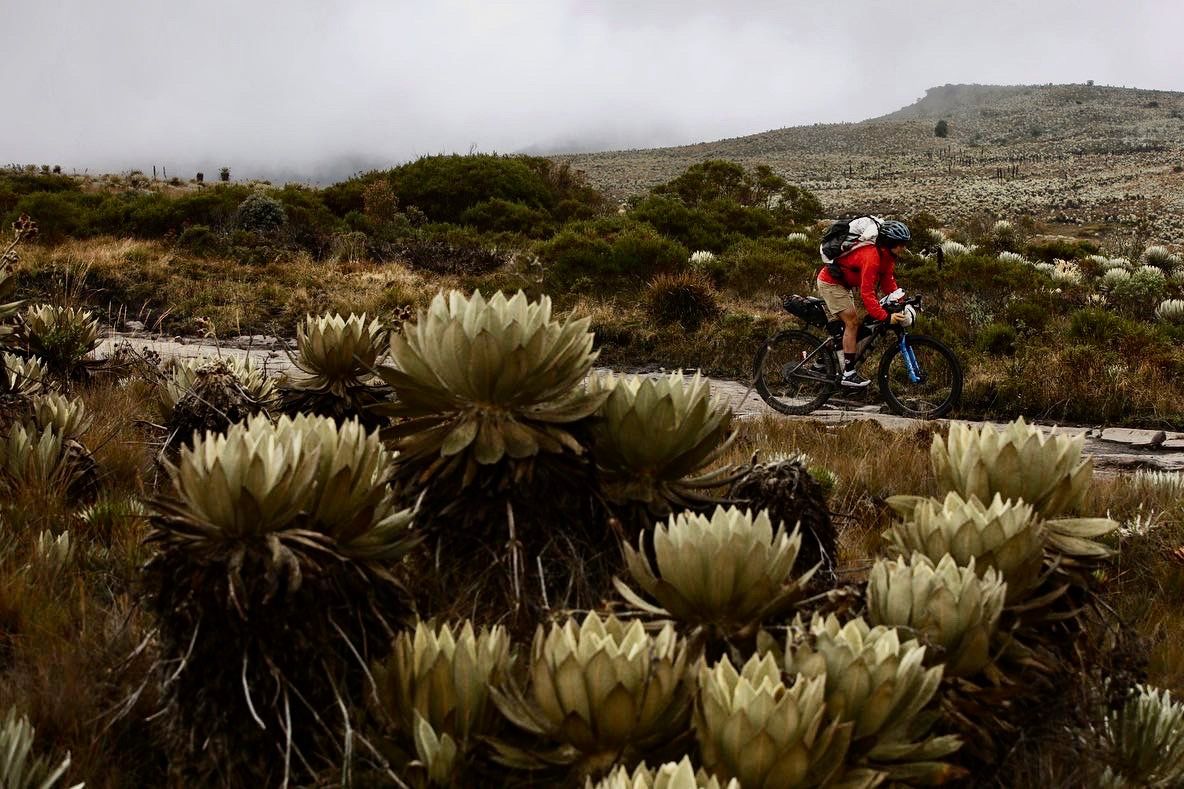
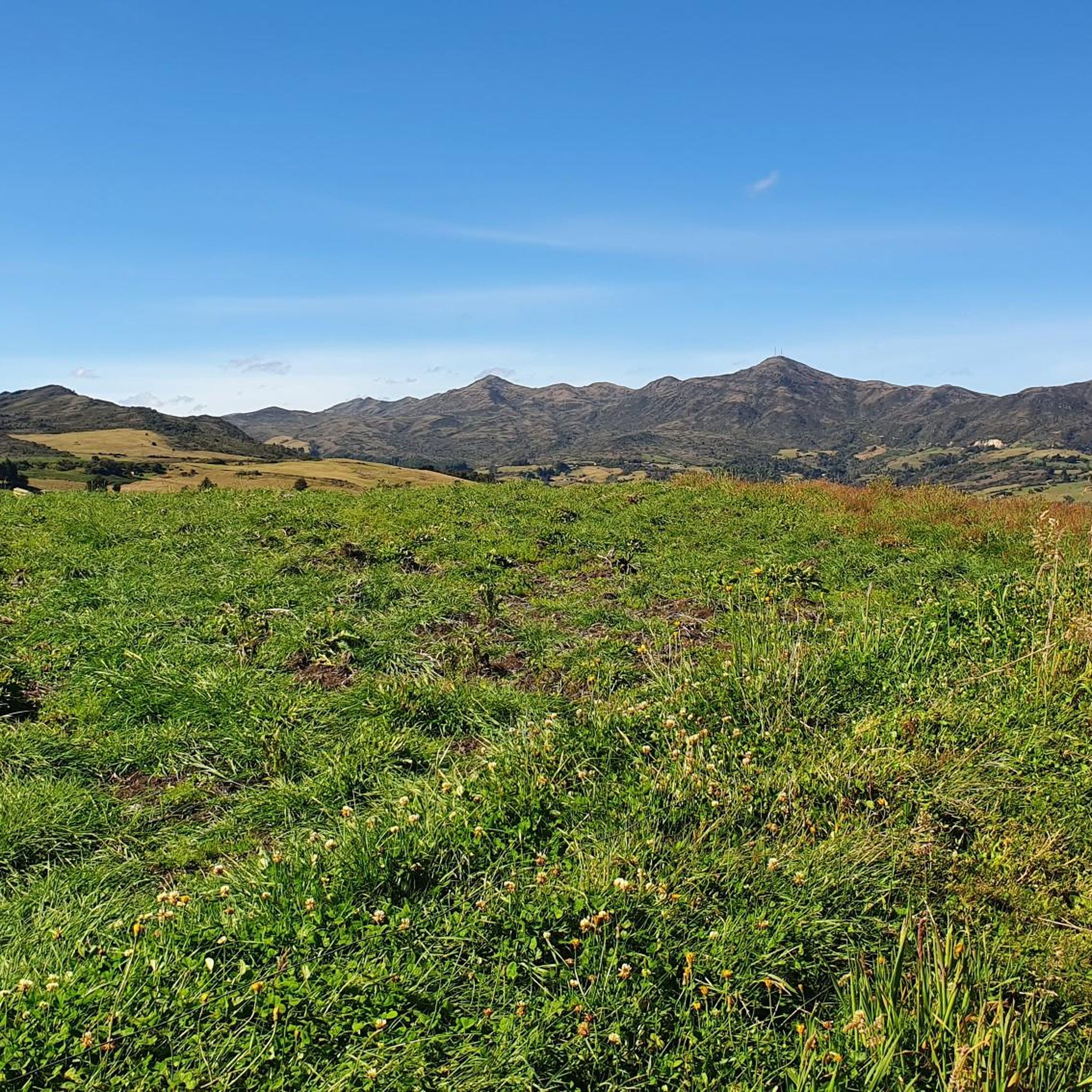
- The most popular lakes is Chisacá Lagoon, Sumapaz National Natural Park, a lake that is a very cold place and a crucial water factory for the region. Visitors are encouraged to observe and not disturb the flora or fauna.
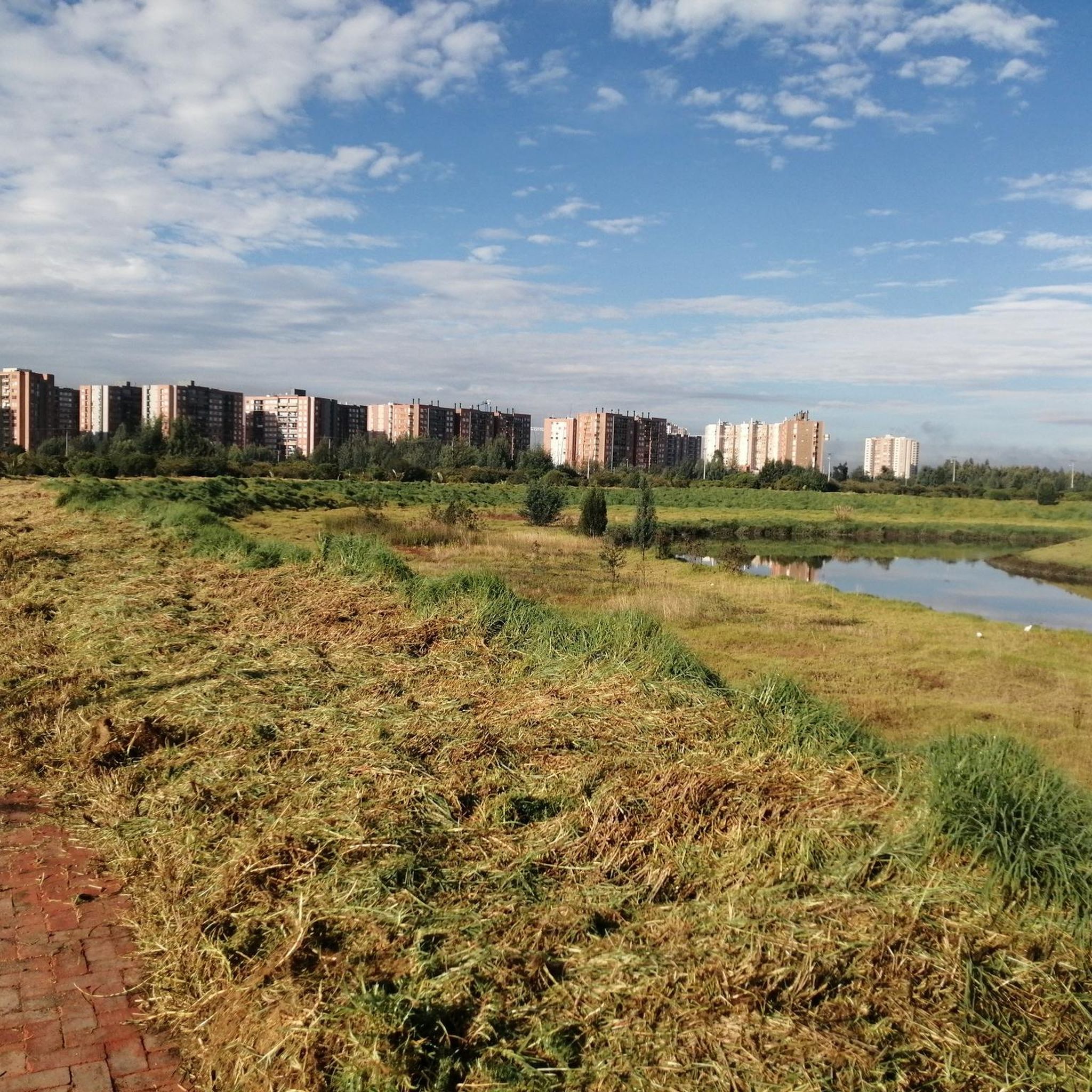
- Another must-see spot is La Regadera Reservoir, a lake recognized for its natural setting and tranquil environment. This reservoir is a cold place, offering opportunities for outdoor exploration.
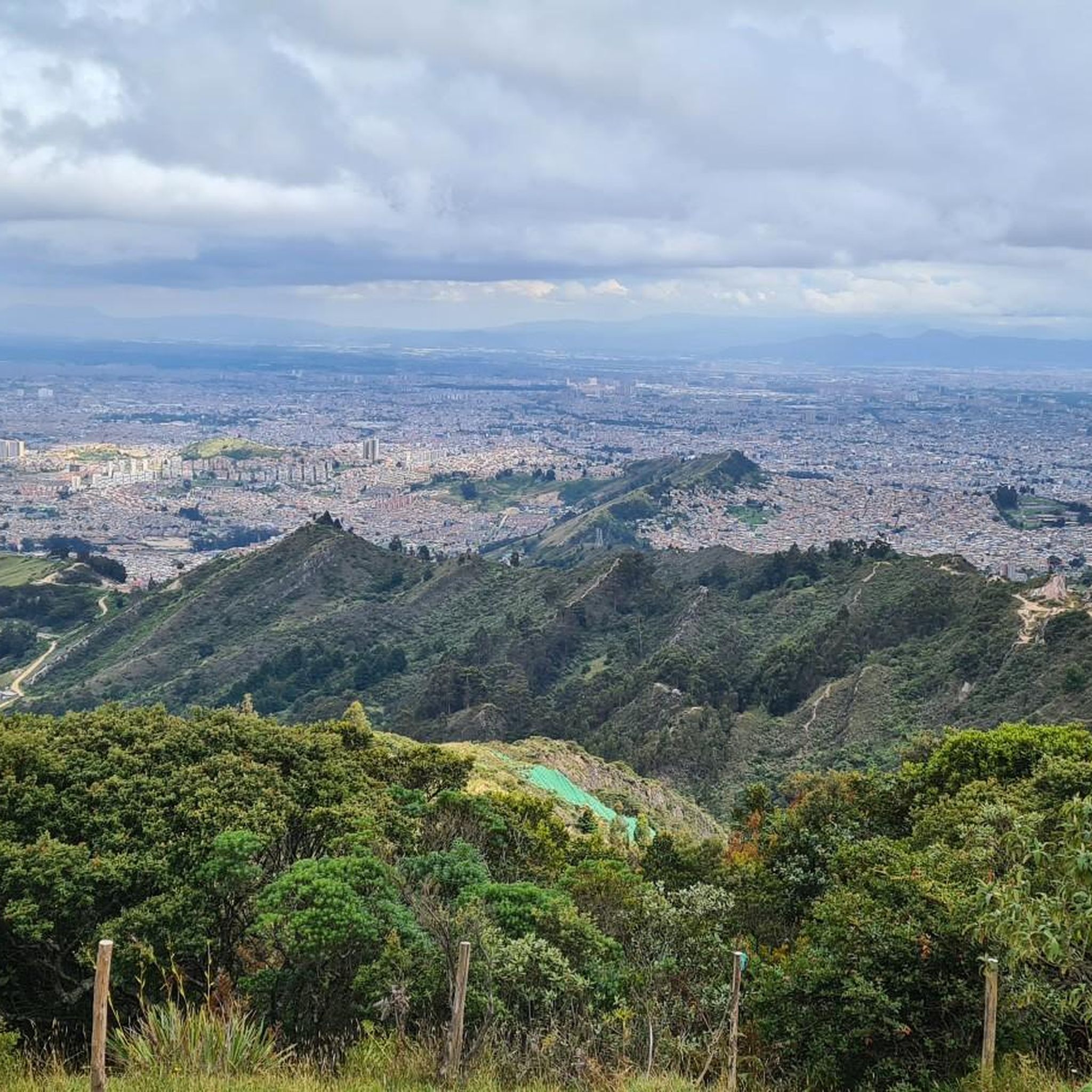
- Visitors also love View of Embalse San Rafael, a viewpoint offering a beautiful sight of Embalse San Rafael. This spot is accessible via a quiet road, providing a scenic detour.
- Bogotá D.C. is known for its high-altitude lagoons, páramo lakes, and significant reservoirs. The region offers a variety of lakes to see and explore, from mystical crater lakes to serene reservoirs.
- The lakes in Bogotá D.C. are appreciated by the komoot community. There are 4 highlights with 13 photos and 27 upvotes, showcasing the appeal of these natural destinations.
Last updated: June 24, 2026
Chisacá Lagoon, Sumapaz National Natural Park
Highlight • Lake
Translated by Google •
Tip by

La Regadera Reservoir
Highlight • Lake
Translated by Google •
Tip by

Sign up now to discover places like this
Get recommendations on the best single tracks, peaks, & plenty of other exciting outdoor places.
Sign up for free
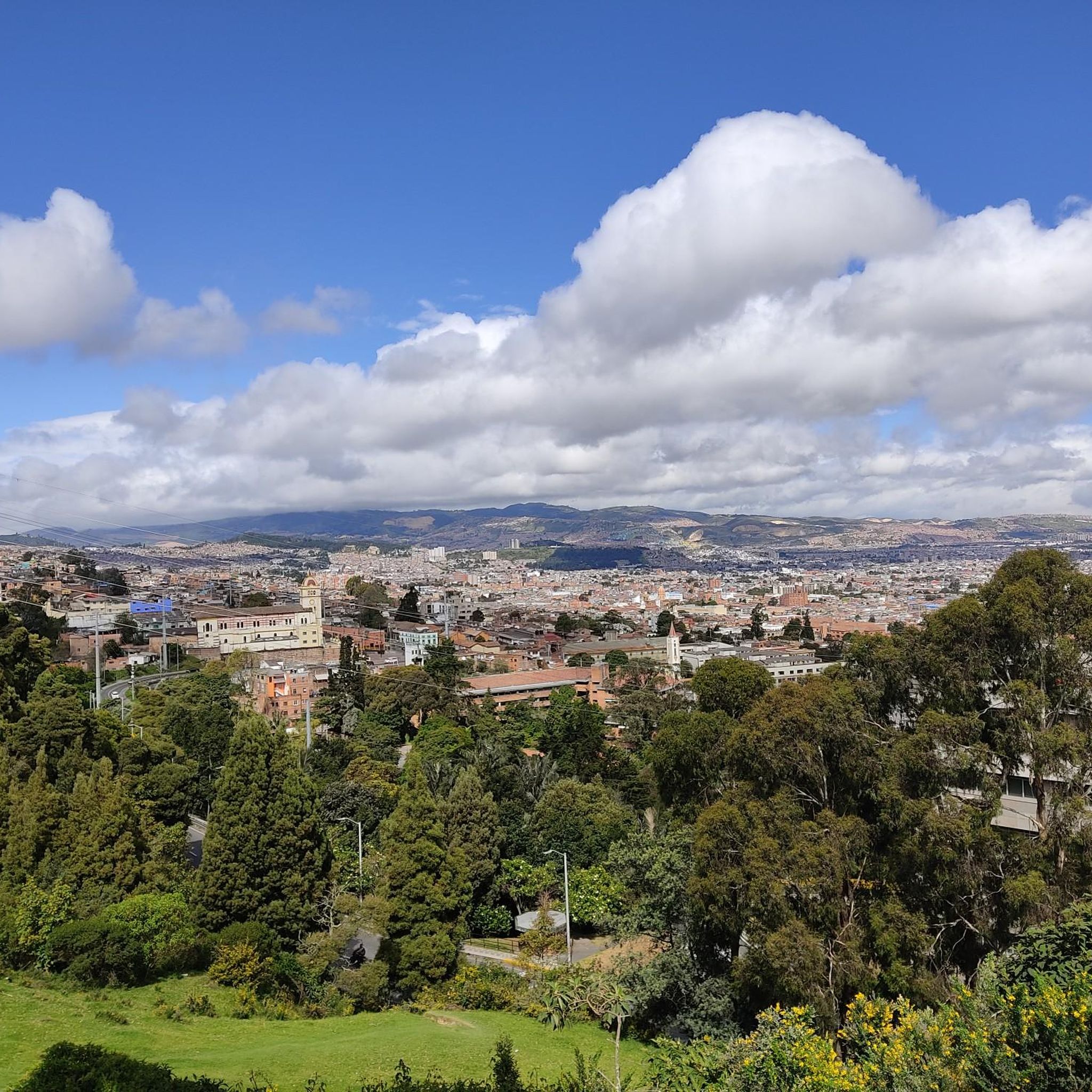
Simón Bolívar Park
Highlight (Segment) • Rest Area
The park offers diverse opportunities for recreation and sports:
There is a vast network
of approx. 16 km of paths for jogging, cycling, and walking. In addition, football fields, tennis courts, and a velodrome are available.
A 11-hectare lake
invites you to go boating; pedal and rowing boats can be rented on site.
The Plaza de Eventos
has space for up to 80,000 (partially up to 140,000) people and is the venue for famous festivals such as Rock al Parque, Salsa al Parque, as well as international concerts.
Showing Translation
Tip by

View of Embalse San Rafael
Highlight (Segment) • Viewpoint
Notice that the road might seem private at first, just say hello to the guard and he will let you in.
Tip by

El Alar Lagoon
Highlight (Segment) • Lake
Translated by Google •
Tip by

Sign up for free to discover even more lakes in Bogotá D.C..
Sign up for free
Already have an account?
Start today with a free account
Your next adventure awaits.
Login or Signup


Tips from the Community

It is considered the "lung of the city" and, with over 113 hectares, is one of the largest and most important green spaces in the capital. The park offers diverse opportunities for recreation and sports: There is a vast network of approx. 16 km of paths for jogging, cycling, and walking. In addition, football fields, tennis courts, and a velodrome are available. A 11-hectare lake invites you to go boating; pedal and rowing boats can be rented on site. The Plaza de Eventos has space for up to 80,000 (partially up to 140,000) people and is the venue for famous festivals such as Rock al Parque, Salsa al Parque, as well as international concerts.
0
0

The perfect place to take a break
0
0

Cold, beautiful place, be prepared for the cold, respect this place, do not throw garbage, do not shout, there the water is born...
0
0
Good bike route, quiet place... generally cold
0
0

Very nice and a place for high performance athletes
0
0
highly recommended
0
0

At this point there is a dog that looks after the reservoir. If you can, you can leave him food or water. He has his little house where he takes shelter from the cold and the rain.
0
0
Los Tunjos - The doors of the Páramo del Sumapaz, take care of this place, it is not a public bathroom, observe and do not touch anything since it is the closest water factory we have... it is a very cold place... if you bring something to eat Only give it to Coco, who is the guard dog there... do not intervene with the flora or fauna of the region.
0
0
Frequently Asked Questions
What kind of natural environments can I expect around the lakes near Bogotá D.C.?
The lakes in the Bogotá D.C. region are predominantly found in the surrounding Cundinamarca area, featuring diverse natural landscapes. You can expect high-altitude lagoons within vital páramo ecosystems, characterized by cold temperatures and unique flora like frailejones, as well as significant reservoirs offering tranquil environments.
Which lakes near Bogotá D.C. are known for their historical or cultural significance?
Lake Guatavita, located northeast of Bogotá, is steeped in historical and cultural significance as the birthplace of the El Dorado legend. The Muisca indigenous people performed rituals here, offering gold and jewels, which fueled the myth. Visitors can explore its serene, mystical atmosphere and learn about its rich past.
Are there any lakes near Bogotá D.C. that are particularly important for their ecological value?
Yes, lagoons like Chisacá Lagoon, El Alar Lagoon, and Los Tunjos within the Sumapaz National Natural Park are crucial for their ecological value. These high-altitude páramo environments are considered a 'water factory' for the region, playing a vital role in water regulation and supporting unique ecosystems. Visitors are encouraged to observe and not disturb the flora and fauna.
What are some popular lakes for relaxation and outdoor activities near Bogotá D.C.?
Lake Neusa (Embalse de Neusa) is a popular spot for relaxation, especially for Bogotans on weekends. It's ideal for camping and barbecuing in designated areas, offering a tranquil environment. While swimming isn't permitted due to the cold water, its scenic beauty makes it a popular retreat. La Regadera Reservoir is also recognized for its natural setting and opportunities for outdoor exploration.
What outdoor activities can I do near the lakes in the Bogotá D.C. region?
The region around Bogotá D.C.'s lakes offers various outdoor activities. You can find numerous routes for cycling, including challenging mountain biking trails, and hiking. For more details on routes, you can explore the Cycling in Bogotá D.C., Hiking in Bogotá D.C., and MTB Trails in Bogotá D.C. guides.
Are there specific hiking trails around the lakes near Bogotá D.C.?
Yes, many lakes, especially those in the páramo regions like Sumapaz, offer opportunities for hiking. For instance, near Chisacá Lagoon and El Alar Lagoon, you can experience unique high-altitude trails. For a broader selection of hiking routes in the area, refer to the Hiking in Bogotá D.C. guide.
Can I go camping or barbecuing at any of the lakes?
Yes, Lake Neusa (Embalse de Neusa) is a popular destination for camping and barbecuing. It has designated areas for these activities, making it a great spot for a weekend getaway into nature.
What should I know about visiting high-altitude lagoons like those in Sumapaz Páramo?
When visiting high-altitude lagoons such as Chisacá Lagoon or El Alar Lagoon in Sumapaz Páramo, be prepared for very cold temperatures and the possibility of rain at any time. It's essential to dress warmly and wear waterproof clothing. These are fragile ecosystems, so observe and do not disturb the flora or fauna, and always carry out any trash.
Are there lakes near Bogotá D.C. with good viewpoints?
Absolutely. The region offers several excellent viewpoints. For example, the View of Embalse San Rafael provides a beautiful sight of the reservoir. El Alar Lagoon and Chisacá Lagoon also offer stunning vistas of the páramo landscape.
What are the general weather conditions like around these lakes?
Due to their high altitude, the lakes in the Bogotá D.C. region, especially those in the páramos, are generally cold. Temperatures can average around 10 degrees Celsius, though they might reach 20 degrees on sunny, calm days. Rain can occur at any time, so it's always advisable to be prepared with warm and waterproof clothing.
What do visitors enjoy most about the lakes in Bogotá D.C.?
Visitors appreciate the tranquil environments, the unique natural settings, and the opportunities for outdoor exploration. The mystical atmosphere of places like Lake Guatavita and the ecological importance of the páramo lagoons are frequently highlighted. The komoot community has shared 13 photos and given 27 upvotes, showcasing the appeal of these natural destinations.
Is it possible to access these lakes by public transport?
While specific public transport details for each lake are not always readily available, many popular destinations like Lake Guatavita and Lake Neusa are accessible via bus routes from Bogotá, often requiring a final taxi or local transport connection. For more remote páramo lagoons, private transport or organized tours are usually recommended.
Most popular routes in Bogotá D.C.
Most popular attractions in Bogotá D.C.

Get inspired with the komoot mobile app


