The 8 Most Amazing Peaks in Pichincha
Best mountain peaks in Pichincha offer diverse experiences across a landscape shaped by volcanic activity. This Ecuadorian province features prominent stratovolcanoes and glaciated peaks, providing a range of challenges from accessible hikes to technical climbs. The region is characterized by Andean ecosystems, including páramo grasslands, and holds cultural significance within Ecuador's geography. Visitors can explore a variety of natural features and viewpoints.
Best mountain peaks in Pichincha
- The most popular mountain peaks is Rucu Pichincha Summit, a summit that…
Last updated: July 6, 2026
Rucu Pichincha Summit
Highlight • Summit
Tip by

Iliniza Norte Summit
Highlight • Summit
Tip by

Sign up now to discover places like this
Get recommendations on the best single tracks, peaks, & plenty of other exciting outdoor places.
Sign up for free
Ilaló Cross
Highlight • Monument
Translated by Google •
Tip by

Corazón Summit
Highlight • Summit
Translated by Google •
Tip by
Rumiñahui (4,721 m)
Highlight • Volcano
Tip by
Mini Gully
Highlight • Gorge
Translated by Google •
Tip by

Ascent along the crater rim to the summit of Guagua Pichincha
Highlight (Segment) • Summit
Translated by Google •
Tip by

View of Illiniza Sur and Illiniza Norte
Highlight • Viewpoint
Here, on a clear day, you can refine the view of the valley by observing the surrounding volcanoes.
Translated by Google •
Tip by

View from the Summit of Cotopaxi
Highlight • Summit
Translated by Google •
Tip by

Start today with a free account
Your next adventure awaits.
Login or Signup
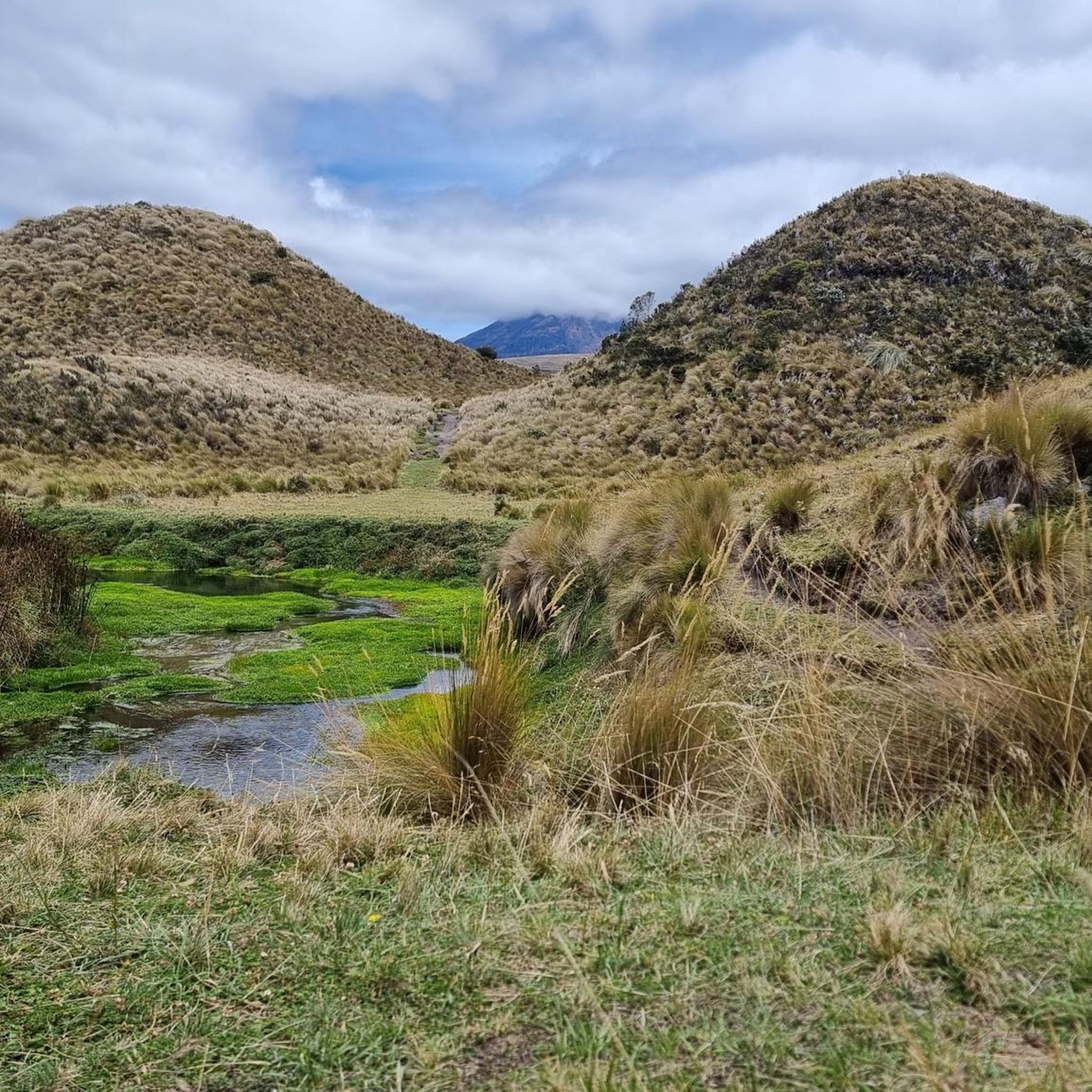
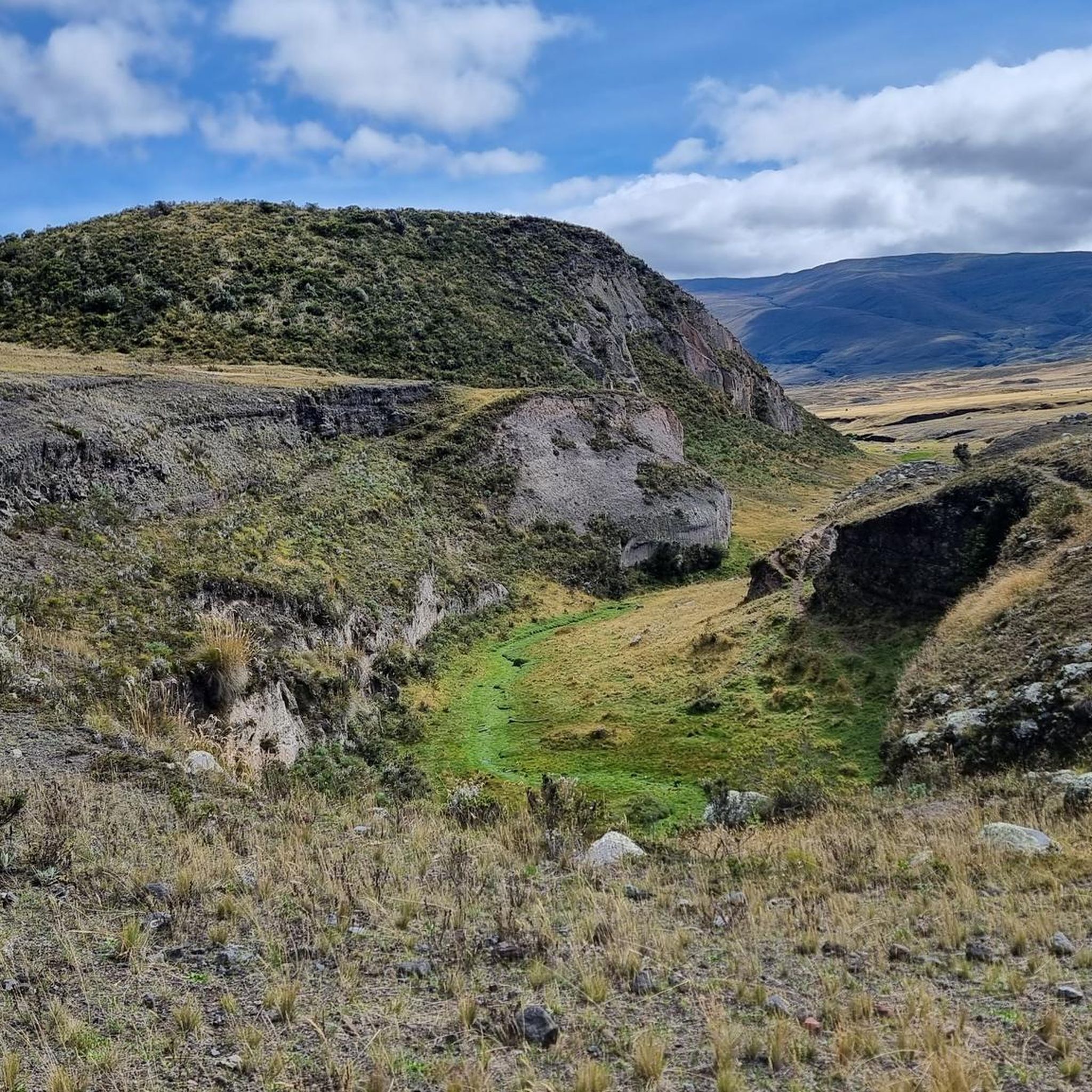
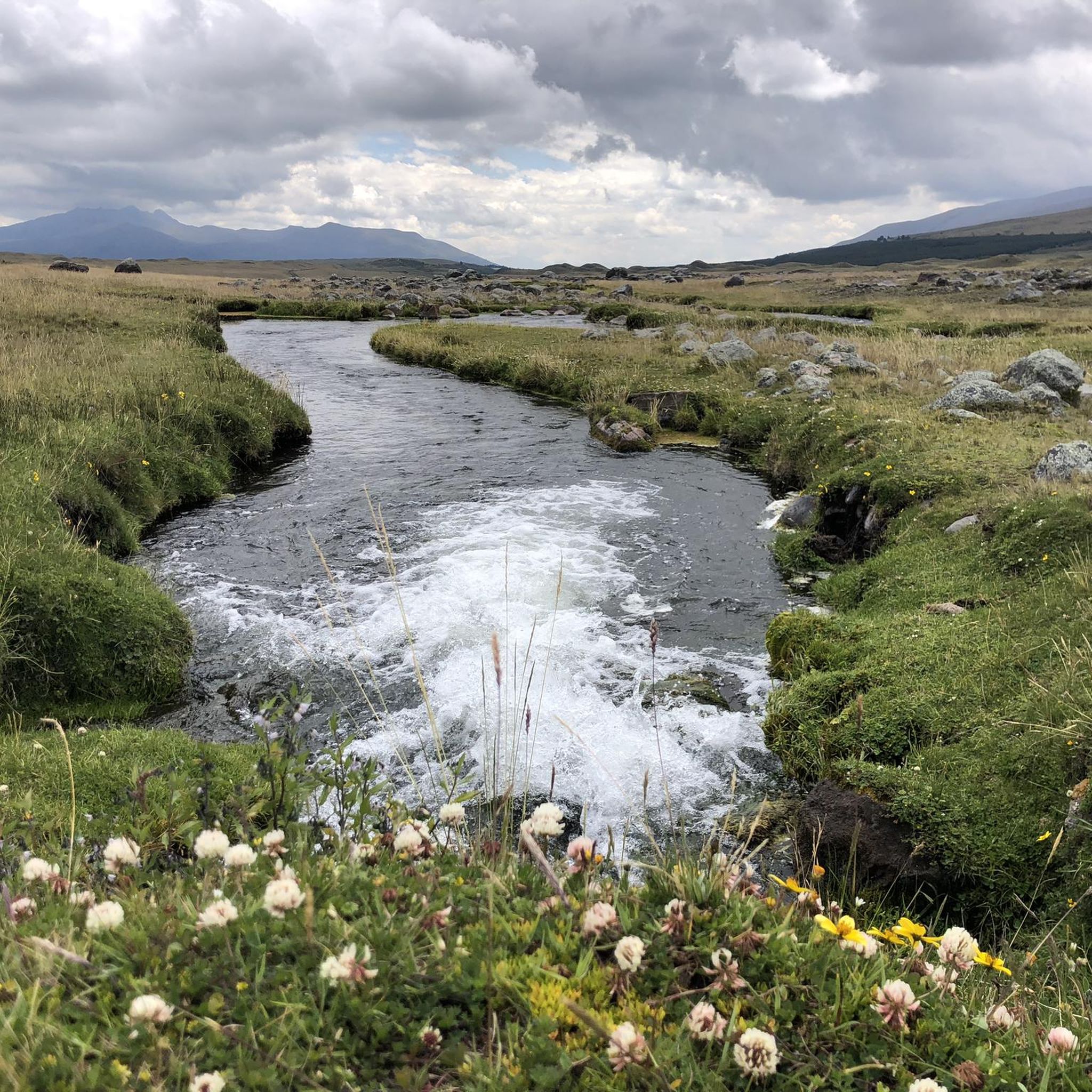
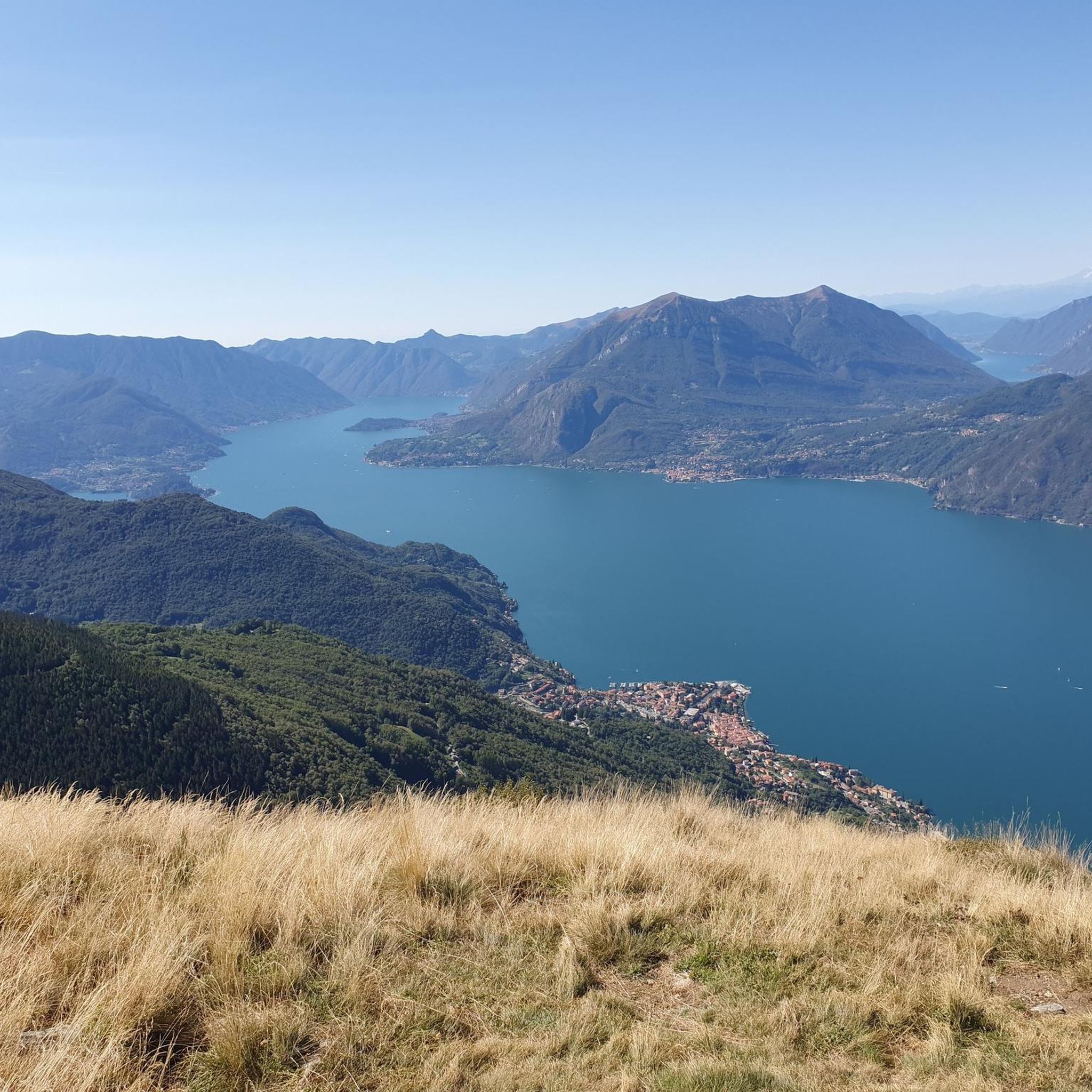


Tips from the Community

A section of rock climbing, the ridge of the Sucre Face, climbing in a gully, and crossing the "pass of death." It's an excellent route for those who enjoy climbing and the adrenaline rush of traversing a narrow path.
0
0

beautiful place to train 45 uphill 25 downhill...
1
0

excellent route to do in the morning and at night
0
0

Views of the valley are always great. The higher up you are, the better. Here, on a clear day, you can refine the view of the valley by observing the surrounding volcanoes.
0
0
With luck and clear visibility, climbing this peak will reveal all the surrounding volcanoes. Antisana, Chimborazo, Iliniza Sur and Cotopaxi. The view into the vast depths is also wonderful.
0
0

Impressive ascent along the rim of the crater to the main summit of Guagua Pichincha. Sure-footedness and a head for heights are required, towards the end there is an easy climbing section. The reward? Fantastic prospects!
0
0

...Especially when the sun is shining
0
0
Frequently Asked Questions
Which mountain peaks in Pichincha offer the best panoramic views of Quito?
For expansive views of Quito, Rucu Pichincha Summit is an excellent choice. It is easily accessible via the TelefériQo, which significantly shortens the hike to its 4,698-meter peak. On clear days, you can also spot other major volcanoes like Cotopaxi and Cayambe from its summit.
Are there any mountain peaks suitable for beginners or those looking for an easier hike in Pichincha?
While many peaks in Pichincha offer challenging ascents, Rucu Pichincha Summit is considered a moderate hike, especially when starting from the TelefériQo station. The final section involves some scrambling but doesn't require special equipment. For other easy options, you can explore various routes listed in the Easy hikes in Pichincha guide, such as the Ondinas Waterfall loop.
What is the best time of year to hike the mountain peaks in Pichincha?
The dry season, typically from June to September, offers the most stable weather conditions for hiking in Pichincha. During this period, you are more likely to experience clear skies and better visibility, which is crucial for enjoying the panoramic views from the summits. However, weather in the Andes can be unpredictable, so always be prepared for changes.
Which mountain peaks are best for acclimatization before attempting higher climbs?
Both Rucu Pichincha and Iliniza Norte Summit are popular choices for acclimatization. Rucu Pichincha, accessible via TelefériQo, allows you to reach high altitudes quickly. Iliniza Norte, at 5,126 meters, is often used as a training climb for those planning to tackle more technical peaks like Cotopaxi or Illiniza Sur, offering superb views of surrounding volcanoes.
What kind of wildlife can I expect to see around Pichincha's mountain peaks?
The diverse Andean ecosystems around Pichincha's peaks are home to various wildlife. The Antisana Ecological Reserve, for instance, is renowned as the best place in Ecuador to spot wild Andean condors. You might also encounter various hummingbirds, Andean lapwings, foxes, and white-tailed deer. The volcanic ranges also feature unique flora like the frailejón plant.
Are there any challenging technical climbs in Pichincha for experienced mountaineers?
Yes, for experienced climbers seeking a technical challenge, Illiniza Sur (part of the Illinizas pair) is a glaciated peak demanding technical prowess with sections of ice climbing, often considered more demanding than Cotopaxi. Antisana, Ecuador's fourth-highest peak, also offers a serious technical mountaineering expedition requiring ropes, ice axes, and experienced guides.
How can I access the trails for mountain peaks like Rucu Pichincha?
The most common way to access Rucu Pichincha Summit is by taking the TelefériQo cable car from Quito, which transports visitors to Cruz Loma at around 4,100 meters. From there, the trail to the summit begins. For other peaks, access points often involve driving to specific trailheads or refuges, such as the one between Illiniza Norte and Sur, accessible from El Chaupi.
What other outdoor activities are available near the mountain peaks in Pichincha?
Beyond peak bagging, Pichincha offers a variety of outdoor activities. You can find numerous options for mountain hikes, including challenging routes like the Illiniza Norte loop. For cycling enthusiasts, there are extensive routes such as the El Chaguiñán Ecological Route, detailed in the Cycling in Pichincha guide.
What makes the Illinizas peaks unique for hikers and climbers?
The Illinizas, consisting of Illiniza Norte and Illiniza Sur, offer varied climbing challenges. Iliniza Norte Summit is a challenging trekking peak often used for acclimatization, providing superb views. Illiniza Sur is a glaciated pinnacle requiring technical ice climbing skills. Both are set within a reserve boasting rich Andean biodiversity and beautiful moorlands.
Are there any less crowded mountain peaks near Quito that offer a rewarding experience?
While Rucu Pichincha can be popular, other peaks like Corazón Summit offer a more secluded experience. The ascent to Corazón Summit from El Chaupi takes you through muddy páramo paths to a ridge, with some exposed sections, providing a challenging yet rewarding hike away from the busiest trails.
What natural features are prominent around the mountain peaks of Pichincha?
Pichincha's mountain peaks are characterized by stratovolcanoes, glaciated peaks, and volcanic mountains. You'll encounter active craters (like in Guagua Pichincha), fumaroles, and vast páramo grasslands. Ancient lava flows and glacial retreat have shaped the terrain, creating dramatic landscapes and viewpoints like the View of Illiniza Sur and Illiniza Norte.
Can I find any man-made monuments or unique landmarks on the peaks?
Yes, for a unique blend of natural beauty and a man-made landmark, consider visiting Ilaló Cross. This monument is also a summit and offers a beautiful place for training with varied uphill and downhill sections, providing a different kind of peak experience.
Most popular routes in Pichincha
Most popular attractions in Pichincha

Get inspired with the komoot mobile app


Didn’t find what you were looking for?
Discover Pichincha’s best peaks and summits by region:
Explore more
See even more amazing summits in Pichincha with these guides:
