Top 5 Caves around La Campiña
Best caves around La Campiña are found within a region primarily characterized by agricultural landscapes, including extensive olive groves and cereal crops. While not traditionally known for natural cave systems, the area features several significant subterranean sites. These locations often combine geological interest with historical and archaeological importance, offering unique insights into the region's past. Visitors can explore ancient quarries, historical excavations, and sites with Roman origins.
Best caves around La Campiña
- The most popular caves is Cueva de la…
Last updated: June 26, 2026
Coto de las Canteras (Osuna)
Highlight • Historical Site
Translated by Google •
Tip by

Cueva de la Batida
Highlight • Cave
Translated by Google •
Tip by

Sign up now to discover places like this
Get recommendations on the best single tracks, peaks, & plenty of other exciting outdoor places.
Sign up for free
The Necropolis and the Tomb of the Elephant
Highlight • Historical Site
The Necropolis …
Translated by Google •
Tip by

Cave of the Colegiata de Osuna
Highlight • Cave
Translated by Google •
Tip by

Castle of Utrera
Highlight • Castle
Translated by Google •
Tip by

Start today with a free account
Your next adventure awaits.
Login or Signup
Popular around La Campiña
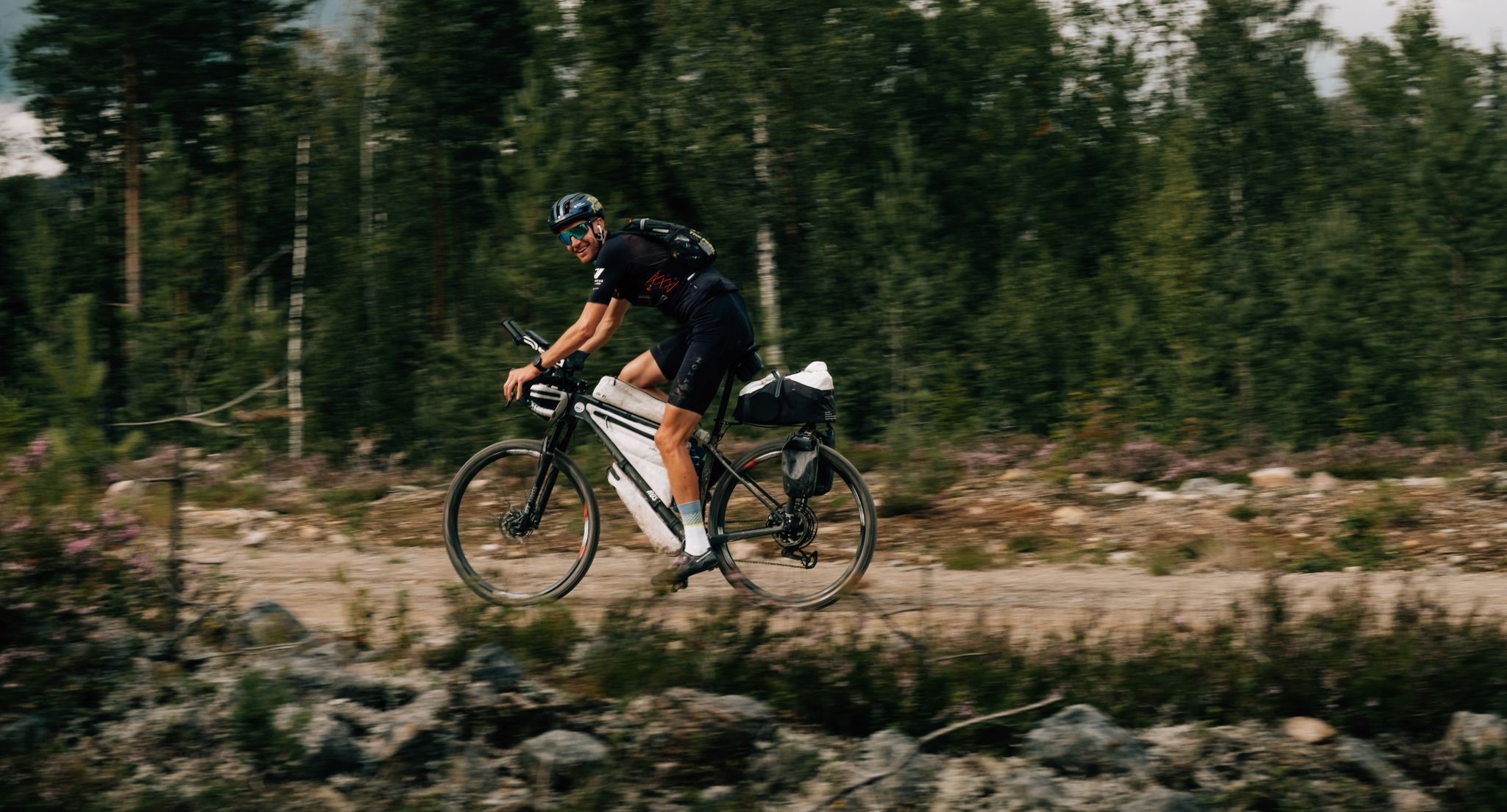
European D̶I̶V̶I̶D̶E̶ Connect Trail Project – a journey across Europe
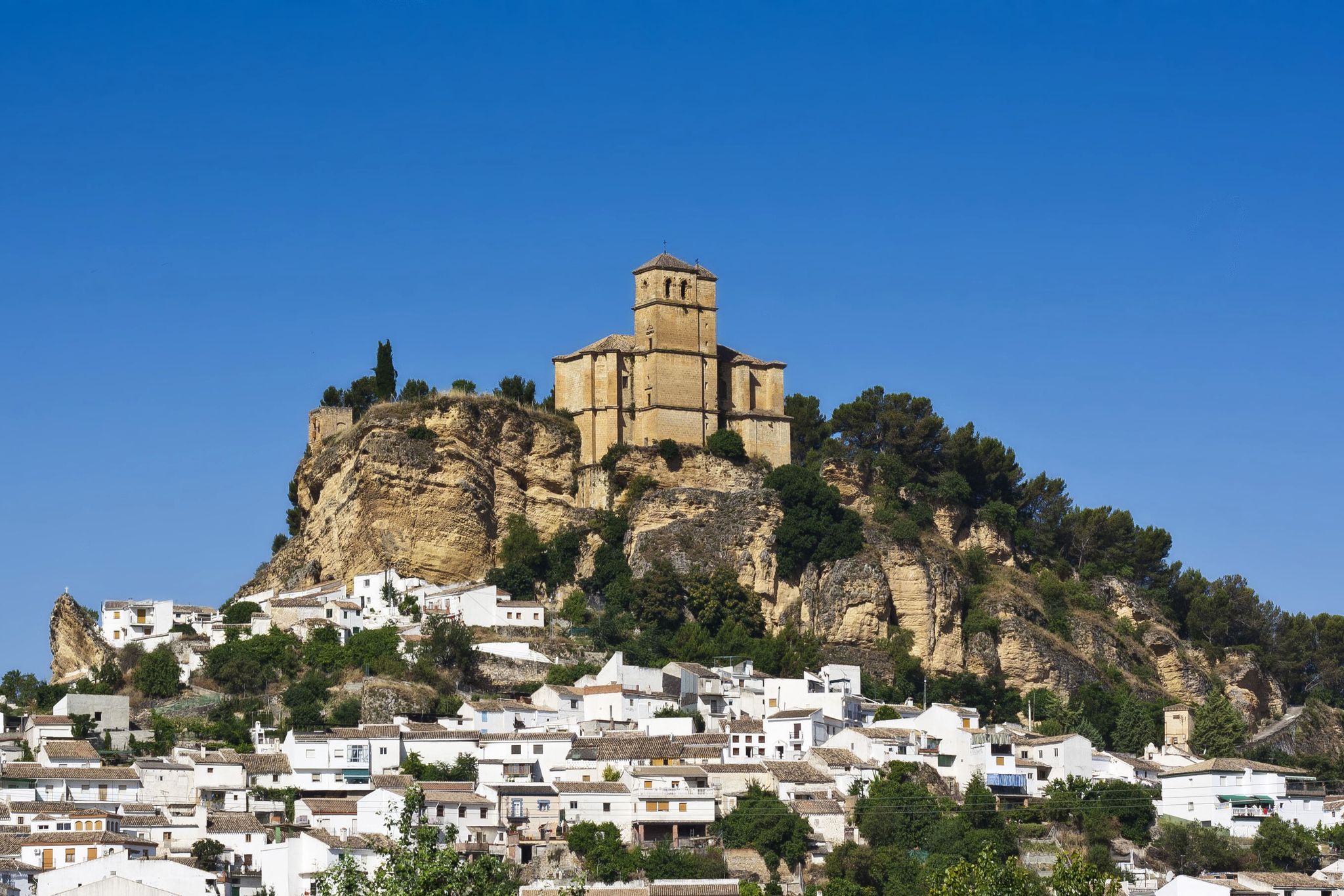
Washington Irving – cycle through the Arab vestiges of Andalusia
A winter getaway along the greenways of Andalusia in Spain
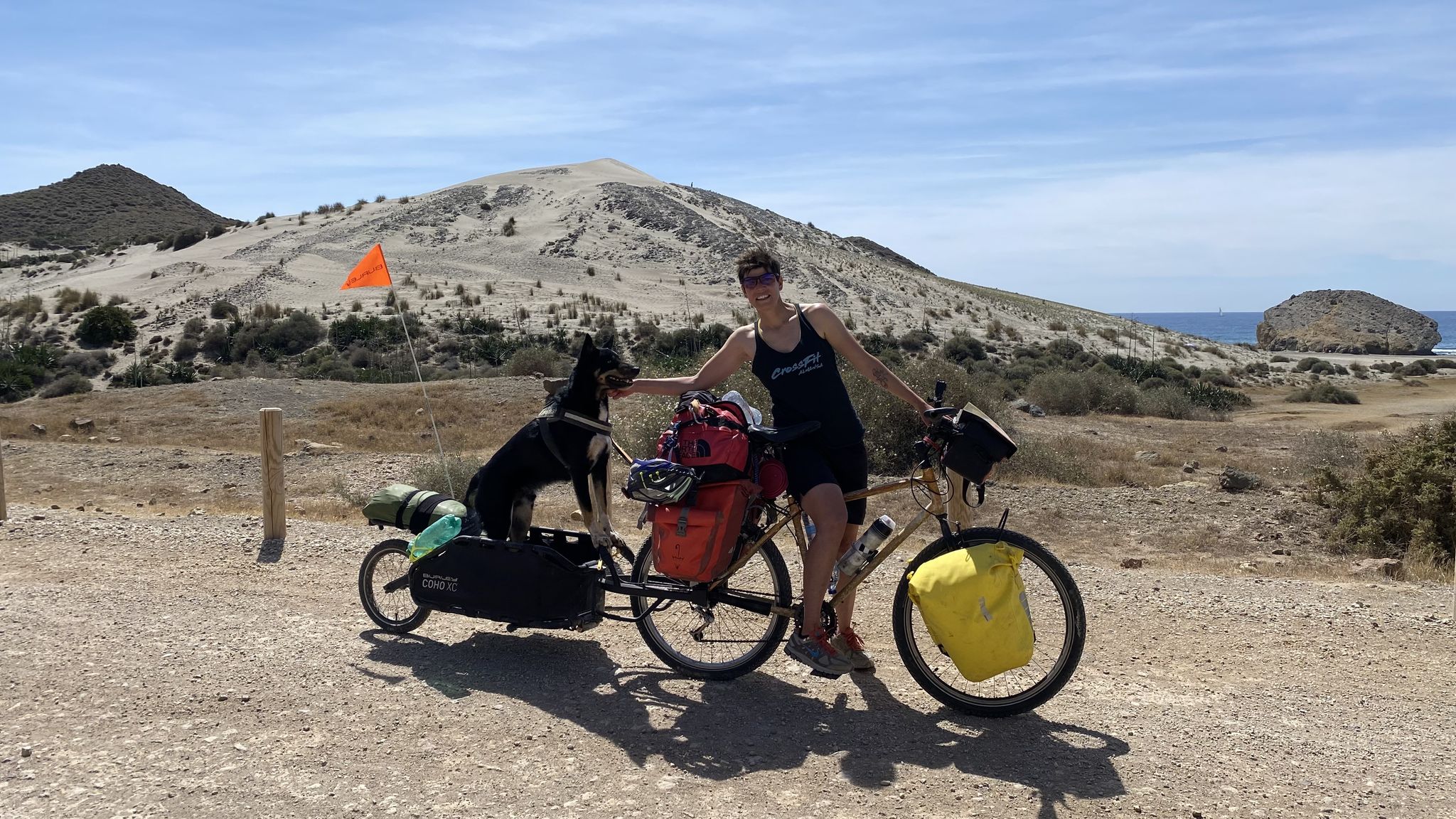
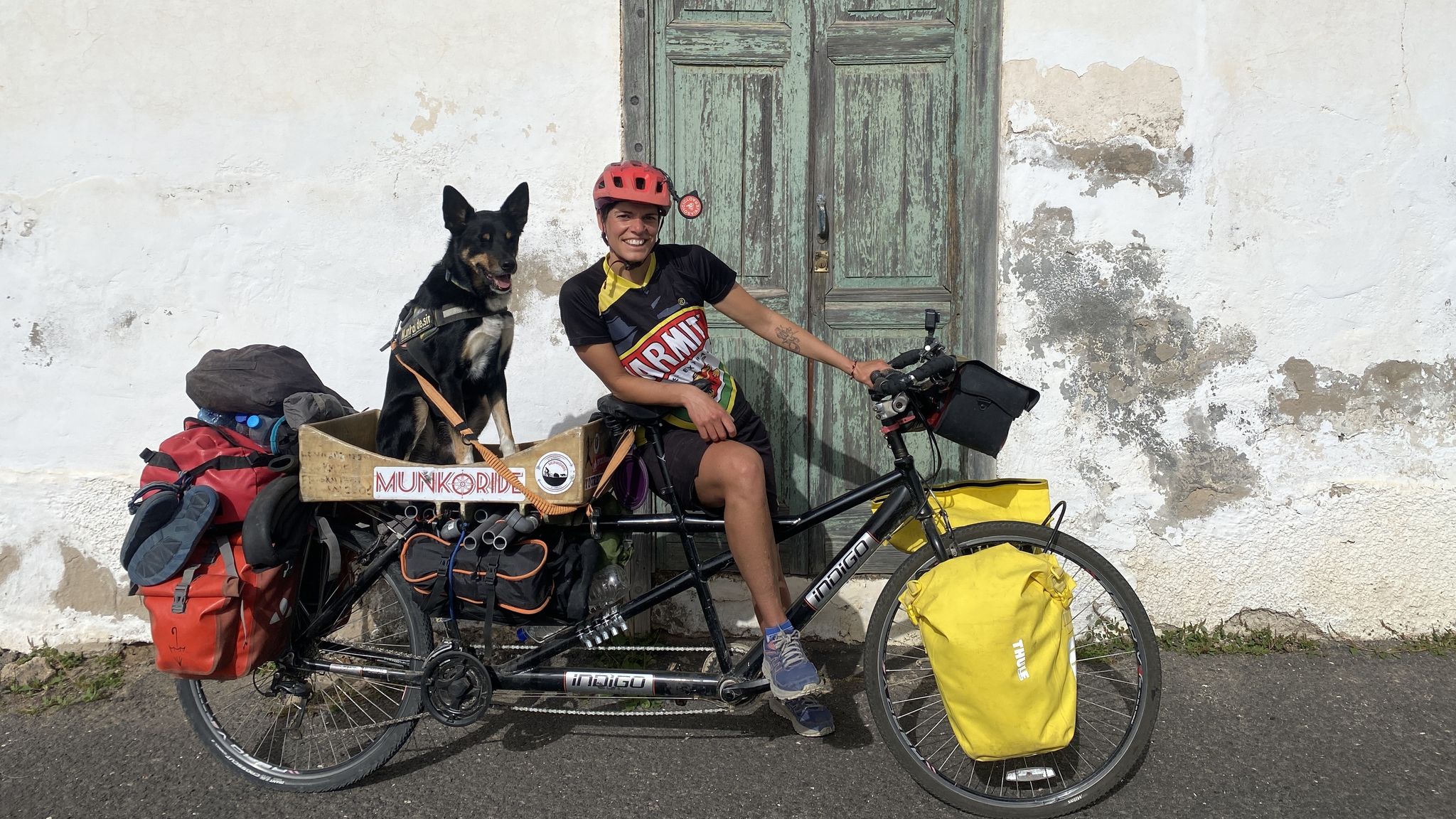
Let’s head south – cycle in Andalusia with me and my dog
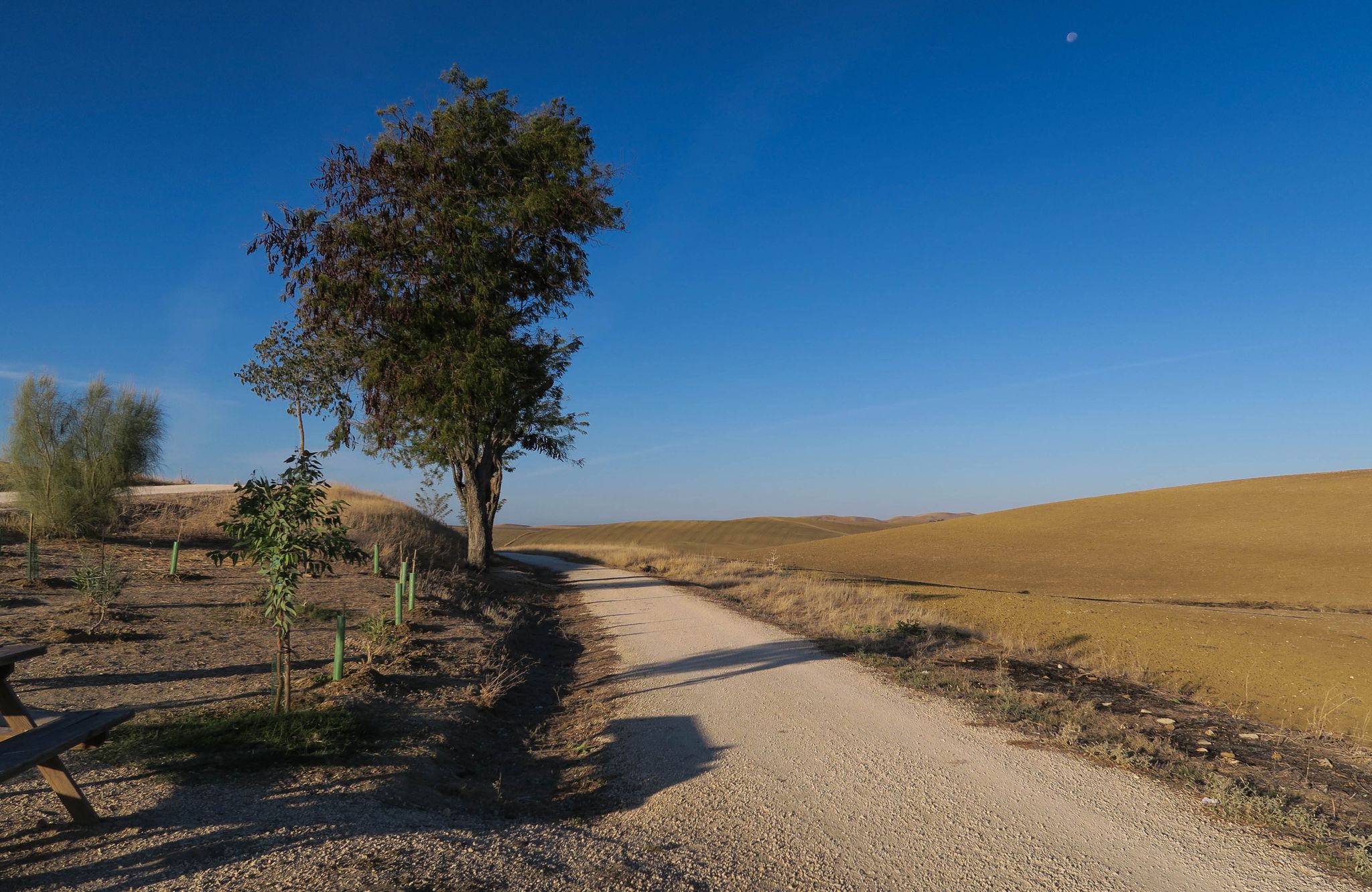
Cycle through the countryside of Spain’s Cordoba – Via Verde de la Campiña
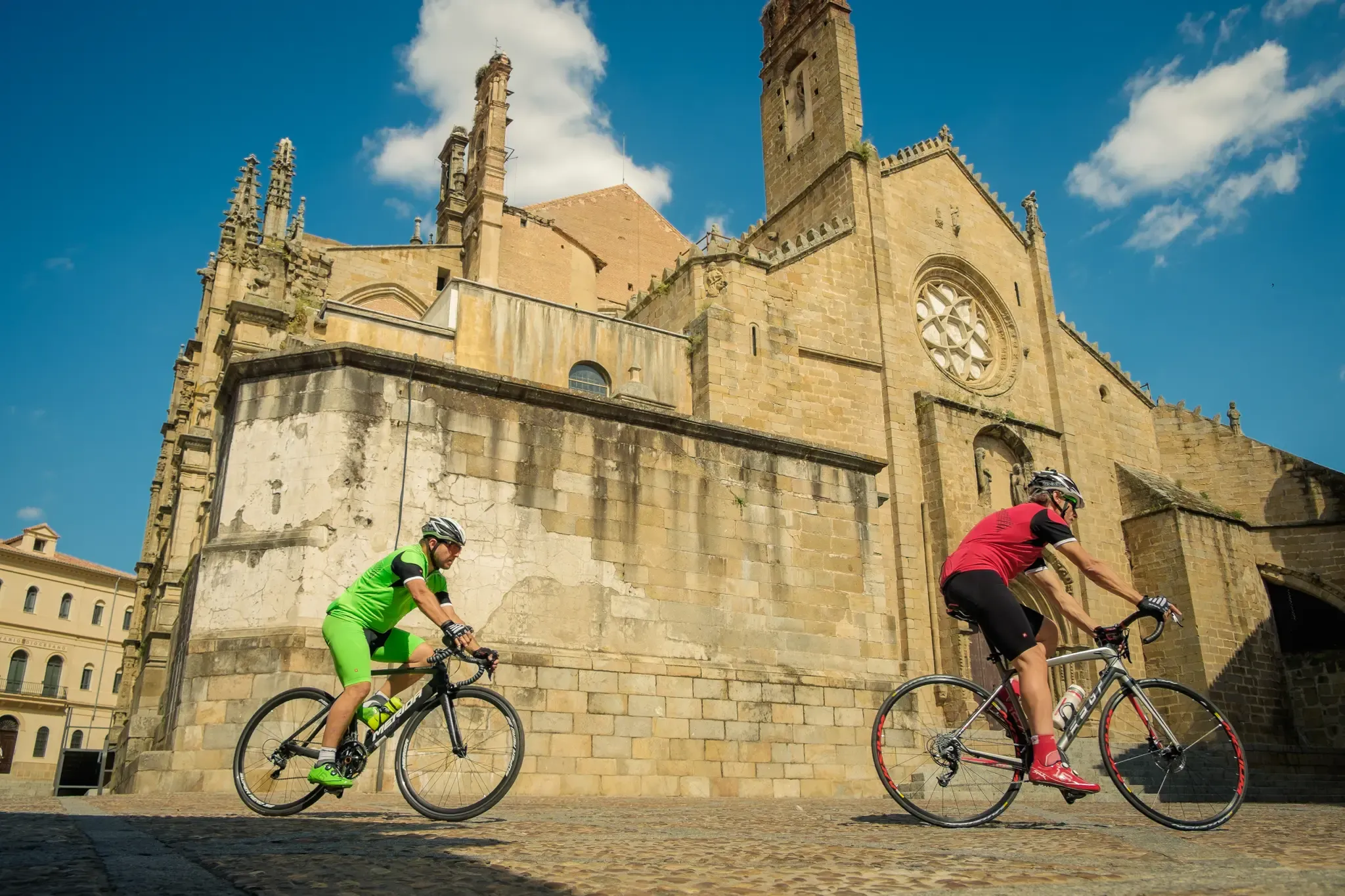
Vía de la Plata – from Seville to Gijón by bike
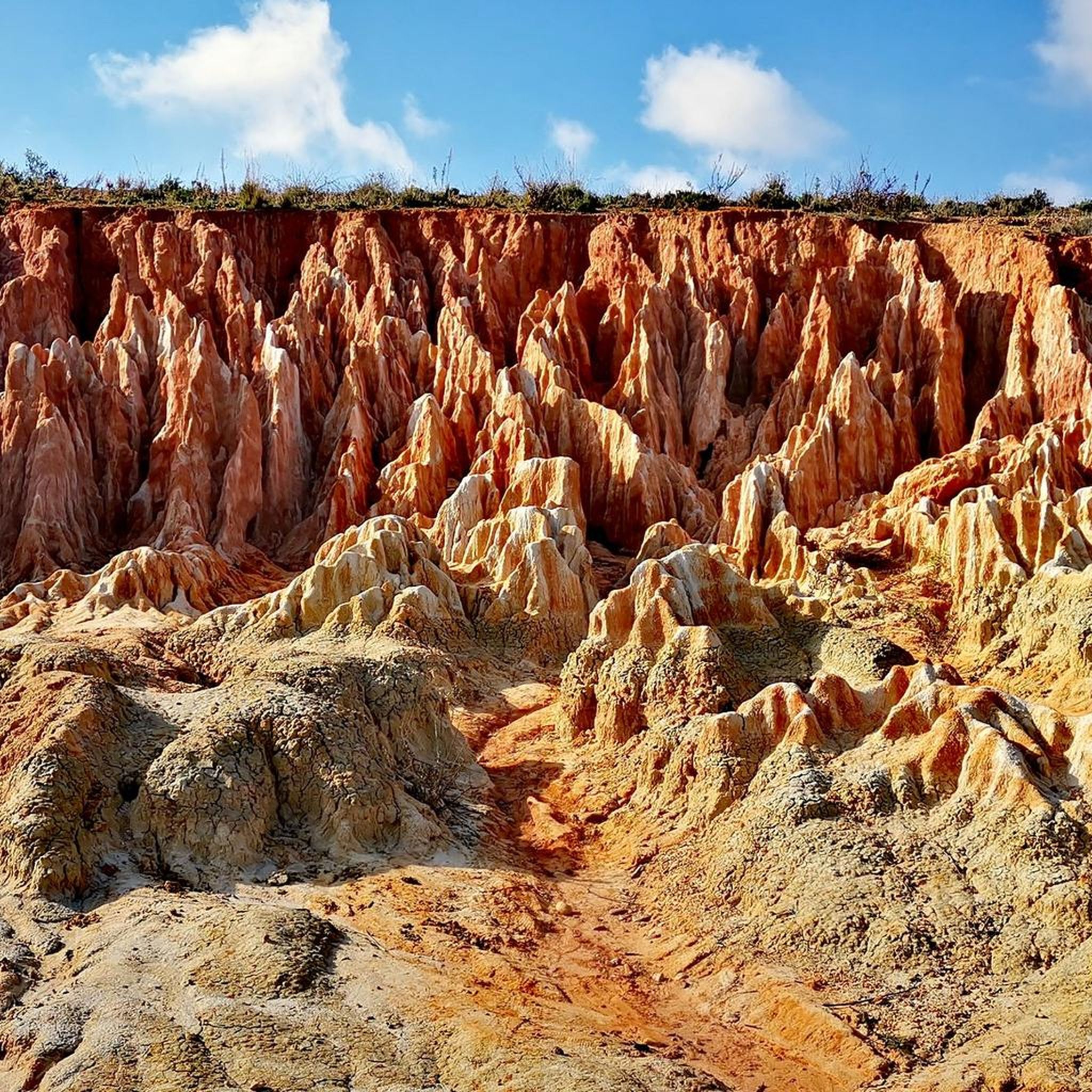
Hiking around La Campiña
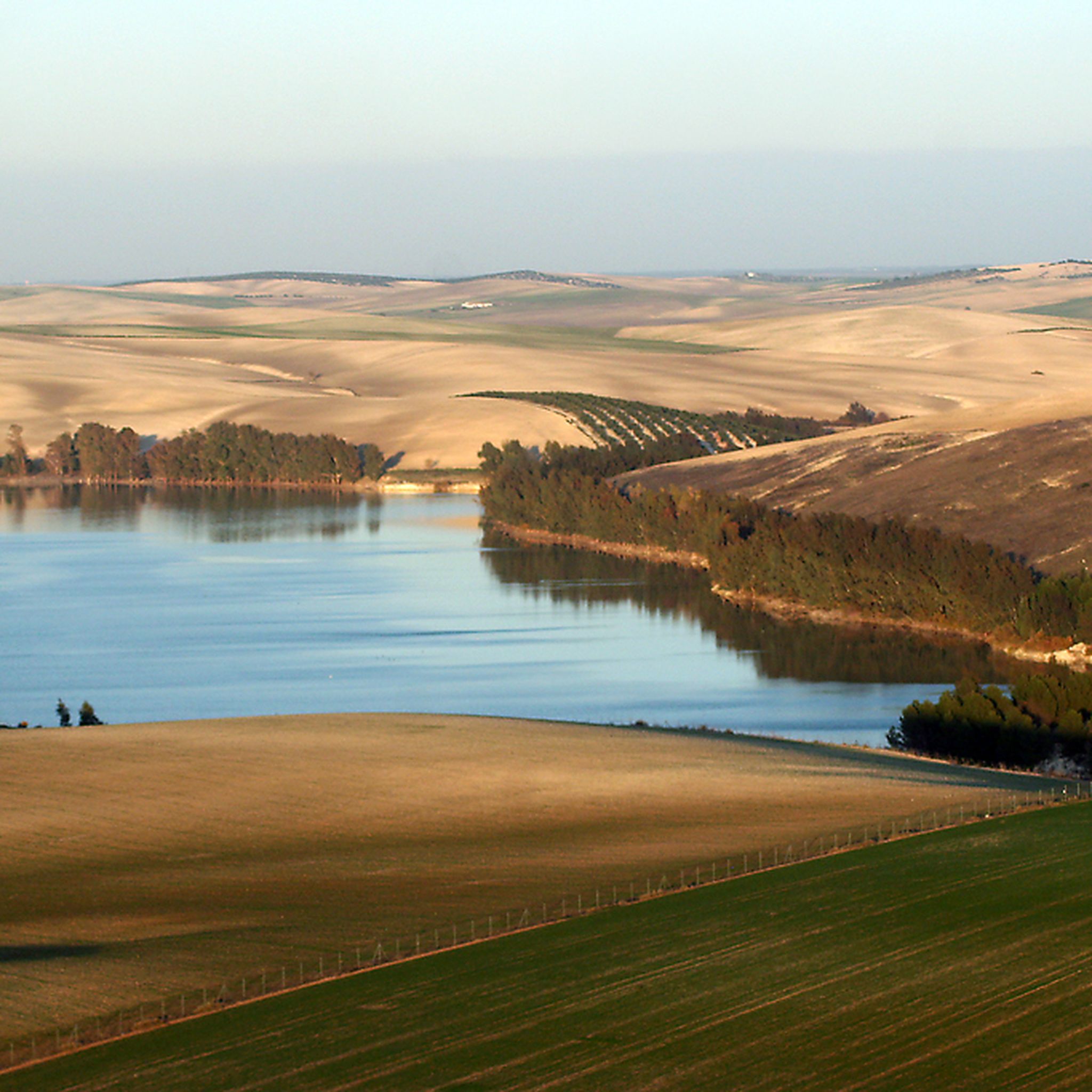
Road Cycling Routes around La Campiña
Cycling around La Campiña
MTB Trails around La Campiña
Other adventures around La Campiña


Tips from the Community

The discovery of the Carmona Necropolis occurred at the end of the 19th century, thanks to the initiative of Juan Fernández López and the English archaeologist Jorge Bonsor. The Necropolis dates back to around the 1st century. The most common burial ritual was cremation. The bodies were cremated in pits dug into the rock where the pyre was placed. Occasionally, these pits were also used as burial pits, with the ashes being deposited in the pit, which was covered with ashlars, bricks, or tiles. Once covered, a stele was placed to indicate the location and name of the deceased. The collective mausoleum, consisting of an underground chamber for families, is the most common type of burial site in the Carmona Necropolis. It is accessed through a stepped shaft. The chamber is usually quadrangular, with a bench running along the lower part of the walls, where offerings are placed and above which niches are opened. In some chambers, traces of the doors that closed them remain; others must have been closed with a slab. The external part of the burials must have been covered with cippus, stelae, or barrows and other structures of which no evidence has survived. To hide the roughness of the rock, the tombs were decorated. The Necropolis is one of the most important sites in the Peninsula due to its good preservation. It is believed that the tiers and vestibules were covered with sheets of precious material, with niches for the usual statues of emperors and illustrious Carmona residents. The "ima" and "media cavea" are below the level of the road, dug into the hillock, while the "suma cavea" was the only built-up part. On its eastern façade, there is an entrance ramp, similar to those that must have been at each of the corners, which provided access to the exits or vomitoria. This is a sanctuary dedicated to the worship of the deities Cybele and Attis. The veneration of these Eastern gods attained enormous importance in Rome. Attis, a god who died and was resurrected each year, took root among the people of Carmona, as evidenced by other finds in the Necropolis, and represented the recovery of a form of religiosity unique to Carmona, prevalent in Eastern and Mediterranean cultures, with which Carmona had long maintained undeniable ties. Along with this god, the mother goddess, the divine incarnation of nature, mistress of life and death, represented by the aniconic form of a baetyl (an ovoid stone). However, the figure of the elephant exerted such fascination from its discovery that it became the most prominent symbol of eternity in this building. The tomb of Servilia, the most monumental of the traditional structures represented in the Necropolis. It follows Hellenistic models and reproduces a luxurious mansion, with a large porticoed courtyard that opens onto various rooms. One of these spaces is the covered gallery, in the central section of which is a chamber that appears to have originally housed the sculpture of Servilia. At the front of the porticoed courtyard is the burial chamber, which has a large, trapezoidal vestibule covered by a pointed vault; this gives it a unique character unprecedented in the site. In short, everything suggests that the tomb, dating from the time of Augustus, must have belonged to a family of powerful Roman rulers and officials.
0
0


A castle of Arabic origin. Unfortunately it was closed.
0
0

In the municipality of Carmona is the Cueva de la Batida, a formation with Roman origins that can be perfectly visited from a circular hiking trail that starts from the town itself.
1
0

The Collegiate Church of Osuna is an important place in the region. It is a church built in the 16th century I believe. It is on top of a hill and allows you to see the whole area around.
2
0

Alcazaba de Utrera is a 13th century fortification, declared an Asset of Cultural Interest in 1985. On the highest terrace, next to the gate, is the Torre del Homenaje, which was set up as a museum space around the history of the castle. The hours are from 10:00 a.m. to 1:00 p.m. and from 4:30 p.m. to 8:30 p.m.
2
1
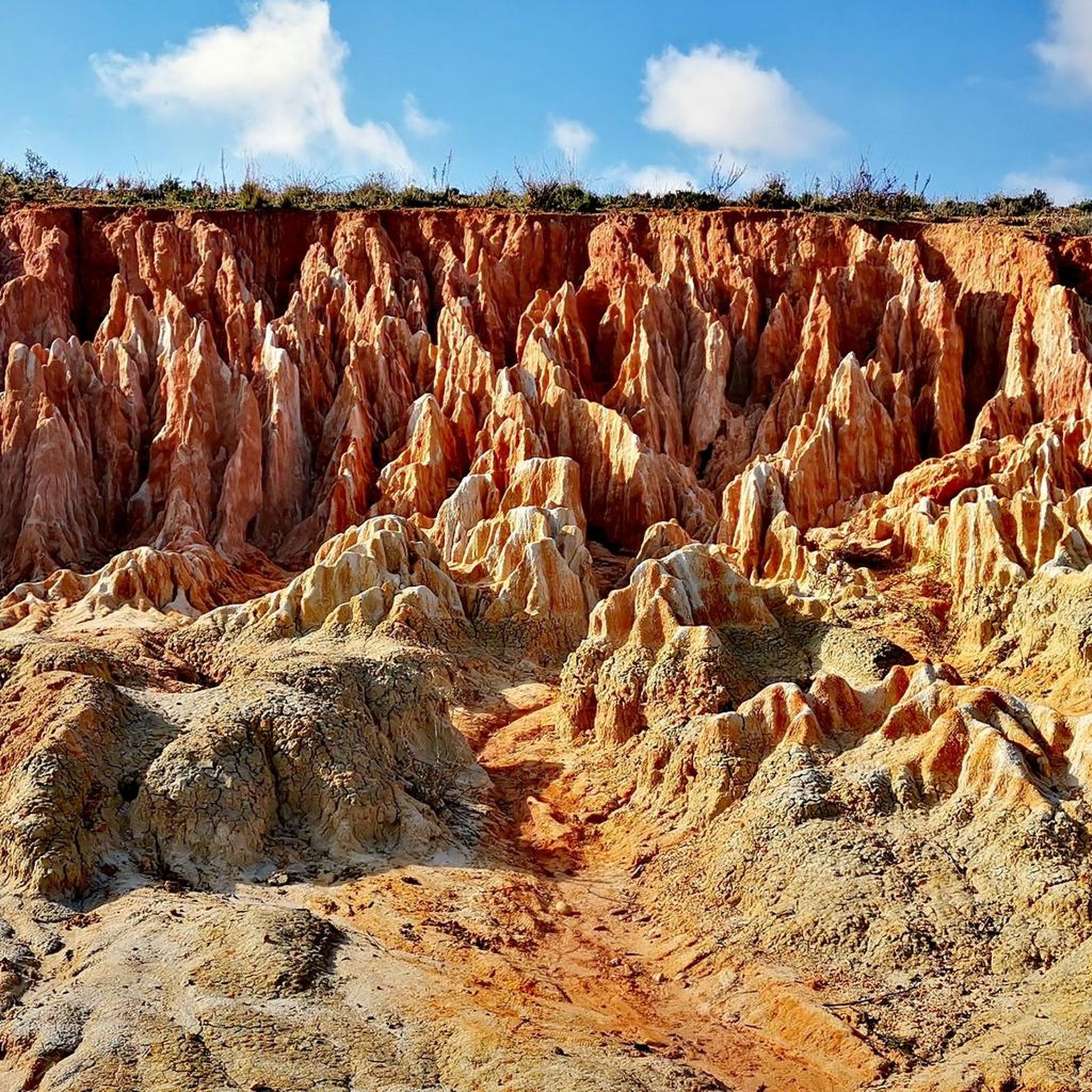
The La Batida caves are a rocky outcrop that has been mined since Roman times. It is one of the main attractions of the Cueva de la Batida Environmental Route.
1
1

On the very edge of a precipice opened by the stonemasons, there are the ruins of what until the last century was the hermitage of the Vía Sacra. It was built in the middle of the 17th century and the Via Crucis ended there. Next to it, as a chapel, remain the remains of some tombs carved into the rock, following the model of the necropolis.
6
0
Frequently Asked Questions
What kind of 'caves' can I explore in the La Campiña region?
The 'caves' in La Campiña are primarily historical sites, ancient quarries, and subterranean excavations rather than natural geological formations. They offer insights into the region's past, with Roman origins and centuries of stone extraction. Notable examples include Cueva de la Batida, a rocky outcrop mined since Roman times, and Coto de las Canteras (Osuna), an archaeological site known as the 'Petra of Andalusia' for its spectacular stone reliefs.
Are there any natural caves in the immediate La Campiña area?
The La Campiña region itself is mainly characterized by agricultural landscapes and is not known for prominent natural cave systems. However, the broader autonomous community of Andalusia is home to several spectacular natural caves with unique geological formations, which are often within a reasonable distance.
Which caves in La Campiña are known for their historical significance?
Several sites in La Campiña are rich in history. Coto de las Canteras (Osuna) has been used as a stone quarry since before Roman occupation and now serves as a museum and auditorium. The Necropolis and the Tomb of the Elephant in Carmona dates back to the 1st century, featuring Roman burial sites and a sanctuary. The Cueva de la Batida also has Roman origins.
Are there family-friendly cave experiences around La Campiña?
While the 'caves' in La Campiña are more historical sites, some, like the Castle of Utrera, are categorized as family-friendly and offer a blend of historical exploration that can be engaging for families. The archaeological nature of many sites means they are generally accessible for visitors of various ages.
What are some of the most impressive natural caves in the wider Andalusia region?
Beyond La Campiña, Andalusia boasts several remarkable natural caves. The Gruta de las Maravillas in Aracena (Huelva) is known for its stunning underground lakes and formations. The Cueva de la Pileta in Benaoján (Málaga) features significant prehistoric art. The Cueva del Tesoro near Málaga is one of only three marine caves in the world open to the public, and the Cuevas de Nerja (Málaga) are famous for their immense chambers and archaeological value.
How long does it typically take to visit the historical 'caves' in La Campiña?
The duration of a visit can vary depending on the site. For places like Coto de las Canteras (Osuna) or the Necropolis and the Tomb of the Elephant, you might spend 1-2 hours exploring the archaeological features and learning about their history. Smaller sites or specific sections might take less time.
What is the best time of year to visit the caves around La Campiña?
The historical 'caves' and archaeological sites in La Campiña can generally be visited year-round. However, spring (April-May) and autumn (September-October) offer milder temperatures, making outdoor exploration and travel around the region more comfortable. Summers can be very hot in Andalusia, so early mornings or late afternoons are preferable if visiting then.
What should I wear when visiting the historical 'caves' in La Campiña?
Comfortable walking shoes are recommended, as many sites involve walking on uneven terrain or through historical paths. Light, breathable clothing is suitable for warmer months, while a light jacket might be useful during cooler seasons or when exploring deeper sections of some sites, though most are open-air or well-ventilated.
What outdoor activities can I combine with a visit to the caves in La Campiña?
The La Campiña region offers various outdoor activities. You can find easy hikes, such as the 'Coto de las Canteras, Colegiata de Osuna y plaza de Toros' circular route, or explore running trails like the 'Stone Pathway Across the River – Molinos del Río Guadaíra loop'. For cycling enthusiasts, there are gravel biking routes, including the 'Scenic Gravel Path – Fuentes de Andalucía loop'. You can find more details on these activities in the easy hikes, gravel biking, and running trails guides for La Campiña.
Are there options for hiking near the historical 'caves' in La Campiña?
Yes, there are several hiking opportunities. For instance, the Cueva de la Batida is part of the Cueva de la Batida Environmental Route, a circular hiking trail starting from Carmona. You can also find other easy hikes around the region, such as the 'Cerro de Valdeperros Circular Trail' or routes exploring the historic centers of towns like Carmona and Marchena. More hiking options are available in the Easy hikes around La Campiña guide.
What unique geological or man-made features characterize the 'caves' of La Campiña?
The 'caves' in La Campiña are notable for their man-made modifications and historical significance. Coto de las Canteras (Osuna) showcases spectacular stone reliefs carved from ancient quarries. The Necropolis and the Tomb of the Elephant features underground chambers, burial pits, and elaborate Roman tomb structures carved into the rock. These sites highlight human interaction with the landscape over millennia.
Are there any 'hidden gem' or lesser-known historical 'caves' in La Campiña?
While not exactly 'hidden,' the Cave of the Colegiata de Osuna is associated with an important historical area atop a hill, offering views of the surrounding landscape and a glimpse into the region's past. The Necropolis and the Tomb of the Elephant in Carmona, with its well-preserved Roman burial structures, also offers a profound and unique historical experience.
Most popular routes around La Campiña
Most popular attractions around La Campiña

Get inspired with the komoot mobile app


