Top 5 Caves around Riudaura
Best caves around Riudaura are found within the Garrotxa region, characterized by its volcanic landscape and diverse natural features. This area offers a variety of geological formations and historical sites carved into rock. The terrain in Garrotxa provides opportunities for exploring both natural caves and human-modified rock shelters. The region's geology includes Eocene materials and shale marl formations, contributing to unique cave structures.
Best caves around Riudaura
- The most popular caves is Baumes de Caixurma, a cave system featuring labyrinthine galleries and narrow cracks formed between large blocks of bluish-gray shale marl. These formations date back to the Eocene period, offering an intriguing geological experience.
- Another must-see spot is Oratory of Mare de Déu de les Olletes, a religious building and historical site carved directly into the rock. This small oratory, approximately 5 meters high and 8 meters deep, houses a Baroque alabaster image of the Virgin Mary.
- Visitors also love Bauma Rest, a cave and natural monument. This location offers a place to rest and appreciate the surrounding landscape.
- Riudaura is known for natural caves, historical rock shelters, and religious sites integrated into rock formations. The variety of caves to see and explore includes geological formations and structures with cultural significance.
- The caves around Riudaura are appreciated by the komoot community, with more than 15 photos and 15 upvotes shared by users.
Last updated: May 22, 2026
Baumes de Caixurma
Highlight • Cave
Located south of Castellfollit de la Roca, within the municipality of Montagut and Oix.
These are blocks of bluish-gray shale marl. According to the cartography of the Geological Institute of Catalonia, they are Eocene materials from the Lutetian.
The entrances to the baumes, with an approximate length of 400m, are hidden by the dense vegetation
Translated by Google •
Tip by

Oratory of Mare de Déu de les Olletes
Highlight • Religious Site
Next to it and rising above the road are the remains of the building where the objects needed for the worship of the chapel were kept.
Its origin can be traced back to the beginning of the 17th century, when, according to traditional references, an image of the Virgin Mary was found in a small depression in the ground, that is, in a "pot", which has given its name to the oratory
This hole is a few steps away, on a support of the cliff, which has been retouched in order to be able to put a fence. When the image from this corner was moved to the chapel, one of the Virgin Mary of Núria was placed in its place. pot-shaped cavities found around
Translated by Google •
Tip by

Sign up now to discover places like this
Get recommendations on the best single tracks, peaks, & plenty of other exciting outdoor places.
Sign up for free
Mina Dolça
Highlight • Historical Site
Translated by Google •
Tip by

Bauma Rest
Highlight • Cave
Translated by Google •
Tip by

Start today with a free account
Your next adventure awaits.
Login or Signup
Tips from the Community

The bridge at the end leading back to Castellfollit de la Roca is in danger of collapsing and is not accessible.
0
0

In these Baumas and cavities, a certain number of protected cave-dwelling invertebrates and Bats live. It is advisable not to ENTER some of these Baumas and ensure that our passage through the area causes the least possible impact.🙋
1
0
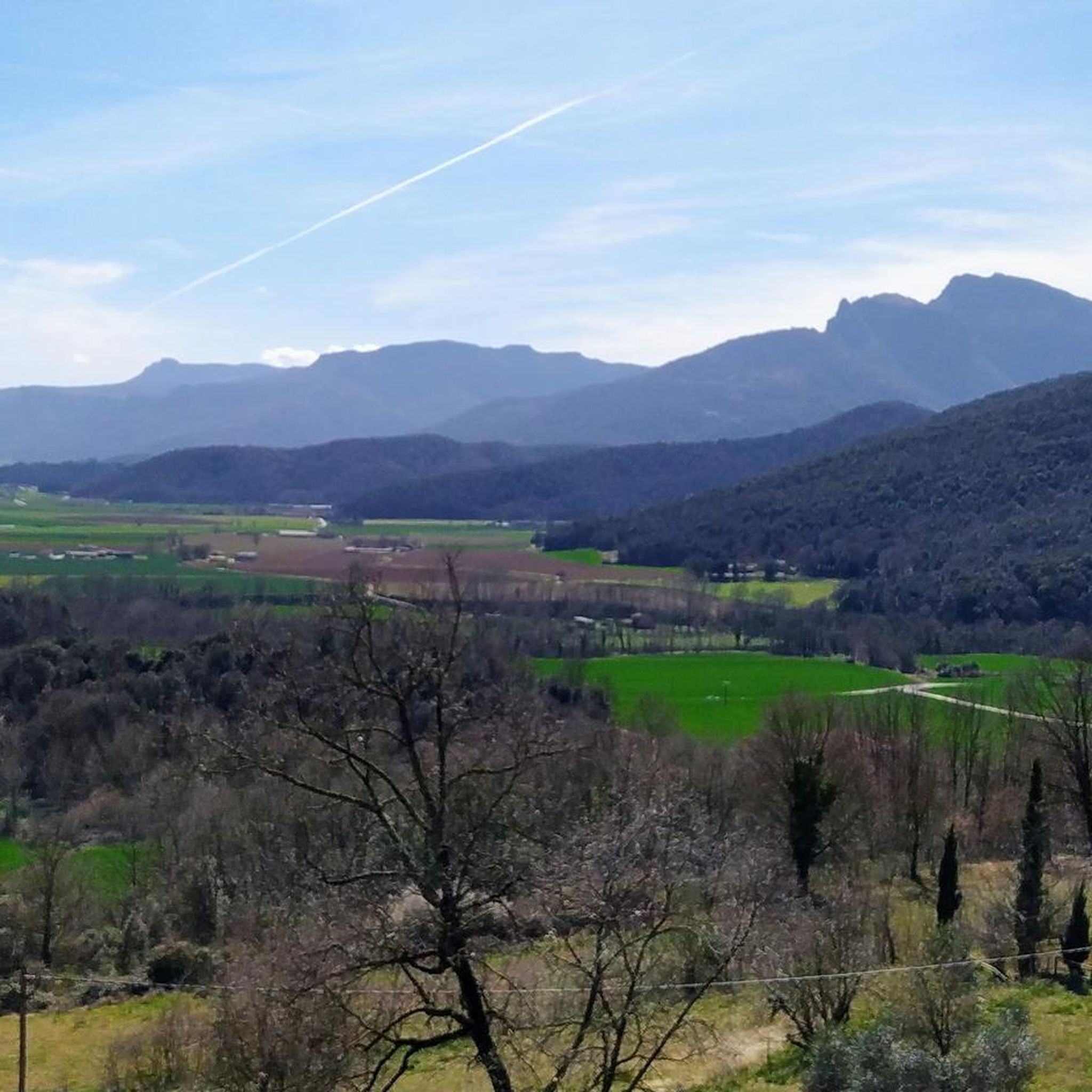
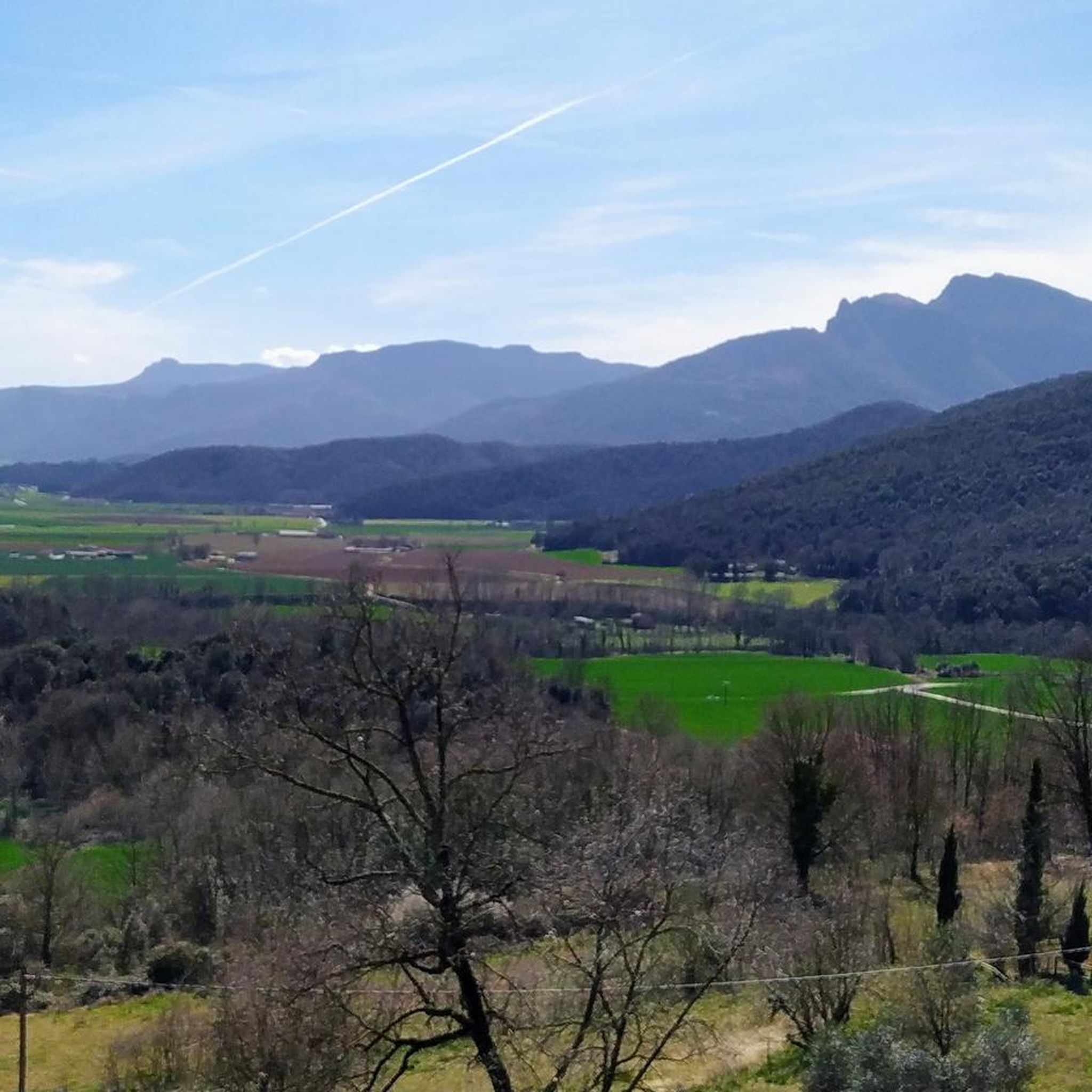
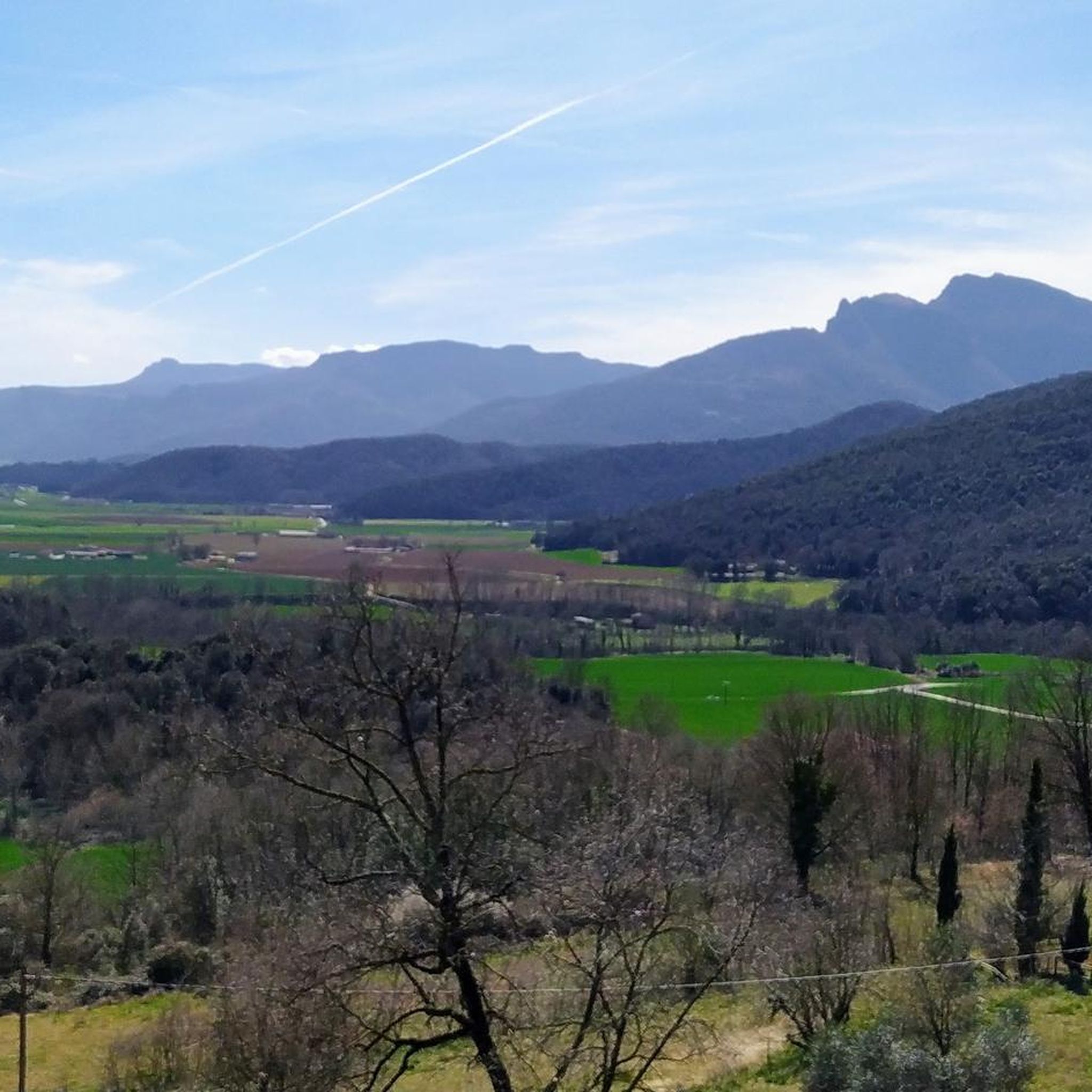
Here outside the Baumas... perfect place to regain strength and appreciate a pure and unique landscape
1
0

The Baumes de Caixurma are a complex system of labyrinthine galleries and narrow cracks that run between large blocks. Located south of Castellfollit de la Roca, within the municipality of Montagut and Oix. These are blocks of bluish-gray shale marl. According to the cartography of the Geological Institute of Catalonia, they are Eocene materials from the Lutetian. The entrances to the baumes, with an approximate length of 400m, are hidden by the dense vegetation
0
0

Mina Dolça is an old coal mine in the municipality of Ogassa built in the 19th century. Currently access to the mine is impracticable due to weeds at the entrance and water seepage.
2
0
We found a coal mine in the municipality of Ogassa (Ripollès) included in the Inventory of the Architectural Heritage of Catalonia.
1
0

It is a small oratory 5 meters high, 8 meters deep and 4 meters wide, dug into the rock and closed by a gate. It houses a Baroque alabaster image of the Virgin Mary, about 50 cm. height, a copy of the original, which is preserved in the town's parish church. Next to it and rising above the road are the remains of the building where the objects needed for the worship of the chapel were kept. Its origin can be traced back to the beginning of the 17th century, when, according to traditional references, an image of the Virgin Mary was found in a small depression in the ground, that is, in a "pot", which has given its name to the oratory This hole is a few steps away, on a support of the cliff, which has been retouched in order to be able to put a fence. When the image from this corner was moved to the chapel, one of the Virgin Mary of Núria was placed in its place. pot-shaped cavities found around
0
1
Frequently Asked Questions
What kind of geological formations can I expect to see in the caves around Riudaura?
The Garrotxa region, where Riudaura is located, features diverse geological formations. You can explore caves like Baumes de Caixurma, which are complex systems of labyrinthine galleries and narrow cracks formed between large blocks of bluish-gray shale marl dating back to the Eocene period. The area's volcanic landscape also contributes to unique rock structures.
Are there any historical or cultural sites among the caves in the Garrotxa region?
Yes, the region offers several sites with historical and cultural significance. The Oratory of Mare de Déu de les Olletes is a religious building and historical site carved directly into the rock, housing a Baroque image of the Virgin Mary. Additionally, the Bandoleros' Mine, a natural crevice, historically served as a hideout for bandits, offering a glimpse into the region's past.
Are there any caves with unique natural features or wildlife in the Garrotxa area?
The Cova dels Muricecs, while a bit further afield in Pallars Jussà but often mentioned in relation to Garrotxa's attractions, is a significant archaeological and paleontological site. It's also a crucial breeding ground for three endangered bat species in Catalonia. Visits are regulated to protect the bat population.
What unique cave experiences are available in the Garrotxa region?
For a unique experience, guided visits to Cova dels Muricecs can include a 'Cova-Caiac' activity. This involves approaching the cave entrance by kayak and receiving an introduction to speleology, learning about geological formations like stalactites and stalagmites, and the cave's ancient inhabitants. Access is regulated to protect the bat population.
What outdoor activities can I do near the caves around Riudaura?
The area around Riudaura is excellent for various outdoor activities. You can find numerous routes for hiking, cycling, and gravel biking. Many trails connect to natural landmarks and offer opportunities to explore the volcanic landscape and forests.
Are there hiking trails that lead to specific caves or rock formations?
Yes, there are hiking routes that can take you to various points of interest. You can find trails connecting Riudaura to sites like Baumes de Caixurma, the Bandoleros' Mine, and the Oratory of Mare de Déu de les Olletes. These trails often offer scenic views of the Garrotxa region. For more details, explore the hiking guide for Riudaura.
Do I need permits to visit caves in the Garrotxa region?
Access to certain caves, particularly those with ecological or archaeological significance like Cova dels Muricecs, is regulated and may require permits or guided tours to protect their delicate ecosystems and historical integrity. It's advisable to check specific access requirements for each cave you plan to visit.
Are the caves around Riudaura suitable for families?
While specific 'family-friendly' categories aren't always listed for caves, sites like the Oratory of Mare de Déu de les Olletes offer an accessible blend of history and natural architecture. For more adventurous families, guided tours of Cova dels Muricecs, including the 'Cova-Caiac' activity, can be an engaging educational experience, though these may have age or physical requirements.
What is the best time of year to visit the caves and explore the Garrotxa region?
The Garrotxa region is generally pleasant to visit during spring and autumn when temperatures are mild, and the natural landscape is vibrant. These seasons are ideal for hiking and exploring the caves without the intense heat of summer or the colder, potentially wetter conditions of winter. Always check local weather forecasts before your visit.
Are there any caves that offer a place to rest and enjoy the scenery?
Yes, Bauma Rest is a cave and natural monument specifically noted as a perfect place to regain strength and appreciate the pure and unique surrounding landscape. It offers a tranquil spot to pause during your exploration.
Can I bring my dog to the caves or on nearby trails?
While many outdoor trails in the Garrotxa region are dog-friendly, access to specific caves, especially those with sensitive ecosystems or archaeological importance like Cova dels Muricecs, may be restricted for pets. It's best to verify the dog-friendly policy for each specific cave or site before planning your visit.
Are there parking facilities available near the caves?
Parking availability varies by location. For popular sites and trailheads leading to caves, you can often find designated parking areas. However, for more remote or less developed cave entrances, parking might be limited to roadside spots. It's recommended to research specific parking options for each cave or starting point of your route.
Most popular routes around Riudaura
Most popular attractions around Riudaura

Get inspired with the komoot mobile app


Explore more
Extend your search for the best caves by checking out these guides of the top ones around Riudaura:
