Top 6 Castles around Sillano Giuncugnano
Best castles around Sillano Giuncugnano are found within the surrounding Garfagnana region, an area characterized by its verdant valleys and mountainous terrain. These historical sites offer insights into the Middle Ages and Renaissance, with structures originally built for military defense and later serving as administrative centers. Many castles are strategically situated on hills, providing panoramic views of the surrounding landscape, including the Apuan Alps and Apennines.
Best castles around Sillano Giuncugnano
- The most popular castles is Rocca di Camporgiano,…
Last updated: May 19, 2026
Rocca di Camporgiano
Highlight • Castle
Translated by Google •
Tip by

Verrucola Fortress
Highlight • Castle
Translated by Google •
Tip by

Sign up now to discover places like this
Get recommendations on the best single tracks, peaks, & plenty of other exciting outdoor places.
Sign up for free
Verrucole Fortress
Highlight • Castle
Translated by Google •
Tip by

View of Monzone and its castle
Highlight • Viewpoint
Translated by Google •
Tip by

Panoramic viewpoint - Torricella
Highlight • Viewpoint
Beautiful panoramic views show the strategic importance of this fortress.
Translated by Google •
Tip by

Start today with a free account
Your next adventure awaits.
Login or Signup
Popular around Sillano Giuncugnano
Tips from the Community

In the center of the village, the Malaspina castle stands out in all its grandeur: towers of different sizes, shapes and heights joined to the central palace form a whole where the military function coexists with the residential one. Low houses outline a sort of wall on the perimeter of that “verrucula” (small wart) that rises between the Mommio stream and the Collegnago canal; a real dive into the Middle Ages. Verrucola was embellished by the sculptor and painter Pietro Cascella with some works, especially fountains, placed to decorate the town at the end of a skillful restoration.
0
0

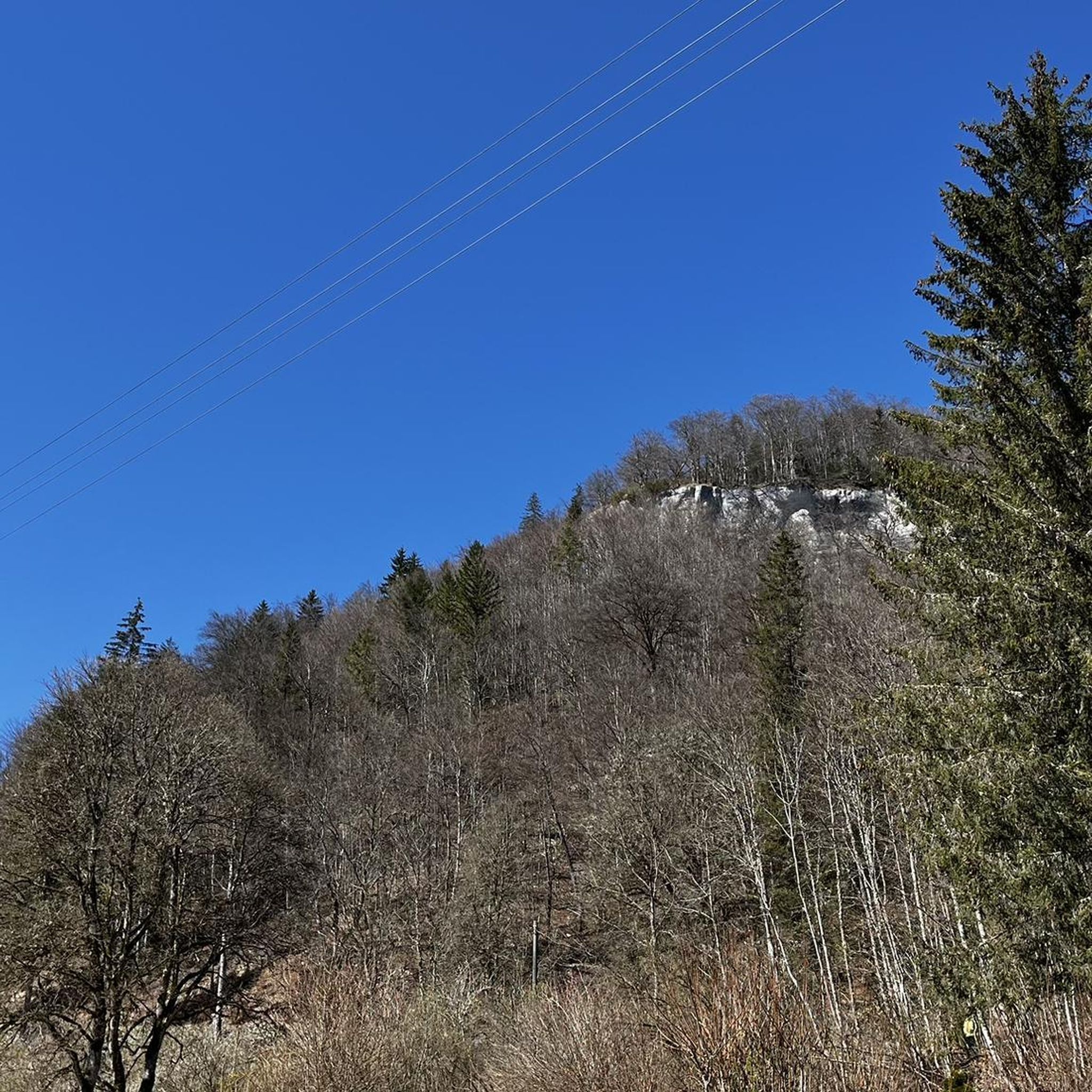
The tortuous valley of Lucido dug by water over millions of years, which has eroded day after day, grain after grain, the bottom and sides, carving dizzying furrows in the stone. Approaching the Balzone the hard rock towers impressively over the valley floor. Man wanted to make it his own by building a daring list to steal from the mountain its white stone, a miracle of geological formation. From below, passing along the adventurous railway that crosses the valley of Lucido and Aulella, the village of Monzone appears perched on a rocky tooth, almost threatening on days of bad weather. I have defined the railway as adventurous, because its construction lasted, in portions, for a good 67 years, from 1892 to 1959, crossing the impervious valleys of Lucido, Aulella and Serchio
0
0

Camporgiano is located on the right bank of the Serchio River, in a verdant valley that divides the mountain ranges of the Apuan Alps and the Apennines. Of Roman origin, the town was contested by numerous families and lordships since the Middle Ages; in 1446 it became part of the dominions of the Este family, until the Unification of Italy. The undisputed “star” of Camporgiano is the Rocca Estense, built on a rocky spur, and whose bulk dominates the main square of the town. At the top of the Rocca there is a sort of hanging garden in which some conifers stand out, giving the fortress an unmistakable character, dialoguing from afar with the fir trees that cover the heights of the surrounding reliefs. The fortress was built for defensive purposes in the 15th century and is an emblematic example of Este military architecture of the 15th century, with its trapezoidal wall and truncated conical corner towers protruding from the plan profile. Once the medieval center of the city, today the fortress does not retain much of its original structure due to the earthquake that struck the entire area in 1920. At the foot of the fortress you can also admire a stone fountain traditionally called the pilon. The main tower of the fortress houses the Civic Collection of Renaissance Ceramics, which brings together ceramics from a period ranging from the early fifteenth century to the second half of the seventeenth century, mostly found in the wells of the fortification during restoration work.
0
0

The Verrucola fortress, whose first documented information dates back to the beginning of the 12th century, preserves all the elements of a medieval castrum with a true system of fortifications that responds to the military and legal organization of a feudal dominion. The castle walls include the courtyard, the chapel and several towers.
2
0

Fortezza delle Verrucole: Very imposing medieval fortress. From its walls you have a really fantastic view of the surrounding area. Mondays are days off here, otherwise the opening times depend on the season. The opening times and admission prices can be found here: https://www.fortezzaverrucolearcheopark.it/it/informazioni.html However, I cannot really recommend the museum of the castle.
0
0

A location that everyone looks forward to. Here people are asked to kiss with the 13th century Rocca del Castello in the background. A place to share in good company. Beautiful panoramic views show the strategic importance of this fortress.
7
0

The Verrucole Fortress in San Romano in Garfagnana, founded by the Gherardinghi family over a previous human settlement, dates back to a period between the 10th and 13th centuries. In 1986 the municipality of San Romano in Garfagnana bought the Fortress, starting the conservative and reconstructive restoration, completed in 2012. Since 2013, the Fortress can be visited regularly thanks to the Fortezza Verrucole Archeopark project.
2
0

Just fantastic this little village. The narrow streets and the never-ending steps. just great.
1
0
Frequently Asked Questions
Which castles can I visit near Sillano Giuncugnano?
While Sillano Giuncugnano itself doesn't host major historical castles directly, the surrounding Garfagnana region offers several notable fortresses. You can explore the Verrucole Fortress in San Romano in Garfagnana, the Rocca di Camporgiano, and the Verrucola Fortress. Additionally, the Rocca Ariostesca in Castelnuovo di Garfagnana is a significant historical site nearby.
What makes the Verrucole Fortress unique for visitors?
The Verrucole Fortress in San Romano in Garfagnana has been transformed into an "Archeopark." Here, costumed interpreters bring medieval life to light, allowing you to experience how people lived in a castle during the late 13th century. You can learn about medieval cooking, try on armor, and enjoy spectacular views from its elevated position.
What can I see at the Rocca di Camporgiano?
The Rocca di Camporgiano is a 15th-century fortress known for its Este military architecture, featuring a trapezoidal wall and truncated conical corner towers. Its main tower houses the Civic Collection of Renaissance Ceramics, displaying artifacts discovered during restoration work.
Is the Rocca Ariostesca worth visiting, and what is its historical significance?
Yes, the Rocca Ariostesca in Castelnuovo di Garfagnana is a significant site. It's famously named after the poet Ludovico Ariosto, who served as governor there. Today, it houses an archaeological museum with artifacts from prehistoric, Ligurian-Apuane, and Etruscan periods, and also hosts cultural events.
Are there family-friendly activities at these castles?
The Verrucole Fortress is particularly family-friendly due to its "Archeopark" concept. Children and adults alike can engage with costumed interpreters and learn about medieval life hands-on, making history come alive.
What kind of views can I expect from the castles in this region?
Many castles in the Garfagnana region, including the Verrucole Fortress, are strategically located on hills. This provides panoramic views of the surrounding landscape, often including the Apuan Alps and Apennines, offering excellent photo opportunities.
What outdoor activities can I do near these castles?
The Garfagnana region offers various outdoor activities. You can find excellent gravel biking routes, such as the "San Romano in Garfagnana – Rocca di Camporgiano loop," or explore cycling trails like the "Castelnuovo di Garfagnana – San Romano in Garfagnana loop." For mountain biking, there are challenging trails like "Tra Garfagnana e Appennino." You can find more details on these activities in the Gravel biking around Sillano Giuncugnano, Cycling around Sillano Giuncugnano, and MTB Trails around Sillano Giuncugnano guides.
What is the best time to visit the castles in Garfagnana?
The best time to visit the castles in Garfagnana is generally during the spring (April-June) and autumn (September-October) months. The weather is typically mild and pleasant for exploring, and the natural scenery is particularly beautiful. Summer can also be enjoyable, though it can be warmer.
Are there any specific historical periods highlighted by these castles?
Yes, the castles in the Garfagnana region offer insights into the Middle Ages and the Renaissance. Structures like the Verrucole Fortress date back to the 10th-13th centuries, while the Rocca di Camporgiano showcases 15th-century Este military architecture, reflecting different eras of defense and administration.
How far are these castles from Sillano Giuncugnano?
The castles mentioned are located in the surrounding Garfagnana region, typically a short drive from Sillano Giuncugnano. For example, the Verrucole Fortress is in San Romano in Garfagnana, and the Rocca Ariostesca is in Castelnuovo di Garfagnana, both easily accessible by car.
What kind of artifacts can be found in the museums within these castles?
The Rocca di Camporgiano houses a Civic Collection of Renaissance Ceramics. The Rocca Ariostesca in Castelnuovo di Garfagnana features an archaeological museum with artifacts from prehistoric, Ligurian-Apuane, and Etruscan periods, providing a broad historical overview of the region.
Is there a 'Rocca Sillana' in Sillano Giuncugnano?
It's important to note that while the name might sound similar, the well-documented historical fortification known as Rocca Sillana (or Silana) is located in Pomarance, in the province of Pisa, not in Sillano Giuncugnano in the province of Lucca. The castles in the immediate vicinity of Sillano Giuncugnano are those within the Garfagnana region.
Most popular routes around Sillano Giuncugnano
Most popular attractions around Sillano Giuncugnano

Get inspired with the komoot mobile app


Explore more
Looking for the best castles somewhere else? Discover other guides around Sillano Giuncugnano:
