Top 6 Castles around Pisciotta
Castles around Pisciotta, a village on Italy's Cilento Coast, reflect a rich history and architectural heritage. The region features remnants of historic castles and noble residences, offering insights into its past. Pisciotta's medieval urban plan, with fortifications strategically positioned, highlights its historical importance. The blend of ancient ruins and later constructions provides an architectural tapestry set against the backdrop of the Cilento Coast.
Best castles around Pisciotta
- The most popular castles is Castelnuovo Cilento Castle, a castle that marks a small medieval village of Cilento. This castle is located on top of a hill, offering a suggestive view over the Cilento coast.
- Another must-see spot is Fortino di Monte d'Oro, a castle. These ruins mark the start of the path to Torre Cala Fetente and include a rest area in the shade.
- Visitors also love Acropolis of Velia, a historical site. The ancient acropolis, where an interesting medieval fortification stands, hosts suggestive theatrical performances.
- Pisciotta is known for medieval fortifications, noble residences, and ancient acropolises. Visitors can explore a variety of historical structures, from castle ruins to sites with significant architectural remnants.
- The castles around Pisciotta are appreciated by the komoot community, with more than 30 upvotes and 7 photos shared by visitors.
Last updated: June 30, 2026
Acropolis of Velia
Highlight • Historical Site
Sea and culture is the golden combination that every Italian town can offer and that makes a holiday in our country unique. Tourists can immerse themselves in the morning in the crystalline sea of Agropoli, Santa Maria di Castellabate, Acciaroli, Pioppi, Capo Palinuro or Marina di Camerota and in the afternoon they can relive the thrill of walking through the streets or the agora (the forum) of Velia. where certainly also great philosophers of the Eleatic school such as Parmenides, Zeno and Melisso walked. The ancient acropolis of Elea (Velia), where today an interesting medieval fortification stands, hosts very suggestive theatrical performances in the open. One of the highlights of these excavations is the famous Porta Rosa, the only example of a 4th-century Greek arch, a true architectural jewel of the time.
Continue reading on:
velia.it
Translated by Google •
Tip by

Museo Vivo del Mare, Palazzo Vinciprova
Highlight • Historical Site
Translated by Google •
Tip by

Sign up now to discover places like this
Get recommendations on the best single tracks, peaks, & plenty of other exciting outdoor places.
Sign up for free
Castelnuovo Cilento Castle
Highlight • Castle
Translated by Google •
Tip by

Fortino di Monte d'Oro
Highlight • Castle
Tip by

Novi Velia
Highlight • Settlement
Translated by Google •
Tip by

Start today with a free account
Your next adventure awaits.
Login or Signup
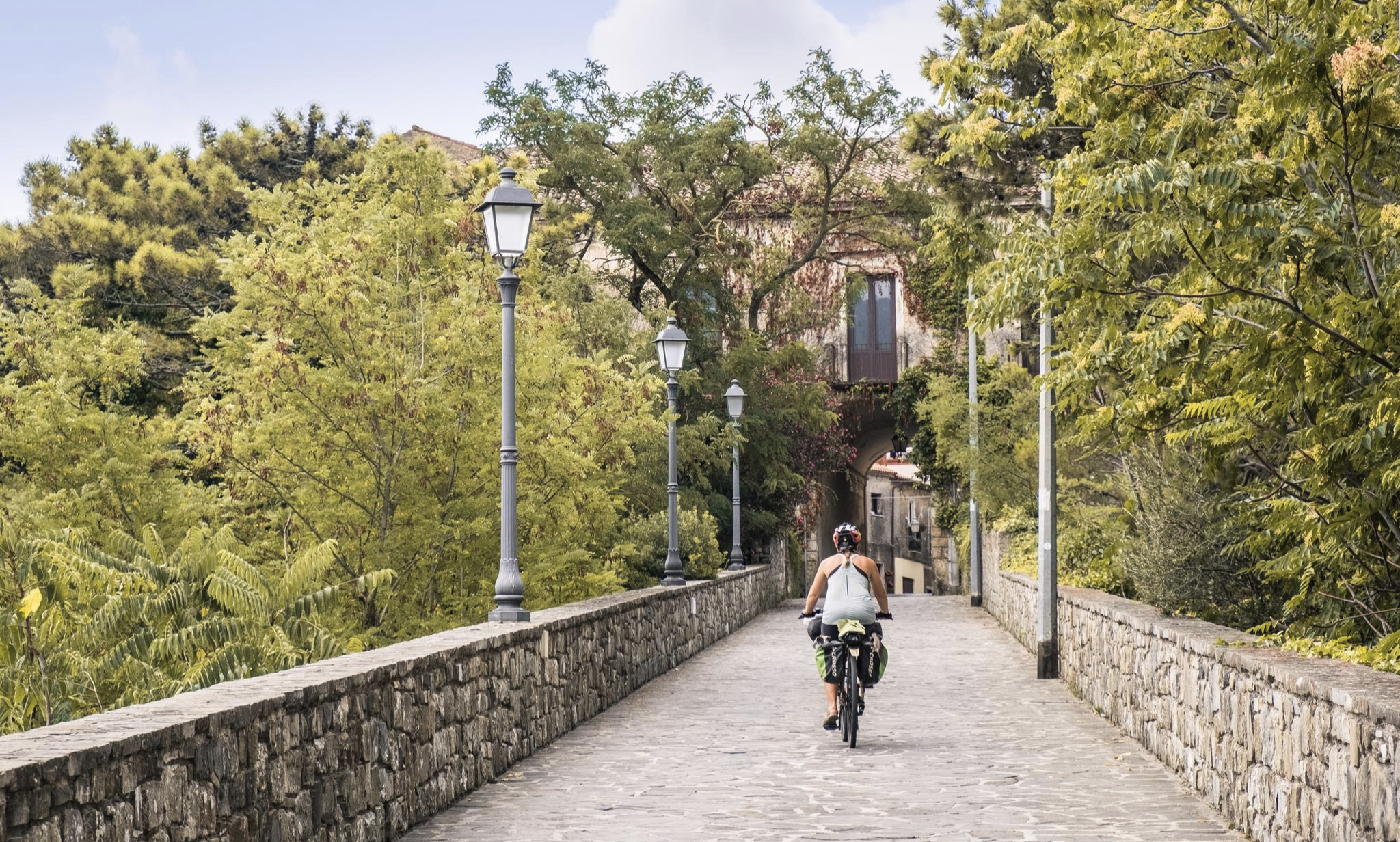
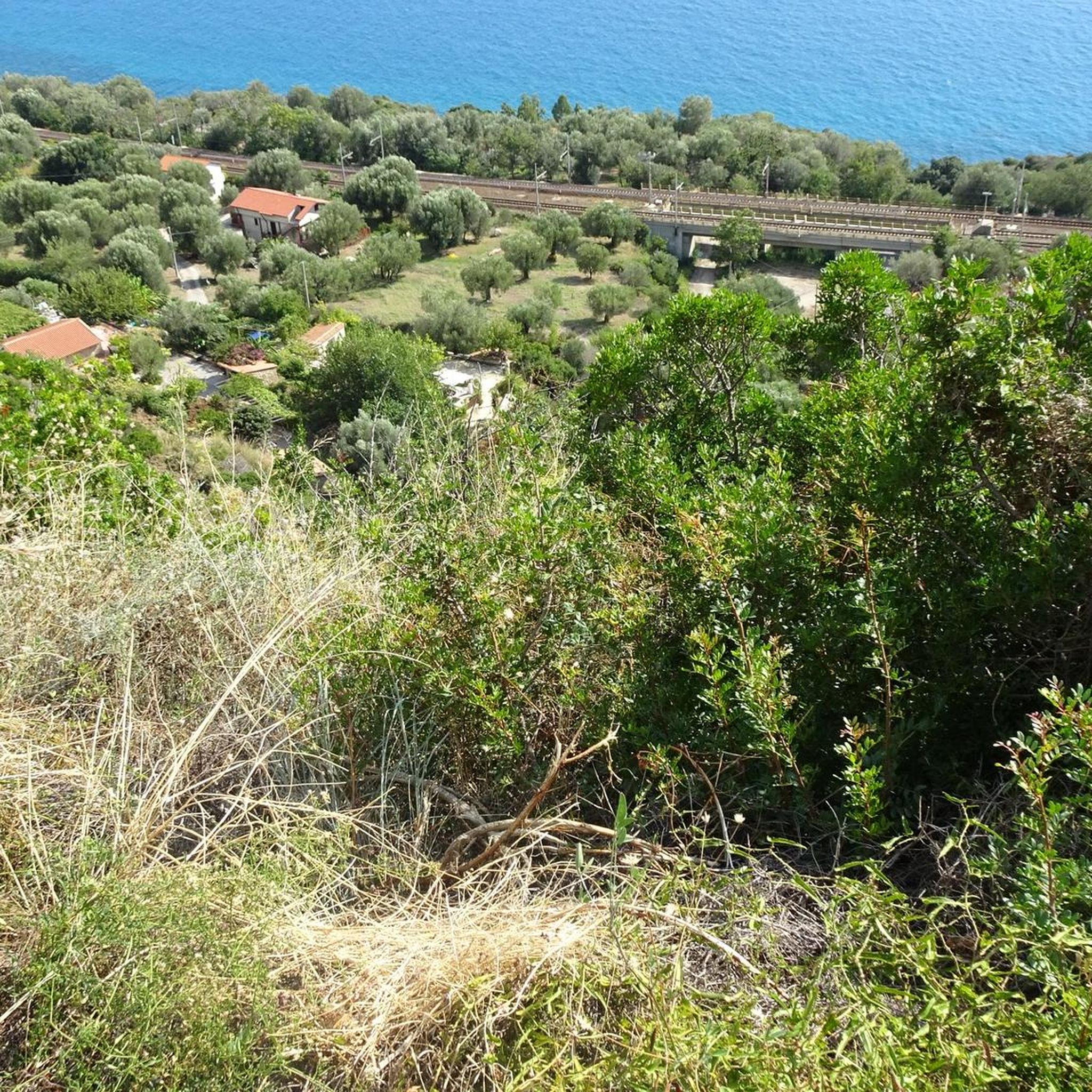
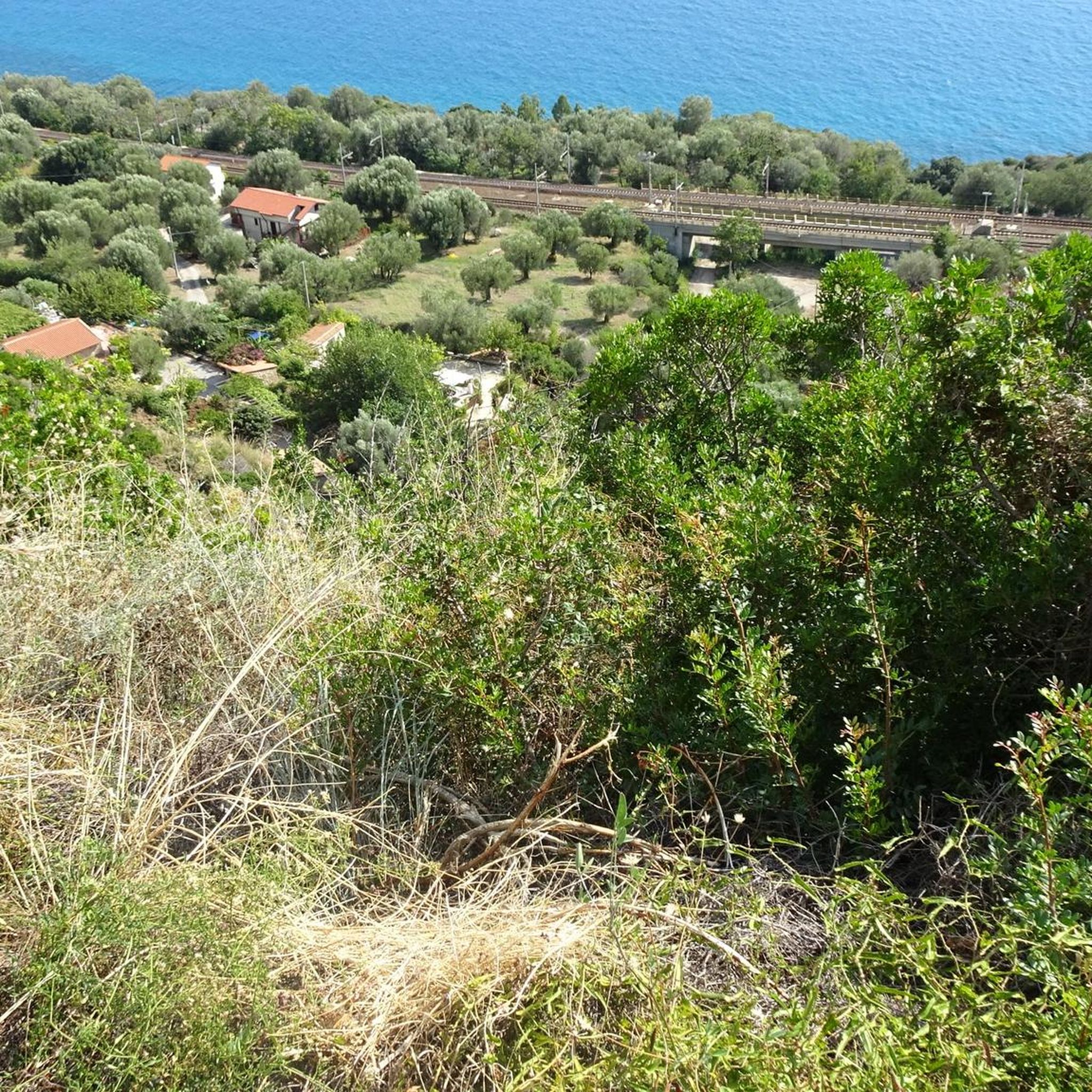
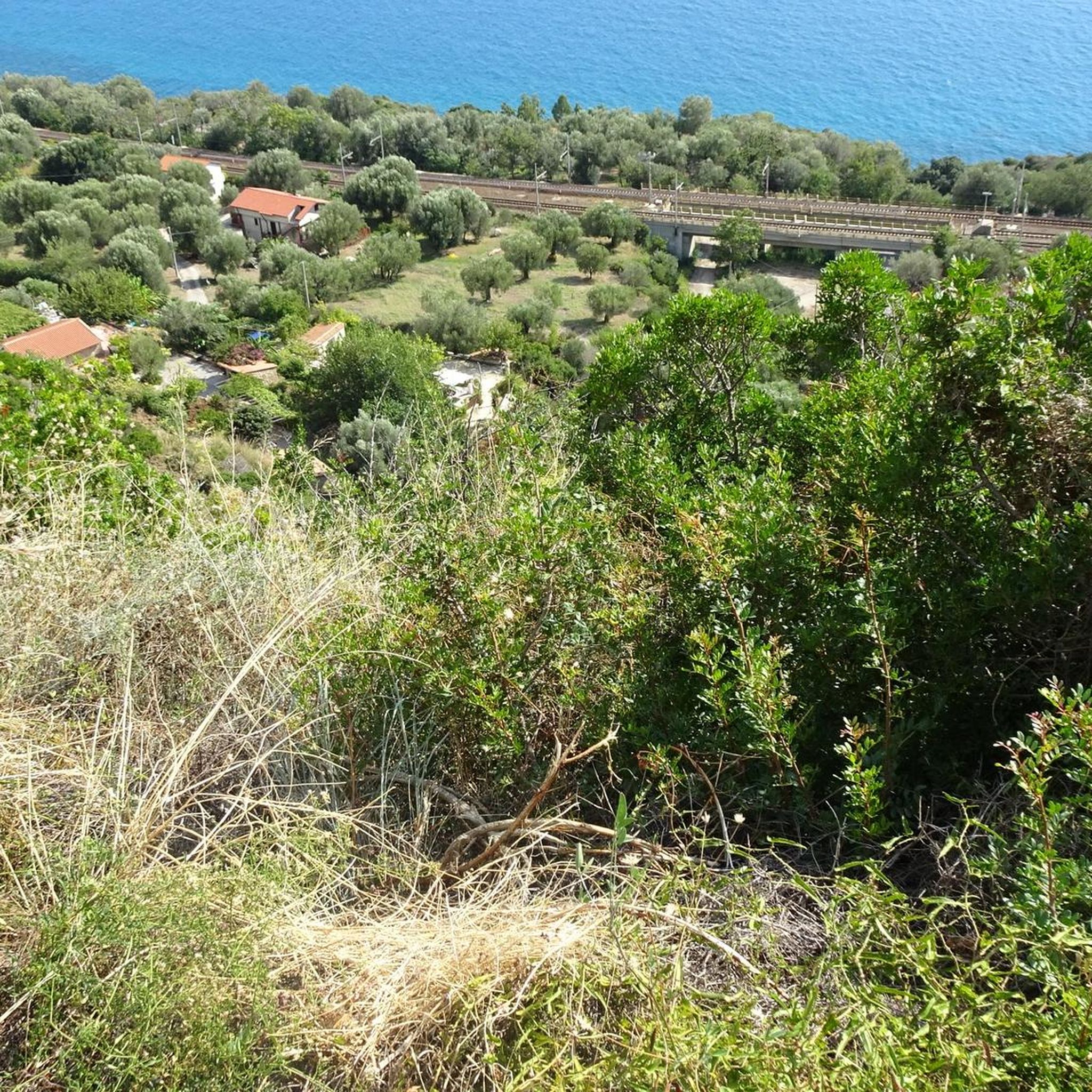
Other adventures around Pisciotta

Tips from the Community

The castle is private but open and therefore open to visitors. It's not exactly well-maintained, but it certainly has its charm.
0
0

€15 ticket valid for three days to visit Velia and Paestum closing at 7.30pm
0
0

With a rest area in the shade. If the wind is strong enough, you can smell the fumes (sulphur monoxide) from the Grotta Sulphurea below!!
0
0

Nice to look at and good for biking
1
0
Nice to look at and good for biking
1
0

Unfortunately it was closed due to construction work when I was there. No idea if that will change
0
0
Museum in a small town
2
0
Museum in a small town.
1
0
Frequently Asked Questions
What historical castles can I explore within Pisciotta?
Pisciotta itself boasts a rich history with several notable structures. You can find the impressive Castello Principe di Cellamare, a 16th-century castle dominating the skyline. Also, the Palazzo Marchesale Pappacoda, built over the ruins of an ancient 12th-century castle, offers a glimpse into the town's noble heritage. Remnants of a 13th-century Ducal Castle are also visible throughout the historic center, highlighting Pisciotta's medieval past.
Which castles near Pisciotta offer the best panoramic views?
For breathtaking panoramas, consider visiting Castelnuovo Cilento Castle, which is located on a hilltop and provides suggestive views over the Cilento coast. Another excellent option is the castle at Novi Velia, which stands on a hill and offers a 360-degree panorama.
Are there any family-friendly castle experiences near Pisciotta?
Yes, the Museo Vivo del Mare, Palazzo Vinciprova in Pioppi is housed within a historical castle and features a living museum of the sea. It's categorized as family-friendly and offers an engaging experience for all ages, with about 100 marine species in various tanks.
What kind of historical sites, beyond castles, can I visit near Pisciotta?
The Acropolis of Velia is a significant historical site where an interesting medieval fortification stands. These ancient ruins, once the Greek city of Elea and Roman Velia, host suggestive theatrical performances and feature the famous Porta Rosa, a 4th-century Greek arch.
What outdoor activities can I do near the castles around Pisciotta?
The region around Pisciotta offers various outdoor activities. You can find numerous cycling routes, including challenging ones like the "Lentiscosa switchbacks" or scenic loops like "Pisciotta – Marina di Camerota Harbor." For mountain biking, trails such as "Arco Naturale di Palinuro" or "View of Pisciotta" are available. Road cycling enthusiasts can explore routes like "View of the Railway – View of the Mingardo River." You can find more details on these activities in the cycling guides around Pisciotta.
Are there any castle ruins or less-preserved fortifications worth visiting?
Yes, the Fortino di Monte d'Oro consists of castle ruins that mark the start of a path to Torre Cala Fetente. It also features a shaded rest area, offering a historical stop amidst nature.
What is the best time of year to visit the castles around Pisciotta?
The Cilento Coast generally enjoys pleasant weather from spring through early autumn. Visiting during spring (April-May) or early autumn (September-October) offers comfortable temperatures for exploring historical sites and enjoying the coastal scenery, avoiding the peak summer heat and crowds.
What do visitors appreciate most about the castles and historical sites in this region?
Visitors often highlight the blend of ancient ruins and later constructions, which provides a unique architectural tapestry. The strategic locations of many sites, like Castelnuovo Cilento Castle, are appreciated for their commanding views over the Cilento coast. The historical significance, from medieval defenses against pirates to noble residences, also captivates visitors.
Are there any specific tips for visiting the Acropolis of Velia?
When visiting the Acropolis of Velia, be aware that there is an entrance fee, typically around 13 euros in summer. A parking lot is available at the excavation site. The site is known for its well-preserved remains and the unique Porta Rosa arch.
Can I find any hidden historical gems or less crowded sites near Pisciotta?
Beyond the more prominent sites, exploring the medieval urban plan of Pisciotta itself reveals many hidden historical elements. The town's houses are built leaning against each other, a testament to its defensive past. The remnants of the 12th-century castle beneath Palazzo Marchesale Pappacoda are also a less obvious but significant historical layer.
What kind of historical context do the castles in Pisciotta provide?
The castles and fortifications in Pisciotta, such as the Castello Principe di Cellamare and the remnants of the Ducal Castle, offer a deep dive into the region's turbulent history. They served as crucial defenses against pirates and hostile forces, reflecting the strategic importance of Pisciotta's location on the Cilento Coast. They also showcase the aristocratic past and the evolution of architectural styles from medieval times to later noble residences.
Most popular attractions around Pisciotta

Get inspired with the komoot mobile app


Explore more
Looking for the best castles somewhere else? Discover other guides around Pisciotta:
