Top 8 Castles in Sierra Espadà
Castles in Sierra Espadà are primarily historic fortresses, many of which are now in ruins, located within the Sierra de Espadán Natural Park in Castellón, Spain. This mountain range is characterized by its Mediterranean forests and rugged landscapes. The castles hold significant historical value, often dating back to the Islamic period, and served as strategic defensive structures. They offer insights into the region's past and provide extensive views of the surrounding valleys.
Best castles in Sierra Espadà
- The most popular…
Last updated: June 29, 2026
Castro Castle
Highlight • Castle
Translated by Google •
Tip by

Jinquer
Highlight • Historical Site
**Ruins of the old …
Translated by Google •
Tip by

Sign up now to discover places like this
Get recommendations on the best single tracks, peaks, & plenty of other exciting outdoor places.
Sign up for free
Benalí Castle
Highlight • Castle
Translated by Google •
Tip by

Views of the Castle of Eslida
Highlight • Viewpoint
Translated by Google •
Tip by
Almonecir Castle
Highlight • Castle
Translated by Google •
Tip by

Sign up for free to discover even more castles in Sierra Espadà.
Sign up for free
Already have an account?
Start today with a free account
Your next adventure awaits.
Login or Signup


Tips from the Community

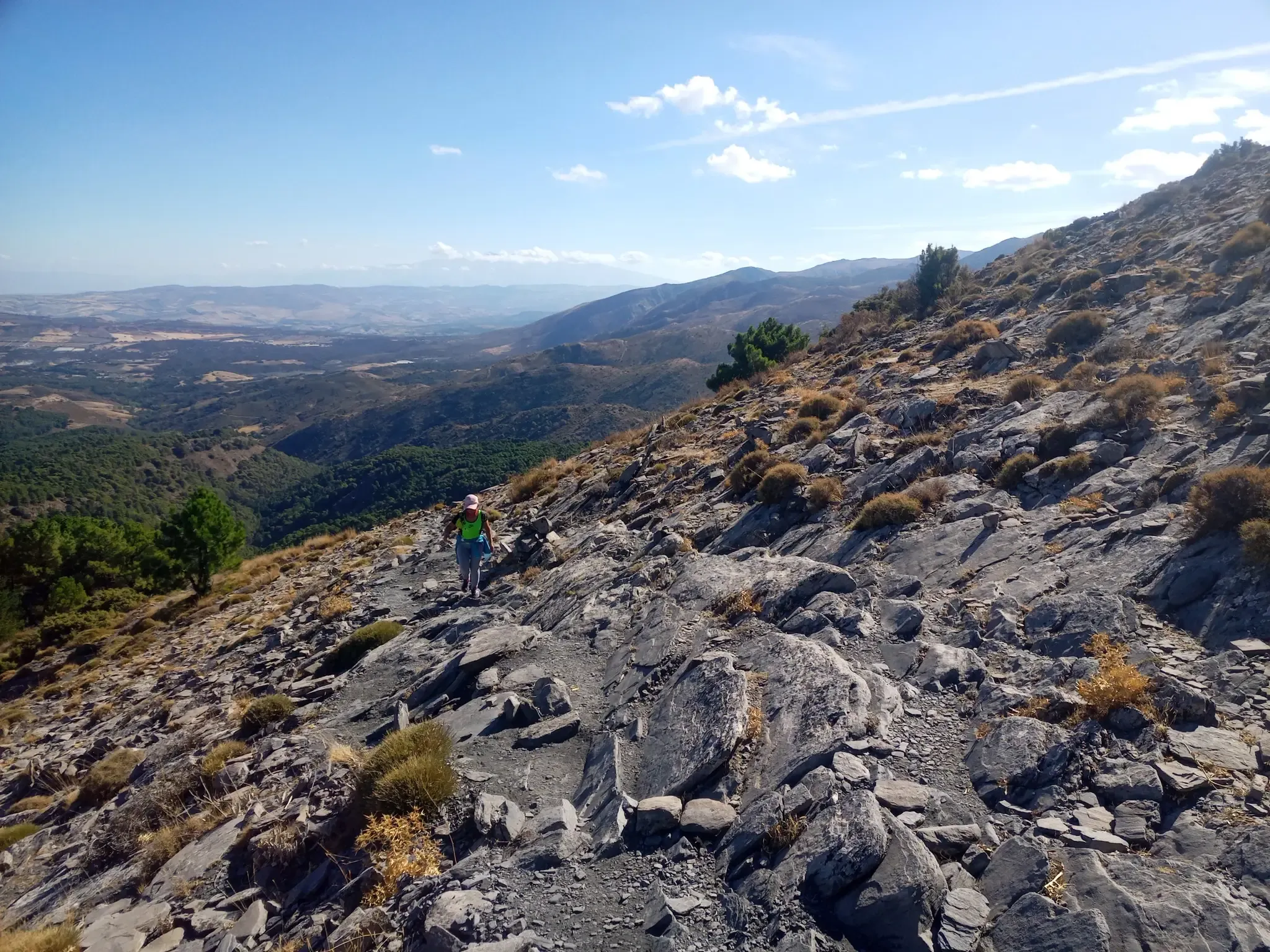
A beautiful walking area, but quite steep in some places.
0
0

After the Reconquista, many castles in the region were modified or rebuilt to adapt to Christian styles and needs.
7
0

The Castro Castle, an Arab fortress with an impressive watchtower at a height of about 780 m, was a fundamental bastion of the Moorish resistance at the time of their expulsion. It was taken by the Duke of Segorbe and General Cavanilles after the Castillo de Aín had also fallen. It was also used in the Carlist Wars. The castle covers an area of about 2,000 m2, where two parts can be distinguished: the "Albacar", a fortified refuge for the inhabitants of the towns dependent on the fortress; and on the other side, the castle itself, which presided surrounded by a large keep that was demolished in 1938 during the Civil War. The views are impressively beautiful.
9
0
Ain Castle is of Arabic origin and was built in the 13th century. There they lived in peace and harmony, developed the cultivation of olive trees and plantations, introduced the irrigation system and exploited the natural resources.
6
0

This memorial complex has been created by the Alcudia de Veo City Council with the help of the Generalitat Valenciana (Department of Justice) and with the collaboration of various people and associations. The objective is to raise awareness about the devastating effects of war and the importance of conserving and disseminating heritage as a vehicle for transmitting our Historical Memory.
0
0
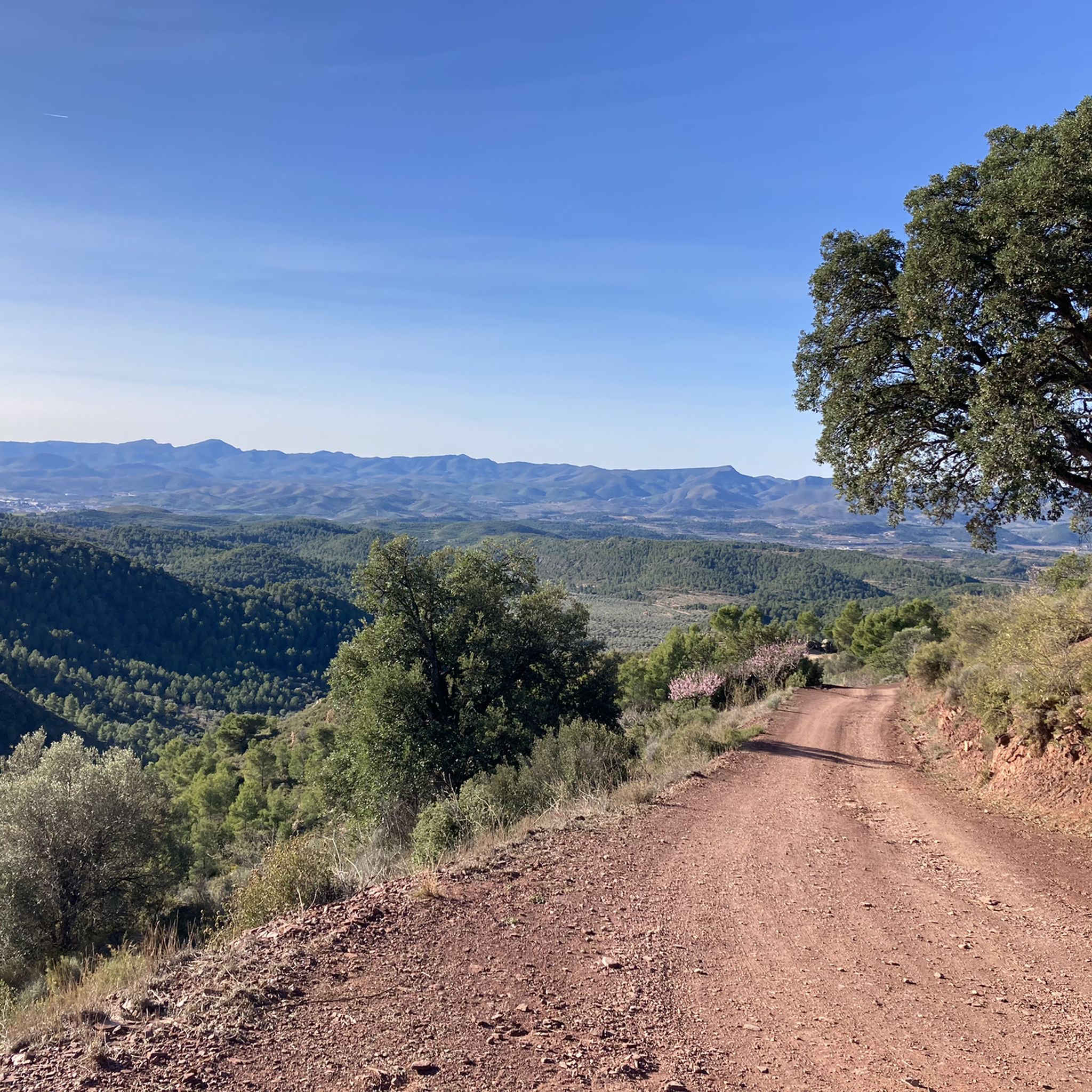
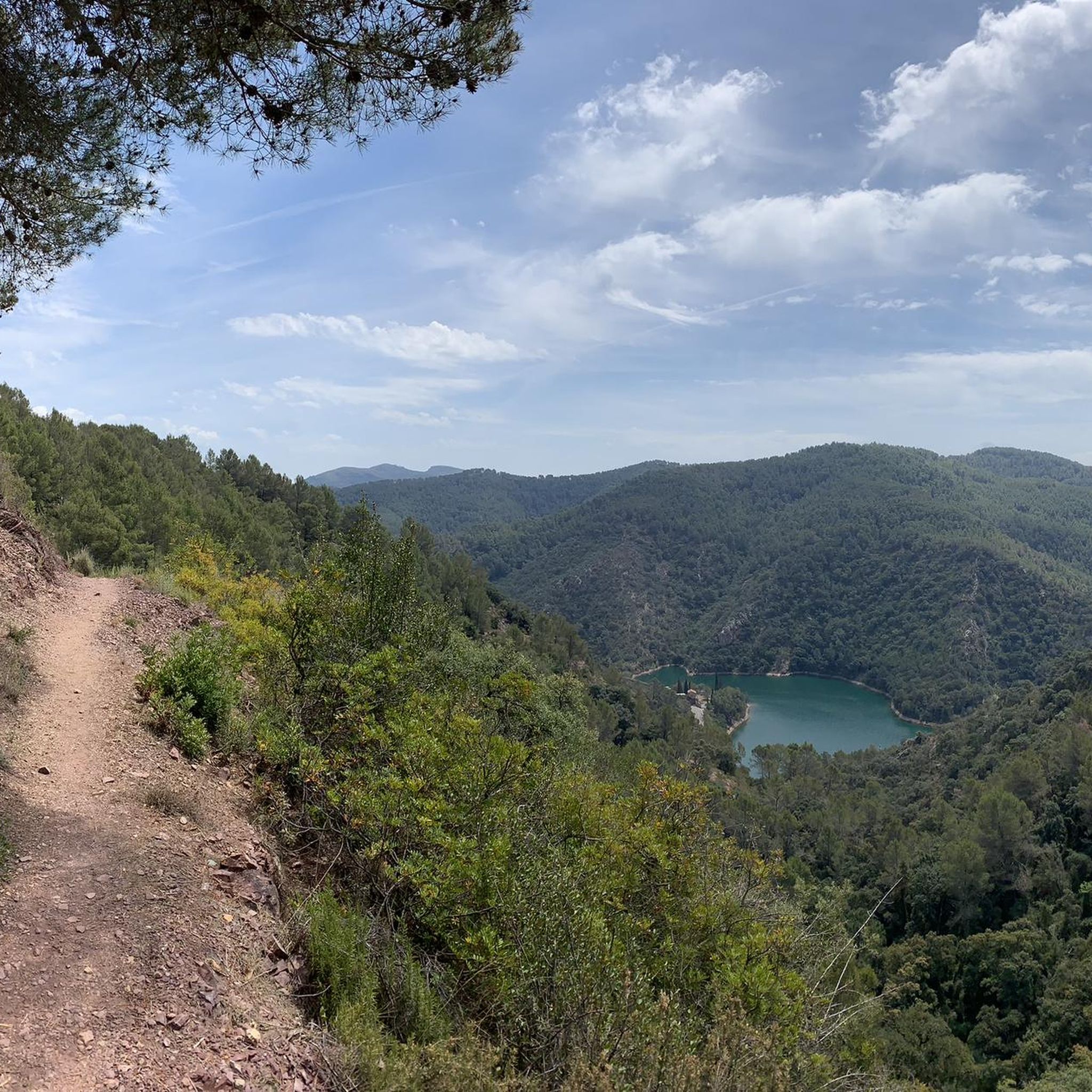
To get here the ideal is to do it from Alcudia de Veo. Taking the CV-215 in the direction of Algimia de Almonacid, at km 1 is the entrance to the Jinquer path. Following this path, you will reach the uninhabited area of Jinquer, where a few meters before the general information panel where the route begins is located. Once here, it is advisable to start the itinerary from the Jinquer desert, then take the path that passes next to Puntal del Gordo and end on the heights of Almenarilla, in the hills known as "Las Dos Tetas". The route passes between pines, holm oaks, cork oaks, poplars, chestnut trees and oaks in the heart of the Sierra de Espadán Natural Park, and allows you to enjoy privileged views over the coastal plain. In addition, it has indications along the way and explanatory panels together with some vestiges.
0
0
The Jinquer-La Almenarilla Memorial Complex is located just 3 km west of the town of Alcudia de Veo; It is made up of four places where the Civil War left a mark that is still visible today, more than eight decades later: The Jinquer hamlet, of Arab origin, was evacuated during the Spanish Civil War and definitively abandoned after the war, remaining frozen in time.
0
0

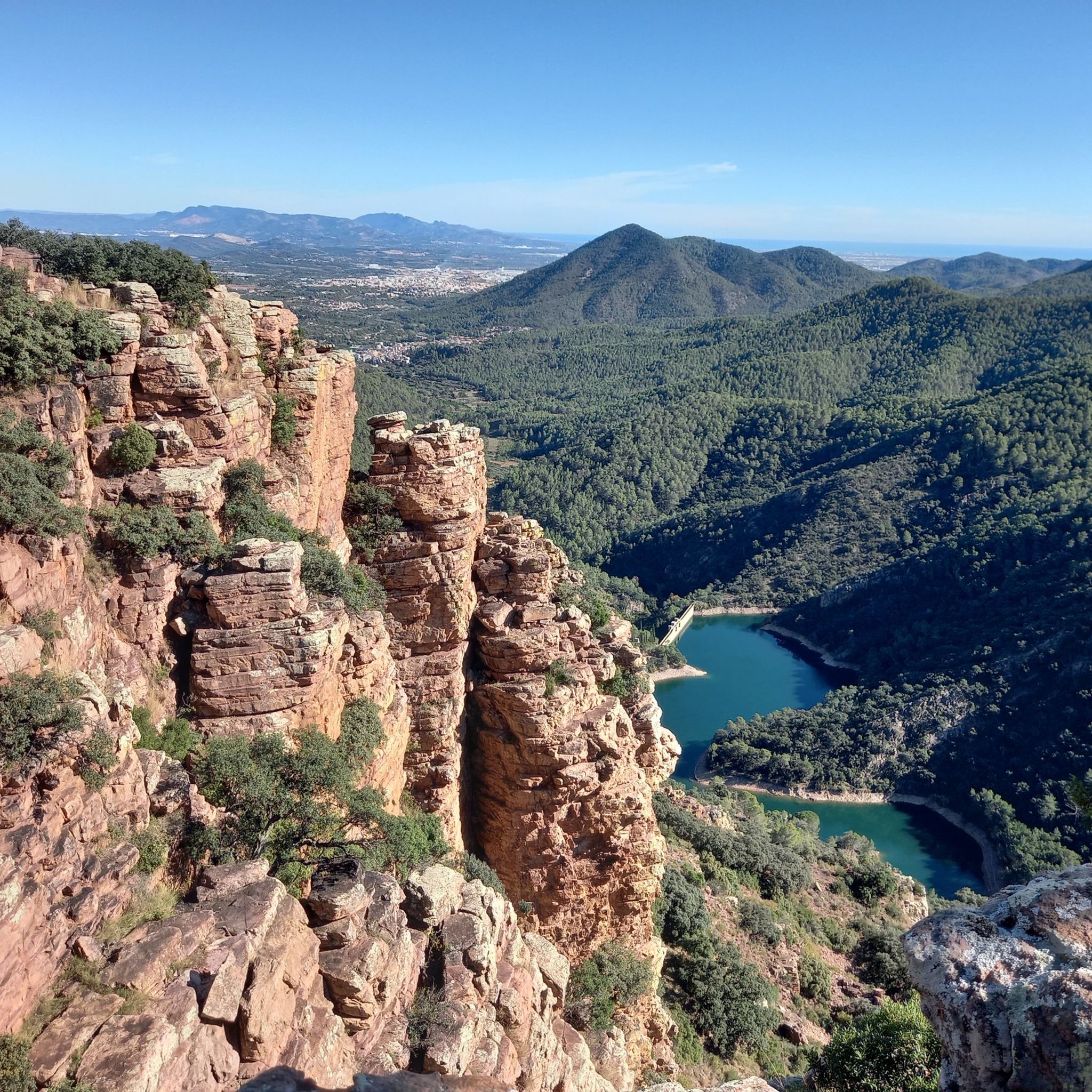
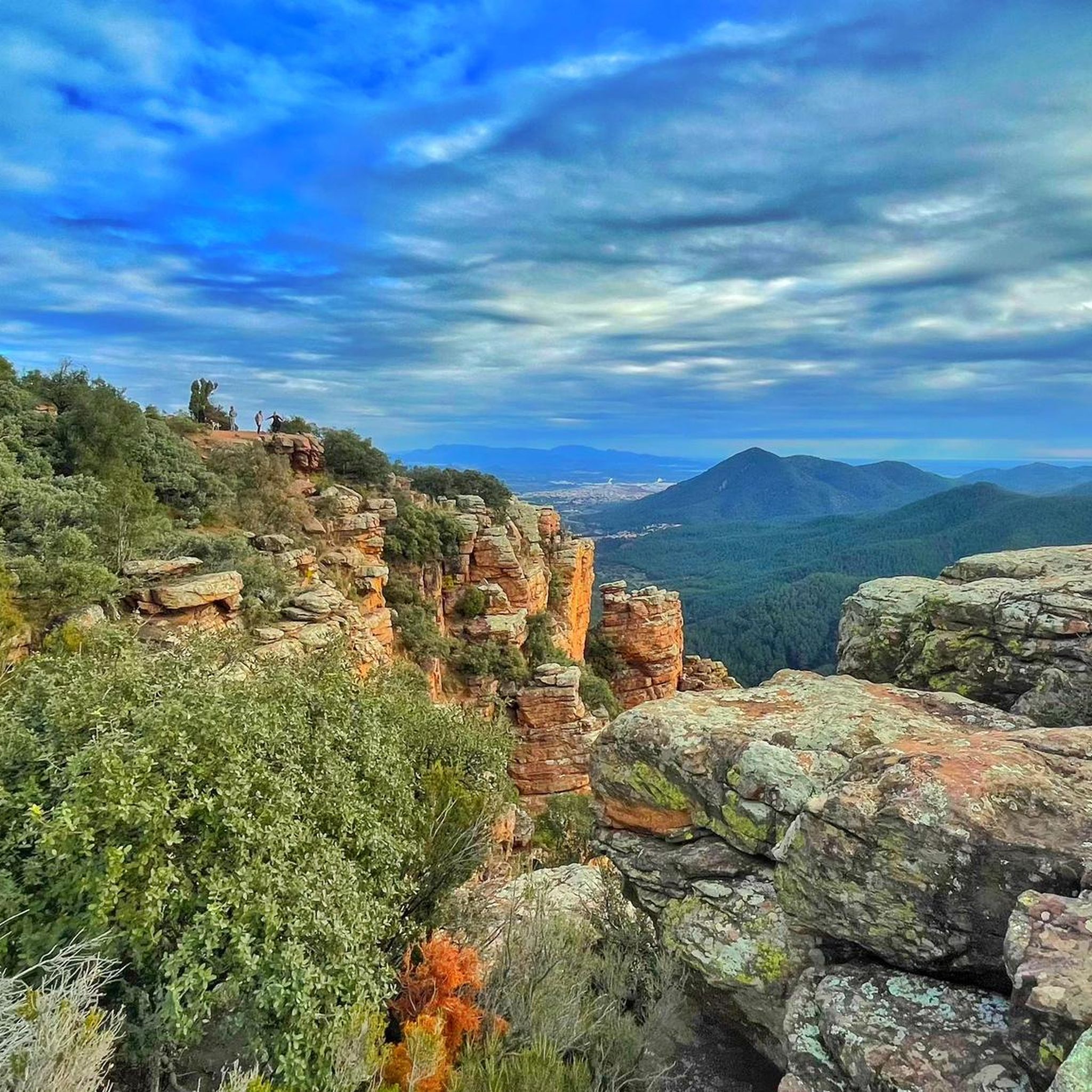
Ruins of the Castillo de Castro, a place from where incredible panoramic views of the mountains are obtained, a reward for the effort to climb up there.
8
0
Frequently Asked Questions
What is the historical significance of the castles in Sierra Espadà?
The castles in Sierra Espadà are primarily historic fortresses, many of which date back to the Islamic period. They served as crucial strategic defensive structures, offering panoramic views and playing significant roles during the Reconquista and later conflicts like the Morisco revolts. For instance, Castro Castle was a fundamental bastion of Moorish resistance, and Castillo de Onda, known as 'the Three Hundred Towers Castle,' has a rich history from Iberian settlement to its role in various wars.
Are there good hiking opportunities to reach the castles in Sierra Espadà?
Yes, many castles in Sierra Espadà are accessible via rewarding and scenic hiking routes. The trails often pass through lush Mediterranean forests with cork oaks and pines, showcasing the natural beauty of the Sierra de Espadán Natural Park. For example, the hike to Castro Castle is considered one of the most impressive routes in the area. You can find various hiking routes in the region, including moderate and difficult options, by exploring the Hiking in Sierra Espadà guide.
What kind of views can I expect from the castles?
The castles in Sierra Espadà are strategically located on elevated positions, offering breathtaking panoramic views. From many of these sites, you can see vast surrounding valleys, the rugged landscapes of the Sierra de Espadán, and on clear days, even the Mediterranean Sea. Castro Castle, for instance, provides incredible panoramic views of the mountains, while Castillo de Onda offers extensive views of the Sierra de Espadán to the west and the Plana Baja to the east.
Are there any family-friendly castle walks in Sierra Espadà?
While many castle routes involve moderate to difficult terrain, some areas offer more accessible paths. For a unique family experience, consider visiting Jinquer, a historical site with castle and town ruins. The route to Jinquer from Alcudia de Veo is well-marked and allows you to explore an abandoned hamlet frozen in time, offering a blend of history and nature that can be engaging for families.
What is the best time of year to visit the castles in Sierra Espadà?
The Sierra Espadán region is generally pleasant for outdoor activities during spring and autumn. These seasons offer milder temperatures, making hiking to the castles more comfortable than in the heat of summer. The natural landscapes are also particularly vibrant during spring, and the autumn colors add a beautiful backdrop to the historic ruins.
Can I explore castles that are still relatively intact?
While many castles in Sierra Espadà are in ruins, some offer more substantial remains or have been partially restored. Castillo de Onda, for example, is one of the most recognized castles in the province and is free to enter. It features an archaeological museum and an audiovisual presentation, providing a more complete experience than some of the more ruinous sites.
What other outdoor activities can I do near the castles?
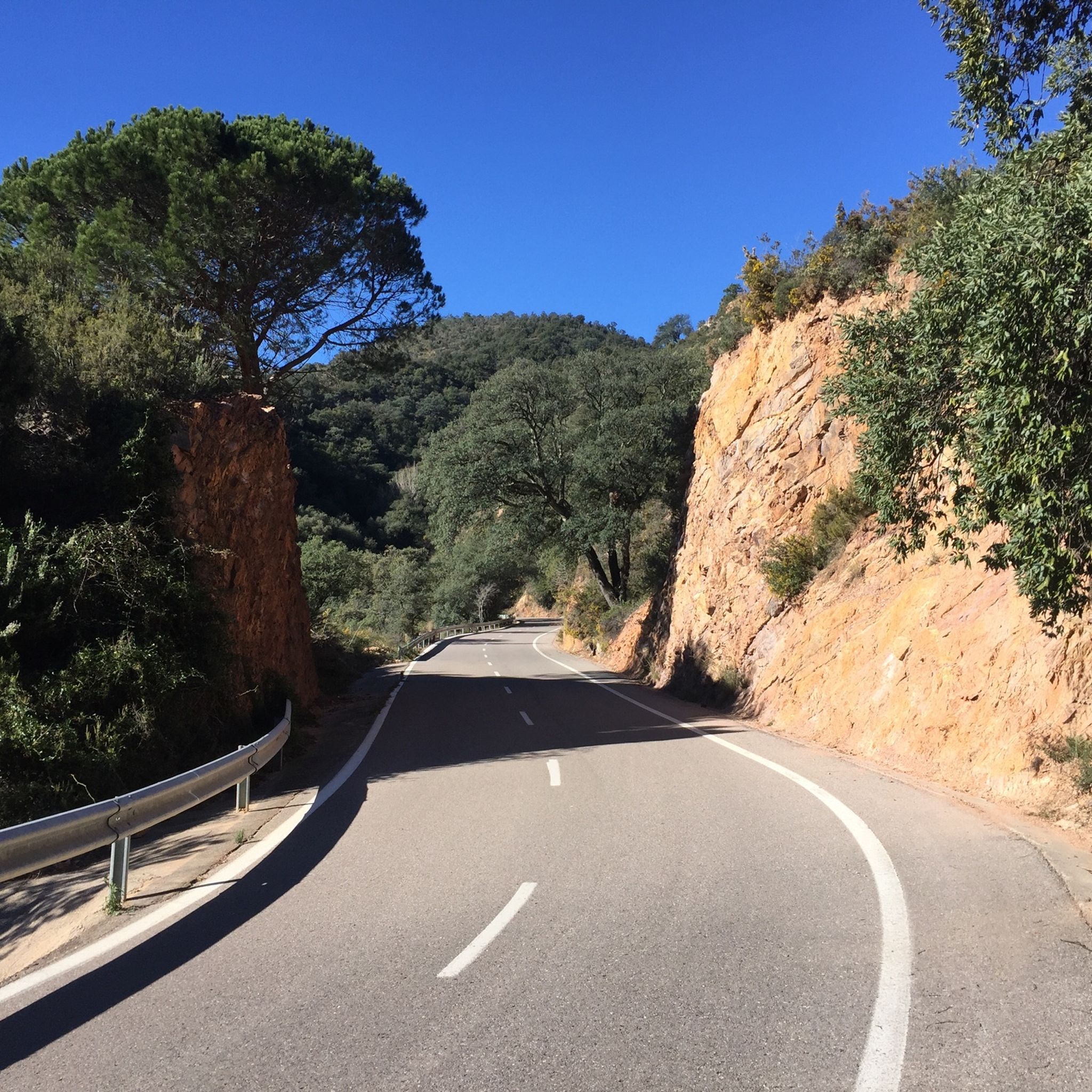
Beyond hiking, the Sierra Espadà Natural Park offers excellent opportunities for mountain biking and cycling. You can find various routes that pass near these historical sites, allowing you to combine cultural exploration with active outdoor pursuits. Explore the MTB Trails in Sierra Espadà or the Cycling in Sierra Espadà guides for detailed routes.
Are there any castles with unique architectural features?
Yes, several castles showcase unique architectural elements. The Castillo de Aín, also known as Benalí Castle, features a distinctive cylindrical tribute tower among its ruins and includes several defensive walled grounds. Castillo de Maús in Sueras, though ruined, is known for its imposing, abruptly cut silhouette, making it one of the most striking in the region.
What should I wear when hiking to the castles?
Given the rugged terrain and varying elevations, it's advisable to wear comfortable hiking boots with good ankle support. Layered clothing is recommended, as temperatures can change, especially at higher altitudes or during different times of the day. Don't forget sun protection, a hat, and plenty of water, particularly during warmer months.
Are there any hidden or less-known castles worth discovering?
While many castles are well-known, sites like Castillo de Almedíjar, though completely in ruins, offer a sense of discovery. Perched on Mount Rodana, its remnants blend with the rocky outcrops, providing insights into its historical defensive importance and an overwhelming visual command of the Palancia river valley. These less-preserved sites often offer a more solitary and reflective experience.
What do visitors enjoy most about the castles in Sierra Espadà?
Visitors frequently appreciate the combination of historical intrigue and natural beauty. The challenging yet rewarding hikes to the castle ruins, the stunning panoramic views from their elevated positions, and the opportunity to connect with the region's rich past are often highlighted. The sense of exploring ancient fortresses within a beautiful natural park is a major draw, as evidenced by the 8 highlights and 28 photos shared by the komoot community.
Most popular routes in Sierra Espadà
Most popular attractions in Sierra Espadà

Get inspired with the komoot mobile app


Explore more
Looking for the best castles somewhere else? Discover other guides in Sierra Espadà:
