The best cycling routes in Sierra Espadà
4.5
(362)
6,109
riders
20
rides
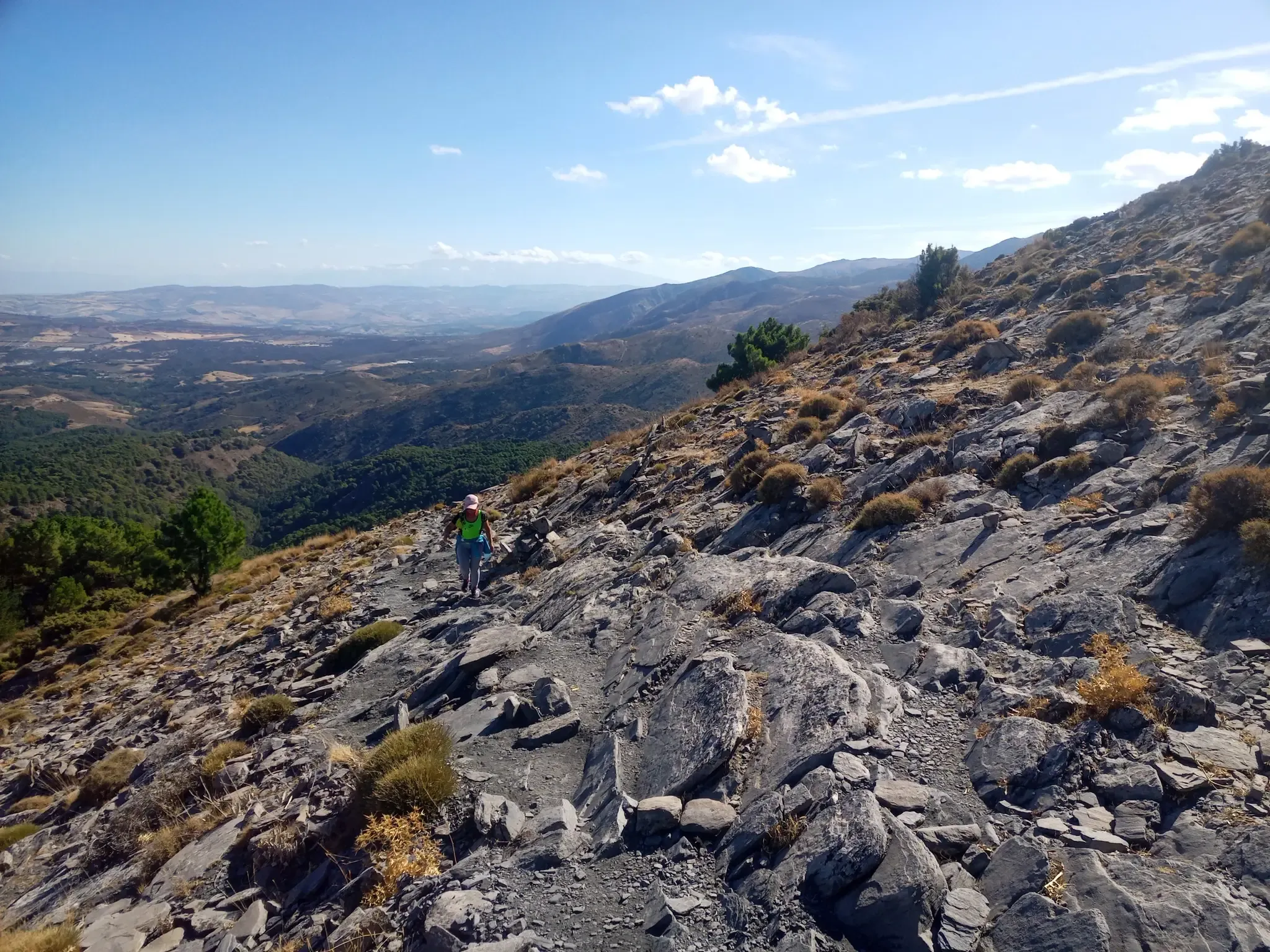
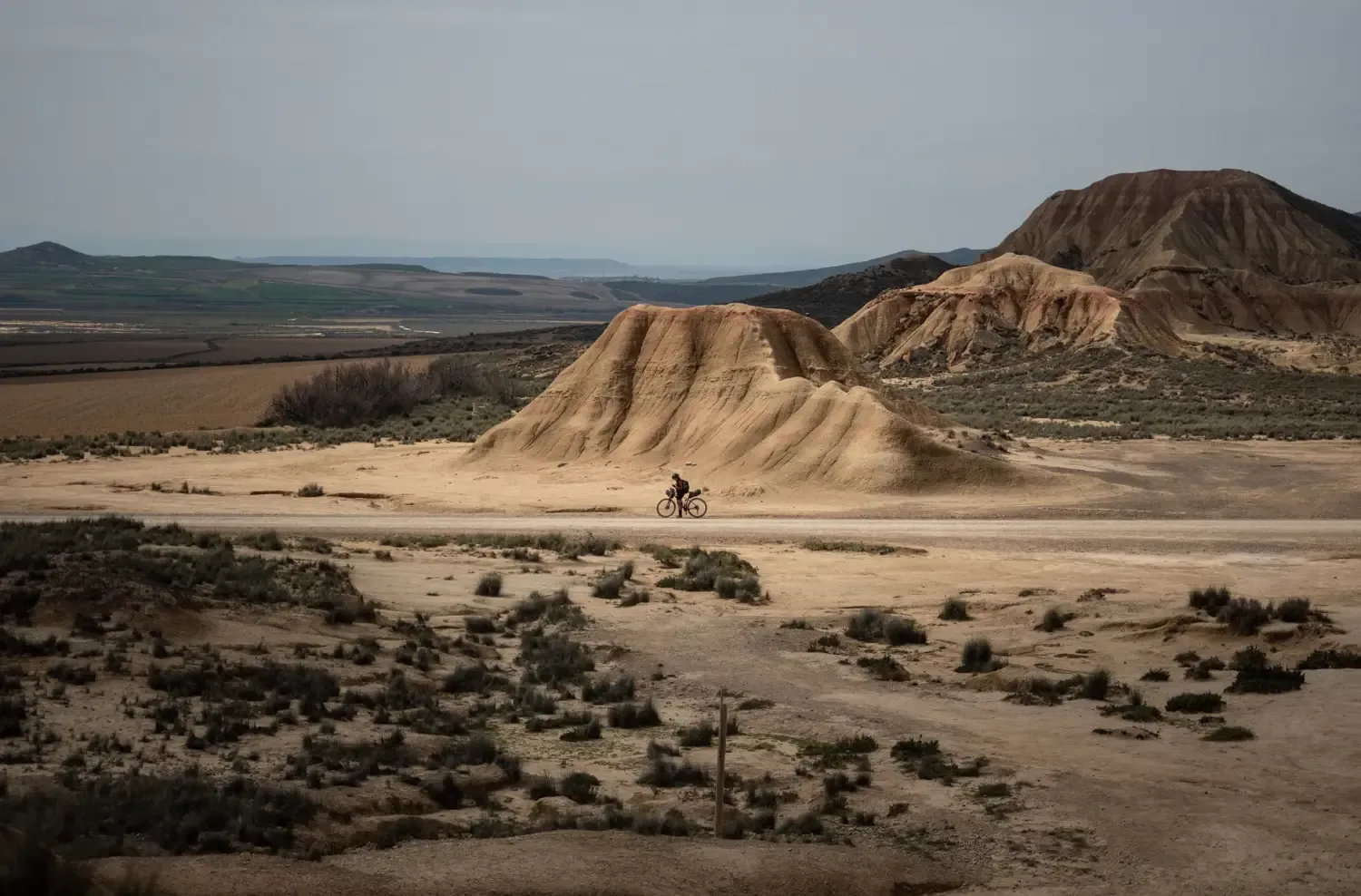
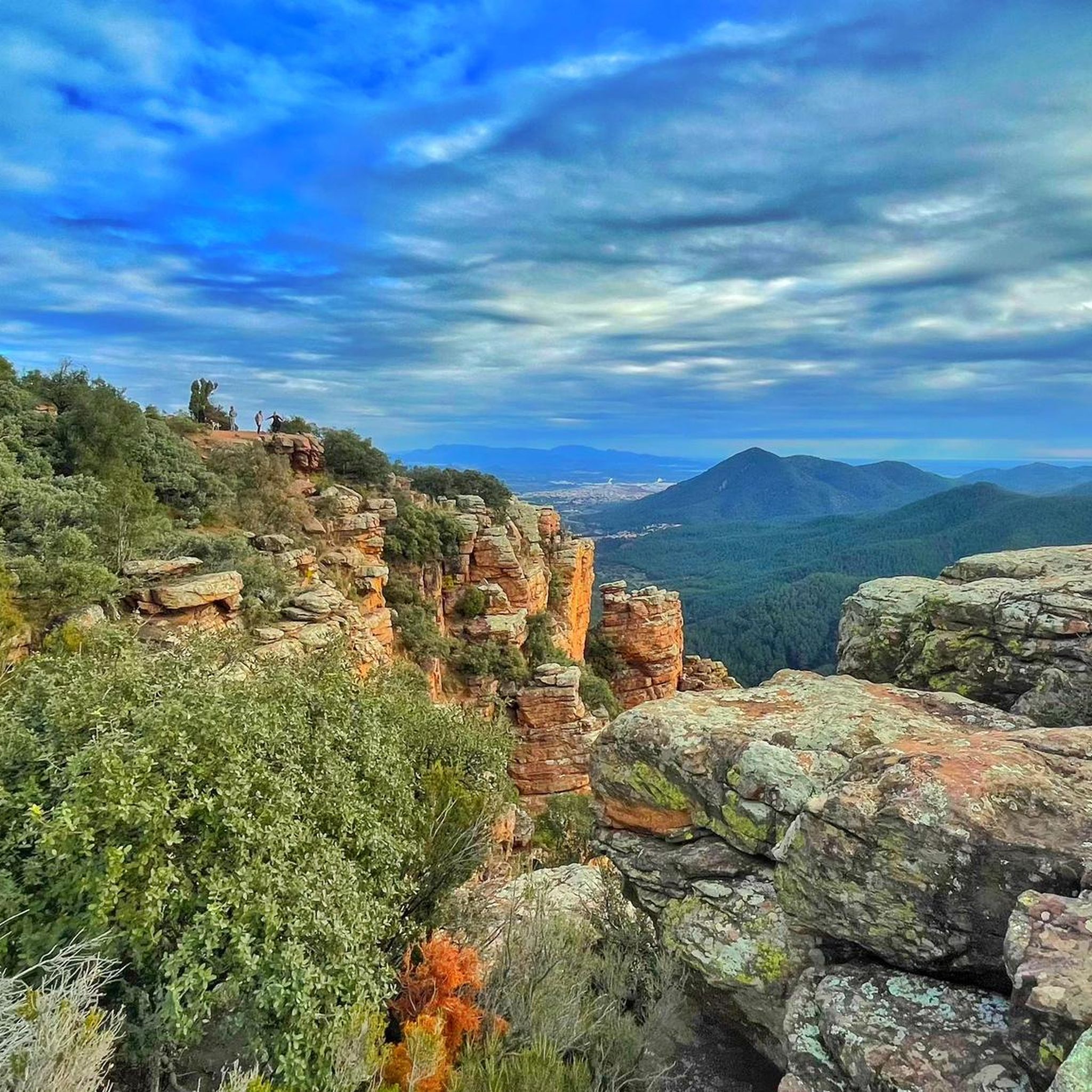
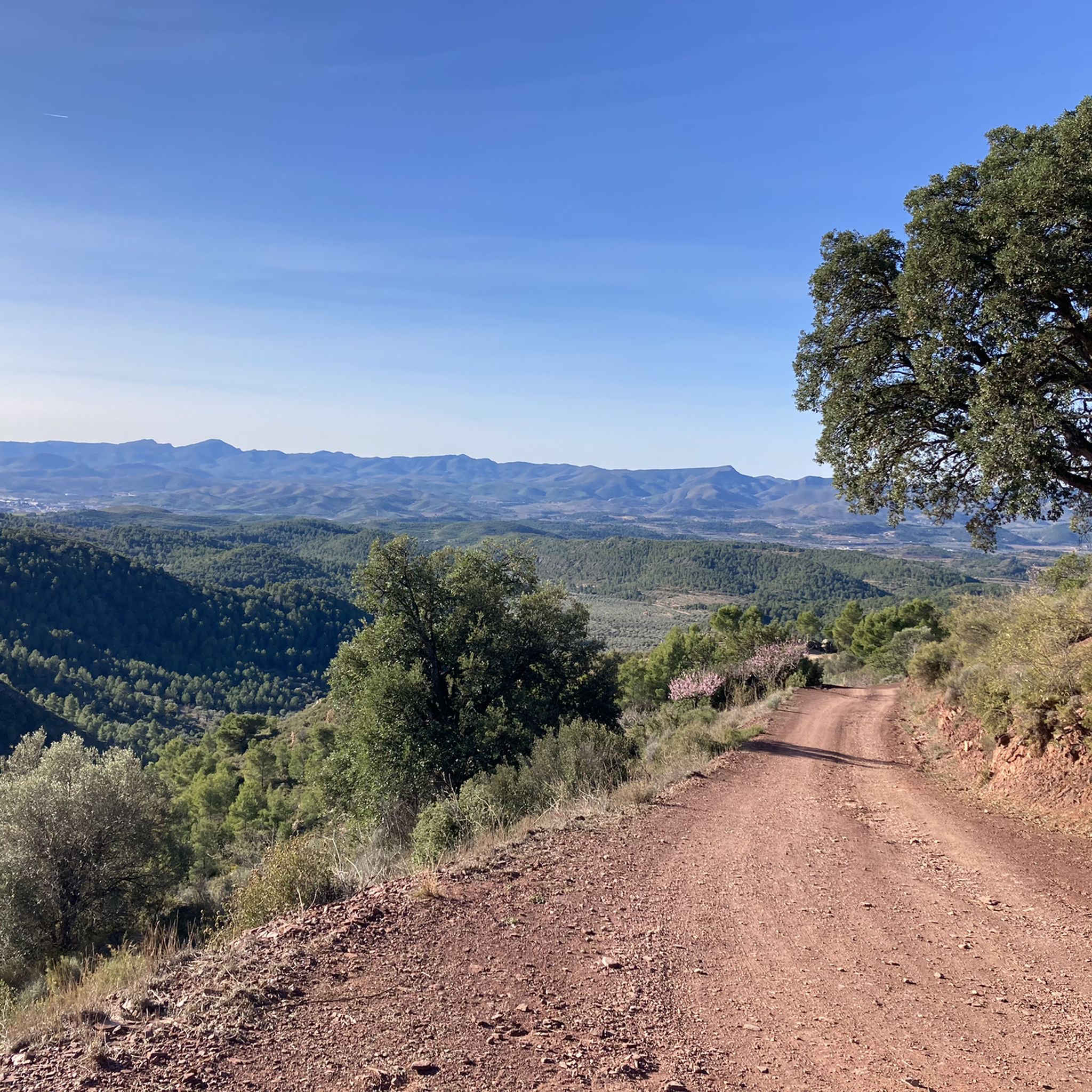
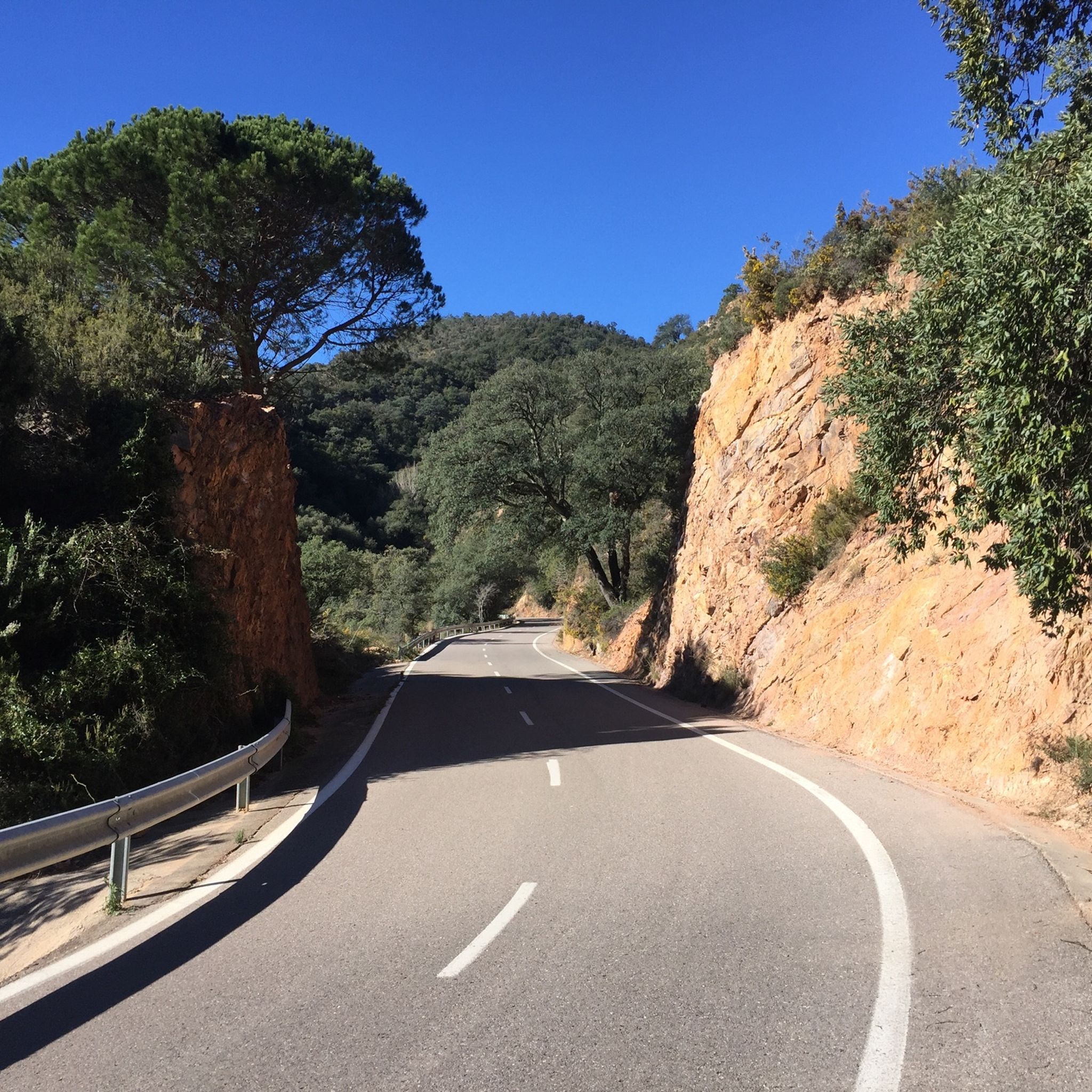
Touring cycling in Sierra Espadà offers routes through a mountainous landscape characterized by abrupt relief, deep ravines, and extensive cork oak forests. The region features sandstone outcrops and numerous freshwater springs, providing varied terrain for cyclists. Panoramic views are available from various points, including mountain passes and ridges, extending towards the Mediterranean Sea.
Best touring cycling routes in Sierra Espadà
- The most popular touring cycling route is Serra d'Espadà Gravel Loop via Puntal de l'Aljub, a 31.1 miles (50.0…
Last updated: July 7, 2026
10
riders
50.0km
04:53
1,430m
1,430m
Hard bike ride. Very good fitness required. Some segments of this route may be unpaved and difficult to ride.
5.0
(1)
23
riders
62.2km
04:42
1,520m
1,520m
Hard bike ride. Very good fitness required. Mostly paved surfaces. Suitable for all skill levels.

Sign up for free
5.0
(1)
19
riders
44.4km
04:27
1,240m
1,240m
Hard bike ride. Very good fitness required. Mostly paved surfaces. Suitable for all skill levels.
5.0
(1)
12
riders
37.9km
03:49
1,320m
1,320m
Hard bike ride. Very good fitness required. Mostly paved surfaces. Suitable for all skill levels.
18
riders
37.4km
04:09
1,160m
1,160m
Hard bike ride. Very good fitness required. You may need to push your bike for some segments of this route.
Get access to more routes and recommendations from other explorers.
Sign up for free
Already have an account?
Our route recommendations are based on thousands of hikes, rides, and runs completed by other people on komoot.
Start today with a free account
Your next adventure awaits.
Login or Signup


Tips from the Community

Aqueducts built by the Moors to allow irrigation water to pass through the ravine and thus extend their irrigated fields. The most notable are those of Horta Nova and Alfara.
1
0
Almedíxer is located in the heart of the Sierra de Espadán and was occupied by the Republican army under the command of General Leopoldo Menéndez. The XYZ line (or Matallana line) crossed it, and several historical vestiges remain of it. This XYZ line was made up of a network of trenches and shelters dug to take advantage of the rough terrain of the hills located to the north and northeast of Valencia, which made it difficult to destroy them only by means of air attacks. Given the danger of bombers, frequent during the time of the confrontation between the two armies around the XYZ line, shelters were built where the inhabitants of Almedíjar could hide from the presence of the "Pava", the sound of which alerted the population and preceded the dropping of bombs. The "Pava" was the name by which the Heinkel He 46 combat aircraft, a German monoplane that participated in the bombings carried out during the Civil War, was popularly known. Today, a large part of the defensive constructions of the Civil War, such as parapets or observation points, are preserved. Among these, the shelters of Castillet, Mosquera and Canyar stand out. This last shelter has the typical structure of this type of war construction, since it had three entrances, a corridor that connected them and a rectangular room where people sat down to wait for the bombing to end. Currently, only one entrance and the room where people waited for the bombing to end are preserved.
1
0
With water of recognized quality.
2
0
In the center of Almedíxer we steal the church and a door from the old palace of the Count of Puñonrotro and which serves as a border between it and the Muslim area that occupied the central nucleus of the town, from the northern area of the Plaza de l'Església to the Plaza del Rosario, the end point of the old Roman decumanus that reaches the houses on Moreral Street. This part forms a parallelogram of houses connected to each other by an interior courtyard.
1
0
Well preserved section of the old Roman road.
1
0
Construction with reeds to provide shade to the park's agora (it lacks maintenance).
1
0
RURAL MEETING SPACE “LA SURERA” RURAL HOSTEL Hostel Yoga room CONSCIOUS FOOD Olive groves Chicken coop Orchards Moorish oven Shared workshop ARTISTIC RESIDENCES Sound space Paper and experimentation workshop Graphic arts workshop LOCAL KNOWLEDGE Ceramics workshop Tool workshop TRAINING Coworking room
1
0

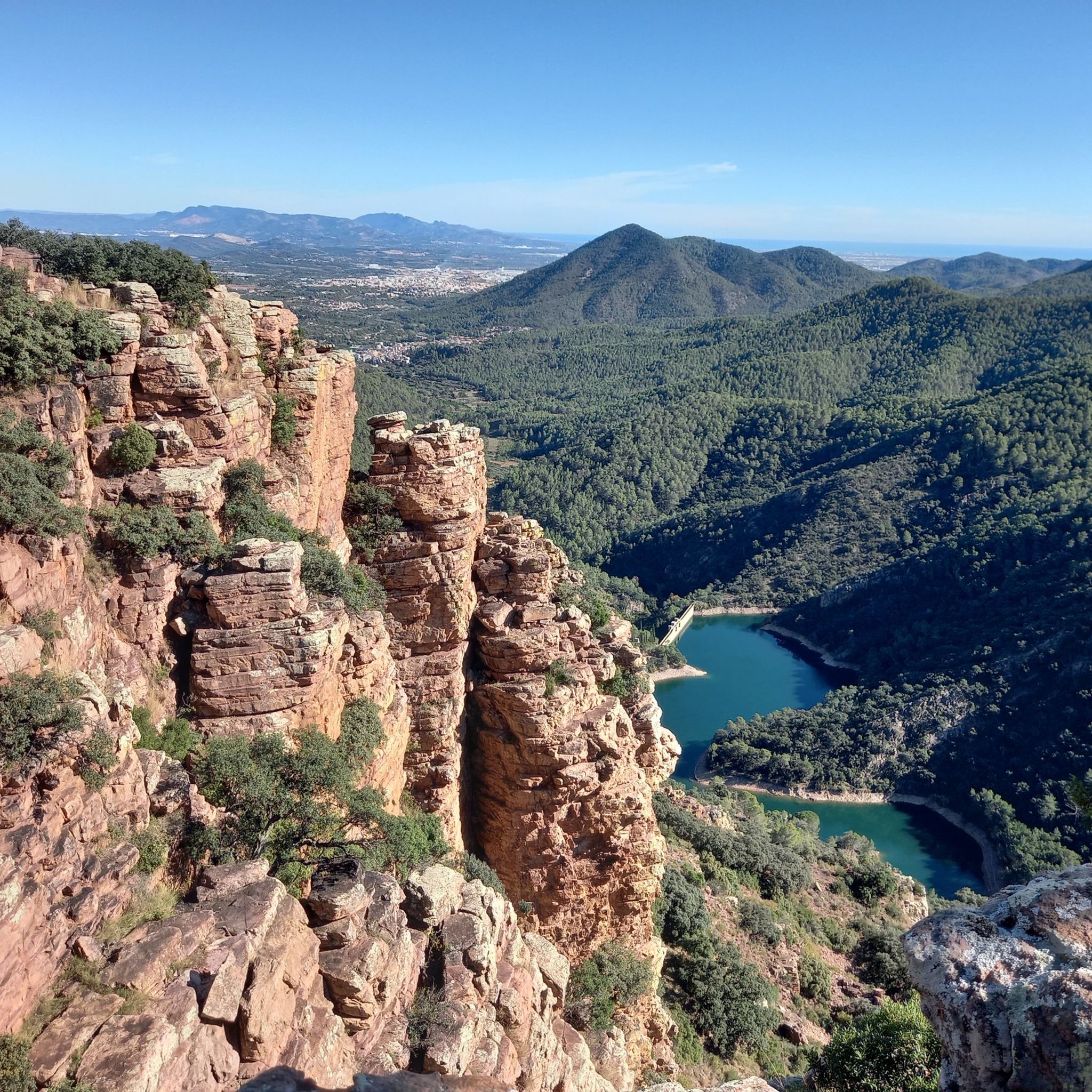
Beautiful water reservoir surrounding with forest and rocks. Great views to Orgues de Benitandus. Unfortunately the level of water is dramatically low nowadays. It's even possible to visit remaining of an old building (mill?) on the river bed which looks like it was under water for a long time.
0
0
Frequently Asked Questions
What is the typical difficulty level for touring cycling in Sierra Espadà?
Most touring cycling routes in Sierra Espadà are classified as difficult, featuring significant elevation gains and challenging terrain. Out of the 27 available routes, 26 are rated as difficult, making it an ideal destination for experienced cyclists seeking a challenge.
Are there any circular touring cycling routes in Sierra Espadà?
Yes, many of the touring cycling routes in Sierra Espadà are designed as loops, allowing you to start and finish at the same point. For example, the Serra d'Espadà Gravel Loop via Puntal de l'Aljub and the Torralba del Pinar – Benitandús Reservoir loop from Parc Natural de la Serra d'Espadà are popular circular options.
What kind of landscapes can I expect to see while touring cycling in Sierra Espadà?
Sierra Espadà offers a diverse and impressive landscape. You'll cycle through mountainous terrain with abrupt relief, deep ravines, and extensive cork oak forests, which are among the best-preserved in Spain. The region also features unique sandstone outcrops, numerous freshwater springs, and offers spectacular panoramic views from various points, often extending towards the Mediterranean Sea.
What are some notable points of interest or landmarks along the touring cycling routes?
The natural park is rich in historical and natural landmarks. You can explore charming medieval villages, discover historical ruins like old mills and watchtowers, and visit castles such as Castro Castle, which offers incredible panoramic views. The region is also known for its mountain passes like Eslida Pass and Puerto de la Nevera, which provide both challenging climbs and beautiful vistas.
Are there any family-friendly touring cycling routes in Sierra Espadà?
While many routes in Sierra Espadà are rated as difficult due to significant elevation changes, the extensive trail network does offer options for varying skill levels. For families, it's advisable to look for shorter, less steep sections or trails specifically marked as easy or moderate, though these are less common for touring cycling in this mountainous region. Always check the route profile before setting out.
What do other touring cyclists enjoy most about cycling in Sierra Espadà?
The touring cycling experience in Sierra Espadà is highly rated by the komoot community, with an average score of 4.8 stars from over 5 reviews. Cyclists often praise the challenging climbs, the stunning panoramic views, and the unique experience of riding through the extensive and well-preserved cork oak forests.
Can I find places to eat or drink along the cycling routes?
The natural park is dotted with charming towns and villages such as Aín, Alcudia de Veo, and Almedíjar. These villages often have local cafes, bars, or restaurants where you can stop for refreshments and experience the local culture. It's a good idea to plan your route to pass through these settlements for convenient breaks.
What is the best time of year to go touring cycling in Sierra Espadà?
Sierra Espadà is generally pleasant for cycling for much of the year. Spring and autumn offer milder temperatures, making them ideal for tackling the region's challenging climbs. Summers can be hot, especially in the middle of the day, while winters are cooler but often still suitable for cycling, particularly on sunny days. Always check the local weather forecast before your trip.
Are there any specific permits required for cycling in Sierra Espadà Natural Park?
Generally, no specific permits are required for cycling on established trails and roads within Sierra Espadà Natural Park. However, it's always recommended to respect park regulations, stay on marked paths, and be mindful of the natural environment and local wildlife. For any specific activities or large groups, it's wise to check with the park's official information points.
Is it possible to reach Sierra Espadà by public transport for cycling trips?
While Sierra Espadà is a natural park, some of its surrounding towns and villages may be accessible by public transport, such as local bus services from larger nearby cities. However, direct public transport options into the heart of the park or to specific trailheads might be limited. It's advisable to research specific routes and their starting points to determine the most convenient public transport links, if available.
Are there any routes that offer views of the Benitandús Reservoir?
Yes, the Torralba del Pinar – Benitandús Reservoir loop from Parc Natural de la Serra d'Espadà is a difficult 38.9-mile (62.6 km) path that features significant elevation gains and scenic views of the reservoir and surrounding mountains, offering a rewarding experience for touring cyclists.
Can I find historical aqueducts along the cycling trails?
Absolutely. The region has a rich history, and you can encounter historical structures like aqueducts. For instance, the El Canari Spring – La Alfara Aqueduct loop from Vall de Almonacid is a 27.6-mile (44.4 km) trail that leads through mountainous landscapes and past historical aqueducts, providing a glimpse into the area's past.
What is the average distance and duration for touring cycling routes in Sierra Espadà?
The touring cycling routes in Sierra Espadà vary in length and duration, reflecting the challenging terrain. For example, the Serra d'Espadà Gravel Loop via Puntal de l'Aljub is about 31.1 miles (50.0 km) and takes nearly 5 hours, while the Roman Road of Almedíjar – El Canari Spring loop from Aín is around 23.5 miles (37.9 km) and typically takes over 3 hours and 45 minutes to complete.
Most popular routes in Sierra Espadà
Most popular attractions in Sierra Espadà

Get inspired with the komoot mobile app


Explore more
Browse the best Cycling routes in other regions.
