Top 19 Caves around Hattingen
Best caves around Hattingen are often linked to the region's industrial heritage and natural landscape. Located near the Ruhr river, Hattingen features a mix of historical mining tunnels and smaller natural grottoes. While not home to large show caves, the area offers unique underground experiences, often integrated into popular hiking trails with caves near Hattingen. These sites provide insight into the geological and industrial past of the Ruhr Valley.
Best caves around Hattingen
- The most popular caves is Grotto at…
Last updated: November 23, 2026
Time Tunnel Wülfrath
Highlight • Structure
Translated by Google •
Tip by

Grotto at the Source of the Schnodderbach
Highlight • Cave
Translated by Google •
Tip by

Sign up now to discover places like this
Get recommendations on the best single tracks, peaks, & plenty of other exciting outdoor places.
Braunschweig Tunnel South Wing
Highlight • Historical Site
de.wikipedia.org/wiki/Zeche_Braunschweig
Translated by Google •
Tip by

Western Day Drift Frielinghaus
Highlight • Historical Site
The tunnel began at a depth of 13 m at the St. …
Translated by Google •
Tip by

Post-War Mine Tunnel
Highlight • Historical Site
Translated by Google •
Tip by

Sign up for free to discover even more caves around Hattingen.
Already have an account?
Start today with a free account
Your next adventure awaits.
Popular around Hattingen
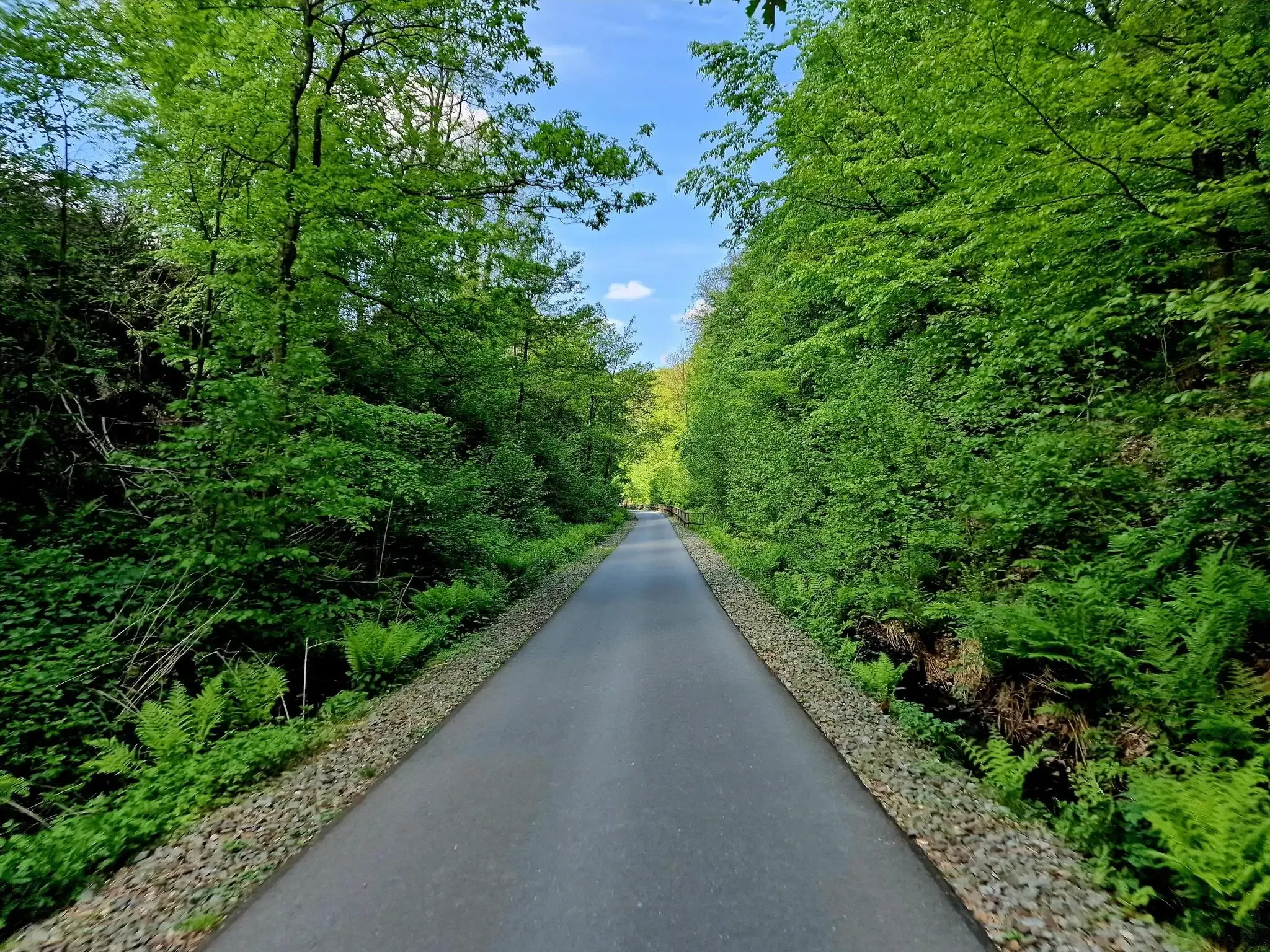
WHEW 100 – An Ultramarathon in three days in the middle of NRW
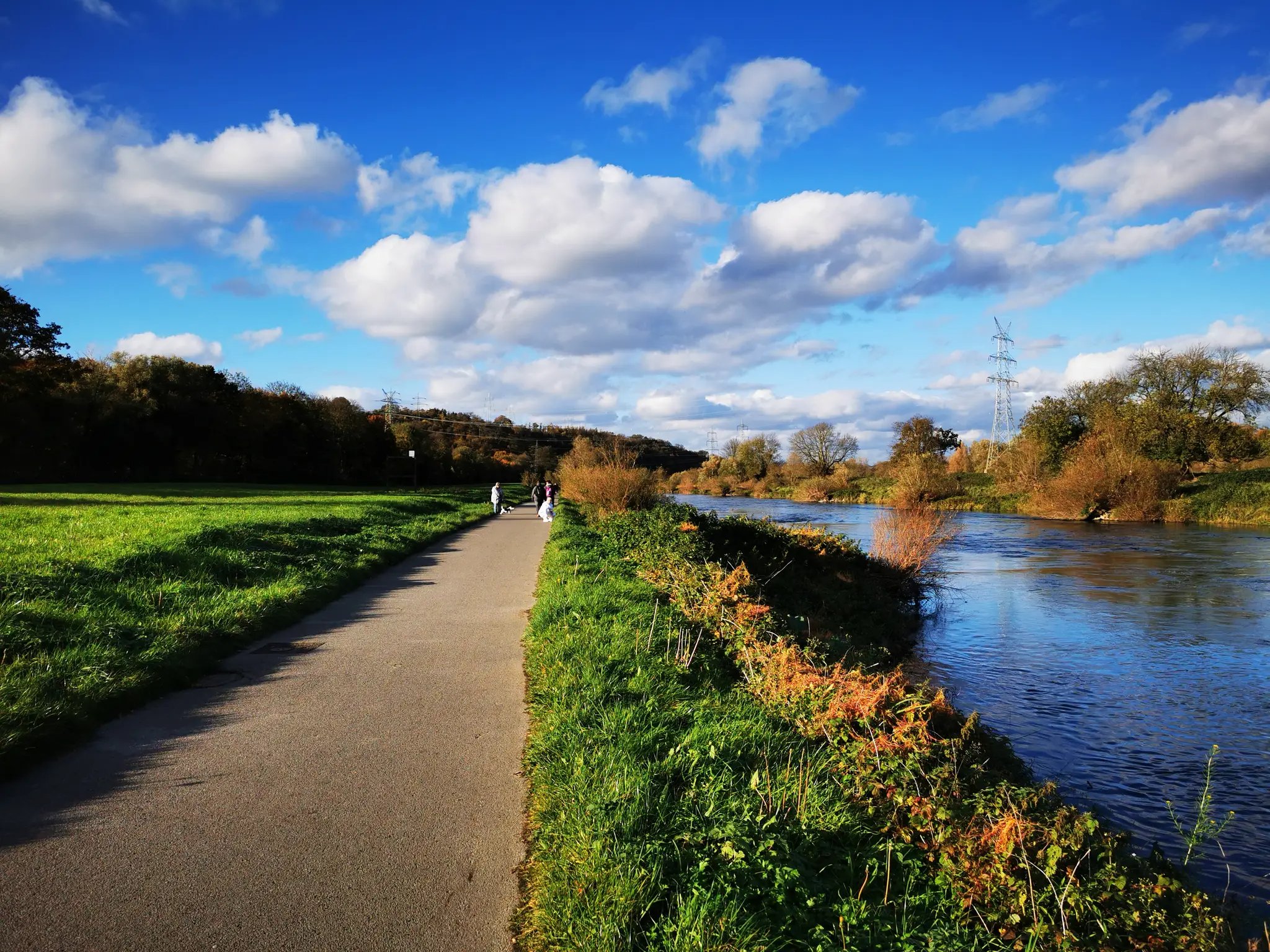
Ruhr Valley cycle path — 6 stages from Winterberg to the Rhine
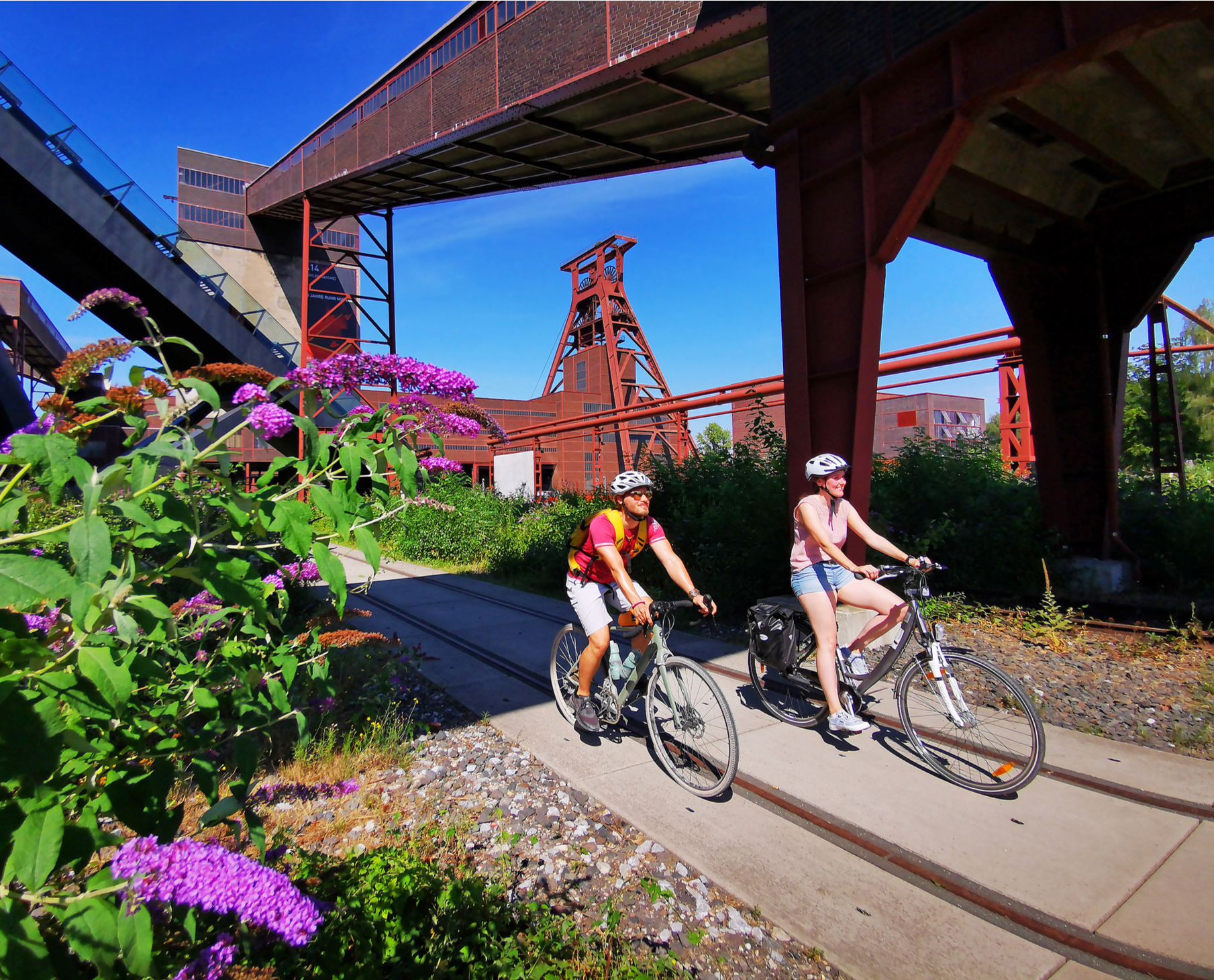
Railway cycling and industrial heritage in the Ruhr area – RevierRouten
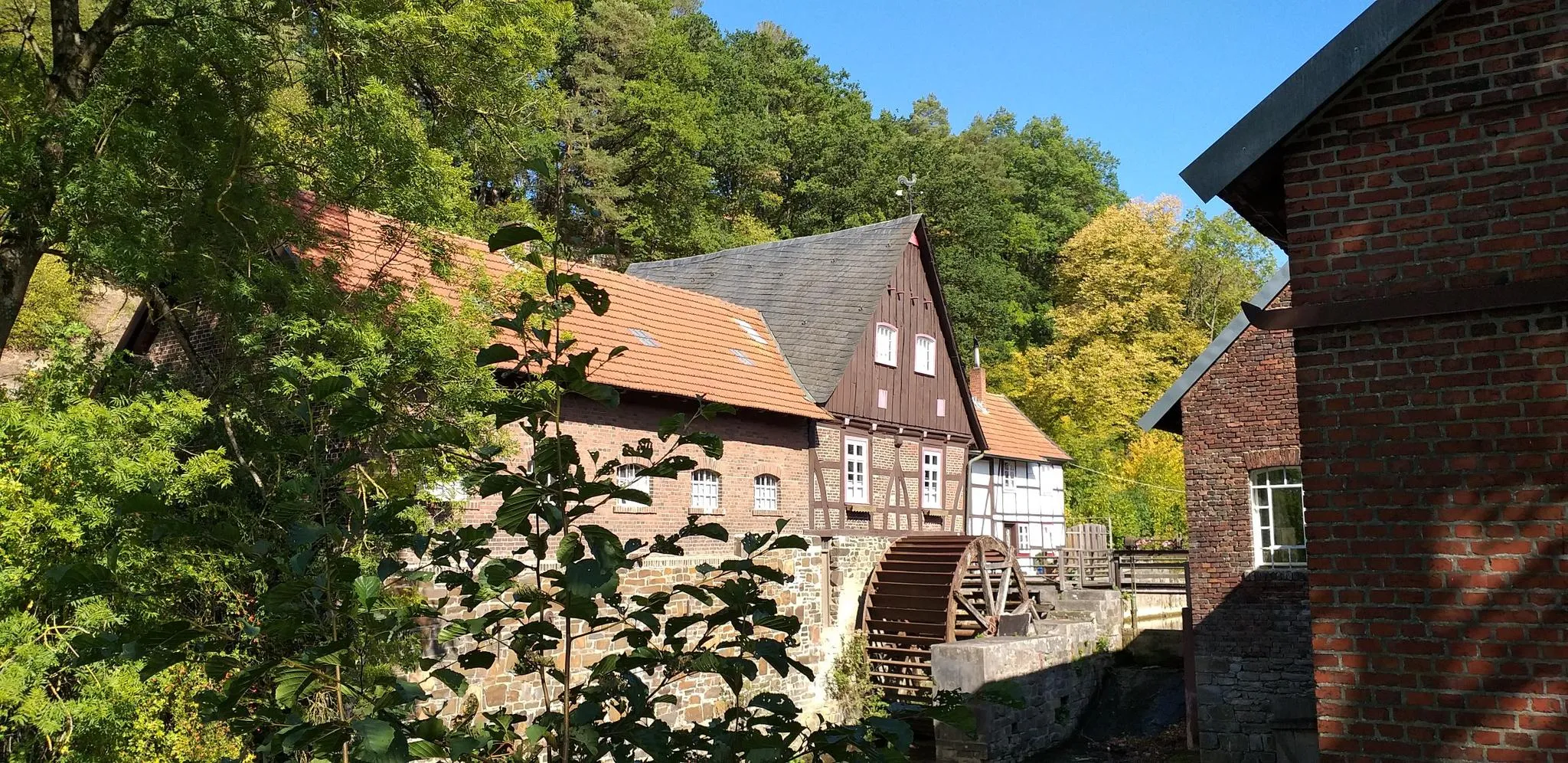
Hike through history in Germany’s Ruhr area – WestfalenWanderWeg
Hills, valleys and tracks – cycling in Elfringhauser Schweiz
Harkortweg (X 17)
Panoramic adventures — explore Germany’s Bergisches Land
The RevierRouten in the radrevier.ruhr
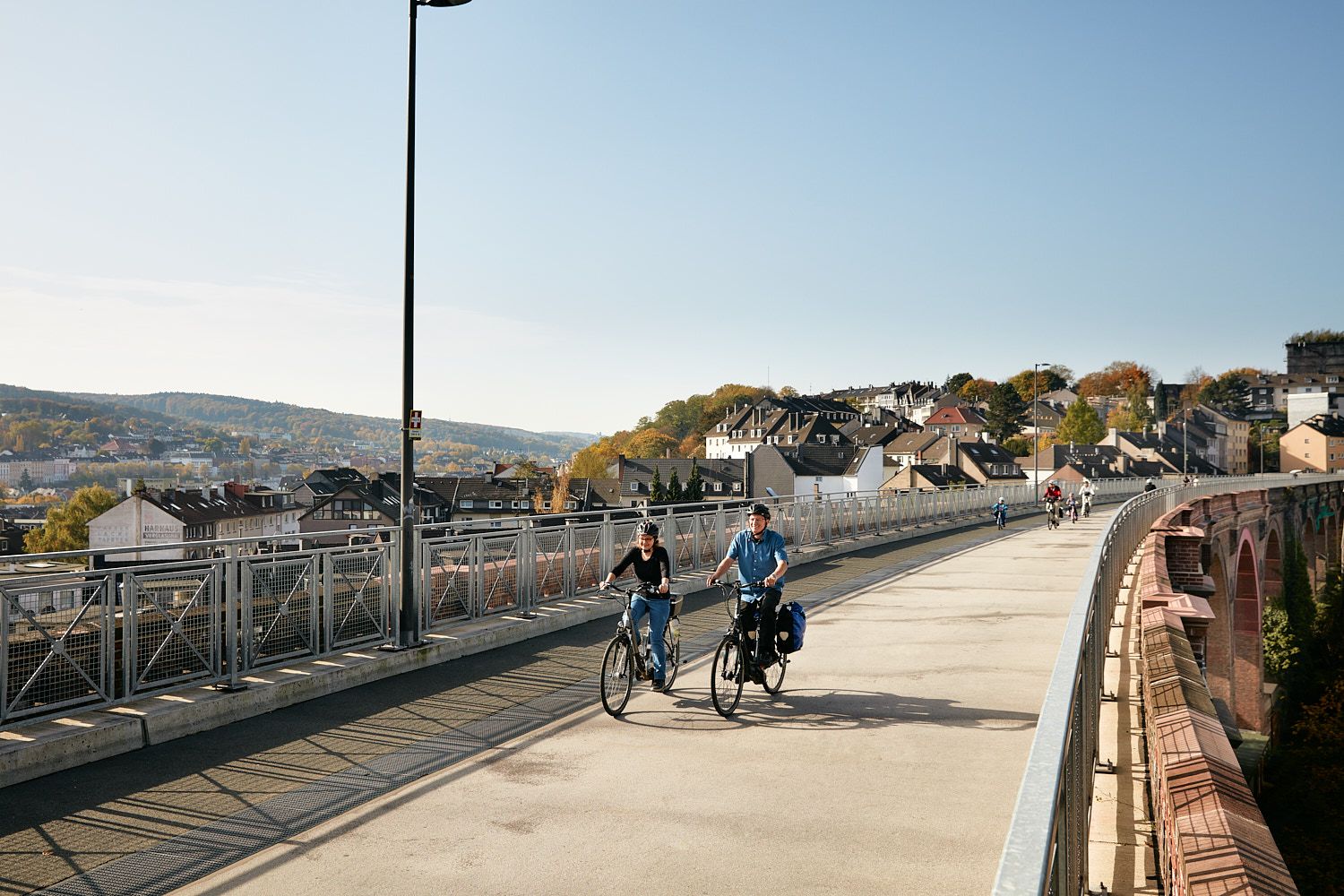
Railway lines & industrial heritage – Cycling through the Bergisches Land
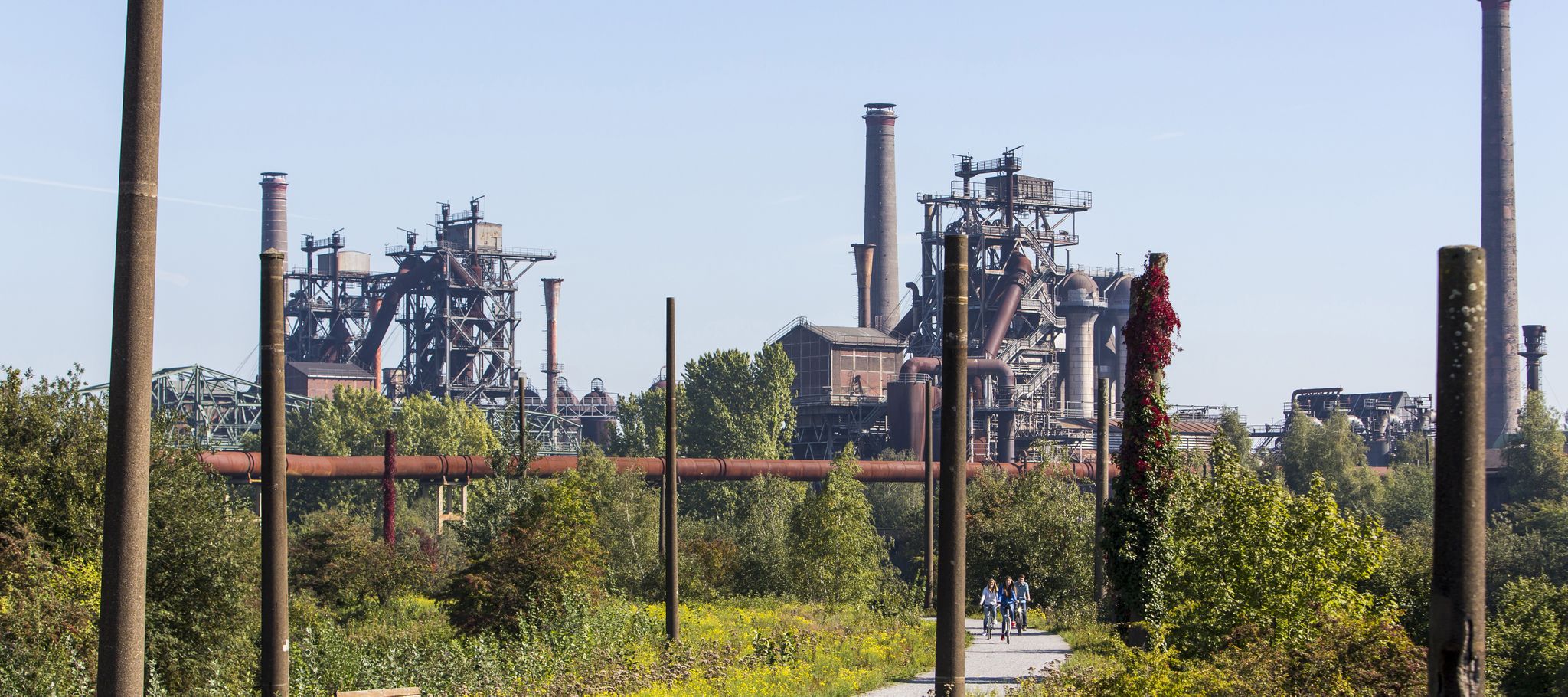
Industry, history, nature — a colorful journey through the radrevier.ruhr
Other adventures around Hattingen


Tips from the Community

The Stollen Braunschweig Südflügel is a historic adit portal of the former Zeche Braunschweig coal mine in Bommern, a district of Witten (North Rhine-Westphalia). Key facts: • Location: Witten, North Rhine-Westphalia (near the German Mining and Field Railway Museum and the former forced labor camp Nachtigallstraße). • Operating period: The Zeche Braunschweig was in operation, with interruptions, from 1748 to 1886; the Südflügel was used until 1885. • Function: The adit served to drain iron-rich mine water and supply fresh air. • Current condition: Of the original adit portal, mainly the upper part is visible today, as the lower part was built over during the construction of a road. The emerging water can be recognized by a typical ochre discoloration. • Background: The mine was divided into a north and a south wing and belonged to the Märkisch mining district (Hardenstein mining district).
0
0

The western Frielinghaus open-pit tunnel is a historic tunnel in the Muttental that was part of the Frielinghaus mine. This mine was a hard coal mine in the Vormholz-Hardenstein district of Witten and was put into operation in 1771. The western open-pit tunnel was driven from the Hardenstein valley to connect the Erbstollenboden with the Muttental1. The Frielinghaus mine is now part of the Muttental mining hiking trail, which includes numerous historic mining sites and artifacts. Source: KI
1
0
The post-war tunnel in Muttental is a historic mining tunnel that is part of the Muttental mining hiking trail in Witten. This hiking trail leads through a region that is considered the cradle of Ruhr mining and shows numerous relics from the early mining era2. The post-war tunnel is one of the last tunnel entrances that can be visited on the mining circular trail. It is a testament to the mining activities that were briefly revived after the world wars due to the lack of fuel. Source: KI
2
0
The Braunschweig South Wing tunnel is a historic mining tunnel in Witten, North Rhine-Westphalia. It belongs to the former Braunschweig mine, which was in operation between 1748 and 1886. The tunnel is located near the German Mining and Field Railway Museum and the former forced labor camp Nachtigallstrasse2. The Braunschweig mine consisted of two wings, the north wing and the south wing. Mining in the south wing began in 1750 and was operated by the tradesmen Johann Peter Hundeiker and Gerhard Peter Merklinghaus. Today the tunnel is part of the Route of Industrial Heritage and a popular destination for hikes and circular walks. Source: KI
1
0

West of the branch that leads from Nachtigallstraße to Steinhausen, the Mausegatt coal seam appeared on the steep mountain slope. The coal layer was awarded on February 6, 1751 under the name Braunschweig. It sank to the south to the Borbecker Mulde and to the north to the Nachtigaller Mulde. Source: "When coal was still the future"; Gerhard Koetter, Klartext publishing house
1
0
The Frielinghaus mine in the Witten district of Vormholz-Hardenstein is a former hard coal mine. The mine was also known as the Frielinghaus Gerichts Herbede mine. From 1832 onwards, the mine was also known as the Frielinghaus Tiefbau mine, Frielinghausen mine or Frilinghausen mine. Parts of the mine are now part of the Muttental mining hiking trail. Source and link to the full article: https://de.wikipedia.org/wiki/Zeche_Frielinghaus
1
0
During the period of coal shortage after World War II, the remains of existing coal deposits were extracted from this tunnel. The mining operation was probably not registered, so the name of the tunnel cannot be determined exactly. The Aufgottgewagt mine, which was last granted mining rights here in 1774, had left the coal remains standing in earlier times. In front of the tunnel entrance there was a loading ramp from which the coal was loaded for further transport. Source: Panel 30 at the tunnel entrance (route•industriekultur•)
7
0

Coal was once made there
0
1
Frequently Asked Questions
What kind of "caves" can I expect to find around Hattingen?
The "caves" around Hattingen are primarily historical mining tunnels, natural grottoes, and quarry-related underground passages. These sites offer insights into the region's industrial heritage and geological past, rather than large, natural show caves with extensive dripstone formations.
Are there any significant natural cave systems near Hattingen?
Hattingen itself is not known for large, natural cave systems. More significant cave experiences, such as those with extensive dripstone formations, are typically found in other German regions like the Sauerland (e.g., Atta Cave) or the Harz Mountains.
What are some of the most interesting cave-related sites to visit around Hattingen?
You can explore sites like the Grotto at the Source of the Schnodderbach, a small natural formation, or the Dünkelberg Quarry and Nachtigallstollen, which combines natural features with mining history. The Time Tunnel Wülfrath is a former mining tunnel transformed into a museum, showcasing 400 million years of Earth's history.
Are the cave sites around Hattingen suitable for families?
Yes, several sites are considered family-friendly. For example, the Grotto at the Source of the Schnodderbach and the Dünkelberg Quarry and Nachtigallstollen are noted as such. The Time Tunnel Wülfrath, with its museum exhibits, also offers an educational experience for all ages.
What historical aspects can I learn about at these cave locations?
Many sites around Hattingen are deeply connected to the region's industrial past, particularly coal mining. Locations like the Dünkelberg Quarry and Nachtigallstollen and the Time Tunnel Wülfrath offer a journey through the history of mining and geological development, often with informative panels and exhibits.
Are there hiking trails that incorporate these cave sites?
Yes, many of the cave-related sites around Hattingen are integrated into popular hiking trails. You can find various routes that lead past these historical mining tunnels and natural grottoes, offering a blend of outdoor activity and historical exploration. For more hiking options, explore the Mountain Hikes around Hattingen guide.
What other outdoor activities can I do near the caves around Hattingen?
Beyond exploring the cave sites, the Hattingen region offers a variety of outdoor activities. You can find numerous running trails, road cycling routes, and mountain hikes that allow you to experience the natural landscape of the Ruhr Valley.
What are the geological features of the caves in the Hattingen area?
The geological features primarily include formations related to limestone quarries and coal seams. The Time Tunnel Wülfrath, for instance, is a former limestone quarry tunnel that now showcases 400 million years of Earth's geological history through various objects and fossils.
Is there an entrance fee for the cave sites?
Some sites, particularly those operating as museums or visitor centers, may have an entrance fee. For example, the Time Tunnel Wülfrath has an admission fee of €4.00 for adults and €3.00 for children (6-14 years). Family tickets are also available. Smaller grottoes or historical tunnel entrances along hiking paths are typically free to access.
What is the best time of year to visit the cave sites around Hattingen?
The cave sites, especially those integrated into hiking trails, can be visited year-round. For outdoor exploration and hiking, spring and autumn offer pleasant temperatures. Indoor sites like the Time Tunnel Wülfrath are suitable for visits in any weather.
Can I bring my dog to the cave sites?
Many outdoor trails and natural grottoes are dog-friendly. However, for indoor museum-like attractions such as the Time Tunnel Wülfrath, it's advisable to check their specific pet policies beforehand.
Where can I find more information about activities in Hattingen?
For a broader overview of activities and attractions in the area, you can visit the official Hattingen tourism website: hattingen-tourismus.de.
Most popular routes around Hattingen
Most popular attractions around Hattingen

Get inspired with the komoot mobile app


Explore more
Extend your search for the best caves by checking out these guides of the top ones around Hattingen:
