Top 7 Gorges in Lancashire
Best canyons in Lancashire are characterized by dramatic gorges, ghylls, and cloughs carved by rivers and streams. These natural formations provide diverse landscapes and geological interest across the region. Lancashire's terrain offers opportunities for exploring these features, from picturesque sandstone gorges to deep gullies. The area presents a variety of natural attractions for outdoor enthusiasts.
Best canyons in Lancashire
- The most popular canyons is Hoghton Bottoms Weir and Viaduct, a waterfall that features a picturesque sandstone gorge. This section of the River Darwen includes a tumbling weir and a 108-foot (33 m) high viaduct.
- Another must-see spot is Lead Mine Clough, a historical site with several waterfalls. This area is known for its old mining history and offers paths for exploration.
- Visitors also love Ogden Clough, a deep gully that forms a main route approaching Pendle Hill. This clough provides a curved weakness in the hill's southwestern flanks, offering walking routes.
- Lancashire is known for its gorges, ghylls, and cloughs. The region offers a variety of natural formations to see and explore.
- The canyons in Lancashire are appreciated by the komoot community, with 68 upvotes and 90 photos shared.
Last updated: August 18, 2026
Hoghton Bottoms Weir and Viaduct
Highlight • Waterfall
Tip by

Ogden Clough
Highlight • Gorge
Tip by
Sign up now to discover places like this
Get recommendations on the best single tracks, peaks, & plenty of other exciting outdoor places.
Sign up for free
Fairies Chapel
Highlight • Natural Monument
Tip by

Lead Mine Clough
Highlight • Historical Site
Tip by

Ease Gill Kirk Gorge
Highlight • Gorge
Tip by

View of Cliviger Gorge
Highlight • Viewpoint
Tip by

Whitewell Brook Valley
Highlight • Gorge
Near the settlement of Water, Peers Clough Farm offers bed and breakfast or self-catering rooms. If you are hiking the Rossendale Way, the owners are a great source of assistance for getting to and from start and end points.
Further down the valley towards Lumb is the Hargreaves Arms, which serves good pub grub.
Tip by
Start today with a free account
Your next adventure awaits.
Login or Signup
Popular around Lancashire
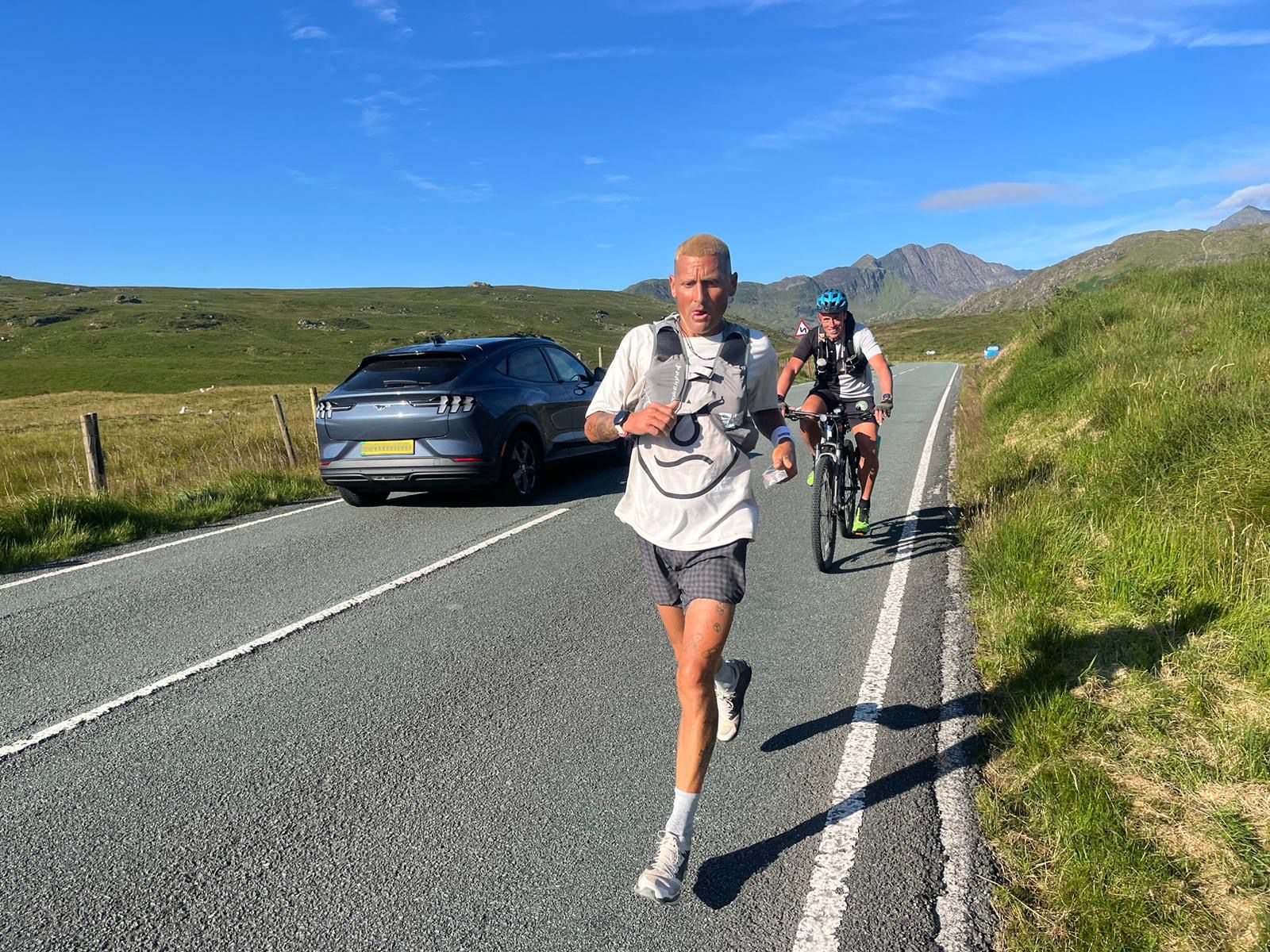
Supporting the National Three Peaks FKT in true Green Runners’ Style
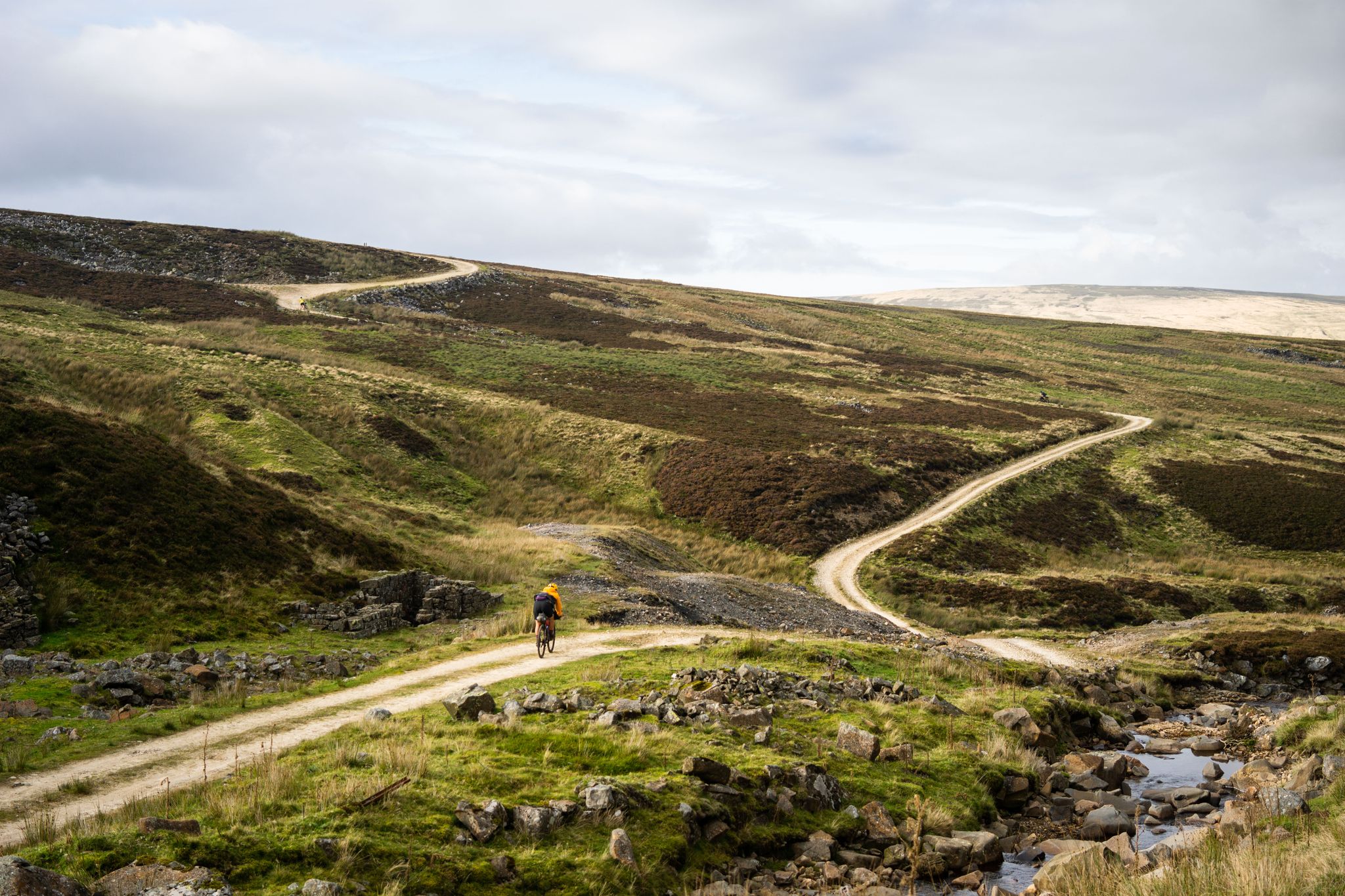
Second City Divide — Rough Stuff Of The North
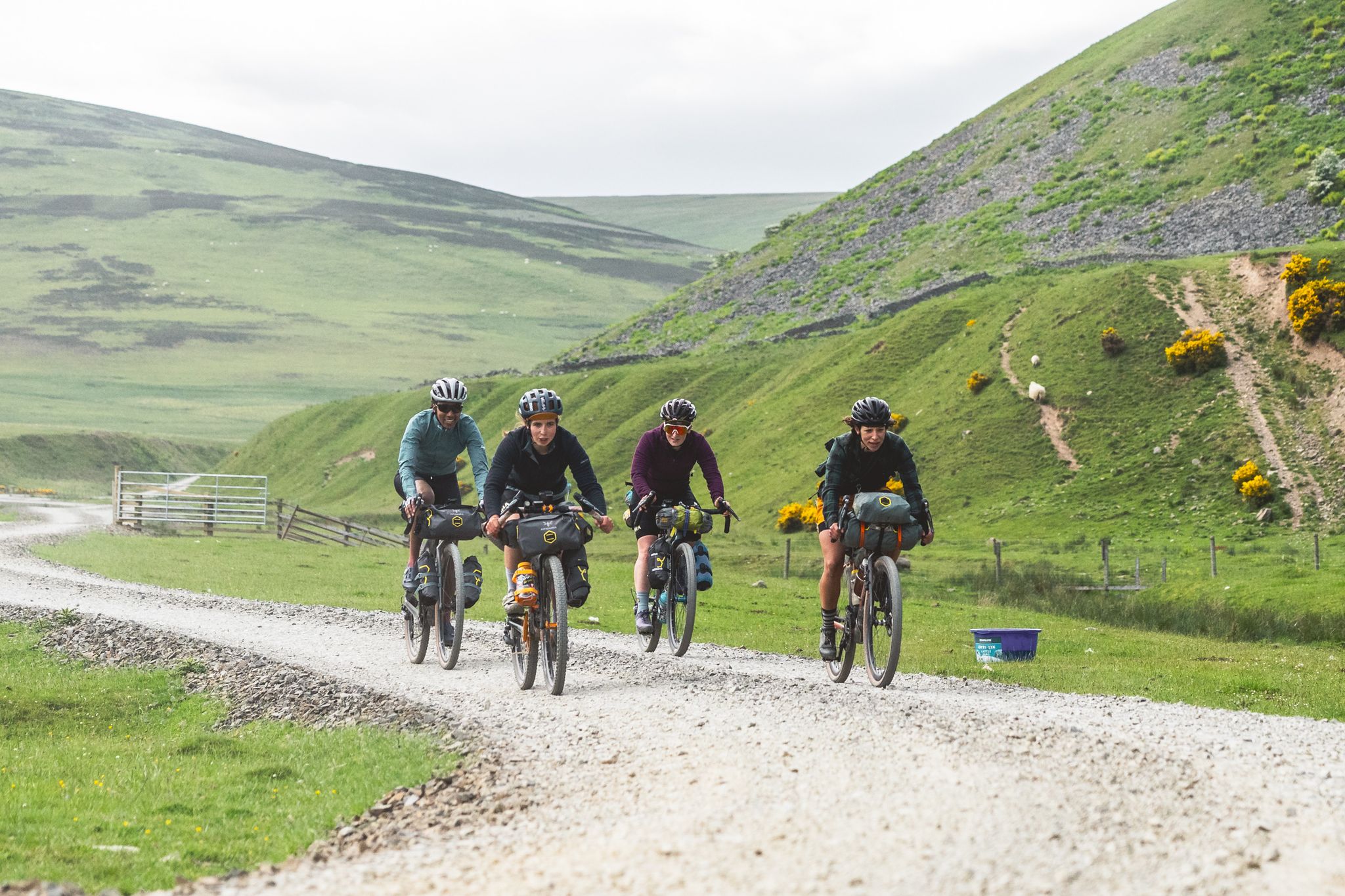
The Pennine Rally — Bikepacking Edinburgh to Manchester
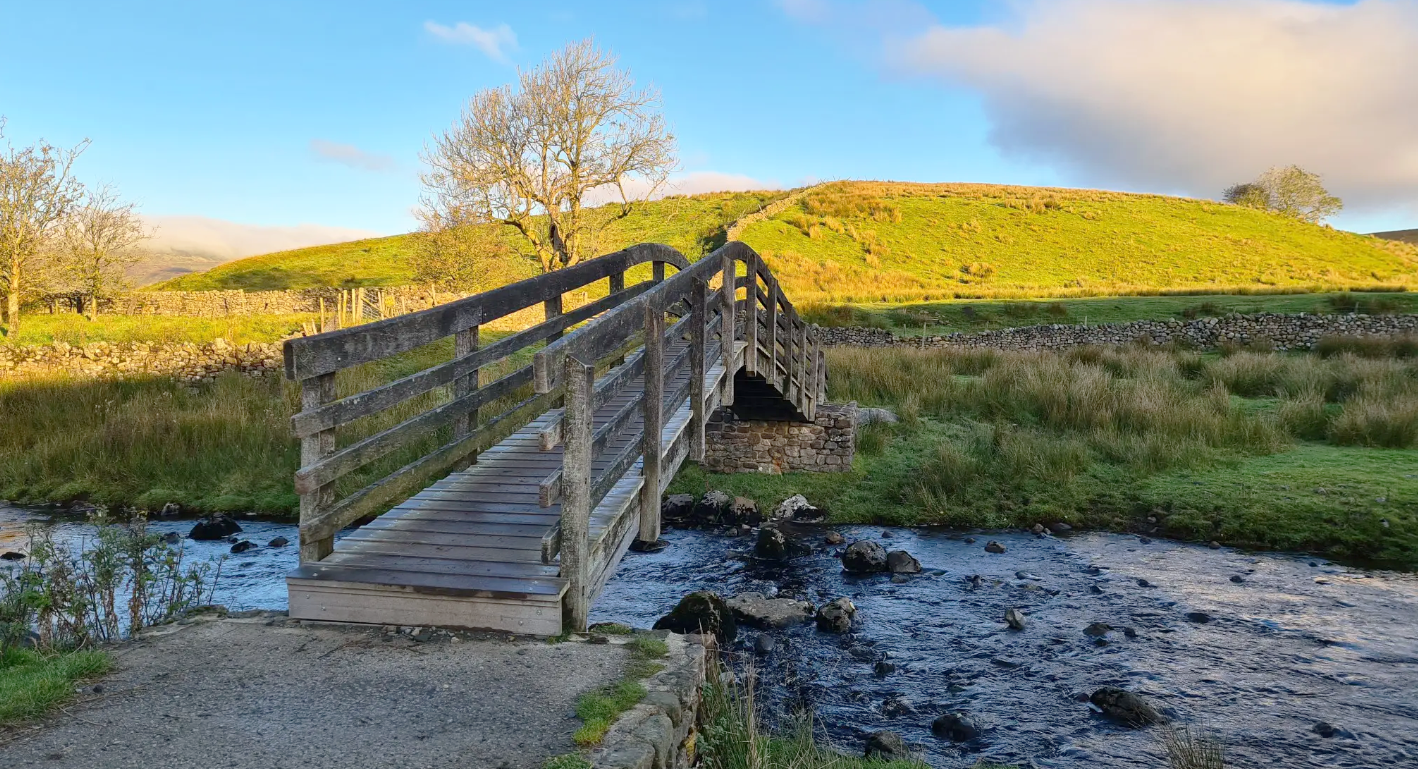
Ribble Way — A remarkable river ramble into the heart of the Dales
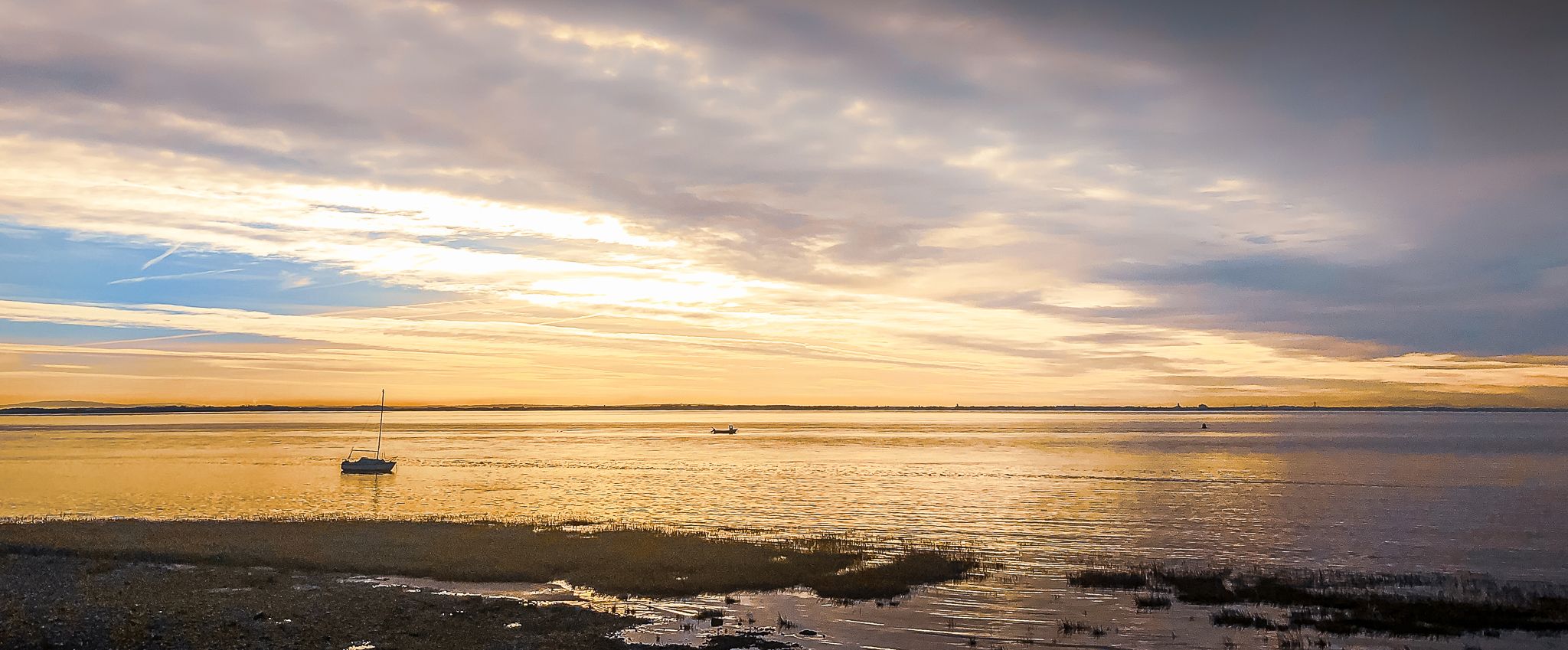
Lancashire Coastal Way — Hike amidst scenic gold and wildlife treasures
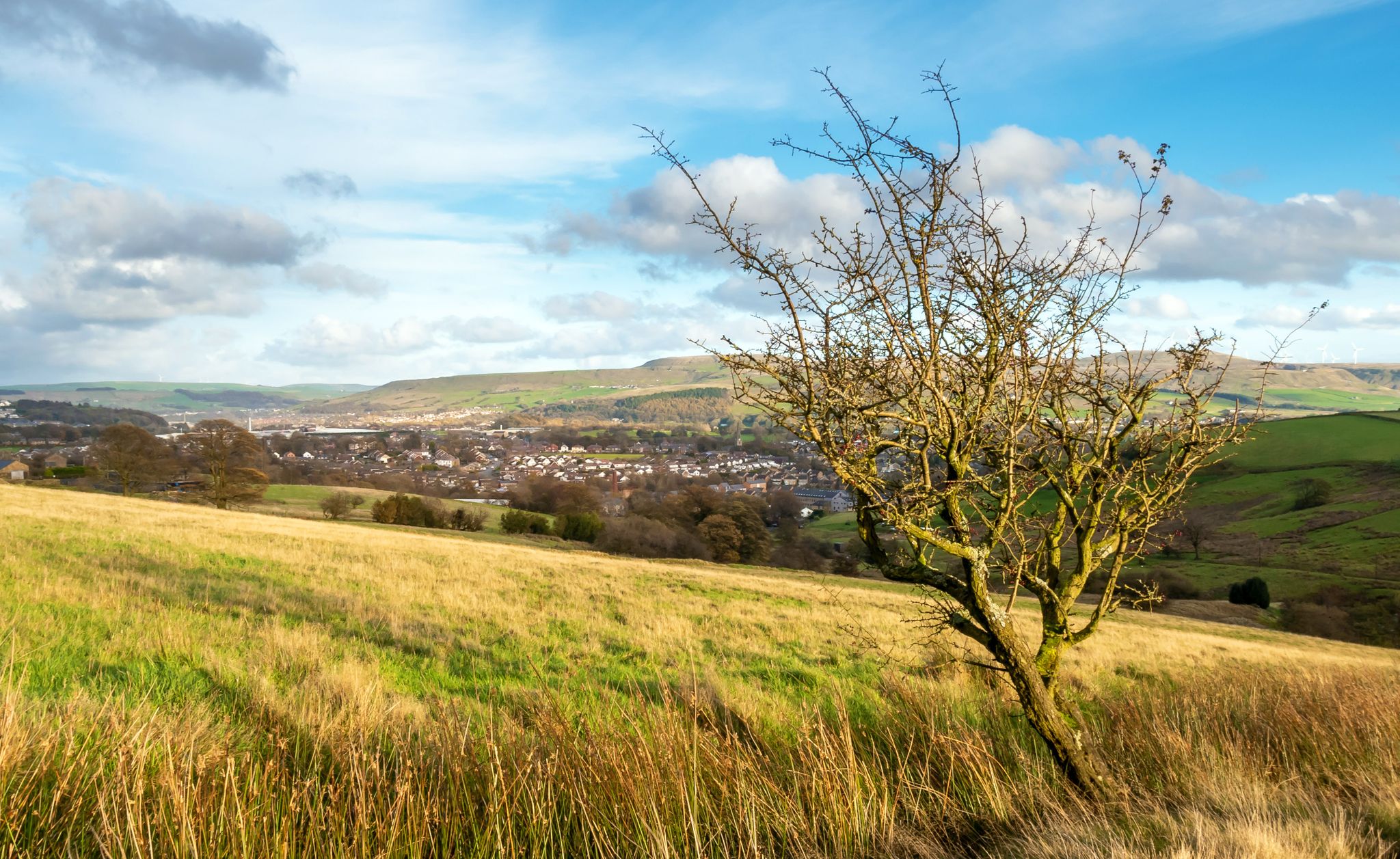
Hiking the Rossendale Way — An accessible adventure on magnificent moorland
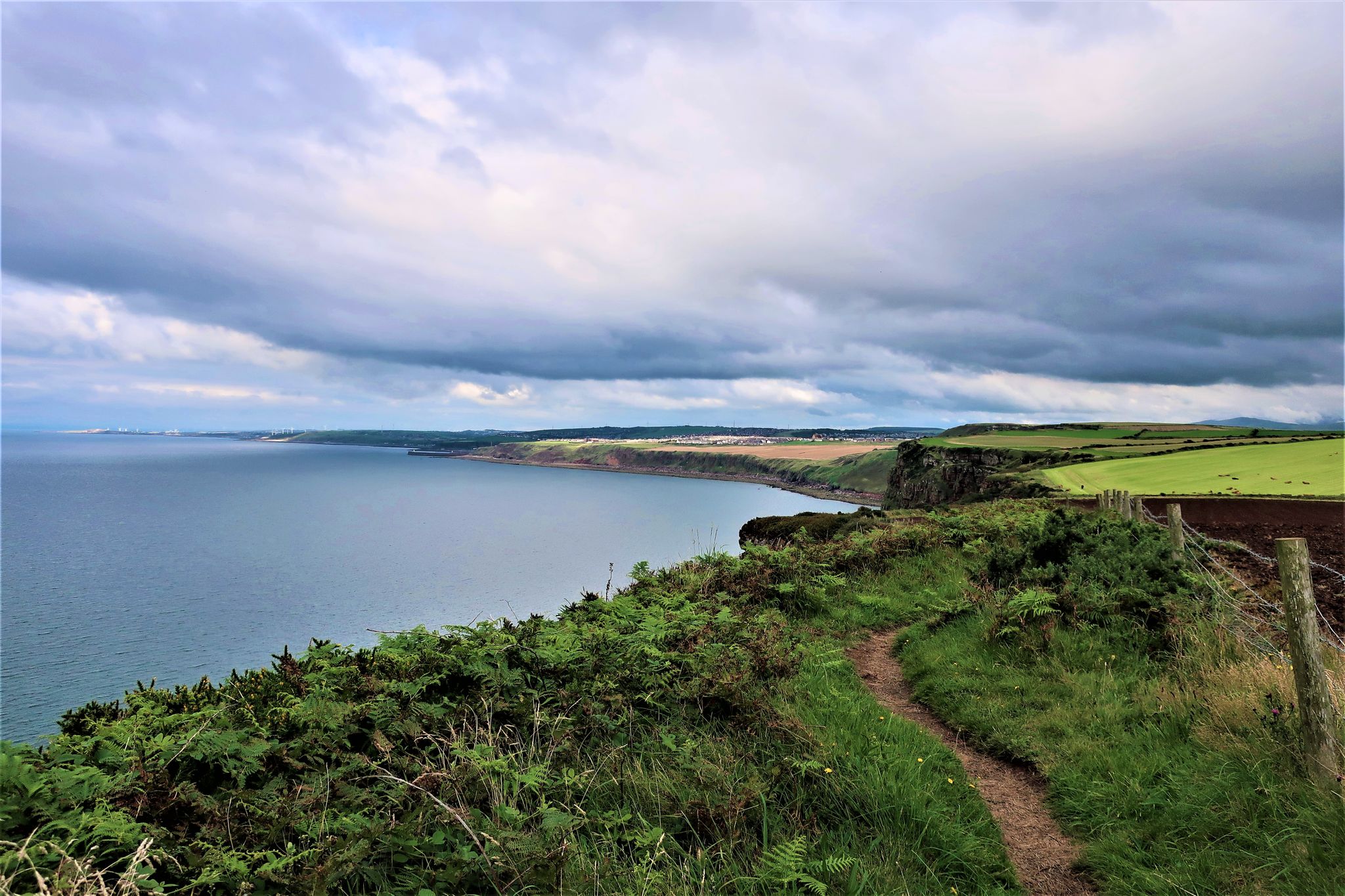
The Cumbria Coastal Way — Hike vibrant estuaries and historic coastline
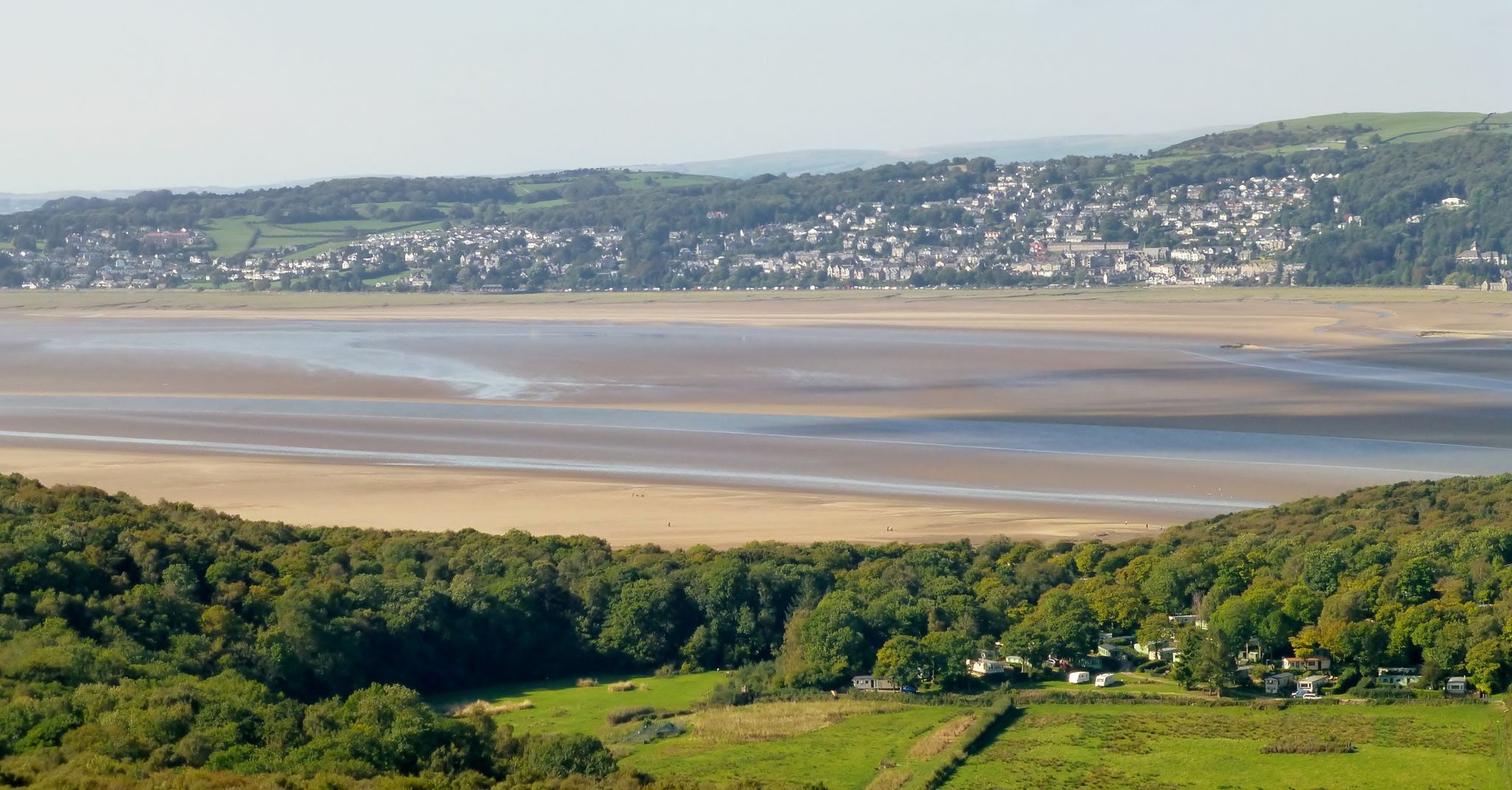
Bay Cycle Way – The perfect ride for first-time adventurers
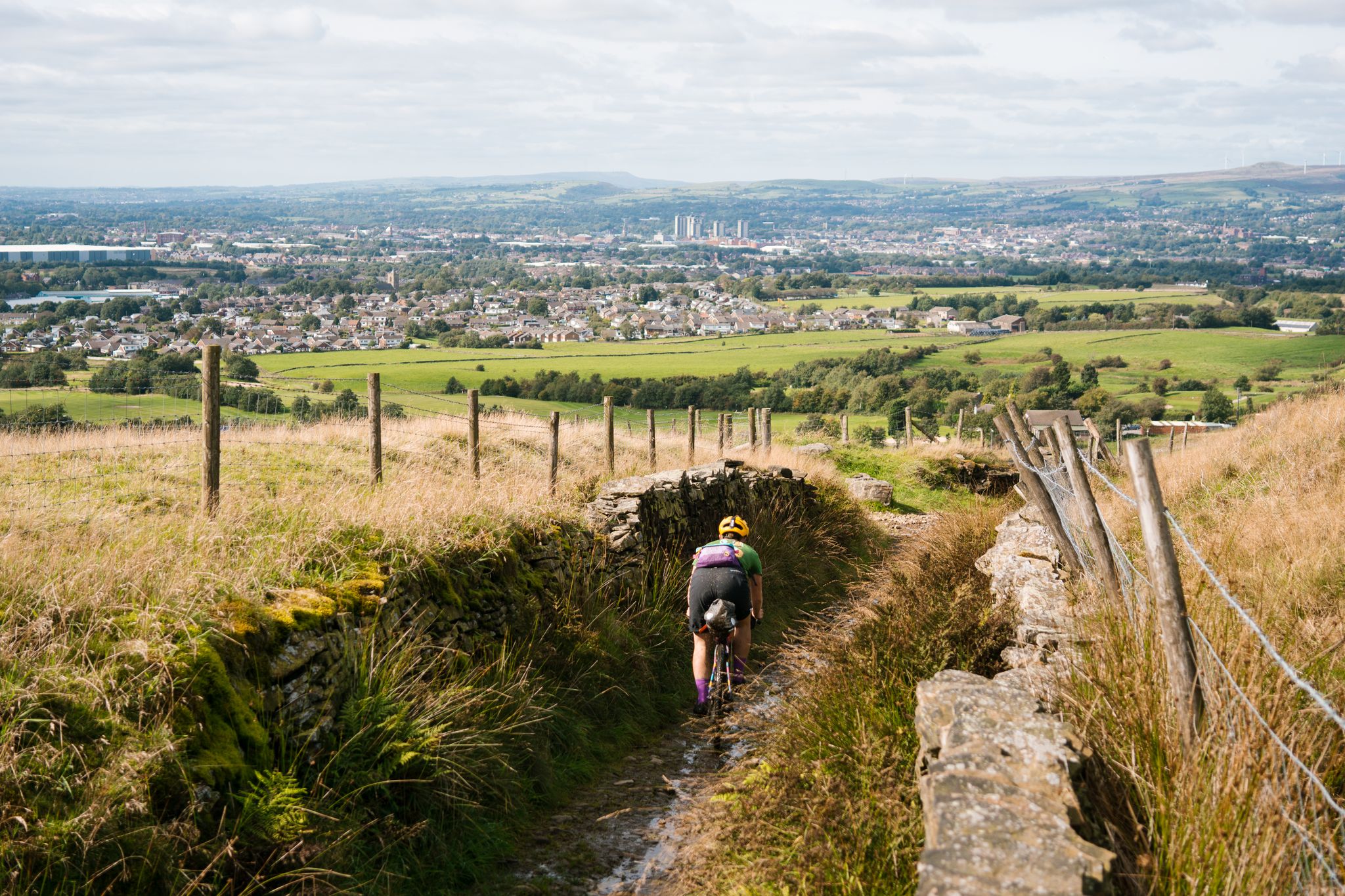
The Pennine Bridleway — Climbing the 'backbone of England'
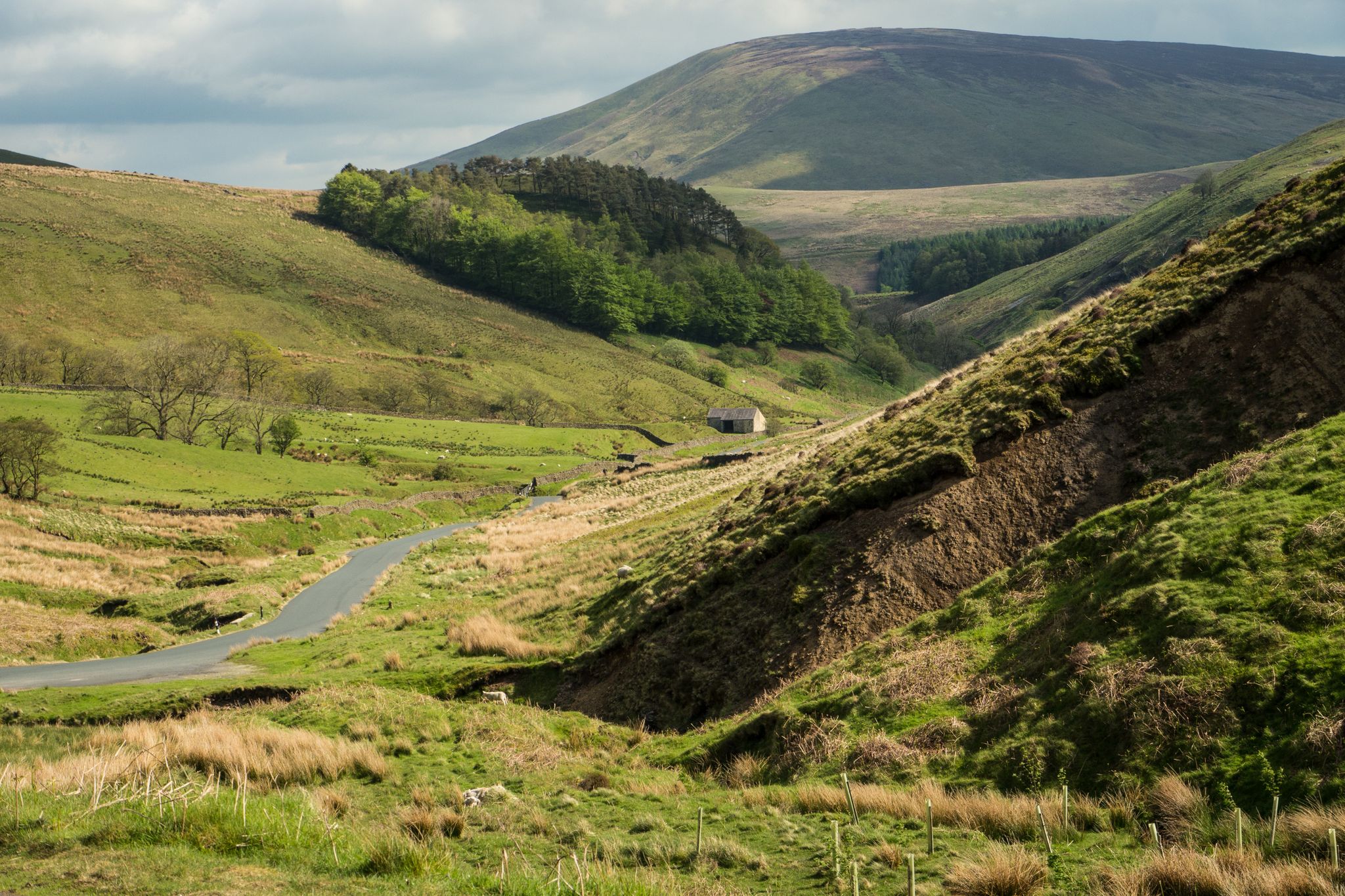
Lancashire Cycleway loop – From the countryside to the coast
Other adventures in Lancashire


Tips from the Community

Two of the main routes that approach Pendle Hill from the south make use of the deep gullies that have been formed over the ages. Ogden Clough is the principal of the two, providing a curved weakness in the hill's southwestern flanks. The other gully, Boar Clough, branches off Odgen and provides a more direct route to the summit. The Pendle Way long-distance trail makes use of the latter.
0
0

Great walk up to Pendle Hill from the village. Can be a little boggy and some sure-footedness required.
0
0


Ease Gill Kirk is a very beautiful gorge around the riverbed of Ease Gill. There are, in fact, two gorges here: the Lower Kirk (downstream) and Upper Kirk (upstream). You've got to love that it seems to have been named after a church. Very fitting.
1
0

Great views from this point looking down Cliviger Gorge and back towards Burnley (well if you want to look that way). Good place for spotting deer down the bottom of the valley.
0
0

This is a spectacular section of the River Darwen, where a picturesque sandstone gorge leads to a tumbling weir and the 108-foot (33 m) high Hoghton Bottoms Viaduct towers above. Great photo opportunities abound, as both the weir and the viaduct are undoubtedly spectacular. Bear in mind that trails around here can be very boggy following rainfall and in the winter months, so I'd highly recommend sturdy hiking boots.
0
0

This gorge is known as “The Thrutch” and folklore says the chapel was formed when the King of the Fairies, aiding Robert of Huntingdon to overcome a curse, turned a local coven of witches to stone.
1
0
Frequently Asked Questions
What types of natural formations can I explore in Lancashire?
Lancashire is known for its dramatic gorges, ghylls, and cloughs, which are natural formations carved by rivers and streams. These areas offer diverse landscapes, from picturesque sandstone gorges like Hoghton Bottoms Weir and Viaduct to deep gullies such as Ogden Clough. You can also find areas with significant geological interest, showcasing ancient rock strata and evidence of glacial activity.
What kind of geological features can I observe in Lancashire's gorges?
Many of Lancashire's gorges offer a glimpse into the region's ancient geological past. For instance, the Dinckley Gorge Geotrail allows you to see Warley Wise Grit, composed of coarse sandstone layers, and Sabden Shales, which are fine-grained mudstones. The less easily eroded grit has constrained the river, leading to the erosion of a circular pool called the Sales Wheel in the softer shales. Shingle banks in the area can also contain various rock types, including granite pebbles transported by glaciers from the Lake District and Western Scotland.
Are there historical sites or folklore associated with these natural areas?
Yes, some gorges in Lancashire have historical significance or local folklore. Lead Mine Clough is an old mining area with several waterfalls, reflecting the region's industrial past. Another example is Fairies Chapel, also known as “The Thrutch,” where local folklore suggests the chapel was formed when the King of the Fairies turned a coven of witches to stone.
What outdoor activities can I do near Lancashire's gorges?
The areas around Lancashire's gorges are popular for various outdoor activities. You can enjoy walking, hiking, and even 'gorge walking' or 'ghyll scrambling,' which involves navigating through riverbeds and climbing waterfalls for an exhilarating experience. For more structured routes, you can explore options like easy hikes or waterfall hikes. There are also opportunities for gravel biking in the wider Lancashire region.
Are there family-friendly options for exploring gorges in Lancashire?
While specific 'family-friendly' designations for all gorges aren't always available, many areas offer paths suitable for walks. When planning a family outing, consider the terrain, which can be boggy, especially after rain. Locations with clear paths and less challenging sections are generally more suitable. Always check local conditions and choose routes appropriate for all family members.
What is the best time to visit Lancashire's gorges?
The best time to visit Lancashire's gorges for walking and exploring is generally during drier periods, typically from late spring to early autumn. During these months, trails are less likely to be boggy, and weather conditions are more favorable. However, the dramatic scenery, especially around waterfalls, can be particularly striking after rainfall, though trails might be more challenging. Winter visits are possible but require sturdy hiking boots due to potentially very boggy conditions.
What should I wear for gorge walking or exploring these areas?
For exploring Lancashire's gorges, sturdy hiking boots are highly recommended, especially as trails can be very boggy following rainfall or during winter months. Depending on the activity, such as gorge walking or ghyll scrambling, specialized waterproof clothing and appropriate footwear designed for wet conditions might be necessary. Always dress in layers suitable for the changeable British weather.
Are there any notable viewpoints in or around the gorges?
Yes, several gorges offer excellent viewpoints. For example, View of Cliviger Gorge provides expansive views looking down the gorge and towards Burnley. Hoghton Bottoms Weir and Viaduct is also noted for its spectacular photo opportunities due to the tumbling weir and the towering viaduct.
What are the typical terrain conditions like for exploring these gorges?
The terrain in Lancashire's gorges varies but often includes paths that can be boggy, especially after rain or in winter. Areas like Ogden Clough, while offering great walks, can require sure-footedness in certain sections. Some routes involve navigating riverbeds, which can be rocky and wet. Always be prepared for uneven and potentially slippery surfaces.
Are permits required for gorge scrambling or canyoning in Lancashire?
Generally, for walking and exploring public footpaths through gorges and cloughs in Lancashire, permits are not required. However, for organized activities like commercial gorge scrambling or canyoning, it's advisable to check with local activity providers or land managers for any specific requirements or access restrictions, especially if venturing off established public rights of way.
Can I find wild swimming spots near Lancashire's gorges?
While the guide doesn't specifically list wild swimming spots, the presence of rivers and streams carving through these gorges suggests potential opportunities. However, safety is paramount. Always research local conditions, water quality, and access rights before attempting wild swimming. Be aware of currents, water depth, and potential underwater hazards.
Are there any lesser-known or 'hidden gem' gorges worth visiting?
Beyond the more frequently visited spots, Ease Gill Kirk Gorge is described as a very beautiful gorge along the riverbed of Ease Gill, comprising both Lower and Upper sections. Its name is thought to derive from a nearby church, offering a serene and picturesque experience for those looking to explore a less crowded area.
Most popular routes in Lancashire
Most popular attractions in Lancashire

Get inspired with the komoot mobile app


Explore more
Already discovered everything in this region? See additional gorges in Lancashire for your next adventure:
