Top 7 Castles around Antey-Saint-André
Castles around Antey-Saint-André, situated in the Aosta Valley, present a historical point of interest with ties to significant regional strongholds. The area contains remnants of past fortifications and is closely associated with the influential Challant family. These sites offer insights into medieval architecture and the region's feudal past. Visitors can explore various castle types, from ancient ruins to more preserved structures.
Best castles around Antey-Saint-André
- The most popular castles is Fénis Castle, a castle that is one of the…
Last updated: August 16, 2026
Fénis Castle
Highlight • Castle
Combining …
Showing Translation
Tip by

Bovaye - Castello Gamba
Highlight • Castle
Translated by Google •
Tip by

Sign up now to discover places like this
Get recommendations on the best single tracks, peaks, & plenty of other exciting outdoor places.
Sign up for free
Castello di Ussel
Highlight • Castle
Translated by Google •
Tip by

Bridge over the Dora – Ussel Castle
Highlight • Castle
Translated by Google •
Tip by
From Fenis towards Nus (AO)
Highlight • Trail
Translated by Google •
Tip by

Sign up for free to discover even more castles around Antey-Saint-André.
Sign up for free
Already have an account?
Start today with a free account
Your next adventure awaits.
Login or Signup
Popular around Antey-Saint-André
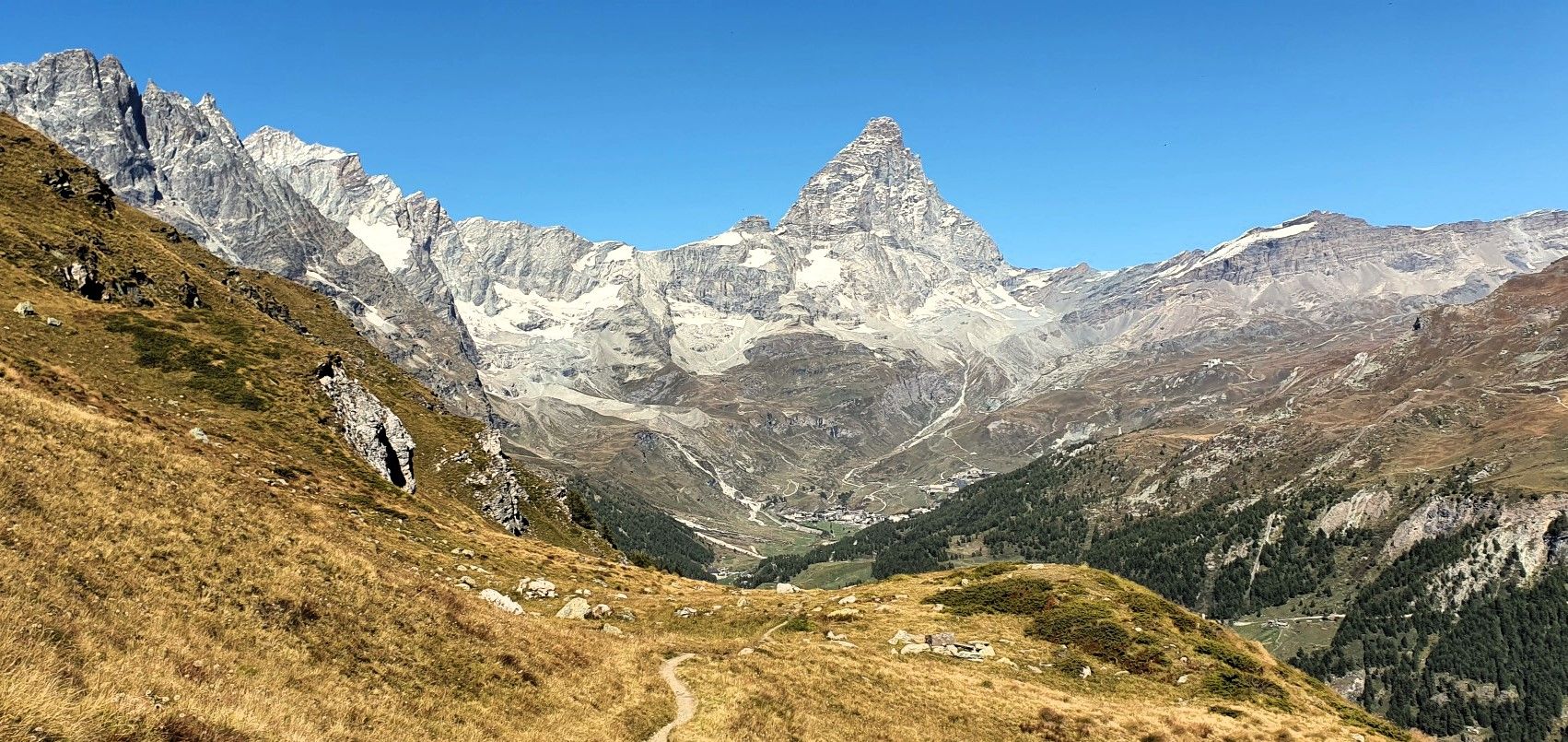
Running with the King – Great Balcony of the Matterhorn
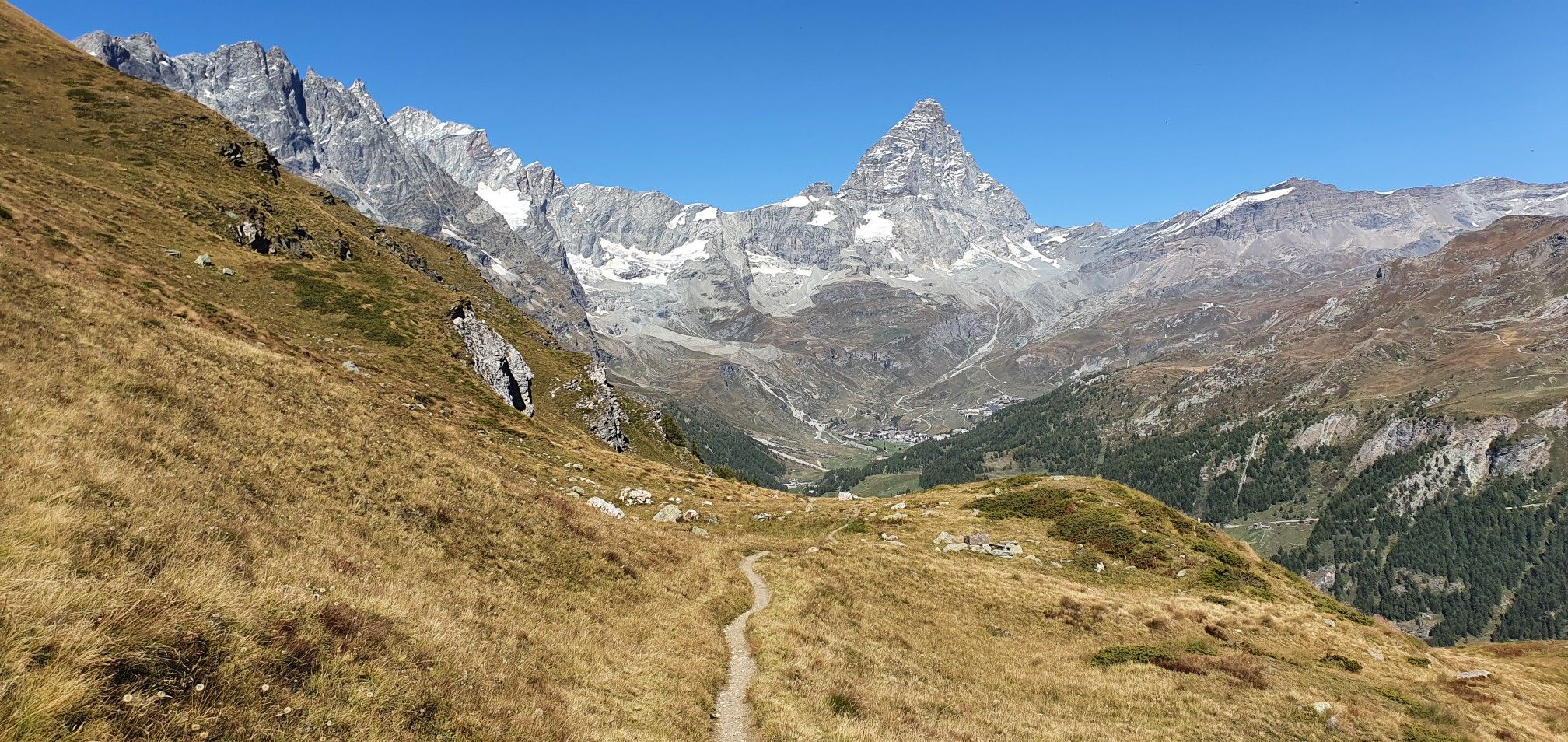
A breath away from the king — Grand Balcony of the Matterhorn
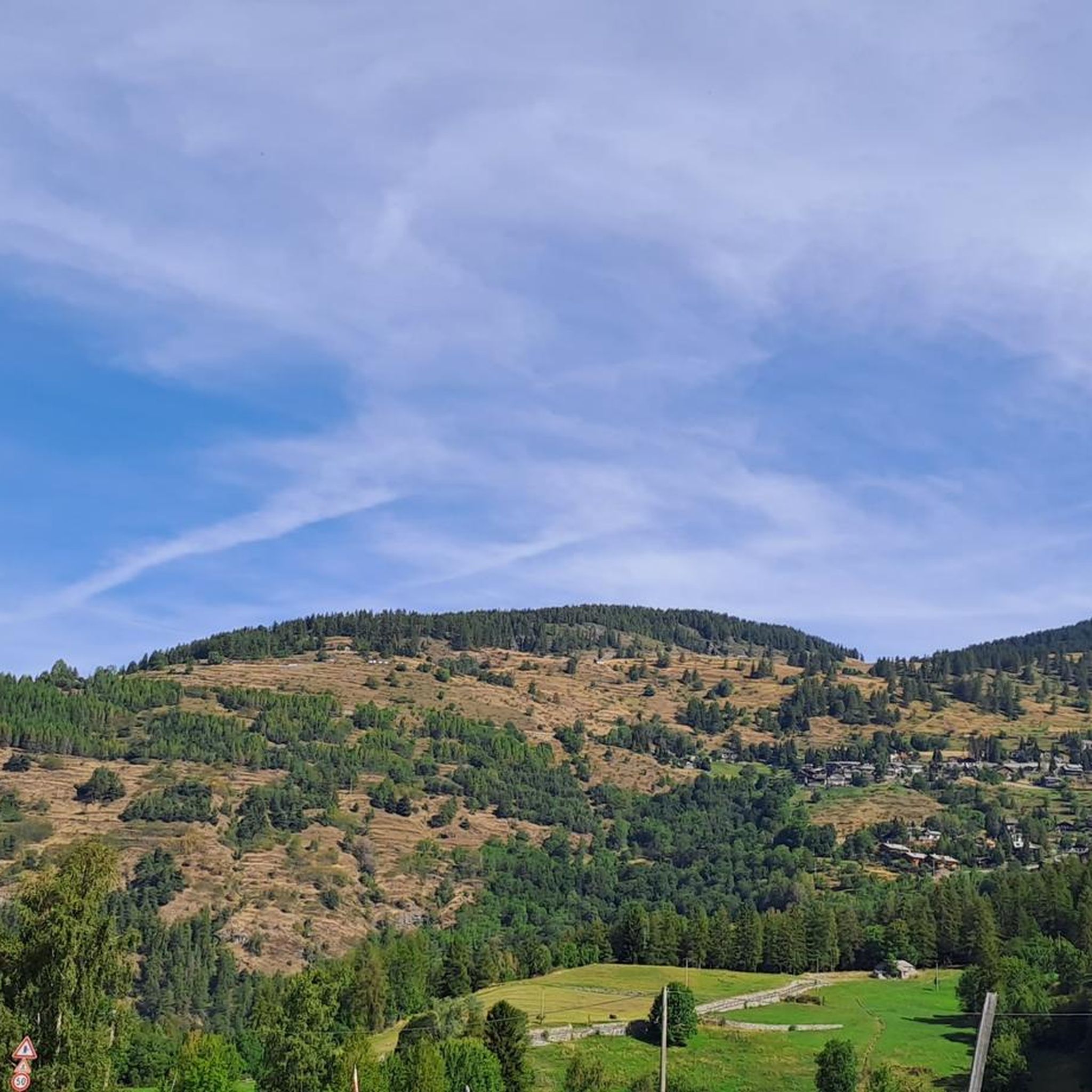
Hiking around Antey-Saint-André
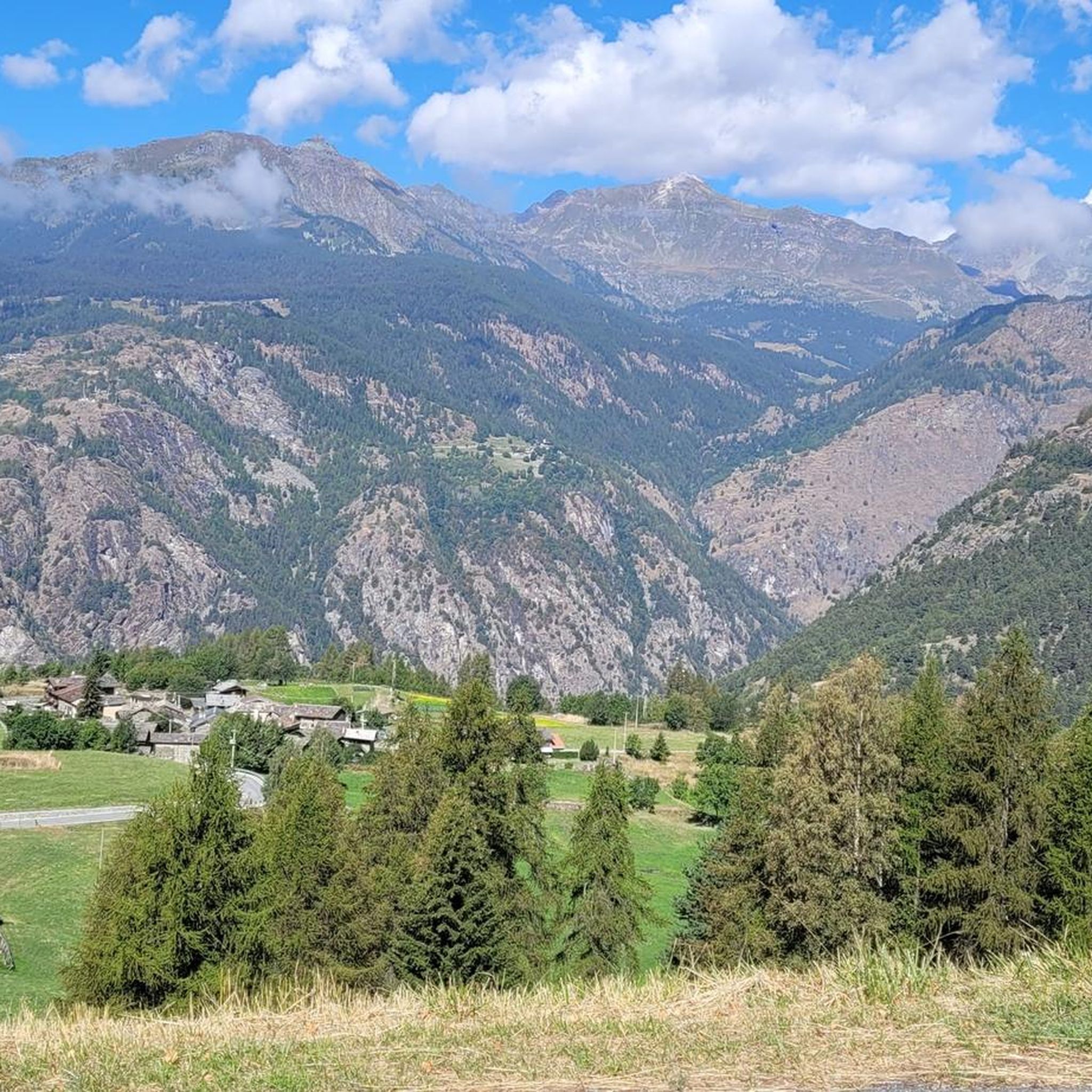
Road Cycling Routes around Antey-Saint-André
MTB Trails around Antey-Saint-André

Gravel biking around Antey-Saint-André
Running Trails around Antey-Saint-André
Cycling around Antey-Saint-André
Mountain Hikes around Antey-Saint-André


Tips from the Community

Great parking area for the start of the route
0
0

Ussel Castle is a fortress overlooking the Aosta Valley that marked an era. Built in the mid-14th century by Ebalo II of Challant, it is not a typical castle with many towers, but a single, large, and imposing compact structure. Its location is incredible: at 650 meters above sea level, on a rocky promontory seemingly designed to control the entrance to the Valtournenche and the entire Dora Baltea plain. From its walls, there is a breathtaking view that sweeps across the entire valley. After centuries of abandonment and ruin, in the late 1980s the castle was given a second life thanks to a restoration funded by Baron Marcel Bich (yes, the one with the BIC pens). Today, it is owned by the Regional Government and, after hosting several exhibitions, is a magnificent vantage point that tells a story of power, architecture, and rebirth, uniting nature and history in a single gaze.
0
0

Bridge over the Dora - view of Ussel Castle: The Castello di Ussel, also known as Castello Baron Gamba, is an impressive medieval castle in the Valle d’Aosta region, Italy. The castle is located on a steep rocky cliff and overlooks the Dora Baltea valley.
6
0

The Castello Gamba, also known as Castello Baron Gamba, is a palazzo of 20th century origins in the town of Châtillon, located on a hill in the western region of the city, near the regional hotel school. Surrounded by a park open to the public all year round, the castle offers spectacular views over the valley. It was built as a summer residence and is named after its owner, the Turin baron Carlo Maurizio Gamba. The building's architecture, influenced by the medieval revival style of the time, includes two symmetrical wings that protrude slightly from the front of the castle. Located on the rocky cliff of Crêt-de-Breil, the castle overlooks the Dora Baltea and was originally built as a declaration of love by Baron Gamba to his beloved wife, Angélique Passerin d'Entrèves, originally from Châtillon. Inside, the castle houses the Museo di Arte Moderna e Contemporanea della Valle d'Aosta, with a permanent exhibition of more than 150 works, including those of the famous Romantic painter J.M. William Turner and other artists of the 19th and 20th centuries.
6
0
The worked wooden furniture in this imposing fort is typical of the Aosta Valley. In the courtyard and in the chapel, frescoes from the Gothic workshop of Giacomo Jacquerio depict the lives of the most important saints and those of many wise men and philosophers.
6
0
The Castello di Fénis, located in the Valle d’Aosta region of Italy, is one of the most famous medieval castles in the region. It attracts visitors with its abundance of towers and battlements. Although it has an impressive defensive structure, it is situated on a small hill and not in an inaccessible place. In fact, it was originally intended as a prestigious residence for the Challant family. The inner courtyard features a semicircular stone staircase and wooden balconies. At the top of the stairs is a 15th-century fresco of Saint George slaying the dragon. The rooms are decorated with period wooden furniture.
6
0

Unlike other castles, built for war and protection purposes, Fénis Castle is not located on the top of a promontory, but on a slight hill devoid of natural defenses. Combining the characteristics of a fortification with those of a noble residence, Fénis Castle was indeed the prestigious seat of representation for the main exponents of the Challant family.
2
0
Frequently Asked Questions
What are some historically significant castles near Antey-Saint-André?
The region around Antey-Saint-André is rich in history. Notable examples include Fénis Castle, a prestigious residence of the Challant family, and Cly Castle in nearby Saint-Denis. Cly Castle, dating back to the 11th century, is considered one of the oldest in the Aosta Valley and was a significant feudal power center for the Challant family's Cly branch.
Are there family-friendly castles to visit in the area?
Yes, several castles are suitable for families. Fénis Castle is a popular choice, known for its impressive architecture and historical insights. Another option is Bovaye - Castello Gamba, which is surrounded by a public park and houses a museum, offering a broader experience for all ages.
What kind of views can I expect from the castles around Antey-Saint-André?
Many castles in the region offer spectacular views. From Bridge over the Dora – Ussel Castle, you can enjoy views of the Dora Baltea valley. Cly Castle, though in ruins, provides panoramic views of the central Aosta Valley, reaching as far as Aosta on clear days. Bovaye - Castello Gamba also offers impressive vistas over the valley from its park.
What are the architectural styles of the castles in the Aosta Valley near Antey-Saint-André?
The castles showcase various medieval architectural styles. Cly Castle exemplifies a 'primitive' style with a massive central donjon and extensive defensive walls. Fénis Castle, while having defensive structures, was primarily designed as a prestigious residence, featuring an abundance of towers and battlements. Bovaye - Castello Gamba, built in the 20th century, reflects a medieval revival style.
Can I explore castle ruins or less preserved structures?
Yes, the area offers a mix of well-preserved castles and evocative ruins. Cly Castle, while in ruins, still features largely preserved defensive walls and fragments of frescoes in its chapel. Chenal Castle is also reduced to a ruin, offering a glimpse into its 13th-century rectangular structure and its historical role along the Via Francigena.
What outdoor activities are available near the castles?
The region offers numerous outdoor activities. You can find various hiking trails, including those around Antey-Saint-André, such as the 'Gran Balconata del Cervino' or the 'Ring of the Villages of Antey'. For more information on hiking, visit the Hiking around Antey-Saint-André guide. There are also mountain biking and gravel biking routes available, like the 'Zerbion Cycle Path' or the 'Gravel Balcony Road – Matterhorn view', detailed in the Gravel biking around Antey-Saint-André guide.
Are there specific hiking trails that pass by or offer views of these castles?
Yes, some trails offer views of the castles. For instance, the highlight From Fenis towards Nus (AO) describes a path where you can see the village of Nus with its castle. The general area around Fénis Castle is also popular for walks that provide different perspectives of the fortress.
What is the connection between the Challant family and the castles in this region?
The Challant family was an influential aristocratic dynasty that significantly shaped the Aosta Valley's history. Many castles in the region, including Fénis Castle and Cly Castle, were either built by or belonged to branches of the Challant family. Chenal Castle also became their property through marriage, highlighting their extensive control and heritage in the area.
What do other visitors say about the castles around Antey-Saint-André?
The castles around Antey-Saint-André are highly appreciated by the komoot community, with over 140 upvotes and 128 photos shared. Visitors particularly enjoy the historical immersion, the panoramic views, and the architectural insights offered by these sites. The unique blend of fortification and noble residence, as seen in Fénis Castle, is often highlighted.
Is there a castle that also houses a museum?
Yes, Bovaye - Castello Gamba, also known as Castello Baron Gamba, houses the Museo di Arte Moderna e Contemporanea della Valle d'Aosta. It features a permanent exhibition of over 150 works, including those by J.M. William Turner and other 19th and 20th-century artists, making it a cultural destination as well as a historical site.
How can I learn more about Cly Castle's history?
Cly Castle is one of the oldest and most significant castles in the Aosta Valley. For a deeper dive into its history, architectural features, and significance, you can visit its Wikipedia page: Cly Castle on Wikipedia. You can also find more information on Italian Botanical Heritage: Cly Castle on Italian Botanical Heritage.
What is the best time of year to visit the castles in Antey-Saint-André?
The summer months are generally ideal for visiting the castles, as guided tours are often available, especially at sites like Cly Castle. The weather is also more favorable for exploring the surrounding ancient villages and natural landscapes of the Aosta Valley. However, the region's beauty can be appreciated in other seasons too, with each offering a different atmosphere.
Most popular routes around Antey-Saint-André
Most popular attractions around Antey-Saint-André

Get inspired with the komoot mobile app


Explore more
Looking for the best castles somewhere else? Discover other guides around Antey-Saint-André:
