Top 5 Lakes around Réserve naturelle des Aiguilles rouges
Best lakes around Réserve naturelle des Aiguilles rouges are situated within a protected natural area in the French Alps. This region is characterized by its high-altitude terrain, diverse ecosystems, and panoramic views of the Mont Blanc massif. The landscape includes alpine meadows, rocky peaks, and numerous glacial lakes. It serves as a significant habitat for various wildlife species.
Best lakes around Réserve naturelle des Aiguilles rouges
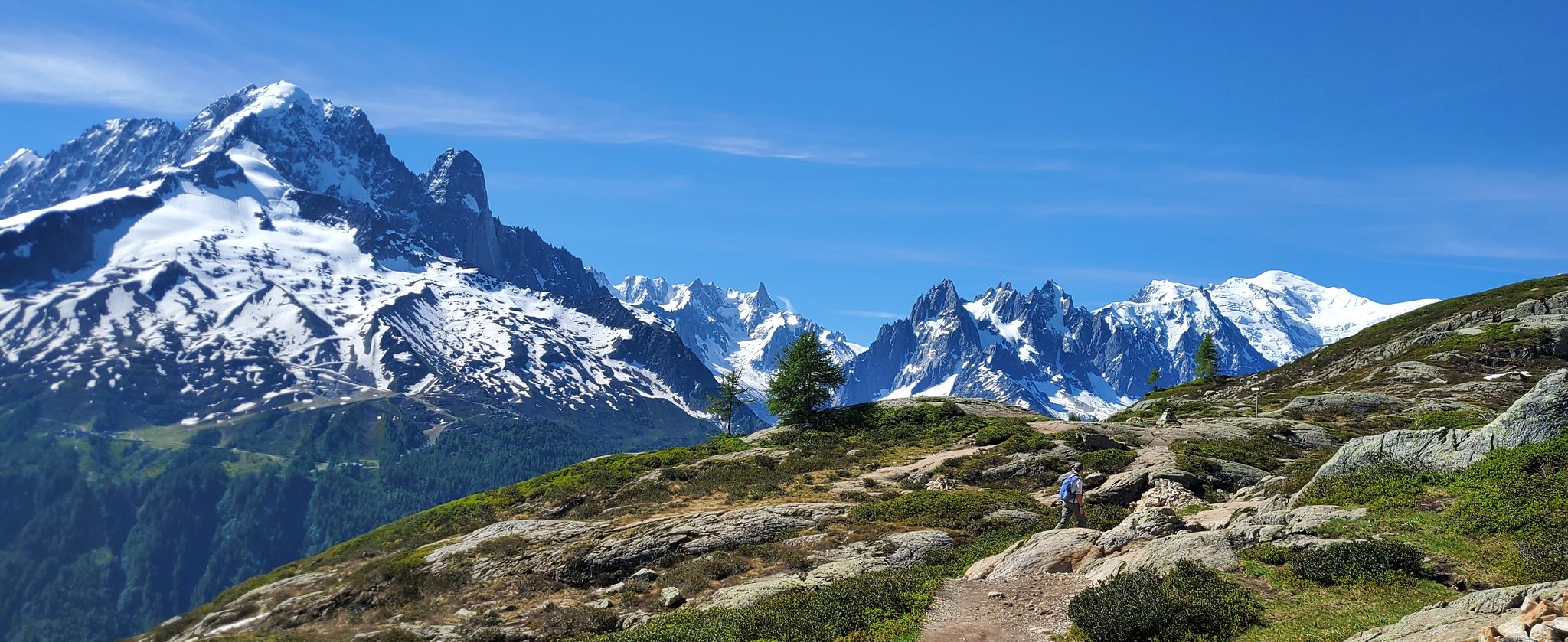
- The most popular lakes is Lac Blanc, a lake that offers classic views of Mont Blanc. It is known for its scenic beauty, particularly during early morning, late day, and autumn.
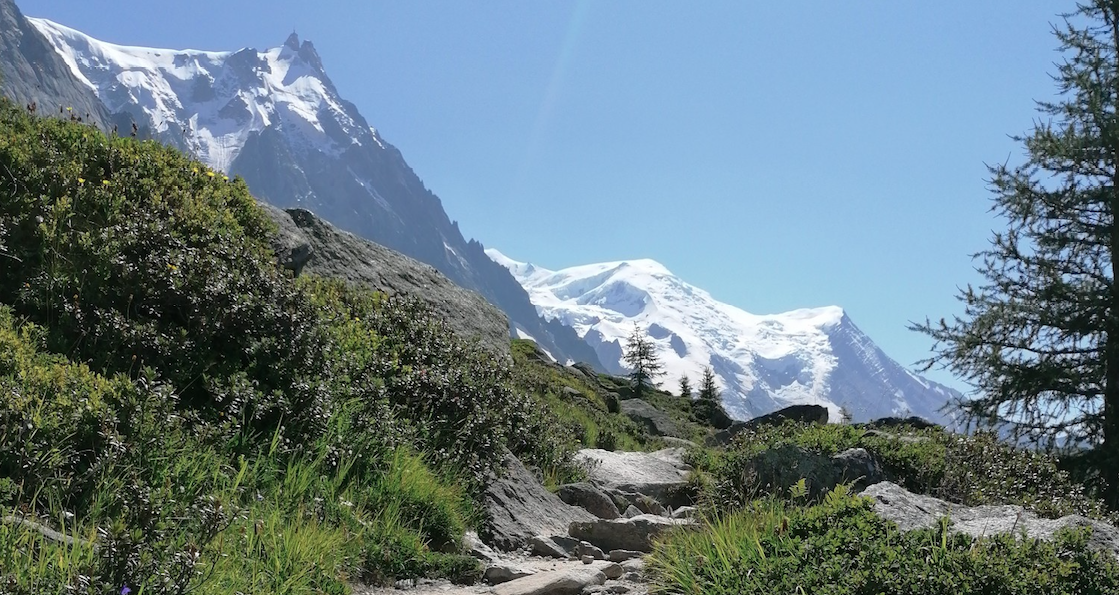
- Another must-see spot is Lacs des Chéserys, a group of small alpine lakes. These lakes provide panoramic views of the Mont Blanc massif and are often quieter than other popular spots.
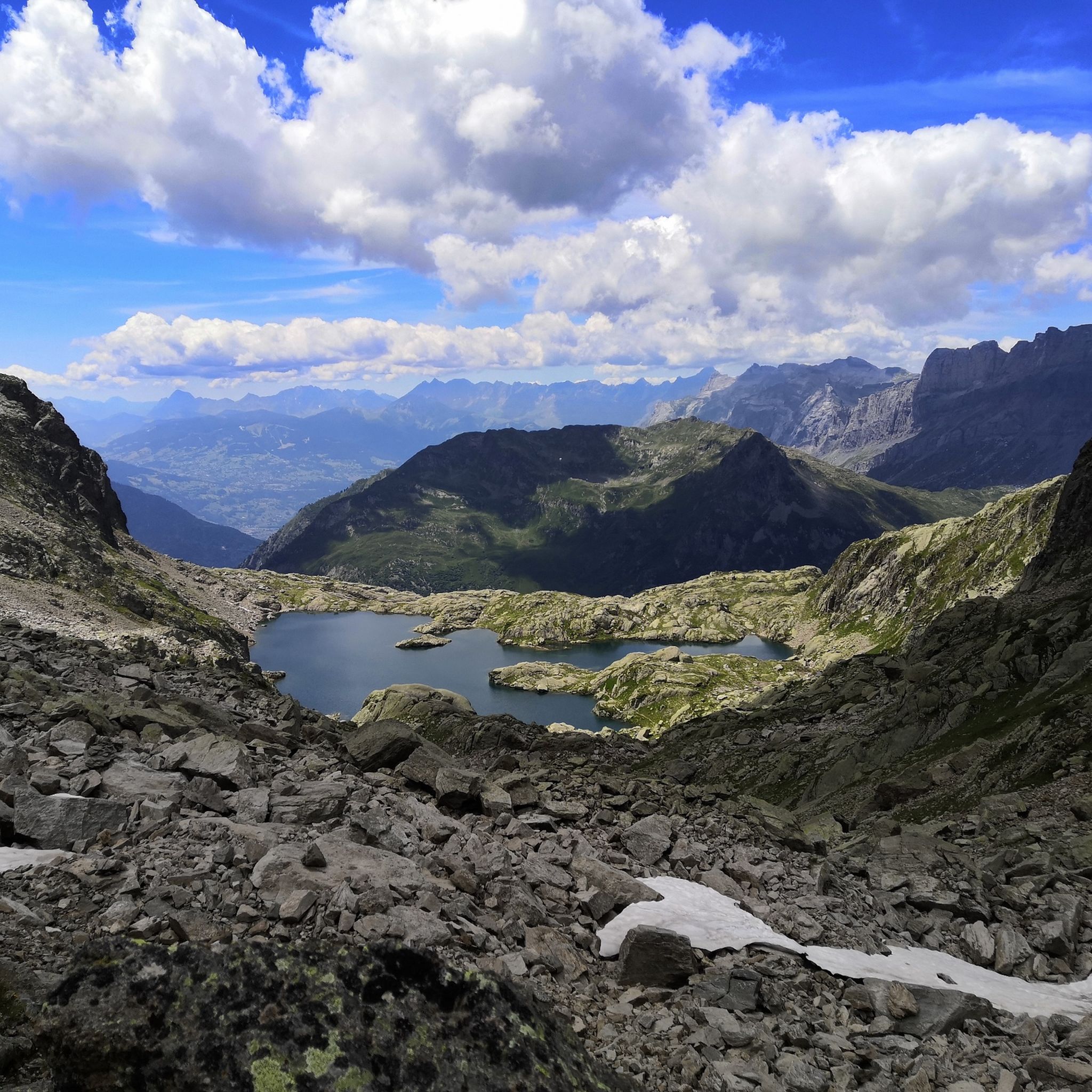
- Visitors also love View of Lac Cornu from the base of the Aiguille Pourrie, a mountain lake. It is a mountain lake known for its challenging access and scenic views.
- Réserve naturelle des Aiguilles rouges is known for its alpine lakes, mountain lakes, and natural monuments. The region features a variety of alpine and mountain lakes, offering diverse exploration opportunities.
- The lakes around Réserve naturelle des Aiguilles rouges are appreciated by the komoot community. The komoot community has contributed over 700 upvotes and more than 450 photos for these locations.
Last updated: July 8, 2026
Lac Blanc
Highlight • Lake
Translated by Google •
Tip by

Lacs des Chéserys
Highlight • Lake
Translated by Google •
Tip by

Sign up now to discover places like this
Get recommendations on the best single tracks, peaks, & plenty of other exciting outdoor places.
Sign up for free
View of Lac Cornu from the base of the Aiguille Pourrie
Highlight • Lake
Translated by Google •
Tip by

View overlooking Lac Cornu
Highlight • Lake
Translated by Google •
Tip by

Lake of Perseverance
Highlight • Lake
Translated by Google •
Tip by

Start today with a free account
Your next adventure awaits.
Login or Signup
Popular around Réserve naturelle des Aiguilles rouges
Hiking to the summits – France's highest points
Hike from Savoie to Vanoise – Hexatrek in France’s Northern Alps
Running on ridges — 10 unforgettable trails near Chamonix
MTB Trails around Réserve naturelle des Aiguilles rouges
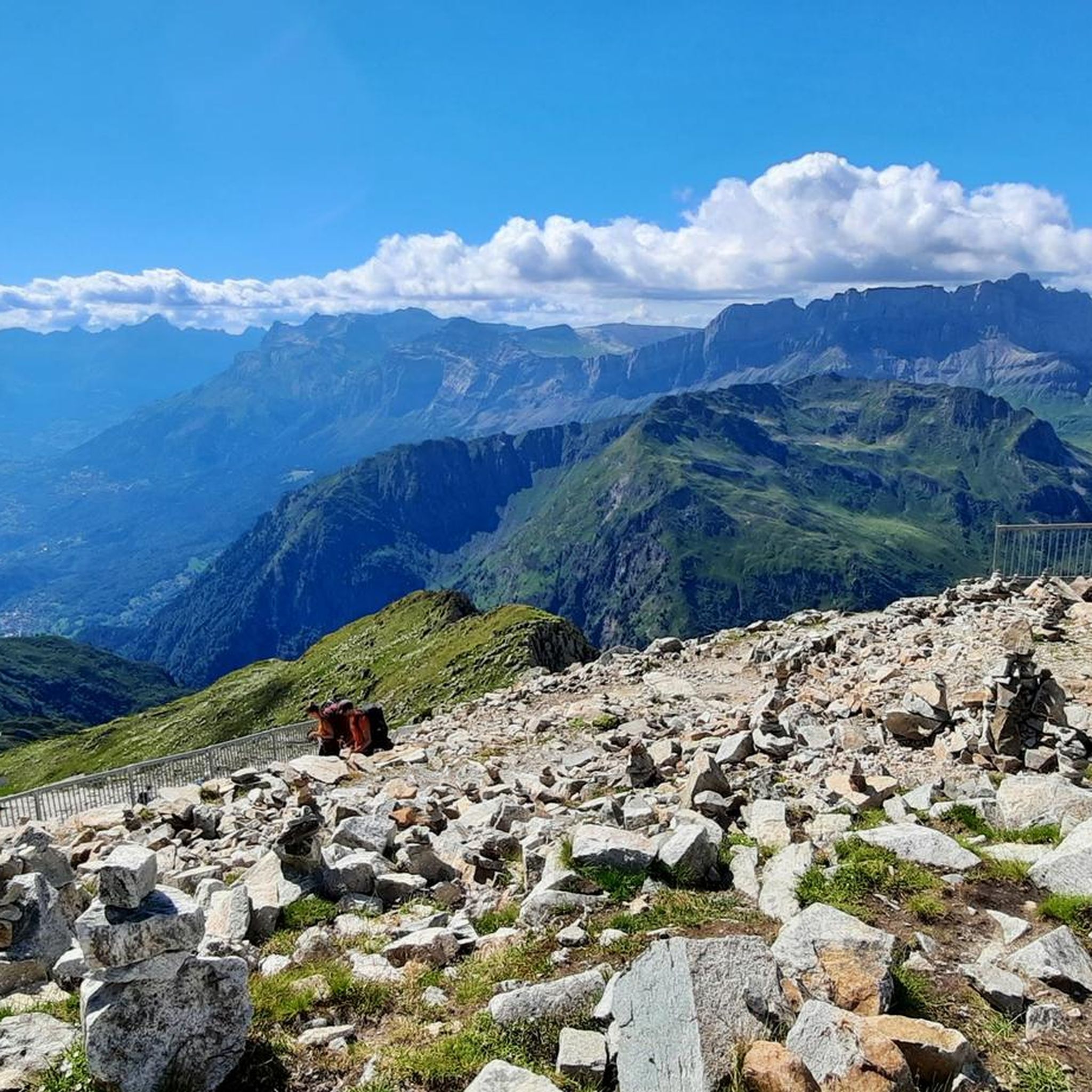
Hiking around Réserve naturelle des Aiguilles rouges
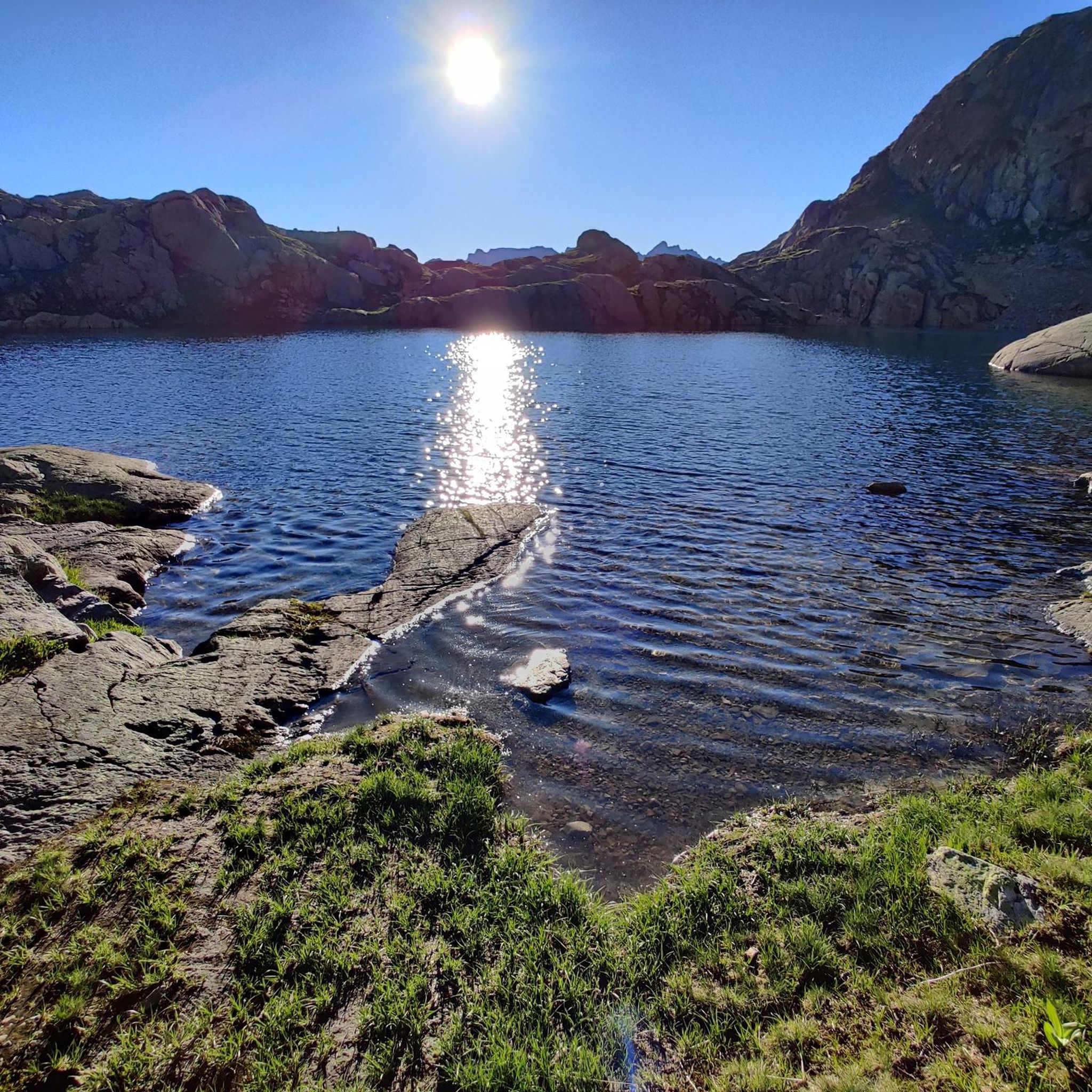
Running Trails around Réserve naturelle des Aiguilles rouges
Road Cycling Routes around Réserve naturelle des Aiguilles rouges

Mountain Hikes around Réserve naturelle des Aiguilles rouges
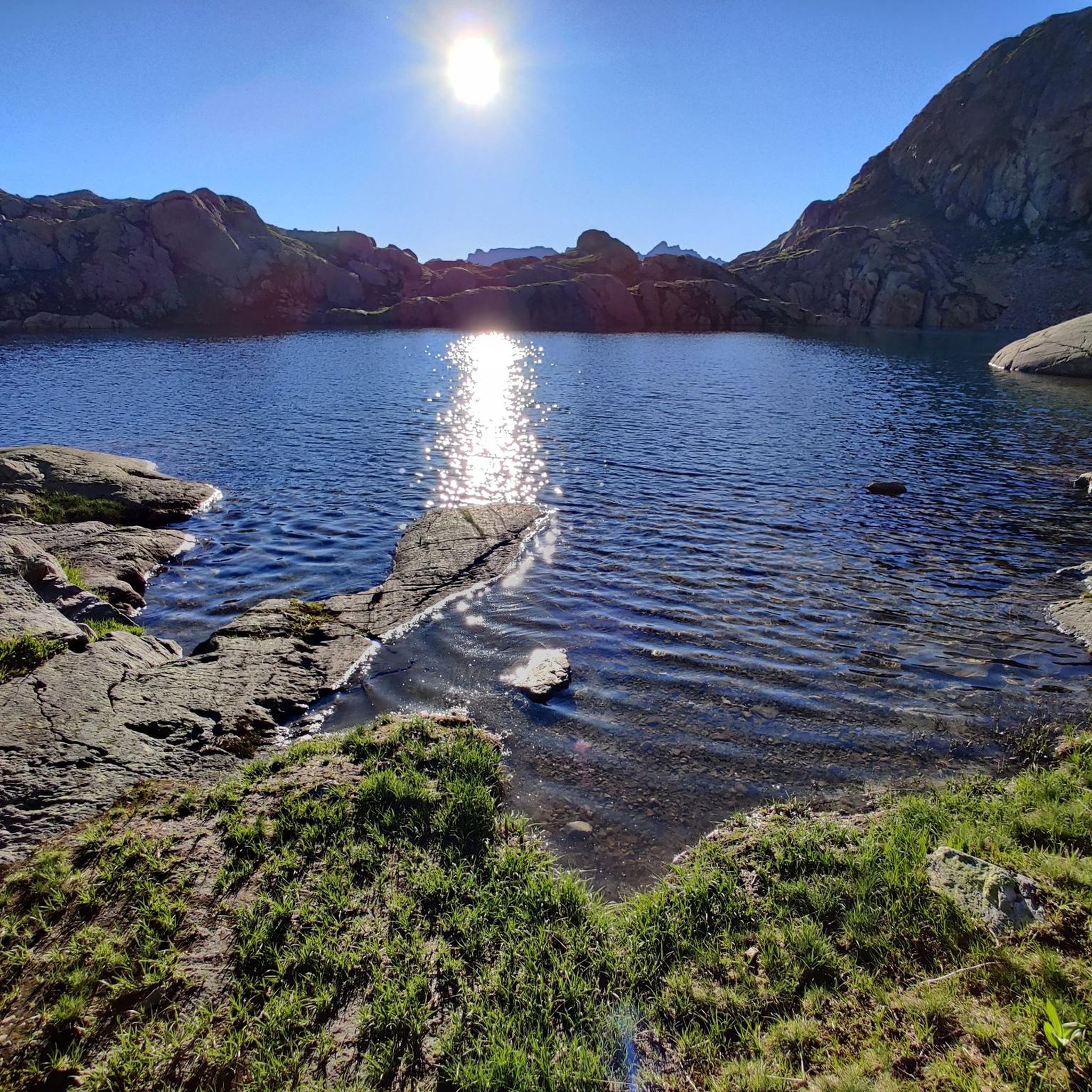
Cycling around Réserve naturelle des Aiguilles rouges

Gravel biking around Réserve naturelle des Aiguilles rouges
Other adventures around Réserve naturelle des Aiguilles rouges


Tips from the Community

150 m of elevation gain + from Lac Blanc
0
0

The first of the Cheserys lakes, a shame that transit through the other small ones was prohibited.
4
1

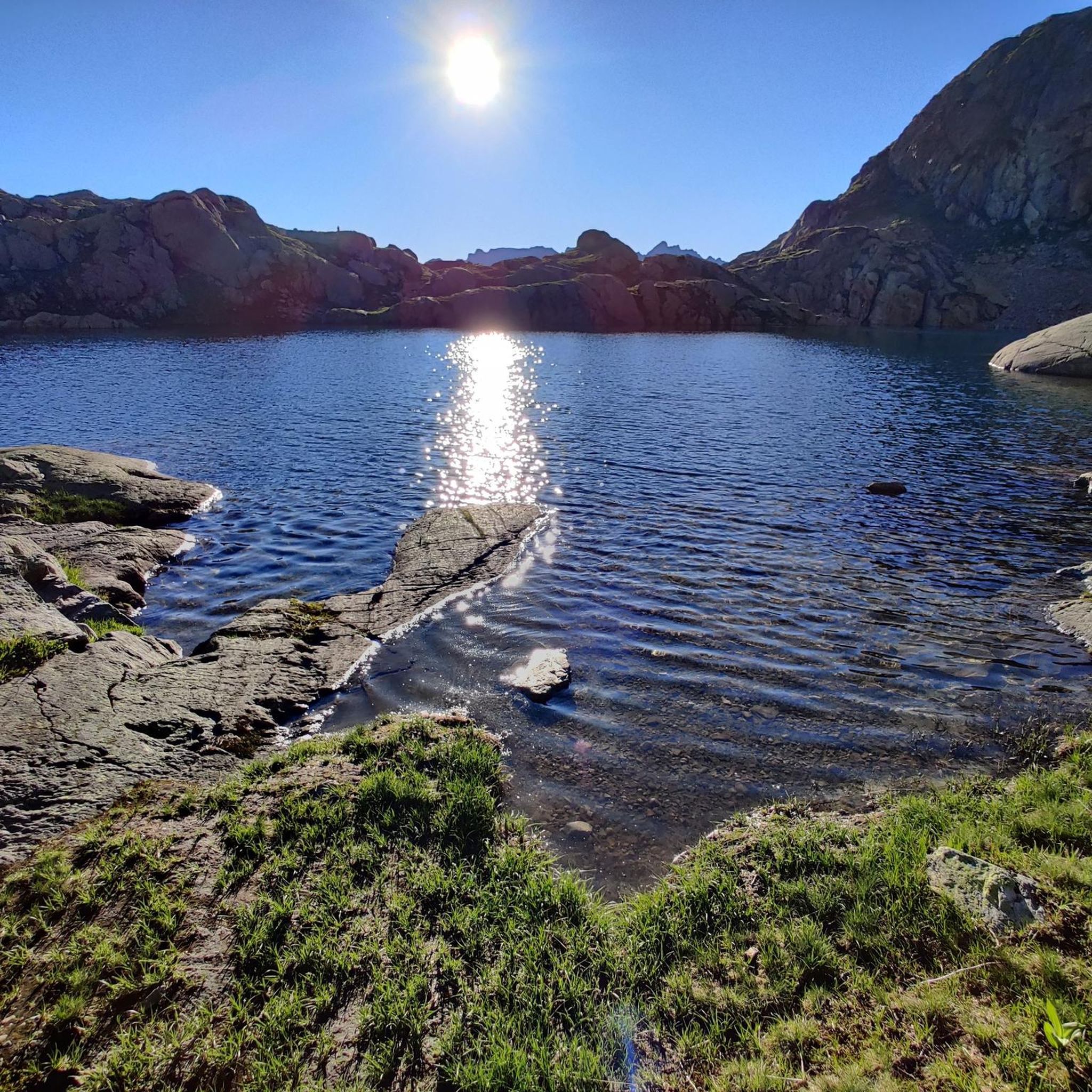
On this rocky path, which connects the Col Cornu and the Col de la Glière, you overlook the magnificent Lac Cornu. Take the time to enjoy the landscape. After all, the effort to get there is worth spending a little time on.
0
0

Lac Blanc offers breathtaking views of the entire Mont Blanc massif and the Aiguilles Rouges, making it a worthwhile destination despite the mountain trekking and effort required to reach it. Situated 3 km uphill from the Tour du Mont Blanc (TMB) route, the Lac Blanc alpine lake and its adjacent refuge can be accessed from the La Flégère hut, which marks the end of one of the classic TMB stages. From the La Flégère hut, it takes approximately 1 to 1.5 hours on foot to reach Lac Blanc, with the entire route being uphill. Please note that camping with a tent, lighting fires, or engaging in similar activities is strictly prohibited. It is essential to respect the environment and ensure that you carry your garbage back with you to the valley. Once you arrive at Lac Blanc, you will be greeted with a splendid hike in a truly magical and spectacular landscape. It is not uncommon to encounter Ibexes and Marmots along the way, adding to the charm of the experience.
4
0

Perfect bivouac spot. To do absolutely out of season to avoid the crowds
2
0

Beautiful hiking trails, great views.
1
0

pretty lake barely 1km above the white lake and much less touristy
1
0

Frequently Asked Questions
What are the most popular lakes to visit in Réserve naturelle des Aiguilles rouges?
Among the most popular is Lac Blanc, renowned for its classic views of the Mont Blanc massif. Another favorite is Lacs des Chéserys, a group of smaller alpine lakes offering panoramic views and a quieter experience.
Are there any less crowded or 'hidden gem' lakes in the area?
Yes, if you're looking for a quieter experience, Lake of Perseverance is a beautiful option. It's located barely 1km above Lac Blanc but is significantly less touristy. Lacs des Chéserys also tend to be quieter than Lac Blanc while still offering fantastic views.
What is the best time of day or year to visit the lakes for photography and tranquility?
For the most beautiful light and greatest calm, especially at popular spots like Lac Blanc, it's best to visit in the early morning or late afternoon. Autumn also offers stunning golden colors around the lakes.
Are there family-friendly lakes or easy hikes suitable for families?
While specific 'family-friendly' categories aren't listed for all lakes, Lacs des Chéserys are often recommended for their less crowded atmosphere and suitability for picnics, which can be great for families. Access to many alpine lakes in the region involves some hiking, so consider the fitness level of your family.
What kind of wildlife can I expect to see around the lakes in Réserve naturelle des Aiguilles rouges?
The Réserve naturelle des Aiguilles rouges is a significant habitat for various wildlife species due to its diverse ecosystems, including alpine meadows and rocky peaks. While specific animals aren't detailed for each lake, you might encounter typical alpine fauna such as ibex, chamois, marmots, and various bird species.
What outdoor activities, besides visiting the lakes, can I do in the Réserve naturelle des Aiguilles rouges?
The region offers a variety of outdoor activities. You can explore numerous hiking trails, including waterfall hikes. For cyclists, there are many options for road cycling and touring bicycle routes, ranging from moderate to difficult.
Are there challenging lake hikes for experienced trekkers?
Yes, for experienced trekkers, the hike to View of Lac Cornu from the base of the Aiguille Pourrie is known for its challenging access, involving lots of scree and poorly marked paths. It offers a rewarding experience with scenic views for those prepared for a difficult ascent.
What are the best viewpoints for panoramic views of the Mont Blanc massif?
Lac Blanc provides the classic, iconic view of Mont Blanc. Additionally, Lacs des Chéserys offer an absolutely incredible panorama of the Mont Blanc massif, often with fewer crowds.
What should I wear for lake hikes in the Réserve naturelle des Aiguilles rouges, especially in autumn?
Given the high-altitude terrain and potential for varied weather, even in autumn, it's crucial to dress in layers. Include waterproof and windproof outer layers, sturdy hiking boots, and warm clothing. Temperatures can drop significantly, especially in the mornings and evenings, and weather can change rapidly in the mountains.
Can I find circular walks around the lakes?
While specific circular routes around individual lakes aren't detailed, many trails in the Réserve naturelle des Aiguilles rouges connect various points of interest, including lakes. You can often plan circular hikes that incorporate one or more lakes, such as the routes that pass by Lacs des Chéserys or Lac Blanc.
What do visitors enjoy most about the lakes in Réserve naturelle des Aiguilles rouges?
Visitors consistently praise the breathtaking panoramic views of the Mont Blanc massif, the tranquility found at less crowded spots like Lacs des Chéserys, and the stunning natural beauty, especially during the golden hours of early morning or late day. The opportunity for challenging hikes to scenic rewards, such as Lac Cornu, is also highly valued.
Is it possible to visit the lakes in winter, and what should I consider?
Winter visits to the high-altitude lakes in Réserve naturelle des Aiguilles rouges are possible but require significant preparation and experience. Trails may be covered in snow and ice, requiring snowshoes or skis, and avalanche risk can be present. It's essential to check weather conditions, trail status, and have appropriate winter gear and navigation skills. Some access roads may also be closed.
Most popular routes around Réserve naturelle des Aiguilles rouges
Most popular attractions around Réserve naturelle des Aiguilles rouges

Get inspired with the komoot mobile app


Explore more
Still not found your perfect lake around Réserve naturelle des Aiguilles rouges? Check out the guides of these regions to see even more beautiful places.
