The best running trails in Ridgefield National Wildlife Refuge
199
runners
12
runs
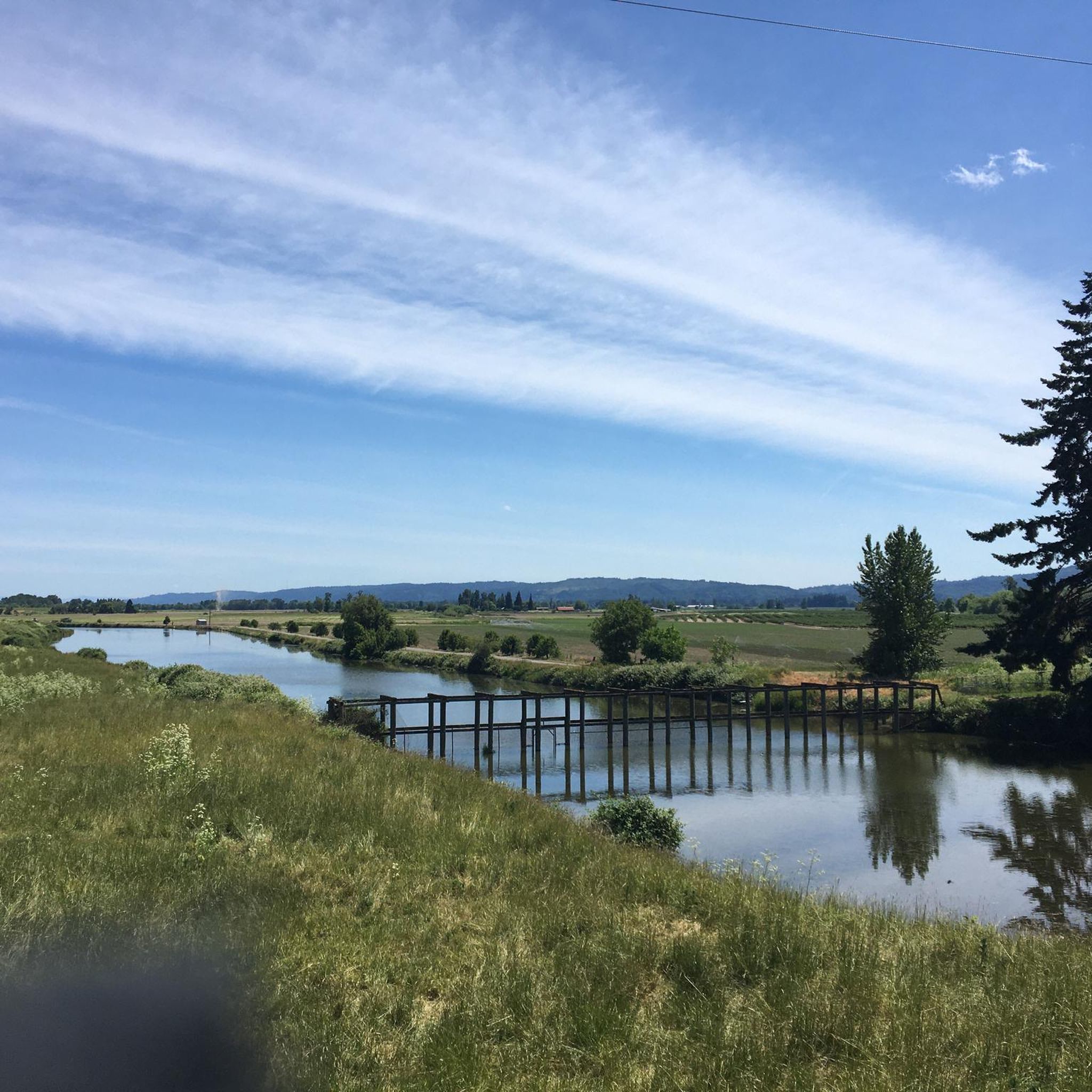
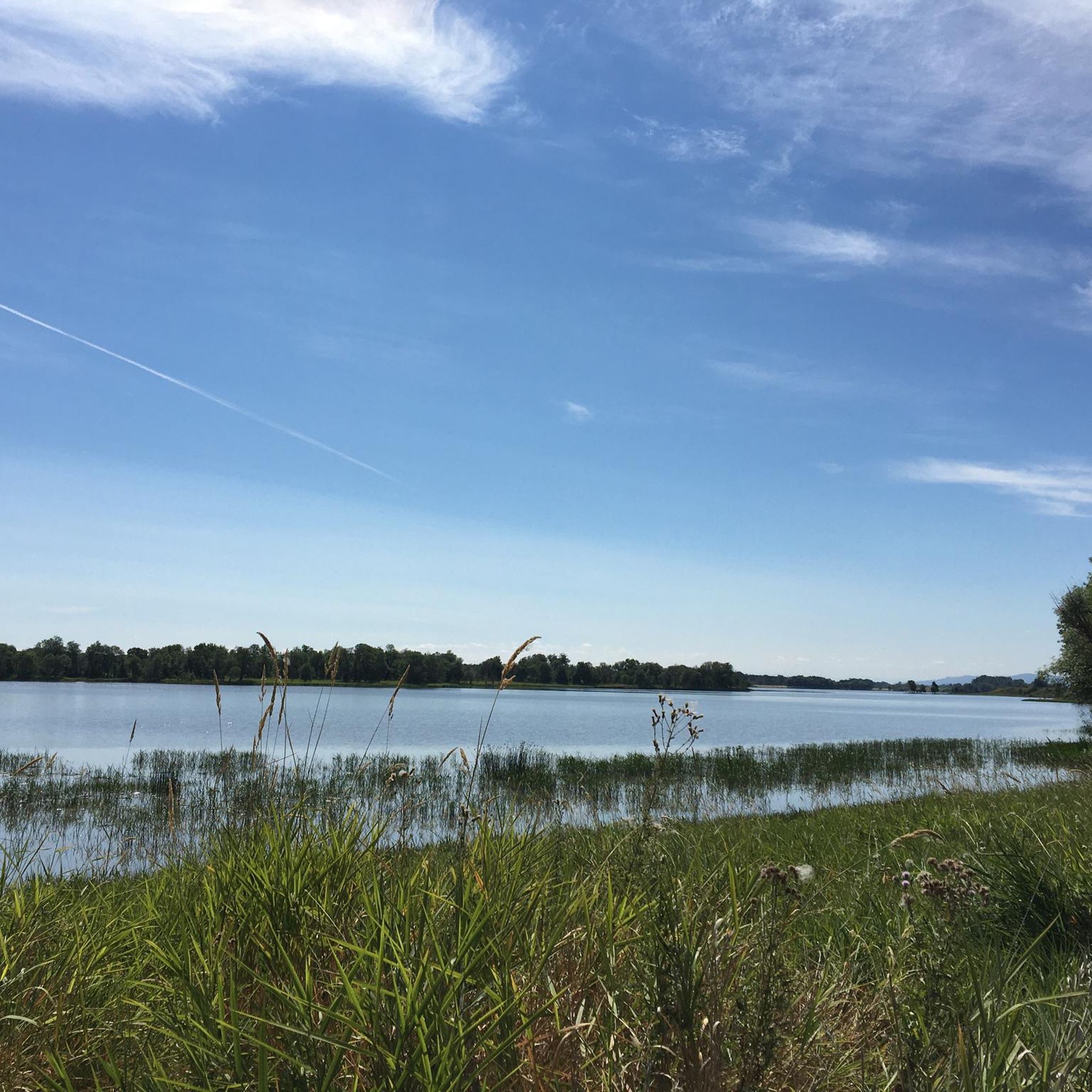
Jogging routes in Ridgefield National Wildlife Refuge traverse a diverse landscape characterized by wetlands, grasslands, and riparian corridors along the Columbia River. The region features areas of ash and Oregon white oak forests, offering varied scenery for runners. Terrain generally includes gentle elevations, with some routes passing through restored oak woodlands and near basalt outcroppings. The area provides a mix of natural surfaces and compacted gravel paths suitable for running.
Best jogging routes in Ridgefield National Wildlife Refuge
- The most popular jogging route is 45th Parallel Trail, a 2.6 miles (4.3 km) trail that takes about 31 minutes to complete. This easy route features gentle climbs through natural surroundings.
- Another top favourite among local runners is Salmon Creek Regional Park – Turtle Ponds loop from Felida, a moderate 6.2 miles (9.9 km) path. This route offers a mix of forested sections and open areas, with some rolling hills.
- Local runners also love the Whipple Creek Park – Whipple Creek Park loop from Whipple Creek Park, a 3.2 miles (5.1 km) trail leading through dense forest, often completed in about 38 minutes.
- Jogging in Ridgefield National Wildlife Refuge is defined by wetlands, forests, and riparian paths, with options for different ability levels. The network includes routes with minimal elevation gain and others with moderate climbs.
- The routes in Ridgefield National Wildlife Refuge are highly rated by the komoot community. More than 144 runners have used komoot to explore Ridgefield National Wildlife Refuge's varied terrain.
Last updated: August 21, 2026
6
runners
8.76km
00:57
140m
140m
Moderate run. Good fitness required. Mostly paved surfaces. Suitable for all skill levels.
5
runners
4.26km
00:31
40m
40m
The 45th Parallel Trail offers a delightful, easy jog through the verdant landscapes of Whipple Creek Park in Clark County, Washington. You'll wind through a peaceful forest, enjoying the natural surroundings and perhaps spotting the charming Old Mill historical site along the way. This route is perfect for a quick escape into nature, providing a refreshing experience without demanding too much effort.
Planning your visit is straightforward for this accessible trail. Parking is generally available near the trailhead, though arriving earlier in the day is advisable, especially on busier weekends. The trail is well-suited for year-round enjoyment, with spring and autumn providing particularly comfortable conditions for jogging. Remember, this specific route is a short, local trail, distinct from the conceptual, historical 45th Parallel routes found elsewhere.
While the name "45th Parallel Trail" might evoke images of the ambitious Michigan Polar-Equator Trail, this 2.6-mile (4.3 km) Komoot route is a self-contained, easy jog with only 130 feet (40 metres) of elevation gain, taking approximately 31 minutes to complete. It's an excellent option for beginners or anyone seeking a gentle, low-impact workout in a pleasant setting, offering a taste of the outdoors without a significant time commitment.

Sign up for free
4
runners
9.94km
01:03
100m
100m
Moderate run. Good fitness required. Mostly paved surfaces. Suitable for all skill levels.
5
runners
Moderate run. Good fitness required. Mostly paved surfaces. Suitable for all skill levels.
3
runners
6.51km
00:42
70m
70m
Moderate run. Good fitness required. Mostly paved surfaces. Suitable for all skill levels.
Get access to more routes and recommendations from other explorers.
Sign up for free
Already have an account?
Our route recommendations are based on thousands of hikes, rides, and runs completed by other people on komoot.
Start today with a free account
Your next adventure awaits.
Login or Signup
Popular around Ridgefield National Wildlife Refuge

Tips from the Community

Explore the ruins of the Old Grist Mill, surrounded by towering Douglas fir trees and thriving sword ferns next to Whipple Creek.
0
0

Whipple Creek Park is a 300-acre regional park in Clark County, Washington, known for its extensive trail network with deep forests, without a far drive from the city.
0
0
Salmon Creek Regional Park and Pond lie at the east end of the paved Salmon Creek Greenway. Though located in an urban setting, the park has 35 acres of developed parkland and 368 acres of undeveloped green space, providing habitat for rabbits, deer, turtles, and beavers.
0
0
The 3.9-mile Salmon Creek Greenway has an asphalt surface and is open to biking, wheelchair access, horseback riding, walking, and running. The trail extends from Salmon Creek Park to the Felida Bridge at NW 36th Avenue. As the trail reaches the park, it winds around the softball fields and to Klineline Pond. The route offers a mix of tree-lined sections and scenic open areas, giving visitors a sense of being far from the city.
0
0
Enjoy both nature and city views while walking along Salmon Creek's lush forest trails in Salmon Creek Park.
0
0
Turtle Ponds offers a tranquil escape with diverse wildlife along Salmon Creek's rushing waters.
0
0
Whipple Creek Park is a 300-acre regional park is in Clark County, Washington, known for its extensive trail network with deep forests, without a far drive from the city.
0
0

Nice hike right outside of town to the ruins of an old Mill.
0
0
Frequently Asked Questions
Can I go jogging or running on the trails within Ridgefield National Wildlife Refuge?
It is important to note that jogging and other sports activities are generally not permitted on the refuge's trails. The refuge prioritizes wildlife protection and observation, and such activities can disturb wildlife and other visitors. For more details on permitted activities, please refer to the official refuge rules: fws.gov/refuge/ridgefield/visit-us/rules-policies.
What activities are permitted at Ridgefield National Wildlife Refuge if running is not allowed?
While running is not permitted, the refuge is excellent for wildlife observation, photography, environmental education, and hunting in designated areas. Visitors can enjoy walking and hiking on specific trails, explore the Cathlapotle Plankhouse, or take the four-mile auto tour route for wildlife viewing from their vehicle.
Are there any walking or hiking trails available in Ridgefield National Wildlife Refuge?
Yes, the refuge offers various trails suitable for walking and hiking. The Oaks to Wetlands Trail on the Carty Unit is open year-round, featuring paved and graveled sections through oak woodlands. The Kiwa Trail on the River 'S' Unit is a mostly level, accessible path with compacted gravel and boardwalks, passing an observation blind.
Are dogs or pets allowed on the trails in Ridgefield National Wildlife Refuge?
No, pets are generally not allowed on the trails within Ridgefield National Wildlife Refuge. They are permitted in vehicles on the auto tour route. This rule helps protect the sensitive wildlife habitats and ensures a peaceful experience for all visitors.
What kind of wildlife can I expect to see at Ridgefield National Wildlife Refuge?
The refuge is a haven for wildlife, especially birds, with 239 documented species. You can spot migratory birds like ducks, geese, swans, and sandhill cranes, as well as year-round residents such as great blue herons, bald eagles, and ospreys. Larger mammals like black-tailed deer and smaller species including coyotes, red foxes, and beavers also inhabit the area.
What are some notable natural features or landscapes within the refuge?
Ridgefield National Wildlife Refuge boasts diverse habitats including wetlands, grasslands, riparian corridors, and forests of ash and Oregon white oak. You can explore biologically rich wetlands, restored oak woodlands with ancient white oak trees, and even view basalt outcroppings along trails like the Oaks to Wetlands Trail.
Is there an auto tour route for viewing wildlife?
Yes, the River 'S' Unit offers a four-mile auto tour loop. This allows visitors to observe wildlife from the comfort of their vehicles, which is particularly popular during the fall and winter months for spotting migratory species.
Are there any historical or cultural attractions in the refuge?
The Cathlapotle Plankhouse, located on the Carty Unit, provides a glimpse into the history of the Chinook people. This traditional full-scale plankhouse features hand-hewn and painted art pieces, offering a cultural point of interest for visitors.
What is the best time of year to visit Ridgefield National Wildlife Refuge for wildlife viewing?
The refuge is particularly popular during the fall and winter months, as it provides crucial wintering habitat for migratory birds like the dusky subspecies of the Canada goose, ducks, geese, and sandhill cranes. However, year-round residents like great blue herons and bald eagles can be seen throughout the year.
Where can I find information about the trails and visitor guidelines for the refuge?
You can find detailed information about the trails and visitor guidelines on the official U.S. Fish & Wildlife Service website. For trail specifics, visit: fws.gov/refuge/ridgefield/visit-us/trails, and for general rules and policies: fws.gov/refuge/ridgefield/visit-us/rules-policies.
Are there any options for water-based activities near the refuge?
Yes, the Port of Ridgefield offers a kayak launch, providing access to the Lake River. This allows for paddle-based exploration of the waterways surrounding the refuge, offering a different perspective of the natural landscape and wildlife.
What are the general terrain and difficulty levels of the walking trails in the refuge?
The walking trails generally feature gentle elevations. For example, the Oaks to Wetlands Trail has paved and graveled sections, while the Kiwa Trail is mostly level with compacted gravel and boardwalks, designed to be accessible. The terrain is varied, moving through wetlands, oak woodlands, and near basalt outcroppings.
Most popular routes in Ridgefield National Wildlife Refuge

Get inspired with the komoot mobile app


Explore more
Browse the best Running Trails & Routes in other regions.
