The best walks and hikes in Ridgefield National Wildlife Refuge
4.9
(14)
198
hikers
25
hikes
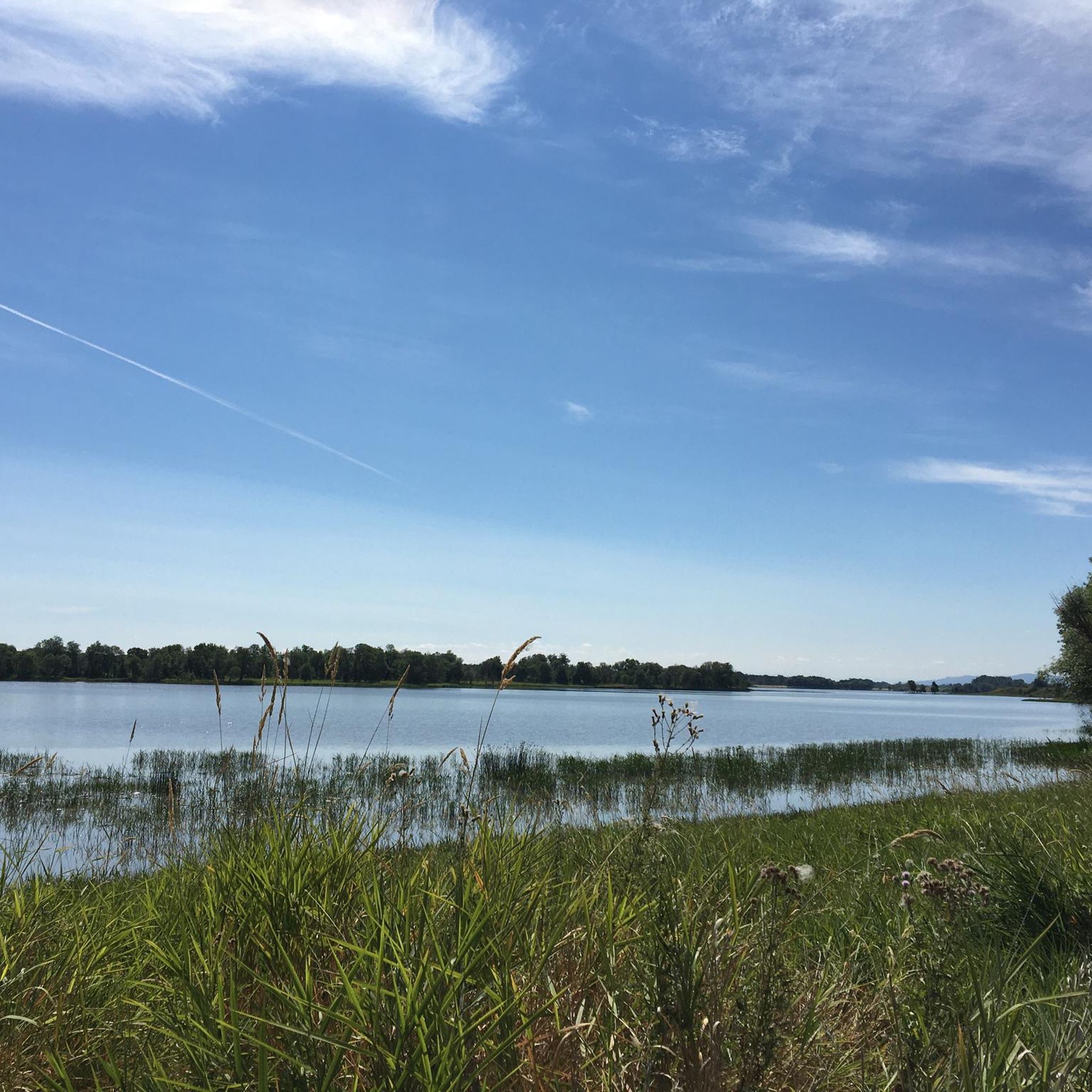
Hikes in Ridgefield National Wildlife Refuge explore a landscape of marshes, grasslands, and woodlands in Clark County. The area is characterized by its flat terrain, with trails winding through wetlands and groves of Oregon white oak. The refuge's primary purpose is providing habitat for wildlife, making it a key location for birdwatching and observing other animal species along the trails.
Best hiking trails in Ridgefield National Wildlife Refuge
- The most popular hiking route is Oaks to Wetlands Trail loop —…
Last updated: August 31, 2026
2
hikers
6.52km
01:39
10m
10m
Easy hike. Great for any fitness level. Easily-accessible paths. Suitable for all skill levels.
5.0
(3)
16
hikers
2.90km
00:45
10m
10m
Easy hike. Great for any fitness level. Easily-accessible paths. Suitable for all skill levels.

Sign up for free
6
hikers
Easy hike. Great for any fitness level. Easily-accessible paths. Suitable for all skill levels.
5.0
(2)
38
hikers
9.68km
02:27
10m
10m
Moderate hike. Good fitness required. Easily-accessible paths. Suitable for all skill levels.
2
hikers
1.94km
00:30
10m
10m
Easy hike. Great for any fitness level. Easily-accessible paths. Suitable for all skill levels.
Get access to more routes and recommendations from other explorers.
Sign up for free
Already have an account?
Our route recommendations are based on thousands of hikes, rides, and runs completed by other people on komoot.
Start today with a free account
Your next adventure awaits.
Login or Signup
Popular around Ridgefield National Wildlife Refuge


Tips from the Community

The Waterfront Trail is a great path that runs through Saint Helens Waterfront Park. The path is a mix of dirt and grass trails and, as the name suggests, runs along the bank of the Multnomah Channel.
0
0
Columbia View Park is a great urban park along the Multnomah Channel. It has a large grass area and several walking paths. As it is on the banks of the river, there are great views of the water.
0
0
The Oaks to Wetlands Trail is a popular route that passes through the Ridgefield National Wildlife Refuge. It is an easy trail that is perfect for families. You will pass several lakes and see many different types of birds and waterfowl.
0
0
The Cathlapotle Plankhouse is an educational center set up in partnership with the Chinook Indian Nation, Portland State University, The U.S. Fish & Wildlife Service. It is not open to the public for regular visits, but they periodically hold events for the public to attend. The plankhouse was built as a symbol of the thousands of people who lived at the Cathlapotle Village for hundreds of years.
0
0
Frequently Asked Questions
Are dogs allowed on the trails in Ridgefield National Wildlife Refuge?
No, pets are not permitted on any of the trails within the Ridgefield National Wildlife Refuge. This policy is in place to protect the diverse wildlife that the refuge was established to shelter.
What is the best time of year to visit for wildlife viewing?
The refuge is a fantastic destination year-round, but wildlife viewing is particularly spectacular during the spring and fall migrations. This is when you can witness large congregations of sandhill cranes, shorebirds, and various songbirds.
Winter is also an excellent time, as the refuge provides crucial wintering habitat for waterfowl, including the dusky Canada goose. With less foliage, it can often be easier to spot resident mammals like black-tailed deer and coyotes.
Are there any easy, family-friendly hikes in the refuge?
Yes, the refuge is well-suited for families. The terrain is generally flat, making most trails accessible. A great option is the Waterfront Trail — Saint Helens Waterfront Park, a short and easy walk nearby that offers lovely views. Within the refuge itself, the main trail systems feature short, customizable loops perfect for all ages.
Which trails are best for birdwatching?
Nearly every trail in the refuge offers excellent birdwatching. The Kiwa Trail is a seasonal favorite, featuring a boardwalk that takes you directly into the marsh environment, which is ideal for spotting waterfowl and wading birds. The Oaks to Wetlands area is also superb for seeing a mix of woodland birds and those in the adjacent wetlands. Always bring binoculars!
Are there any seasonal trail closures I should be aware of?
Yes, some trails have seasonal closures to protect wildlife during sensitive nesting and wintering periods. The Kiwa Trail and the Carty Lake Trail are both subject to seasonal closures, typically opening from May 1st to September 30th.
It is highly recommended to check the official Ridgefield National Wildlife Refuge website for the most current trail status and access information before your visit.
How many hiking trails are available in the area?
There are over 15 marked hiking routes in and around the Ridgefield National Wildlife Refuge. These range from short, easy loops within the refuge boundaries to longer trails in nearby regional parks, offering a good variety for different fitness levels.
What do other hikers say about the trails in Ridgefield National Wildlife Refuge?
The area is highly rated by the komoot community, with an average score of 4.9 out of 5 stars. Hikers frequently praise the exceptional wildlife viewing opportunities, the well-maintained flat paths, and the peaceful atmosphere of the wetlands and oak woodlands.
Is there an entrance fee for the refuge?
Yes, there is a daily entrance fee per vehicle for access to the refuge, including the trailheads and the Auto Tour Route. Federal Duck Stamps and certain annual passes are also accepted. It's best to have cash or a check, as credit card processing may not always be available at the self-service fee stations.
Can I see the Cathlapotle Plankhouse while hiking?
Yes, the Cathlapotle Plankhouse is located within the Carty Unit of the refuge. You can easily access it from the Oaks to Wetlands trail system. This full-scale replica of a traditional Chinookan cedar plankhouse adds a fascinating historical and cultural element to your hike.
Are there any circular walks available?
The refuge specializes in circular walks. Most of the main trails are designed as loops or interconnected loop systems, allowing you to customize the length of your walk. For a longer option outside the refuge, the Turtle Ponds – Salmon Creek Regional Park loop from Felida is a moderate 4.8-mile (7.7 km) circular trail in a nearby park.
How difficult are the hikes in the refuge?
The vast majority of hikes within the Ridgefield National Wildlife Refuge are rated as easy. The terrain is almost entirely flat, with trails consisting of crushed gravel, boardwalks, and dirt paths. This makes the area highly accessible for hikers of all abilities and fitness levels.
What kind of wildlife might I see besides birds?
While the refuge is a premier birding destination, it's also home to a variety of mammals. Keep an eye out for black-tailed deer, coyotes, beavers, and river otters. If you're very lucky, you might even spot the elusive Columbian white-tailed deer. The diverse habitats support a rich community of animal life.
Most popular routes in Ridgefield National Wildlife Refuge

Get inspired with the komoot mobile app


Explore more
Browse the best Hikes in other regions.
