Great Bay National Wildlife Refuge
Great Bay National Wildlife Refuge
Attractions and Places To See in Great Bay National Wildlife Refuge - Top 5
Best attractions and places to see in Great Bay National Wildlife Refuge include diverse habitats and historical sites along New Hampshire's Great Bay. Established in 1992 on former military land, the refuge encompasses over 1,000 acres of undeveloped shoreline. It features a variety of ecosystems, including salt marshes, wetlands, woodlands, and grasslands, supporting a wide array of wildlife. The refuge serves as a critical stopover point for migratory birds along the Atlantic Flyway.
Best attractions and places to see in Great Bay National Wildlife Refuge
- The most popular attractions is Peverly Pond Wildlife Viewing Hut, a hut that offers excellent opportunities for wildlife observation. This small, tucked-away pond features a boardwalk trail leading to the viewing hut.
- Another must-see spot is Boardwalk Trail at Great Bay National Wildlife Refuge, a trail with sections leading to a viewing platform on the water. This trail provides expansive views of the bay and its inhabitants, with plenty of wildlife to observe.
- Visitors also love Great Bay National Wildlife Refuge, an other natural area protecting over 1,000 acres of diverse habitats. It is an important environment for various animal and plant species, including migratory birds.
- Great Bay National Wildlife Refuge is known for its wildlife viewing opportunities, diverse habitats, and accessible trails. Visitors can explore boardwalks, viewing huts, and various ecosystems across the refuge.
- The attractions in Great Bay National Wildlife Refuge are appreciated by the komoot community, with 3 upvotes and 3 photos shared across the highlights.
Last updated: August 26, 2026
Great Bay National Wildlife Refuge
Highlight • Natural
Tip by

Peverly Pond Wildlife Viewing Hut
Highlight • Mountain Hut
Tip by
Sign up now to discover places like this
Get recommendations on the best single tracks, peaks, & plenty of other exciting outdoor places.
Sign up for free
Great Bay National Wildlife Refuge
Highlight • Natural
Tip by

Boardwalk Trail at Great Bay National Wildlife Refuge
Highlight • Trail
Tip by

Start today with a free account
Your next adventure awaits.
Login or Signup
Popular around Great Bay National Wildlife Refuge


Tips from the Community

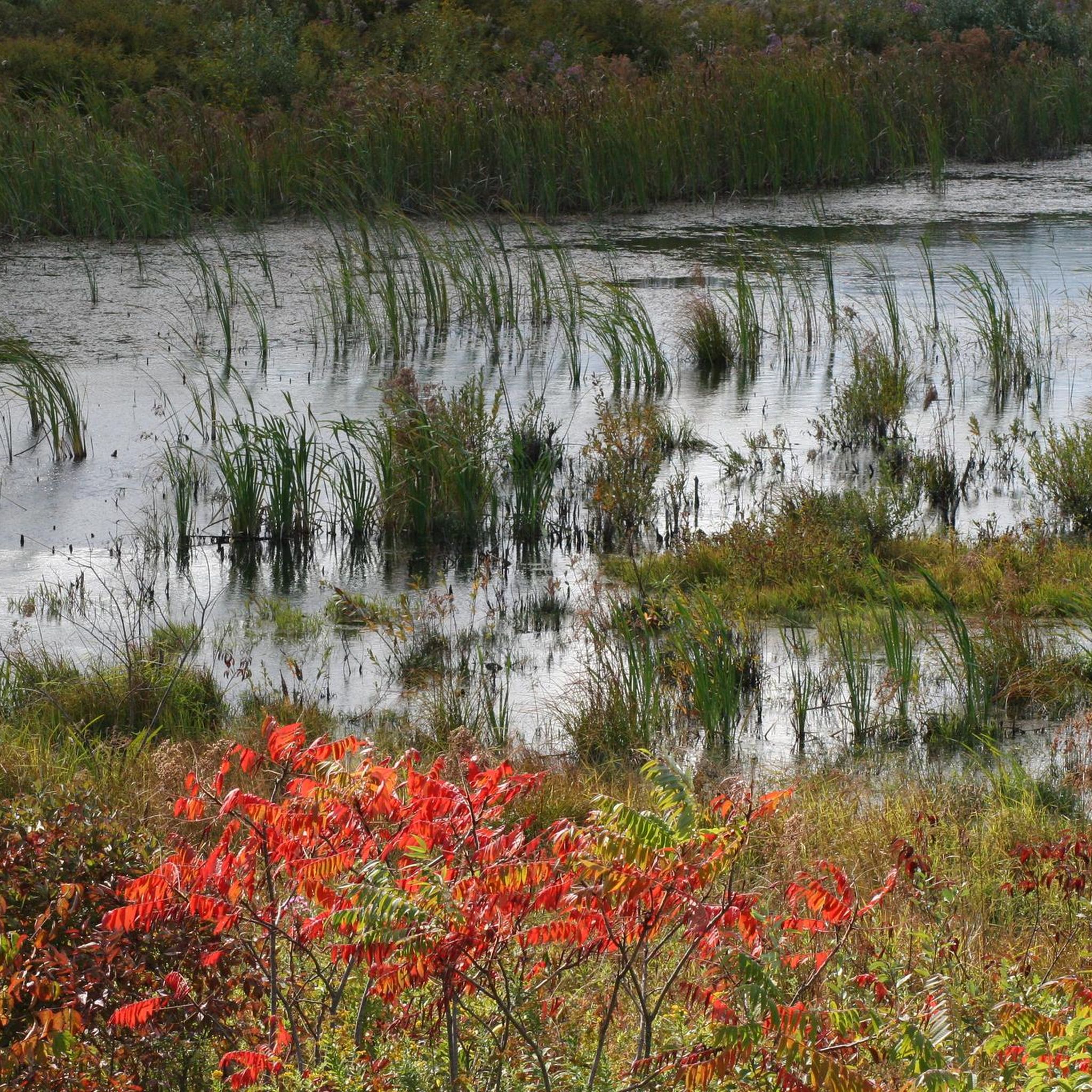
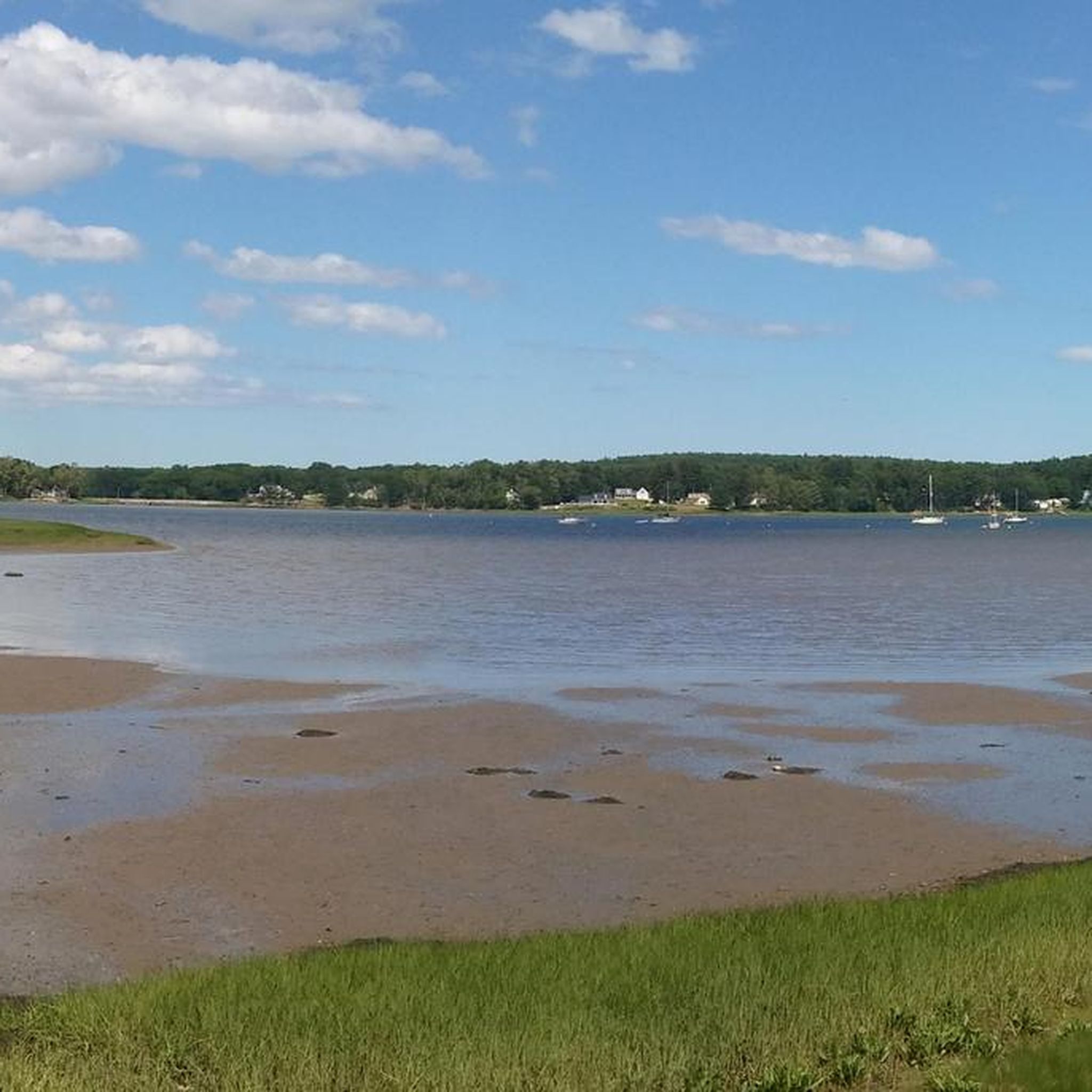
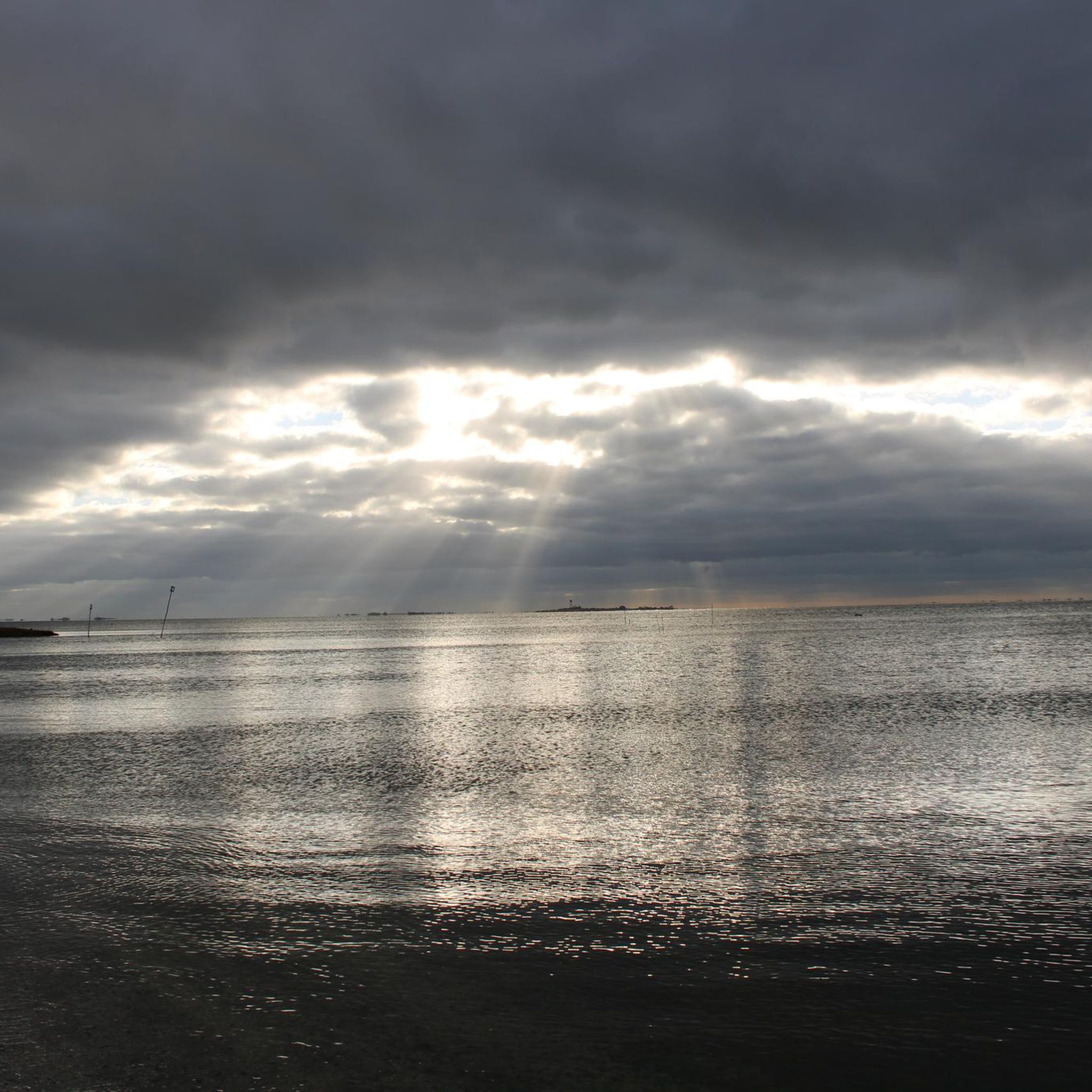
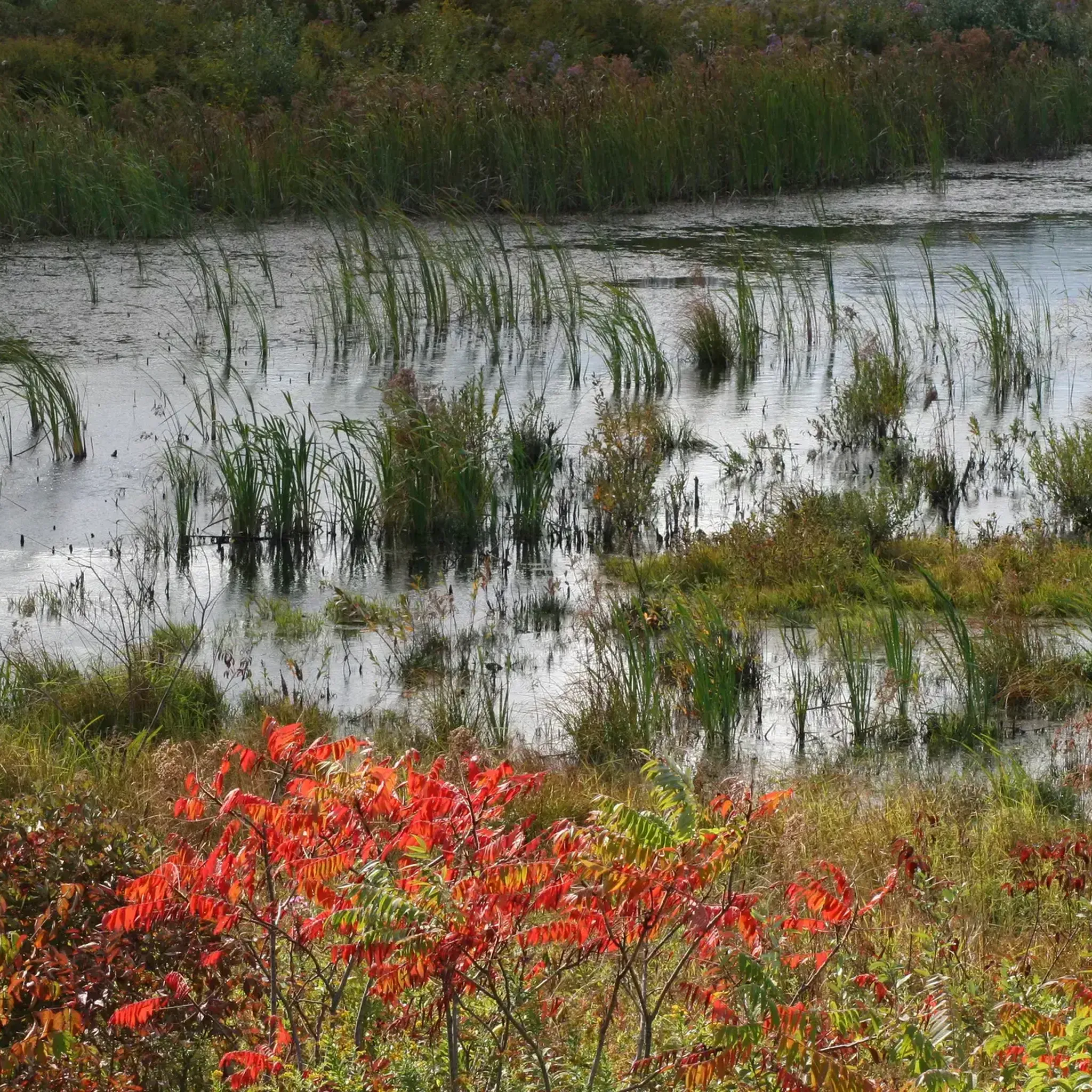
Great Bay National Wildlife Refuge provides protection for over 1,000 acres of diverse habitats, ranging from mud flats, swamps, marshes, ponds, beaches, woodlands, and more. As such it is an important environment for a number of threatened and endangered species, as well as for migratory birds. It is well worth parking your bike for a while and exploring some of the trails and boardwalks across the varied landscapes.
1
0

There are two lovely trails to discover at the Great Bay National Wildlife Refuge. You will need to park up your bike to explore, but if you have time it is well worth it. The trails pass over boardwalks and the longer of the two takes you to a viewing platform on the water. Plenty of wildlife to see too, including wild turkeys, turtles and deer.
1
0

Peverly Pond is a small, tucked away pond in the Great Bay National Wildlife Refuge. The trail to reach the pond lookout is a boardwalk and ends at a small wildlife viewing hut.
0
0
Protecting more than 1,000 acres of wildlife habitat area along the Great Bay, the Great Bay National Wildlife Refuge supports many diverse habitats for various animals and plants. The trails in the park are open to foot traffic, but dogs and other pets are not allowed.
0
0
Peverly Pond is a small, tucked away pond in the Great Bay National Wildlife Refuge. The trail to reach the pond lookout is a boardwalk and ends at a small wildlife viewing hut.
0
0
Protecting more than 1,000 acres of wildlife habitat area along the Great Bay, the Great Bay National Wildlife Refuge supports many diverse habitats for various animals and plants. The trails in the park are open to foot traffic, but dogs and other pets are not allowed.
0
0
Frequently Asked Questions
What are the main trails available for visitors in Great Bay National Wildlife Refuge?
The refuge offers several trails for exploration. The Peverly Pond Wildlife Viewing Hut features a short, accessible boardwalk trail. Another popular option is the Boardwalk Trail at Great Bay National Wildlife Refuge, which leads to a viewing platform with expansive bay views. For a longer hike, the William Furber Ferry Way Trail is a 1.9-mile loop through forest and grassland, offering scenic overlooks.
Are there easy hiking options in the refuge?
Yes, the refuge and surrounding area offer several easy hiking options. The Peverly Pond Trail is a short, accessible loop. For more extensive easy hikes, you can explore routes like the Ferry Way Trail, Adams Point Loop Trail, and Fox Point Trail, which are detailed in the Easy hikes in Great Bay National Wildlife Refuge guide.
Can I cycle in or near the refuge?
While cycling might be restricted on some refuge trails, the broader Great Bay area offers excellent cycling opportunities. You can find various routes, including the Newmarket, Lee and Durham loop or the Historic Downtown Dover – Huckleberry Hill loop, which are listed in the Cycling in Great Bay National Wildlife Refuge guide.
What kind of wildlife can I expect to see at Great Bay National Wildlife Refuge?
The refuge is a sanctuary for diverse wildlife. Birdwatchers can spot over 200 species, including bald eagles (especially in winter), peregrine falcons, ospreys, and various ducks and geese, as it's a critical stopover on the Atlantic Flyway. Mammals like white-tailed deer, red foxes, beaver, and river otters are also frequently seen. Turtles, frogs, and salamanders inhabit the wetlands.
Are there specific spots for wildlife viewing?
Absolutely. The Peverly Pond Wildlife Viewing Hut is specifically designed for observation. Additionally, the Boardwalk Trail at Great Bay National Wildlife Refuge leads to a viewing platform, and observation decks are strategically placed along various trails to enhance wildlife spotting opportunities.
Are there accessible trails for wheelchairs or strollers?
Yes, the Peverly Pond Trail, which leads to the Peverly Pond Wildlife Viewing Hut, is fully wheelchair accessible. This boardwalk trail provides an easy and inclusive way to experience the refuge's natural beauty.
Is the refuge family-friendly?
Yes, Great Bay National Wildlife Refuge is considered family-friendly. The accessible Peverly Pond Trail and boardwalks are suitable for all ages. Children will enjoy spotting various birds and animals, and the diverse habitats offer an engaging outdoor learning experience.
Are dogs allowed in the refuge?
No, dogs and other pets are generally not allowed on the trails within the Great Bay National Wildlife Refuge to protect the sensitive wildlife and habitats. This rule helps maintain a undisturbed environment for the many species that call the refuge home.
What is the best time of year to visit Great Bay National Wildlife Refuge?
The refuge offers unique experiences year-round. Spring and fall are excellent for observing migratory birds along the Atlantic Flyway. Winter is ideal for spotting bald eagles, which concentrate in the bay. Summer provides lush greenery and active wildlife, though it can be warmer. Each season presents different viewing opportunities.
Does the refuge have any historical significance?
Yes, the land comprising the refuge has a rich history. It was once inhabited by the indigenous Abenaki people and later farmed by European settlers. Significantly, it was part of Pease Air Force Base, specifically a weapons storage area, before its establishment as a wildlife refuge in 1992. This transition from military use to a protected natural area is a notable aspect of its past.
What natural features define the Great Bay National Wildlife Refuge?
The refuge is centered on the Great Bay estuary, characterized by its undeveloped shoreline, mudflats, and open coastal waters. It boasts remarkable ecological diversity, including salt marshes, freshwater wetlands, swamps, ponds, streams, woodlands, and grasslands. These varied environments support a rich array of plant life and serve as crucial habitats for numerous animal species.
What do visitors enjoy most about the Great Bay National Wildlife Refuge?
Visitors frequently praise the refuge for its exceptional wildlife viewing opportunities, particularly birdwatching. The accessible boardwalks and viewing huts make it easy to observe nature. Many appreciate the diverse habitats, from wetlands to woodlands, and the peaceful escape it offers. The community has shared 3 photos and given 3 upvotes to the highlights within the refuge.
Most popular routes in Great Bay National Wildlife Refuge

Get inspired with the komoot mobile app


Explore more
Still not found the Highlight you’re looking for? See guides of the top attractions in other regions:
