Attractions and Places To See in Dunkelsteinerwald - Top 20
Best attractions and places to see in Dunkelsteinerwald are found in this hill country located south of the Danube in Lower Austria, between Melk and Mautern. The region features a diverse landscape with steep Danube slopes, extensive arable land, and tranquil forests. It is known for its historical landmarks, natural features, and cultural sites, including medieval castle ruins and pilgrimage churches.
Best attractions and places to see in Dunkelsteinerwald
- The most popular attractions is Danube Valley in the Wachau,…
Last updated: October 5, 2026
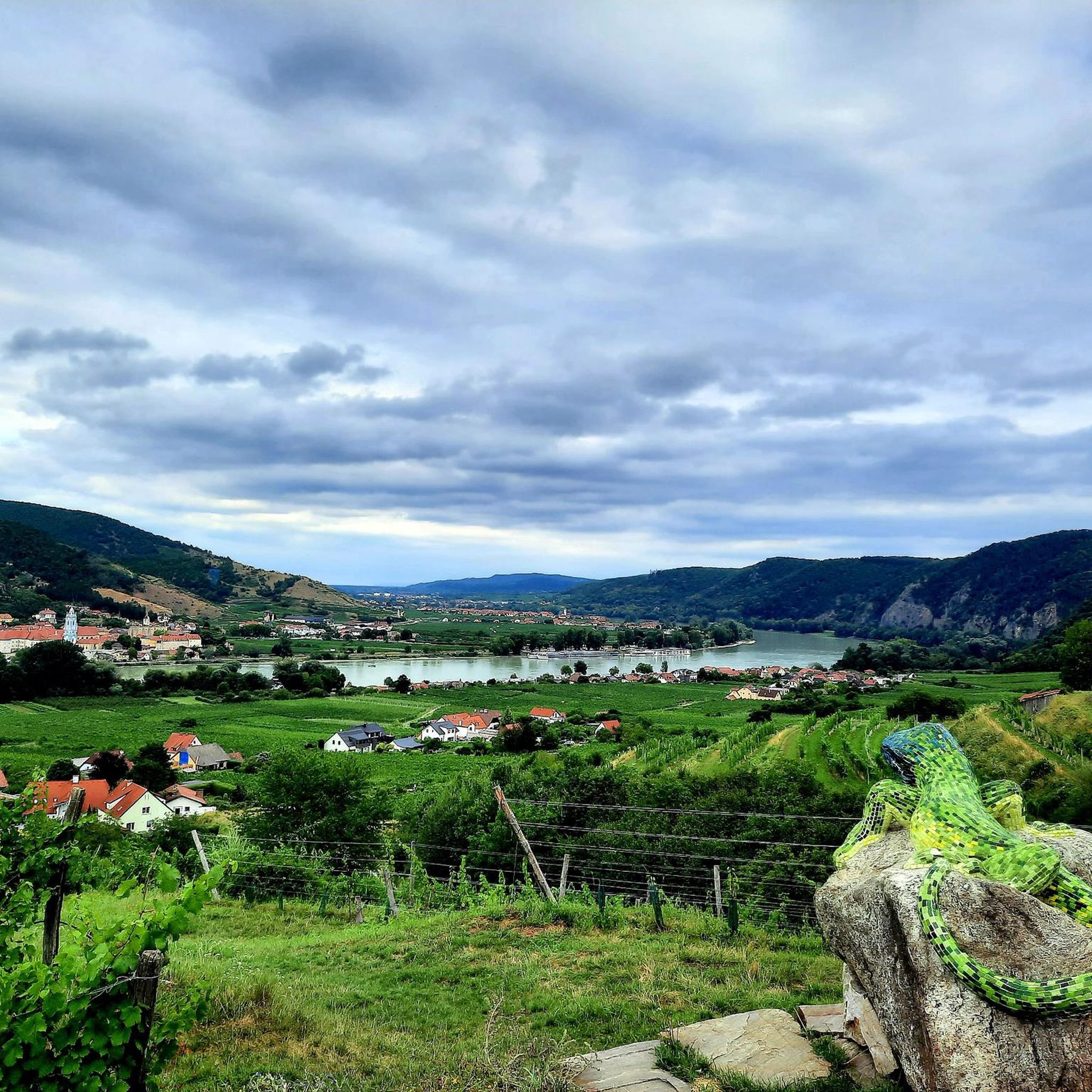
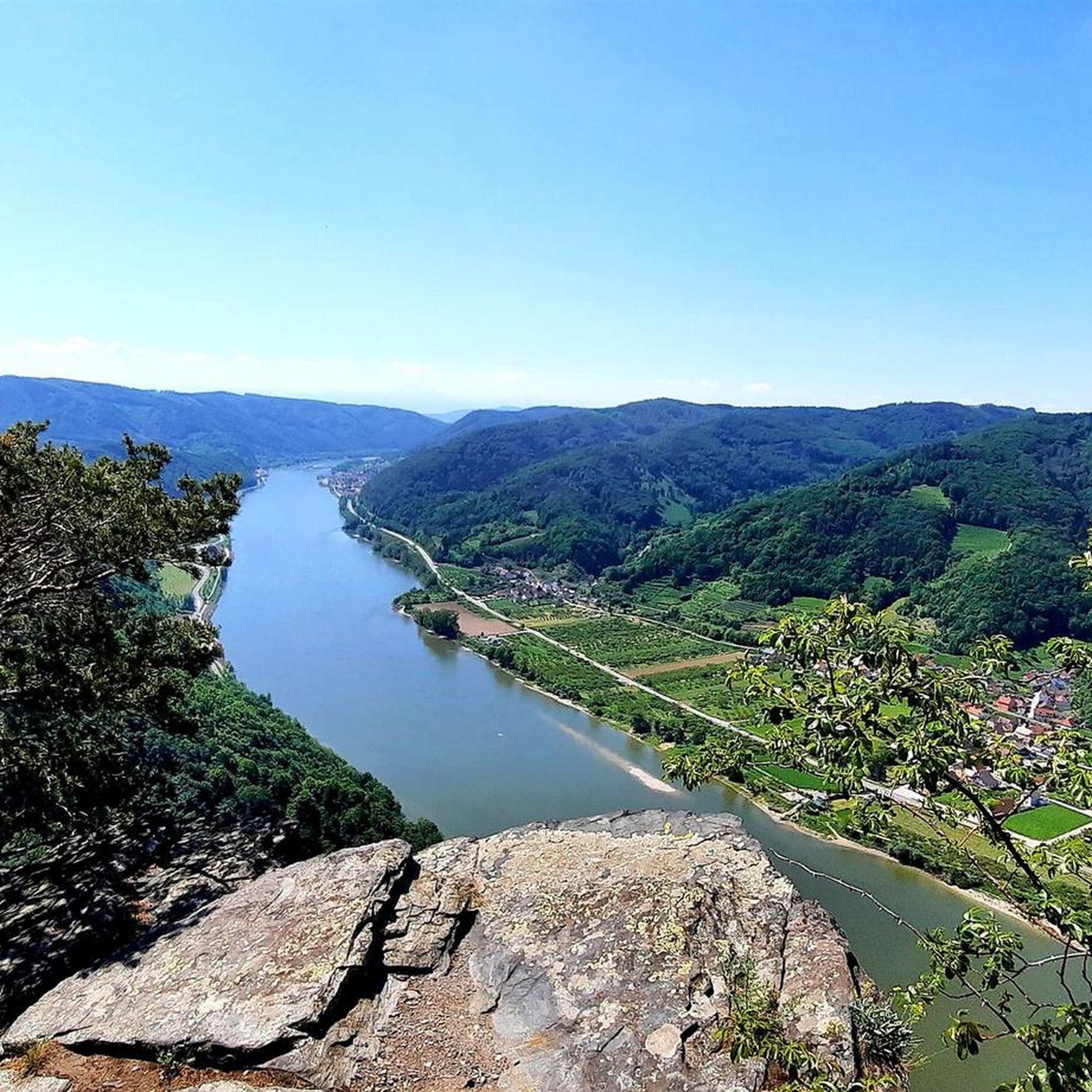
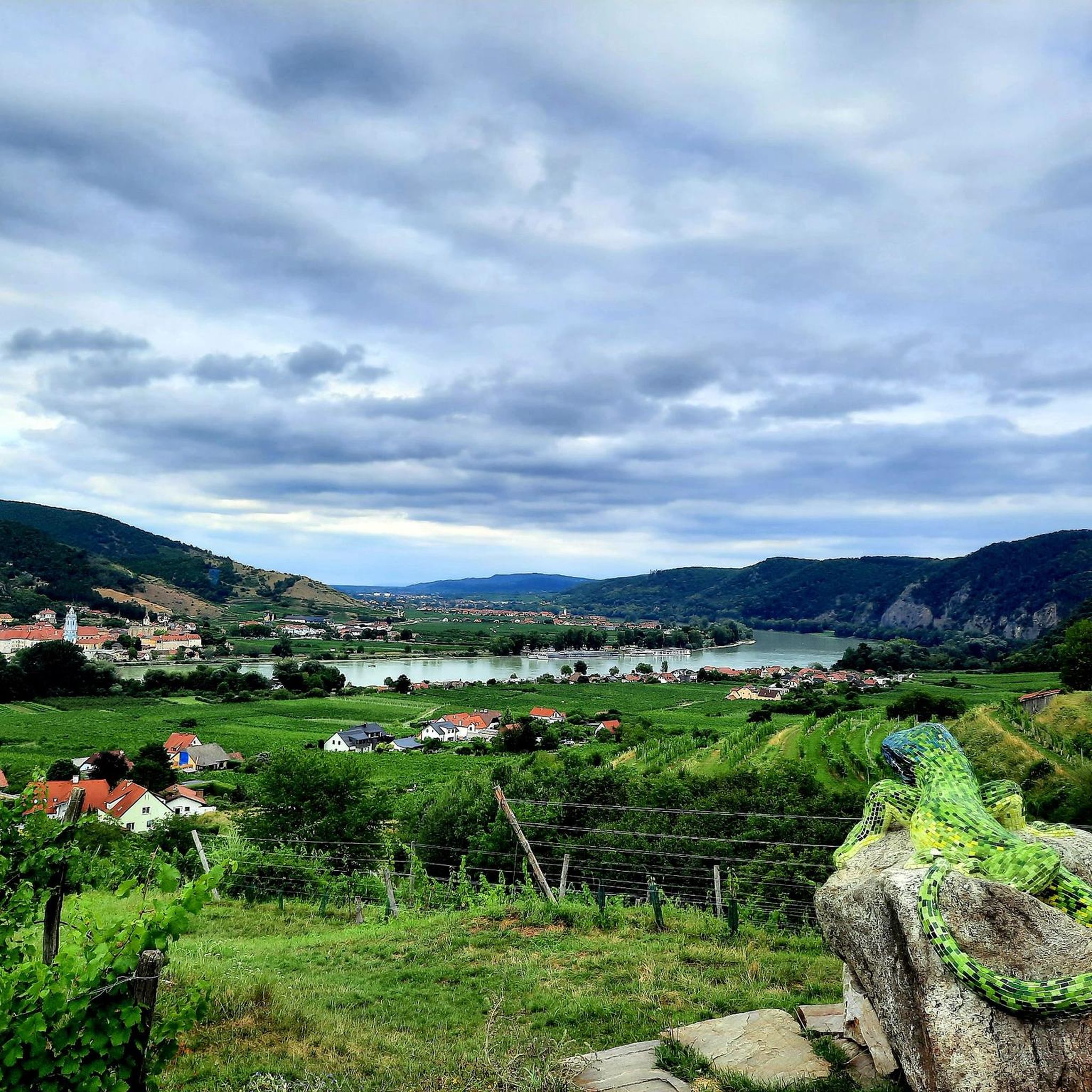
Danube Valley in the Wachau
Highlight • River
Translated by Google •
Tip by

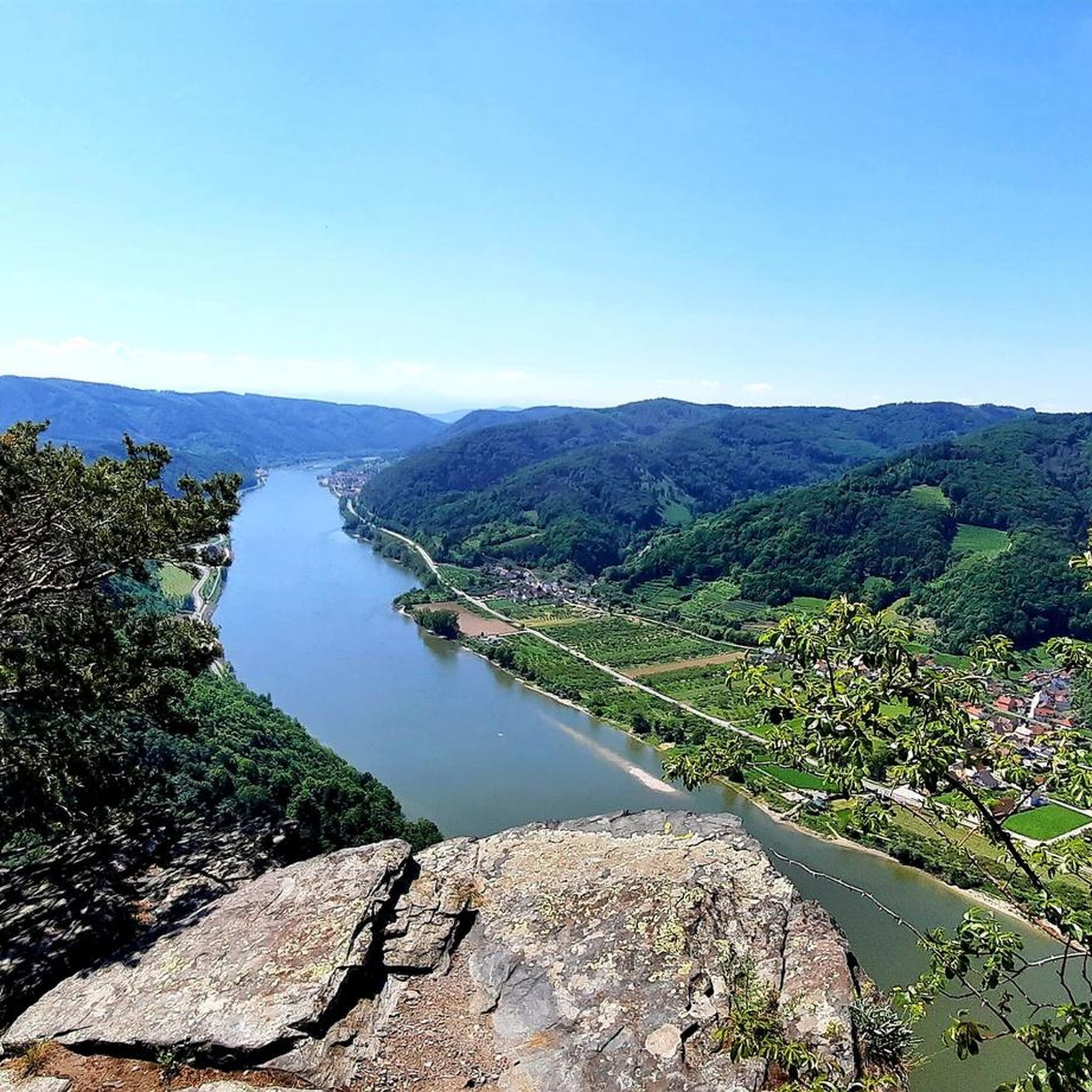
High Rock
Highlight • Climb
Translated by Google •
Tip by

Sign up now to discover places like this
Get recommendations on the best single tracks, peaks, & plenty of other exciting outdoor places.
Seekopf Observation Tower (671 m)
Highlight • Viewpoint
Translated by Google •
Tip by

Giant Sequoias of Paudorf
Highlight • Forest
Translated by Google •
Tip by

Wachau Nose Sculpture
Highlight • Monument
Translated by Google •
Tip by

Sign up for free to discover even more attractions in Dunkelsteinerwald.
Already have an account?
Start today with a free account
Your next adventure awaits.
Popular around Dunkelsteinerwald

Other adventures in Dunkelsteinerwald

Tips from the Community

Beautiful play of light on the green (!) Danube.
0
0

A stunning viewpoint with an ascent and descent for experienced hikers! Fantastic views over the Wachau Valley from a height of 712 meters.
9
0

A beautiful memorial place in the middle of the forest.
4
0
The giant sequoias can be found in the middle of the Dunkelsteinerwald. It is also a very nice resting place.
5
0
The new lookout is a great vantage point over the Wachau! Numerous hiking trails pass by here, such as the World Heritage Trail and the Dunkelsteinerwald circular hiking trail.
5
1

Beautiful and modern watchtower with a great view!
6
1
Ascent only for experienced climbers! Or rather, the descent. Getting up the via ferrata, secured with ladders and ropes, is manageable, but going down can be a bit tricky if you're not very experienced with climbing. The view, however, is breathtaking!
7
1
Probably the greatest point in the Wachau; a detour from the World Heritage Trail leads here.
3
0
Frequently Asked Questions
What are the best viewpoints in Dunkelsteinerwald?
The region offers several stunning viewpoints. For expansive views over the Wachau and surrounding landscape, consider visiting High Rock, which provides a perspective from 712 meters. Another excellent spot is the Seekopf Observation Tower (671 m), offering a 360° panoramic view, though it's best for those who don't suffer from vertigo. The Ferdinandwarte Lookout Tower near Oberbergern also provides grand views over the Danube and the Wachau.
What unique natural features can I explore in the Dunkelsteinerwald region?
Beyond the scenic Danube Valley in the Wachau, Dunkelsteinerwald is known as a "rosehip pleasure region." You can find over a dozen types of wild roses, which bloom beautifully from May to mid-July. In autumn, the vitamin C-rich rosehips, locally called "Hetscherln," are harvested. Another impressive natural feature is the Giant Sequoias of Paudorf, a forest planted over 140 years ago with conifers that are larger than their European counterparts.
When is the best time to visit Dunkelsteinerwald to enjoy its natural beauty?
The Dunkelsteinerwald region is beautiful year-round, but to experience its unique wild roses, the best time to visit is from May to mid-July when they are in full bloom. Autumn is ideal for enjoying the harvest of rosehips and the changing foliage. The largely untouched nature and clean air make it inviting for walks and hikes throughout the warmer months.
What historical sites and castle ruins can I visit in Dunkelsteinerwald?
The region is rich in history, featuring numerous medieval castle ruins. The most well-known are the Aggstein Castle Ruins, perched high above the Danube with impressive views of the Wachau. Other significant ruins include Hohenegg Castle Ruins, which offer vistas into the foothills of the Alps, and the Roman Bridge at Lanzing, a well-preserved relic from the Roman era.
Are there any significant cultural or religious sites in the region?
Yes, Dunkelsteinerwald boasts a striking number of churches and monasteries. The Aggsbach Charterhouse features a meditation garden, while the Servite Monastery at Schönbühel offers guided tours of its Baroque church. The Maria Langegg Pilgrimage Church is a particularly impressive Baroque site with a pilgrimage museum. The Pilgrimage Church "Maria am grünen Anger" in Mauer bei Melk houses a famous Gothic winged altar from 1509.
Are there family-friendly attractions in Dunkelsteinerwald?
Yes, several attractions are suitable for families. The Danube Valley in the Wachau offers picturesque landscapes and historical sites that can be enjoyed by all ages. The Giant Sequoias of Paudorf provide an impressive natural setting for a family outing. Additionally, the Wachau Nose Sculpture is a fun and quirky landmark that children often enjoy.
What hiking opportunities are available in Dunkelsteinerwald?
The Dunkelsteinerwald offers an extensive network of hiking trails for various skill levels. You can find easy hikes, such as the loop from Aggsbach to the Aggstein Castle Ruins, or routes around the Hohenegg Castle Ruins. More challenging options include the ascent to High Rock. A section of the Austrian Way of St. James also traverses the region. For more details and specific routes, explore the Easy hikes in Dunkelsteinerwald guide.
Can I go cycling in the Dunkelsteinerwald region?
Absolutely! The region is well-suited for cycling, with various routes available. You can find road cycling routes, including loops from Paudorf or Friedrichfelsen, and touring bicycle routes like the Dürnstein City Gate to Spitz on the Danube loop. For a comprehensive overview of cycling options, check out the Cycling in Dunkelsteinerwald guide or the Road Cycling Routes in Dunkelsteinerwald guide.
Are there trails suitable for dogs in Dunkelsteinerwald?
The natural landscape of Dunkelsteinerwald, with its extensive forests and trails, is generally welcoming for dogs. Many hiking paths are suitable for walks with your canine companion. It's always advisable to keep dogs on a leash, especially in nature protection areas or near wildlife, and to check local regulations for specific trails.
What is the typical terrain and difficulty of hiking trails in Dunkelsteinerwald?
The Dunkelsteinerwald is a hill country, so trails often involve moderate elevations, with some areas reaching up to 700m. You'll encounter diverse terrain, from steep Danube slopes to tranquil forests and arable land. While many easy hikes are available, such as those around the castle ruins, some viewpoints like High Rock involve challenging ascents, sometimes with ladders and ropes, suitable for experienced hikers.
What are some lesser-known attractions or "hidden gems" in Dunkelsteinerwald?
Beyond the major highlights, consider exploring the Hammer Mill in Aggsbach-Dorf, a restored mill showcasing the region's past economic activities. The fortified church in Gerolding and the massive church in Gansbach, featuring a painting by Martin Johann Schmidt, are also noteworthy for those interested in history and art. These offer a deeper dive into the local heritage away from the more frequented spots.
What do visitors particularly enjoy about the attractions in Dunkelsteinerwald?
Visitors frequently praise the combination of stunning natural beauty and rich historical significance. The panoramic views from spots like High Rock and the Seekopf Observation Tower are highly appreciated. The unique experience of the Giant Sequoias of Paudorf and the picturesque Danube Valley in the Wachau are also often highlighted as unforgettable experiences.
Most popular routes in Dunkelsteinerwald
Most popular attractions in Dunkelsteinerwald

Get inspired with the komoot mobile app


Explore more
Still not found the Highlight you’re looking for? See guides of the top attractions in other regions:
