Top 20 Castles around Friedrichsdorf
Best castles around Friedrichsdorf offers access to historically significant sites that provide insight into the region's past. While Friedrichsdorf itself does not host numerous traditional medieval castles, its proximity to the Taunus region reveals a rich history. The area features well-preserved Roman forts, part of the UNESCO Limes World Heritage Site, alongside medieval castle ruins. These sites showcase both Roman military presence and later feudal structures, often situated near natural features like the Nidda River.
Best castles around Friedrichsdorf
- The…
Last updated: November 20, 2026
Saalburg Roman fort
Highlight • Historical Site
saalburgmuseum.de
Translated by Google •
Tip by

Vilbel Castle
Highlight • Castle
Translated by Google •
Tip by

Sign up now to discover places like this
Get recommendations on the best single tracks, peaks, & plenty of other exciting outdoor places.
Kapersburg Roman Fort
Highlight • Historical Site
Translated by Google •
Tip by

Friedberg Castle
Highlight • Castle
Translated by Google •
Tip by

Kransberg Castle
Highlight • Castle
Translated by Google •
Tip by

Sign up for free to discover even more castles around Friedrichsdorf.
Already have an account?
Start today with a free account
Your next adventure awaits.
Popular around Friedrichsdorf
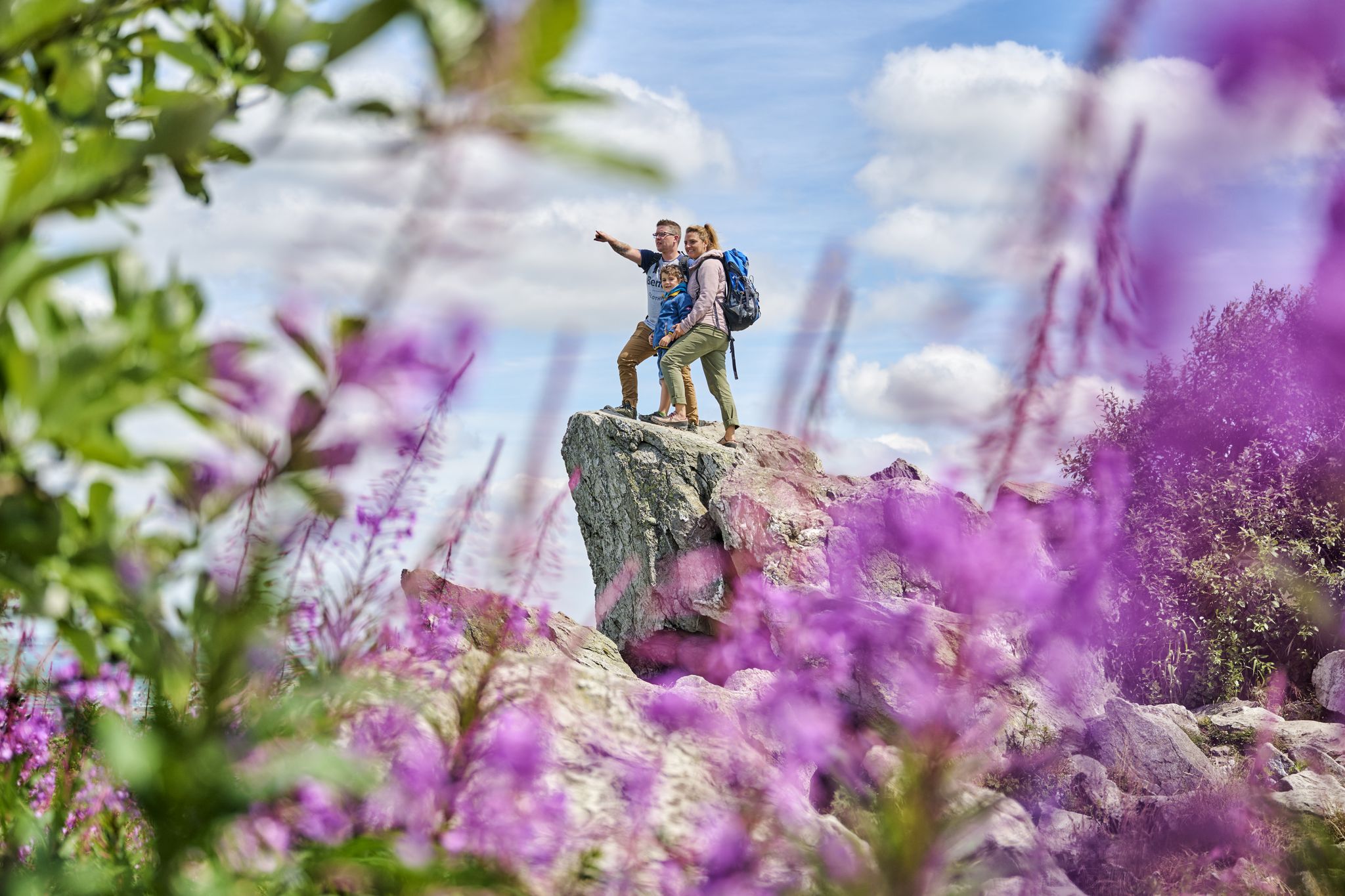
History, forest and gnomes – hiking in Germany’s Hochtaunus region
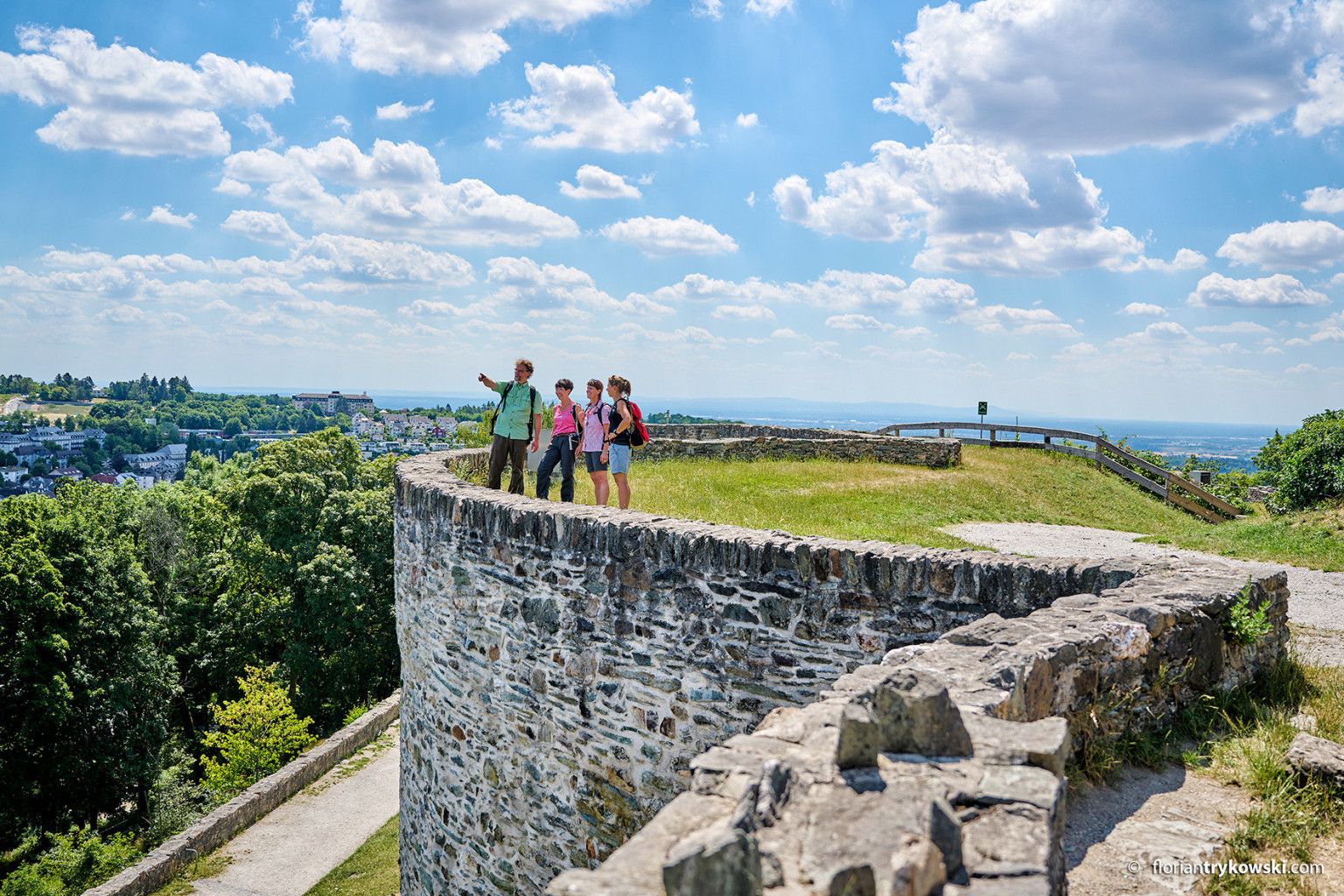
Experience nature and culture — hiking in Germany’s Taunus region
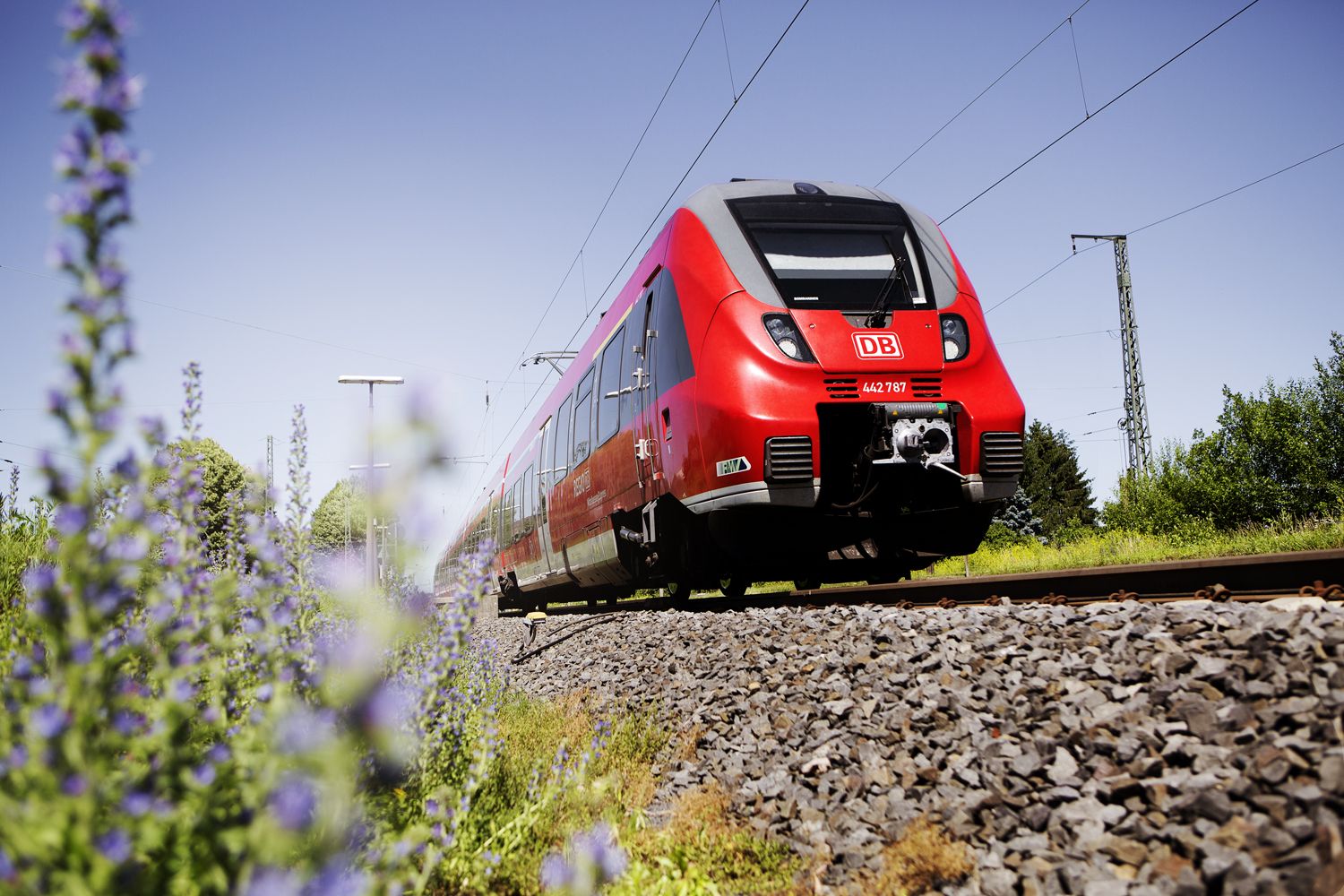
Into the countryside! — hike with Germany’s Rhine-Main Transport Network
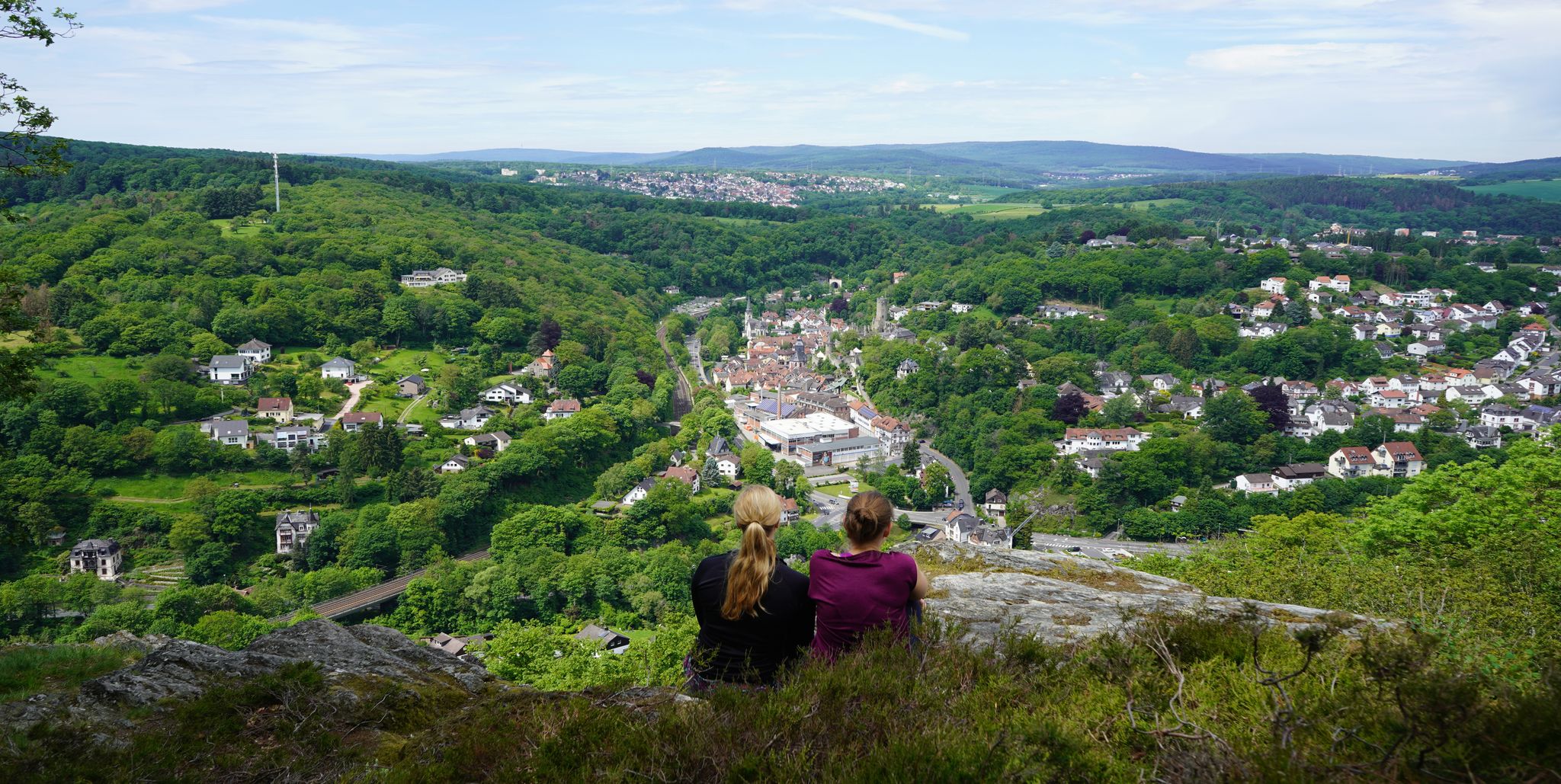
Exploring nature — hikes in Germany’s Taunus Mountains
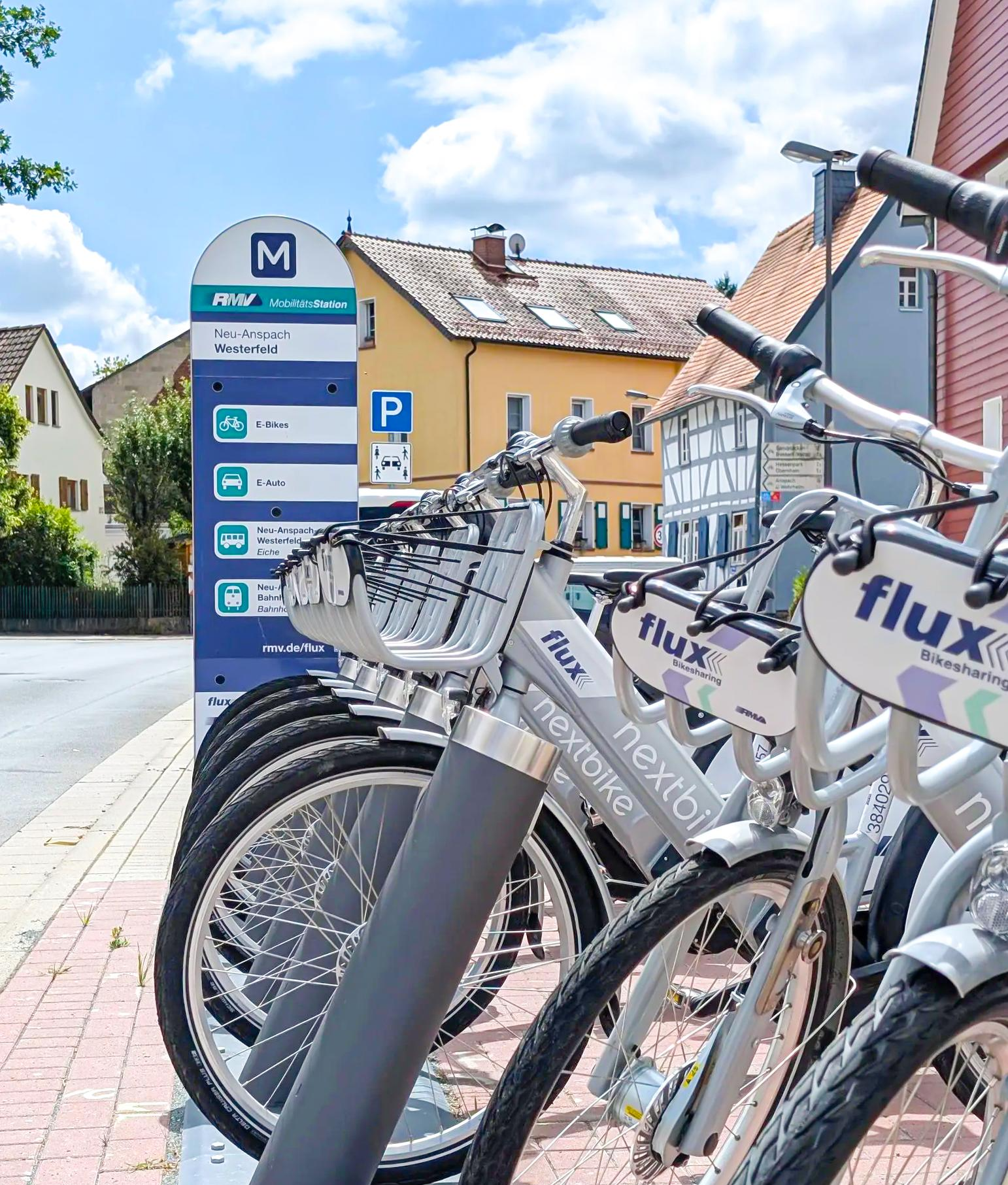
Mit flux & Bahn – Radtouren im Usinger Land
Cycling around Friedrichsdorf
Hiking around Friedrichsdorf
Road Cycling Routes around Friedrichsdorf
MTB Trails around Friedrichsdorf
Running Trails around Friedrichsdorf
Other adventures around Friedrichsdorf


Tips from the Community

The castle in Friedberg is a large complex from the Middle Ages. There is a church and also a school within the castle.
5
0

In 1170, Kransberg was built as one of the first stone castles by the Staufers as part of a defensive chain Friedberg-Kransberg-Königstein-Kronberg to defend against the Limburg bishops. The keep is the only and oldest element of the entire complex that has been preserved from this period. The first separate written mention of the castle dates back to 1220. In 1310 the male line of the von Cransperk family died out and the castle went to the Lords of Falkenstein. 123 years later, in 1433, the castle fell to the Lords of Eppstein and the intermediate building was added. From 1522 to 1533 the castle briefly belonged to the Lords of Königstein and then became the property of the Counts of Stolberg. As a result of the peace in 1590, the complex came into the possession of the Archbishop of Mainz. The residential extension to the main building was built. In 1854, Count Hugo Waldbott sold the property to the Duchy of Nassau. This became Prussian after the lost war against Prussia in 1866. In 1875 the von Biegeleben family bought the property and completely renovated it. The castle now became known as Cransberg Castle. In 1920, Mrs. von Scheitlein bought the property. In 1939 the castle was confiscated by the Nazi regime and again fundamentally expanded and renovated as part of the Adlerhorst complex. The underground bunker, the knight's hall and the garages were built during this time until Kransberg Castle was captured by the American armed forces in 1945. From 1945 onwards, the British armed forces used the complex and operated the Camp Dustbin interrogation center there, where, compared to Camp Ashcan, the top scientific, technical and armaments organizations of the Nazi regime, Albert Speer, Wernher von Braun, Hermann Oberth, Karl-Otto Saur, Hans Kehrl, Fritz Thyssen, Hermann Röchling and others were arrested and questioned. In the summer of 1946, the first conference in world history on biological weapons took place here. As a result, there were changing occupancies, always by military users. The Gehlen organization, the forerunner of the Federal Intelligence Service, also worked here from 1947 to 1961, primarily in the field of telecommunications intelligence. Units of the Bundeswehr and the American armed forces also used the facility.
2
0

A historical gem with remarkable uniqueness in the medieval system of states: the Burgmannen and their elected lord of the castle of Friedberg Castle. The castle walls, towers, the castle and the garden make a very closed impression and are definitely worth a visit!
6
0

From 1604 to 1610 the main building was built in the High Renaissance style. Initially, it served as the official residence of the Burgrave - hence the name Burggrafiat. After the castle was transferred to Hesse, the Hessian grand dukes used the castle as a "summer residence". From August 30th to October 24th, 1910, Friedberg Castle was the home of the families of the Tsar and the Grand Duke. While Tsarina Alexandra was curing her ailing health in Bad Nauheim, Tsar Nicholas II and Grand Duke Ernst Ludwig met for tennis. Excursions, festivals and visits to relatives marked the visit of the Tsar's family, which attracted unprecedented media attention throughout Europe. In 1990 a major fire destroyed Friedberg Castle; only the outer walls were preserved. Today, however, the Renaissance building, also known as the Kronberger Hof, has returned to its former glory and houses the employees of the tax authorities - the new lords of the castle.
4
0
Friedberg Castle is one of the largest castle complexes in Germany. Today it houses u.a. various public facilities, such as large parts of the tax office, the Burggymnasium and a church, within the historic walls.
4
0

Beautiful and historically important tour destination and a great place for the break.
8
0

The construction history of the former castle and today's palace began in the 12th century. Today's appearance is strongly influenced by the modifications from 1875 onwards. However, the castle only gained national importance during and after the Second World War. During the Nazi era it became part of the bunkers of the so-called Führer Headquarters Adlerhorst. After World War II, various British, American and German military institutions were based here until 1990. The subsequent civilian change of ownership through restitution, sale, foreclosure, renewed sales have so far not brought any sustainable use and meanwhile the building fabric is increasingly decaying.
4
0
Nice destination for a bike ride to Bad Vilbel.
8
0
Frequently Asked Questions
What types of historical sites can I expect to find near Friedrichsdorf?
Near Friedrichsdorf, you'll discover a mix of Roman forts and medieval castle ruins. The region is particularly known for its well-preserved Roman military installations, such as the Saalburg Roman fort, which is part of the UNESCO Limes World Heritage Site. You can also explore medieval structures like Vilbel Castle with moat.
Which historical sites are most popular with visitors around Friedrichsdorf?
The Saalburg Roman fort is highly popular, recognized for its unique reconstruction and insight into Roman life. Visitors also frequently explore Vilbel Castle with moat, especially during its annual festival, and the Kapersburg Roman Fort for its well-preserved Limes fortifications.
Are there family-friendly castles or historical sites to visit near Friedrichsdorf?
Yes, several sites are suitable for families. The Saalburg Roman fort offers an immersive experience with reconstructed buildings and archaeological finds that appeal to all ages. Vilbel Castle with moat is also considered family-friendly, particularly during the Burgfestspiele which includes children's theater.
What is the best time of year to visit the castles and forts?
The period from spring to early autumn (roughly March to October) is generally ideal for visiting, as the weather is more favorable for exploring outdoor ruins and historical sites. The Saalburg Roman fort museum is open daily during these months. If you're interested in cultural events, the Burgfestspiele at Vilbel Castle with moat runs from early June to early September.
Are there public transport options to reach the historical sites?
While specific public transport routes can vary, many sites in the Taunus region are accessible. For instance, the Saalburg Roman fort has dedicated bus connections, especially from Bad Homburg. Vilbel Castle with moat is located in Bad Vilbel, which is well-connected by train.
Are there cafes or restaurants near these historical sites?
Yes, the Saalburg Roman fort includes a cafe and restaurant on-site, allowing visitors to dine within the historical setting. For Vilbel Castle with moat, its central location in Bad Vilbel means there are numerous cafes and restaurants within easy walking distance.
What outdoor activities can I do near the castles and forts?
The region around Friedrichsdorf offers various outdoor activities. You can find numerous running trails, mountain hikes, and cycling routes. For example, explore the running trails around Friedrichsdorf, embark on mountain hikes, or enjoy cycling routes that often pass by historical landmarks and scenic viewpoints.
Are there hiking trails around the Roman forts?
Yes, the Roman forts like Saalburg Roman fort and Kapersburg Roman Fort are situated along the Limes, which offers extensive hiking opportunities. You can explore sections of the Limes Wanderweg (Limes Hiking Trail) that connect these historical sites, providing a blend of history and nature. Check out the mountain hikes around Friedrichsdorf for routes in the area.
Can I find viewpoints near the castles?
Many historical sites in the Taunus region offer scenic views. While not explicitly a viewpoint, Vilbel Castle with moat is beautifully situated on the banks of the Nidda River, offering picturesque views of the water and surrounding park. The elevated positions of Roman forts like Kapersburg also provide glimpses of the surrounding landscape.
What is the historical significance of the Saalburg Roman fort?
The Saalburg Roman fort is a unique and world-renowned reconstruction of a Roman fort that served as a border outpost on the Limes. It vividly illustrates the living and working environment of Roman soldiers and the civilian population during the Roman Empire's presence in Germanic tribal areas. It is a key part of the UNESCO Limes World Heritage Site.
What cultural events are hosted at Vilbel Castle?
Vilbel Castle with moat is famous for hosting the annual Burgfestspiele Bad Vilbel (Castle Festival). This open-air festival, running from early June to early September, features a diverse program including theatrical productions, guest performances, children's theater, and cabaret shows, transforming the historic ruins into a vibrant cultural hub.
Are there any less crowded historical sites to visit?
While the Saalburg Roman fort is popular, the Kapersburg Roman Fort might offer a quieter experience. It's a significant historical site showcasing Rome's military fortifications, but often less frequented than the fully reconstructed Saalburg, allowing for a more serene exploration of the Limes.
Most popular routes around Friedrichsdorf
Most popular attractions around Friedrichsdorf

Get inspired with the komoot mobile app


Explore more
Looking for the best castles somewhere else? Discover other guides around Friedrichsdorf:
