Attractions and Places To See around Bad Brückenau - Top 20
Best attractions and places to see around Bad Brückenau include a blend of historical charm, natural beauty, and cultural experiences. Located in the Rhön Mountains of Bavaria, the region features historic buildings, serene parks, unique natural formations, and museums. Visitors can explore a diverse landscape within the UNESCO Rhön Biosphere Reserve, known for its high recreational value. The area offers a variety of attractions suitable for different interests.
Best attractions and places to see around Bad Brückenau
- The most popular…
Last updated: August 30, 2026
Würzburger Karl-Straub-Haus
Highlight • Mountain Hut
Translated by Google •
Tip by

Basalt Lake Tintenfass
Highlight • Lake
Translated by Google •
Tip by

Sign up now to discover places like this
Get recommendations on the best single tracks, peaks, & plenty of other exciting outdoor places.
Sign up for free
Platzer Kuppe summit
Highlight • Summit
Translated by Google •
Tip by

Rhönexpress Rail Trail
Highlight • Cycleway
Translated by Google •
Tip by

Bad Brückenau Spa Park
Highlight • Natural Monument
Translated by Google •
Tip by

Sign up for free to discover even more attractions around Bad Brückenau.
Sign up for free
Already have an account?
Start today with a free account
Your next adventure awaits.
Login or Signup
Popular around Bad Brückenau
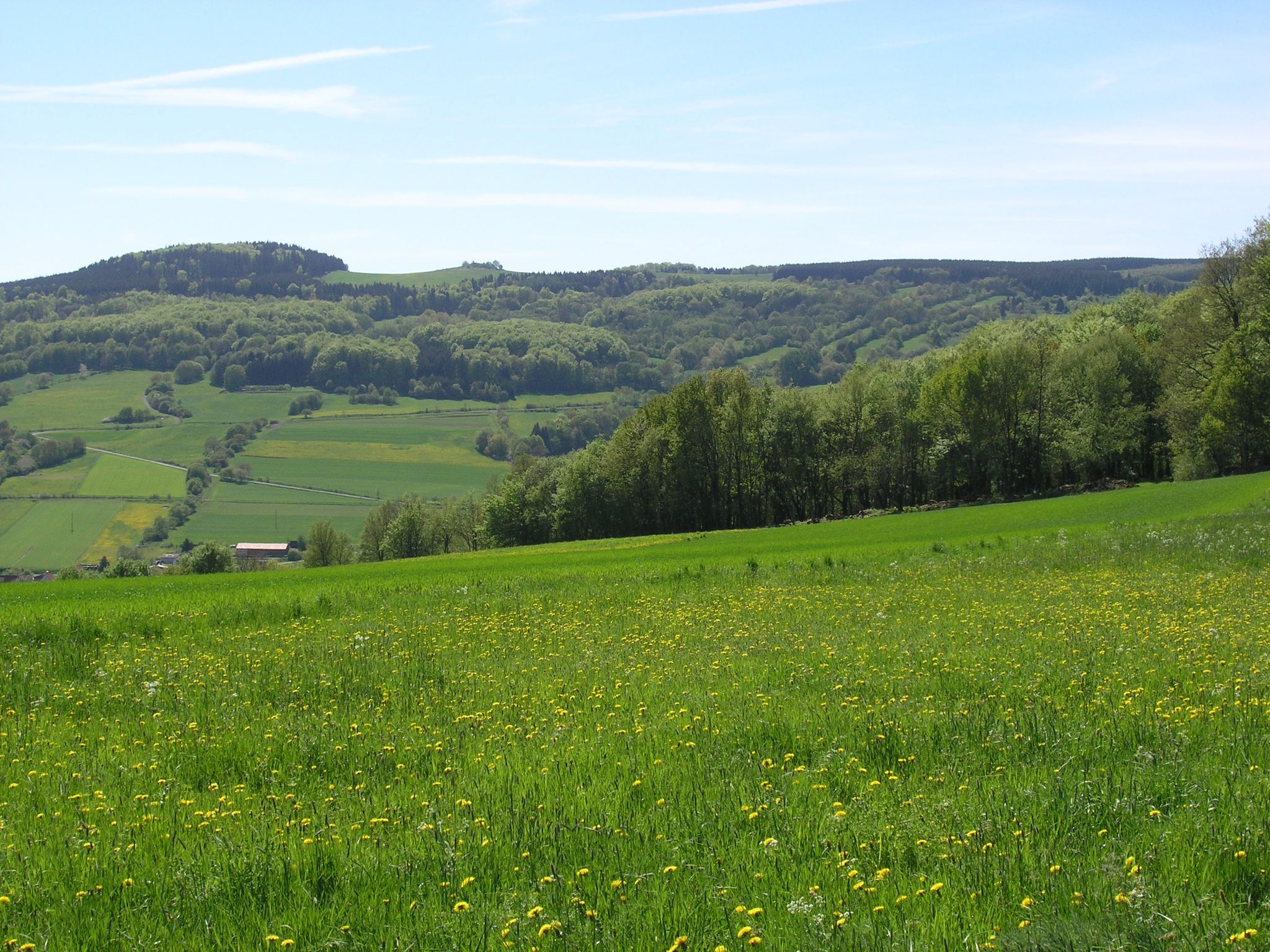
Extra tours South - Excellent premium hiking trails of the Rhön
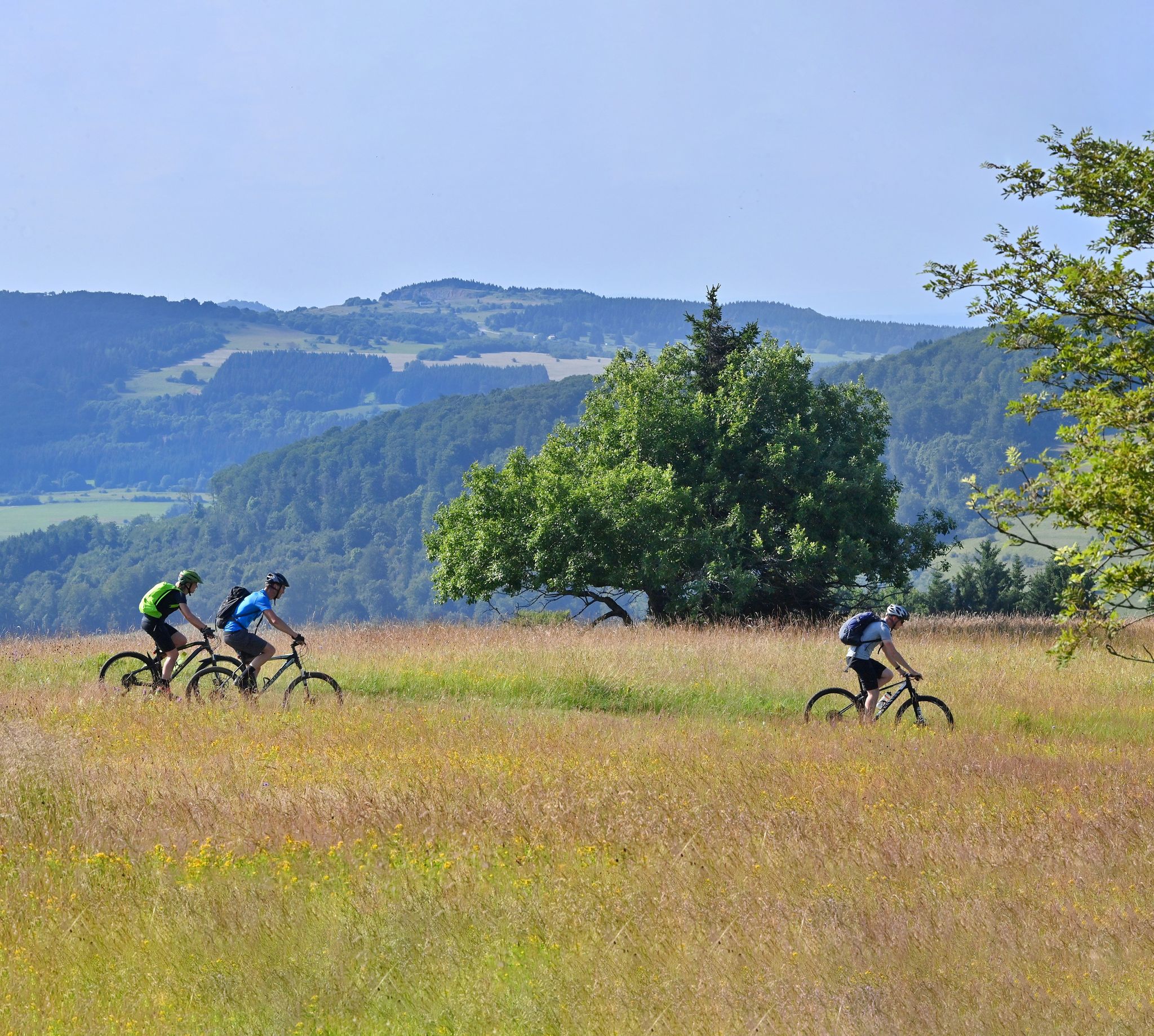
Mountain bike routes in the Rhön
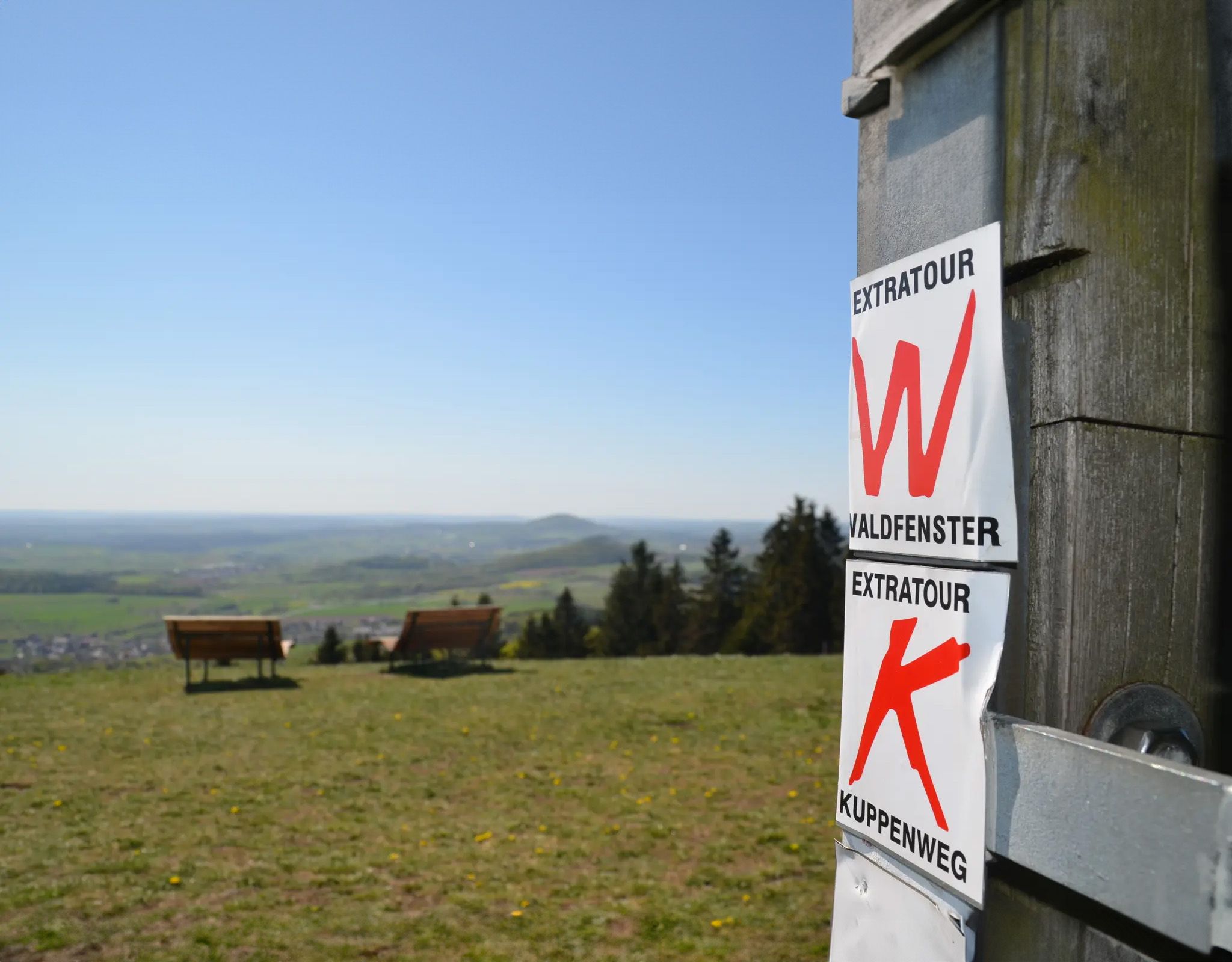
Hiking in the Rhön Mountains where nature and history combine
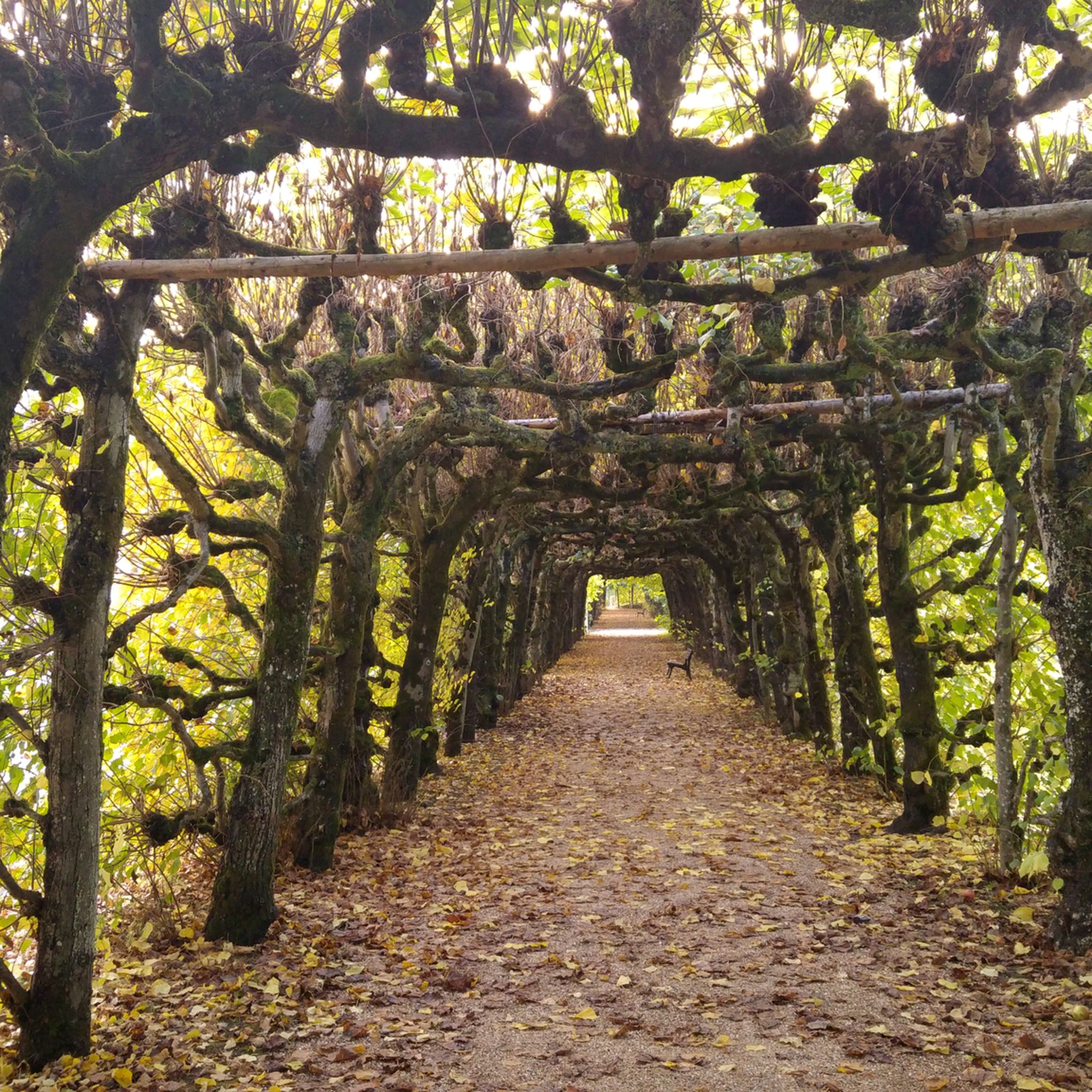
Hiking around Bad Brückenau
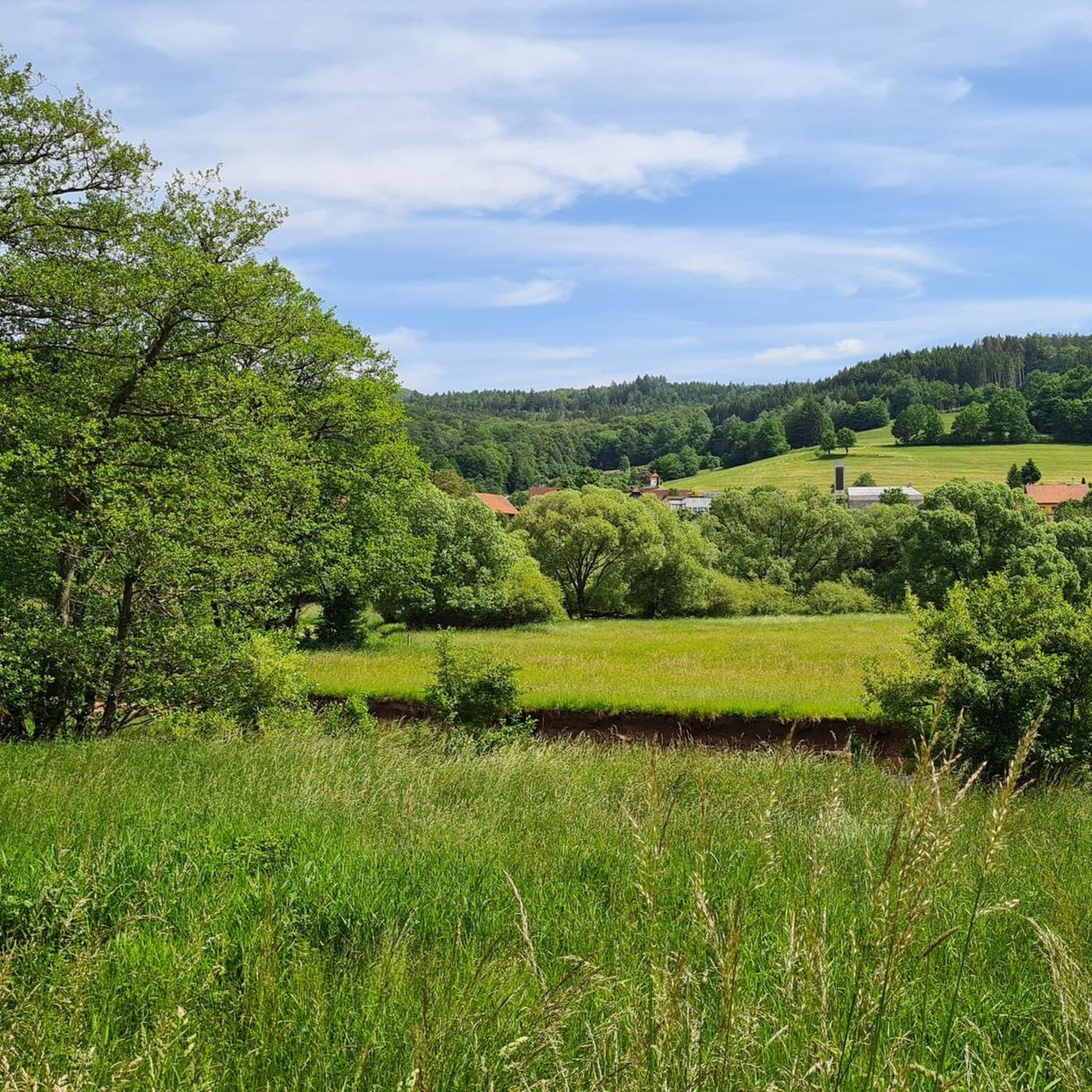
Cycling around Bad Brückenau
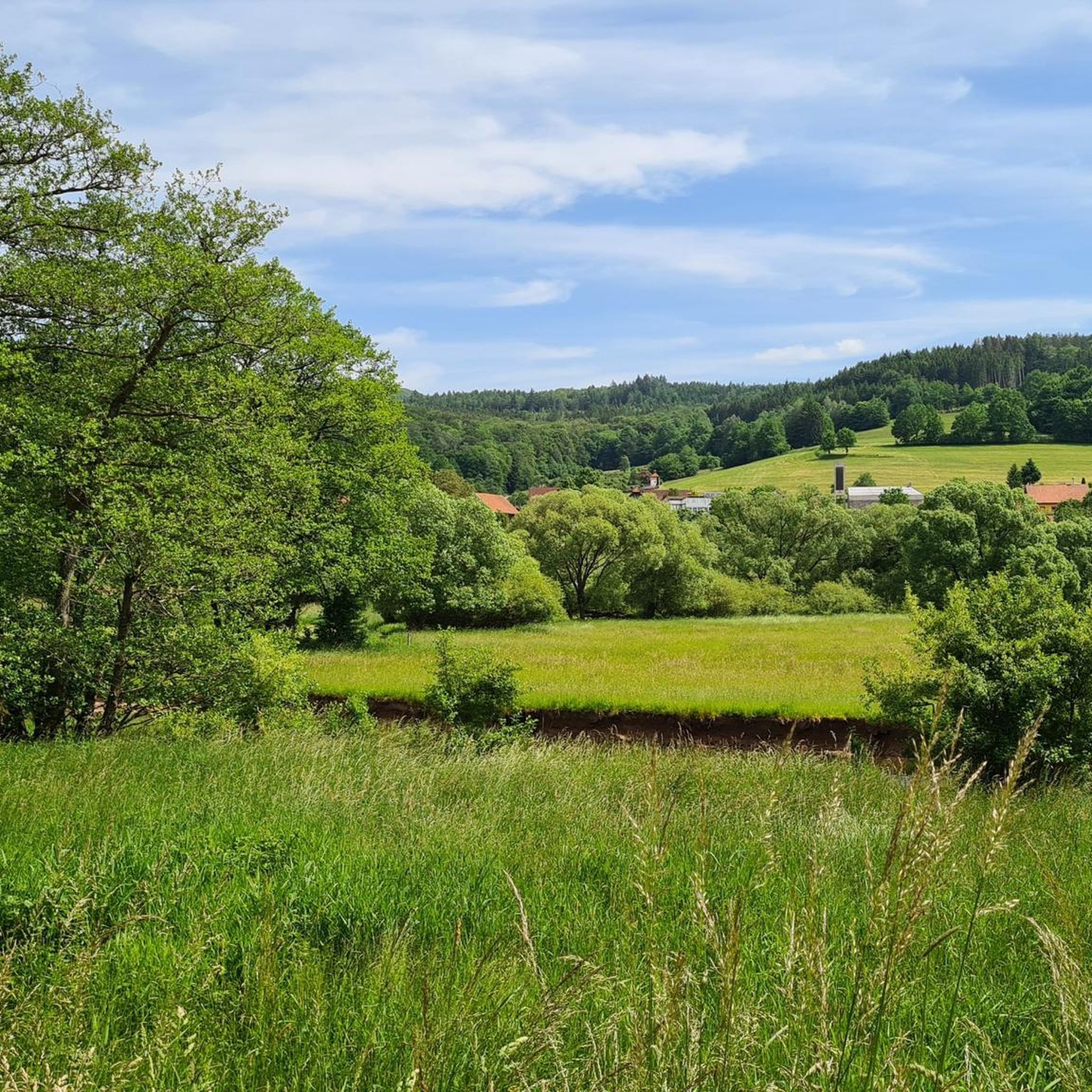
MTB Trails around Bad Brückenau
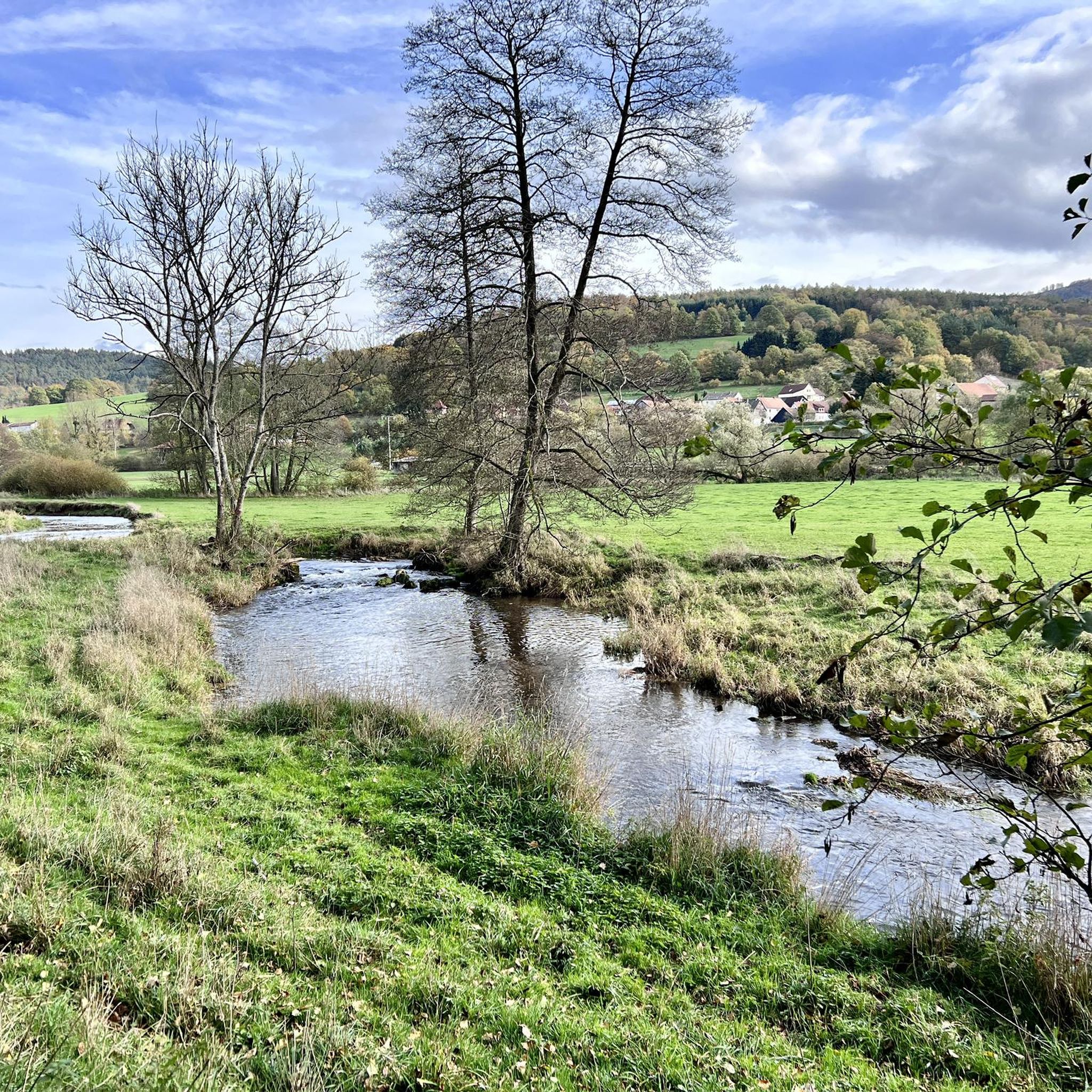
Running Trails around Bad Brückenau
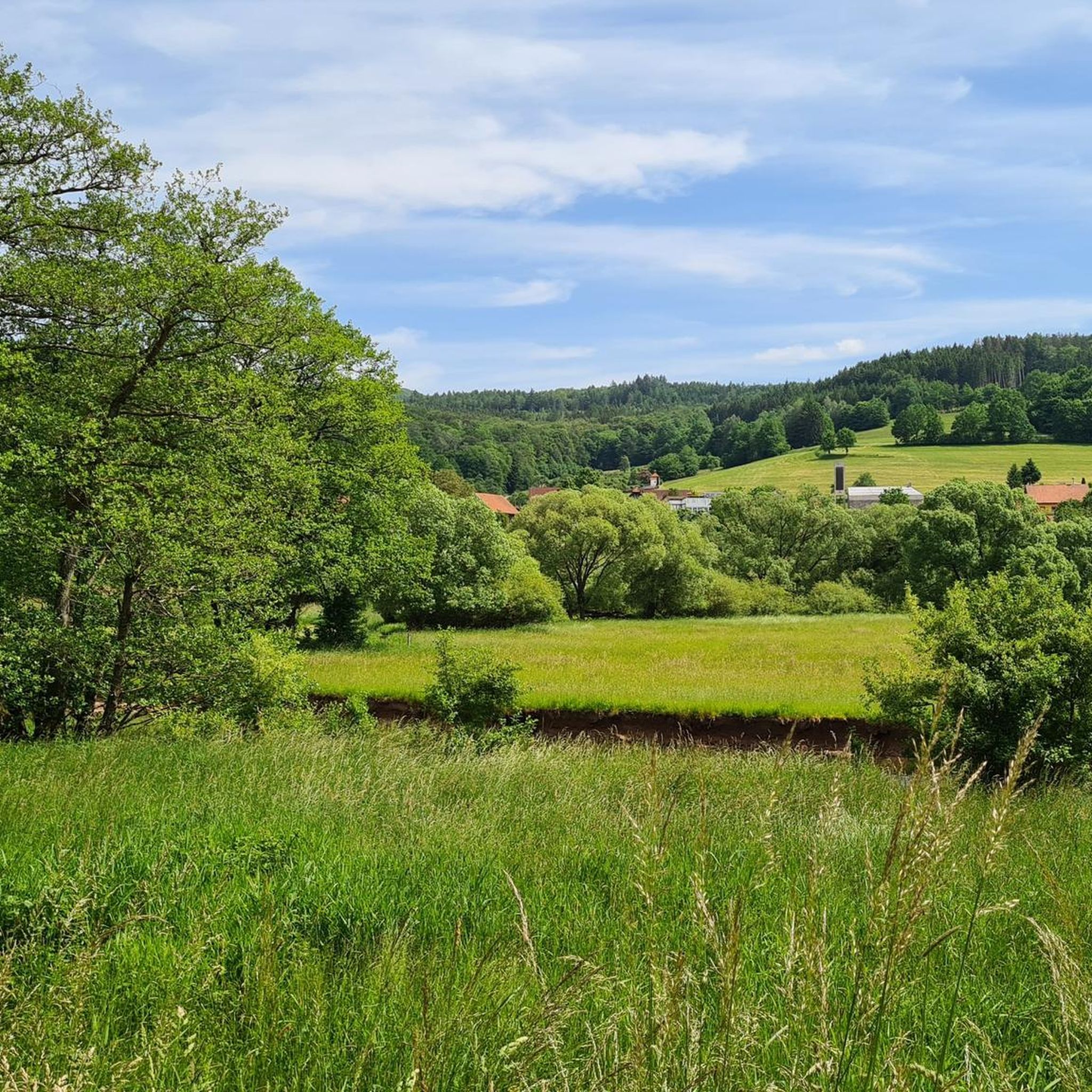
Road Cycling Routes around Bad Brückenau

Gravel biking around Bad Brückenau
Other adventures around Bad Brückenau


Tips from the Community

The Jossa–Wildflecken railway line, also known as the Sinntalbahn, was a branch line in Hesse and Bavaria. It branched off from the Flieden–Gemünden railway line in Jossa and ran through the Sinntal via Altengronau and Bad Brückenau to Wildflecken. The building permit for the line was granted on March 8, 1888, so that construction work could begin on July 1, 1890. The line was opened on October 9, 1891, and stops along the way began on October 15, 1891. Passenger traffic, which had always been of secondary importance, declined sharply due to competition from private transport. After the German Federal Railway stopped weekend traffic on the line with the 1982 summer timetable and no longer served the Bad Brückenau–Wildflecken section except for a single pair of trains, it stopped passenger traffic on the line completely on May 27, 1988. The last freight train traveled the route on February 4, 2002. On June 26, 2002, the Bad Brückenau-Wildflecken section of the route had to be closed due to a dam slide near the Römershag stop, and the entire route was closed on October 17, 2002. Until the entire route was finally closed by the Federal Railway Authority on March 31, 2005, special trips by railway associations continued. Finally, at the end of 2009, DB Netz submitted an application to dismantle the route. The actual dismantling of the tracks finally took place in October 2016. The dismantling of the tracks began in 2017. The Rhönexpress rail cycle path, which was partially built on the route of the Sinntalbahn, was opened on June 28, 2019. The first section, Zeitlofs - Bad Brückenau-Römershag, was opened on December 1, 2018. Source and further information: https://de.wikipedia.org/wiki/Bahnstrecke_Jossa-Wildflecken Rhönexpress rail cycle path homepage: https://rhoenexpress.bayern
4
0

Very well maintained and sophisticated looking facility, worthwhile.
7
0

2. Today's plantings are based on the structure of the historical model in terms of new planting and care. The chestnut trees on the avenue are cut strictly in a box shape, and the lime tree arcade below the Fürstenhof also corresponds to the historical specifications. Old and rare trees can be admired in the park, including a "thousand-year-old oak" near the herb garden with a circumference of seven meters[1], as well as the ginkgo tree, the cucumber magnolia and the "oak-leaved hornbeam" (a mutation). Around 60 tree species are listed in the tree register created in 1992. Source:https://de.m.wikipedia.org/wiki/Staatsbad_Br%C3%BCckenau
11
0
1. In 1747, the Ticino Andrea Gallasini, court architect to the Prince Abbots of Fulda, designed a strictly symmetrically arranged garden, the main feature of which was the central axis, which still extends across the state spa today. Over the course of time, additions were made to the building ensemble, particularly by King Ludwig I. This also involved enlargements of the gardens. The baroque gardens were partially converted into an English garden. Despite many changing garden trends, the structure has been preserved to this day and is a defining feature of the park. In contrast to the unspoiled nature of the surrounding meadows and forests, it gives the ensemble a special charm. Source:https://de.m.wikipedia.org/wiki/Staatsbad_Br%C3%BCckenau
12
0

The origins of the spa park (more correctly the castle park) go back to the designs of the court architect Andrea Gallasini. According to these plans, a French garden was created between 1747 and 1749 for the prince abbots/prince-bishops of Fulda. After the dissolution of the Fulda monastery and the new borders during and after the Napoleonic era, the Brückenau office became part of the Kingdom of Bavaria in 1816. The Bavarian King Ludwig I, who reigned until 1848, used the site as a summer residence. During this time, numerous buildings flanking the park were built, such as the Kursaal building and the Badhotel.
6
0

Wonderful view from the Platzer Kuppe! There are many rest benches here to enjoy the view.
14
0
At the Platzer Kuppe you have a wonderful view! You can make yourself comfortable on the many benches and enjoy the view.
14
0
The Platzer Kuppe offers a wonderful view! At the summit cross there are several benches that invite you to relax.
12
0
Frequently Asked Questions
What natural attractions can I explore in Bad Brückenau?
Bad Brückenau is nestled within the UNESCO Rhön Biosphere Reserve, offering a diverse natural landscape. You can visit the unique Basalt Lake Tintenfass, a striking lake within the Black Mountains Nature Reserve (though bathing is prohibited to protect its environment). The Platzer Kuppe summit provides beautiful panoramic views. For wildlife enthusiasts, the Biberplattform (Beaver Platform) in Sinnaue offers a chance to observe beavers in their natural habitat, especially at dusk.
Are there historical sites or cultural landmarks to visit in Bad Brückenau?
Yes, Bad Brückenau boasts a rich history. The Bad Brückenau Spa Park is a central highlight with imposing historical buildings, including the Großer Kursaal, favored by King Ludwig I. The Altstadt (Old Town) features pubs and inns dating back to the 16th century. Other notable sites include Kloster Volkersberg, the St. Bartholomäus Church from 1783, and the Christuskirche.
What activities are available for families with children in Bad Brückenau?
Families can enjoy the Rhönexpress Rail Trail, a 26.3 km cycling path with a moderate, even incline, perfect for family bike rides. The Bad Brückenau Spa Park is also family-friendly, offering open spaces and historical exploration. Additionally, the Sinnflut Water Park provides a fun-filled day out with various aquatic attractions.
Where can I go hiking or cycling around Bad Brückenau?
The region offers extensive opportunities for hiking and cycling. For hiking, you can explore trails within the Rhön Biosphere Reserve, with routes like the 'Extratour Königsweg'. For cycling, the Rhönexpress Rail Trail is a popular choice, connecting to a larger long-distance cycling network. You can find more detailed routes and guides for hiking and road cycling around Bad Brückenau.
Are there any museums in Bad Brückenau?
Yes, Bad Brückenau offers a couple of interesting museums. The Deutsches Fahrradmuseum (German Bicycle Museum) in the Staatsbad Brückenau district is dedicated to the history of bicycles. The Heimatmuseum (Local History Museum) provides insights into life in Bad Brückenau up until the 19th century, showcasing the town's rich history.
What kind of views can I expect from the summits in the area?
From the Platzer Kuppe summit, you can expect a beautiful panoramic view of the surrounding Rhön Mountains. There are various seating options, including wooden loungers and benches, to comfortably enjoy the scenery.
Are any attractions in Bad Brückenau wheelchair accessible?
The Bad Brückenau Spa Park is noted for being wheelchair accessible, allowing visitors to enjoy its stately grounds, historical buildings, and healing springs.
Can I bring my dog to attractions in Bad Brückenau?
Yes, some attractions are dog-friendly. For instance, the Platzer Kuppe summit is listed as dog-friendly, making it a great spot to enjoy panoramic views with your canine companion.
What is the best time of year to visit Bad Brückenau for outdoor activities?
The Rhön Biosphere Reserve, where Bad Brückenau is located, offers high recreational value year-round. However, for hiking and cycling, the spring, summer, and early autumn months (roughly April to October) generally provide the most pleasant weather conditions for outdoor activities.
What is the Würzburger Karl-Straub-Haus, and what does it offer?
The Würzburger Karl-Straub-Haus is an ideal destination or intermediate stop for hikers. It features a beautiful dining room and an outdoor area where you can sample hut dishes and drinks. It also has a new playground, making it suitable for families, and offers accommodation. A hiking car park is conveniently located about 1 km away.
What makes the Bad Brückenau Spa Park special?
The Bad Brückenau Spa Park is renowned for its stately appearance, historical buildings, and healing springs. It was a favored summer residence of King Ludwig I of Bavaria. The park features a beautifully decorated Baroque covered walkway and is home to several healing springs like the Siebener Sprudel. Its structure, blending baroque and English garden styles, and its collection of old and rare trees, including a 'thousand-year-old oak,' make it a unique historical and natural monument.
Are there mountain biking trails near Bad Brückenau?
Yes, the area around Bad Brückenau, particularly within the Rhön Biosphere Reserve, offers a variety of mountain biking trails. You can find detailed guides and routes for MTB trails around Bad Brückenau, including routes like the 'Rhön MTB Rundweg 1'.
Most popular routes around Bad Brückenau
Most popular attractions around Bad Brückenau

Get inspired with the komoot mobile app


Explore more
Still not found the Highlight you’re looking for? See guides of the top attractions in other regions:
