Top 20 Lakes around Baesweiler
Best lakes around Baesweiler offer diverse recreational opportunities in the region. The area features a mix of natural and man-made lakes, including those formed from former lignite mines and gravel pits. These bodies of water are often surrounded by green belts, heathlands, and forests, providing varied landscapes. The region is characterized by its natural settings, making it suitable for outdoor activities.
Best lakes around Baesweiler
- The most popular lakes is Pine Lake, a lake where clay and gravel were…
Last updated: May 9, 2026
Teverener Heide Nature Reserve
Highlight • Natural Monument
Translated by Google •
Tip by

View of the Blausteinsee
Highlight • Viewpoint
Translated by Google •
Tip by

Sign up now to discover places like this
Get recommendations on the best single tracks, peaks, & plenty of other exciting outdoor places.
Sign up for free
Teverener Heide Lakes
Highlight • Lake
Translated by Google •
Tip by

Pine Lake
Highlight • Lake
Translated by Google •
Tip by

Lake Christopherus
Highlight • Lake
Translated by Google •
Tip by

Sign up for free to discover even more lakes around Baesweiler.
Sign up for free
Already have an account?
Start today with a free account
Your next adventure awaits.
Login or Signup
Popular around Baesweiler

Tips from the Community


There is a very beautiful lake landscape to see here.
5
0
the lake is "dystrophic", meaning low in nutrients.
9
0

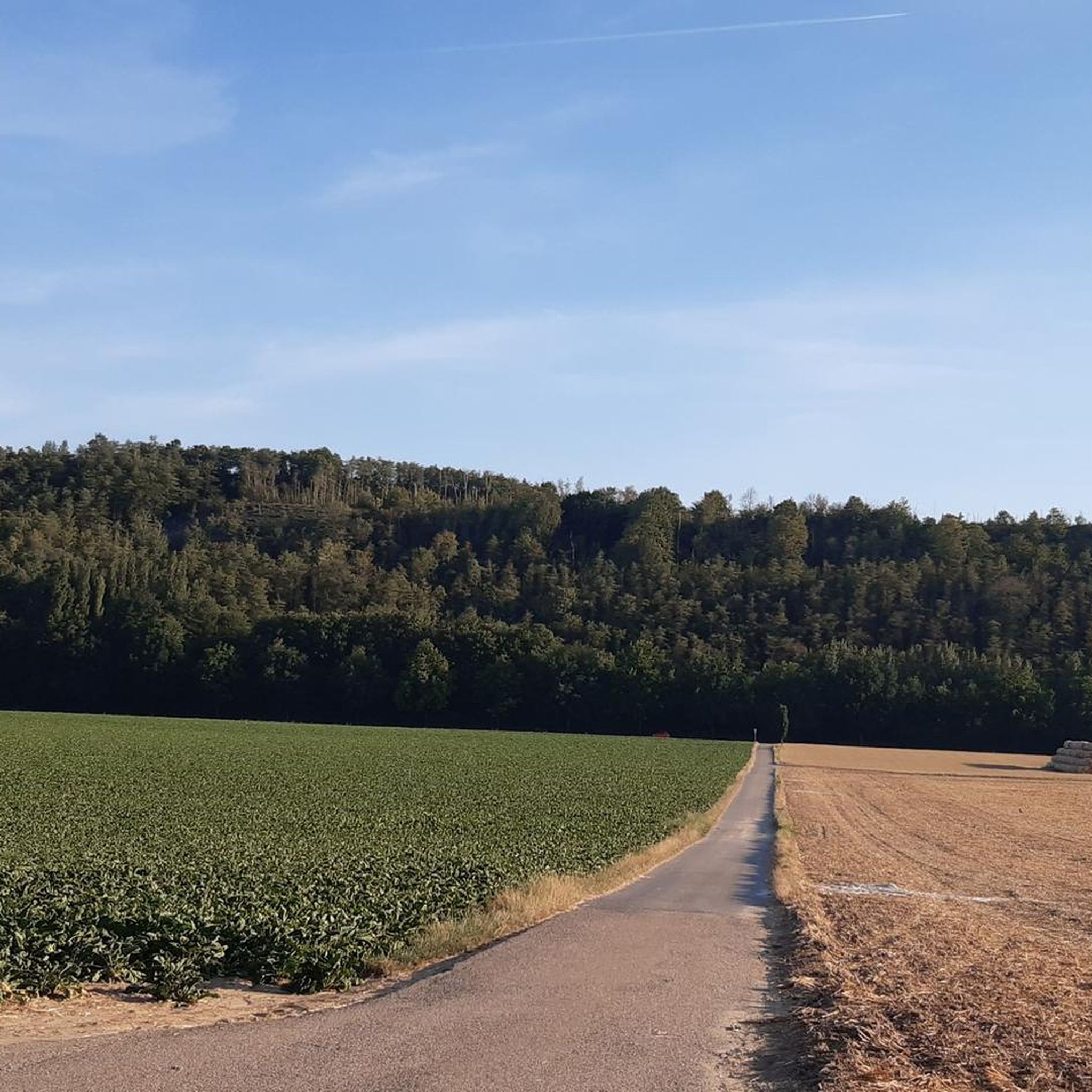
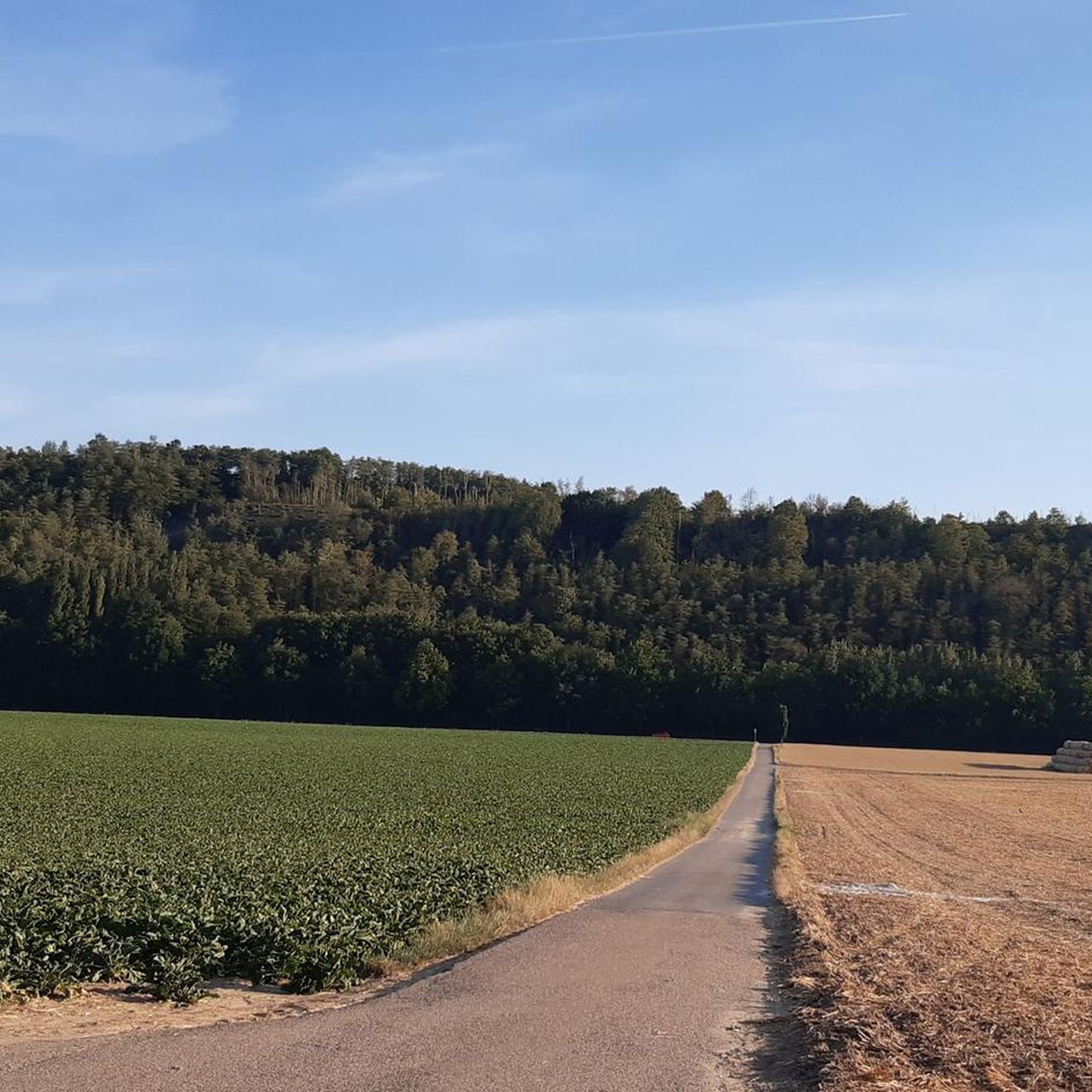
The open heath landscape lies on both sides of the wide, paved sand paths.
51
0

A beautiful route for hiking..a must in every season.
4
0

"... But now to the Christopherussee: It is considered to be particularly low in nutrients and bases. "This is very rare and brings to light its own special vegetation," explains the landscape manager with a look at the green-framed lake in which surrounding grass and trees are reflected. "The trees and shrubs directly around the lake have been removed so that no disturbing nutrients can get in," says Delling. Doesn't the intensive deforestation cause conflicts with forestry? "We have two different views, but we agree In some places, forestry is promoted, in others heathland, ”replies the employee of the lower landscape authority district of Heinsberg. Without the surrounding pine trees, the lake's shorelines and resident dragonfly species are allowed to grow undisturbed. The main resident of the lake, the little grebe, has its favorite food, the larvae of the Emerald Dragonfly, so sure. He swims peacefully across the lake, dives in between and can even catch fish under water - in complete contrast to humans. "Fishing is strictly prohibited, as is swimming in the lake," says Delling. In this habitat, too, the vegetation must be protected and promoted. ..." CONTINUED/FULL ARTICLE: https://www.aachener-zeitung.de/allgemeines/teverener-heide-idyllen-between-moor-und-heideland_aid-27164631
4
0
The Teveren Heath covers an area of approximately 4.5 km² west of the town of Teveren in the southern district of Heinsberg along the German-Dutch border and, together with the nearby nature reserves of Rodebach and Brunssummerheide, forms the Heath Nature Park. On the German side, the towns of Geilenkirchen and Übach-Palenberg as well as the municipality of Gangelt border the area, which has been part of the Green Metropolis project since 2008. On the Dutch side lies the town of Brunssum. To the north of the heath is the NATO Air Base Geilenkirchen, the home airfield of the NATO E-3A unit with its AWACS early warning system.
11
0
The Teverener Heide extends over an area of approximately 4.5 km² west of the town of Teveren in the southern district of Heinsberg along the German-Dutch border and together with the nearby nature reserves Rodebach and Brunssummerheide forms the Heidenaturpark. On the German side, the towns of Geilenkirchen and Übach-Palenberg and the municipality of Gangelt border the area, which has been part of the Grünmetropole[3] project since 2008. The city of Brunssum is on the Dutch side. North of the Heide is the NATO airbase Geilenkirchen, the home base of the NATO E-3A formation with its early warning system AWACS.
9
0
Frequently Asked Questions
What types of lakes can I find around Baesweiler?
The region around Baesweiler features a mix of natural and man-made lakes. You'll find lakes formed from former lignite mines, such as the Blausteinsee, as well as gravel pit lakes like Lago Laprello, and natural bog ponds, particularly within the Teverener Heide Lakes.
What water sports are available at the lakes near Baesweiler?
The Blausteinsee is a hub for water sports, offering swimming, diving, sailing, windsurfing, and stand-up paddling. It also has a designated bathing area with a large lawn for relaxation.
Are there good hiking opportunities around the lakes?
Yes, many lakes offer excellent hiking. The Blausteinsee has a circular path perfect for hiking, and the Teverener Heide Nature Reserve features an extensive network of paths through heathland, bogs, and forests. For more hiking options, explore the hiking routes around Baesweiler.
Which lakes are suitable for families?
Many lakes are family-friendly. The Blausteinsee offers a bathing area and various activities. The Teverener Heide Nature Reserve and its lakes provide easy walks and opportunities to observe nature, making them great for families.
Can I bring my dog to the lakes?
While dogs are generally welcome in natural areas, specific rules may apply to bathing areas or nature reserves. For example, at Blausteinsee Pavilion, it's suggested that dog owners visit during the week to avoid crowds. Always check local signage for specific regulations regarding dogs.
What natural features can I expect to see at the Teverener Heide Lakes?
The Teverener Heide Lakes are part of a nature reserve characterized by open heathland, wide sand paths, and a variety of small lakes, ponds, and bog ponds. This landscape supports over 200 endangered animal and plant species, making it a significant biotope for nature observation.
Is there any historical significance to the lakes in the region?
Yes, some lakes have historical significance related to lignite mining. The Blausteinsee, for instance, was created by filling a former open-pit mine. Memorial stones and crossroads around the lake serve as reminders of communities that had to relocate due to this mining.
When is the best time to visit the lakes around Baesweiler?
The best time to visit depends on your interests. For water sports and swimming, summer is ideal. For hiking and enjoying the natural beauty, spring and autumn offer pleasant temperatures and vibrant scenery. The heather in the Teverener Heide Nature Reserve is particularly beautiful when in bloom during August and September.
Are there cycling routes near the lakes?
Yes, the circular path around the Blausteinsee is suitable for cycling. The wider region also offers numerous cycling opportunities. You can find various routes, including easy to difficult options, by exploring the cycling guides around Baesweiler.
What kind of wildlife can be observed around the lakes?
The Teverener Heide Lakes and surrounding nature reserve are home to over 200 endangered animal and plant species. Visitors often spot diverse wildlife and flora in this tranquil setting, including deer and various bird species.
Are there any amenities or facilities near the lakes?
The Blausteinsee area is well-equipped with facilities, including a restaurant, a floating stage, and a viewing platform near the harbor. The designated bathing area also has a large lawn for relaxation. Other lakes, especially within nature reserves, might have fewer direct amenities but offer parking and trail access.
Are there any easy walks around the lakes suitable for all fitness levels?
Yes, many areas offer easy walks. The circular path around the Blausteinsee is generally easy to navigate. The Teverener Heide Nature Reserve also features wide, paved sand paths that are suitable for leisurely strolls. For more options, check out the easy hikes around Baesweiler.
What makes Pine Lake a unique spot?
Pine Lake, located within the Teverener Heide, is known for its incredibly calm and peaceful environment. It was formed from former clay and gravel mining, which created its unique landscape. It offers different views and light conditions depending on where you stand, providing a tranquil escape.
Most popular routes around Baesweiler
Most popular attractions around Baesweiler

Get inspired with the komoot mobile app


Explore more
Still not found your perfect lake around Baesweiler? Check out the guides of these regions to see even more beautiful places.
