The best walks and hikes around Baesweiler
4.4
(10669)
43,244
hikers
73
hikes
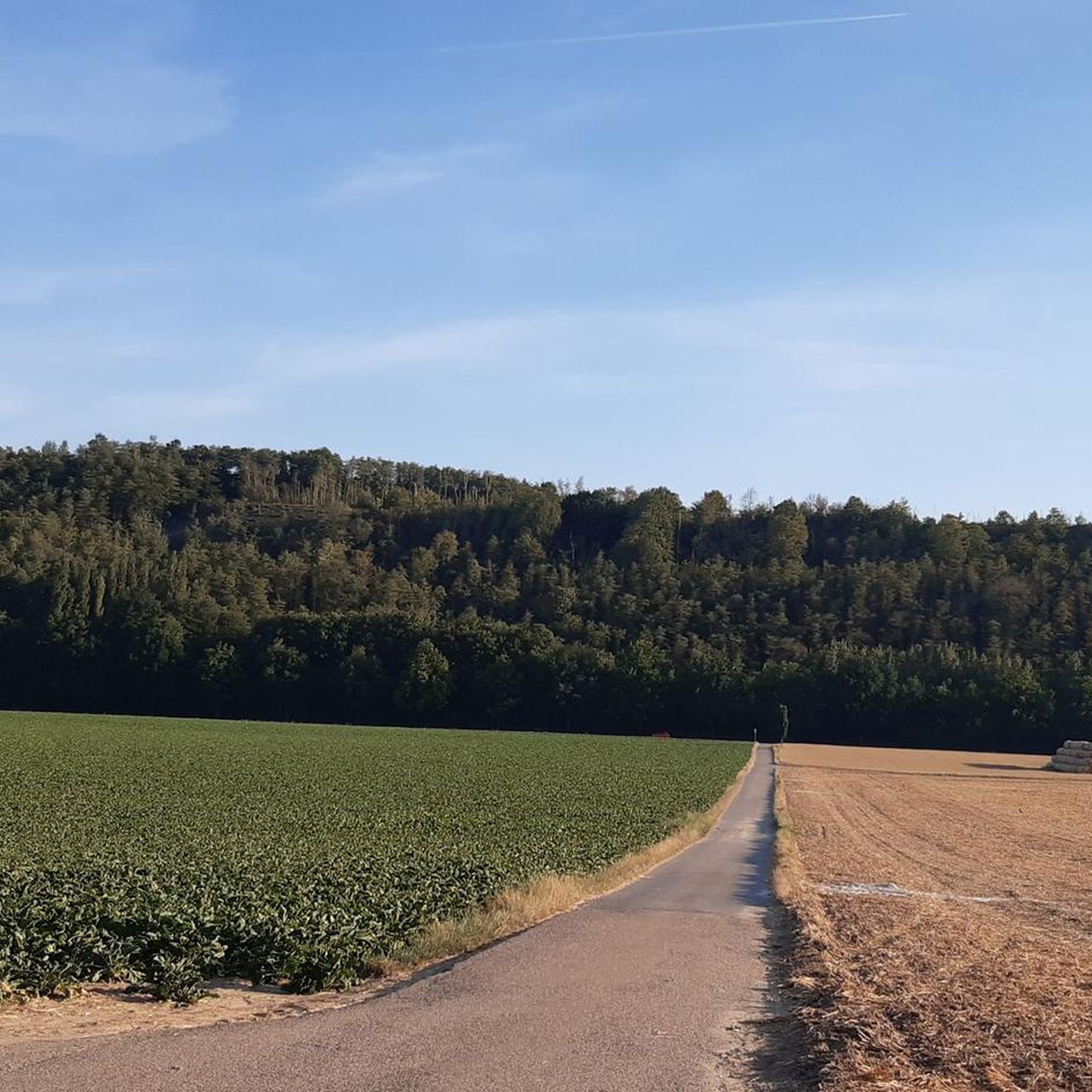
Hiking around Baesweiler offers a network of trails through varied landscapes. The region features re-naturalized former industrial areas, such as the Halden, alongside extensive woodlands and agricultural areas with historic orchards. The terrain is generally gently rolling, providing accessible routes for various fitness levels. The area's hiking trails are characterized by low elevation changes, making them suitable for casual walks and longer excursions.
Best hiking trails around Baesweiler
- The most popular hiking route is Halden Circular Hiking Trail – Bergfoyer…
Last updated: October 8, 2026
4.6
(37)
186
hikers
Easy hike. Great for any fitness level. Easily-accessible paths. Suitable for all skill levels.
4.7
(12)
69
hikers
Moderate hike. Good fitness required. Easily-accessible paths. Suitable for all skill levels.

4.0
(8)
34
hikers
8.64km
02:13
30m
30m
Moderate hike. Good fitness required. Easily-accessible paths. Suitable for all skill levels.
4.3
(3)
15
hikers
6.41km
01:38
20m
20m
Easy hike. Great for any fitness level. Easily-accessible paths. Suitable for all skill levels.
4.9
(9)
26
hikers
Easy hike. Great for any fitness level. Easily-accessible paths. Suitable for all skill levels.
Get access to more routes and recommendations from other explorers.
Already have an account?
Our route recommendations are based on thousands of hikes, rides, and runs completed by other people on komoot.
Start today with a free account
Your next adventure awaits.
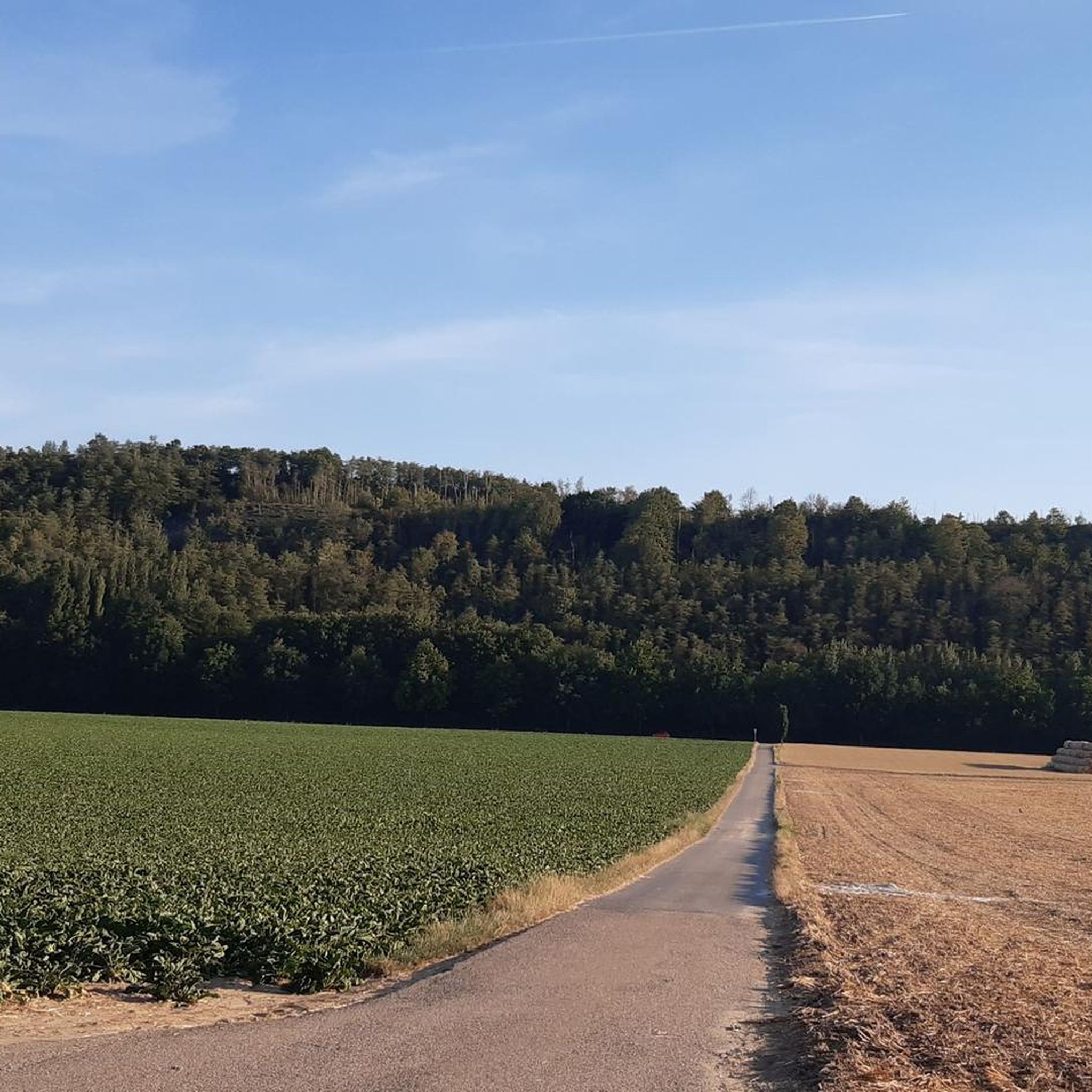
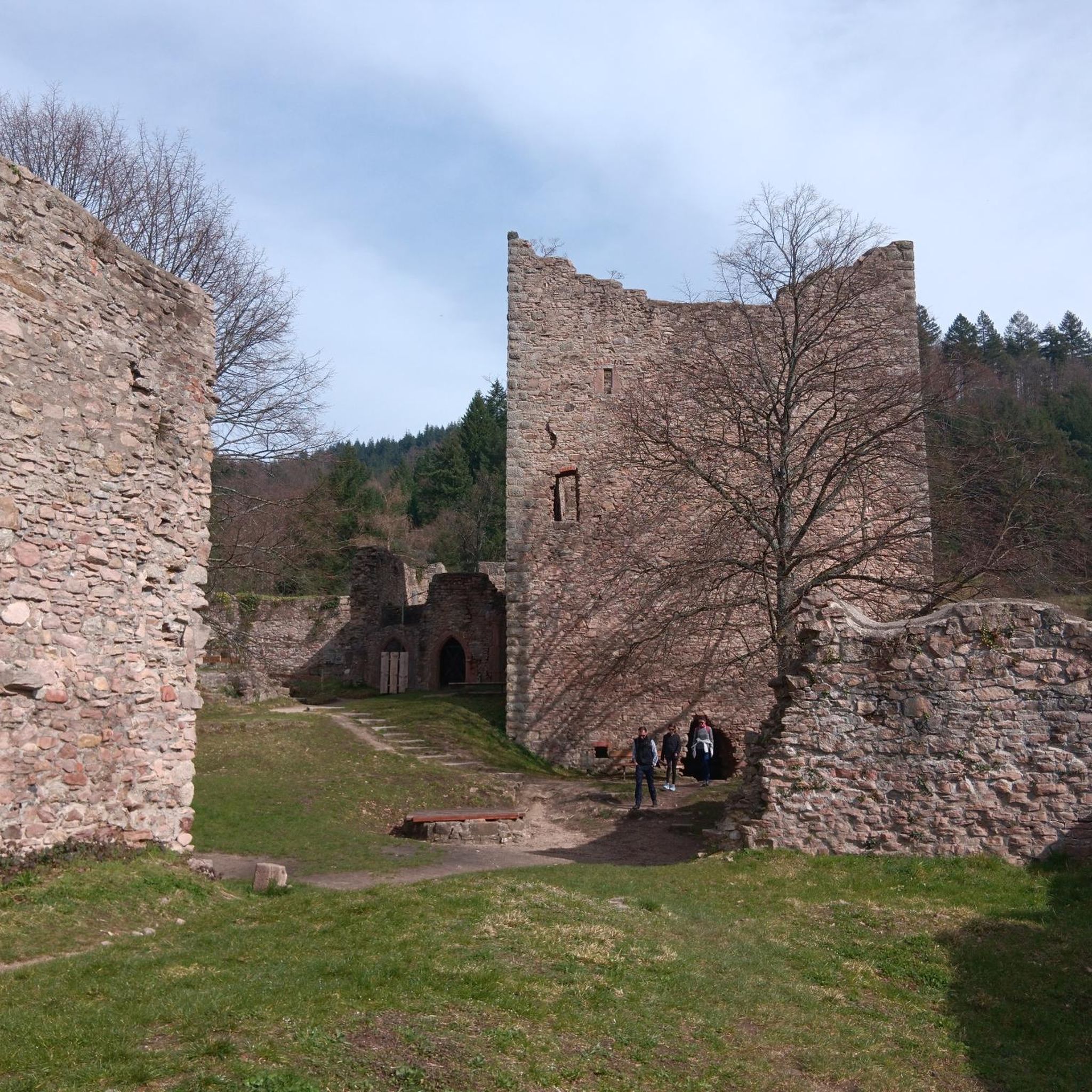
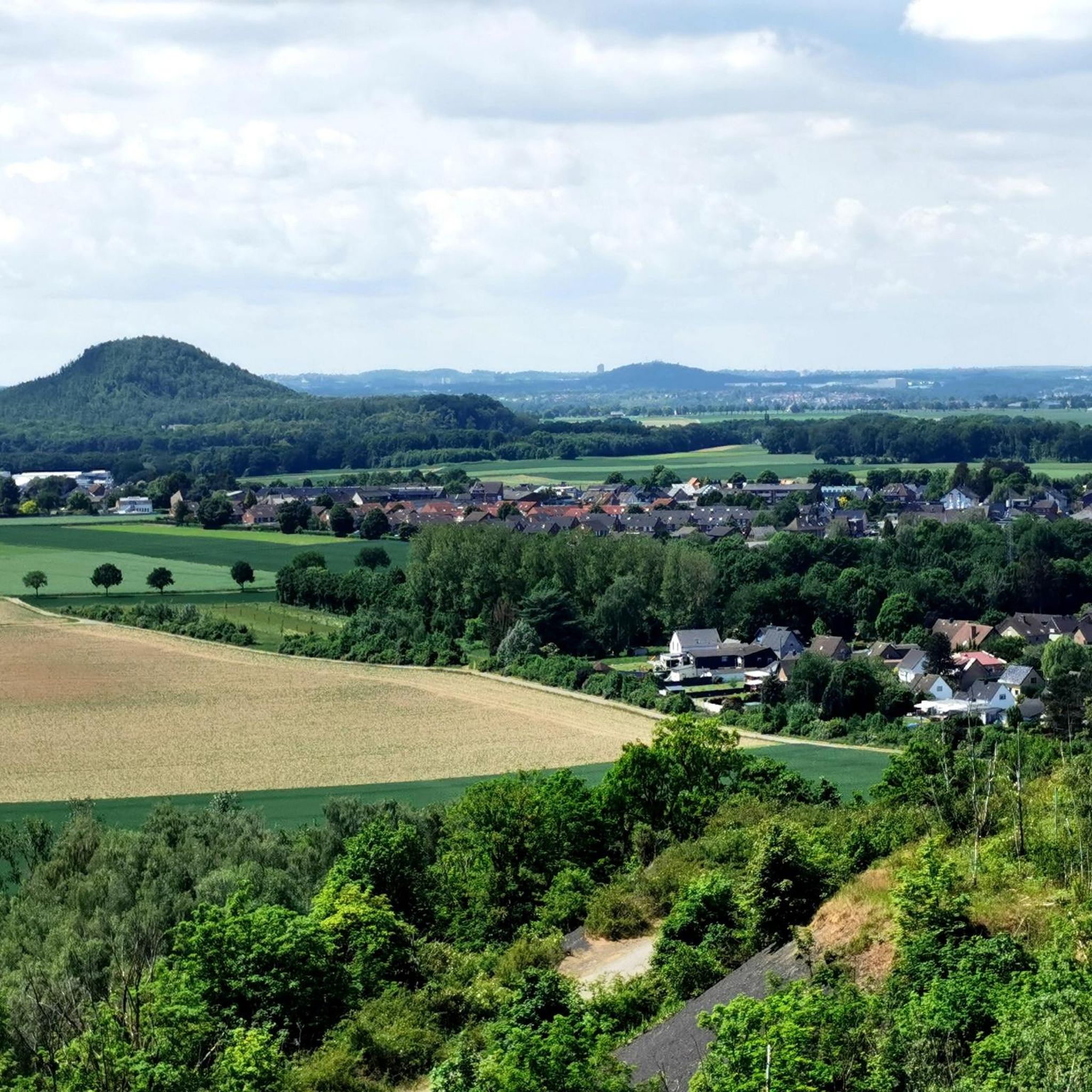

Tips from the Community

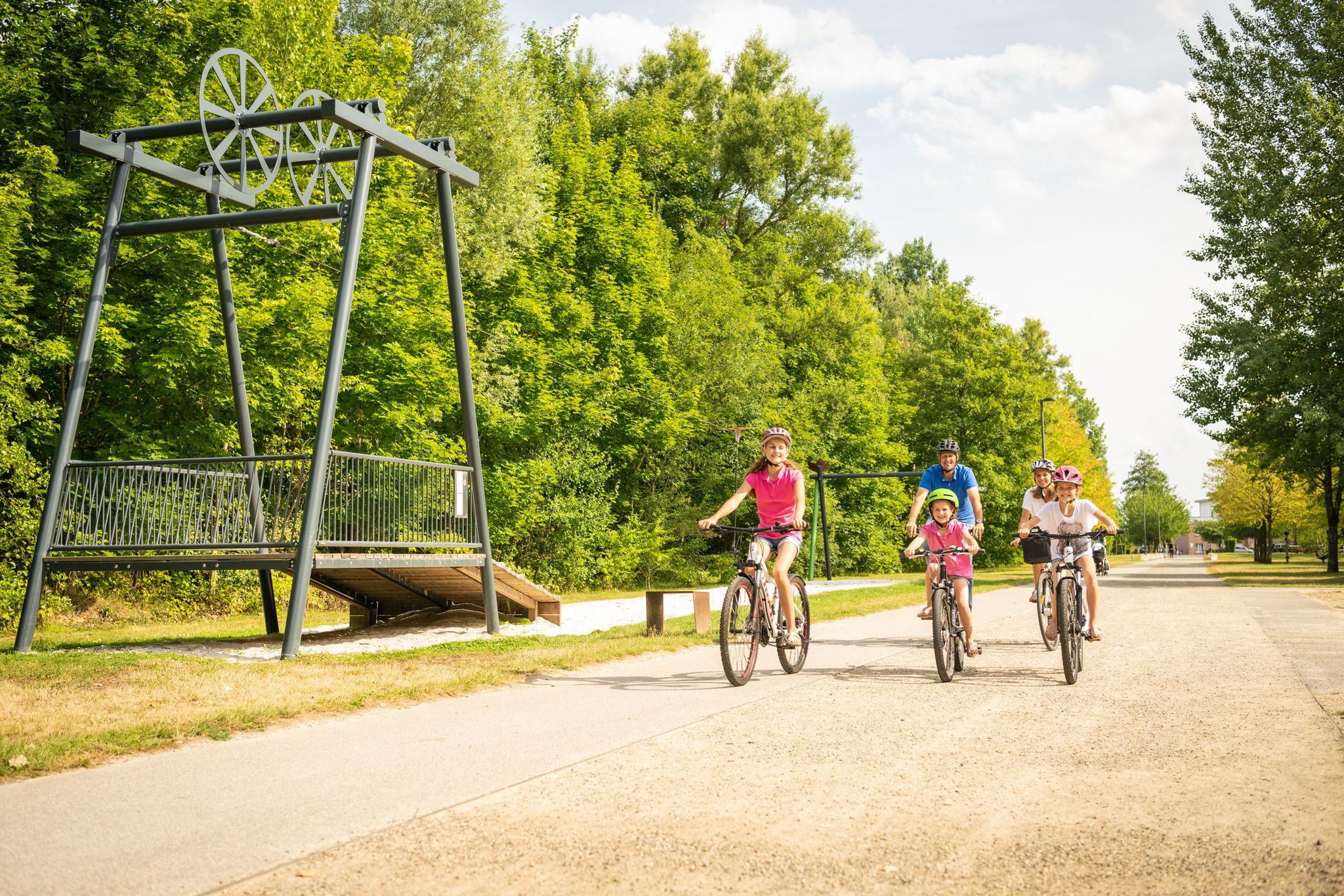
🌉 Schwebesteg – the Suspension Bridge in Carl-Alexander Park The Schwebesteg is one of the most characteristic features of the hiking trail in Carl-Alexander Park near Baesweiler, Germany. The name Schwebesteg means "suspended" or "floating" pedestrian bridge, and that's precisely what you'll find here: a bridge that forms a path above ground level through the trees and forms part of the ascent to the viewing platform on the Bergehalde Carl-Alexander. The Schwebesteg is a suspension bridge, approximately 25 meters long, that begins shortly after leaving the Bergfoyer and then transitions into the Himmelsstiege and the stairs leading to the summit plateau of the large slag heap. The bridge allows you to walk above the forest and the slope halfway up the ascent, creating an experience that is visually and physically different from a regular hiking trail.
0
0
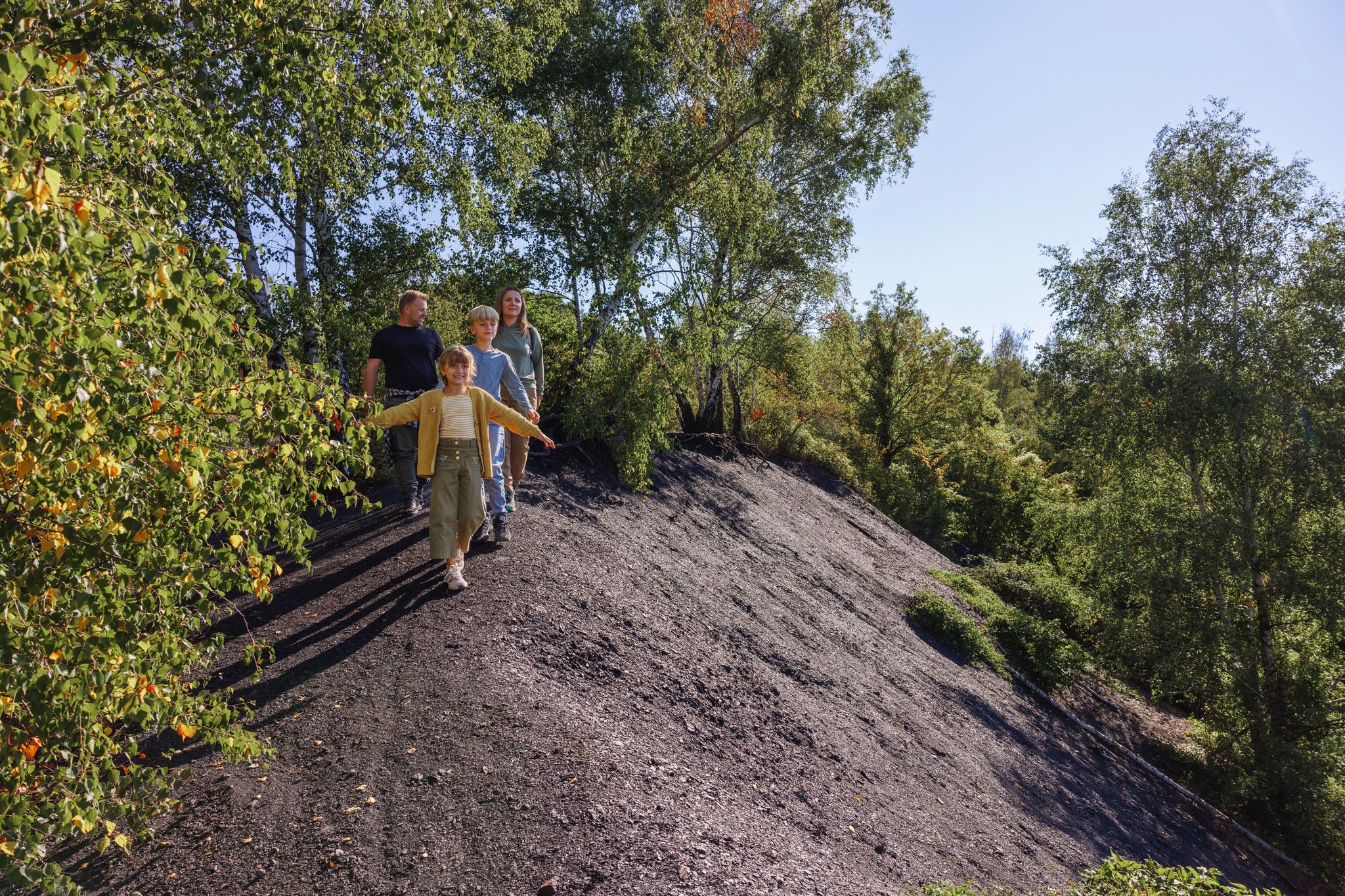
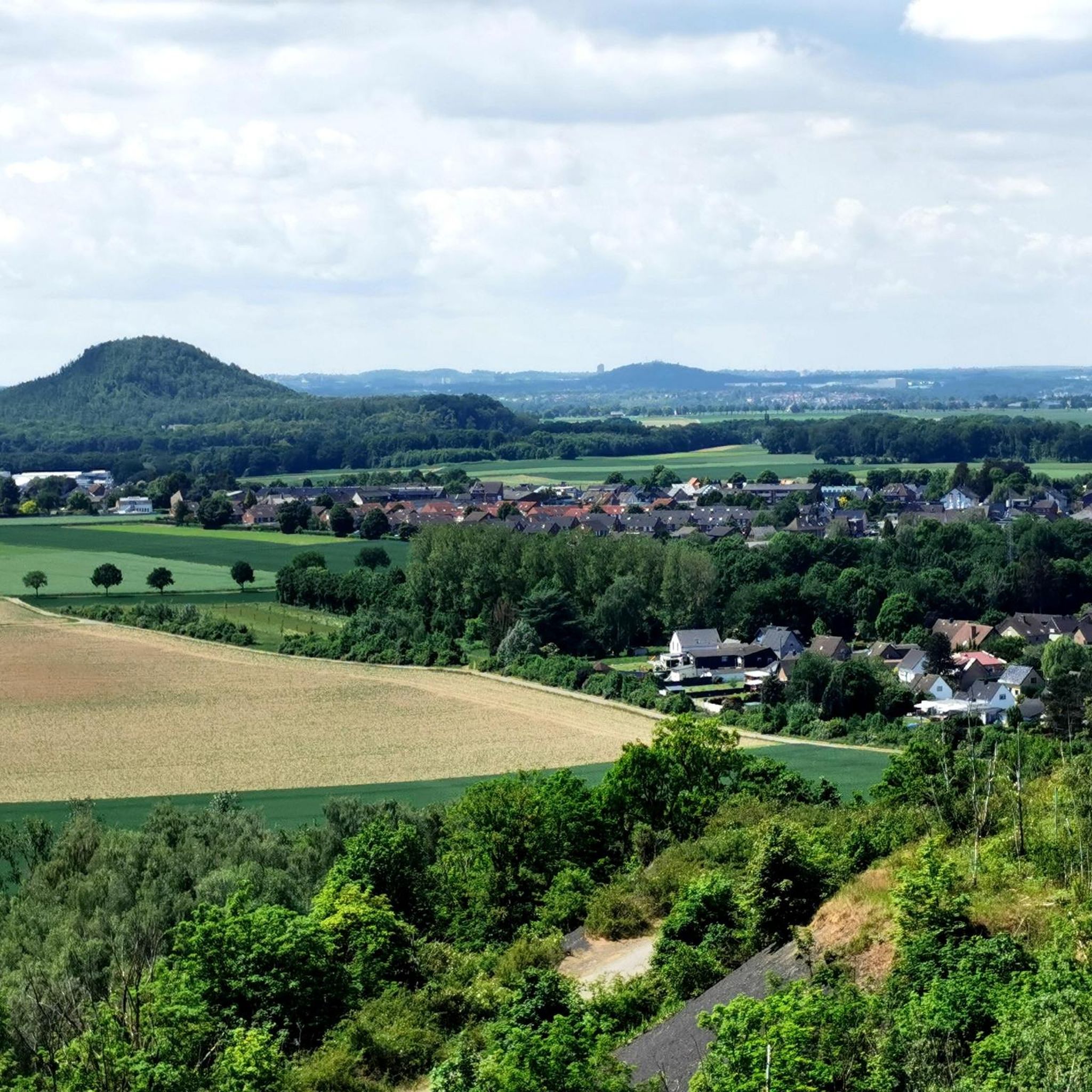
🏞️ Carl-AlexanderPark – landscape history and transformation. Carl-AlexanderPark is located on the site of the former Grube Carl Alexander coal mine in Baesweiler, North Rhine-Westphalia, Germany. The mine began extracting coal in 1921 and ceased operations in 1975, with the last mine in the area closing in 1992. The remaining structures, particularly the high bergehalde (mine stone deposits), still dominate the landscape. Between 2002 and 2008, the area was redeveloped as a public park with a landscape architectural design that combines nature, recreation, heritage, and viewpoints. This project was part of the EuRegionale 2008 and has also won regional architecture awards. The park is open and free to enter, combining nature experiences with reminders of the region's industrial history. The route to the top is a hike suitable for most hikers in terms of length and difficulty, yet still offers a sense of adventure. You begin at the striking Bergfoyer (the park's central information and starting point) and walk across a suspension bridge between the treetops, then enter the Himmelsstiege, which takes you over 80 meters of elevation to the viewing platform. The path runs partially above ground through the trees, providing a rewarding climb over the surrounding landscape. The steps are steep but manageable, and there are places along the way to rest and take in the scenery. Once you reach the top, a spectacular panorama of the surrounding Meuse-Rhine Euregio unfolds. On clear days, the view extends across fields, forests, and villages to the horizon. This view emphasizes the contrast between the region's industrial past and its reclaimed natural value as a recreational and natural environment. The plateau is a popular spot for photography, tranquility, and experiencing the spatial scale of the landscape. The climb and the view make the Himmelsstiege one of the biggest attractions of CarlAlexanderPark for hikers and nature lovers.
0
0
CarlAlexanderPark is a large recreation and out-of-the-way area in the German town of Baesweiler (North Rhine-Westphalia), near the border with the Netherlands. It is best known for its landscape park, which was created on the site of a former coal mine, and its Bergfoyer (Bergfoyer) as a central starting point for visitors. CarlAlexanderPark is a redeveloped former mining site (Grube Carl Alexander) that now serves as a large-scale nature walking and recreation area. The old coal deposits (heaps/halde) have been transformed into a park with hiking trails, viewpoints, and recreational facilities. The park has several paths and a steep route to an 80-meter-high mountain plateau with views over the Meuse-Rhine Euregion. The halde and surrounding areas have been restored as a nature reserve with unique flora and fauna, and information signs along the path. There are also playgrounds, open spaces, and a youth campsite in the Bergpark at the foot of the halde.
0
0

The old railway line where the coal was once loaded.
2
0
Baesweiler is a very beautiful town
0
1

Great starting point
0
1

The Baesweiler Chapel, also known as the Sebastianus Chapel, is a charming little chapel in Baesweiler, North Rhine-Westphalia, Germany. It was built between 1880 and 1890 on the site of an older medieval chapel that gave the area its name (Bastwilre/Sebastianusweiler). The chapel is owned by the EBV (Eschweiler Bergwerks-Verein) and is a beautiful place for quiet reflection and historical research.
1
0

A wonderful panoramic view! And unlike other slag heaps in the area, there is a path here that you can actually ride all the way up on a touring bike (even if it is strenuous). On the last upper section of the ascent path, slabs have even been laid instead of gravel to give the bike tires a better grip.
2
0
Frequently Asked Questions
How many hiking trails are there in Baesweiler?
Baesweiler offers a diverse network of over 70 hiking trails. These routes cater to various preferences, with a significant number of easy options and several moderate trails for those seeking a bit more challenge.
Are there easy hiking trails suitable for beginners or families in Baesweiler?
Yes, Baesweiler is well-suited for beginners and families, with nearly 60 easy hiking trails. These routes feature generally gently rolling terrain and low elevation changes. A great option is the Halden Circular Hiking Trail – Bergfoyer CarlAlexanderPark loop from Baesweiler, which is 6.2 km long and explores re-naturalized industrial landscapes.
What kind of landscapes can I expect to see while hiking around Baesweiler?
Hiking around Baesweiler offers a mix of landscapes, including re-naturalized former industrial areas like the Halden, extensive woodlands, and agricultural areas with historic orchards. The terrain is generally gently rolling, providing accessible routes through varied scenery.
Are there any circular hiking routes in Baesweiler?
Yes, many trails in Baesweiler are designed as circular routes. For example, the Halden Circular Hiking Trail – Bergfoyer CarlAlexanderPark loop from Beggendorf is a popular 8.3 km loop through parkland and former industrial sites. Another option is the Historic Orchard Eifel – Station Flowerich loop from Floverich, an easy 6.4 km route.
Are there longer hiking routes for more experienced hikers in Baesweiler?
While Baesweiler's terrain is generally gentle, there are moderate routes that offer a longer experience. The Siersdorfer Woods – Disused Railway Terminus loop from Setterich is a moderate 8.6 km path leading through woodlands and past historical railway features, perfect for a longer outing.
What are some interesting natural sights or landmarks to explore near Baesweiler?
The region around Baesweiler features several natural highlights. You can explore the Teverener Heide Nature Reserve, or visit bodies of water like Pine Lake and Lake Christopherus. The Restored section of the Wurm river also offers scenic views.
Are there places to rest or have a snack along the trails in Baesweiler?
Yes, you can find places to rest and refuel. For instance, the Floßdorf River Hut and the Afrikanische Hütte Eifel are available. Additionally, the Gillrather Bruch Rest Area provides a spot to take a break.
What do other hikers say about the trails in Baesweiler?
The hiking trails in Baesweiler are highly regarded by the komoot community, with an average rating of 4.5 stars from over 170 reviews. Hikers often praise the varied terrain, which includes re-naturalized industrial areas, woodlands, and agricultural landscapes, making for diverse and enjoyable walks.
Is Baesweiler suitable for winter hiking?
Baesweiler's generally gentle and low-elevation terrain makes it suitable for winter hiking, provided conditions are safe. The woodlands and re-naturalized areas can offer peaceful, scenic walks in colder months. Always check local weather and trail conditions before heading out.
Are there any historical or cultural points of interest along the hiking routes?
Yes, some routes incorporate historical elements. For example, the Kapellchen Chapel, Baesweiler – Heggeströfer Railway Memorial loop from Baesweiler is an easy 7.6 km trail that passes by the Kapellchen Chapel and the Heggeströfer Railway Memorial, offering a glimpse into the region's past.
Can I spot wildlife while hiking in Baesweiler?
The diverse landscapes of Baesweiler, including woodlands and natural reserves like the Teverener Heide, provide opportunities for wildlife spotting. Keep an eye out for local birds and small mammals, especially in quieter areas and during dawn or dusk. The Bird Observation Tower at Rurmäander Lake is a dedicated spot for birdwatching.
Most popular routes around Baesweiler
Most popular attractions around Baesweiler

Get inspired with the komoot mobile app


Explore more
Browse the best Hikes in other regions.
