Top 20 Caves around Clausthal Zellerfeld
Best caves around Clausthal Zellerfeld are found within the Harz Mountains, a region characterized by its geological formations and natural landscapes. Clausthal-Zellerfeld serves as a central point for exploring the subterranean features of this area. The region is known for its karst caves and historical mining tunnels, offering insights into both natural processes and human activity. These underground sites contribute to the area's appeal for outdoor enthusiasts and those interested in geology.
Best caves around Clausthal Zellerfeld
- The most popular…
Last updated: May 20, 2026
Bärenhöhle (Beckers Grube) near Goslar
Highlight • Cave
Translated by Google •
Tip by

Iberger Dripstone Cave and Cave Experience Center
Highlight • Cave
Translated by Google •
Tip by

Sign up now to discover places like this
Get recommendations on the best single tracks, peaks, & plenty of other exciting outdoor places.
Sign up for free
Mouth of the Zellfelder Kunstgraben
Highlight • Structure
Translated by Google •
Tip by

Bärenhöhle (Bear Cave) – Bat Winter Quarters
Highlight • Cave
Translated by Google •
Tip by

Translated by Google •
Tip by

Sign up for free to discover even more caves around Clausthal Zellerfeld.
Sign up for free
Already have an account?
Start today with a free account
Your next adventure awaits.
Login or Signup
Popular around Clausthal-Zellerfeld
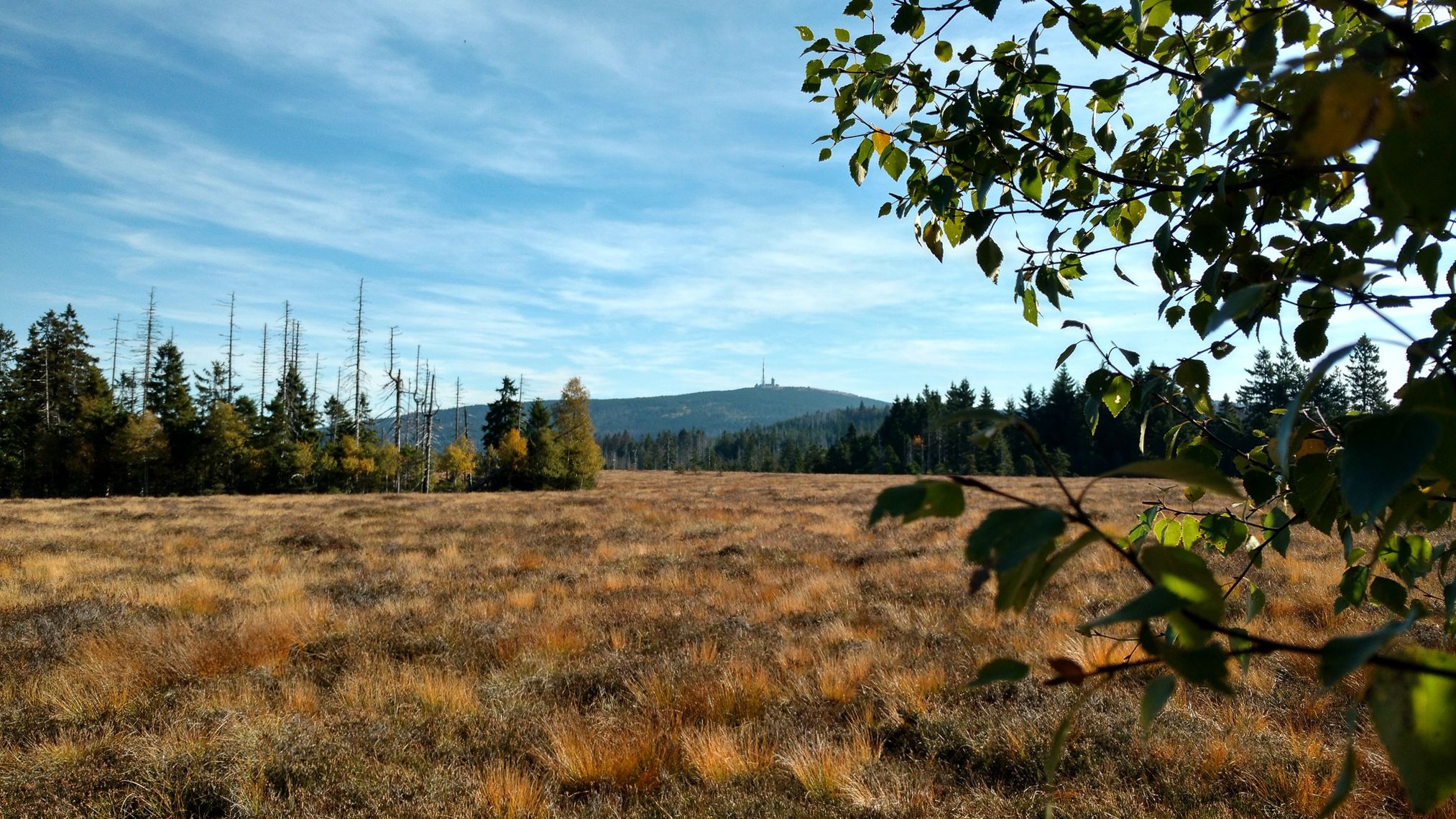
Harz Witches' Trail – A magical journey through Germany
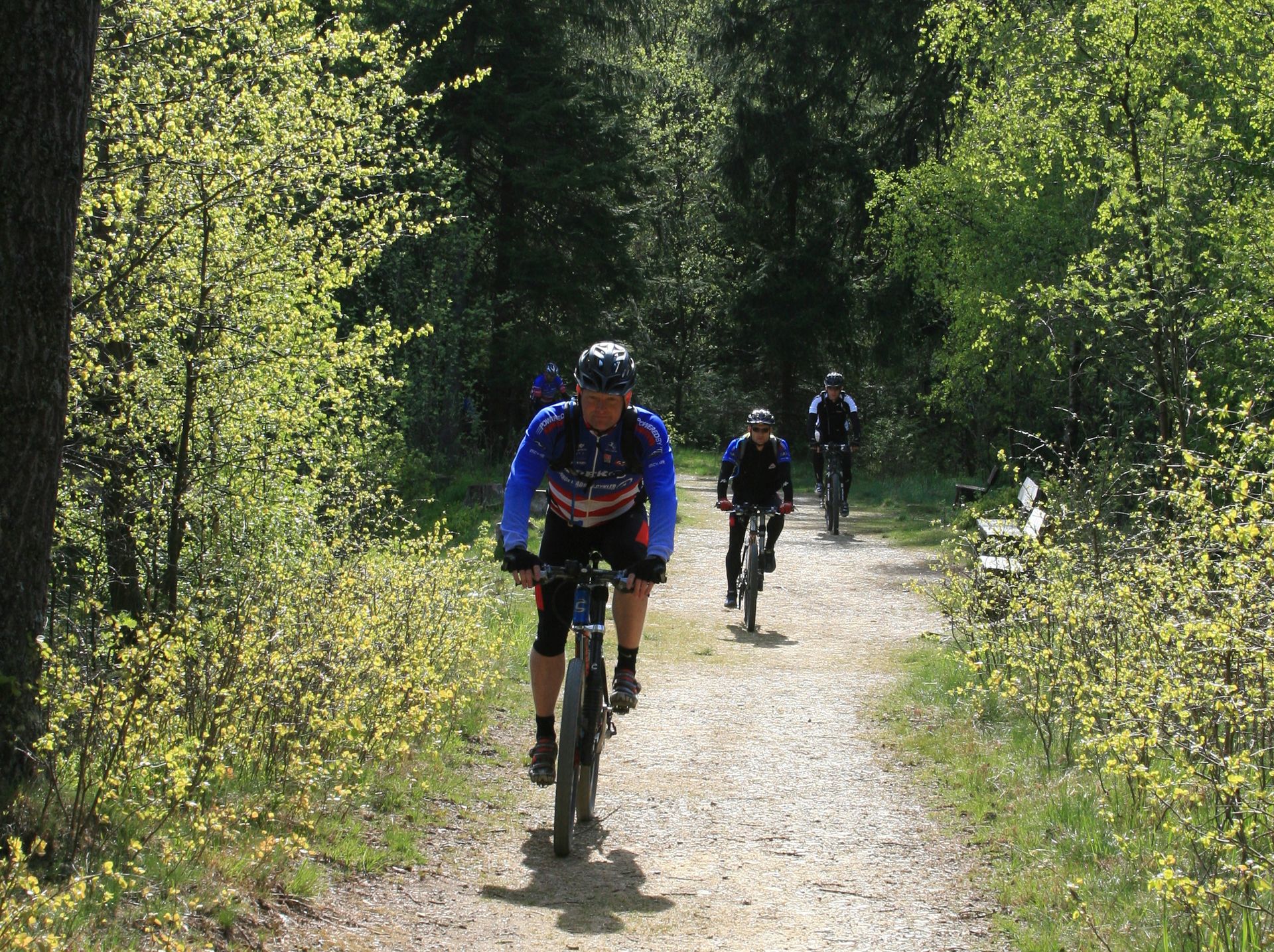
Mountainbike Routes in Nationalpark Harz
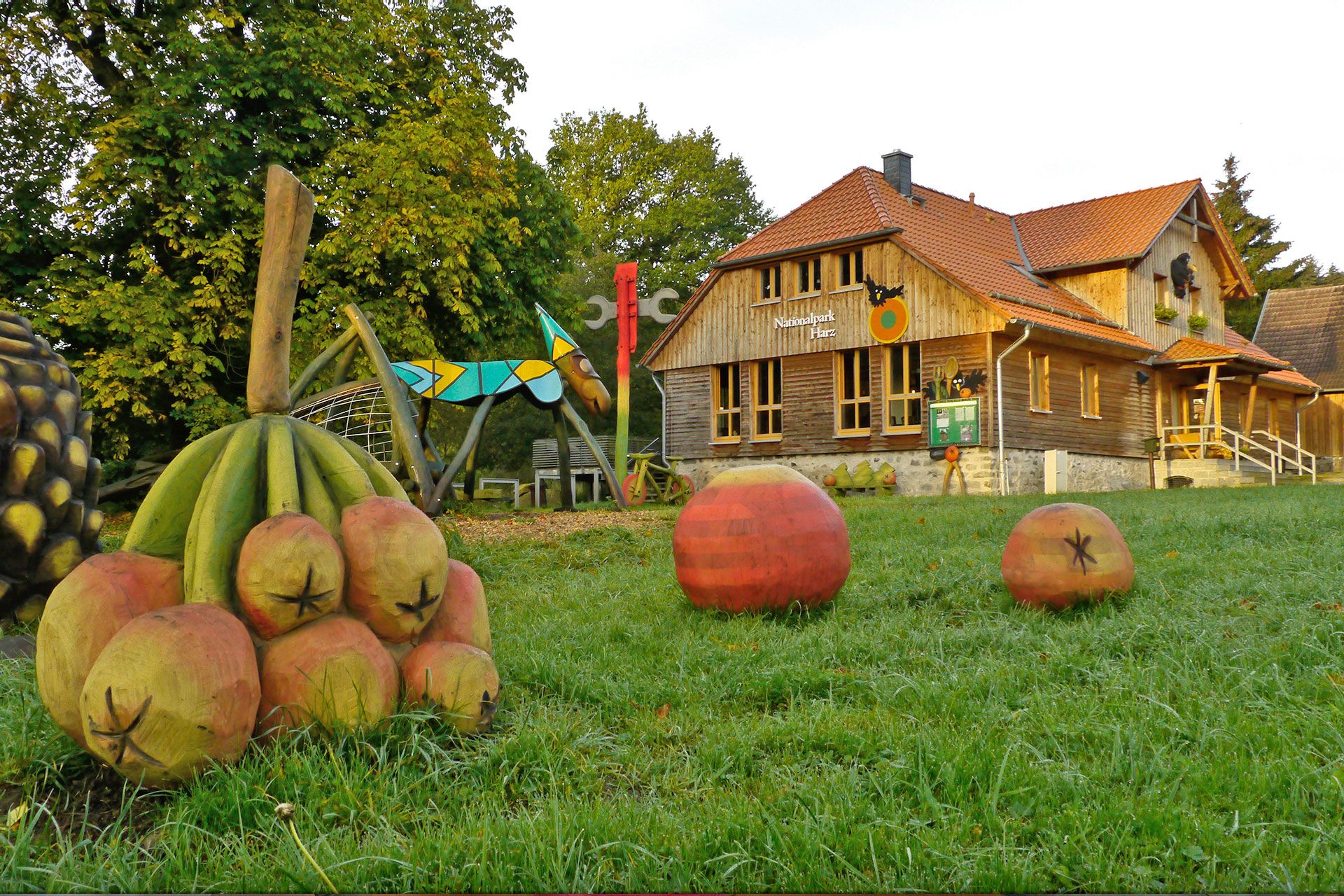
National park facilities in Harz National Park
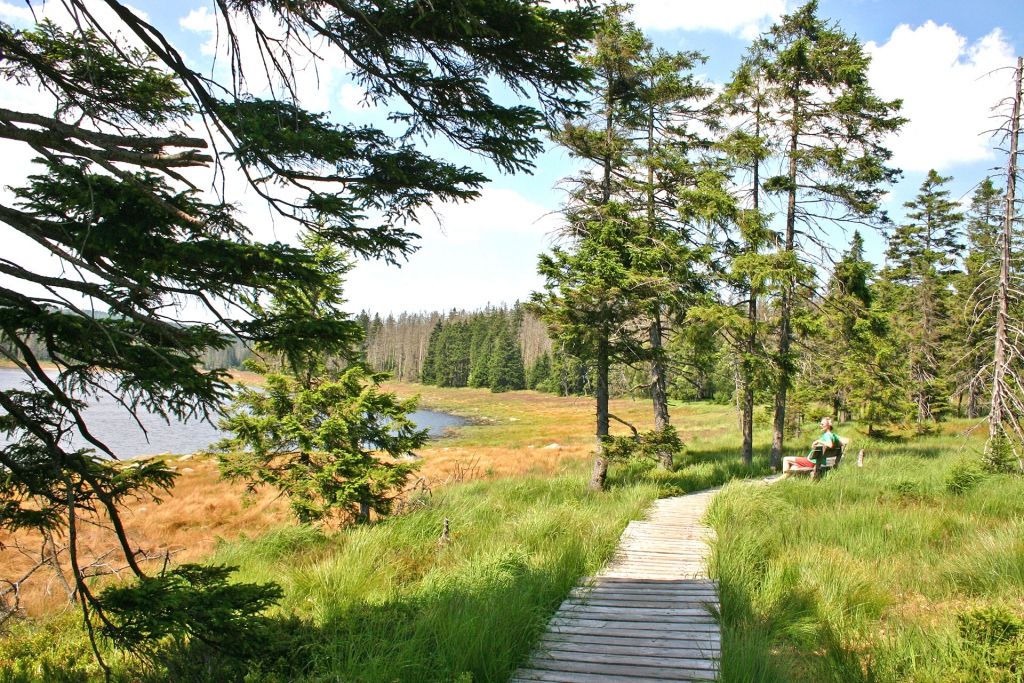
The most beautiful hiking tours in Harz National Park

Nature experience trails in Harz National Park
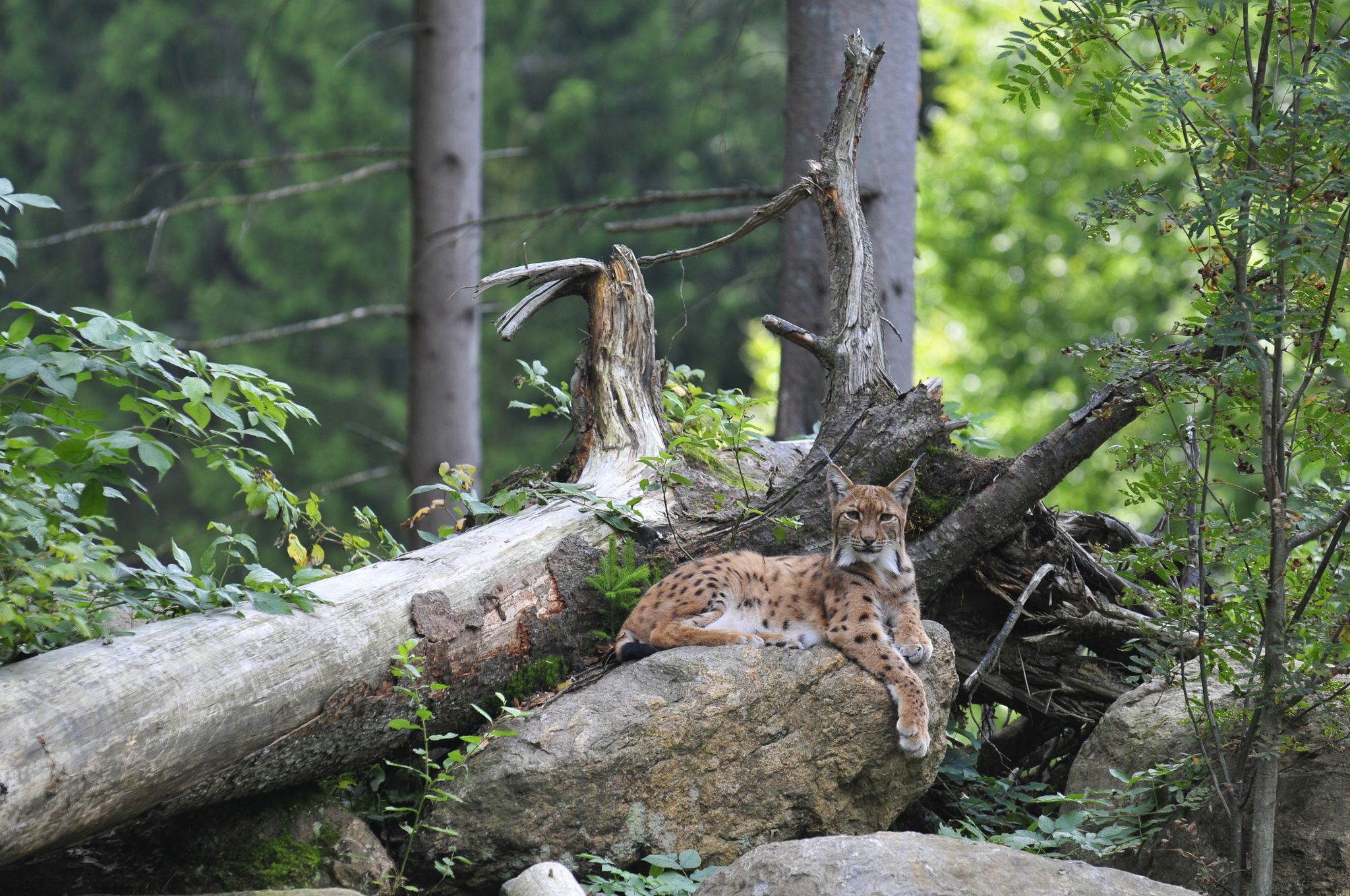
Discover the Green Belt in the Harz Mountains with BUND
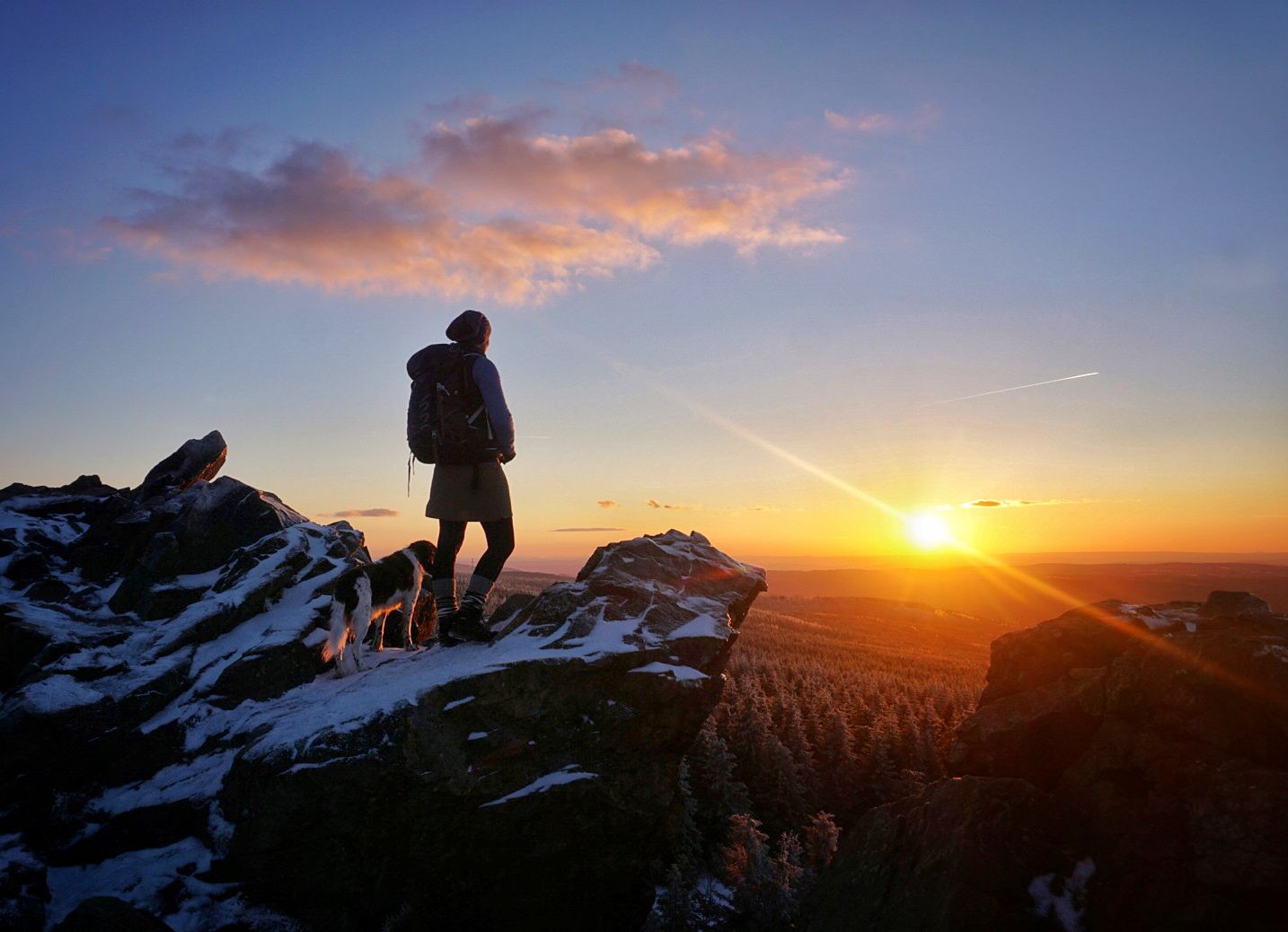
Explore beautiful winter hikes in Germany’s Harz Mountains
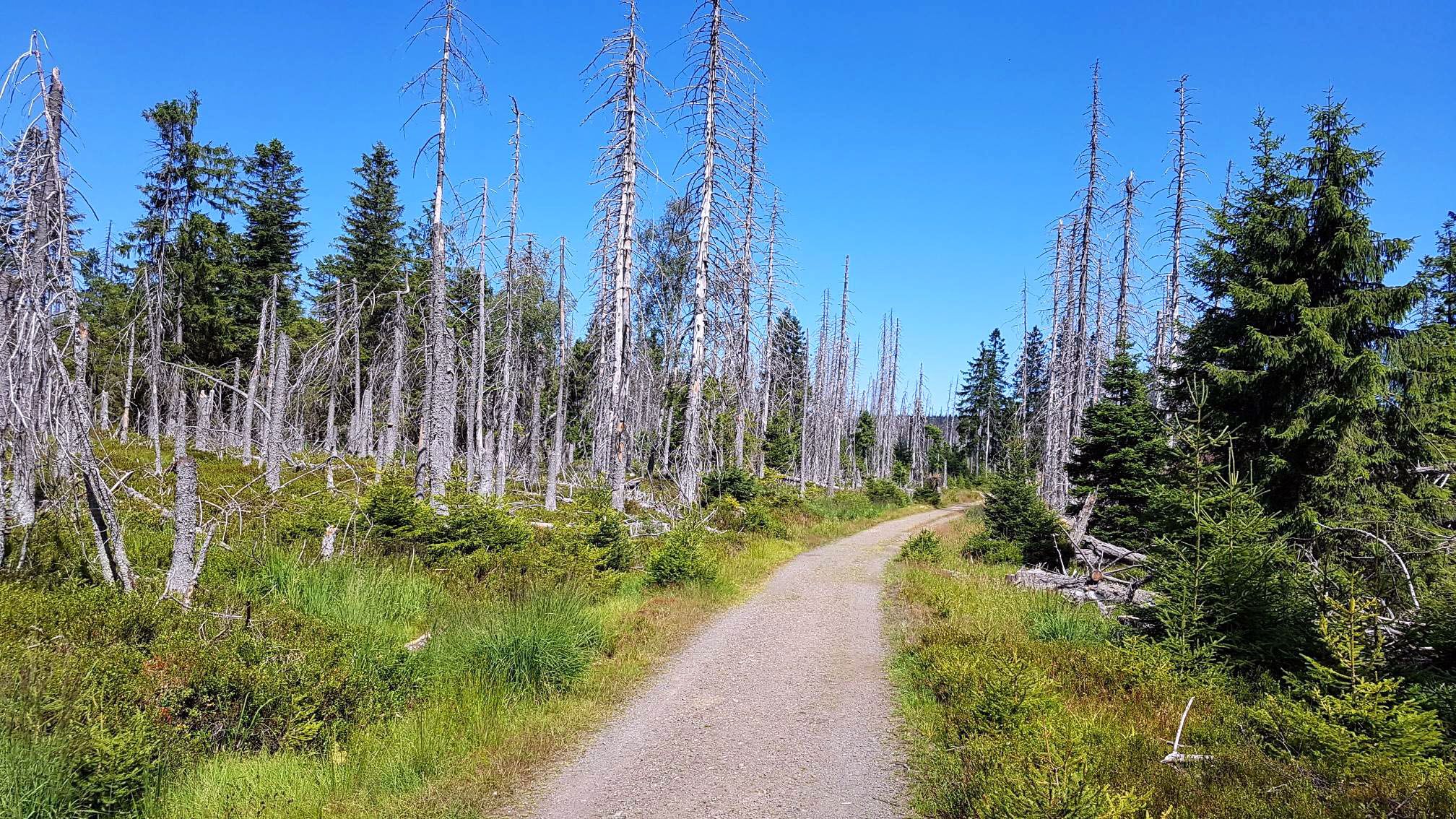
Moors, forests & trails – a Trans Harz double whammy
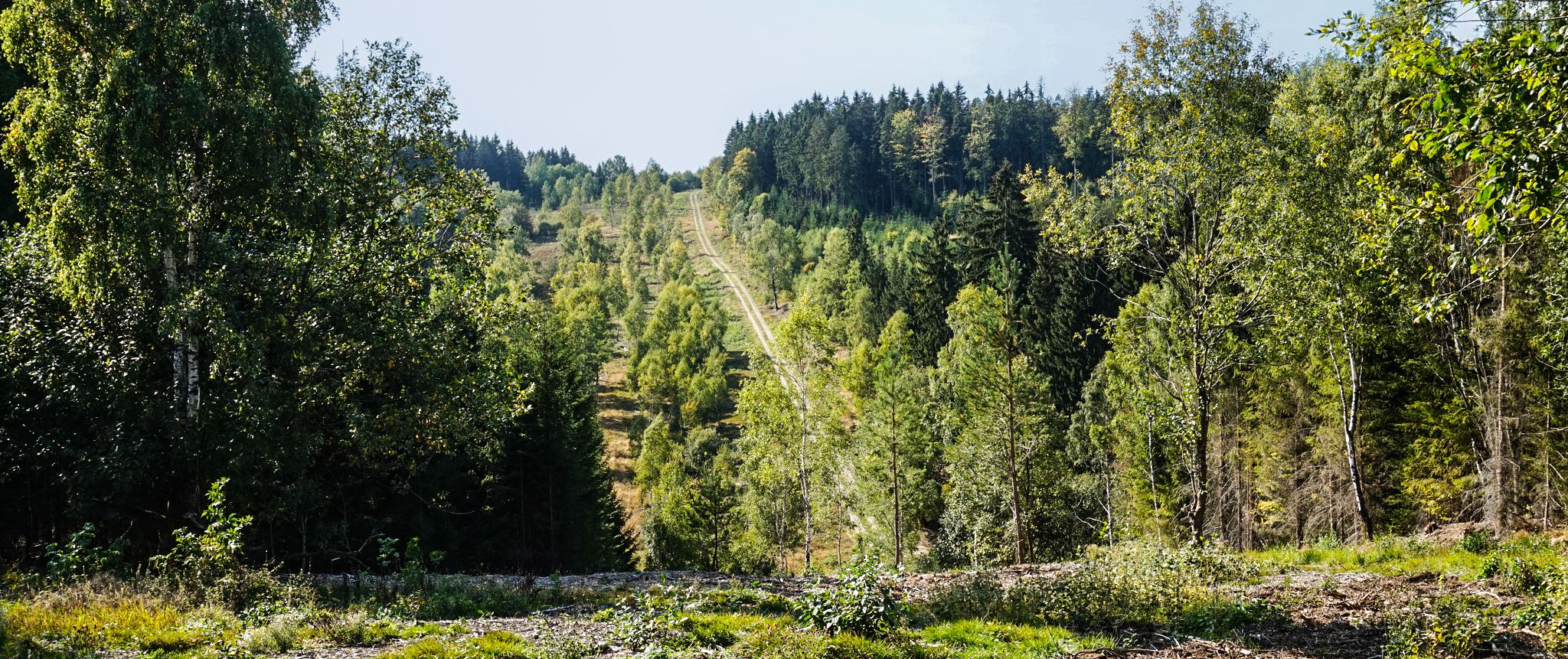
Discover the nature along the “Greenbelt” together with the BUND
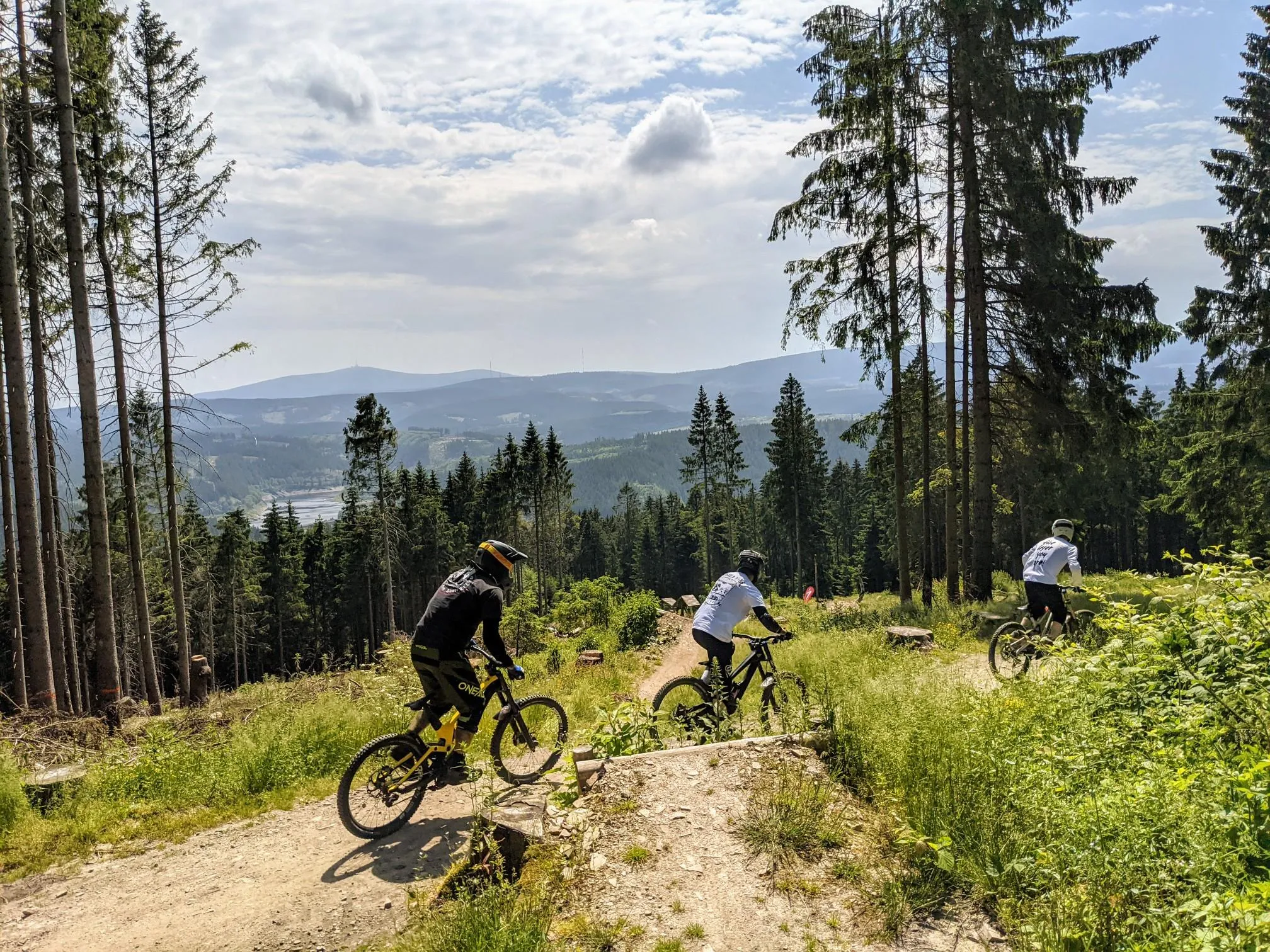
Finest trails, pure nature — the best of the Harz Mountains
Other adventures around Clausthal Zellerfeld


Tips from the Community

Between rock and stream, a beautiful path.
1
0

A worthwhile sight
4
0
There is also a mouth hole from which water comes from the mountain.
3
0

The Iberg stalactite cave is located in the middle of the Iberg, a limestone massif that originally emerged from a limestone reef around 380 million ago. Some of the former reef inhabitants are still preserved as fossils on cave walls and can be discovered on a guided tour. During the approximately 30-minute guided tour, you will also learn why the Iberg stalactite cave is a rare type of corrosion cave, about the cave's history of exploration and which residents it once and now houses. In addition to the show cave, which can only be visited as part of a guided tour, you can also visit the three exhibition rooms with the themes “Fascination of Caves”, “A Traveling Reef” and “The “Oldest” Family in the World”. Admission always includes a cave tour. Adults pay 10 euros and children and young people up to 17 years pay 6.50 euros. In December to June and September from Tuesday to Sunday and on public holidays, the Cave Adventure Center is open from 10 a.m. to 5 p.m. In July, August and October it is even open to visitors every day from 10 a.m. to 5 p.m.
4
1

Iberger stalactite cave awaits the visitor with stone secrets that are millions of years old in a modern setting as well as a journey from the Paleolithic to the Middle Ages. The Iberg, which consists of a limestone massif, is located above the town of Bad Grund. In the adventure center you walk on a 160 meter long path blasted into the mountain directly through the ancient reef. The most important attraction of the Cave Experience Center is the Iberg stalactite cave.
4
0

You will be surprised by a large cave. A small path leads there!
1
0
Above the Innermost 🌊💙 with many rapids. Wonderful noise, wildly romantic roar 🌊💙. Lots of interesting information about information boards on the Geological Trail in Lautenthal.👌🏼 Impressive rock formations, great photo opportunities 📸
1
1

Bears have never lived in the Bear Cave and it is not a natural cave, but a man-made cavity that was created to mine slate. You can only enter the beginning of the cave, then a protective grille is attached.
1
0
Frequently Asked Questions
What unique natural features can I explore in the caves around Clausthal-Zellerfeld?
The Harz region offers diverse natural cave features. The Iberger Dripstone Cave and Cave Experience Center is known for its impressive stalactite formations and preserved fossils from an ancient reef. Further afield, the Rübeland Caves, including Baumannshöhle and Hermannshöhle, showcase extensive stalactites and stalagmites, with Hermannshöhle being the only place in Germany where rare olms (aquatic salamanders) have been settled.
Are there any historical caves or sites related to mining in the area?
Yes, the region has a rich history tied to mining. The Mouth of the Zellfelder Kunstgraben is a historical man-made feature, part of an ancient water management system, where water emerges from the mountain. This site offers a glimpse into the historical engineering of the Harz mining industry.
Which caves are suitable for families with children?
The Iberger Dripstone Cave and Cave Experience Center is highly recommended for families. It offers guided tours to observe fossils and learn about the cave's formation, along with three exhibition rooms. The Rübeland Caves also provide special flashlight tours for children, making them an engaging experience for younger visitors.
What should I wear when visiting the caves?
Caves maintain a constant cool temperature, typically around 8-9°C, with high humidity, regardless of the weather outside. It is advisable to wear warm clothing and sturdy, non-slip shoes for comfort and safety, as paths can be damp or uneven.
Are there any caves that serve as wildlife habitats?
Yes, the Bärenhöhle (Beckers Grube) near Goslar is a small, hidden cave that serves as a bat house. Information boards at the site detail its significance as a bat habitat. The Hermannshöhle, part of the Rübeland Caves, is also notable for being the only place in Germany where rare olms (aquatic salamanders) reside.
Can I find any legendary or mythical caves in the Harz region?
The Unicorn Cave (Einhornhöhle) in the western Harz Mountains is steeped in legend. In the Middle Ages, bones found here were believed to belong to unicorns, though they were later identified as remains of cave bears. This karst cave offers a blend of natural wonder and historical intrigue, making it a fascinating visit.
What kind of geological formations can be seen in the Harz caves?
The Harz caves showcase a variety of geological formations. The Iberger Dripstone Cave is a rare corrosion cave with impressive stalactites. The Unicorn Cave is a significant karst cave formed from Permian Zechstein dolomite. The Barbarossa Cave, though further east, is known for its unique alabaster, snake plaster, and curved plaster lobes, alongside huge cavities and shimmering blue-green lakes.
Are there hiking opportunities near the caves around Clausthal-Zellerfeld?
Yes, the region around Clausthal-Zellerfeld and the Harz Mountains offers numerous hiking trails. For example, the Mouth of the Zellfelder Kunstgraben is part of a pleasant hiking trail alongside a Harz mountain stream. You can find various routes for different sports, including road cycling, gravel biking, and general cycling, in guides like Road Cycling Routes around Clausthal Zellerfeld or Gravel biking around Clausthal Zellerfeld.
What is the best time of year to visit the caves?
Caves maintain a consistent temperature year-round, making them a good destination in any season. However, the surrounding Harz landscape is particularly beautiful in spring and autumn. Summer offers pleasant conditions for combining cave visits with outdoor activities, while winter provides a unique contrast to the snowy landscape above ground.
Are dogs allowed in or near the caves?
Generally, dogs are not permitted inside show caves due to the sensitive environment and for the comfort of all visitors. However, many hiking trails in the Harz Mountains are dog-friendly. It's best to check specific regulations for each cave attraction and the Harz National Park regarding dog rules on trails.
Is public transport available to reach the main cave attractions?
While Clausthal-Zellerfeld is a central point, reaching some of the broader Harz cave attractions like the Rübeland Caves, Iberg Dripstone Cave, or Unicorn Cave often requires a combination of public transport and potentially a short walk or taxi. It is advisable to check local bus schedules and connections from Clausthal-Zellerfeld to the specific cave locations before your visit.
Are there any caves with unique underground water features?
The Barbarossa Cave, located further east in the Kyffhäuser Mountains, is renowned for its crystal-clear, shimmering blue-green underground lakes and impressive ceiling reflections. This cave offers a distinct and memorable caving experience due to its striking water features.
Most popular routes around Clausthal Zellerfeld
Most popular attractions around Clausthal Zellerfeld

Get inspired with the komoot mobile app


Explore more
Extend your search for the best caves by checking out these guides of the top ones around Clausthal Zellerfeld:
