The best running trails around Studland
5.0
(2)
554
runners
27
runs
Jogging around Studland offers diverse terrains, from expansive sandy beaches to unique heathland and dramatic chalk formations. The region is characterized by its coastal paths along Studland Bay, leading to iconic landmarks like Old Harry Rocks. Inland, the landscape transitions to the Studland and Godlingston Heath National Nature Reserve, featuring a mix of heathland, bogs, and woodland trails. This varied geography provides a range of running experiences for different preferences.
Best jogging routes around Studland
- The most popular jogging route is Old Harry Rocks & the Purbeck Way loop from Knoll Beach, Studland — Isle of Purbeck, a 6.0 miles (9.6 km) trail that takes 1 hour 5 minutes to complete. This moderate route offers coastal views and passes the distinctive Old Harry Rocks.
- Another top favourite among local runners is Old Harry Rocks – Studland Bay and Fort Henry loop from Studland Bay Marine Conservation Zone, a moderate 6.8 miles (10.9 km) path. This route explores Studland Bay and includes views of Fort Henry, providing a mix of coastal and historical scenery.
- Local runners also love the Agglestone Rock – Studland Beach loop from Studland Bay Marine Conservation Zone, a 8.6 miles (13.8 km) trail leading through heathland and along Studland Beach, often completed in about 1 hour 38 minutes.
- Jogging around Studland is defined by its sandy beaches, extensive heathland, and dramatic chalk formations. The network offers options for various ability levels, from easy beach runs to more challenging trails across the heath.
- The routes in Studland are highly rated by the komoot community with an average score of 4.75 stars from over 6 reviews. More than 1000 runners have used komoot to explore Studland's varied terrain.
Last updated: June 21, 2026
5.0
(2)
59
runners
This moderate 6.0-mile (9.6 km) jogging loop from Knoll Beach, Studland, takes you past the iconic Old Harry Rocks, offering continuous coastal views. You will gain about 543 feet (165 metres) in elevation over approximately 1 hour and 5 minutes, traversing diverse terrain that includes sandy beaches, heathland, and dramatic chalk formations. Expect coastal paths, grassy bridleways, and some uneven dirt sections, with moderate inclines as you climb onto Ballard Down and a steeper descent.
To start your run, head out from Knoll Beach. The route includes sections on country roads without pavements, so stay aware of your surroundings. Sure-footedness is important, especially on uneven paths and during descents. The trail is generally considered a moderate run, requiring good fitness to complete comfortably.
This route forms part of the longer Purbeck Way and the South West Coast Path, showcasing the easternmost point of the Jurassic Coast World Heritage Site at Old Harry Rocks. As you jog, you will pass through the chalk ridge of Ballard Down, known for its wildflowers in spring and summer, and can spot historical points like Fort Henry, a concrete bunker used for D-Day training observation.
121
runners
Moderate run. Good fitness required. Mostly paved surfaces. Suitable for all skill levels.

Sign up for free
95
runners
5.50km
00:36
50m
50m
Moderate run. Good fitness required. Mostly paved surfaces. Suitable for all skill levels.
45
runners
10.4km
01:14
30m
30m
Moderate run. Good fitness required. Mostly paved surfaces. Suitable for all skill levels.
42
runners
55.6km
06:51
1,050m
1,050m
Hard run. Very good fitness required. Mostly paved surfaces. Suitable for all skill levels.
Get access to more routes and recommendations from other explorers.
Sign up for free
Already have an account?
Our route recommendations are based on thousands of hikes, rides, and runs completed by other people on komoot.
Start today with a free account
Your next adventure awaits.
Login or Signup
Popular around Studland

Trust10 – Trail Runs. In nature, for nature.

Walk Britain – 90 car-free adventures in England, Wales and Scotland
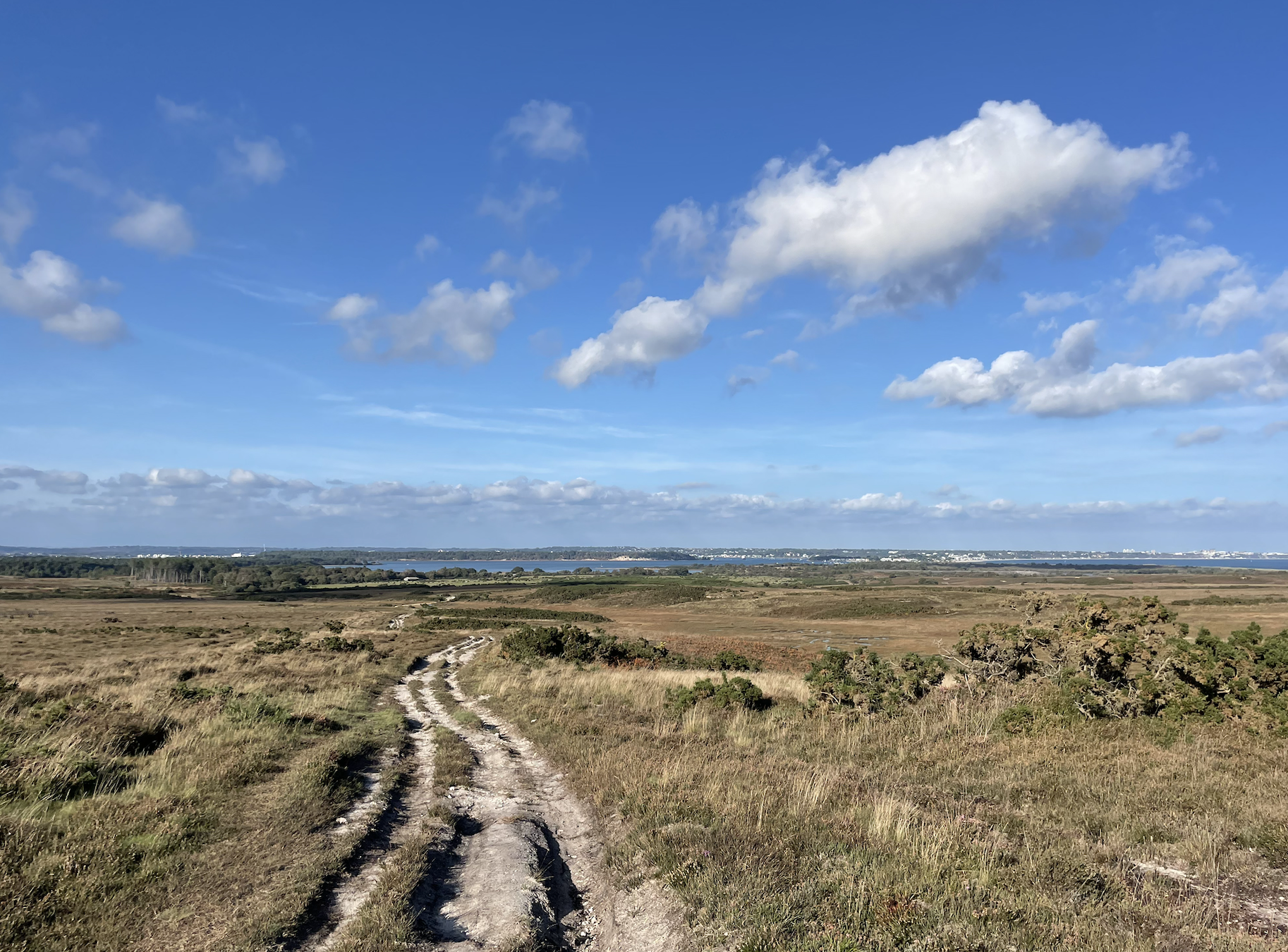
Heaths, history, commons and coast – 5 beautiful Purbeck walks
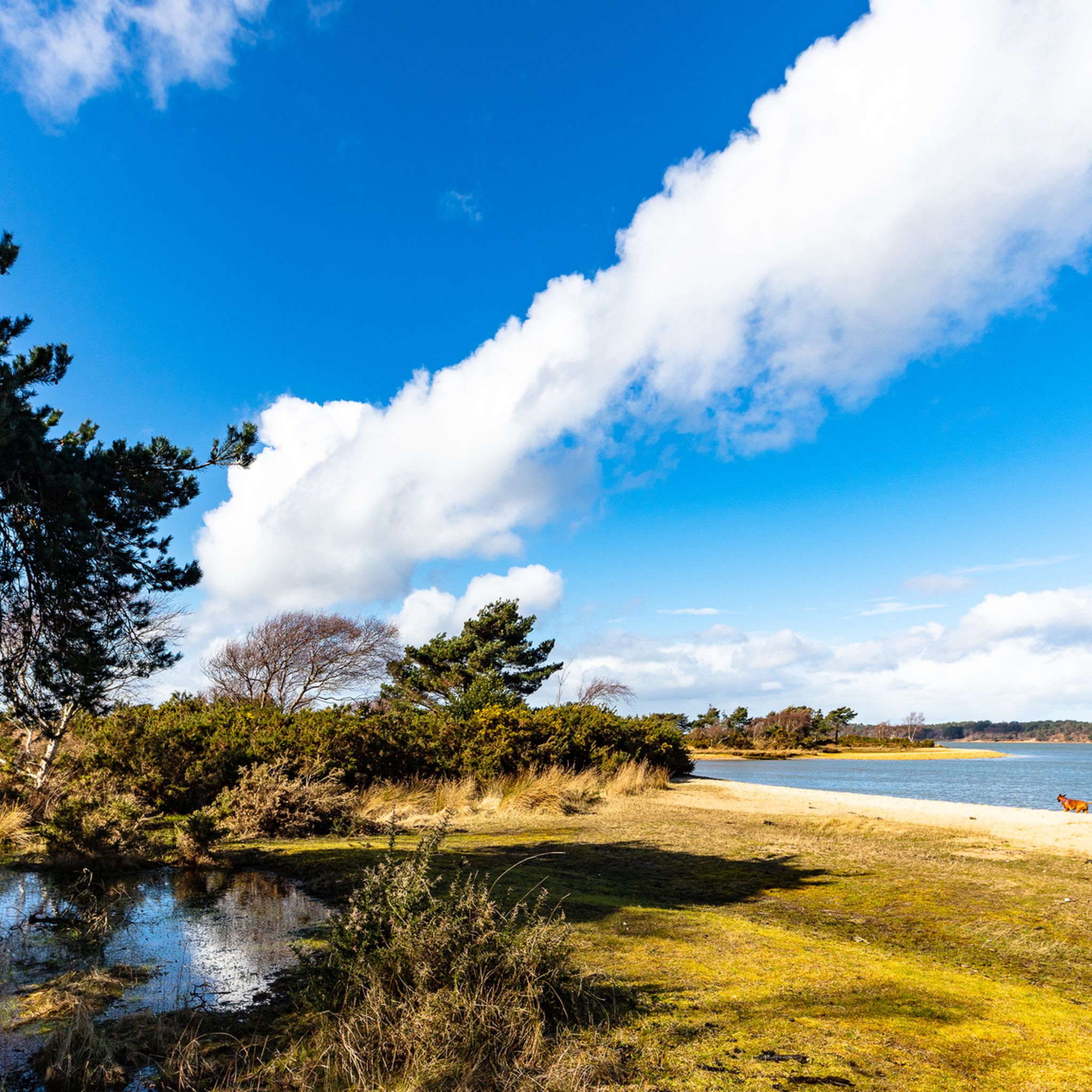
Hiking around Studland

MTB Trails around Studland
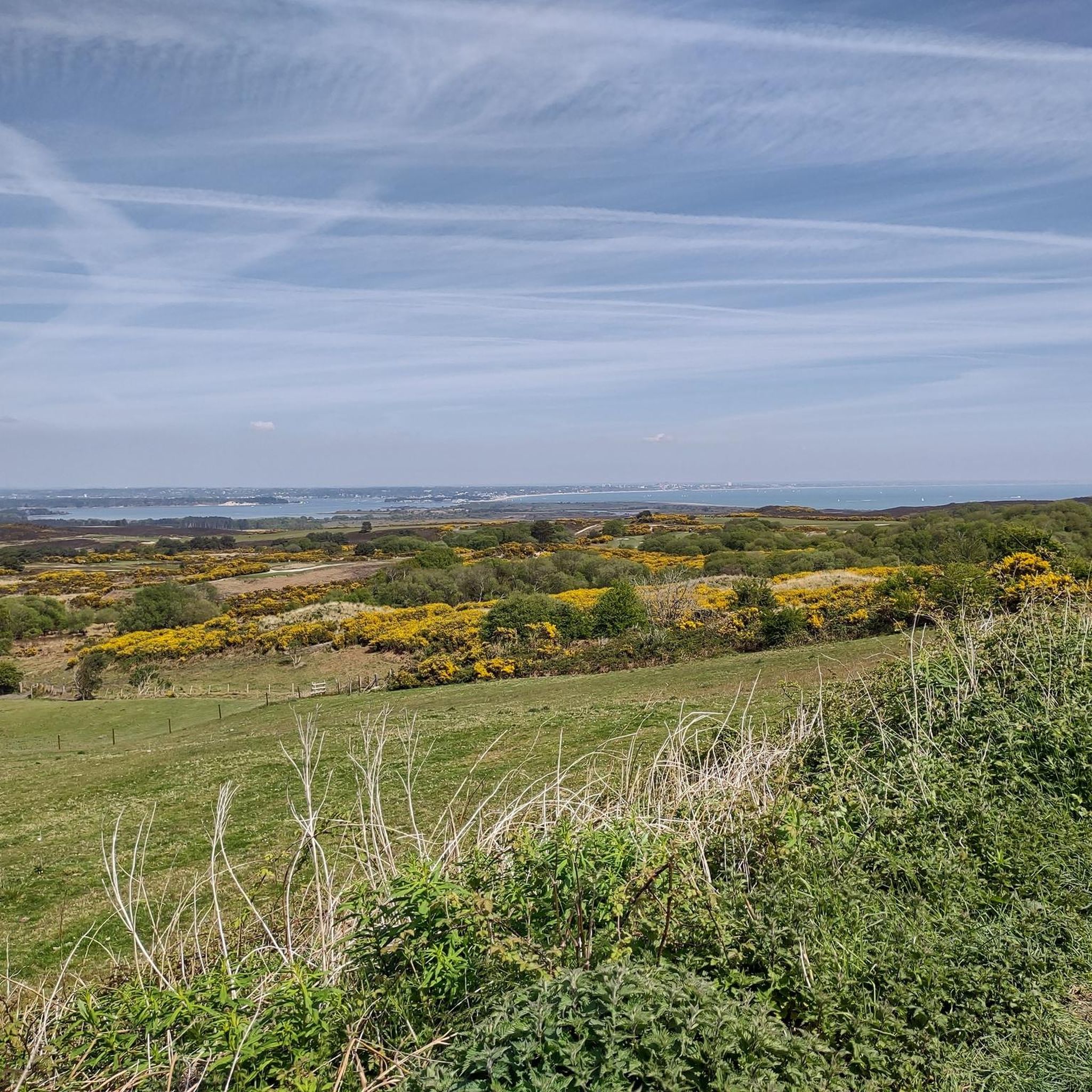
Road Cycling Routes around Studland
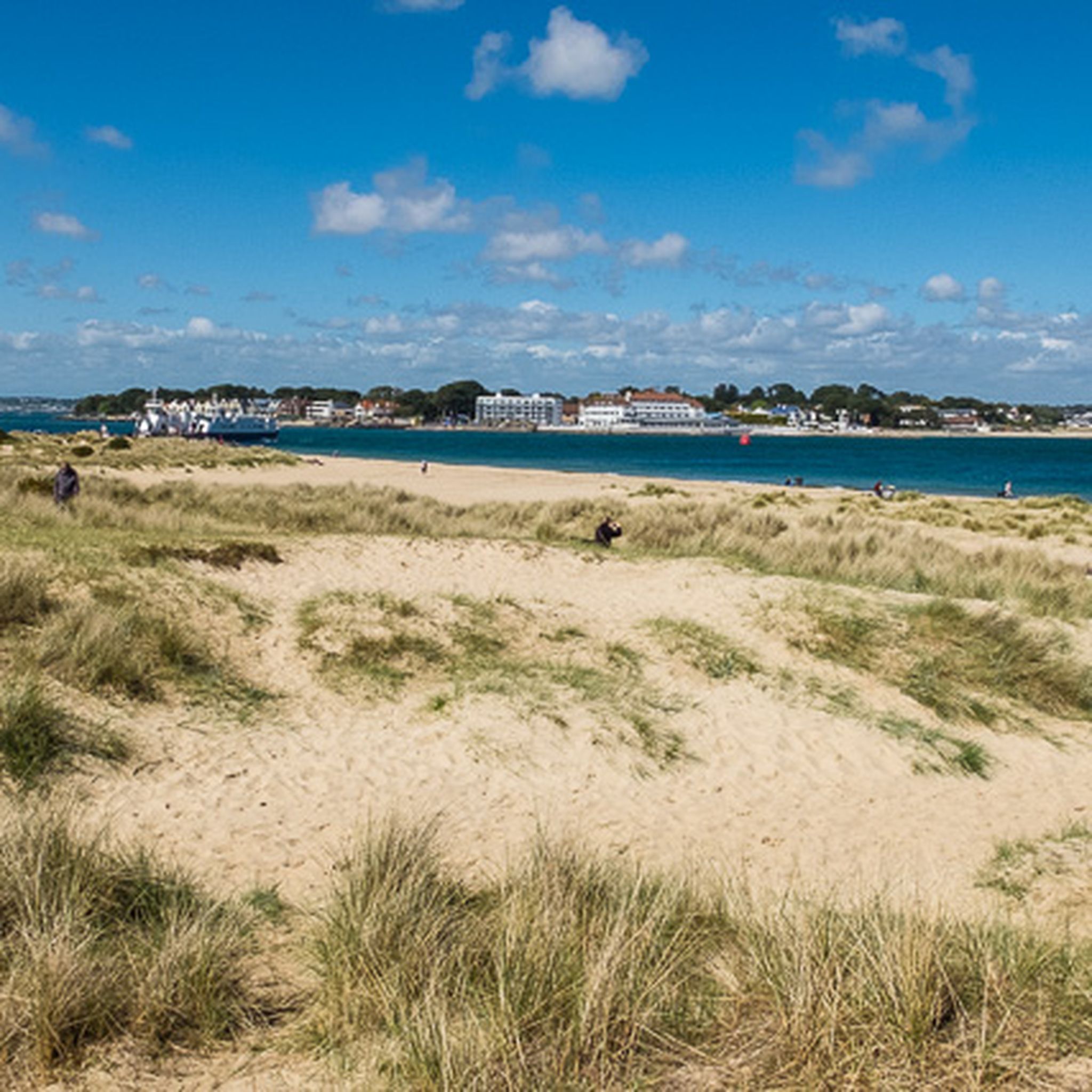
Cycling around Studland
Gravel biking around Studland
Other adventures around Studland


Tips from the Community

A great space for lunch and to explore for heading back up onto the coast path
0
0

Formerly an "anvil" shape with a flat top, in 1970 it fell on one end and one side, leaving the top at an angle of about 45°.
0
0

Worth MatraversClick to open side panel for more information is a quintessential Dorset village of limestone cottages and duck ponds. Steeped in history, it features the Norman St. Nicholas Church. The Square and Compass pub is famous for its cider and fossil museum. It serves as a gateway to the rugged Jurassic Coast paths.
0
0

There's no better place to wait out a rain shower. A classic pub with a selection of beers and ciders and actually good food.
0
0
Easy hike, please be careful in strong winds or take the parallel path. This is signposted and recommended if you don't want to walk too close to the sea.
0
0
Godlingston Heath is a significant area of lowland heathland located near the village of Studland in Dorset, England. It is a key part of the larger Studland and Godlingston Heath National Nature Reserve, and more recently, has been incorporated into the UK's first "super" nature reserve, the Purbeck Heaths National Nature Reserve. A Fragment of a Vanishing Landscape Lowland heathland is a rare and threatened habitat in the UK, with a significant amount having been lost over the past two centuries. Godlingston Heath is one of the largest and most important remaining tracts of this habitat. It's not a "natural" landscape in the sense of a primeval forest; its current form is the result of thousands of years of human activity, including woodland clearance for farming and the use of the land for grazing and fuel. This has created an acidic, nutrient-poor soil that is perfect for the specialized plant life found there. A Haven for Wildlife Godlingston Heath is a designated Site of Special Scientific Interest (SSSI) due to its remarkable biodiversity. The mosaic of dry and wet heath, acid grassland, and small patches of woodland provides a home for a wide variety of species, many of which are rare or endangered. It is particularly renowned for being a stronghold for all six of the UK's native reptile species: Sand lizard: This is a particularly important site for the sand lizard, which is one of the UK's rarest reptiles. Smooth snake: This elusive and rare reptile also thrives in the heathland environment. Common lizard Slow worm Grass snake Adder
0
0
Frequently Asked Questions
How many running routes are available in Studland?
Studland offers a diverse selection of around 30 running routes. These trails cater to various fitness levels, with options ranging from easy beach runs to more challenging routes across the heathland and coastal paths.
Are there any easy jogging routes suitable for beginners or families in Studland?
Yes, Studland has routes suitable for beginners and families. While most routes are moderate, there is at least one easy route available. The sandy beaches, like those at Studland Bay, often provide a gentler surface for a relaxed run. Look for routes with minimal elevation gain for an easier experience.
What kind of terrain can I expect on the running trails in Studland?
Jogging in Studland offers a fantastic variety of terrain. You'll find expansive sandy beaches, unique heathland, bogs, woodland trails, and dramatic coastal paths with chalk formations. This mix provides different running experiences, from soft sand to firmer trails through nature reserves.
Are there any circular running routes in Studland?
Yes, many of the running routes in Studland are circular, allowing you to start and finish at the same point. For example, the Old Harry Rocks & the Purbeck Way loop from Knoll Beach is a popular circular option, as is the Agglestone Rock – Studland Beach loop.
What notable landmarks or natural features can I see while running in Studland?
Studland's running routes are rich with natural beauty and iconic landmarks. You can expect to see the impressive chalk stacks of Old Harry Rocks, explore the diverse habitats of the Studland and Godlingston Heath National Nature Reserve, and pass by the distinctive Agglestone Rock. Coastal routes also offer views of Studland Bay and Fort Henry.
Are the running trails in Studland dog-friendly?
Studland is generally very dog-friendly, especially on its extensive heathland and beaches. However, specific restrictions may apply in certain areas, particularly during nesting seasons or in nature reserve sections to protect wildlife. It's always best to keep dogs under control, and on a lead where signs indicate, especially around livestock or sensitive habitats.
Where can I find parking for the jogging routes in Studland?
Parking is available at several key points around Studland, often managed by the National Trust. Popular starting points like Knoll Beach and areas near Studland Bay Marine Conservation Zone typically have parking facilities. It's advisable to check specific route details for the most convenient parking options.
What do other runners enjoy most about the trails in Studland?
The running trails in Studland are highly rated by the komoot community, with an average score of 4.75 stars. Runners frequently praise the diverse landscapes, from the stunning coastal views of Old Harry Rocks to the tranquil heathland, and the variety of terrain that keeps runs interesting. The well-maintained paths and natural beauty are often highlighted.
Are there any places to get refreshments or use facilities near the running routes?
Yes, particularly around the more popular areas. Knoll Beach, managed by the National Trust, offers visitor facilities including a café and toilets, making it a convenient stop before or after a run. Other cafes and pubs can be found in the Studland village area.
What is the best time of year to go running in Studland?
Studland offers great running opportunities year-round, but each season has its charm. Spring and autumn provide pleasant temperatures and beautiful scenery, with fewer crowds than summer. Winter runs can be invigorating, especially along the quiet beaches. Summer is popular but can be warmer, so early morning or late afternoon runs are often preferred.
Can I reach the running trails in Studland using public transport?
Public transport options to Studland are available, though they might be less frequent than in larger towns. Bus services connect Studland with nearby towns like Swanage and Poole. Planning your route in advance and checking bus schedules is recommended to ensure convenient access to the trailheads.
Are there any challenging running routes for experienced runners in Studland?
Yes, for experienced runners seeking a challenge, Studland offers several difficult routes. These often involve more significant elevation changes or cover longer distances across varied terrain, including the heathland and coastal paths. Out of the approximately 30 routes, 7 are classified as difficult, providing a good test of endurance.
Most popular routes around Studland
Most popular attractions around Studland

Get inspired with the komoot mobile app


Explore more
Browse the best Running Trails & Routes in other regions.
