The best family-friendly hikes and walks around Studland
4.7
(555)
7,935
hikers
51
hikes
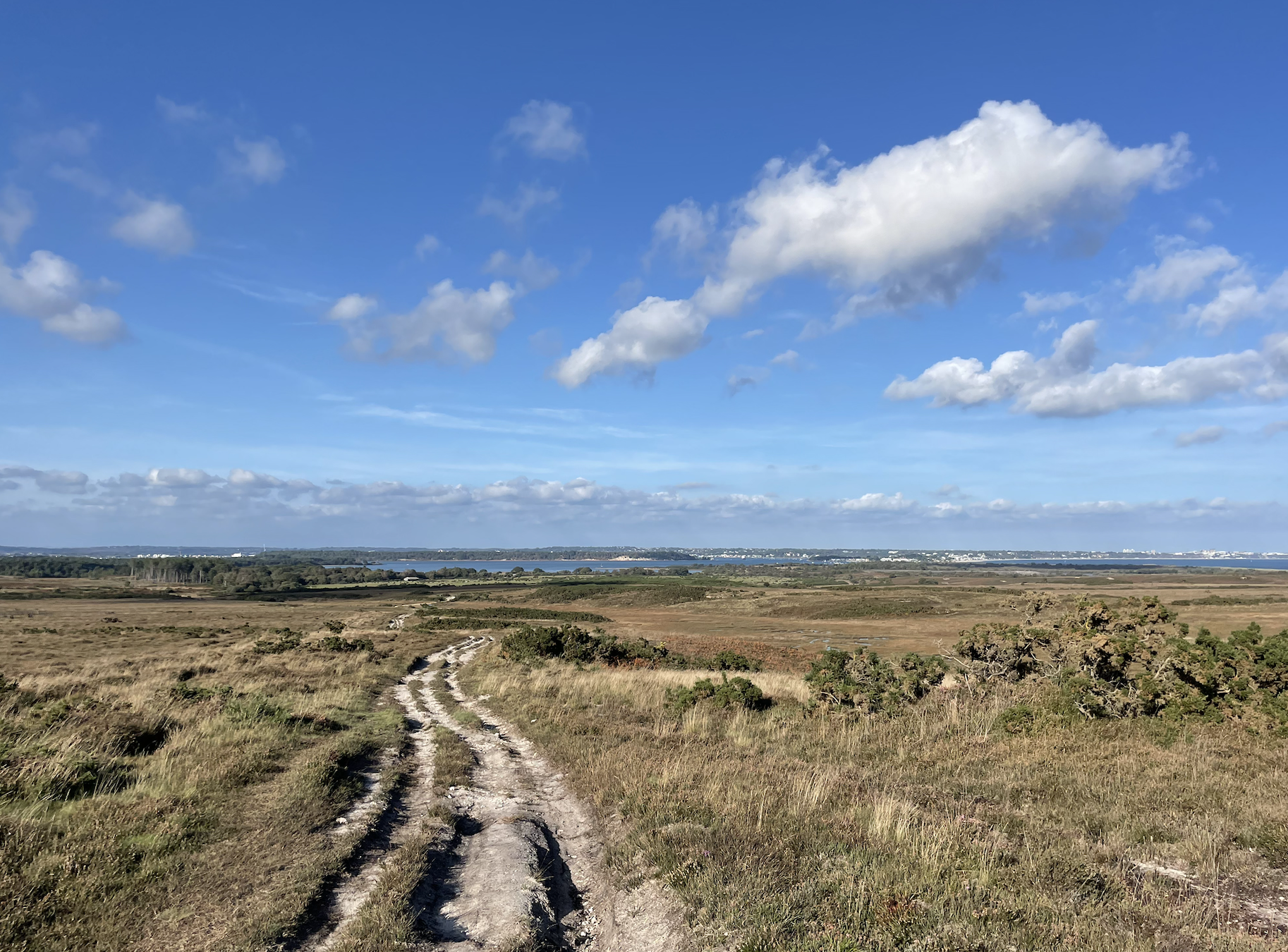
Family friendly hiking trails around Studland are characterized by a diverse landscape, including iconic chalk formations, expansive sandy beaches, and significant heathland nature reserves. The region, part of the UNESCO World Heritage Jurassic Coast, features varied terrain from coastal paths to lowland heath. Hikers can explore areas like Old Harry Rocks, Studland Bay, and the Studland and Godlingston Heath National Nature Reserve.
Best family friendly hiking trails around Studland
- The most popular family friendly hiking route is Old Harry Rocks…
Last updated: July 1, 2026
4.8
(40)
287
hikers
9.67km
02:40
170m
170m
Embark on the Old Harry Rocks Circular Walk, a moderate hiking route spanning 6.0 miles (9.7 km) with an elevation gain of 542 feet (165 metres), typically completed in 2…
5.0
(7)
110
hikers
6.81km
01:48
60m
60m
Embark on an easy 4.2-mile (6.8 km) hike around Brownsea Island, a captivating loop that takes about 1 hour and 47 minutes to complete, with a gentle 197 feet (60…

Sign up for free
4.6
(8)
68
hikers
5.11km
01:24
80m
80m
Easy hike. Great for any fitness level. Easily-accessible paths. Suitable for all skill levels.
4.2
(11)
40
hikers
Moderate hike. Good fitness required. Easily-accessible paths. Suitable for all skill levels.
4.8
(4)
41
hikers
5.43km
01:26
40m
40m
Embark on the Brownsea Island loop from the ferry, an easy 3.4-mile (5.4 km) hike that takes about 1 hour and 25 minutes to complete, with a gentle elevation gain…
Get access to more routes and recommendations from other explorers.
Sign up for free
Already have an account?
Our route recommendations are based on thousands of hikes, rides, and runs completed by other people on komoot.
Start today with a free account
Your next adventure awaits.
Login or Signup

Other adventures around Studland


Tips from the Community


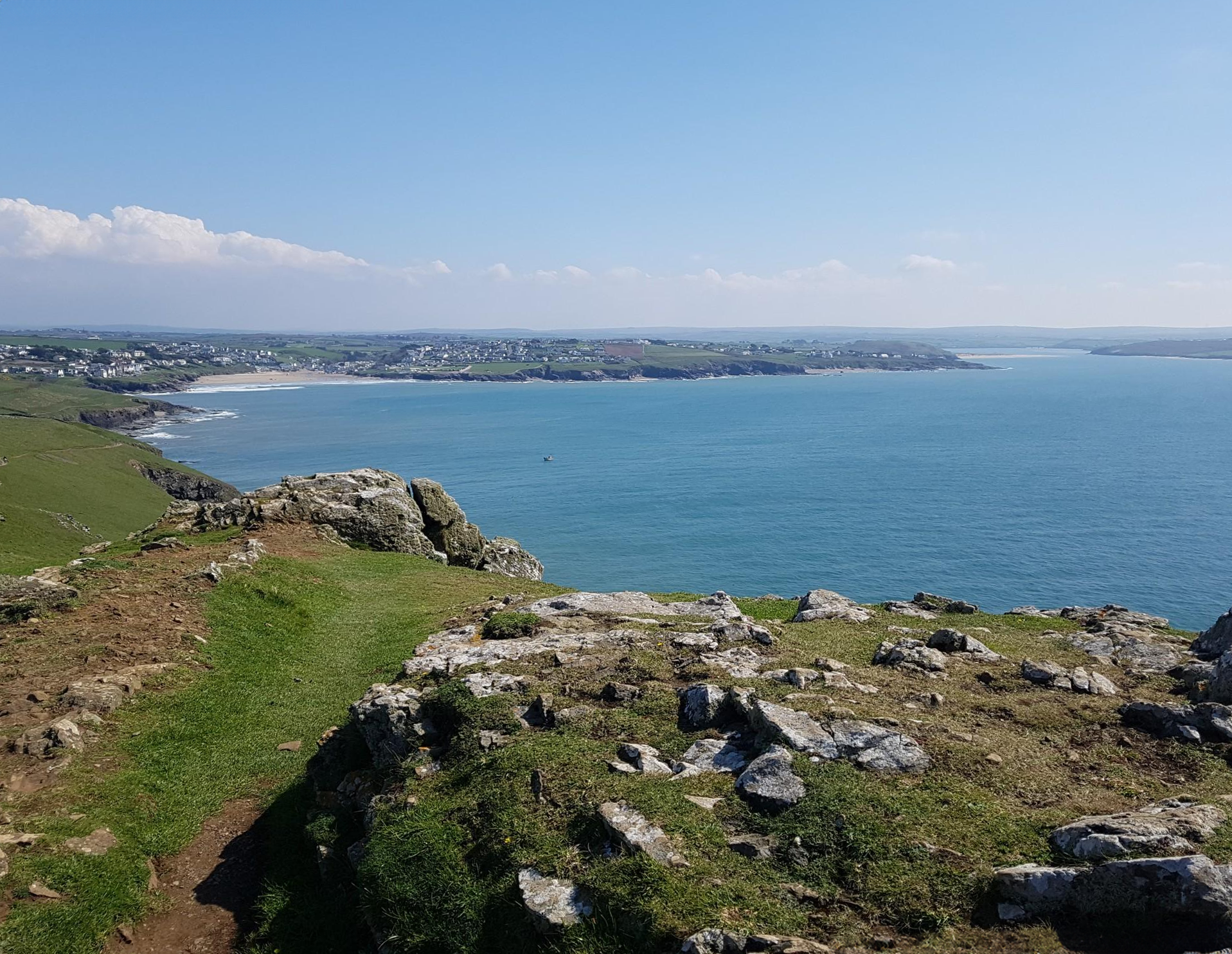
The Bay: You’ll see the curve of Swanage Bay, dotted with colorful buoys and the occasional fishing boat or yacht making its way toward the pier. The Steam Train: If you time it right, you’ll see a literal plume of white steam puffing across the valley. The Swanage Railway runs right through the landscape below, looking like a high-end model railway set from this height. Peveril Point: To the far left of the town, the land juts out into the sea. You can often see the "white water" where the tides churn around the ledge—it’s a great reminder of how powerful the coast is, even when it looks peaceful from your perch. The Isle of Wight: On a crisp day, look straight out past the cliffs. You’ll see the Needles rising out of the water like jagged white teeth in the distance.
0
0

Formerly an "anvil" shape with a flat top, in 1970 it fell on one end and one side, leaving the top at an angle of about 45°.
0
0
also known as the "Devil's Anvil," is a large, distinctive sandstone block located on a conical hill on Godlingston Heath near the village of Studland in south Dorset, England. This impressive rock, weighing approximately 400 tonnes, is a popular landmark and a local curiosity. Local legends offer a more dramatic explanation for the rock's existence. The most famous myth says the Devil, standing on The Needles on the Isle of Wight, hurled the massive rock with the intention of hitting Corfe Castle, Bindon Abbey, or Salisbury Cathedral. However, his aim was poor, and the rock landed short of its target, where it now sits. Before it toppled over in 1970, the rock had a flat top and an anvil-like shape, which led to its nickname "the Devil's Anvil." Some folklore also suggests that the rock was a holy stone or a Druidical altar.
0
0

Don't stand too close to edge of cliff!
0
0


Studland is a beautiful coastal town on the south coast of England, boasting fine sandy beaches, dunes, and unspoiled nature. The beach is perfect for families, sun worshippers, and water sports enthusiasts who want to swim, surf, or simply relax. The surrounding nature reserves, such as the Studland Dunes, are home to a diverse range of flora and fauna and invite you to take long walks and explore. Particularly impressive is the tranquil, unspoiled atmosphere, making Studland an ideal place to escape the hustle and bustle of everyday life. The proximity to the famous landmark beaches and the beautiful views of the Isle of Wight are an added bonus. Overall, Studland is a charming and peaceful destination that perfectly combines nature and relaxation—a place you simply must visit!
1
0

The foundation stone of St. Mary's church was laid in 1853, and around 1830 guests were invited for the occasion. St. Mary's was built at a cost of £10,000 after Colonel William Petrie Waugh purchased the island in 1852, and established a pottery industry (The Branksea Clay & Pottery Company) along with Maryland village to house his workers. However, the pottery venture turned out to be be a disaster because William had been ill advised about the quality of the clay (unsuitable for fine porcelain) so the business went bankrupt.
0
0
Frequently Asked Questions
How many family-friendly hiking trails are available around Studland?
Studland offers a fantastic selection of family-friendly hiking trails. You'll find over 35 easy routes and more than 15 moderate options, providing plenty of choices for all ages and abilities.
What do other hikers enjoy most about family-friendly trails in Studland?
The komoot community highly rates the trails around Studland, with an average score of 4.7 stars. Hikers often praise the diverse landscapes, from coastal paths with stunning views to tranquil heathland, and the opportunities for wildlife spotting. The well-maintained paths and clear signage also contribute to a pleasant family hiking experience.
Are there any easy circular walks suitable for families in Studland?
Yes, Studland has several lovely circular walks perfect for families. For a gentle introduction to the heathland and a unique rock formation, consider the Godlingston Heath and the Agglestone route. This easy 5.1 km loop takes you through varied terrain and is great for younger explorers.
What kind of terrain can we expect on family hikes in Studland?
The terrain around Studland is quite varied, offering something for everyone. You'll encounter sandy beaches, grassy tracks, uneven dirt paths, and some loose-stone sections, particularly on routes leading to Old Harry Rocks. Many trails through the heathland are relatively flat, while coastal paths may involve gentle ascents and descents, such as the steady climb up Ballard Down.
Are there any trails that offer views of iconic landmarks like Old Harry Rocks?
Absolutely! The Old Harry Rocks Circular Walk is a popular moderate route that takes you directly to these iconic chalk stacks, offering breathtaking panoramic views across Poole Bay and the Isle of Wight. It's a fantastic way to experience one of Dorset's most famous landmarks with the family.
Can we bring our dog on family hikes in Studland?
Many trails in Studland are dog-friendly, but it's important to keep dogs under control, especially in areas with livestock or sensitive wildlife, such as the Studland and Godlingston Heath National Nature Reserve. Always check local signage for specific restrictions, particularly on beaches during peak seasons. Remember to bring water for your dog and dispose of waste responsibly.
What natural features or wildlife can we expect to see on family walks?
Studland is a haven for nature lovers! The Studland and Godlingston Heath National Nature Reserve is internationally important, home to all six native British reptiles, including rare sand lizards. You might also spot rare birds like the Dartford warbler, and in spring and summer, the grasslands burst with wildflowers. The coastal paths offer opportunities to see seabirds and marine life.
Are there any places to eat or get refreshments near the family hiking trails?
Yes, there are options for refreshments. Studland village itself has cafes and pubs. Additionally, some of the beaches, like South Beach, often have facilities where you can grab a snack or a drink. For routes starting near the Sandbanks Ferry, you'll find amenities on both sides of the crossing.
What is the best time of year to go hiking with family in Studland?
The milder weather on the South West coast makes spring, summer, and autumn ideal for family hikes in Studland. Spring brings wildflowers and active wildlife, while summer offers warm days for beach walks. Autumn provides beautiful colours and comfortable temperatures. Winter can also be pleasant on clear days, though some paths might be muddier.
Are there any easy-to-reach attractions or points of interest along the trails?
Absolutely! Beyond Old Harry Rocks, you can explore the distinctive Agglestone Rock, a unique block of iron-rich sandstone. The area also has historical interest, with World War II pillboxes and dragon's teeth visible along the coast, remnants from its role as a D-Day training ground. For a different experience, consider a trip to Brownsea Island, accessible via ferry, which offers gentle trails and red squirrel spotting.
Is parking available for family hikes in Studland?
Yes, there are several car parks available in and around Studland, many managed by the National Trust. Popular starting points like South Beach, Knoll Beach, and Middle Beach have parking facilities. It's advisable to arrive early during peak season, especially on sunny weekends, as they can fill up quickly.
Are there any less crowded family walks if we prefer a quieter experience?
While coastal paths can be popular, exploring the extensive network of trails within the Studland and Godlingston Heath National Nature Reserve often provides a quieter experience. Routes like Godlingston Heath and the Agglestone delve into the heathland, offering peaceful moments away from the busiest spots. Early mornings or late afternoons can also help avoid crowds.
Most popular routes around Studland
Most popular attractions around Studland

Get inspired with the komoot mobile app


Explore more
Browse the best Hikes in other regions.
