Attractions and Places To See around Cuevas Bajas - Top 20
Best attractions and places to see around Cuevas Bajas include a variety of historical sites, cultural landmarks, and natural features. This town in Málaga province is situated in a valley traversed by the Genil River, offering a rich heritage and picturesque landscapes. Visitors can explore traditional villages, significant architectural sites, and natural areas like river ravines and viewpoints. The region provides opportunities to engage with local history and the natural environment.
Best attractions and places to see around Cuevas Bajas
…Last updated: May 21, 2026
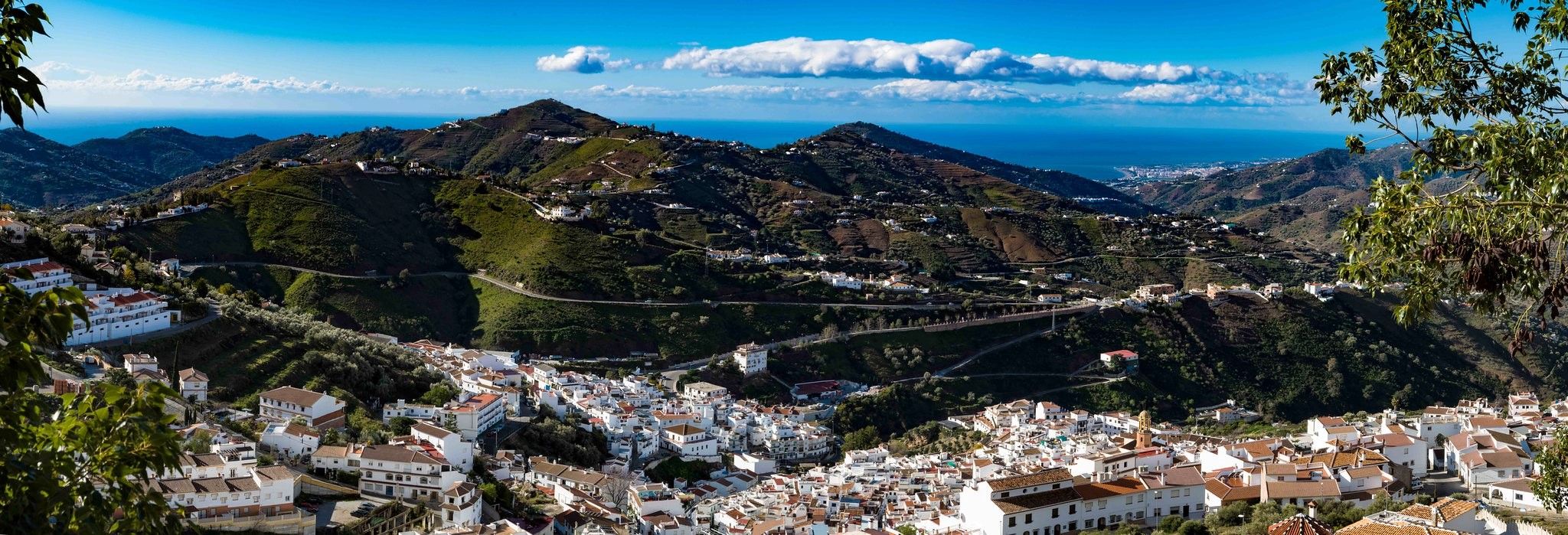
El Cedrón Viewpoint
Highlight • Viewpoint
Translated by Google •
Tip by

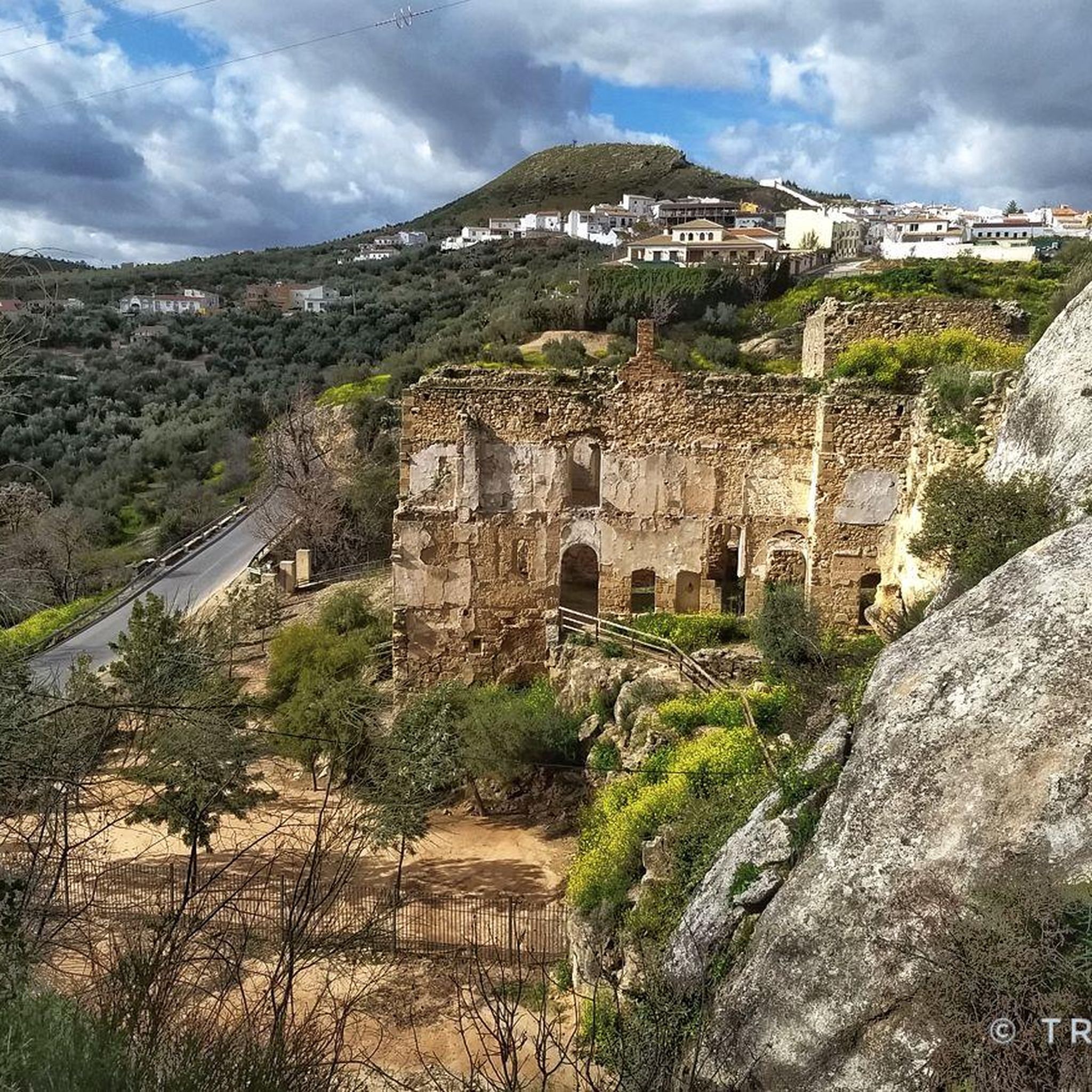
Medieval bridge
Highlight • Bridge
Translated by Google •
Tip by
Sign up now to discover places like this
Get recommendations on the best single tracks, peaks, & plenty of other exciting outdoor places.
Sign up for free
Iznájar Dam and Reservoir
Highlight • Lake
Translated by Google •
Tip by

Mozarabic Rock-Cut Caves ⛪ Villanueva de Algaidas
Highlight • Cave
Translated by Google •
Tip by

Church of the Immaculate Conception, Benamejí
Highlight • Religious Site
Translated by Google •
Tip by

Sign up for free to discover even more attractions around Cuevas Bajas.
Sign up for free
Already have an account?
Start today with a free account
Your next adventure awaits.
Login or Signup

Other adventures around Cuevas Bajas

Tips from the Community

For mandatory
0
0

Beautiful viewpoint on the way between Villanueva de Alcaidas and Rute
3
0


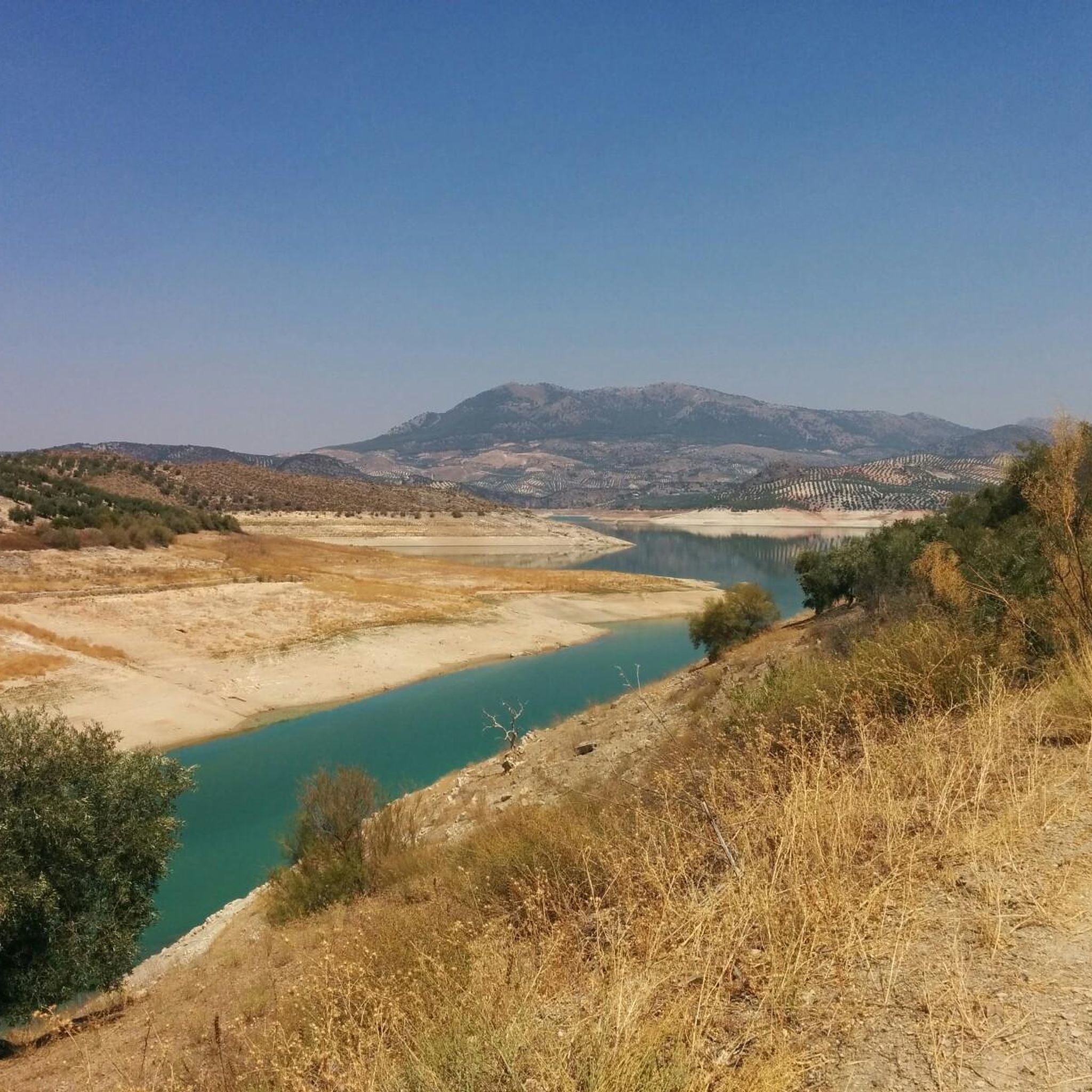
A good viewpoint of the Iznájar reservoir from the dam on the Genil River that feeds it. It is the largest reservoir in Andalusia. Its construction finished in 1969 and lasted a decade.
3
0

This town has an exciting history of when King Felipe V transferred his court to Seville for four years as part of a program to learn about his kingdom. Part of that program included stopping by Benamejí, who spent a few hectic weeks preparing the roads for the entourage tinged with Berlanga's film "Welcome, Mister Marshall!" except that in this case the king and his court did finally spend a night in the town, which is also not clear if it was really beneficial for them due to the expenses they incurred.
2
1

This beautiful viewpoint allows you to see three of the eight provinces of Andalusia: Seville, Cordoba and Malaga. The extension of the olive groves and the plain of the Genil river valley are striking.
4
0
This stone bridge was built in the late medieval period over the Bebedero stream to connect the two existing population centers in the municipality of Villanueva de Algaidas. Next to the bridge are the ruins of the cave hermitage of Nuestra Señora de la Consolación.
4
0
Frequently Asked Questions
What historical sites can I explore in and around Cuevas Bajas?
Cuevas Bajas is rich in history. You can visit the 18th-century Church of San Juan Bautista, known for its Baroque architecture and a revered carving of the Virgen de los Dolores. Explore the 19th-century Noria de la Agusadera, a monumental waterwheel on the Genil River, symbolizing the town's agricultural past. Don't miss the Medieval bridge over the Bebedero stream, which connected ancient population centers. Further afield, the Mozarabic Rock-Cut Caves ⛪ Villanueva de Algaidas offer a glimpse into 9th-century hermitages. The municipal district also holds a significant Bronze Age necropolis of artificial caves.
Are there any natural attractions or scenic viewpoints in the Cuevas Bajas region?
Absolutely. The Genil River and its surroundings offer picturesque landscapes, including the Barrancos del río Genil (Genil River Ravines) and the Valle del río Genil (Genil River Valley). For panoramic views, head to El Cedrón Viewpoint, where you can see three Andalusian provinces: Seville, Córdoba, and Málaga, along with extensive olive groves. The Cerro de la Cruz, at 768 meters, also provides beautiful vistas. You can also visit the Iznájar Dam and Reservoir, the largest reservoir in Andalusia, offering impressive views from the dam.
What outdoor activities are available near Cuevas Bajas?
The natural environment around Cuevas Bajas is ideal for various outdoor activities. You can enjoy active sports like rafting, paintball, kayaking, canyoning, zip-lining, and rappelling. The town is also part of the Great Malaga Path, serving as the starting point for Stage 16, which traverses extensive olive groves. For more structured adventures, you can find numerous routes for hiking, road cycling, and mountain biking. Explore options like the 'Caños de Benamejí - circular by the Camping Trail' for hiking or the 'Fuente de Piedra – Fuente de Piedra Lagoon loop' for road cycling. You can find detailed routes and guides for these activities on the Hiking around Cuevas Bajas, Road Cycling Routes around Cuevas Bajas, and MTB Trails around Cuevas Bajas guide pages.
Are there family-friendly attractions or activities in the area?
Yes, several attractions are suitable for families. Both El Cedrón Viewpoint and Iznájar Dam and Reservoir are marked as family-friendly, offering scenic views and open spaces. The Bird Observatory near the Agusadera waterwheel provides an engaging experience for observing migratory birds. Exploring the traditional Huertas del Marqués with their ancient irrigation system can also be an educational and enjoyable outing for families.
What cultural experiences can I find in Cuevas Bajas?
Cuevas Bajas offers unique cultural insights. Stroll along Calle Real (Royal Street) and Calle Reja to admire traditional Andalusian architecture with beautiful facades and barred windows. Visit the medieval villages of Cedrón and La Moheda, which retain their traditional charm and offer a glimpse into rural life, including the ruins of a 19th-century oil mill in La Moheda. If you visit in early December, you can experience the unique Purple Carrot Festival (Fiesta de la Zanahoria Morá), celebrating a local delicacy with tastings of regional gastronomy.
Where can I find traditional architecture or charming streets in Cuevas Bajas?
For traditional architecture and charming streets, explore Calle Real (Royal Street) and Calle Reja in Cuevas Bajas. These streets showcase beautiful facades of civil buildings, narrow passages, and houses adorned with barred windows and balconies, reflecting the town's traditional Andalusian appearance. You'll also find small shrines dedicated to local religious figures along these routes.
Are there any unique natural features or ancient trees to see?
Yes, the region boasts unique natural features. On Cerro de la Cruz, you can find remnants of a 'quejigal' (forest of gall oaks) and the ancient Chaparro 'Borondo,' a centenary holm oak, which are living vestiges of the old dehesa. The Genil River itself, with its ravines and valley, is a significant natural artery, supporting diverse native vegetation.
What is the best time of year to visit Cuevas Bajas for outdoor activities?
The region's climate makes it suitable for outdoor activities for much of the year. Spring and autumn generally offer pleasant temperatures for hiking, cycling, and exploring. Summers can be hot, but activities like rafting and canyoning in the Genil River can be refreshing. The Purple Carrot Festival in early December offers a unique cultural experience alongside outdoor exploration.
Can I observe wildlife or birds in Cuevas Bajas?
Yes, the Bird Observatory, located on the way to the Agusadera waterwheel, provides an excellent spot for observing migratory birds in the Soto del río Genil area. The natural environment along the Genil River and its ravines also supports various local wildlife.
Are there any ancient agricultural or industrial heritage sites?
Cuevas Bajas preserves its agricultural and industrial past. The Noria de la Agusadera, a 19th-century waterwheel on the Genil River, is a prime example of traditional irrigation engineering. The Huertas del Marqués showcase an ancient irrigation system with Arab origins. Additionally, the Old Chimney stands as a remnant of a former oil factory, offering a glimpse into the town's industrial heritage.
What are some lesser-known or 'hidden gem' attractions in the Cuevas Bajas area?
Beyond the main highlights, consider exploring the traditional villages of Cedrón and La Moheda, which offer an authentic glimpse into rural Andalusian life and architecture. The ruins of the 19th-century oil mill in La Moheda are particularly interesting. The Necropolis of Artificial Caves from the Bronze Age, located within the municipal district, also represents a significant, yet perhaps less-trafficked, archaeological site.

Get inspired with the komoot mobile app


Explore more
Still not found the Highlight you’re looking for? See guides of the top attractions in other regions:
