The best cycling routes around Cuevas Bajas
4.0
(1)
74
riders
20
rides
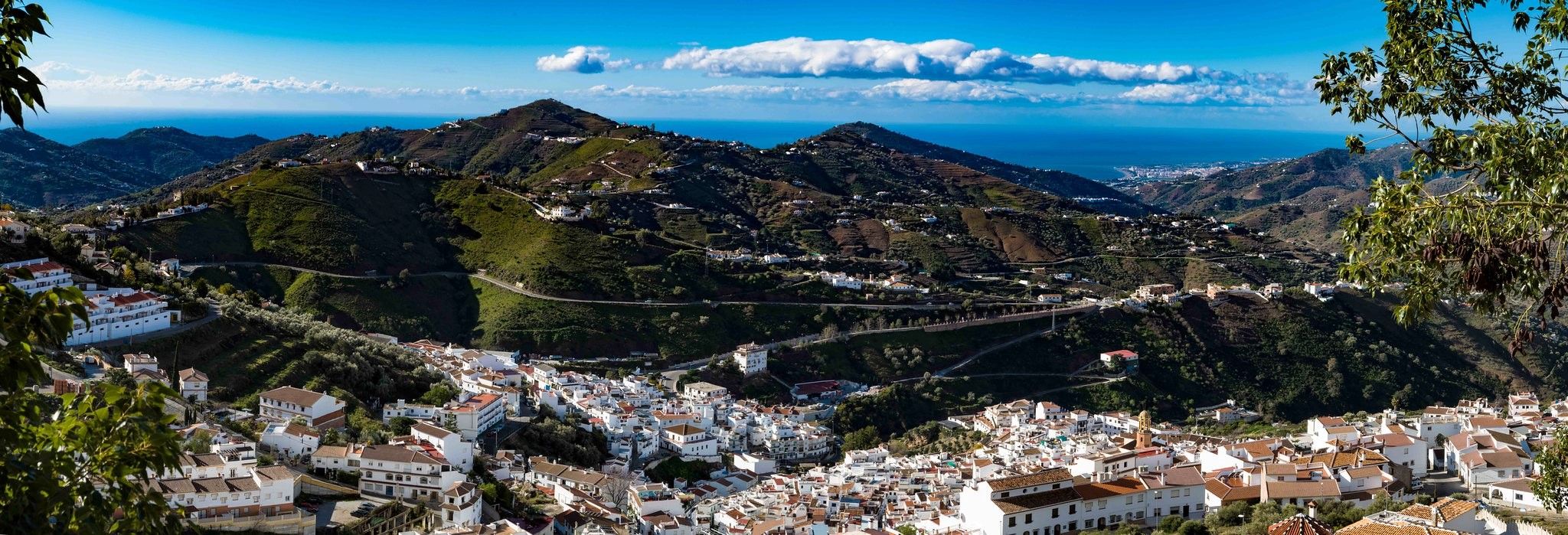
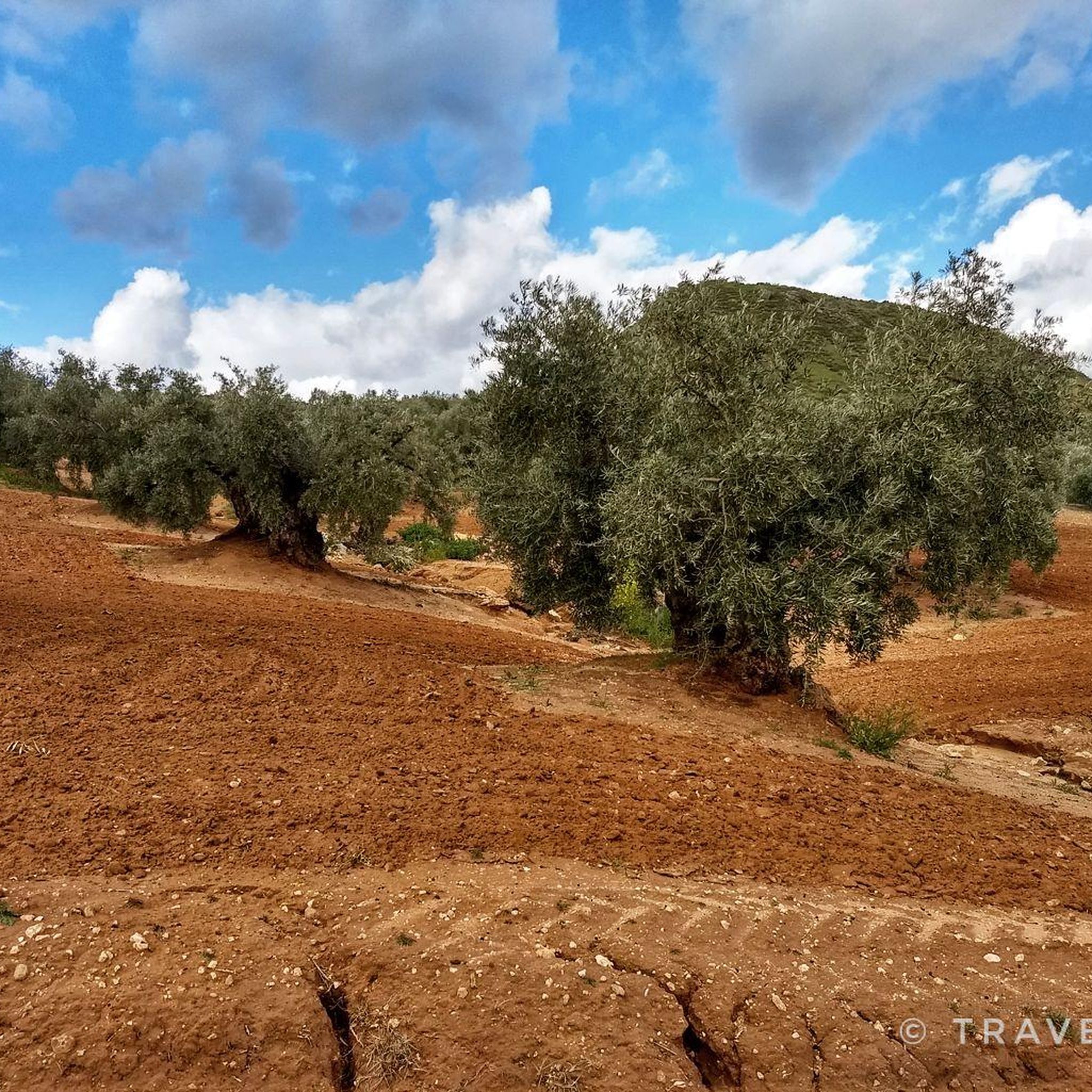
Touring cycling around Cuevas Bajas offers diverse landscapes and natural features in a tranquil rural setting. The region is characterized by the fertile Genil River valley, with the river and its ravines forming significant natural gems. Rolling hills covered with olive groves and farmlands define much of the terrain, providing a picturesque backdrop for exploration. The area's altitude range, from approximately 400 to 600 meters, ensures varied routes suitable for different experience levels.
Best touring cycling routes around Cuevas Bajas
…Last updated: July 4, 2026
15
riders
124km
07:57
1,490m
1,490m
Hard bike ride. Very good fitness required. Mostly paved surfaces. Suitable for all skill levels.
6
riders
46.9km
03:03
620m
620m
Hard bike ride. Very good fitness required. Mostly paved surfaces. Suitable for all skill levels.

Sign up for free
7
riders
58.4km
03:52
900m
900m
Hard bike ride. Very good fitness required. Mostly paved surfaces. Suitable for all skill levels.
6
riders
25.0km
02:08
430m
430m
Moderate bike ride. Good fitness required. Mostly paved surfaces. Suitable for all skill levels.
5
riders
Hard bike ride. Very good fitness required. Mostly paved surfaces. Suitable for all skill levels.
Get access to more routes and recommendations from other explorers.
Sign up for free
Already have an account?
Our route recommendations are based on thousands of hikes, rides, and runs completed by other people on komoot.
Start today with a free account
Your next adventure awaits.
Login or Signup

Other adventures around Cuevas Bajas

Tips from the Community


The Mirador Niña de Antequera offers excellent views over the eastern part of the old town of Antequera and the surrounding mountains.
0
0
For mandatory
0
0

The Alcazaba de Antequera is a 14th-century Moorish fortress in the heart of the Andalusian city of Antequera. Built on the remains of an ancient Roman settlement, it served as a defensive fortification during the Muslim rule, protecting the city and the surrounding valley. After the Christian conquest in 1410 by Infante Ferdinand of Castile, the fortress became a key strategic point in the Kingdom of Castile. The imposing Torre del Homenaje (Tower of Homage) is particularly impressive, one of the largest keeps in Andalusia, offering panoramic views of the city, the Peña de los Enamorados (Peño de los Enamorados rock formation), and the surrounding landscape. A bell tower was later added to the tower, housing a large bell dating from 1582. Within the walls, remnants of residential buildings, cisterns, and fortifications can still be seen. Today, the Alcazaba is open to the public, offering a fascinating glimpse into the history of Antequera and Andalusia through its panoramic views and audio guides.
1
1
The city gate of Antequera was built in 1749 in the Baroque style, demolished in the 19th century, and faithfully reconstructed in the 1990s. Today, the Puerta de Estepa is a symbolic gateway to the city.
3
0
In the heart of the historic cityscape rises the Plaza de Toros de Antequera, one of the oldest and most prestigious bullrings in Andalusia. Opened in 1848, the arena seats approximately 8,000 spectators and exemplifies 19th-century Andalusian architecture with its clean, circular form and light-colored facades. For decades, it has been the venue for important corridas as well as social and cultural events. An integrated bullfighting museum commemorates this long tradition and Antequera's role in the history of Spanish bullfighting.
2
0
The Antequera Bullring (Plaza de Toros de Antequera) is one of the oldest and most important bullrings in Andalusia. Opened in 1848, after construction began in 1847, it is a prime example of 19th-century Andalusian architecture. The arena seats approximately 8,000 spectators and is distinguished by its elegant, circular shape and white facades accented with sandstone. The facility was built on the initiative of local nobles and citizens, as bullfighting was an important part of the regional culture at the time. Over the years, numerous important corridas were held there, featuring renowned matadors from all over Spain. Besides bullfighting, the arena also served as a venue for festivals and cultural events. Today, a small bullfighting museum (Museo Taurino de Antequera), housed within the arena itself, commemorates this long tradition. The arena displays costumes, bullfighting posters, and historical photographs documenting the development of Andalusian bullfighting. To this day, the arena remains a symbol of Antequera's historical significance in the Spanish bullfighting tradition.
2
0
The Puerta de Estepa city gate is one of Antequera's most striking buildings and marks the historic entrance to the city. It is located at the end of the Alameda de Andalucía, very close to the Plaza de la Constitución, where the modern city merges into the historic old town. The gateway with its three round arches was built in 1749 in the Baroque style and once served as a welcoming gateway for travelers coming from the direction of Estepa. The structure was demolished in the 19th century but faithfully rebuilt in the 1990s. Today, the Puerta de Estepa city gate is a popular photo opportunity and a symbolic gateway to the city. The view of the old town through the arches is particularly impressive.
4
0
Frequently Asked Questions
How many touring cycling routes are available in Cuevas Bajas?
There are over 20 touring cycling routes around Cuevas Bajas, offering diverse options for exploration. The komoot community has used these routes over 80 times, highlighting the area's popularity among cyclists.
What are the difficulty levels of touring cycling routes in Cuevas Bajas?
The majority of touring cycling routes in Cuevas Bajas are considered difficult, with 22 out of 24 routes falling into this category. There are also 2 moderate routes available for those seeking a less strenuous ride. For example, the Bridge over the Genil River – Benamejí loop from Cuevas Bajas is a moderate option.
Are there any family-friendly touring cycling routes in Cuevas Bajas?
While most routes are rated difficult, the region's focus on promoting cycling and its integration into the Great Malaga Path suggests that there are sections suitable for various skill levels. For a moderate option, consider the Bridge over the Genil River – Benamejí loop from Cuevas Bajas, which is shorter and has less elevation gain.
What kind of landscapes can I expect to see while cycling around Cuevas Bajas?
Touring cyclists in Cuevas Bajas will experience a rich tapestry of landscapes. The routes often traverse vast olive groves and farmlands, offering picturesque rural views. The fertile Genil River valley, with its deep ravines and native vegetation, is a central feature, providing scenic stretches along the riverbanks. You might also encounter rolling hills and historic bandit territories, adding a unique character to your ride.
Are there any notable attractions or landmarks along the cycling routes?
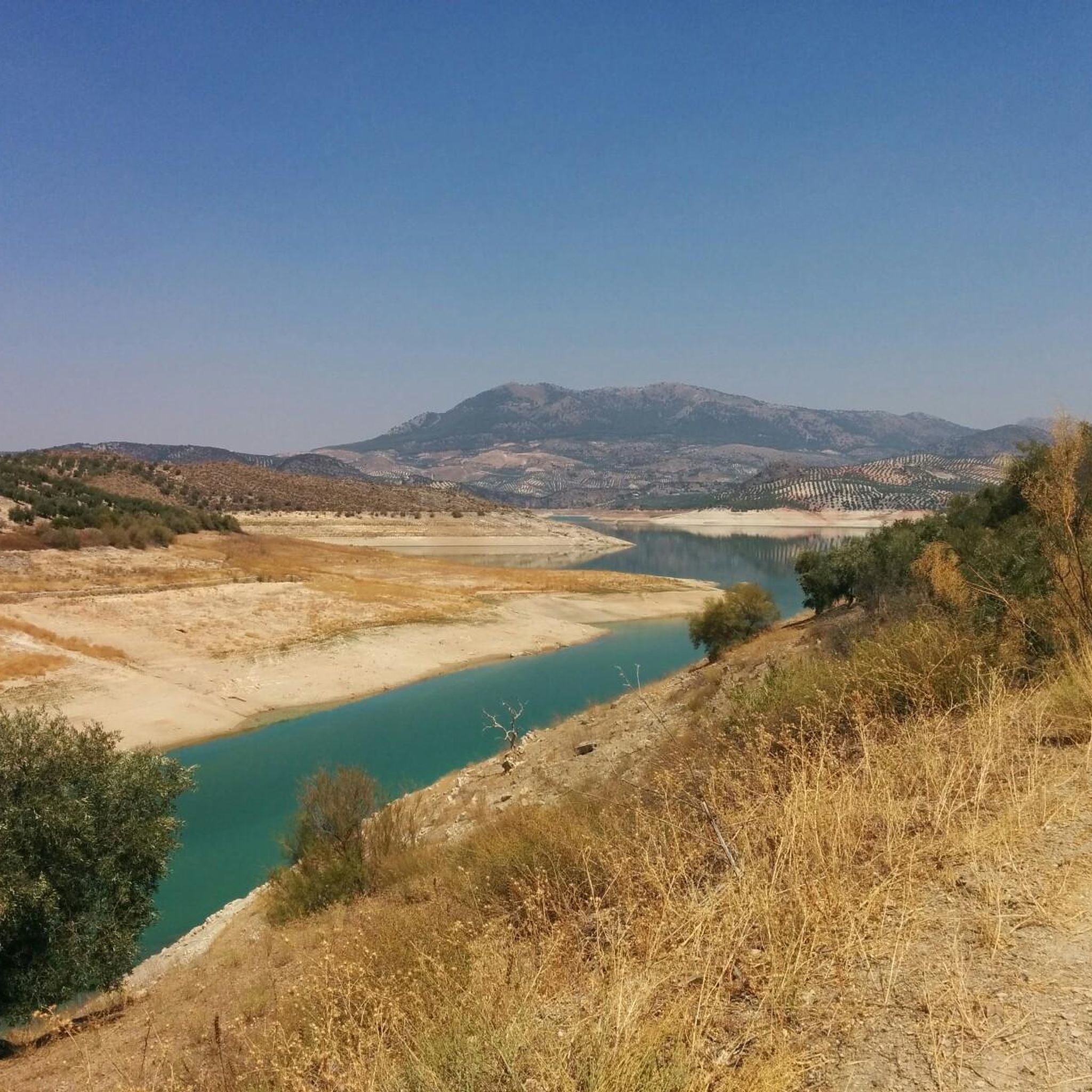
Yes, the area around Cuevas Bajas is rich in natural and historical points of interest. You can find highlights such as the El Cedrón Viewpoint offering panoramic views, the historic Medieval bridge, and the impressive Iznájar Dam and Reservoir. The region also features unique sites like the Agusadera Waterwheel, a 19th-century symbol of the municipality, and ancient trees like the Chaparro Borondo.
What is the best time of year to go touring cycling in Cuevas Bajas?
The region's climate generally allows for cycling throughout much of the year. Spring and autumn typically offer the most pleasant temperatures for touring cycling, avoiding the intense heat of summer. These seasons also showcase the changing colors of the olive groves and river valley, enhancing the scenic beauty of the routes.
Where can I park my car when starting a touring cycling route in Cuevas Bajas?
Cuevas Bajas is recognized as a 'Bike Territory,' indicating a commitment to cycling infrastructure. While specific parking areas for each route are not detailed, villages and towns like Cuevas Bajas, Benamejí, and Cuevas de San Marcos, which serve as starting points for many routes, typically offer public parking options. It's advisable to check local parking availability upon arrival.
What do other touring cyclists enjoy the most about touring cycling in Cuevas Bajas?
The area is highly rated by the komoot community, with an average score of 5.0 stars. Cyclists often praise the tranquil rural setting, the picturesque olive groves, and the scenic beauty of the Genil River valley. The diverse terrain and the opportunity to explore historical landscapes are also frequently highlighted.
Can I combine cycling with other outdoor activities in the area?
Absolutely. Cuevas Bajas is an excellent base for various outdoor activities. Beyond cycling, visitors can engage in rafting, paintball, kayaking, rock climbing, and bungee jumping, with local companies offering these adventure sports. The area also boasts numerous hiking trails, allowing you to connect with nature and discover breathtaking landscapes on foot.
Are there any circular touring cycling routes in Cuevas Bajas?
Yes, several touring cycling routes in the area are designed as loops. Examples include the challenging Historic Centre of Antequera – Dolmens of Antequera loop from Benamejí, the Pilar de la Dehesa – Encinas Reales loop from Benamejí, and the Rute – Iznájar Dam and Reservoir loop from Cuevas de San Marcos. These loops allow you to start and finish in the same location, making logistics easier.
Are there any routes that follow the River Genil?
Yes, the River Genil is a prominent natural feature, and several routes incorporate its valley. For instance, the Rute – Iznájar Dam and Reservoir loop from Cuevas de San Marcos leads through the Genil River valley. The ravines bordering the river offer deep valleys carved by water, surrounded by native vegetation, ideal for cycling with panoramic views.
Are there any routes suitable for advanced touring cyclists looking for a challenge?
With 22 out of 24 routes rated as difficult, Cuevas Bajas offers plenty of challenges for advanced touring cyclists. Routes like the 122.9 km Historic Centre of Antequera – Dolmens of Antequera loop from Benamejí, with over 1400 meters of elevation gain, provide a significant test of endurance and skill. Another challenging option is the Mozarabic Way of St. James – Cuevas Bajas loop from Villanueva de Algaidas.
Most popular attractions around Cuevas Bajas

Get inspired with the komoot mobile app


Explore more
Browse the best Cycling routes in other regions.
