The best road cycling routes around Cuevas Bajas
4.5
(2)
432
riders
42
rides
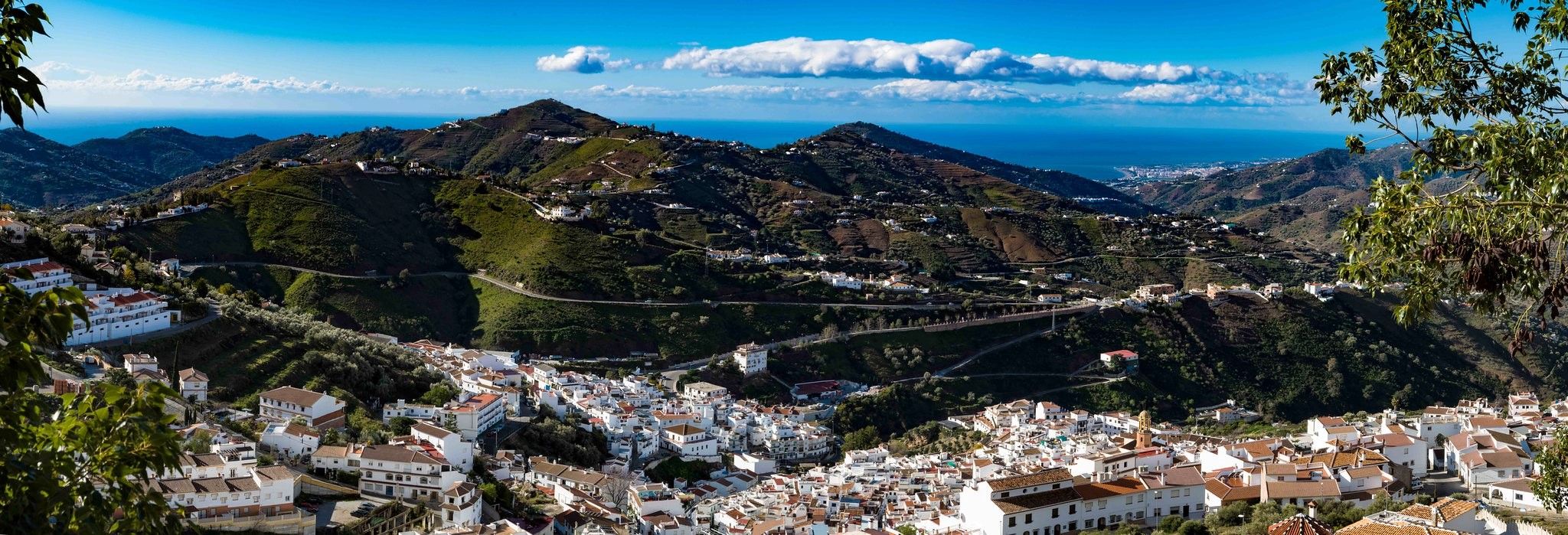
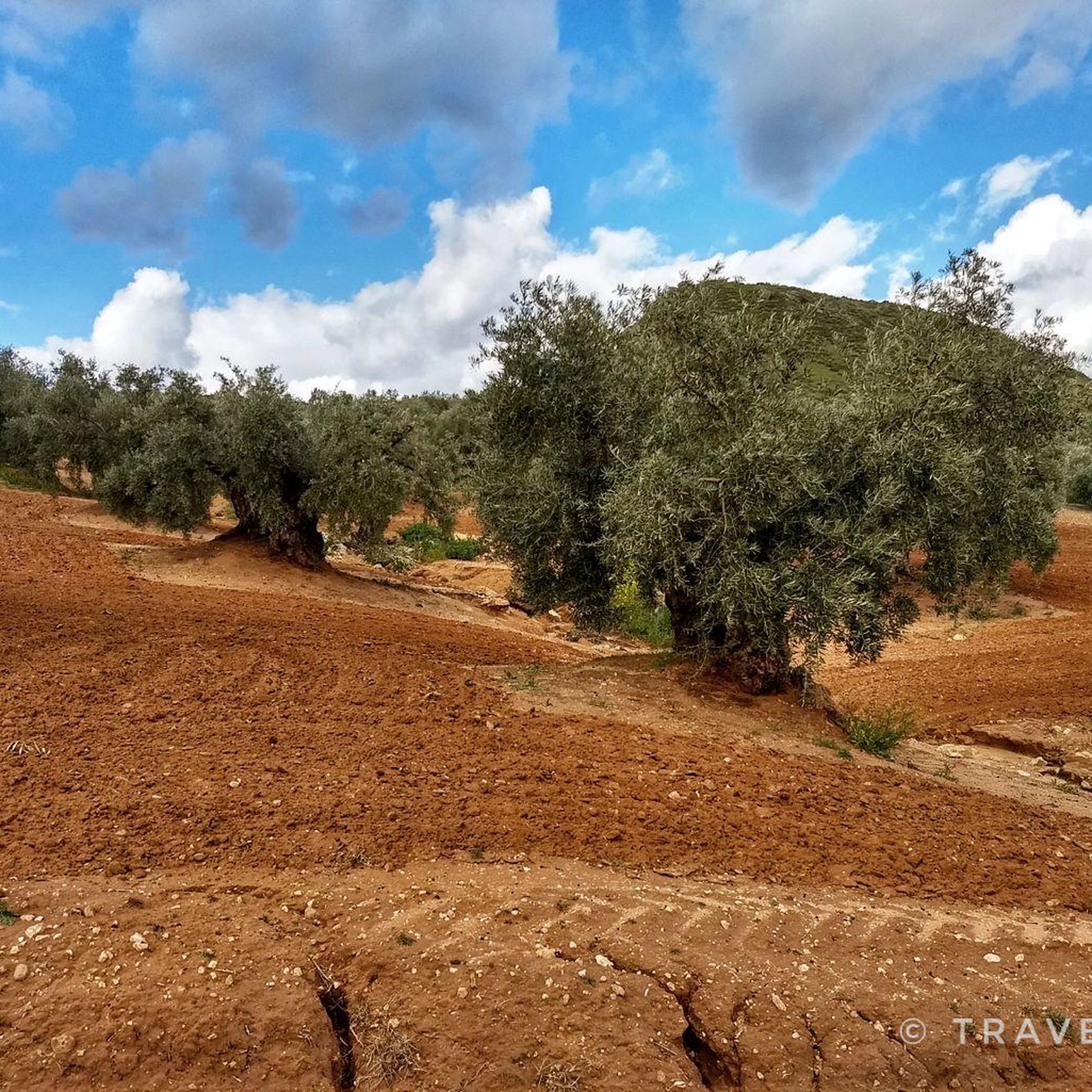
Road cycling routes around Cuevas Bajas traverse the Genil River valley, characterized by extensive olive groves and undulating hills. The region offers varied terrain with a mix of inclines and descents, including sections with significant gradients. Cyclists can expect quiet inland roads, providing a peaceful experience through the Spanish countryside. The landscape features deep ravines carved by the Genil River and views towards the Sierra de Rute.
Best road cycling routes around Cuevas Bajas
- The most popular road cycling route…
Last updated: June 26, 2026
26
riders
Moderate road ride. Good fitness required. Mostly well-paved surfaces and easy to ride.
24
riders
94.6km
04:40
1,470m
1,470m
Hard road ride. Very good fitness required. Mostly well-paved surfaces and easy to ride.

Sign up for free
18
riders
54.1km
02:42
870m
870m
Moderate road ride. Good fitness required. Mostly well-paved surfaces and easy to ride.
18
riders
53.3km
02:18
360m
360m
Moderate road ride. Good fitness required. Mostly well-paved surfaces and easy to ride.
11
riders
113km
04:49
880m
880m
Moderate road ride. Good fitness required. Mostly well-paved surfaces and easy to ride.
Get access to more routes and recommendations from other explorers.
Sign up for free
Already have an account?
Our route recommendations are based on thousands of hikes, rides, and runs completed by other people on komoot.
Start today with a free account
Your next adventure awaits.
Login or Signup

Other adventures around Cuevas Bajas

Tips from the Community


The Laguna de Fuente de Piedra provides an important habitat for large flamingo colonies and is one of the most significant breeding grounds for this bird species in Europe. The shallow salt lagoon offers ideal conditions for the birds, allowing them to be observed there in large numbers, especially during the warmer months.
1
0
Laguna de Fuente de Piedra is home to large flamingo colonies and is considered one of the most important breeding grounds for this bird species in Europe, where they can be observed particularly well in the warmer months.
3
0
The Vicaría Observatory (Mirador) is an official viewpoint at the Fuente de Piedra Lagoon and is one of the most important observation points in the nature reserve. From here, there is a good overview of the shallow salt lagoon.
2
0
The city gate of Antequera was built in 1749 in the Baroque style, demolished in the 19th century, and faithfully reconstructed in the 1990s. Today, the Puerta de Estepa is a symbolic gateway to the city.
3
0
Fuente de Piedra is a charming village whose name derives from an ancient spring believed to possess healing powers. The area was already settled in Roman times, and the spring was then referred to as "Fons Divinus." In the Middle Ages, a small settlement grew up around the spring, which later acquired its present name. During the 18th and 19th centuries, Fuente de Piedra was a renowned spa town thanks to its mineral waters, until the spring dried up. Today, the village's name evokes this past, while its history remains closely intertwined with the use and veneration of the water.
1
0
The Parish Church of Our Lady of the Immaculate Conception (Iglesia Parroquial de Nuestra Señora de la Inmaculada Concepción) is the main church of Alameda and is located in the town center. Built in 1633, it has been expanded several times over the centuries, including the 18th century with the addition of side aisles and a Baroque chapel. The church displays typical elements of Andalusian Baroque architecture, with a simple stone and brick facade and a striking round-arched portal. Inside, the high nave, flanked by two lower side aisles, and a barrel-vaulted ceiling create a harmonious atmosphere. The church is particularly famous as the burial place of the legendary bandit El Tempranillo, who died in Alameda in 1833. It also houses an elaborate image of the Virgen de los Dolores (Virgin of Sorrows), created in 1940 by the sculptor Castillo Lastrucci. The church is now a listed building and is considered one of the most important historical buildings in the town, combining both religious and cultural history.
2
0
The Puerta de Estepa city gate is one of Antequera's most striking buildings and marks the historic entrance to the city. It is located at the end of the Alameda de Andalucía, very close to the Plaza de la Constitución, where the modern city merges into the historic old town. The gateway with its three round arches was built in 1749 in the Baroque style and once served as a welcoming gateway for travelers coming from the direction of Estepa. The structure was demolished in the 19th century but faithfully rebuilt in the 1990s. Today, the Puerta de Estepa city gate is a popular photo opportunity and a symbolic gateway to the city. The view of the old town through the arches is particularly impressive.
4
0
Frequently Asked Questions
How many road cycling routes are available around Cuevas Bajas?
There are over 40 road cycling routes around Cuevas Bajas, offering a diverse range of experiences for cyclists. These routes are highly rated by the komoot community, with an average score of 4.5 stars.
What kind of terrain can I expect on road cycling routes in Cuevas Bajas?
Road cycling routes in Cuevas Bajas traverse the Genil River valley, featuring extensive olive groves and undulating hills. You can expect a mix of inclines and descents, including challenging sections like the 'Taraje slope' with a 13% incline. The region offers quiet inland roads, providing a peaceful cycling experience through picturesque Spanish countryside.
Are there any challenging road cycling routes for experienced riders?
Yes, Cuevas Bajas offers several challenging routes. For instance, the Iznájar Dam and Reservoir – Benamejí loop from Villanueva de Algaidas is a difficult 94.8 km path with significant elevation changes, providing a demanding ride for advanced cyclists.
What are some notable landmarks or attractions I can see while cycling?
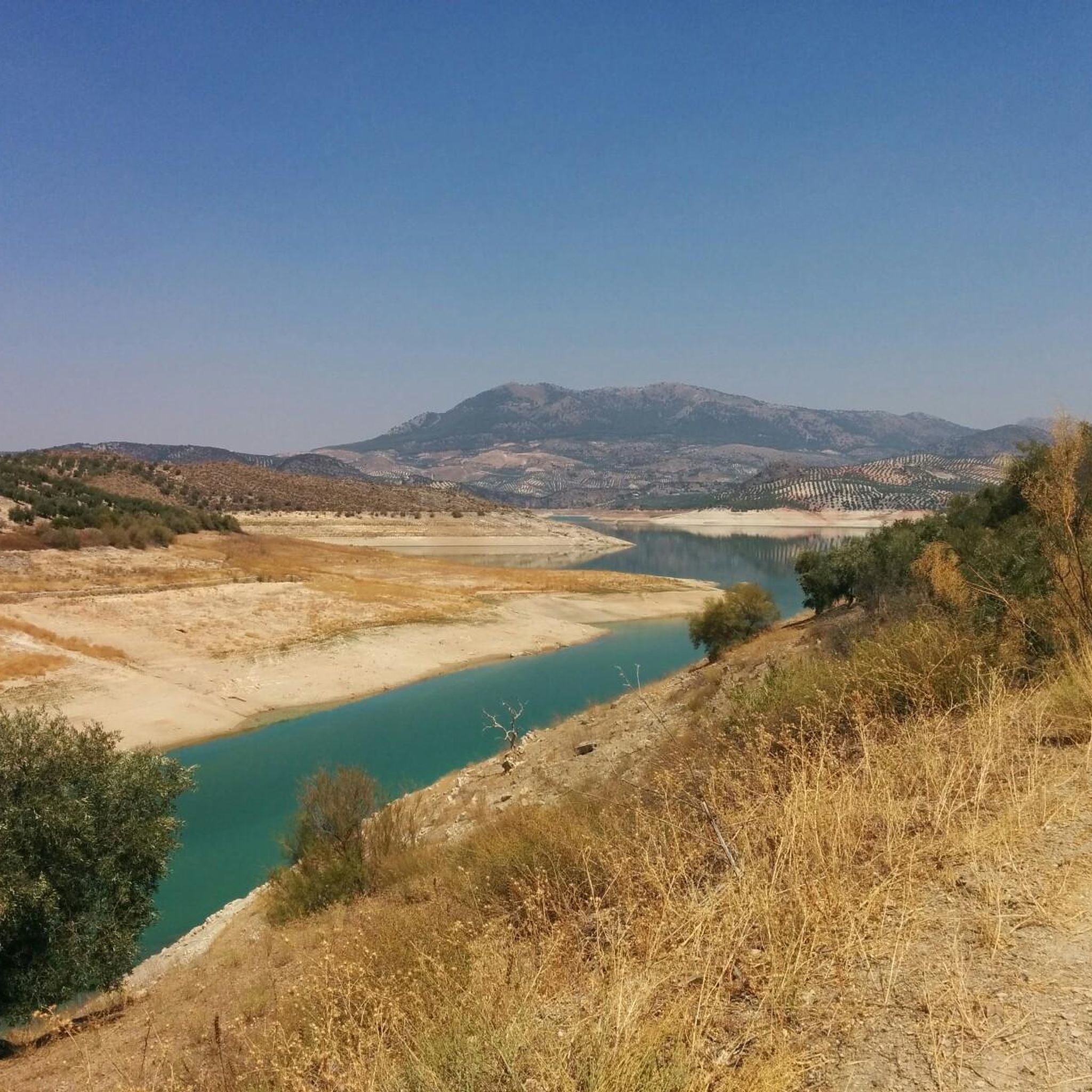
Along the routes, you can encounter several interesting sights. The Iznájar Dam and Reservoir offers scenic views. You might also pass by historic waterwheels like the Noria del río Genil, ancient Arab irrigation systems at Huertas del Marqués, or the charming hamlets of La Moheda and El Cedrón. The El Cedrón Viewpoint provides extensive views of olive groves and the Genil River valley.
What is the best time of year for road cycling in Cuevas Bajas?
The Mediterranean climate makes Cuevas Bajas appealing for year-round cycling. However, spring and autumn offer ideal conditions with pleasant temperatures. Winter also provides abundant sunshine, making it a good option for those looking to escape colder climates.
Are there any circular road cycling routes available?
Yes, many routes in the area are designed as loops. For example, the Fuente de Piedra – Fuente de Piedra Lagoon loop from Villanueva de Algaidas is a popular 72.8 km circular route. Another option is the Benamejí – Encinas Reales loop from Villanueva de Algaidas, which takes you through olive groves and undulating hills.
What do other road cyclists enjoy most about cycling in Cuevas Bajas?
The komoot community highly rates the road cycling experience in Cuevas Bajas, with an average score of 4.5 stars. Cyclists often praise the peaceful, quiet inland roads, the picturesque Spanish countryside, and the varied terrain that offers both challenging climbs and rewarding descents through olive groves and the Genil River valley.
Are there options for family-friendly road cycling?
While many routes feature inclines and descents, the region's quiet inland roads can be suitable for families looking for a more relaxed pace. It's advisable to check the difficulty grade and elevation profiles of specific routes to ensure they match your family's cycling ability. There are 20 moderate routes available, which might include suitable options.
Can I find places to eat or stay that are cyclist-friendly in Cuevas Bajas?
Cuevas Bajas and its surrounding villages are charming and offer local amenities. While specific cyclist-friendly establishments aren't detailed in the route information, the area's growing popularity for outdoor activities suggests you'll find cafes, pubs, and accommodation options. It's recommended to check local listings for cyclist-specific services.
What are the views like from the road cycling routes?
The routes offer breathtaking panoramic views. From higher points like Cerro de la Cruz (768 meters), you can reportedly see three Andalusian provinces: Seville, Córdoba, and Málaga. Many routes provide extensive views of the Genil River valley, vast olive groves, and the distant Sierra de Rute.
Are there any long-distance road cycling routes near Cuevas Bajas?
Yes, some routes offer significant distances. The Estepa Gate – La Vicaría Observatory loop from Cuevas Bajas is a long-distance option, covering over 113 km. The Iznájar Dam and Reservoir – Benamejí loop from Villanueva de Algaidas is also a substantial 94.8 km route.
Is public transport available for cyclists in Cuevas Bajas?
While specific public transport options for cyclists are not detailed, Cuevas Bajas is a village in Málaga province. For information on transporting bikes via public transport, it's best to consult local bus or train operators directly for their policies and schedules in the region.
Most popular attractions around Cuevas Bajas

Get inspired with the komoot mobile app


Explore more
Browse the best Road cycling routes in other regions.
