Attractions and Places To See around Torralba De Calatrava - Top 20
Best attractions and places to see around Torralba De Calatrava include historical landmarks, cultural sites, and natural landscapes. This town in Ciudad Real is known for its traditional Manchegan architecture and its connection to the Ruta de Don Quijote. The surrounding area features the unique geology of the Campo de Calatrava volcanoes and is close to the Tablas de Daimiel National Park, a significant wetland ecosystem.
Best attractions and places to see around Torralba De Calatrava
- The most popular attraction…
Last updated: May 26, 2026
Iron Bridge over the Guadiana River
Highlight • Bridge
Translated by Google •
Tip by

Tablas de Daimiel National Park
Highlight • Natural Monument
Translated by Google •
Tip by
Sign up now to discover places like this
Get recommendations on the best single tracks, peaks, & plenty of other exciting outdoor places.
Sign up for free
Laguna del Prado
Highlight • Lake
Translated by Google •
Tip by

Gasset Reservoir Dam
Highlight • Monument
Translated by Google •
Tip by
Malvecinos Bridge
Highlight • Bridge
And this bridge, which …
Translated by Google •
Tip by
Sign up for free to discover even more attractions around Torralba De Calatrava.
Sign up for free
Already have an account?
Start today with a free account
Your next adventure awaits.
Login or Signup
Popular around Torralba De Calatrava
Old volcanoes and castles – bikepacking through Campo de Calatrava
Hiking around Torralba De Calatrava
Road Cycling Routes around Torralba De Calatrava
MTB Trails around Torralba De Calatrava
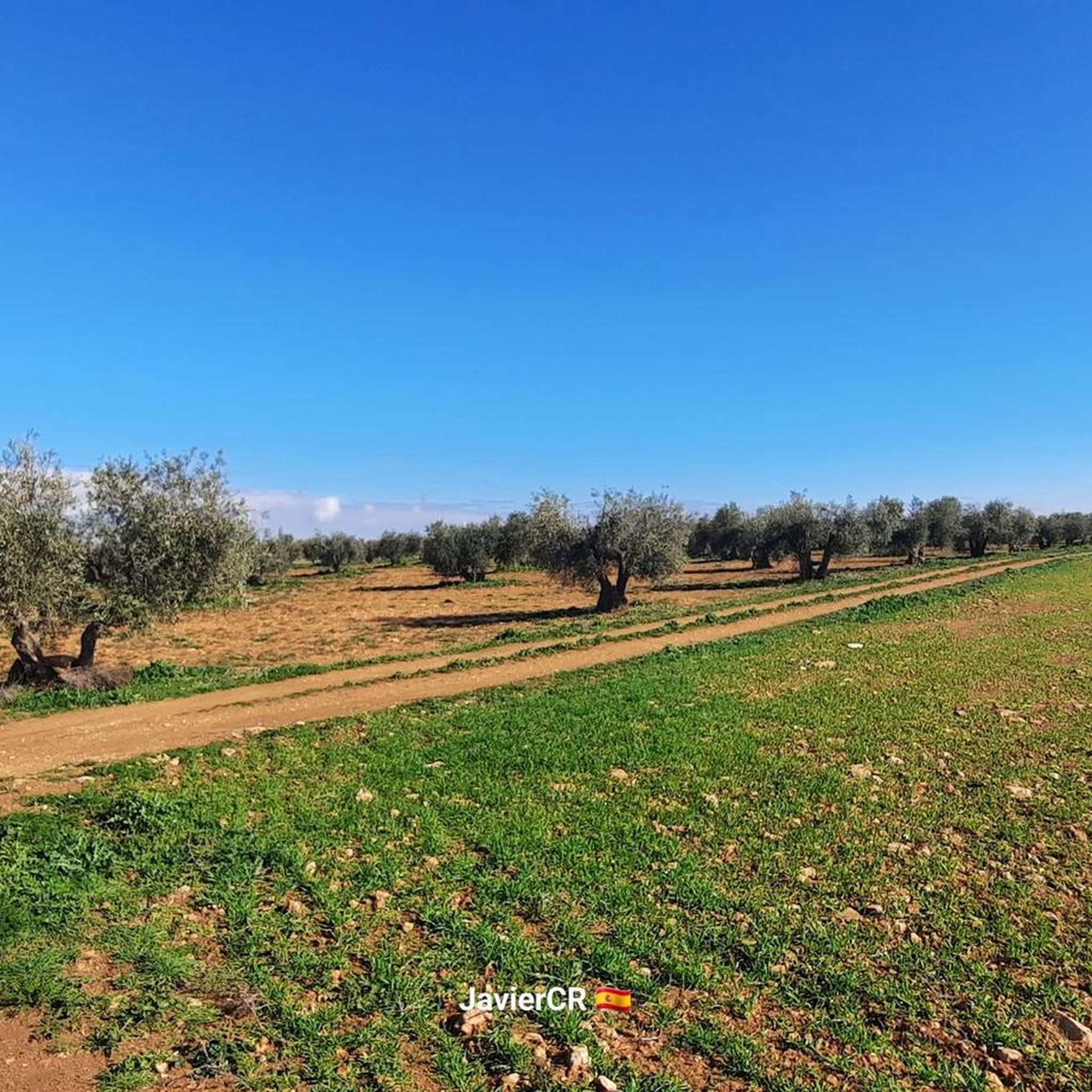
Cycling around Torralba De Calatrava
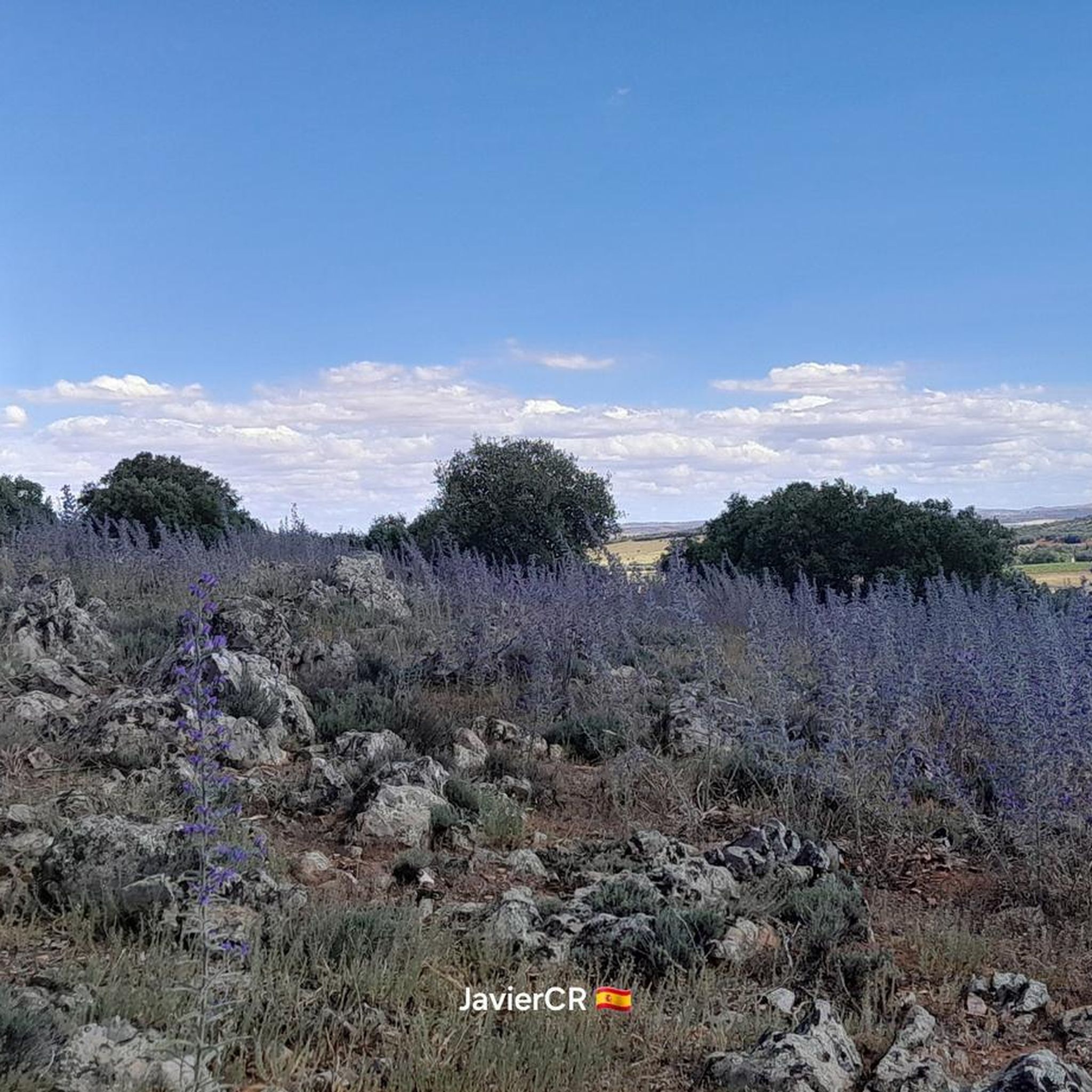
Running Trails around Torralba De Calatrava

Gravel biking around Torralba De Calatrava
Other adventures around Torralba De Calatrava

Tips from the Community

It is located next to the town centre of Pozuelo de Calatrava. It is popularly known as the unexpected lagoon. If you pass by, it is a unique opportunity to enjoy the flora and fauna of the saltiest lagoon in the area.
10
0
The Iron Bridge over the Guadiana River, also known as the Austrias Bridge, is a significant engineering work in the history of Ciudad Real and the region of Castilla-La Mancha. It was built to be part of the railway line that connected Ciudad Real with Badajoz, being an important route for transport and communication in the first half of the 20th century. The construction of the bridge began in 1921 and was completed in 1927. Its design and construction were carried out by the company Material para Ferrocarriles y Construcciones S.A., which used advanced techniques for the time. The bridge is made up of an iron metal structure, supported by masonry pillars, which gives it its characteristic name. During the Spanish Civil War, the bridge played a strategic role and was damaged due to its importance for the movement of troops and supplies. It was later repaired and continued in use until the railway line was decommissioned in the 1960s. Today, the Iron Bridge is a protected monument and a testament to the region's industrial heritage. It is a popular place for walks and hiking trails, allowing visitors to appreciate both its historical value and the natural views of the Guadiana River and its surroundings.
17
0
The Malvecinos bridge is located in the northwestern quadrant of the municipality of Carrión de Calatrava, at km 6,500 of the CR-211 provincial highway that goes from Carrión to Fernán Caballero. Since the Middle Ages, its dam-bridge was one of the most notable historical passages of the Guadiana River in this area, forming part of the route of the Cañada Real de la Plata. Unfortunately, its current state is critical due to the uncontrolled growth of vegetation, which has made urgent intervention necessary for its conservation and to avoid its ruin. The Tablas de Calatrava Naturalist Association has promoted a rehabilitation project in four phases to preserve this historical heritage. We hope that this unique enclave in Alto Guadiana can be protected and restored! 🌉🌿
18
0

It is a place full of history, with a special charm. Formerly this bridge was part of the railway line that connected Ciudad Real with Madrid. At the beginning of the nineties it stopped being used as it did not meet the conditions to support the new AVE route between the capital and Seville. After its conditioning for use as a greenway, it is an attractive pedestrian crossing point to cross the Guadiana River at the height of the Vicario reservoir, next to the Miguelturreña district of Peralvillo, especially when we can see water flowing through its channel, something uncommon in dry season. Ideal for taking photos and admiring its imposing structure.
3
0

Beautiful seen from below and with water as before.
4
0
During the Middle Ages, the Malvecinos dam-bridge was one of the most prominent crossings of the Guadiana River in this area. In addition, it was part of the route of the Cañada Real de la Plata. However, unfortunately, its current state is critical due to the uncontrolled growth of vegetation, which makes urgent intervention necessary for its conservation and to avoid its ruin. In an effort to preserve this unique enclave in Alto Guadiana, the Tablas de Calatrava Naturalist Association has promoted a rehabilitation project in four phases. The first phase, which consists of clearing and cleaning the bridge, is underway thanks to the collaboration of the Guadiana Hydrographic Confederation and other actors involved. The objective is to prevent the definitive collapse of this important historical heritage.
29
0

Very beautiful wooden walkways provide impressive insights into the flora and fauna of the wetland.
8
2

Incredible natural landscape, wetland area and Biosphere Reserve. Las Tablas de Daimiel is a great place to start your adventure. Easy access to parking.
5
0
Frequently Asked Questions
What natural attractions can I explore near Torralba de Calatrava?
The region offers several natural highlights. You can visit the unique wetland ecosystem of Tablas de Daimiel National Park, formed by the confluence of the Guadiana and Gigüela rivers. Another significant natural spot is Laguna del Prado, a saline volcanic lake where you can observe various bird species, including flamingos, when it's flooded. The area is also characterized by the volcanoes of Campo de Calatrava, offering scenic views and hiking opportunities, and the pleasant natural setting of Pradera de San Isidro for relaxation.
Are there any historical sites or landmarks to visit in Torralba de Calatrava?
Yes, Torralba de Calatrava is rich in history. You can see the 16th-century Church of the Santísima Trinidad with its Baroque facade and Mudejar coffered ceiling. Remnants of the medieval Castle of Torralba are also present, with parts believed to be incorporated into the Ermita de la Purísima Concepción. Other notable historical sites include the Casa de la Tercia, Casa de la Encomienda, El Pósito Real, and the historic Tomás Santa Cruz Bullring dating back to 1889. Don't miss the Iron Bridge over the Guadiana River, a historic-artistic monument from 1927.
What cultural experiences does Torralba de Calatrava offer?
Torralba de Calatrava boasts a vibrant cultural scene. The fully restored Patio de Comedias hosts theatrical performances, including a National Festival of Theater and Puppets every August. You can also visit several hermitages, such as the 18th-century Ermita del Santísimo Cristo del Consuelo with its Baroque belfry, and the Ermita de la Purísima Concepción, built on the ancient 'Turris Alba' fortress site. For a deeper dive into the past, explore the Yacimiento de la Motilla de Torralba archaeological site or the Museo Histórico-Arqueológico y las Costumbres de Torralba.
What outdoor activities can I do near Torralba de Calatrava?
The area around Torralba de Calatrava is excellent for outdoor activities. You can find numerous routes for road cycling, such as the 'Gasset Reservoir Loop' or 'Tablas de Damiel — circular desde Torralba de Calatrava'. For hiking, explore trails like 'Las Tablas de Damiel — circular through the Parque Nacional de las Tablas de Damiel' or 'Sierra de Malagón'. There are also running trails available. You can find more details and routes in the dedicated guides for Road Cycling Routes, Hiking, and Running Trails around Torralba de Calatrava.
Are there family-friendly attractions in the area?
Absolutely! Many attractions around Torralba de Calatrava are suitable for families. Both the Tablas de Daimiel National Park and Laguna del Prado are great for nature observation and easy walks. The Iron Bridge over the Guadiana River offers an interesting historical site for a family stroll. The Pradera de San Isidro is a refreshing natural spot ideal for picnics. The town's traditional Manchegan style with whitewashed houses and wide streets also makes for pleasant family walks.
What is the best time of year to visit Torralba de Calatrava for outdoor activities?
The best time to visit Torralba de Calatrava for outdoor activities like hiking and cycling is generally during the spring (April-May) and autumn (September-October). During these seasons, the weather is milder and more pleasant, avoiding the intense heat of summer and the cooler, sometimes wetter, conditions of winter. This also aligns with good periods for birdwatching at wetlands like Tablas de Daimiel, especially in spring and early autumn when migratory birds are present.
Can I find any hidden gems or less-known spots in Torralba de Calatrava?
While many sites are well-known, the Malvecinos Bridge, a historical crossing of the Guadiana River and part of the Cañada Real de la Plata, is a less-traveled spot with significant historical interest, though it requires some exploration due to vegetation. The Mudejar Artesonado in the Church of the Santísima Trinidad, hidden for centuries and restored in 2001, could also be considered a hidden gem within a prominent landmark. Additionally, the various smaller hermitages like San Pedro, San Cristóbal, and San Isidro offer quiet, reflective visits.
Are there any specific hiking trails around the Tablas de Daimiel National Park?
Yes, the Tablas de Daimiel National Park offers several trails. For example, you can find the 'Las Tablas de Damiel — circular through the Parque Nacional de las Tablas de Damiel' route, which is a moderate 8.4 km hike. There's also the 'Itinerario de la Torre de Prado Ancho (azul) — ida y vuelta por el Parque Nacional de las Tablas de Daimiel', an easier 4.7 km option. These trails allow you to experience the unique wetland ecosystem and observe its wildlife. More hiking options are available in the Hiking around Torralba De Calatrava guide.
What kind of wildlife can I expect to see in the natural areas?
In natural areas like Tablas de Daimiel National Park and Laguna del Prado, birdwatching is a major attraction. You might spot black-headed gulls, avocets, stilts, plovers, and even pink flamingos, especially during periods when the lagoons are flooded. The wetlands are crucial habitats for various aquatic birds. The surrounding volcanic landscapes of Campo de Calatrava also support diverse flora and fauna typical of Mediterranean ecosystems.
Are there any significant engineering works or bridges to see?
Yes, the area features notable engineering works. The most prominent is the Iron Bridge over the Guadiana River, inaugurated in 1927 as part of the Madrid-Atocha to Badajoz-Frontera railway line, recognized as a historic-artistic monument. Another historical bridge is the Malvecinos Bridge, an ancient crossing point over the Guadiana. Additionally, the Gasset Reservoir Dam, completed in 1909, is an important man-made structure that contributes to the region's landscape and water management.
What is the local architecture like in Torralba de Calatrava?
Torralba de Calatrava maintains a traditional Manchegan urban design. You'll find charming whitewashed houses, wide streets, and facades often adorned with wrought-iron grilles. This architectural style reflects the historical and cultural heritage of the La Mancha region, providing a picturesque backdrop for exploring the town.
What local cuisine and traditions can I experience?
Torralba de Calatrava boasts a rich culinary tradition. You can savor local specialties such as pisto (a vegetable stew), migas (fried bread crumbs), and the renowned Manchego cheese. These dishes are often paired with wines from the Campo de Calatrava region. The town also celebrates numerous festivities throughout the year, particularly those dedicated to its patron, Cristo del Consuelo, which combine religious devotion with music, vibrant colors, and local gastronomy, offering a true taste of Manchegan culture.
Most popular routes around Torralba De Calatrava
Most popular attractions around Torralba De Calatrava

Get inspired with the komoot mobile app


Explore more
Still not found the Highlight you’re looking for? See guides of the top attractions in other regions:
