The best road cycling routes around Torralba De Calatrava
3.9
(6)
178
riders
7
rides
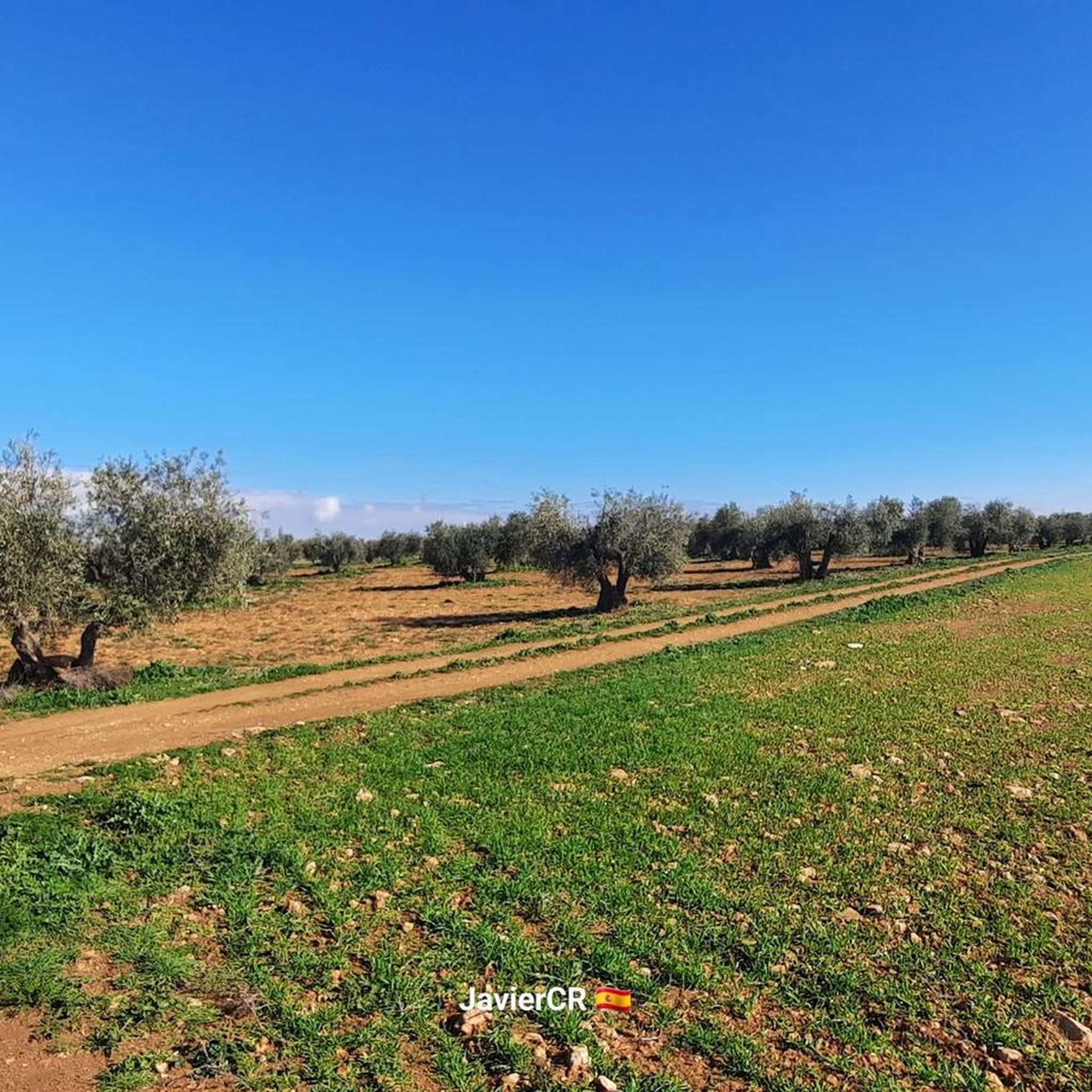
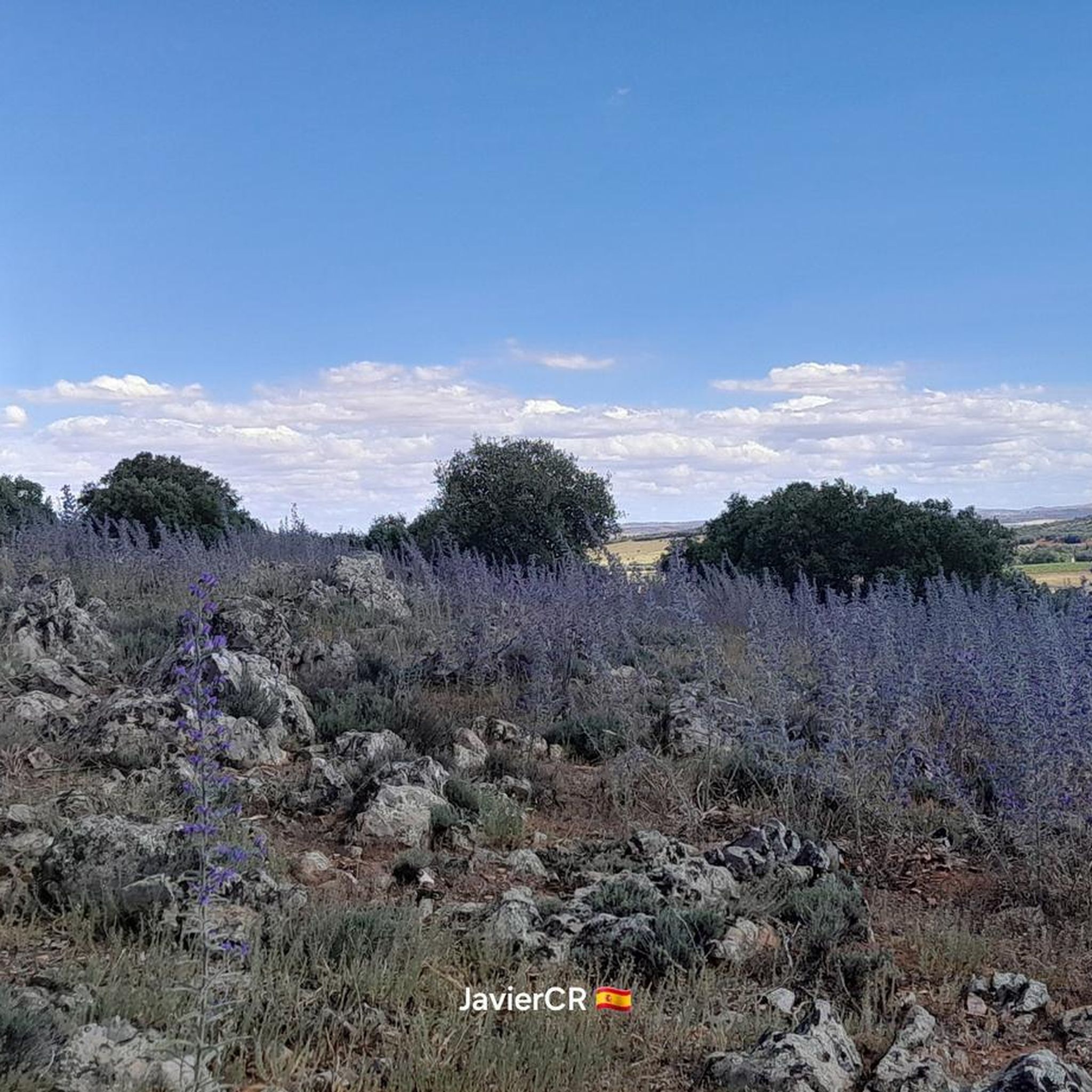
Road cycling routes around Torralba De Calatrava traverse the western plain of La Mancha, characterized by undulating roads and extensive agricultural fields of cereals, vineyards, and olive groves. The terrain features moorlands and a large geological depression, with some routes incorporating climbs when approaching historic towns. The region also includes shallow lagoons formed by ancient volcanic activity and the presence of the Guadiana River.
Best road cycling routes around Torralba De Calatrava
- The most popular road cycling route is Gasset…
Last updated: July 8, 2026
6
riders
Moderate road ride. Good fitness required. Mostly well-paved surfaces and easy to ride.
5
riders
71.6km
02:59
430m
430m
Cycle 44.5 miles (71.6 km) on this moderate road route from Fernán Caballero, exploring the Gasset Reservoir and Roman Bridge of Molino Carr

Sign up for free
3
riders
Moderate road ride. Good fitness required. Mostly well-paved surfaces and easy to ride.
Moderate road ride. Good fitness required. Mostly well-paved surfaces and easy to ride.
78.0km
03:04
230m
230m
Moderate road ride. Good fitness required. Mostly well-paved surfaces and easy to ride.
Get access to more routes and recommendations from other explorers.
Sign up for free
Already have an account?
Our route recommendations are based on thousands of hikes, rides, and runs completed by other people on komoot.
Start today with a free account
Your next adventure awaits.
Login or Signup

Other adventures around Torralba De Calatrava

Tips from the Community

The roundabout in Torralba de Calatrava next to the Campoblanco Hotel Restaurant is located on Highway N-430, Km. 256. This hotel offers accommodations with a restaurant, bar, and free parking. It's a popular spot for travelers visiting the area, and the restaurant is known for its varied menu, which includes Mediterranean and Spanish dishes.
18
0
The Flor de Rivera Mill is one of the old hydraulic mills located in Daimiel, Ciudad Real, Castilla-La Mancha. This mill, although in ruins, is part of the region's historical heritage and is a point of interest on the hiking and cycling routes that cross the Tablas de Daimiel National Park.
21
0
This municipality is located in the La Mancha region, between the first foothills of the Montes de Toledo and the vast La Mancha plain. It is known for its cultural and natural heritage, including the Ojos del Guadiana site, the source of the Guadiana River. It also shares the Tablas de Daimiel National Park, an important wetland, with the neighboring municipality of Daimiel. Villarrubia de los Ojos has a rich history dating back to the Middle Ages, when control of the territory passed from the Order of Saint John of Jerusalem to the Order of Calatrava after the Battle of Las Navas de Tolosa in 1212. The town also boasts an interesting architectural and cultural heritage, including the Hermitage of San Cristóbal and the "San Isidro Labrador" Ethnographic Museum.
15
0
Villarrubia de los Ojos is a charming place to visit! Historic Center: Stroll through its streets and discover the traditional architecture and history of the town. San Isidro Labrador Ethnographic Museum: Learn more about local culture and traditions. Tablas de Daimiel National Park: Just 20 km away, this wetland is perfect for nature lovers. Sanctuary of the Virgin of the Sierra: A place of great religious and cultural significance.
18
0
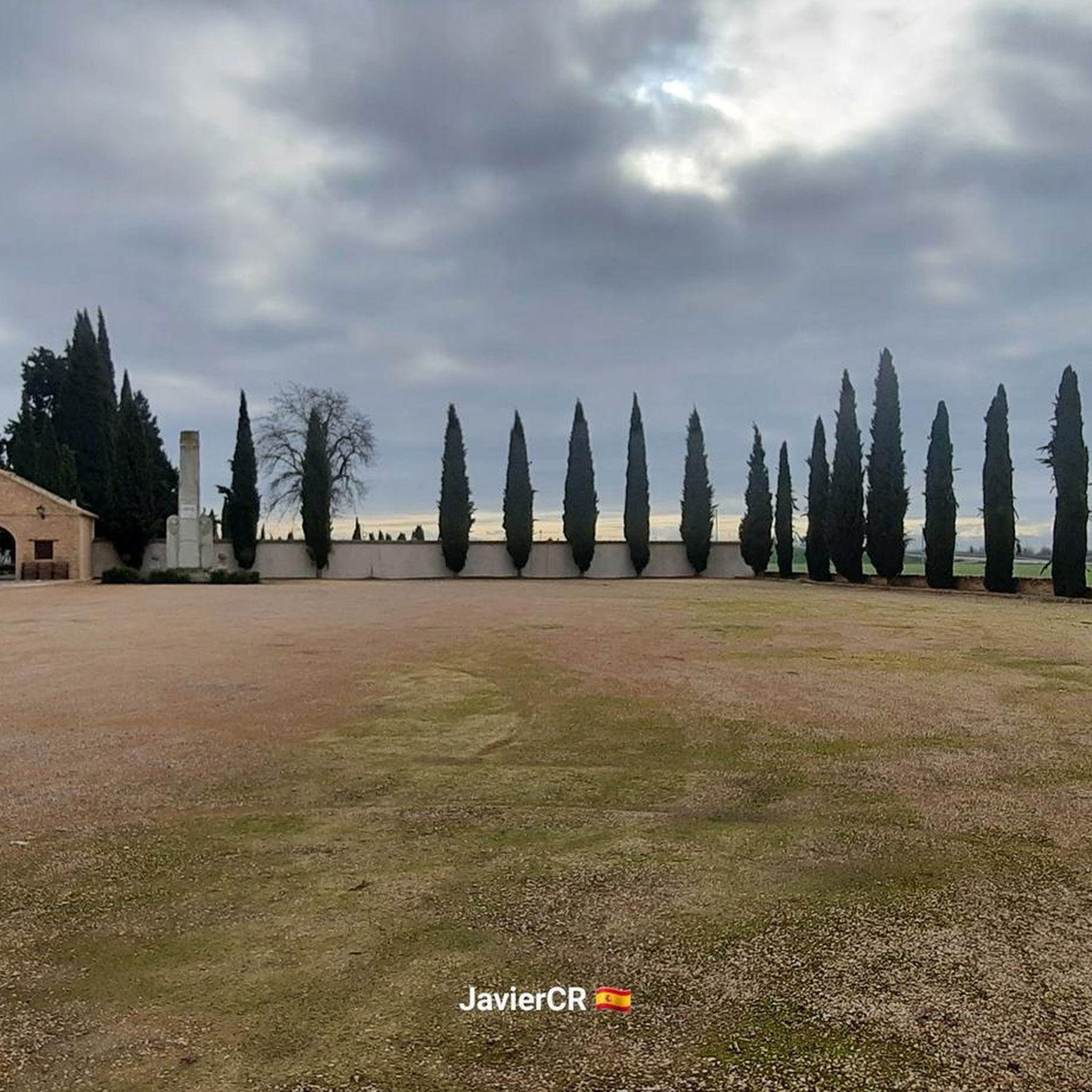
Torralba de Calatrava is located in the centre of the province of Ciudad Real. It belongs to the historic Campo de Calatrava and orographically forms part of the western plain of La Mancha, a large geological depression filled with marl, clay and sandstone. The Guadiana River runs through the northern part of its area, together with the La Posadilla, Morillas and Pellejero streams, which caused so many shocks in past centuries with their floods.
21
0

Very beautiful wooden walkways provide impressive insights into the flora and fauna of the wetland.
8
2
The Bañuelos River Bridge from Roman times surprises us with its ten eyes, today battered awaiting rehabilitation, formed by brick vault arches, joined with lime and sand mortar. On the right bank of the river next to the bridge is the Carrillo Mill, named after its first owner. It is a construction from 1713, made with masonry walls and thick cylindrical buttresses, covered with wooden trusses and curved tiles that preserve the original machinery.
35
0
The Bañuelos River Bridge from Roman times surprises us with its ten eyes, today battered awaiting rehabilitation, formed by brick vault arches, joined with lime and sand mortar. On the right bank of the river next to the bridge is the Carrillo Mill, named after its first owner. It is a construction from 1713, made with masonry walls and thick cylindrical buttresses, covered with wooden trusses and curved tiles that preserve the original machinery.
17
0
Frequently Asked Questions
What kind of terrain can I expect on road cycling routes around Torralba de Calatrava?
The region features undulating roads, extensive agricultural fields of cereals, vineyards, and olive groves. You'll also encounter moorlands and a large geological depression. Some routes incorporate climbs, especially when approaching historic towns or sites, adding variety to the experience.
Are there road cycling routes suitable for beginners or families in Torralba de Calatrava?
Yes, the network around Torralba de Calatrava offers options for easy ability levels. While specific family-friendly road routes aren't detailed, the generally undulating terrain and agricultural roads can be suitable for those seeking less challenging rides. For a moderate option, consider the Gasset Reservoir Loop.
What are the best times of year for road cycling in Torralba de Calatrava?
Spring and autumn are highly recommended for road cycling in Torralba de Calatrava. During these seasons, temperatures are more moderate, allowing for a more comfortable experience. Summer can be intensely hot, and winter may bring colder conditions.
What natural features or landmarks can I see along the road cycling routes?
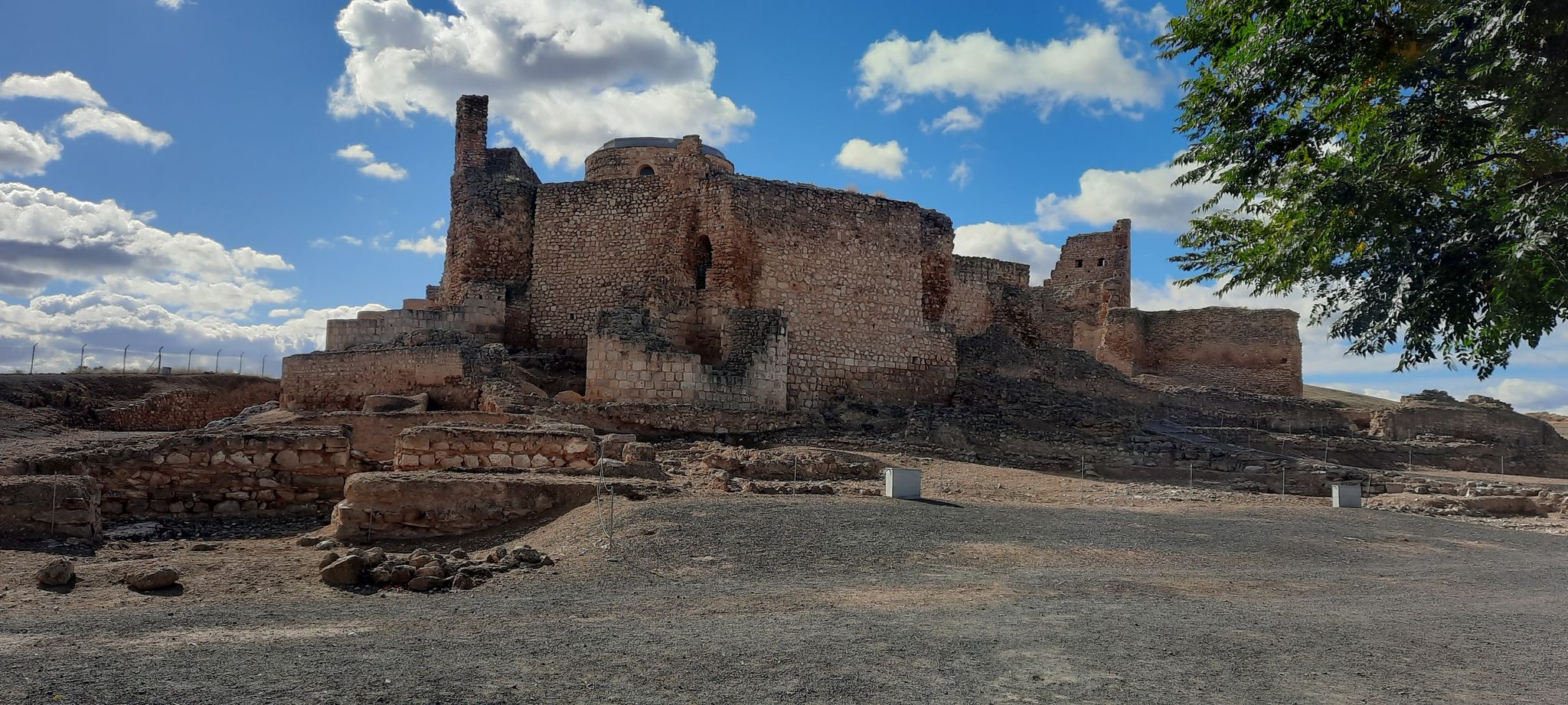
You can explore diverse natural scenery, including shallow lagoons formed by ancient volcanic activity and the presence of the Guadiana River. Routes often pass through picturesque agricultural fields. Notable attractions include the Tablas de Daimiel National Park and the historic Castillo de Calatrava La Vieja. You might also spot the Laguna del Prado.
Are there any circular road cycling routes available?
Yes, several routes are circular. For example, the Castillo de Calatrava La Vieja y Embalse de Gasset — circular desde Carrión de Calatrava is a popular moderate option. Another is the Carrión de Calatrava from Castillo de Calatrava La Vieja – circular through Malagón, el Embalse de Gasset and Fernán Caballero.
How many road cycling routes are there in Torralba de Calatrava?
There are 7 road cycling routes available around Torralba de Calatrava, offering a variety of experiences for cyclists.
What do other road cyclists enjoy most about cycling in Torralba de Calatrava?
The area is highly rated by the komoot community, with an average score of 4.2 stars from over 5 reviews. Cyclists often praise the varied terrain, which includes undulating roads and scenic agricultural fields, as well as the opportunity to pass by historic sites like Castillo de Calatrava la Vieja.
Can I bring my dog on road cycling routes in Torralba de Calatrava?
While the region offers beautiful landscapes, road cycling routes are generally not recommended for dogs due to traffic, hard surfaces, and the potential for paw injuries. It's best to leave your canine companions at home for road cycling adventures.
Are there any specific regulations or permits required for road cycling in the area?
There is no specific information indicating that permits are required for general road cycling in the Torralba de Calatrava area. However, always adhere to local traffic laws and respect private property.
Where can I find parking for road cycling routes in Torralba de Calatrava?
While specific parking areas for cyclists are not detailed, many routes start from or pass through towns like Torralba de Calatrava or Carrión de Calatrava, where public parking options are generally available. It's advisable to check local parking regulations upon arrival.
Are there any easy road cycling routes in the area?
Yes, the region offers at least one easy road cycling route. These routes typically feature less elevation gain and smoother terrain, making them suitable for a more relaxed ride.
What is the longest road cycling route available?
The longest route is the Villarrubia de los Ojos from Parque Nacional de las Tablas de Daimiel – circular by Daimiel, covering approximately 89 kilometers (55 miles).
Most popular routes around Torralba De Calatrava
Most popular attractions around Torralba De Calatrava

Get inspired with the komoot mobile app


Explore more
Browse the best Road cycling routes in other regions.
