The best traffic-free bike rides around Torralba De Calatrava
4.2
(5)
176
riders
2
rides
Road cycling around Torralba De Calatrava offers diverse terrain within the Campo de Calatrava region, characterized by its unique volcanic landscape and the western Manchegan plain. The area provides a mix of flat sections and gentle undulations, suitable for various cycling preferences. Cyclists can explore routes that traverse wetland ecosystems, pass by historical landmarks, and follow scenic secondary roads with less traffic. The region's geology contributes to varied cycling experiences, from smooth asphalt to more challenging ascents.
Best no traffic…
Last updated: May 21, 2026
6
riders
Moderate road ride. Good fitness required. Mostly well-paved surfaces and easy to ride.
16
riders
77.0km
03:36
580m
580m
Moderate road ride. Good fitness required. Mostly well-paved surfaces and easy to ride.

Sign up for free
13
riders
59.9km
02:30
390m
390m
Moderate road ride. Good fitness required. Mostly well-paved surfaces and easy to ride.
12
riders
24.5km
01:04
120m
120m
Easy road ride. Great for any fitness level. Mostly well-paved surfaces and easy to ride.
4.0
(1)
9
riders
32.3km
01:35
140m
140m
Moderate road ride. Great for any fitness level. Some segments of this route may be unpaved and difficult to ride.
Our route recommendations are based on thousands of hikes, rides, and runs completed by other people on komoot.
Start today with a free account
Your next adventure awaits.
Login or Signup


Other adventures around Torralba De Calatrava

Tips from the Community

This park is close to other recreational areas such as the Antonia Roldán Children's Park. It's an ideal place to enjoy nature and relax.
25
0
The Malagón Bullring is a place with a rich history and significance. The bullring owes its name to a wooden cross with greenish pigments that was found on one of the facades of the old houses surrounding the area. Although its exact origin is unknown, its existence has been documented since the 18th century. This green cross was an emblem of the Inquisition and led the processions held on the eve of an auto-da-fé. It symbolized the hope of eternal salvation for heretics reconciled with the Catholic Church.
18
0
The square, formerly known as Plaza de Roque Díaz, has been a focal point since the Reconquista and the era of the Order of Calatrava. In the 16th century, it became the center of important historical events, such as the signing of the Deed of Concord in 1552.
14
0
Malagón's Town Hall Square is a landmark in the municipality. It is located in the center of Malagón and houses the Town Hall building, which features a striking architecture, including a bell tower and a clock.
16
0
The Flor de Rivera Mill is one of the old hydraulic mills located in Daimiel, Ciudad Real, Castilla-La Mancha. This mill, although in ruins, is part of the region's historical heritage and is a point of interest on the hiking and cycling routes that cross the Tablas de Daimiel National Park.
20
0
The ADIF station in Ciudad Real, also known as Ciudad Real-Central, is located at Avenida de Europa, 11. This station is an important rail connection point, inaugurated in 1992 with the launch of the Madrid-Seville high-speed line. 🚄🚅🚈🚝🚉🕒
20
0
This municipality is located in the La Mancha region, between the first foothills of the Montes de Toledo and the vast La Mancha plain. It is known for its cultural and natural heritage, including the Ojos del Guadiana site, the source of the Guadiana River. It also shares the Tablas de Daimiel National Park, an important wetland, with the neighboring municipality of Daimiel. Villarrubia de los Ojos has a rich history dating back to the Middle Ages, when control of the territory passed from the Order of Saint John of Jerusalem to the Order of Calatrava after the Battle of Las Navas de Tolosa in 1212. The town also boasts an interesting architectural and cultural heritage, including the Hermitage of San Cristóbal and the "San Isidro Labrador" Ethnographic Museum.
15
0
Villarrubia de los Ojos is a charming place to visit! Historic Center: Stroll through its streets and discover the traditional architecture and history of the town. San Isidro Labrador Ethnographic Museum: Learn more about local culture and traditions. Tablas de Daimiel National Park: Just 20 km away, this wetland is perfect for nature lovers. Sanctuary of the Virgin of the Sierra: A place of great religious and cultural significance.
18
0
Frequently Asked Questions
How many no traffic road cycling routes are available around Torralba de Calatrava?
There are several no traffic road cycling routes around Torralba de Calatrava, offering a variety of distances and experiences. The komoot community has curated at least 5 routes that focus on quiet roads, with more options available for exploration.
What kind of terrain can I expect on no traffic road cycling routes in Torralba de Calatrava?
The region around Torralba de Calatrava, part of the western Manchegan plain and Campo de Calatrava, features a diverse volcanic landscape. This means you can expect a mix of flat sections, gentle undulations, and some challenging climbs, providing varied terrain for road cyclists. Routes often utilize scenic secondary roads with smooth asphalt.
Are there any easy no traffic road cycling routes suitable for beginners or families?
Yes, there are routes suitable for various skill levels. For an easier option, consider the Molino de Melocho – Fountain of Fortune loop from Daimiel, which is rated as easy and covers a distance of approximately 24.5 km. While not explicitly family-friendly, its lower difficulty makes it more accessible.
What historical landmarks or natural features can I see along these quiet cycling routes?
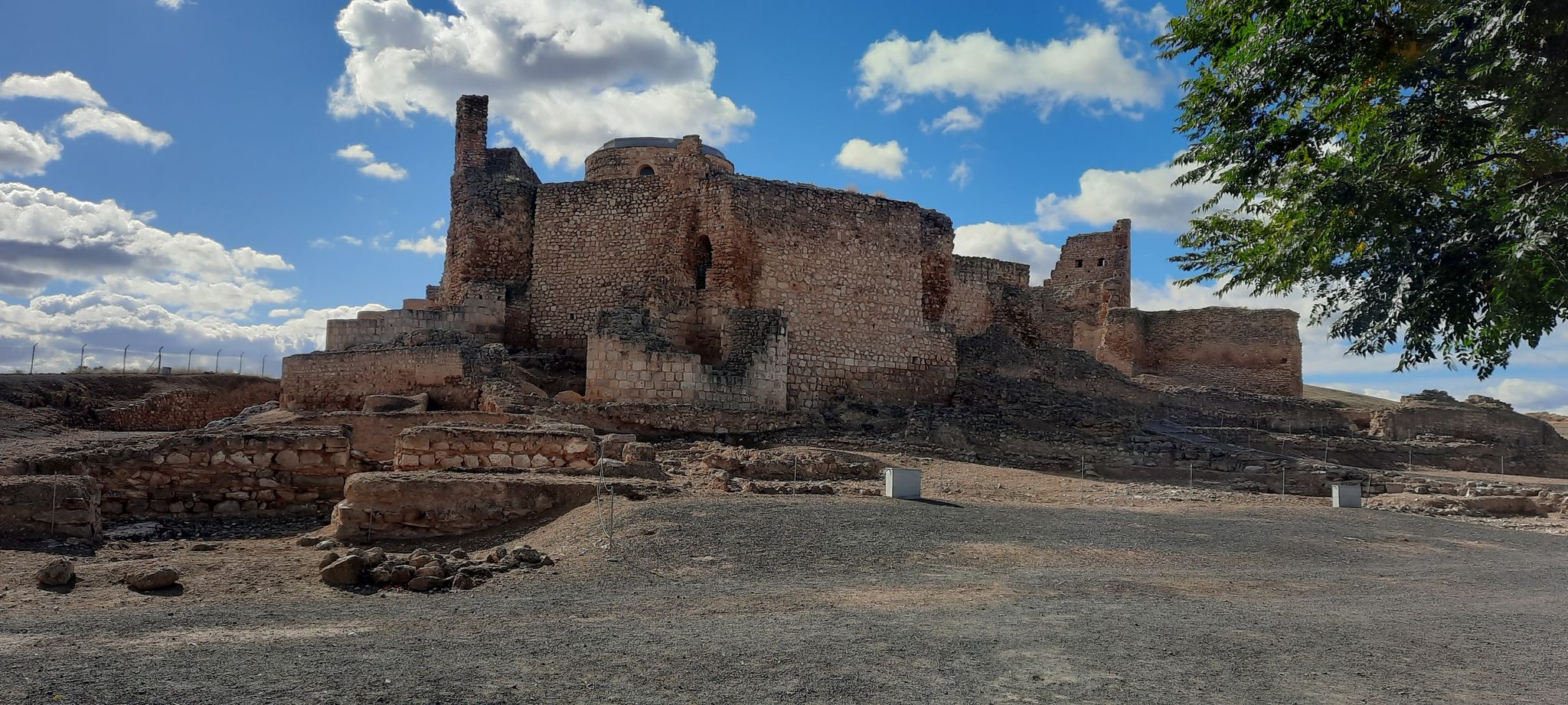
The routes often pass by significant historical and natural sites. You might encounter the medieval remains of the Castillo de Torralba, the 16th-century Iglesia de la Santísima Trinidad, or ancient chapels. Natural features include the unique Laguna del Prado, a volcanic saline lagoon, and areas influenced by the Tablas de Daimiel National Park. The historic Gasset Reservoir Dam is also a notable point of interest.
Are there any circular no traffic road cycling routes available?
Yes, many of the routes are designed as loops, allowing you to start and end in the same location. An example is the Castillo de Calatrava La Vieja y Embalse de Gasset — circular desde Carrión de Calatrava, which offers a scenic circular journey.
What is the best time of year to enjoy no traffic road cycling in Torralba de Calatrava?
The region generally experiences hot summers and mild winters. Spring (April-May) and Autumn (September-October) are often considered the best times for cycling, offering pleasant temperatures and less extreme weather conditions. Always check the local weather forecast before heading out.
Are there any routes that pass through or near the Tablas de Daimiel National Park?
Yes, some routes allow cyclists to journey through the influence zone of the Tablas de Daimiel National Park, offering opportunities to explore wetland ecosystems and diverse flora and fauna. These routes combine natural beauty with quiet roads.
What is the average difficulty of the no traffic road cycling routes in this area?
Most of the curated no traffic road cycling routes in this guide are rated as 'moderate' difficulty. This indicates they may include some climbs and longer distances, making them suitable for cyclists with a reasonable level of fitness. There are also easier options available for those seeking a more relaxed ride.
Can I find cafes or places to stop for refreshments along the no traffic road cycling routes?
While specific cafes directly on every quiet road are not guaranteed, many routes pass through or near towns and villages where you can find local establishments for refreshments. It's always a good idea to carry sufficient water and snacks, especially on longer stretches, and plan your stops in advance.
What do other road cyclists say about the no traffic routes in Torralba de Calatrava?
The komoot community highly rates the cycling experiences in this area, with an average score of 4.2 stars. Reviewers often praise the quiet, well-maintained secondary roads, the diverse landscapes ranging from volcanic features to plains, and the opportunity to combine cycling with visits to historical landmarks.
Are there any longer no traffic road cycling routes for experienced riders?
For experienced riders looking for longer distances, routes like the Molino de Melocho – Villarrubia de los Ojos loop from Daimiel cover approximately 76 km with significant elevation gain, offering a more challenging and extended ride on quiet roads.
Most popular routes around Torralba De Calatrava
Most popular attractions around Torralba De Calatrava

Get inspired with the komoot mobile app


Explore more
Browse the best Road cycling routes in other regions.
