Attractions and Places To See around Saint-Jeoire - Top 20
Best attractions and places to see around Saint-Jeoire include a blend of historical landmarks, natural features, and cultural sites within the Haute-Savoie department of France. The region is characterized by its green valleys, fir forests, and proximity to the Chablais massif, offering diverse landscapes. Visitors can explore mountain passes, historical structures, and tranquil natural spots. Saint-Jeoire serves as a hub for outdoor activities and cultural discovery.
Best attractions and places to see around Saint-Jeoire
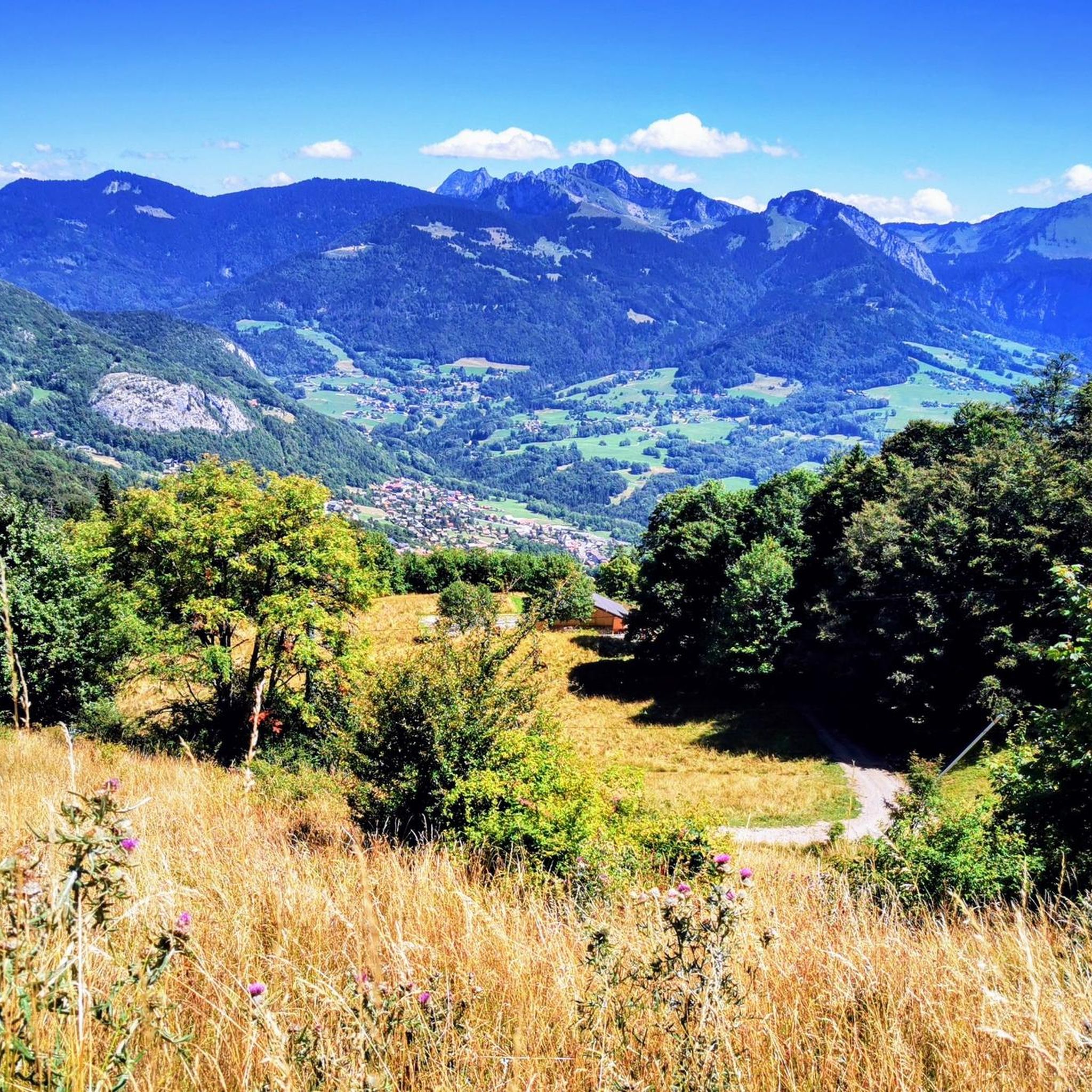
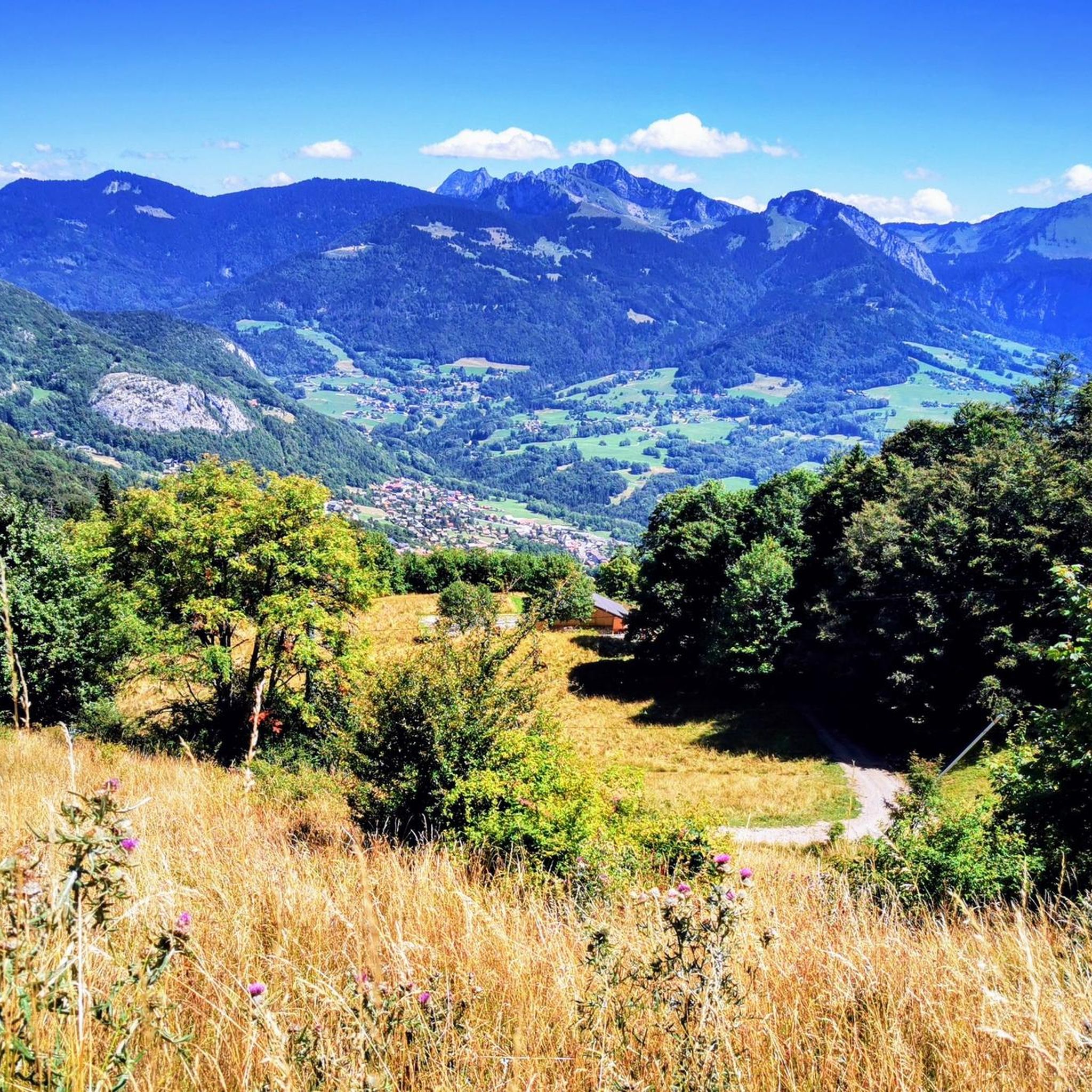
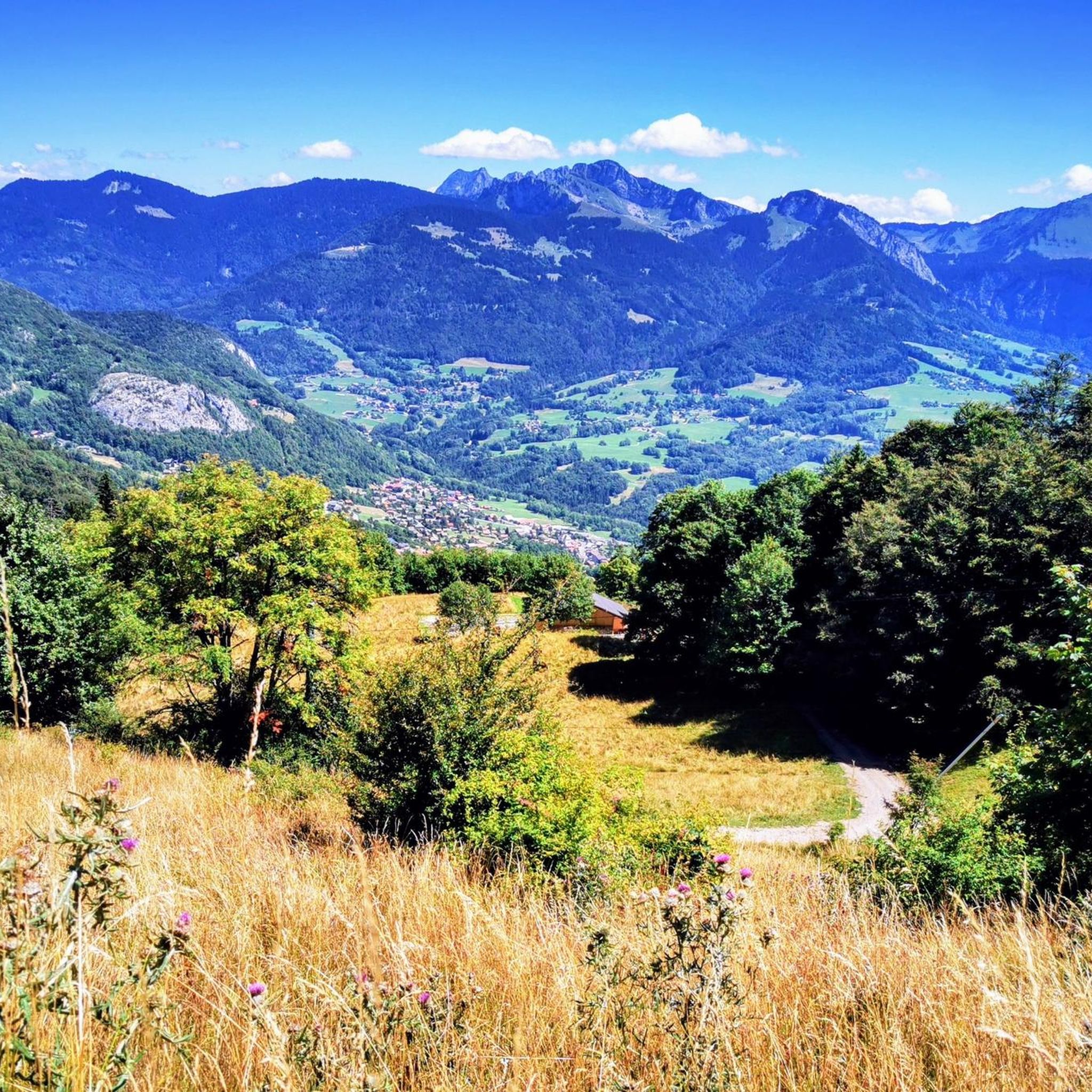
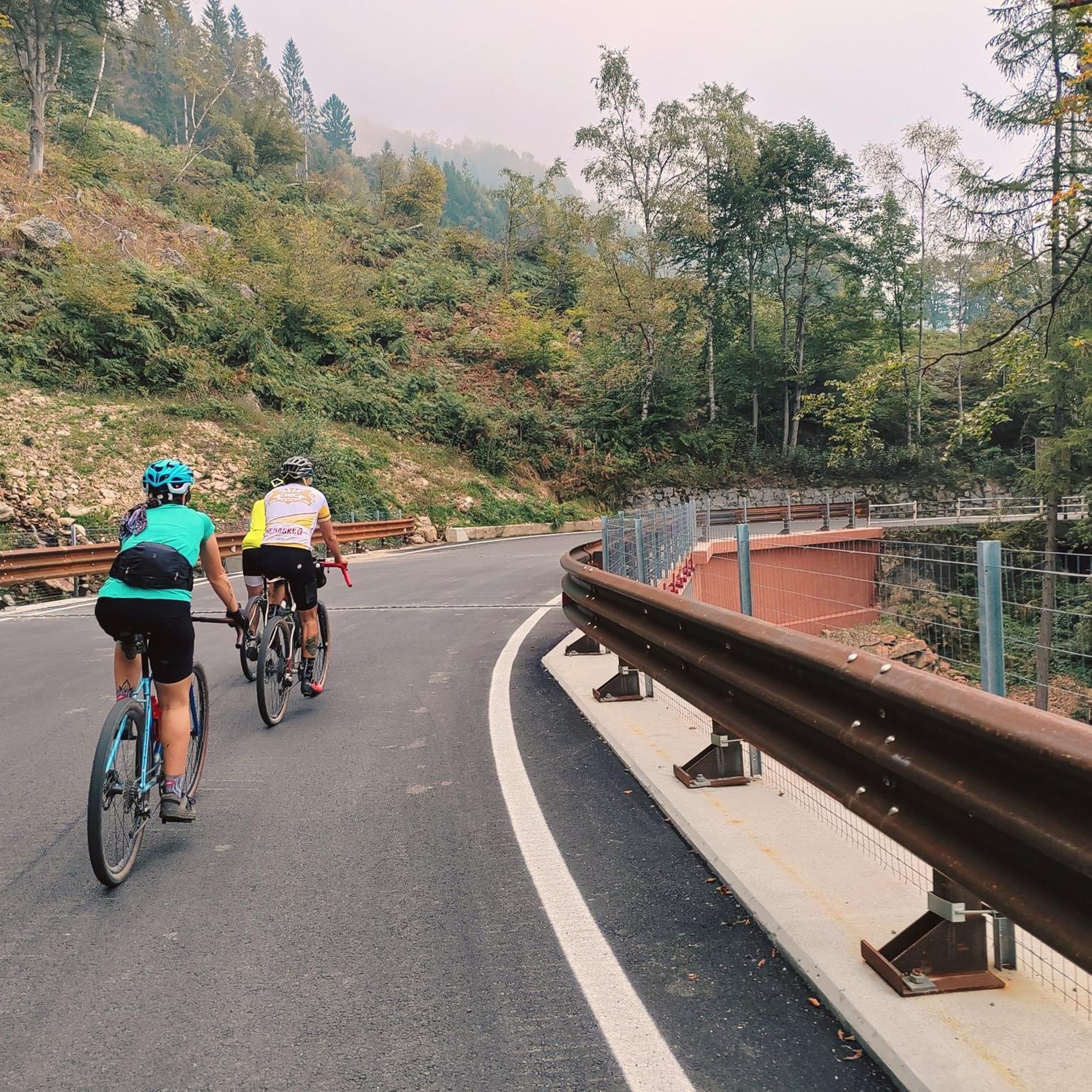
- The most popular attractions is Col de Cou, a mountain pass that connects the Vallée Verte to the Côte-en-Chablais region. Situated at an altitude of 1,117 meters, it offers various cycling routes with differing difficulties.
- Another must-see spot is Jambaz Pass, a mountain pass known for its quiet alpine setting and beautiful landscapes. The climb from Saint-Jeoire offers views of the Rocher de la Motte.
- Visitors also love Saint Bruno Chapel, a religious building with historical significance. This chapel, dedicated to Saint Bruno, was rebuilt multiple times and offers panoramic views of Lac de Vallon and the surrounding mountains.
- Saint-Jeoire is known for its mountain passes, historical sites, and religious buildings. The area provides a variety of attractions to see and explore, from challenging climbs to serene historical locations.
- The attractions around Saint-Jeoire are appreciated by the komoot community, with more than 90 upvotes and 15 photos shared by visitors.
Last updated: May 25, 2026
Jambaz Pass
Highlight • Mountain Pass
Beautiful landscape.
More information: quaeldich.de/paesse/col-de-jambaz
Translated by Google •
Tip by

Col de Cou
Highlight • Mountain Pass
Translated by Google •
Tip by

Sign up now to discover places like this
Get recommendations on the best single tracks, peaks, & plenty of other exciting outdoor places.
Sign up for free
Saint Bruno Chapel
Highlight • Religious Site
Translated by Google •
Tip by

Pont Vieux de Cluses
Highlight • Bridge
Translated by Google •
Tip by

Pointe des Brasses
Highlight • Summit
Les Brasses is a toponym from a mountain pasture located above Viuz-en-Sallaz2. It could derive from the German Brache, which designates fallow or fallow land2,3, or from the Old German braka meaning “clearing”3. It is possible that it also derives from the Latin bracchium3 (“arm”), referring to the arms of the river, three of which have their source in Brasses: the Menoge, the Entreverges and Airets streams.
In June 2013, a cross made by students from the Viuz-en-Sallaz Catholic Automobile School was erected on its summit. Six meters high, it is made up of 33 metal cubes measuring 30 centimeters on each side, assembled on site and arranged in a spiral by the students themselves. She was blessed on July 7, 2013 by Mgr Boivineau, Bishop of Annecy.
Translated by Google •
Tip by
Sign up for free to discover even more attractions around Saint-Jeoire.
Sign up for free
Already have an account?
Start today with a free account
Your next adventure awaits.
Login or Signup
Tips from the Community


This chapel, dedicated to Saint Bruno, founder of the Carthusian Order, was built on the remains of the former convent church of the Carthusian monastery of Sainte-Marie de Vallon[1]. In 1543, the Carthusians of Vallon were forced to leave their monastery, which was dismantled[1]. When they regained possession of their property in 1607, they found only ruins of the old charterhouse. Only a few sections of the walls remained standing[1]. After building their fortified house in Génicot[2] on the right bank of the Brevon (now on the lake), they erected a chapel in the part of the old charterhouse, in homage to Saint Bruno and in memory of the monks who preceded them. Since the walls of the choir of their former convent church and those of the sacristy had not collapsed, a nave surmounted by a wooden vault was built in 1651[3]. In 1793, it was sold as national property[3]. Abandoned by its new owners, it then passed to the Gougain family, along with the entire property known as "La chèvre"[1]. In 1833, the Carthusians returned to work repairing the walls and vault, redoing the roof, and installing a bell tower. Bishop Pierre-Joseph Rey inaugurated the renovated chapel during the summer of 1836[3]. It received various donations, including from Converset David François Marie[citation needed]. In 1847, it was finally transferred to the churchyard[1]. Processions would go there to pray for rain or good weather; but Bishop Louis Rendu banned these events in 1852[citation needed]. In 1855, it was burned to the ground. A violent wind blew as the Abbey building burned and burning embers set it alight in turn[1]. Nothing new remained except the walls. M Chappaz undertook a collection throughout the parish and had repairs carried out during 1856: plaster vault, roof, bell tower, gallery, floor, altar[3]. On July 11, 1857, the renovated chapel was blessed.
1
0

The climb up the winding path to Chapelle Saint-Bruno is rewarded with breathtaking panoramic views of Lac de Vallon and the surrounding mountains. This historic chapel, perched on top of a hill, with its peaceful interior, is a place where you can enjoy a serene atmosphere. Don’t forget to take the time to soak up the breathtaking view and listen to the soothing sounds of nature.
1
0

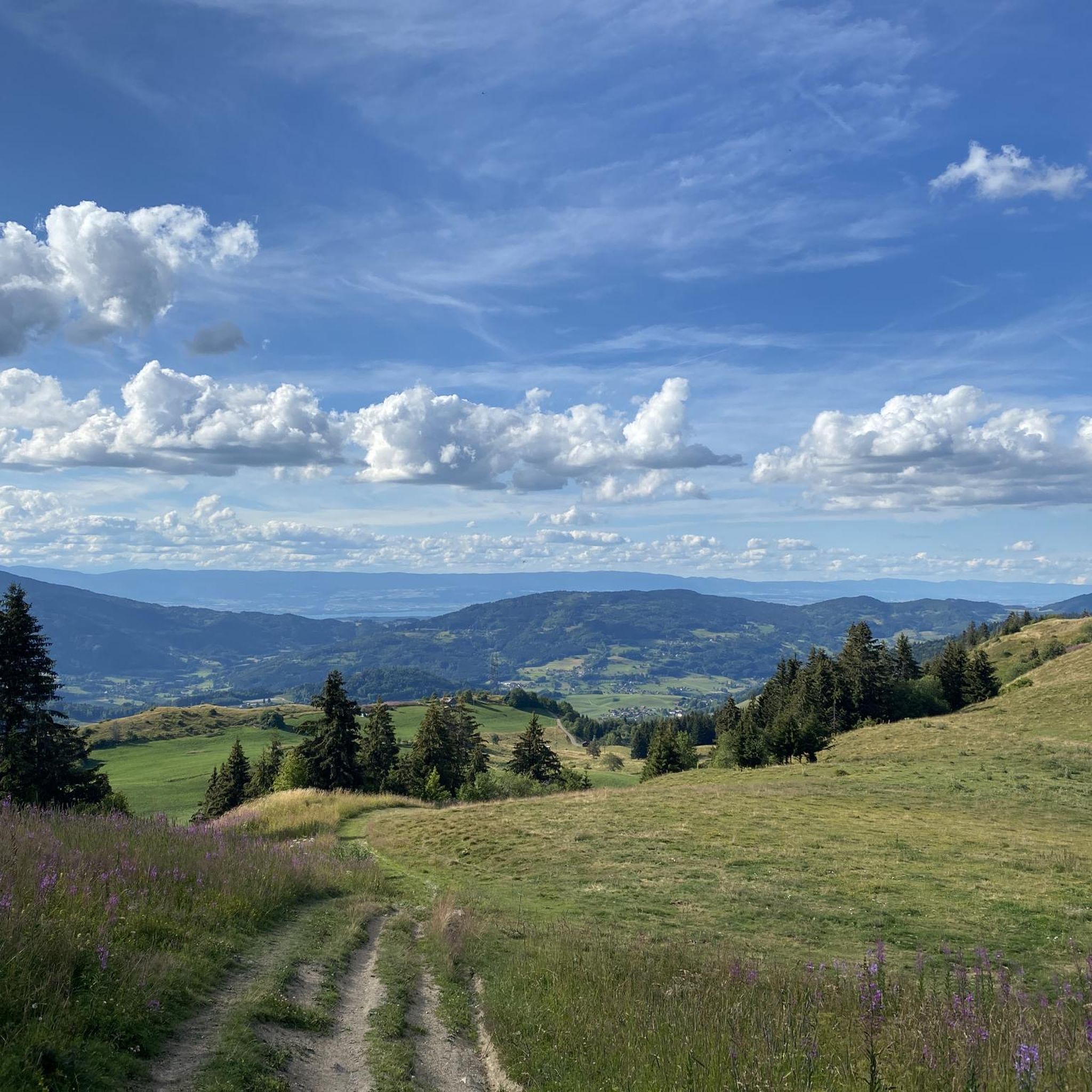
The Col de Cou, at an altitude of 1,117 metres, takes you from the Vallée Verte to the Côte-en-Chablais region. Several roads lead there, which allows you to train by varying the routes and difficulties. The hardest climb is the one on the western slope from Fessy, with seven kilometres at an average of 7.5%.
1
0

Nice climb just too steep, about 5%, and not too busy.
0
0

It can blow hard up there! I recommend the path that goes down to La Tour from the east
0
1


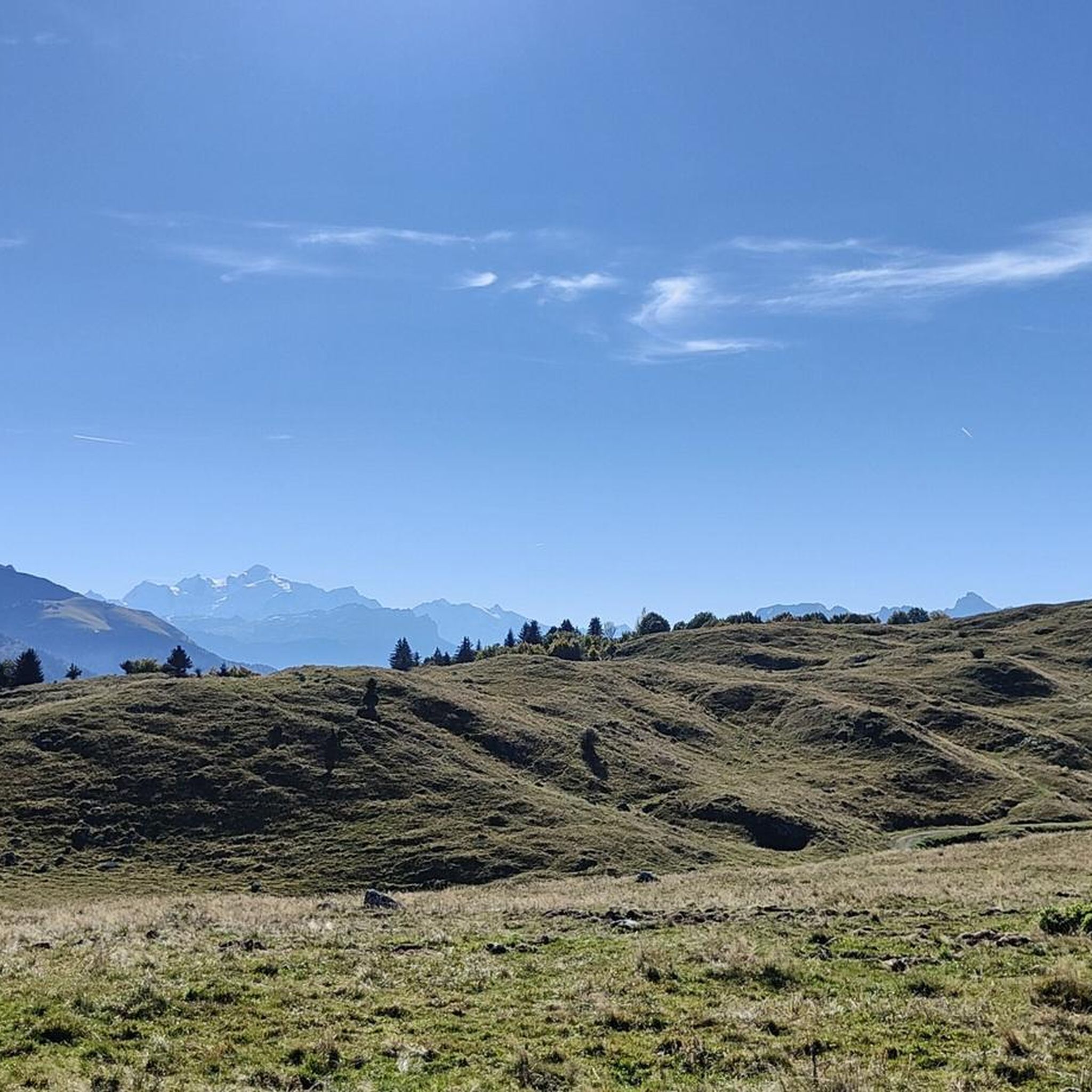
The cross means summit of the Brasse mountain
1
0
Frequently Asked Questions
What historical landmarks can I explore in Saint-Jeoire?
Saint-Jeoire is rich in history. You can visit the 13th-century Château de Beauregard, which is illuminated at night, or the Tour Carrée, a significant historical structure built in 1741. The Église Saint-Georges, with its unique Neo-Gothic Lombard style, is also a notable site. Additionally, the ruins of the Château féodal du Turchon offer a glimpse into the area's past.
Where can I find natural beauty and scenic viewpoints around Saint-Jeoire?
The region offers stunning natural landscapes and viewpoints. The Col de Cou and Jambaz Pass provide beautiful views and are popular for cycling. For panoramic vistas, ascend to the Pointe des Brasses Summit (1,503 meters) or Le Môle (1,863 meters), both offering marked trails. The Saint Bruno Chapel also boasts breathtaking panoramic views of Lac de Vallon and the surrounding mountains.
Are there good hiking opportunities around Saint-Jeoire?
Yes, Saint-Jeoire is an excellent base for hiking. You can find marked trails for ascending Le Môle, or enjoy pleasant strolls in the Forêt du Môle. The area around the Ruins of the Château féodal du Turchon, the Calvary de la Tour, and the Chemin du Chaffard also offer pleasant walking routes. For more specific routes, explore the Running Trails around Saint-Jeoire guide, which includes routes like the 'Lake Môle loop' and 'Pointe des Brasses loop'.
What kind of outdoor activities can I do near these attractions?
Beyond hiking, Saint-Jeoire and its surroundings offer a variety of outdoor activities. Cycling is popular, with various routes around the Col de Cou and Jambaz Pass. You can find many options in the Road Cycling Routes around Saint-Jeoire guide. Mountain biking is also available, with routes like the 'Gorges du Pont du Diable loop' detailed in the MTB Trails around Saint-Jeoire guide. Other sports include mountaineering, paragliding, and tennis.
Are there family-friendly attractions or activities?
Yes, there are options for families. The Lac du Môle is a charming mountain lake where mini-golf can be enjoyed. The Ecomusée Paysalp in nearby Viuz-en-Sallaz offers a glimpse into rural life between 1850 and 1950, which can be an educational experience for children. The tranquil La Gouille aux Morts pond, home to beavers and various birds, is also a pleasant spot for a family visit.
What cultural sites are there to visit in the area?
In addition to the historical churches and castles, the Maison des Brasses serves as a tourist office and a cultural hub focusing on the Brasses massif. The Ecomusée Paysalp in Viuz-en-Sallaz provides a cultural immersion into the region's agricultural past, showcasing the life of peasants in an old farm setting.
What do visitors enjoy the most about Saint-Jeoire?
Visitors appreciate the blend of historical sites and natural beauty. The quiet alpine setting and beautiful landscapes of passes like Jambaz Pass are highly rated. The panoramic views from Saint Bruno Chapel and the serene atmosphere it offers are also frequently mentioned. The variety of outdoor activities, from challenging climbs to peaceful walks, is a major draw.
When is the best time to visit Saint-Jeoire?
Saint-Jeoire offers attractions year-round. Spring and summer are ideal for hiking, cycling, and exploring natural sites like the Cascade de la Diomaz and Lac du Môle. Autumn provides beautiful foliage for walks. In winter, the Les Brasses ski resort offers opportunities for winter sports, making it a destination for all seasons depending on your preferred activities.
Are there any waterfalls or unique natural features to see?
Yes, the Cascade de la Diomaz is a notable natural waterfall located about 8km from Saint-Jeoire. Additionally, the tranquil La Gouille aux Morts, despite its name, is a charming pond known for its wildlife, including beavers and various bird species, offering a unique natural encounter.
What are the options for challenging climbs or strenuous activities?
For those seeking a challenge, the ascension of Le Môle (1,863 meters) offers marked trails. The Col de Cou has a particularly steep climb from Fessy, with an average gradient of 7.5%. The Col de Saxel also offers a good climb. For mountain biking, some routes in the MTB Trails around Saint-Jeoire guide, such as the 'Pont du Diable Cave – Gorges du Pont du Diable loop', are rated as difficult.
Can I find any ancient or Roman historical sites?
The Pont Vieux de Cluses, an old stone bridge over the Arve, has historical roots dating back to Roman times, with the current structure built in 1674. While not directly in Saint-Jeoire, it's a significant historical site in the broader region.
Are there any winter sports opportunities near Saint-Jeoire?
Yes, during winter, the Pointe des Brasses Summit area is known for the Les Brasses ski resort, offering opportunities for various winter sports.
Most popular routes around Saint-Jeoire
Most popular attractions around Saint-Jeoire

Get inspired with the komoot mobile app


Explore more
Still not found the Highlight you’re looking for? See guides of the top attractions in other regions:
