Top 20 Natural Monuments around Voerendaal
Best natural monuments around Voerendaal are situated in a varied landscape characterized by rolling hills and plateaus. The municipality serves as a gateway to the Heuvelland, offering views from its elevated areas. Its lime-rich soil supports unique environments, including fruit and vineyards, and meadows with orchids. This region features a blend of natural beauty and historical landscape elements like terraced fields and hollow roads.
Best natural monuments around Voerendaal
- The most popular natural monuments is Brunssummerheide Nature Reserve, a…
Last updated: May 14, 2026
Bemelerberg Climb
Highlight (Segment) • Climb
With the racing bike, it's all about dividing the effort. After the cornering, it's still climbing.
With the Tour bike, it's about finding a good rhythm and enjoying it.
Translated by Google •
Tip by

Marl Cliff along the Geul
Highlight • Gorge
Translated by Google •
Tip by

Sign up now to discover places like this
Get recommendations on the best single tracks, peaks, & plenty of other exciting outdoor places.
Sign up for free
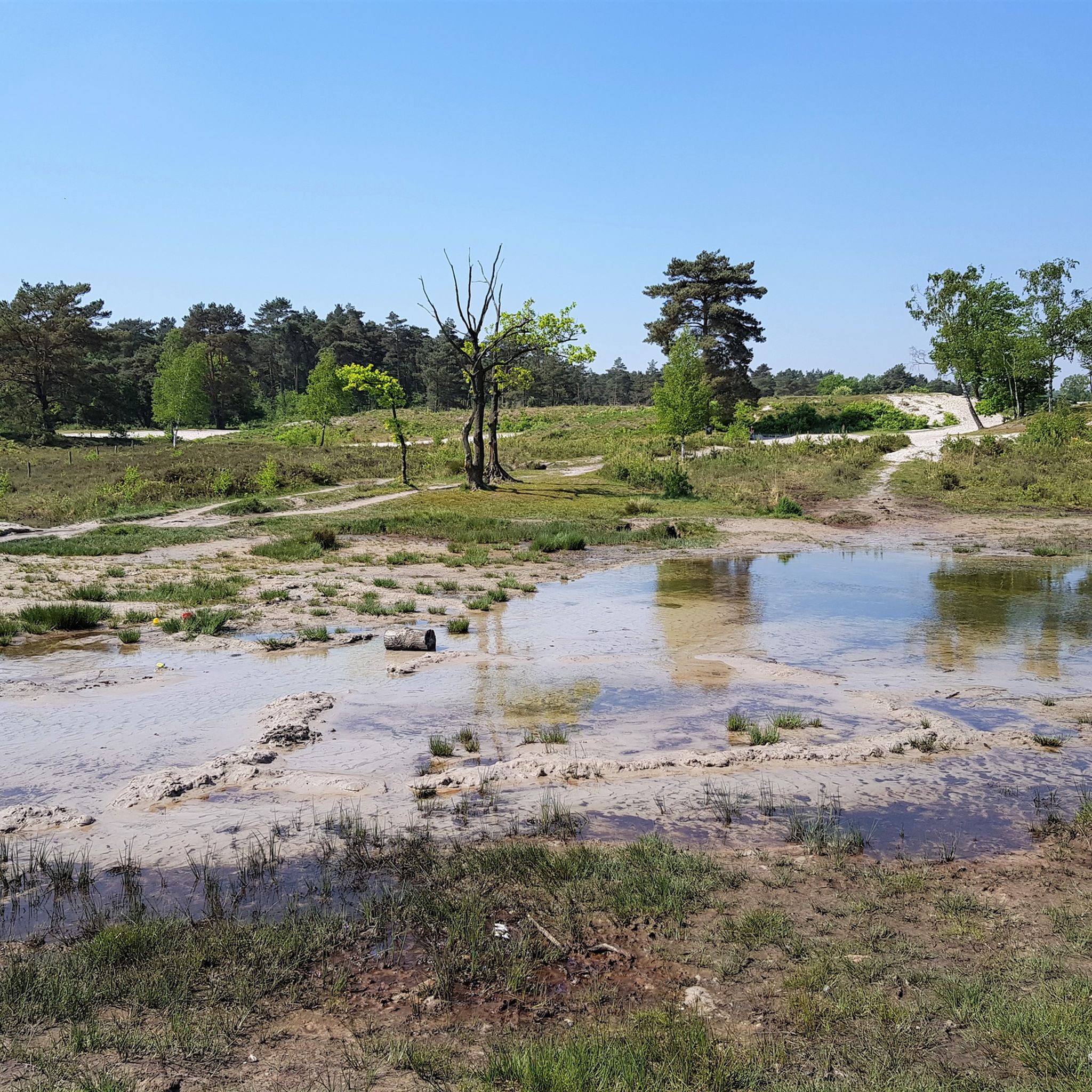
Brunssummerheide Nature Reserve
Highlight • Natural Monument
Translated by Google •
Tip by

Meanders of the Geul
Highlight (Segment) • River
Translated by Google •
Tip by

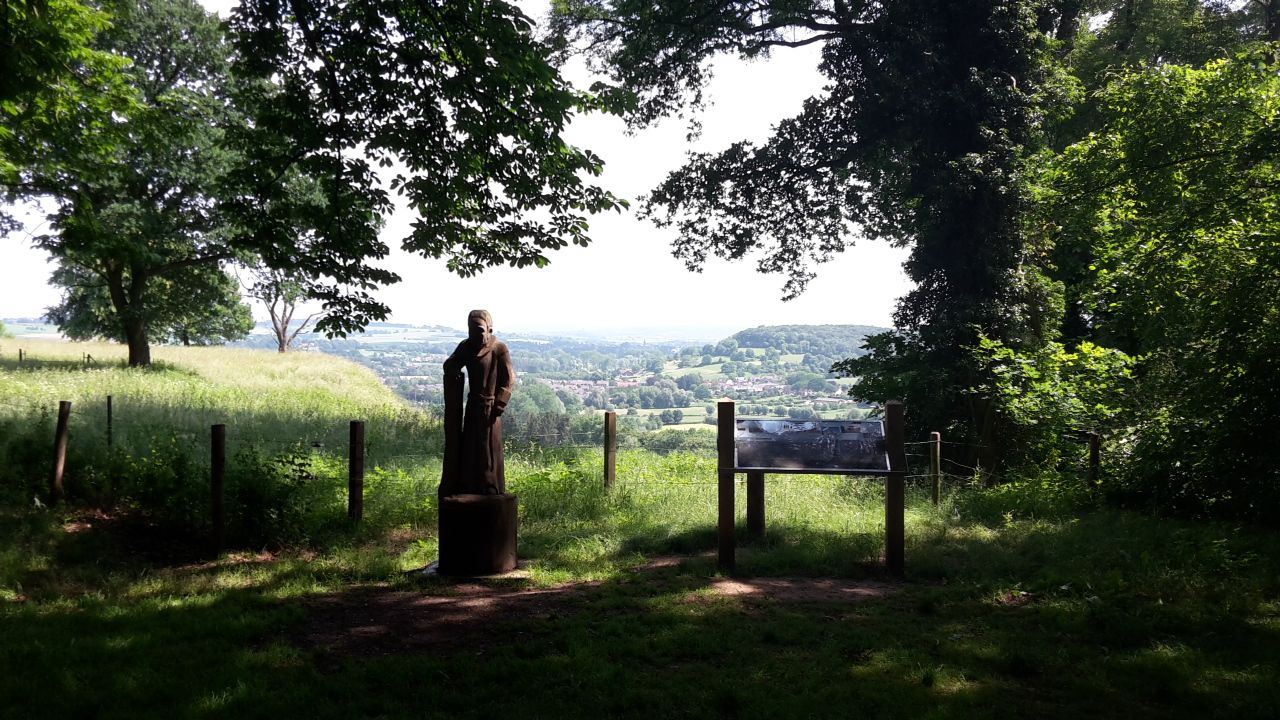
Bench with a view over the Brunssummerheide
Highlight • Viewpoint
Translated by Google •
Tip by

Sign up for free to discover even more natural monuments around Voerendaal.
Sign up for free
Already have an account?
Start today with a free account
Your next adventure awaits.
Login or Signup
Popular around Voerendaal
Via Coriovallum – a pilgrimage in the Dutch region of South Limburg
The Limburg200 MTB Ultra – A real Mountainbike Challenge
Landscape in transition – international cycling on the Green Route
Hiking around Voerendaal
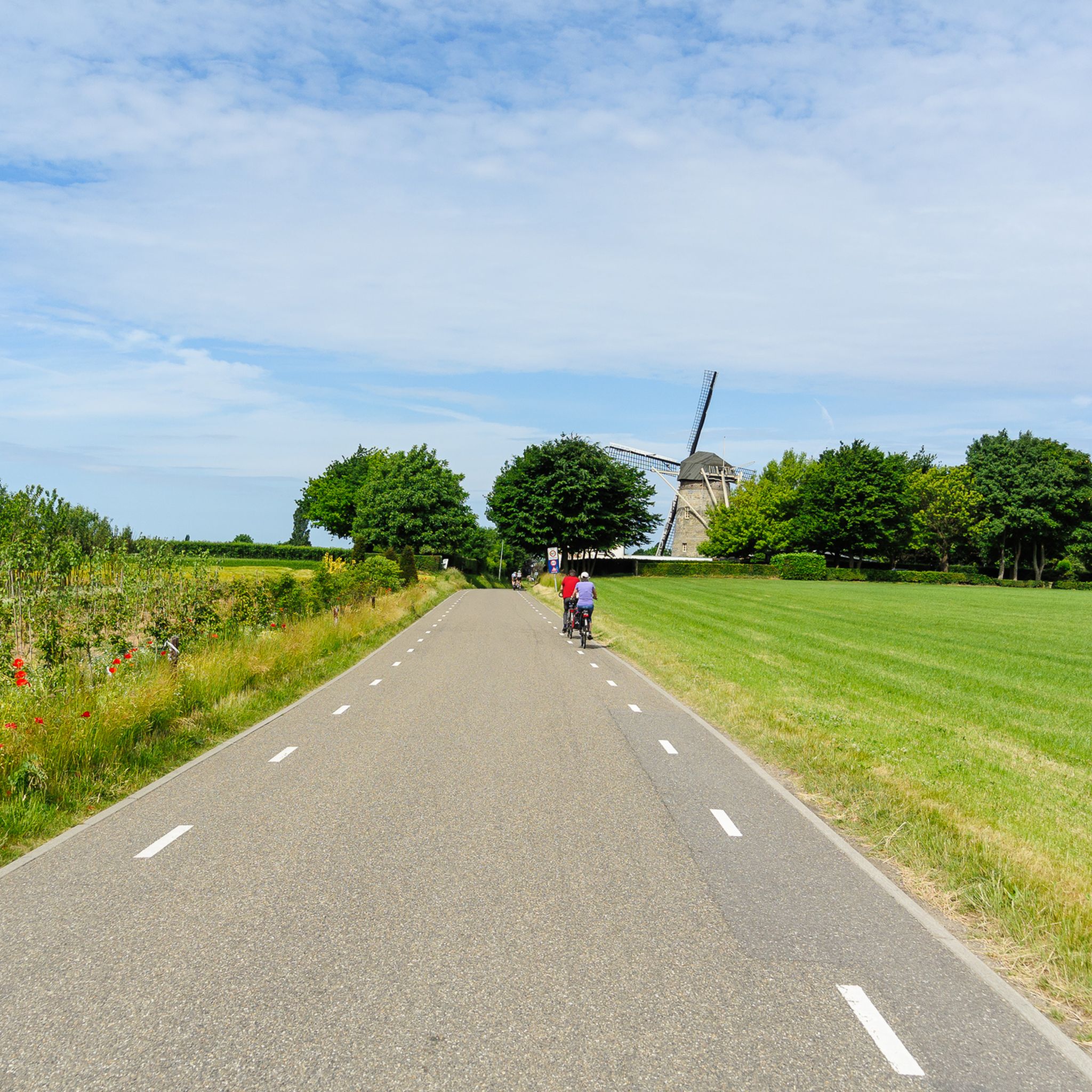
Road Cycling Routes around Voerendaal
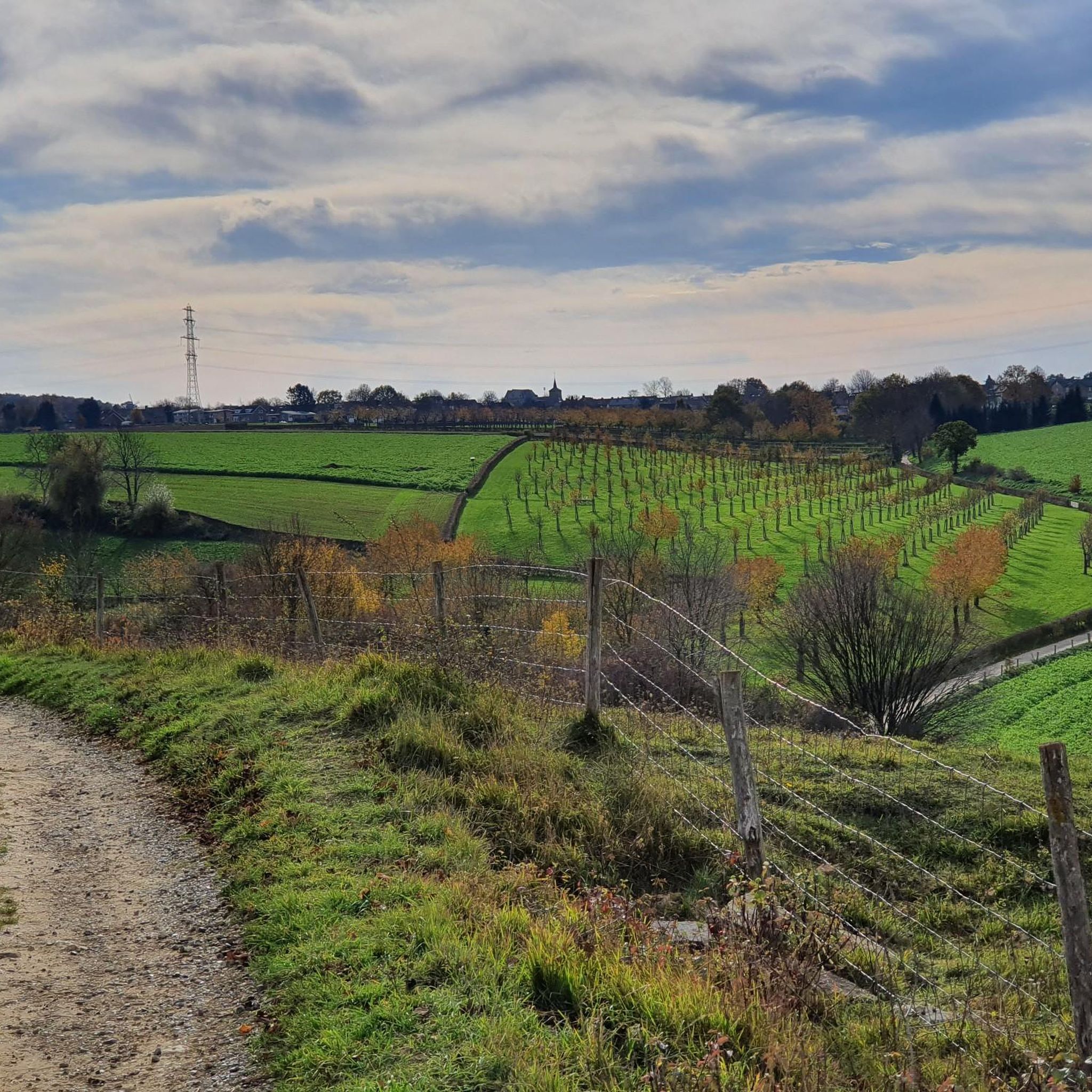
Running Trails around Voerendaal
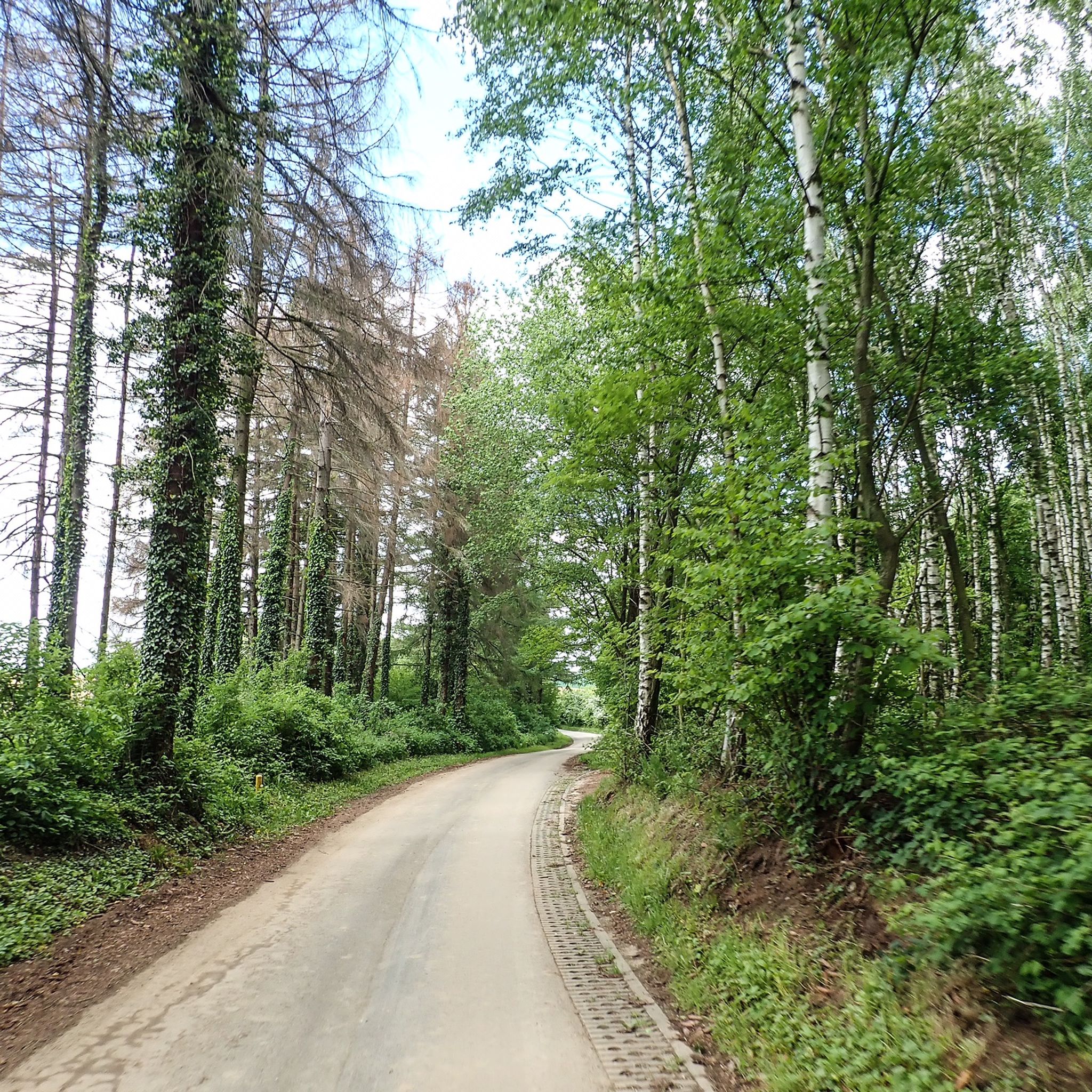
Cycling around Voerendaal
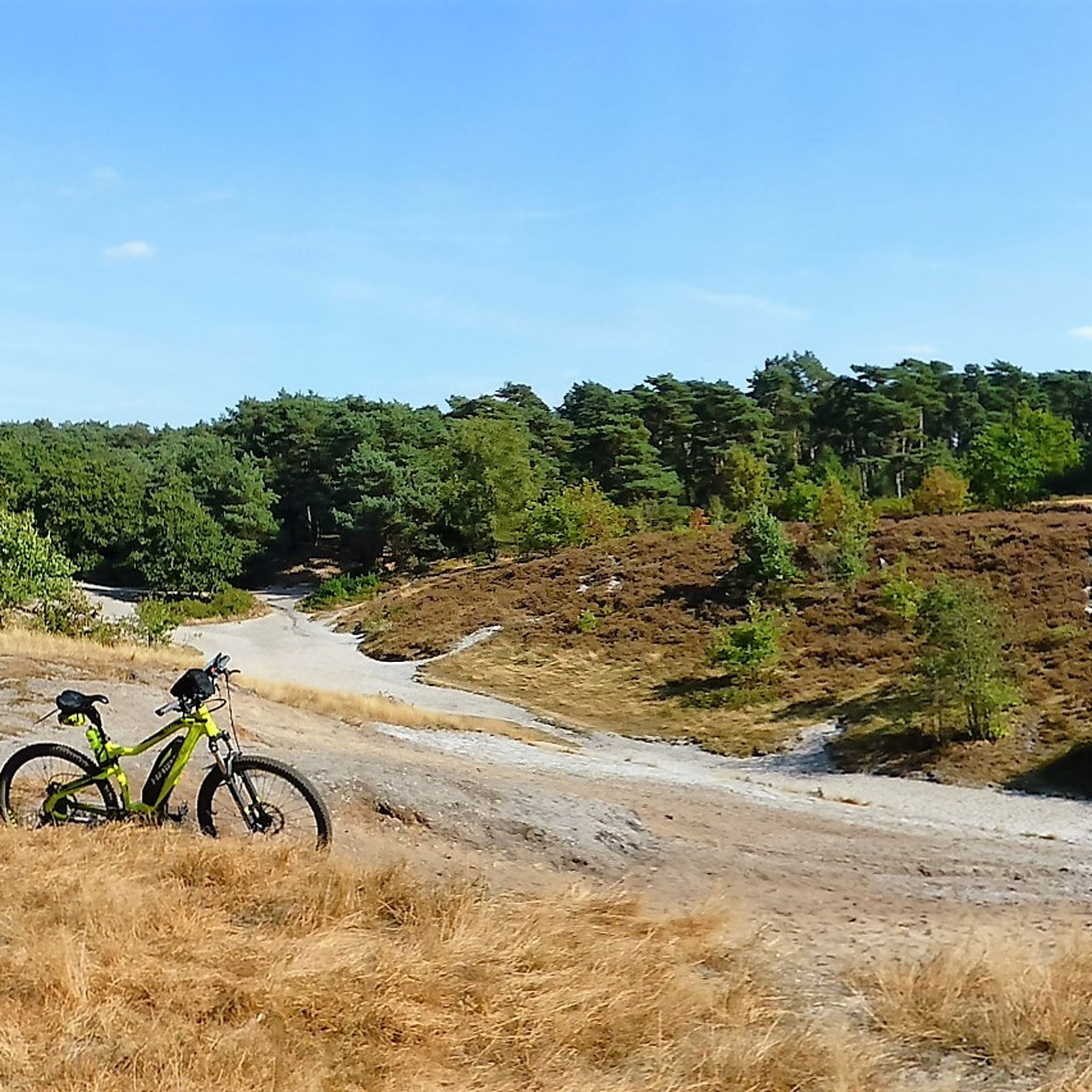
MTB Trails around Voerendaal
Gravel biking around Voerendaal

Mountain Hikes around Voerendaal
Other adventures around Voerendaal


Tips from the Community

Along the rippling Geul River, an impressive marlstone wall rises, a silent witness to Limburg's underground landscape. These calcareous rocks were used for centuries for construction and crafts and now offer a fascinating sight for hikers and nature lovers. The wall forms a natural boundary along the water and, in some places, harbors small caves and niches where flora and fauna have found a home. The contrast of the white marl against the green foliage and the glistening water of the Geul makes this a particularly photogenic and tranquil spot during your walk.
0
0

Beautiful part of the walk along the Geul
0
0

When the path that has been running between slopes and sloping forest on one side and the Geul on the other side suddenly starts to rise a bit, you know what is coming: part of the marl crops out and offers you a glimpse of what you can discover if you take one of the paths away from the Geul: quarries and marl.
6
0

The Geul is an idyllic stream that meanders considerably, or winds through the landscape. Because the Geul flows fast on this part, the water erodes the bank in the outer bends. In the inner bends, the water flows less fast and the sand and mud that has been carried along remains there. In the outer bends, there is a steep bank and in the inner bends a flat bank.
4
0

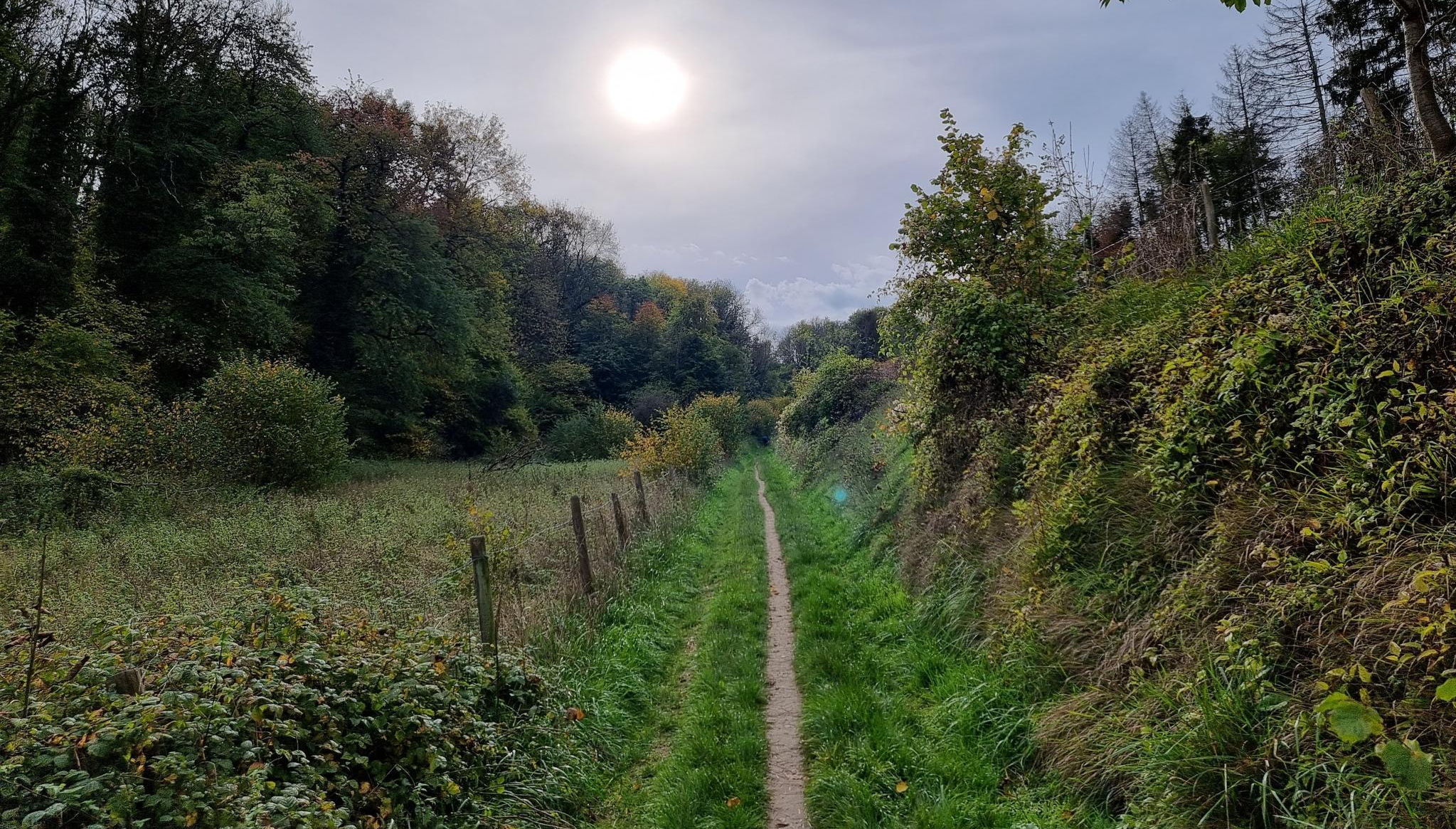
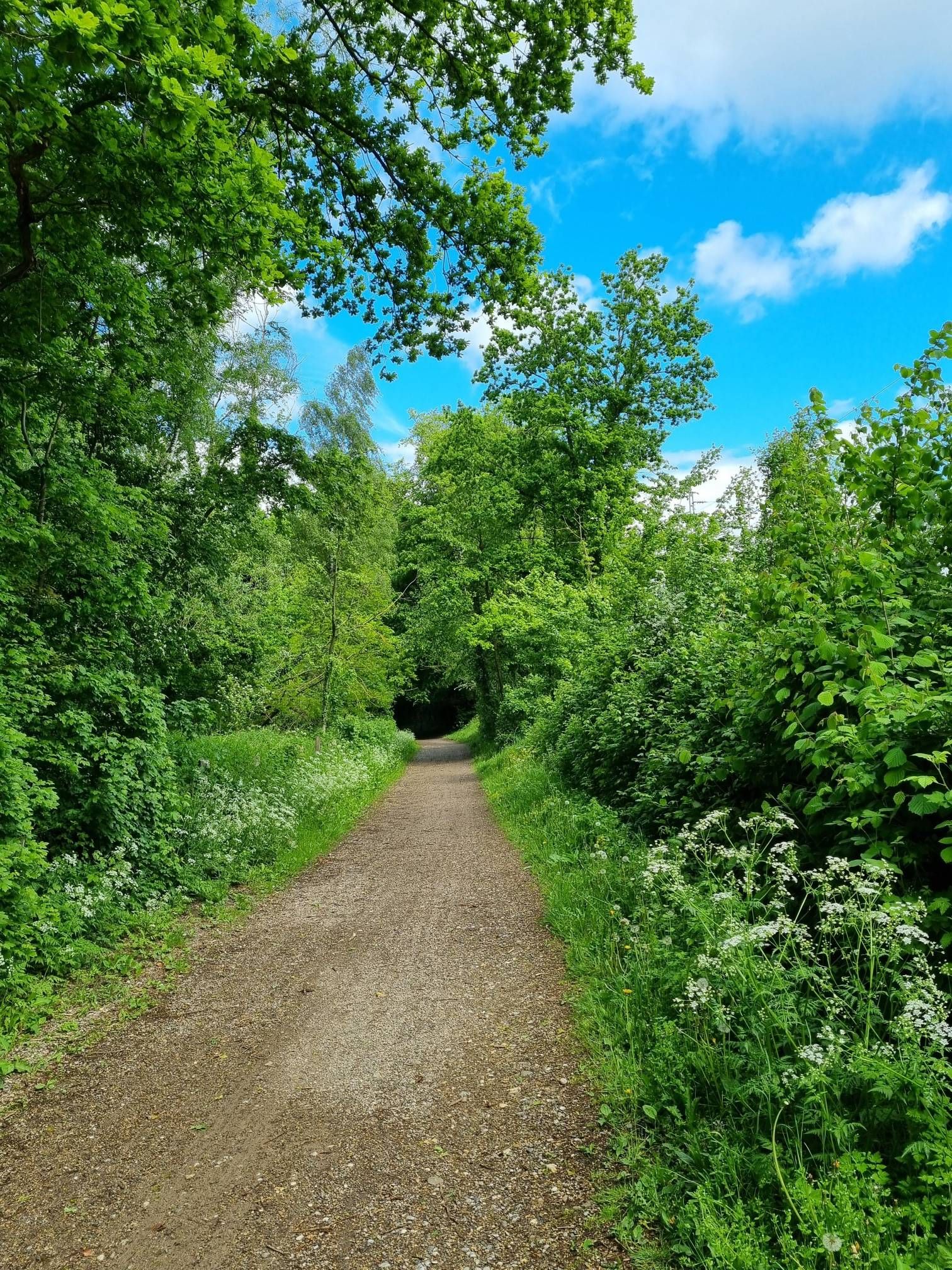
Beautiful path between marl and Geul...
7
0

Along the Geul you will repeatedly come across steep slopes made of marl, which has been mined in this region for hundreds of years and is also used in Häuserbai. With a bit of luck you can find fossils.
4
0

From many hilltops in Brunssummerheide there are great views and sometimes surprising views.
6
0

Narrow path along the marl walls on one side and the Geul on the other side.
6
0
Frequently Asked Questions
What unique natural features can I explore around Voerendaal?
The region offers a variety of natural features. You can discover the diverse ecosystems of Brunssummerheide Nature Reserve, which includes heathlands, forests, and open sand dunes, along with the iron-rich Roode Beek. Additionally, the area features unique geological formations like the Marl Cliff along the Geul, where marl is visible on the surface.
Are there any challenging climbs or viewpoints among the natural monuments?
Yes, for those seeking a challenge, the Bemelerberg Climb offers a challenging ascent with an 'alpine feeling' through its bends and panoramic views. You can also find fantastic vistas from the Bench with a view over the Brunssummerheide, providing expansive views of the heath landscape.
What kind of wildlife can I expect to see in the natural areas near Voerendaal?
The varied habitats, particularly within the Brunssummerheide Nature Reserve, are home to numerous animal species. You might spot live-bearing lizards, sand lizards, slow worms, and even rare grass snakes. The fens and pools teem with amphibians like toads and moor frogs, while the area is also known for diverse birdlife, including five types of woodpeckers and rare nightjars. A flock of sheep also grazes the heath, helping to maintain its open character.
Are there family-friendly natural monuments or activities suitable for children?
Many natural monuments around Voerendaal are family-friendly. The Brunssummerheide Nature Reserve is excellent for families, offering easy paths and opportunities for children to splash in the shallow parts of the Roode Beek. The Meanders of the Geul also provide a gentle setting for walks, allowing families to observe the river's course and surrounding nature.
What is the best time of year to visit the natural monuments around Voerendaal?
The natural monuments are beautiful in all seasons. However, the summer months are particularly striking when the heathlands of the Brunssummerheide Nature Reserve transform into a vibrant purple spectacle as the heather blooms. Spring also offers lush greenery and blooming wildflowers, while autumn brings rich colors to the forests.
Can I go hiking or walking near these natural monuments?
Absolutely. The region offers extensive recreational opportunities for hikers. You can find numerous marked hiking routes that traverse the varied terrain of the Brunssummerheide Nature Reserve. For more detailed hiking options, explore the various routes available in the Natural Monuments around Voerendaal guide.
Are there cycling routes that pass by the natural monuments?
Yes, the area is popular for cycling. You can find various cycling routes, including road cycling and mountain biking trails, that allow you to experience the natural beauty of the region. For specific cycling routes, refer to the Cycling around Voerendaal guide, the MTB Trails around Voerendaal guide, or the Road Cycling Routes around Voerendaal guide.
What makes the Geul river a significant natural monument?
The Meanders of the Geul are significant because the river's winding course creates distinct natural features. Due to its relatively fast flow in parts, the water erodes the bank in outer bends, forming steep banks, while depositing sand and mud in inner bends, creating flat banks. This dynamic process makes it an idyllic and ever-changing natural landscape.
Are there any historical elements integrated into the natural landscape?
Yes, the natural landscape around Voerendaal often bears the marks of history. For instance, the Brunssummerheide Nature Reserve includes the Heksenberg (Witches' Mountain), an ancient burial mound with local legends. The broader landscape also features traditional elements like 'graften' (terraced fields) and 'holle wegen' (hollow roads), which are integral to the region's natural charm and ecological diversity.
What do visitors appreciate most about the natural monuments in this area?
Visitors frequently praise the diverse and beautiful landscapes, from the extensive heathlands of the Brunssummerheide Nature Reserve to the panoramic views from spots like the Bench with a view over the Brunssummerheide. The sense of peace and relaxation offered by the varied terrain, along with the opportunities for active exploration, are highly valued.
Is there an observatory near the natural monuments for stargazing?
Yes, for those interested in astronomy, an observatory is located in the middle of the Brunssummerheide Nature Reserve. It offers stargazing opportunities, typically on Friday evenings, providing a unique way to experience the natural environment after dark.
What is the significance of the 'Roode Beek' (Red Brook) in the Brunssummerheide?
The Roode Beek, or Red Brook, is a characteristic feature of the Brunssummerheide Nature Reserve. It meanders through the heathland, and its waters are naturally colored red due to a high iron content in the groundwater. This brook is vital to the heathlands' ecosystem, supporting unique flora and fauna adapted to its acidic, iron-rich environment.
Most popular routes around Voerendaal
Most popular attractions around Voerendaal

Get inspired with the komoot mobile app


Explore more
Extend your search for the best caves by checking out these guides of the top ones around Voerendaal:
