The 14 Most Amazing Peaks around Burpham
Best mountain peaks around Burpham are characterized by rolling chalk hills within the South Downs National Park. These prominent hills offer rewarding hiking experiences with open views and diverse landscapes. The area provides varied terrain, from gentle riverside paths to more demanding ascents, suitable for different fitness levels.
Best mountain peaks around Burpham
- The most popular mountain peaks is Chanctonbury Ring hillfort, a historical site that boasts sublime views over the South Downs countryside. This site is well-known for…
Last updated: October 4, 2026
Chanctonbury Ring hillfort
Highlight • Historical Site
Tip by

Cissbury Ring Hill Fort
Highlight • Historical Site
Tip by
Sign up now to discover places like this
Get recommendations on the best single tracks, peaks, & plenty of other exciting outdoor places.
Bignor Hill summit and Roman road signpost
Highlight • Monument
Tip by
Chantry Hill
Highlight • Viewpoint
Tip by
Barnsfarm Hill on the South Downs Way
Highlight (Segment) • Viewpoint
This climb or descent is …
Tip by

Sign up for free to discover even more peaks around Burpham.
Already have an account?
Start today with a free account
Your next adventure awaits.

Other adventures around Burpham

Tips from the Community

Chantry Hill is adjacent to Kithurst Hill and provides another route to this accessible trig point. The paths and wide open views down over the South Downs are stunning.
0
0
Cissbury Ring is one of the jewels in the crown of the new South Downs National Park. It's the largest hill fort in Sussex and has a history dating back over 5,000 years. Set high up on a chalk promontory, its ditch and ramparts enclose about sixty-five acres. From the top on a clear day you can see forever, with views across to the chalk cliffs beyond Brighton and as far as the Isle of Wight.
0
0
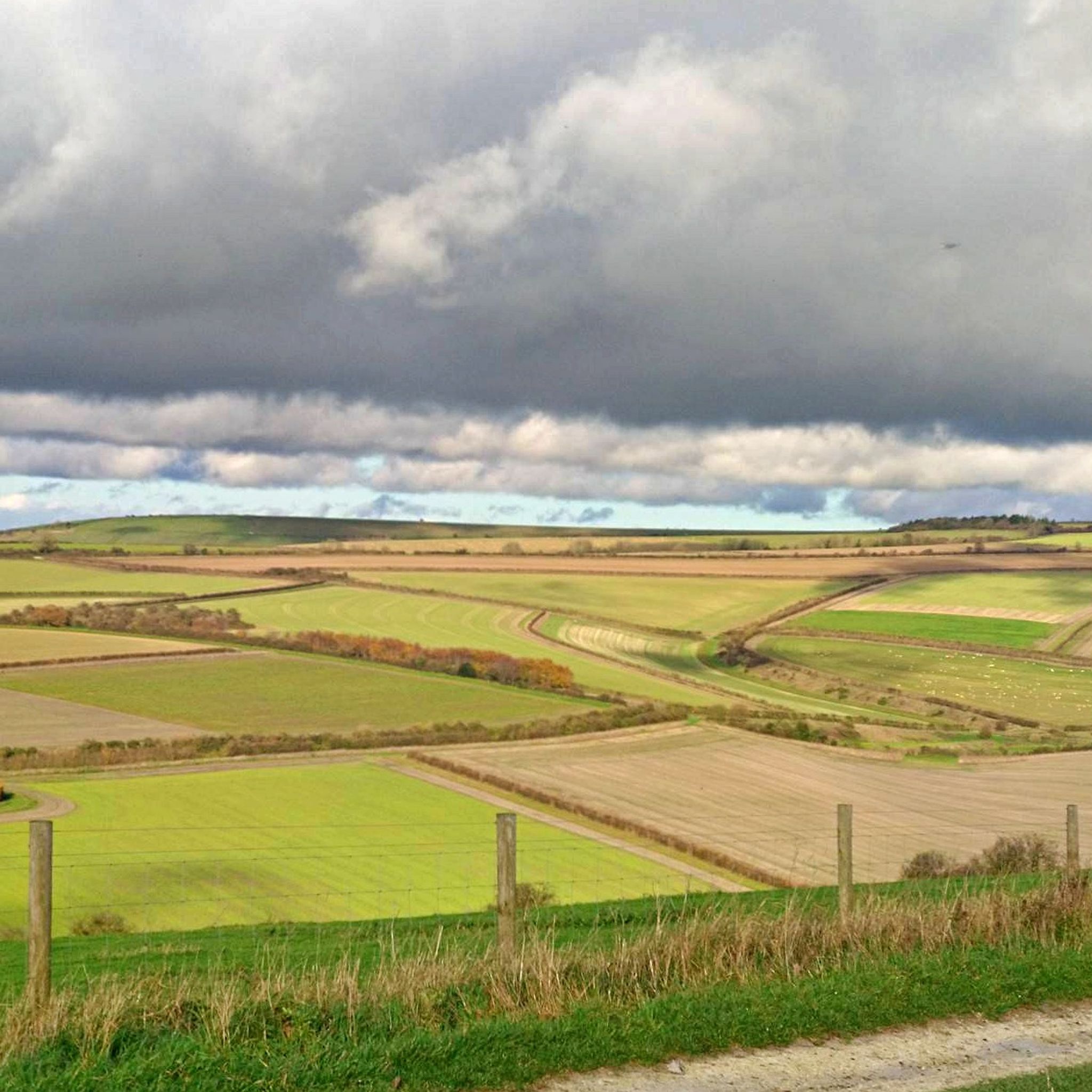
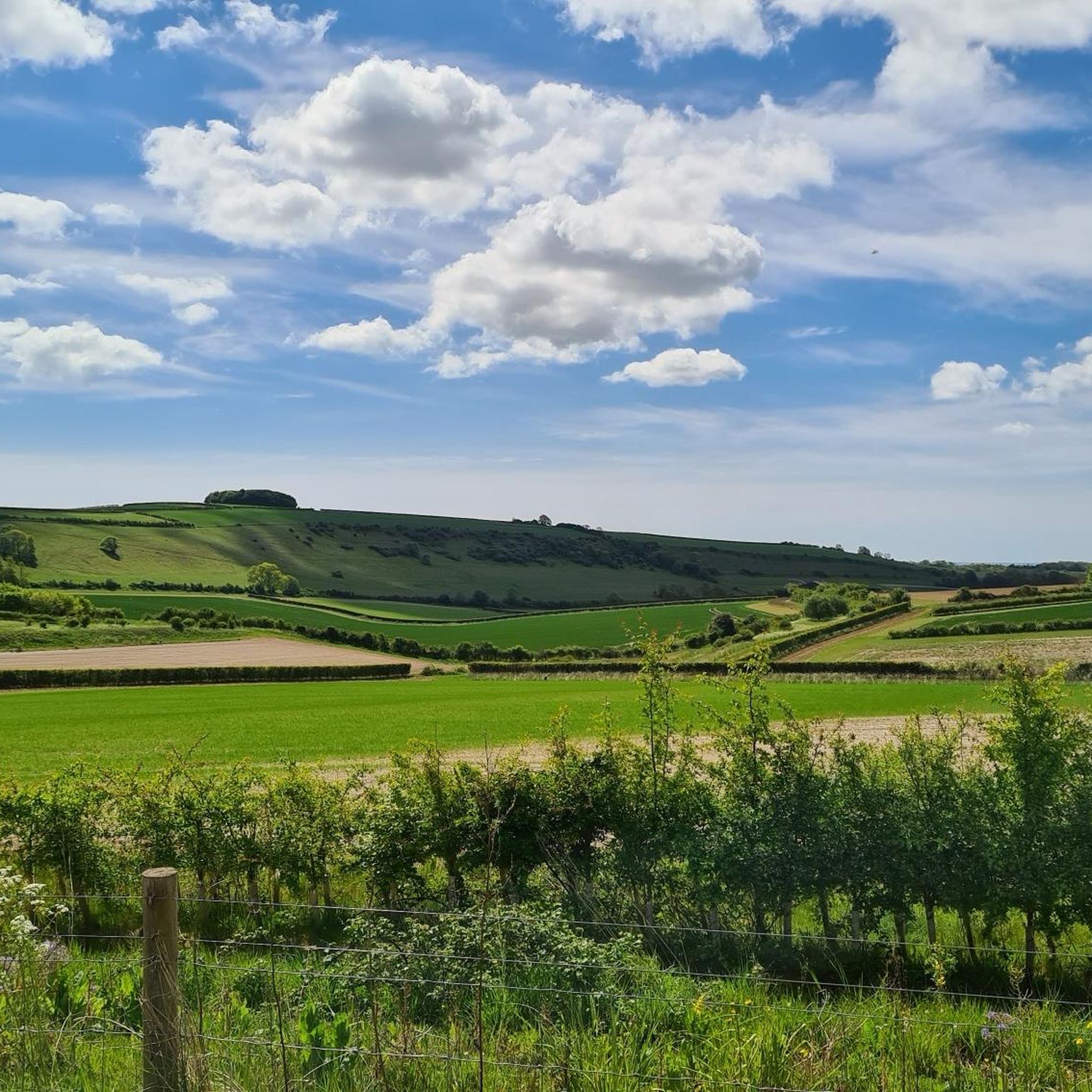
This is a beautiful spot with expansive views out North over the rolling South Downs countryside giving you a lush patchwork of quilted green fields. There is also a sturdy bench to take the weight off your feet and super cool Cissbury Ring just behind you.
1
0

Not as steep as some sections up to the South Downs Way but when you get to the top it is worth every fast heart beating moment and the decent is exilerating!
1
0
Chanctonbury Ring is a prehistoric hill fort atop Chanctonbury Hill on the South Downs, on the border of the civil parishes of Washington and Wiston in the English county of West Sussex. It is 242m high and is a designated Marilyn. There is a trig point on a nearby sub-summit.
3
0

A steady climb up onto the South Downs Way. Rutted chalk but rideable. Orchids half way up.
1
1

Part of the Slindon Estate, Bignor Hill is an area managed by the National Trust. It's a prominent viewpoint on the South Downs Way, rising to a height of 699 feet (213 m). It features a Roman road sign pointing towards Londinium (London) and Noviomagus Reginorum (Chichester). The sign lies on an intersection of the ancient Roman road known as Stane Street, which connected these cities. Bignor Hill was a strategic location on Stane Street with its high elevation and commanding views of the surrounding countryside.
2
0

Kithurst Hill is our local go to summit hill. We have certainly climbed it more times than any other and the paths on the scarp slope are one of our favourite hill climbing practice areas. It is only 213m but it has a Trig pillar and excellent views. It might be just off the South Downs Way but it is technically a Hump and is definitely worth a visit or two.
0
0
Frequently Asked Questions
What are some of the most prominent peaks and viewpoints around Burpham?
The Burpham area, part of the South Downs National Park, features rolling chalk hills offering expansive views. Notable peaks and viewpoints include Chanctonbury Ring hillfort, known for its ancient history and prominent beech trees, and Cissbury Ring Hill Fort, the largest hill fort in Sussex with views extending to Brighton and the coast. Other significant spots are Amberley Mount, offering panoramic views towards the Isle of Wight, and Barpham Hill, where you can often spot the Rampion wind farm at sea.
Are there historical sites among the peaks near Burpham?
Yes, the region is rich in history. Chanctonbury Ring hillfort is a late Bronze or early Iron Age hillfort. Cissbury Ring Hill Fort is over 5,000 years old and is the largest hill fort in Sussex. Additionally, Bignor Hill summit features a Roman road signpost, marking an intersection of the ancient Stane Street.
What kind of views can I expect from the peaks around Burpham?
The peaks around Burpham offer diverse and far-reaching views. From Amberley Mount, you can see as far as the Isle of Wight and the North Downs on a clear day. Cissbury Ring Hill Fort provides breathtaking vistas over the countryside to Brighton and the chalk cliffs. Bignor Hill and Chantry Hill also boast expansive views over the picturesque South Downs landscape and out to sea.
Are there family-friendly walking options among the peaks?
While many trails involve ascents, some sections of the South Downs Way and paths around Burpham are suitable for families. For example, the village of Burpham itself is built on the side of Perry Hill, offering accessible west-facing views over the Arun Valley. When planning, look for routes described as 'easy' or 'moderate' and consider the length and elevation gain to match your family's fitness level. Barnsfarm Hill on the South Downs Way is also categorized as family-friendly.
What outdoor activities can I do near these mountain peaks?
Beyond hiking, the area offers excellent opportunities for cycling. You can find numerous road cycling routes, such as the Amberley, Petworth and Waltham Brooks loop, which are detailed in the Road Cycling Routes around Burpham guide. For off-road adventures, explore gravel biking trails like the View from Bignor Hill loop, available in the Gravel biking around Burpham guide.
What is the best time to visit the peaks around Burpham?
The South Downs are beautiful year-round, but spring and autumn are particularly pleasant for hiking, with milder temperatures and vibrant natural colors. Spring also offers the chance to observe a wide variety of migratory birds at places like Cissbury Ring Hill Fort. Summer provides longer daylight hours, while winter walks can be crisp and clear, though some paths may be muddy. Always check the weather forecast before heading out.
What kind of wildlife can I spot on the peaks and trails?
The South Downs National Park is rich in wildlife. Hikers often spot buzzards, red kites, and deer. Along the riverside paths near the River Arun, you might see kingfishers. The diverse habitats, from open downland to woodlands, support a variety of bird species, especially during migratory seasons at coastal landing points like Cissbury Ring Hill Fort.
Are there easy hiking trails near Burpham's peaks?
Yes, there are several easy hiking options. For instance, the Easy hikes around Burpham guide features routes like the Kithurst & Chantry Hill loop, which is 6.8 km, and the Gurkha Suspension Bridge loop from Burpham, which is 6.9 km. These provide a mix of open downland and riverside paths suitable for a more relaxed walk.
What makes Kithurst Hill and Chantry Hill worth visiting?
Kithurst Hill and its adjacent Chantry Hill are popular for their accessible trig points and excellent views across the South Downs. They offer picturesque routes with wide-open vistas over the countryside and out to sea, making them a favorite for local hikers seeking rewarding climbs and stunning scenery.
Can I find circular walks that include some of Burpham's peaks?
Yes, many trails in the area are designed as loops, allowing you to experience the diverse landscape. The Harrow Hill & Wephams Wood loop, for example, is a moderate 7.7-mile trail from Burpham that includes ascents to hills with open views. The Wepham Down, Angmering Woods and Burpham loop also intersects with the South Downs Way, offering another circular option.
What do visitors enjoy most about the peaks around Burpham?
Visitors frequently praise the breathtaking panoramic views, especially from spots like Cissbury Ring Hill Fort and Amberley Mount. The sense of history at ancient hillforts, the varied terrain suitable for different fitness levels, and the chance to spot local wildlife are also highly valued. The peaceful atmosphere and the beauty of the South Downs National Park are consistently highlighted.
Most popular attractions around Burpham

Get inspired with the komoot mobile app


Explore more
See even more amazing summits around Burpham with these guides:
