The best running trails in the Japanese Alps
4.1
(67)
5,782
runners
245
runs
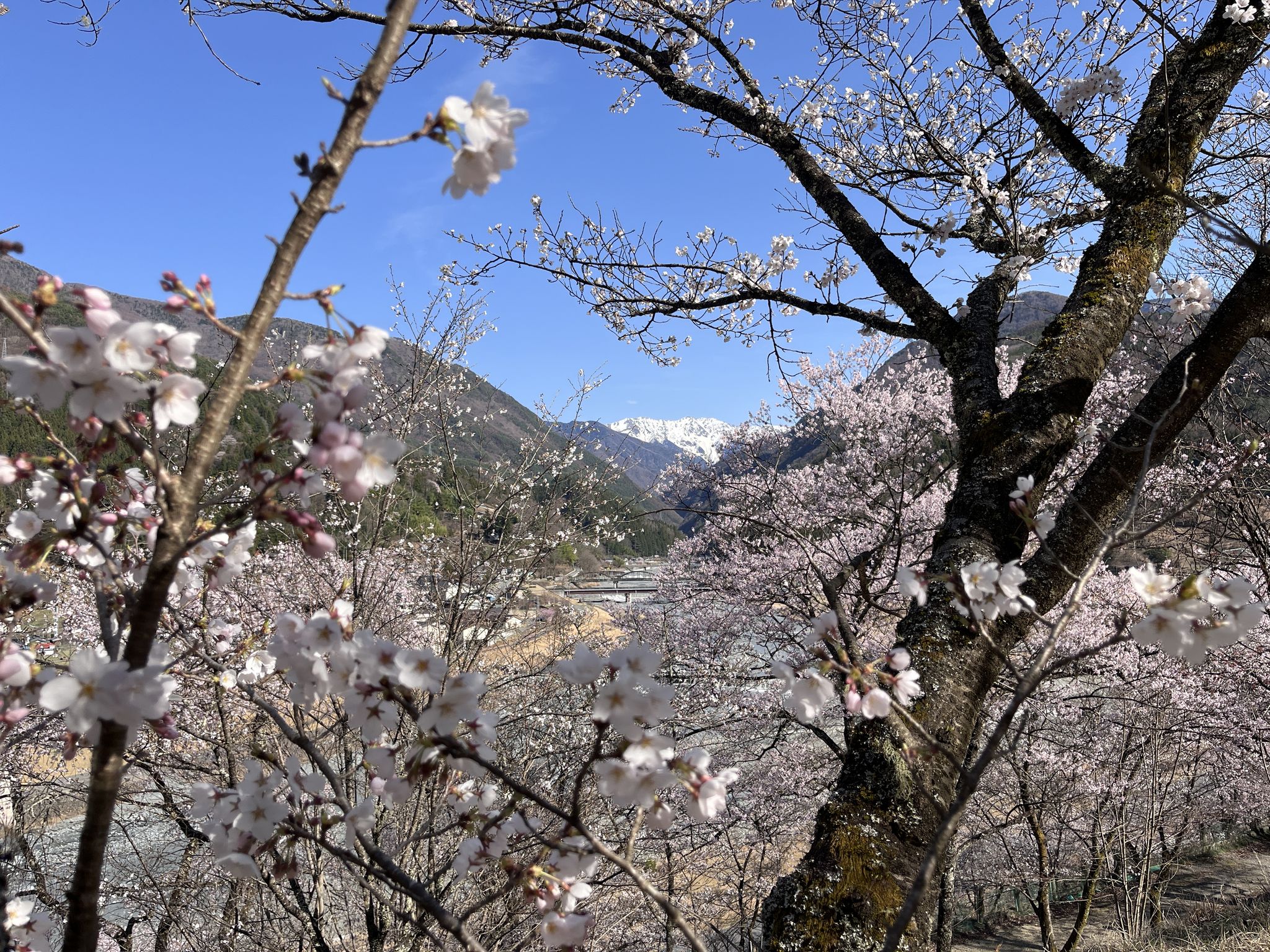
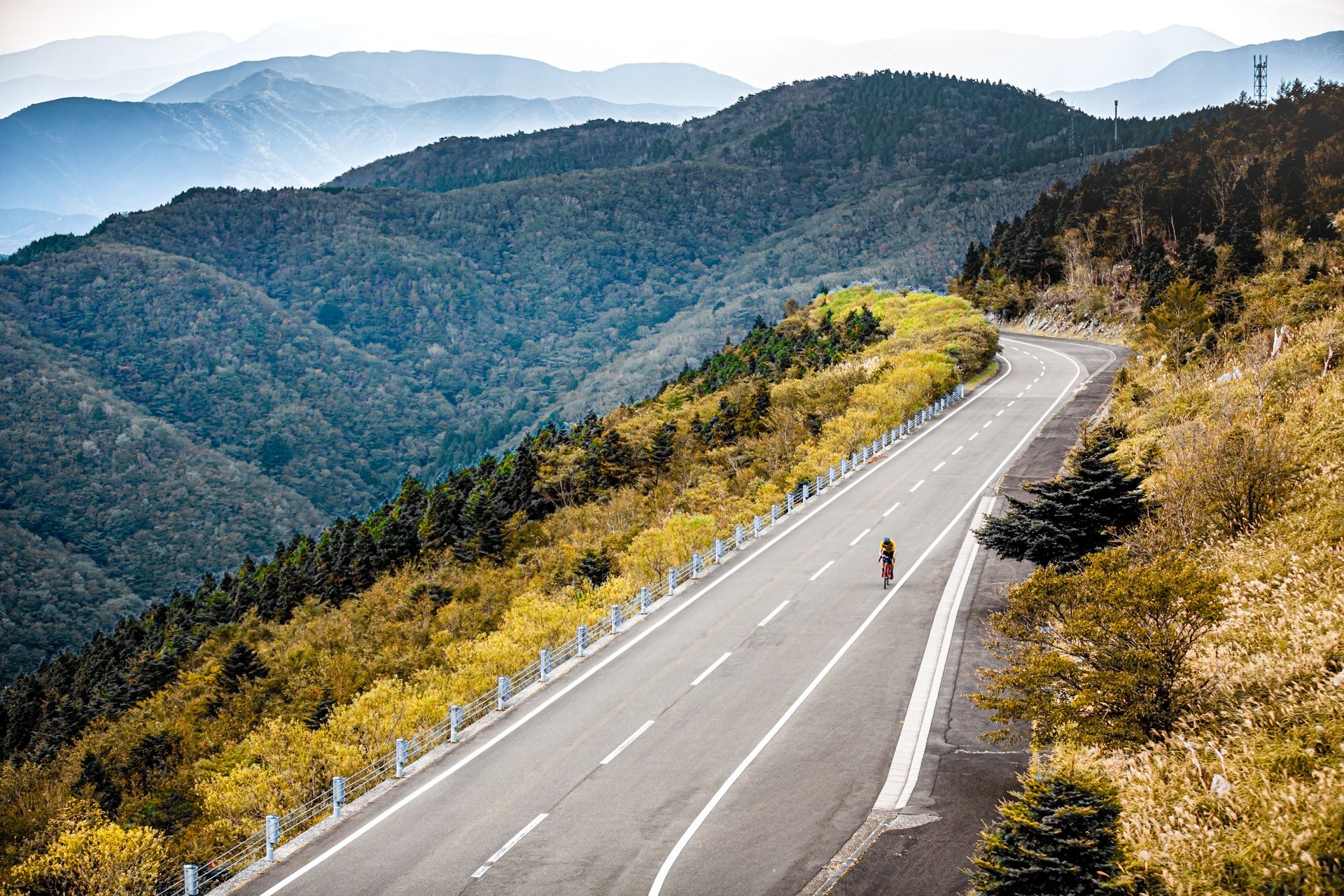
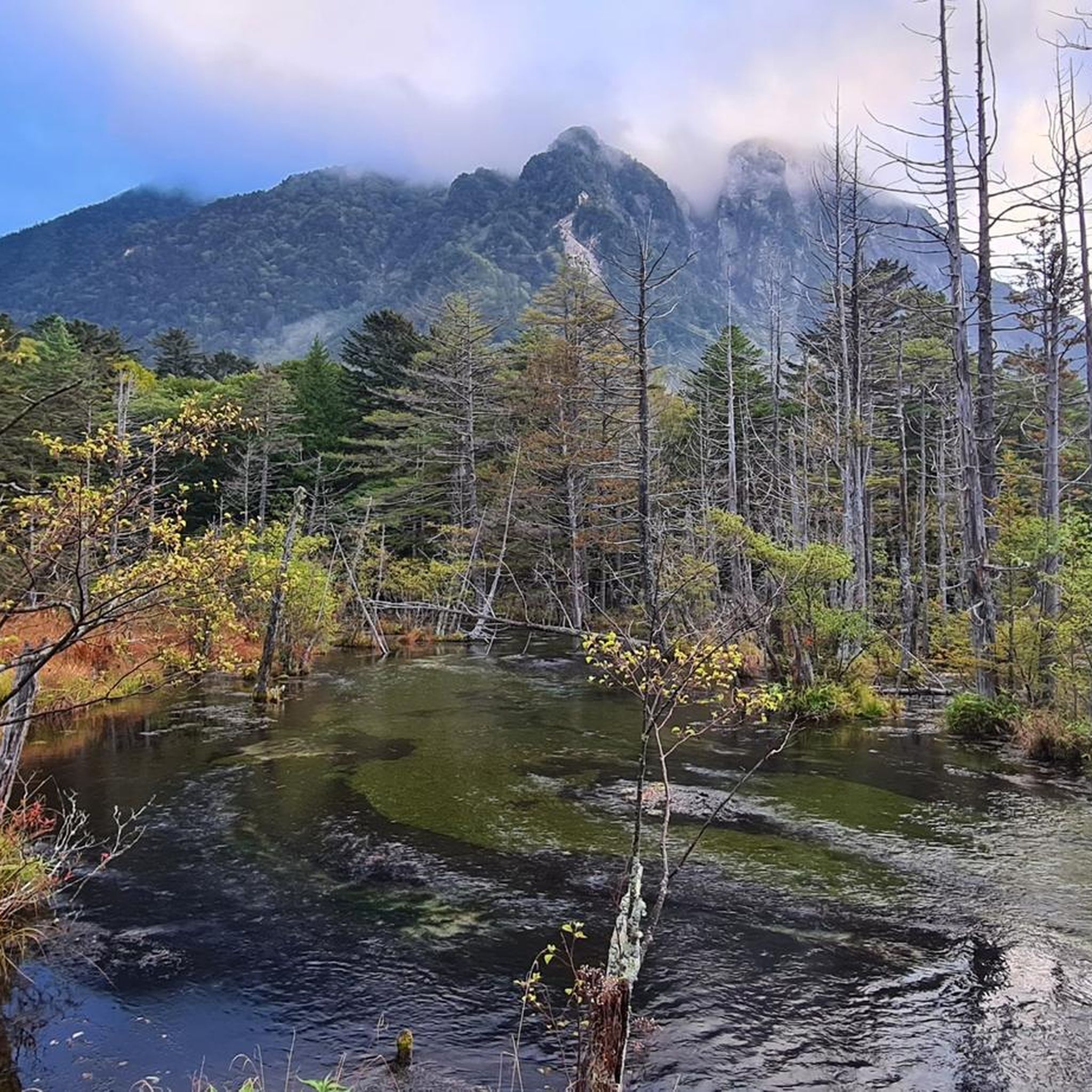
Jogging in the Japanese Alps offers diverse landscapes for runners, characterized by dramatic alpine scenery, lush forests, and crystal-clear rivers. This extensive mountain range provides a variety of terrain, from well-maintained paths along river valleys to more challenging trails through mountainous regions. The region features numerous peaks, some exceeding 3,000 meters, alongside serene ponds and waterfalls. Runners can explore a network of routes that cater to different fitness levels, set against a backdrop of natural beauty.
Best jogging routes in the Japanese Alps
- The most popular jogging route is Yagizaki Park – Kajiwara Kagetoki Statue loop from 富士急ハイランド, a 15.5 miles (25.0 km) trail that takes 2 hours 40 minutes to complete. This difficult route offers a substantial distance for experienced runners.
- Another top favourite among local runners is Kajiwara Kagetoki Statue – Tsutsuguchi Shrine loop from 大沢川, a difficult 12.7 miles (20.5 km) path. This route provides a challenging run through varied terrain.
- Local runners also love the II 林班 loop from Oshino, a 11.6 miles (18.6 km) trail leading through forested areas, often completed in about 1 hour 58 minutes.
- Jogging in the Japanese Alps is defined by alpine scenery, lush forests, and clear rivers. The extensive network of running routes offers options for various ability levels, from easy paths to challenging mountain trails.
- The routes in Japanese Alps are highly rated by the komoot community with an average score of 3.9 stars from over 50 reviews. More than 5000 runners have used komoot to explore Japanese Alps's varied terrain.
Last updated: September 30, 2026
4.8
(5)
348
runners
21.1km
02:15
230m
230m
Hard run. Very good fitness required. Mostly paved surfaces. Suitable for all skill levels.
4.7
(3)
332
runners
20.5km
02:17
350m
350m
Hard run. Very good fitness required. Mostly paved surfaces. Suitable for all skill levels.

5.0
(1)
209
runners
18.6km
01:58
80m
80m
Hard run. Very good fitness required. Mostly paved surfaces. Suitable for all skill levels.
5.0
(1)
204
runners
18.7km
01:59
70m
70m
Hard run. Very good fitness required. Mostly paved surfaces. Suitable for all skill levels.
159
runners
40.2km
04:17
480m
480m
Hard run. Very good fitness required. Mostly paved surfaces. Suitable for all skill levels.
4.5
(2)
181
runners
7.68km
00:49
90m
90m
Moderate run. Good fitness required. Mostly paved surfaces. Suitable for all skill levels.
4.5
(2)
137
runners
28.7km
04:14
1,250m
1,250m
Hard run. Very good fitness required. Sure-footedness, sturdy shoes and alpine experience required.
4.0
(1)
85
runners
Moderate run. Good fitness required. Mostly paved surfaces. Suitable for all skill levels.
3.0
(2)
125
runners
16.9km
02:28
680m
690m
Hard run. Very good fitness required. Sure-footedness, sturdy shoes and alpine experience required.
113
runners
27.4km
02:56
320m
320m
Hard run. Very good fitness required. Mostly paved surfaces. Suitable for all skill levels.
Get access to more routes and recommendations from other explorers.
Already have an account?
Our route recommendations are based on thousands of hikes, rides, and runs completed by other people on komoot.
Start today with a free account
Your next adventure awaits.


Tips from the Community


Here you are at the summit of Mt. Takao. The view is a few steps further
0
0
When the weather is nice you have a great view of Mt. Fuji from here
0
0
We were here in spring and it was also incredibly beautiful
0
0
This view is simply indescribable and a reward for the climb
1
0

0
0
畳岩 (Tatami-iwa) refers to a rock formation that is often flat or layered in appearance, resembling the traditional Japanese tatami mats, which are made of woven straw. The name "Tatami-iwa" can be found at various locations in Japan, where the rock formations have characteristics similar to the geometric, layered patterns of tatami. These natural formations are created over time through geological processes, including sedimentation or volcanic activity, which cause the rocks to split and stack in flat, rectangular shapes.
0
0
The shrine is located near a place called Tsutsuguchi, close to the northern shore of Lake Kawaguchi. Historically, this spot was known for its strong whirlpools and underwater currents, which frequently caused accidents and dangers to the local villagers. In 1193 (during the Kamakura period), the local community, seeking protection from these water hazards, built the shrine and enshrined a water deity, naming the shrine Tsutsuguchi Myojin. Bunmei 8 (1476): A worship hall was constructed. Eiroku 8 (1565): The shrine buildings were rebuilt, and it became the protective shrine of the local region of Kofunatsu. Horeki 4 (1754): The local villages Kofunatsu and Ofunatsu came together to purchase a portable shrine (mikoshi) for the deity’s processions, alternating each year with Hachioji Shrine. Horeki 6 (1756): The shrine received a formal offering and a name plaque from Urabe Kaneo, the head of the priestly family overseeing Shinto rites. Meiji 5 (1872): The shrine was officially designated as a village shrine. Meiji 40 (1907): It was registered as a shrine authorized to offer Shinto food offerings and rituals. (https://www.yamanashi-jinjacho.or.jp/intro/search/detail/7141)
0
0
Frequently Asked Questions
How many running routes are available in the Japanese Alps?
The Japanese Alps offer a wide selection of running routes, with over 240 options available on komoot. These routes cater to various fitness levels, from gentle paths to challenging mountain trails, all set against stunning alpine scenery.
Are there easy jogging routes suitable for beginners in the Japanese Alps?
Yes, the Japanese Alps feature several easy jogging routes perfect for beginners. For instance, the Tsutsuguchi Shrine – Kajiwara Kagetoki Statue loop from Fujikawaguchiko is a moderate 6.6 km path that offers a less strenuous experience. The region also boasts well-maintained paths like the Kamikochi Nature Trail, ideal for a gentler run amidst beautiful landscapes.
What kind of challenging running trails can experienced runners expect in the Japanese Alps?
Experienced runners will find plenty of challenging trails in the Japanese Alps. Many routes feature significant elevation changes and longer distances. For example, the 高尾山 – 陣馬山 loop from 高尾山口 is a difficult 28.6 km route with over 1250 meters of elevation gain, offering a demanding mountain running experience. The region's steep and rocky trails are ideal for those seeking an intense workout.
Are there any circular running routes in the Japanese Alps?
Yes, many running routes in the Japanese Alps are designed as loops, allowing you to start and finish at the same point. A popular option is the II 林班 loop from Oshino, an 18.6 km difficult trail that takes you through forested areas. These circular routes are great for exploring without needing to arrange transport back to your starting point.
What are the best times of year for jogging in the Japanese Alps?
The Japanese Alps are beautiful year-round, but the best times for jogging are typically spring, summer, and autumn. Spring brings wildflowers, summer offers lush green landscapes, and autumn showcases vibrant fall foliage, providing ideal conditions and stunning scenery for exploring the trails on foot. Winter is primarily for skiing and snowboarding, making many trails less accessible for running.
Can I find running routes with waterfalls in the Japanese Alps?
Absolutely! The Japanese Alps are home to numerous beautiful waterfalls that can be enjoyed along various routes. You can explore highlights such as the Otoko-daki and Onna-daki Waterfalls or the Biwataki Waterfall and Cave Shrines. These natural features add a refreshing element to your run.
Are there any running routes that offer views of Mount Fuji?
Yes, some running routes in the Japanese Alps provide spectacular views of Mount Fuji. For instance, the View of Mount Fuji loop from 清滝 is a challenging 16.5 km route that offers rewarding vistas of Japan's iconic peak and the surrounding Hakone mountains.
What do other runners say about the jogging routes in the Japanese Alps?
The running routes in the Japanese Alps are highly regarded by the komoot community, with an average score of 3.9 stars from over 50 reviews. Runners often praise the diverse landscapes, from dramatic alpine scenery to lush forests and clear rivers, as well as the variety of trails that cater to different abilities.
Are there any long-distance running options for ultra-runners or those seeking extended challenges?
For those seeking longer distances, the Japanese Alps offer several routes that can be combined or are inherently long. The Yagizaki Park – Kajiwara Kagetoki Statue loop from 河口湖 is a difficult 39.8 km route, providing a substantial challenge for ultra-runners or those looking for an extended day out on the trails.
What kind of natural attractions can I see near the running trails?
Beyond the trails themselves, the Japanese Alps are rich in natural attractions. You can find stunning lakes like Taisho Pond or Lake Okutama, which are often accessible from or near running paths. The region is also famous for its dramatic alpine scenery, snow-capped peaks, and lush forests, providing breathtaking views throughout your run.
Are there less crowded jogging trails in the Japanese Alps?
While popular spots like Kamikochi can attract visitors, the extensive network of trails in the Japanese Alps means you can often find less crowded options, especially on weekdays or by exploring routes slightly off the main tourist paths. Many of the 240+ routes offer serene experiences through forests and quieter mountain areas.
Can I find running routes in the Northern Japanese Alps specifically?
Yes, the Northern Japanese Alps (Hida Mountains) are a prime area for running. This region includes iconic locations like Kamikochi, known for its untouched beauty and well-maintained paths along the Azusa River, and the Tateyama Kurobe Alpine Route. Many of the more challenging mountain running experiences are found within this dramatic alpine landscape.
Most popular routes in the Japanese Alps
Most popular attractions in the Japanese Alps

Get inspired with the komoot mobile app


Explore more
Browse the best Running Trails & Routes in other regions.
