The best hikes from bus stations in the Japanese Alps
4.5
(2044)
17,582
hikers
121
hikes
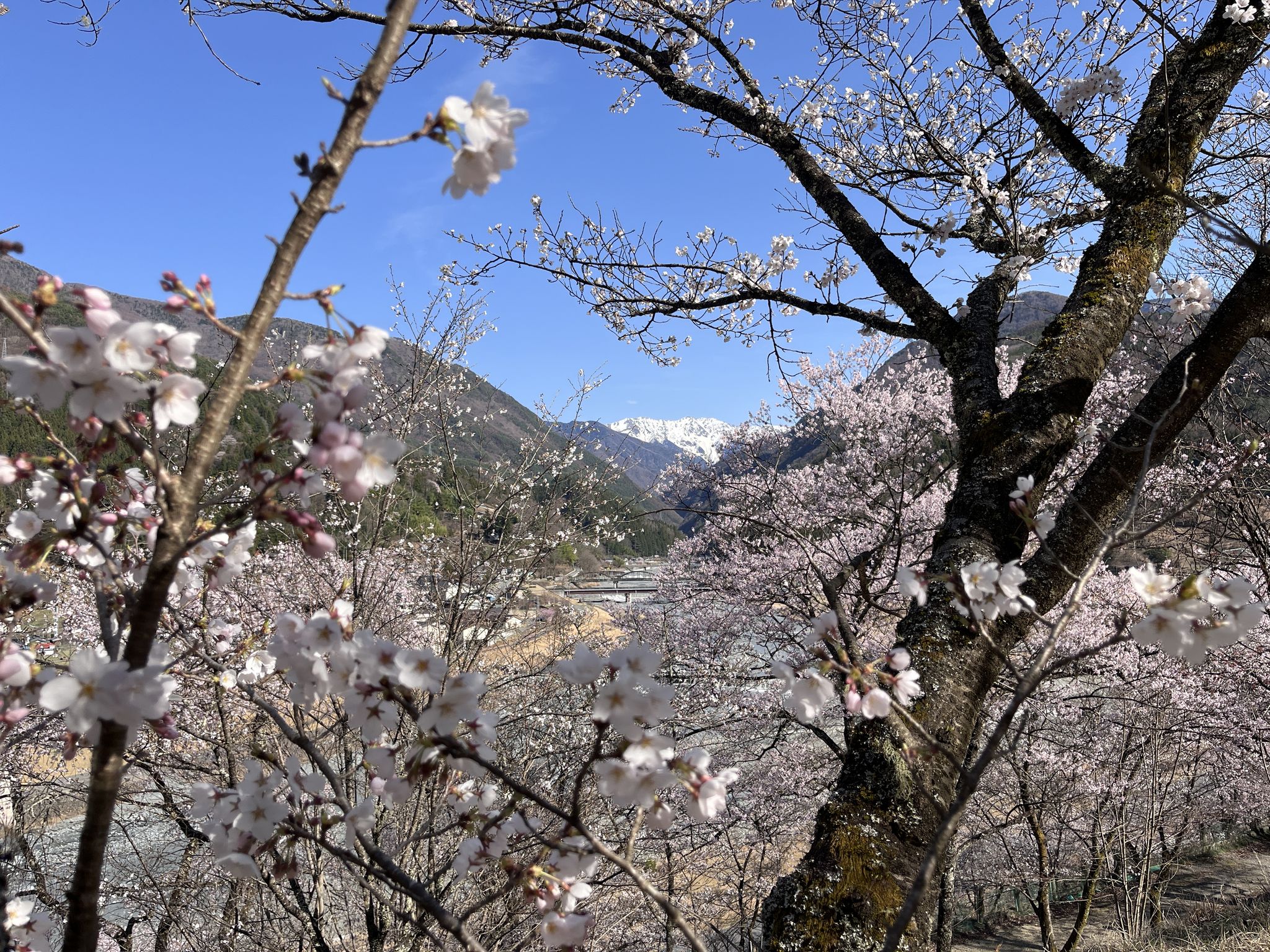
Bus station hiking trails in the Japanese Alps traverse a landscape defined by three major mountain ranges: the Northern (Hida), Central (Kiso), and Southern (Akaishi) Alps, featuring numerous peaks over 3,000 meters. The region offers diverse terrain, from lowland valley forests to high alpine meadows and glacial cirques. Hikers can explore a variety of environments, including river valleys, historic trails, and mountain passes.
Best bus station hiking trails in the Japanese Alps
- The most popular bus station hiking route is Nakasendo Stone Path – Nakasendo Old Post Road loop from 馬籠宿, a 9.8 miles (15.7 km) moderate trail that takes 4 hours 50 minutes to complete. This route offers a historical hiking experience through forests and terraced fields, with views of the Kiso Valley.
- Another top favourite among local hikers is Myojin Bridge – Kamikochi Nature Trail loop from Taisho Pond, a moderate 9.2 miles (14.8 km) path. This trail explores the pristine basin of Kamikochi in the Azusa River Valley, showcasing untouched natural beauty.
- Local hikers also love the View of Hakone and Lake Ashi – Mount Kintoki Summit loop from Mt. Kintoki, a 4.8 miles (7.7 km) trail leading through mountain terrain, often completed in about 3 hours 6 minutes.
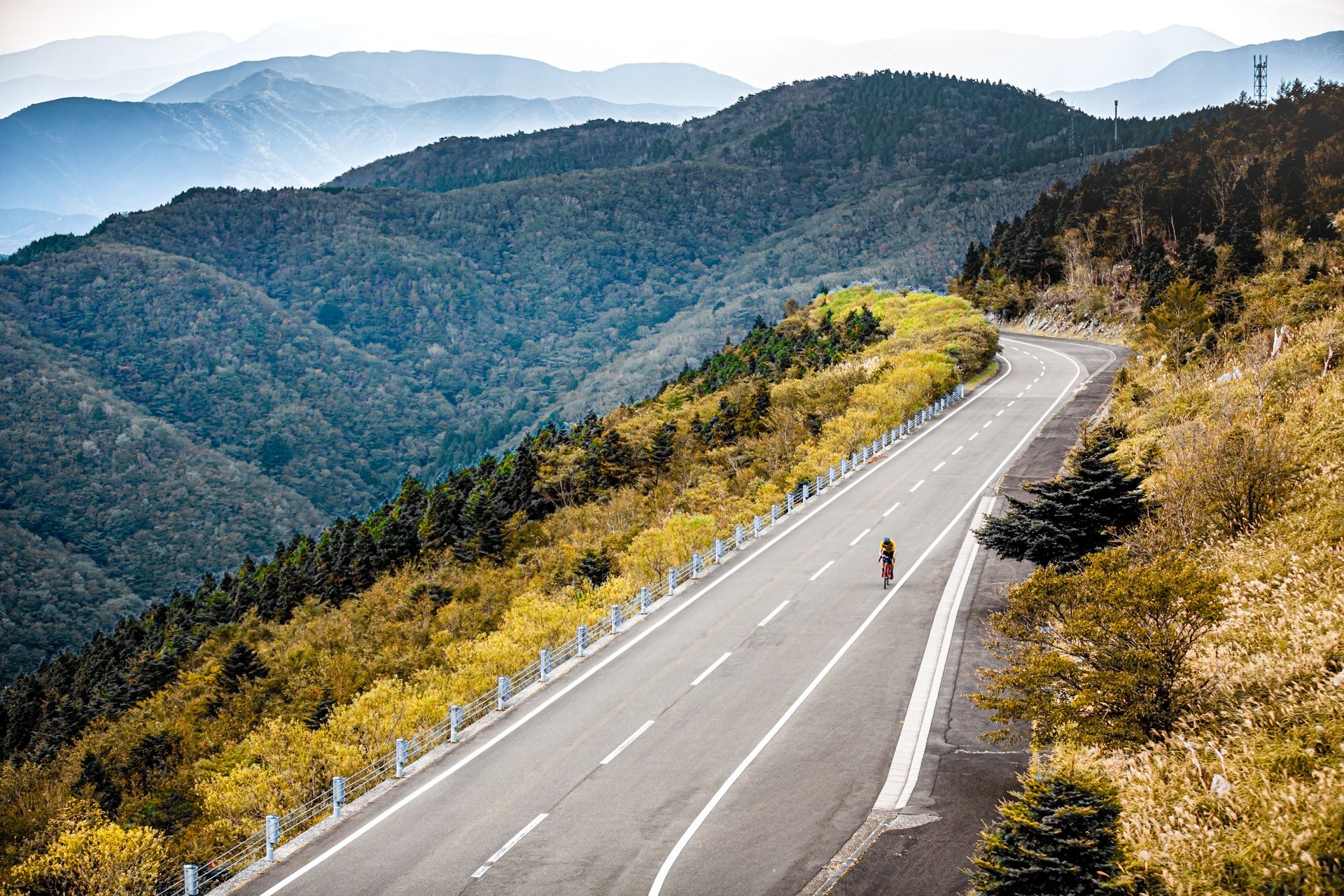
- Hiking in the Japanese Alps is defined by dramatic mountain ranges, deep river valleys, and alpine meadows. The extensive network offers options for various ability levels, from easy walks to challenging multi-day expeditions.
- The routes in Japanese Alps are highly rated by the komoot community with an average score of 4.5 stars from over 1600 reviews. More than 14000 hikers have used komoot to explore Japanese Alps's varied terrain.
Last updated: October 1, 2026
4.8
(132)
1,207
hikers
15.7km
04:51
600m
600m
Moderate hike. Good fitness required. Easily-accessible paths. Suitable for all skill levels.
4.7
(118)
986
hikers
14.9km
03:59
160m
160m
Moderate hike. Good fitness required. Easily-accessible paths. Suitable for all skill levels.

4.5
(53)
183
hikers
7.74km
03:06
580m
580m
Moderate hike. Good fitness required. Easily-accessible paths. Suitable for all skill levels.
4.9
(25)
188
hikers
13.9km
06:55
950m
950m
Hard hike. Very good fitness required. Sure-footedness, sturdy shoes and alpine experience required.
4.8
(29)
329
hikers
7.38km
01:57
70m
70m
Easy hike. Great for any fitness level. Easily-accessible paths. Suitable for all skill levels.
Get access to more routes and recommendations from other explorers.
Already have an account?
Our route recommendations are based on thousands of hikes, rides, and runs completed by other people on komoot.
Start today with a free account
Your next adventure awaits.
Popular around Japanese Alps


Tips from the Community

Beautiful waterfalls, worth the deviation from the trail. You can get in, the water is very shallow and refreshing!
0
0

Right next to the park center there is a campsite with a fantastic mountain panorama directly on the river.
0
0

From the Myojin Bridge, choose the other side of the river on the way back to complete the tour as a circular tour with a very beautiful path.
0
0

This mountain hut serves hot and cold drinks, food (including hot noodles, miso soup, and oden), plus souvenirs and some hiking equipment.
0
0

Kamikochi, nestled in Japan's Northern Alps within Chubu Sangaku National Park, offers a network of trails that are well-maintained paths and are suitable for various skill levels, showcasing the area's breathtaking landscapes. The area is known as the "Japanese Yosemite Valley." Kamikochi is preserved in its natural state within Chūbu-Sangaku National Park, is designated as one of Japan's National Cultural Assets, and is on the list of Special Natural Monuments and Special Places of Scenic Beauty. The main trail stretches from Taisho Pond to Myojin Bridge and spans approximately 10.5 kilometers. This route meanders along the Azusa River, passing iconic landmarks such as Kappa Bridge and Myojin Pond. You are treated to panoramic views of towering peaks, dense forests, and marshlands in the remote mountainous highland valley.
4
1

Ring the Bell one time for luck and hard against Bears 😊
0
0

Very rustic hut with typical Japanese dishes
1
1

Two great waterfalls - a female and a male
1
0
Frequently Asked Questions
How many bus station hiking trails are available in the Japanese Alps?
There are nearly 120 hiking routes in the Japanese Alps that are accessible directly from bus stations. These trails range from easy strolls to challenging multi-day expeditions, catering to various fitness levels and preferences.
Are there easy bus-accessible hikes suitable for families or beginners?
Yes, the Japanese Alps offer several easy bus-accessible hikes perfect for families or those new to hiking. A great option is the Kamikochi River Bend – Kappa Bridge loop from Taisho Pond, which is an easy 7.4 km route through the scenic Kamikochi area. Another moderate but family-friendly choice is the Myojin Bridge – Kamikochi Nature Trail loop from Taisho Pond, offering beautiful views along the Azusa River.
What kind of natural attractions can I expect to see on these bus-accessible trails?
The bus-accessible trails in the Japanese Alps lead to a variety of stunning natural attractions. You can explore pristine river valleys like Kamikochi, discover impressive peaks such as the Mount Kintoki Summit, or witness beautiful waterfalls like the Otoko-daki and Onna-daki Waterfalls. The region is also known for its diverse alpine flora and wildlife.
Are there any circular hiking routes that start and end at a bus station?
Yes, many bus-accessible trails in the Japanese Alps are circular, allowing you to return to your starting point without needing additional transport. For example, the Nakasendo Stone Path – Nakasendo Old Post Road loop from 馬籠宿 offers a moderate 15.7 km historical journey. Another option is the View of Hakone and Lake Ashi – Mount Kintoki Summit loop from Mt. Kintoki, providing panoramic views.
What is the best time of year to hike these bus-accessible trails in the Japanese Alps?
The best time to hike in the Japanese Alps generally depends on the specific trail and your preferences. Summer (June to August) offers lush greenery and comfortable temperatures, while autumn (September to November) is spectacular with vibrant fall foliage. Some higher-altitude trails may still have snow in early summer, and winter hiking is possible but requires specialized gear and experience due to heavy snowfall.
Can I find historical or cultural landmarks along bus station hiking routes?
Absolutely. The Japanese Alps region is rich in history and culture. The Nakasendo Stone Path – Nakasendo Old Post Road loop from 馬籠宿 is a prime example, allowing you to walk a section of an ancient trail connecting traditional villages. You might also encounter historical sites like the Matsumoto Castle or the Odawara Castle in the broader region, though direct bus access to these specific highlights for hiking might vary.
What do other hikers say about the bus-accessible trails in the Japanese Alps?
The komoot community highly rates the bus-accessible trails in the Japanese Alps, with an average score of 4.5 out of 5 stars from over 1600 ratings. Hikers frequently praise the stunning natural beauty, the well-maintained paths, and the convenience of public transport access to trailheads, making it easy to explore diverse landscapes.
Are there any challenging bus-accessible hikes for experienced hikers?
Yes, for experienced hikers seeking a challenge, the Japanese Alps offer numerous difficult bus-accessible routes. While specific examples vary, many trails lead to high alpine meadows and peaks, often requiring significant elevation gain and multi-day expeditions. Always check the route details for difficulty and required equipment.
Are there any viewpoints of Mount Fuji accessible from bus station trails?
While many trails offer stunning mountain vistas, some bus-accessible routes provide views of Japan's iconic peak. For instance, the View of Hakone and Lake Ashi – Mount Kintoki Summit loop from Mt. Kintoki can offer glimpses of Mount Fuji on clear days. Additionally, the View of Mount Fuji from the Chureito Pagoda is a famous viewpoint in the broader region, though it might require a short connection from a bus stop.
What types of landscapes can I expect to encounter on these hikes?
The Japanese Alps offer incredibly diverse landscapes. You can hike through lush lowland valley forests, traverse high alpine meadows, and explore glacial cirques. The region features dramatic mountain peaks, pristine rivers, and serene lakes. Depending on the season, you might see snow-capped peaks, vibrant green valleys, or brilliant autumn colors.
Are there any trails that lead to hot springs (Onsen) for relaxation after a hike?
The Japanese Alps are well-known for their numerous hot springs (Onsen). While specific bus-accessible trails might not end directly at an onsen, many trailheads or nearby towns accessible by bus offer opportunities to relax in these therapeutic baths after a day of hiking. It's a popular way to unwind and recover.
Most popular routes in the Japanese Alps
Most popular attractions in the Japanese Alps

Get inspired with the komoot mobile app


Explore more
Browse the best Hikes in other regions.
