The best road cycling routes in the Japanese Alps
4.2
(140)
8,079
riders
415
rides
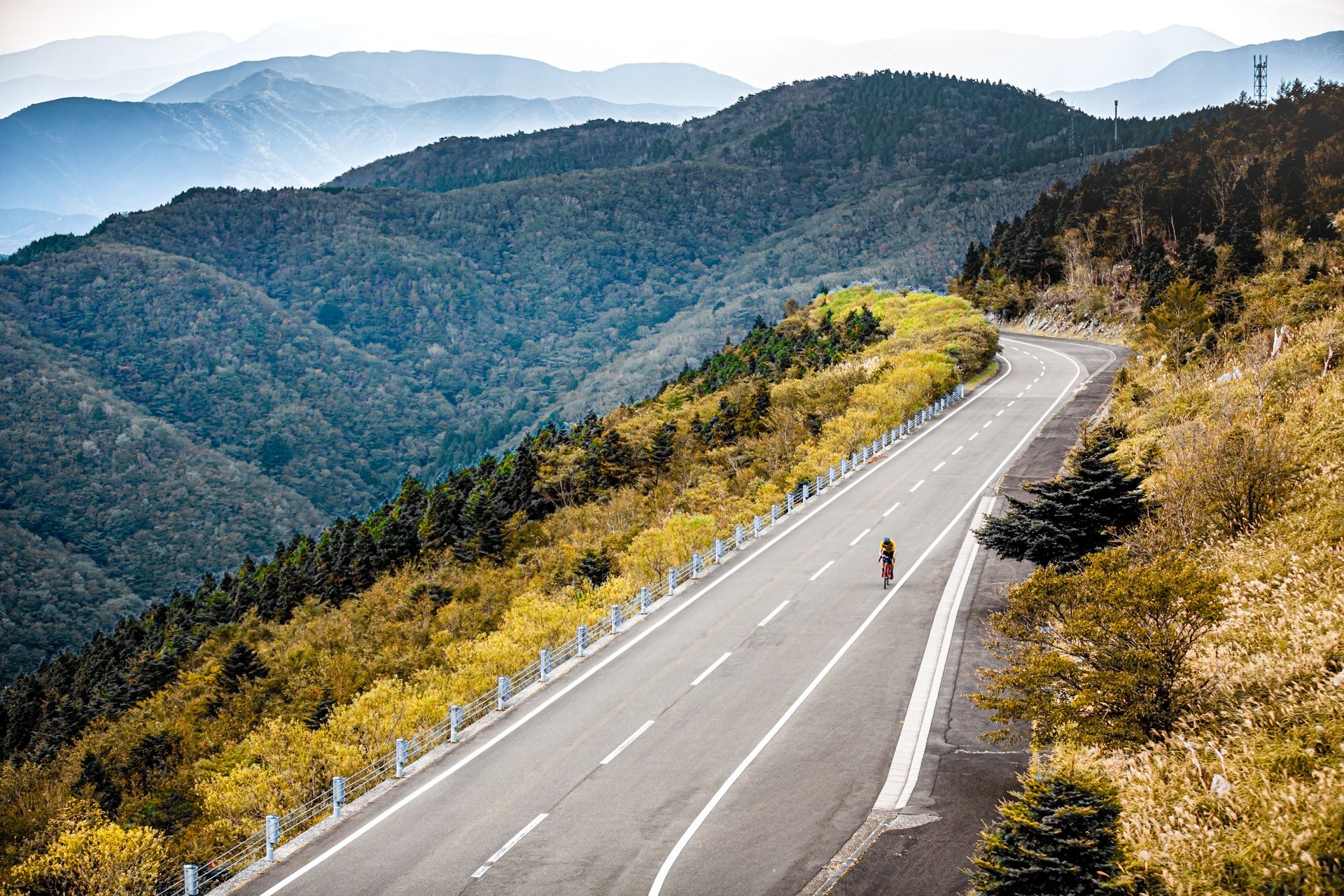
Road cycling in the Japanese Alps offers diverse experiences across its Northern, Central, and Southern ranges, characterized by dramatic mountain passes, serene lakeshores, and lush forests. The region features an extensive network of routes, from challenging ascents to gentler rides through highlands and valleys. Cyclists encounter well-paved roads winding through rural landscapes, past traditional kominka farmhouses and rice paddies. This varied terrain provides opportunities for all fitness levels, set against a backdrop of peaks exceeding 3,000 meters.
Best road cycling…
Last updated: September 30, 2026
4.0
(2)
209
riders
26.3km
01:49
920m
920m
Hard road ride. Very good fitness required. Mostly well-paved surfaces and easy to ride.
4.0
(2)
179
riders
23.9km
01:33
740m
740m
Moderate road ride. Good fitness required. Mostly well-paved surfaces and easy to ride.

4.5
(13)
170
riders
20.3km
01:02
220m
220m
Easy road ride. Great for any fitness level. Mostly well-paved surfaces and easy to ride.
4.5
(2)
122
riders
56.1km
02:51
810m
810m
Moderate road ride. Good fitness required. Mostly well-paved surfaces and easy to ride.
4.2
(6)
113
riders
36.5km
01:57
470m
470m
Moderate road ride. Good fitness required. Mostly well-paved surfaces and easy to ride.
4.4
(5)
87
riders
33.8km
01:37
420m
420m
Moderate road ride. Good fitness required. Mostly well-paved surfaces and easy to ride.
5.0
(1)
109
riders
21.4km
00:56
90m
90m
Moderate road ride. Great for any fitness level. Some segments of this route may be unpaved and difficult to ride.
5.0
(2)
79
riders
73.8km
03:46
1,060m
1,060m
Hard road ride. Very good fitness required. Mostly well-paved surfaces and easy to ride.
52
riders
53.3km
03:59
2,030m
2,030m
Hard road ride. Very good fitness required. Mostly well-paved surfaces and easy to ride.
63
riders
143km
07:44
2,290m
2,290m
Hard road ride. Very good fitness required. Mostly well-paved surfaces and easy to ride.
Get access to more routes and recommendations from other explorers.
Already have an account?
Our route recommendations are based on thousands of hikes, rides, and runs completed by other people on komoot.
Start today with a free account
Your next adventure awaits.


Tips from the Community


The zaru soba is very delicious 😋 Since Arashi used it for filming, it has become like a sacred place for the young ladies of the Arashi fan club ❤️
0
0


the highest paved mountain pass in Japan. It stands at 2716 m above the see level, can get windy and cold.
0
0

The Norikura Pass, at an elevation of 2,716 meters, was a highlight of the tour and offered breathtaking views of the surrounding mountains. The nearby Norikura Kogen parking lot, at an elevation of approximately 2,710 meters, is known as Japan's highest bus station and offers impressive views of the surrounding mountains.
0
0

Mount Fuji is a volcano and, at 3,776 m, the highest mountain in Japan.
1
0

nice route to do the lake fine, along the way we bought vegetables and fruit at a stall.
0
0
Frequently Asked Questions
What types of road cycling routes can I find in the Japanese Alps?
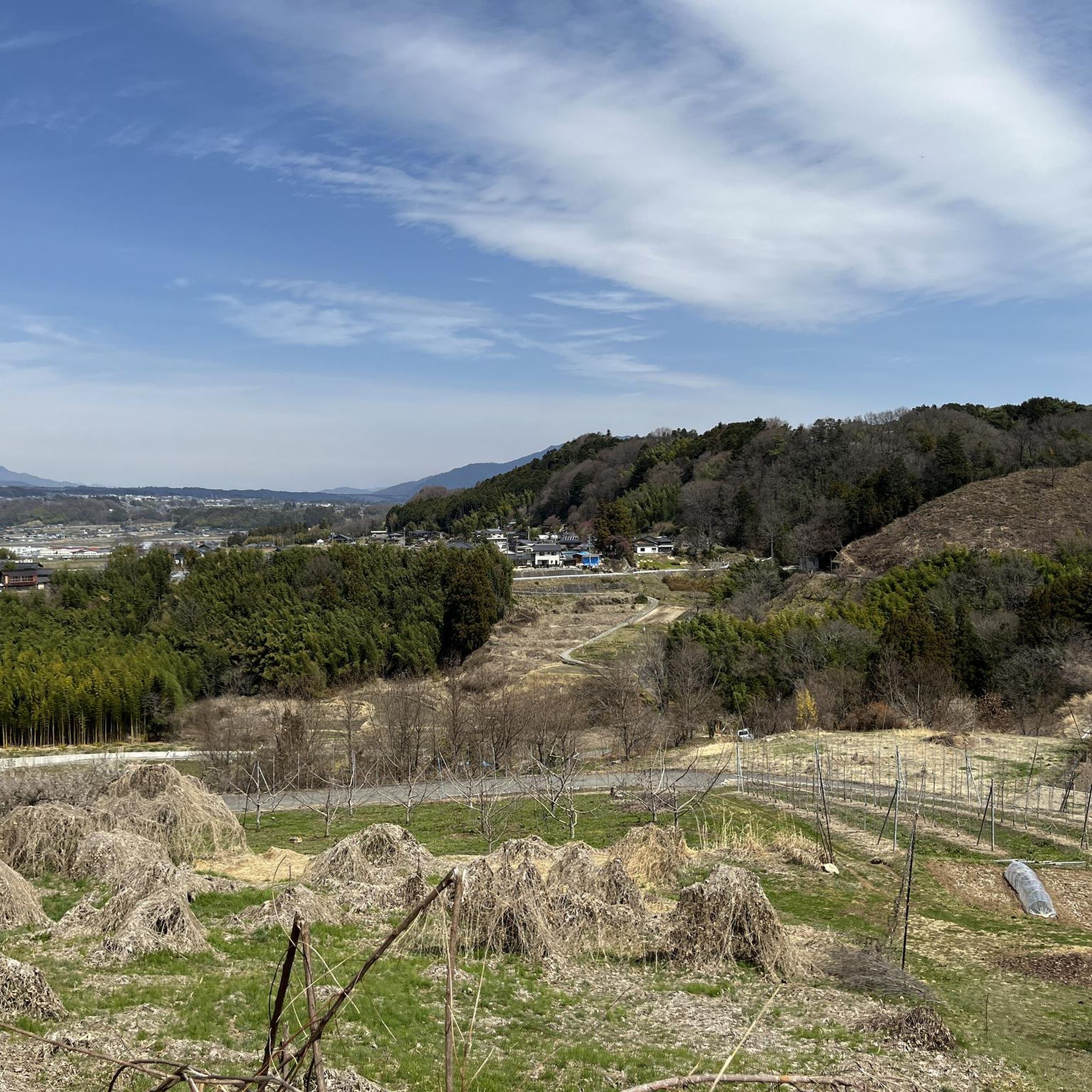
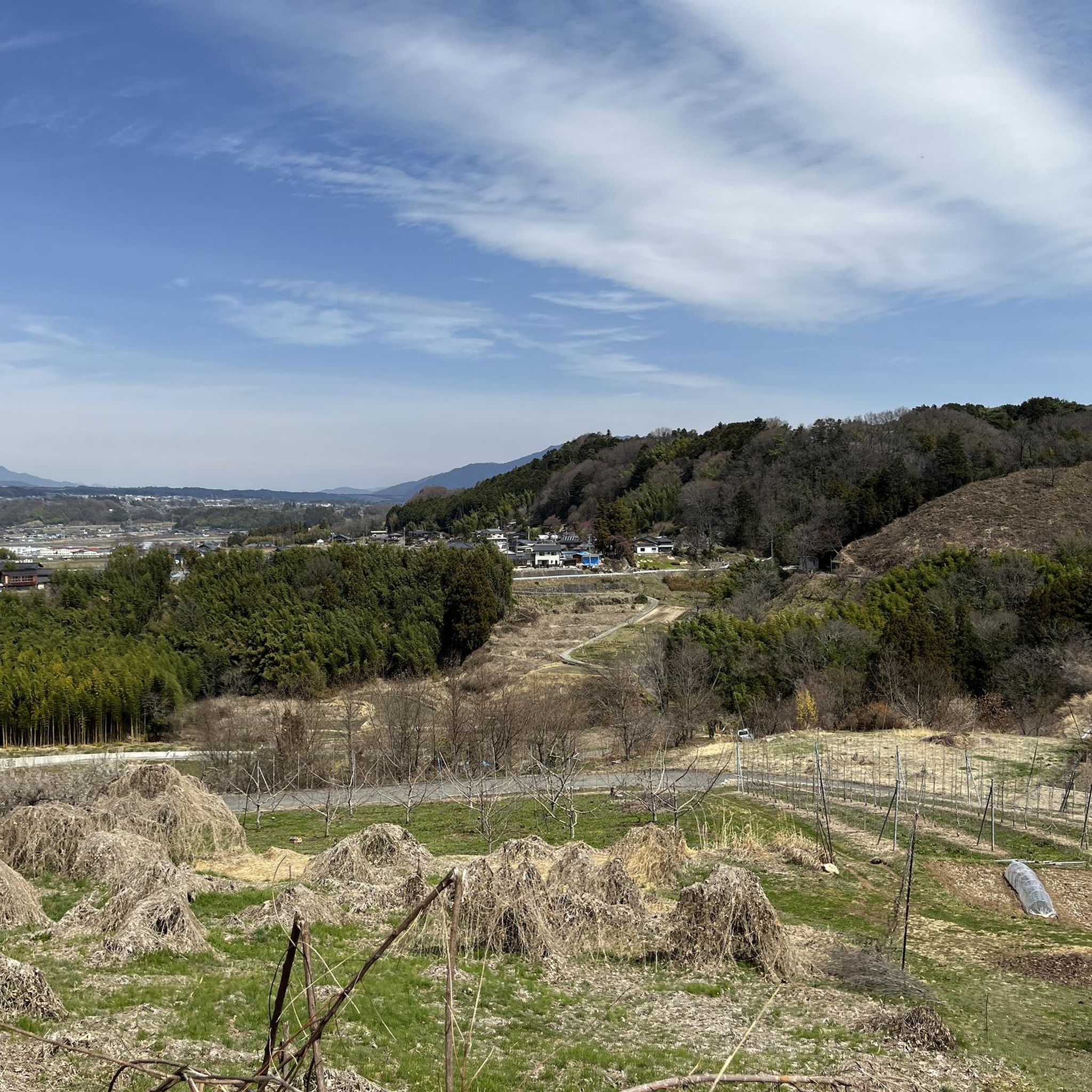
The Japanese Alps offer a wide variety of road cycling experiences, from challenging mountain passes with significant elevation gains to more gentle rides along picturesque lakeshores and through serene highlands. You'll find routes on mostly well-paved surfaces, winding through rural landscapes, past traditional farmhouses and rice paddies.
Are there challenging road cycling routes for experienced riders in the Japanese Alps?
Yes, the Japanese Alps are renowned for their arduous ascents. Many routes feature significant elevation gain, with 235 routes classified as difficult. For example, the Fuji Subaru Line Toll Gate – Mount Fuji 5th Station loop from Fuji Hokuroku Stadium involves over 1,200 meters of climbing, and the Kawaguchiko Loop – Lake Yamanaka loop from 河口湖 covers over 115 km with more than 1,600 meters of elevation gain.
Are there any easier or family-friendly road cycling options in the Japanese Alps?
Absolutely. While known for its climbs, the region also offers easier routes. There are 31 easy and 187 moderate routes available. For a less strenuous ride, consider the Lake Kawaguchi – Lake Kawaguchi loop from 河口湖, which is an easy 19 km loop with minimal elevation gain, perfect for a relaxed outing.
What is the best time of year for road cycling in the Japanese Alps?
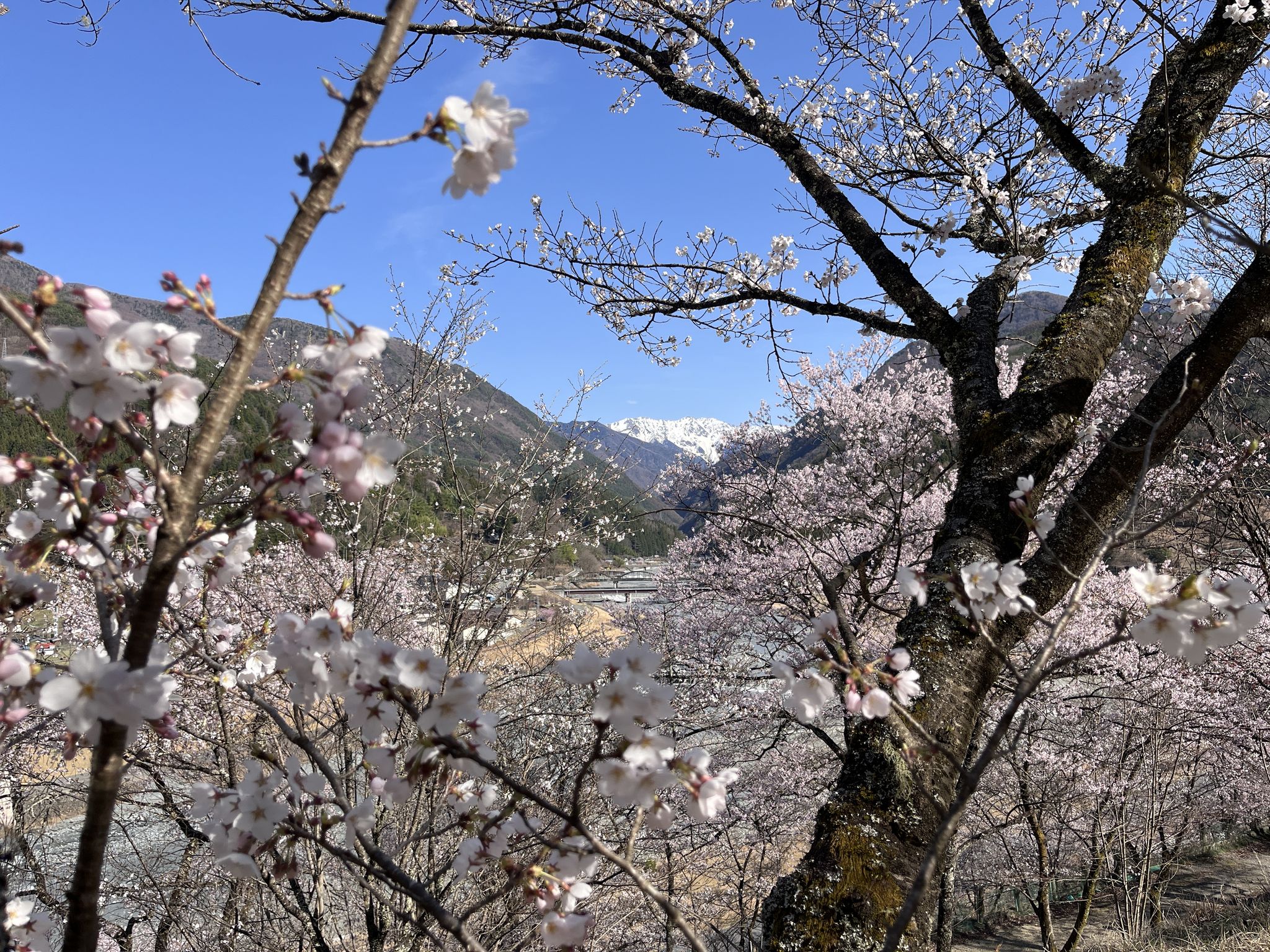
The best season for road cycling in the Japanese Alps is generally from spring to autumn. During these months, the weather is more stable, and mountain passes are typically clear of snow. Spring offers blooming landscapes, while autumn provides stunning fall foliage, making for incredibly scenic rides. Summer can be warm, especially at lower elevations, but higher passes offer cooler temperatures.
What kind of natural attractions can I see along road cycling routes in the Japanese Alps?
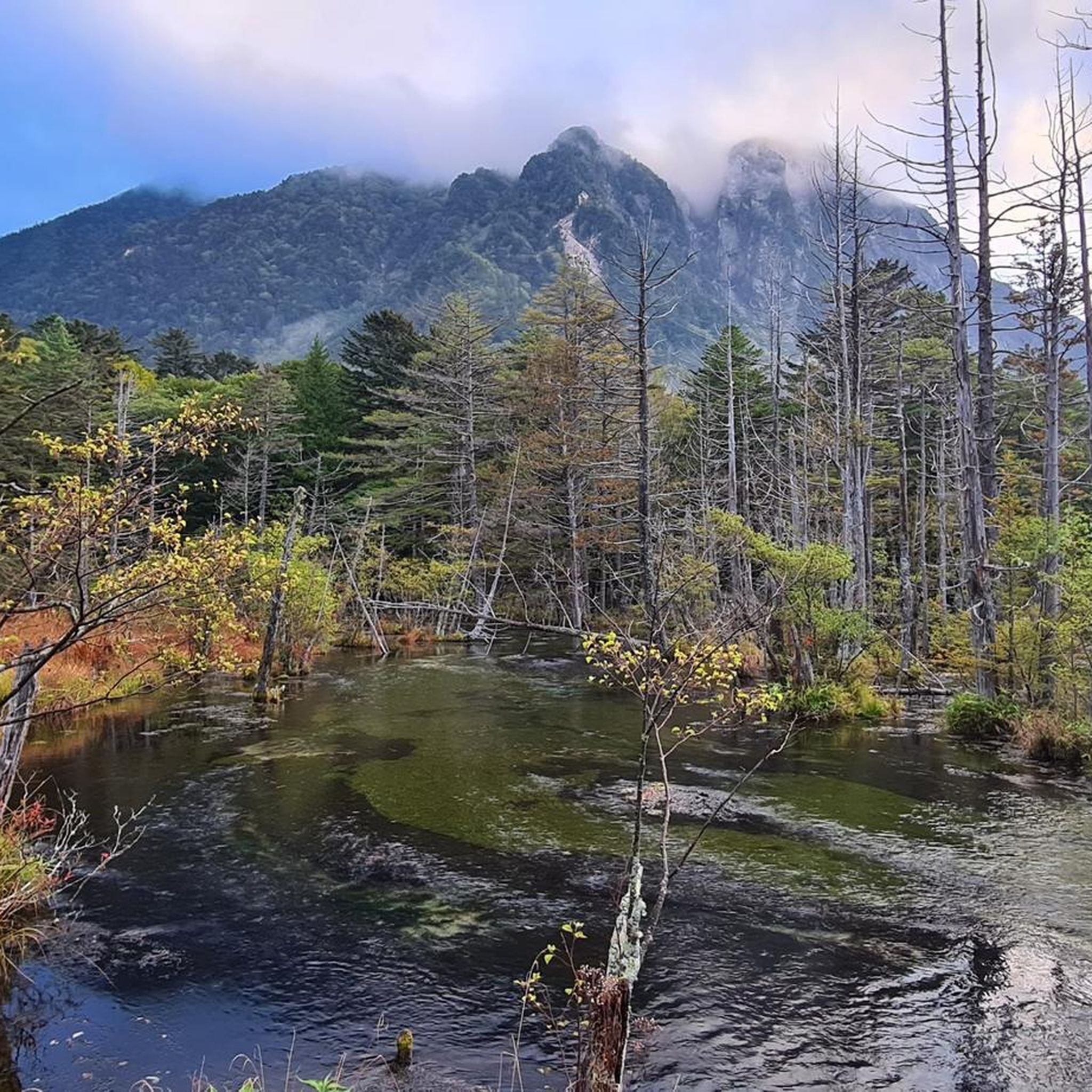
The Japanese Alps are rich in natural beauty. You can cycle past majestic peaks, crystal-clear rivers like the Azusa River, and picturesque lakes such as Lake Suwa and the Nishina Lakes. Many routes also traverse lush forests and offer views of glacially carved cirques. Highlights include the Kamikochi Nature Trail and the stunning Otoko-daki and Onna-daki Waterfalls.
Are there any cultural or historical landmarks accessible by road bike in the Japanese Alps?
Yes, the region blends natural beauty with rich cultural heritage. While cycling, you might encounter traditional kominka farmhouses and historic post towns along ancient routes like the Nakasendo. Notable landmarks include Matsumoto Castle, one of Japan's finest original castles, and various shrines and temples that offer a glimpse into ancient Japan.
Are there circular road cycling routes in the Japanese Alps?
Many road cycling routes in the Japanese Alps are designed as loops, allowing you to start and end at the same point. Examples include the challenging Kawaguchiko Loop – Lake Yamanaka loop from 河口湖, or the more moderate Lake Shoji loop from Narusawa.
What do other road cyclists say about the routes in the Japanese Alps?
The road cycling routes in the Japanese Alps are highly rated by the komoot community, with an average score of 4.3 stars from over 70 reviews. Cyclists frequently praise the diverse terrain, from challenging climbs to scenic lake loops, and the well-maintained roads that offer stunning mountain views.
Can I access road cycling routes in the Japanese Alps using public transport?
Public transport access varies by specific route and location within the vast Japanese Alps. Major towns and popular tourist areas often have good train and bus connections. Some routes, particularly those around lakes like Kawaguchiko, are accessible via public transport hubs, allowing you to start your ride without a car. It's advisable to check local transport schedules for your chosen starting point.
Are there specific viewpoints or scenic spots along the road cycling routes?
The Japanese Alps are full of breathtaking viewpoints. Many routes offer panoramic vistas of the mountain ranges, including iconic views of Mount Fuji. Specific highlights include the View of Mount Fuji from the Chureito Pagoda, and various mountain passes like Wada Pass (Wada-tōge), which provide stunning perspectives of the alpine landscape.
How many road cycling routes are available in the Japanese Alps?
There are over 450 road cycling routes available in the Japanese Alps, catering to a wide range of abilities and preferences. This includes 31 easy, 187 moderate, and 235 difficult routes, ensuring there's an adventure for every cyclist.
Most popular routes in the Japanese Alps
Most popular attractions in the Japanese Alps

Get inspired with the komoot mobile app


Explore more
Browse the best Road cycling routes in other regions.
