Top 20 Gorges around Voeren
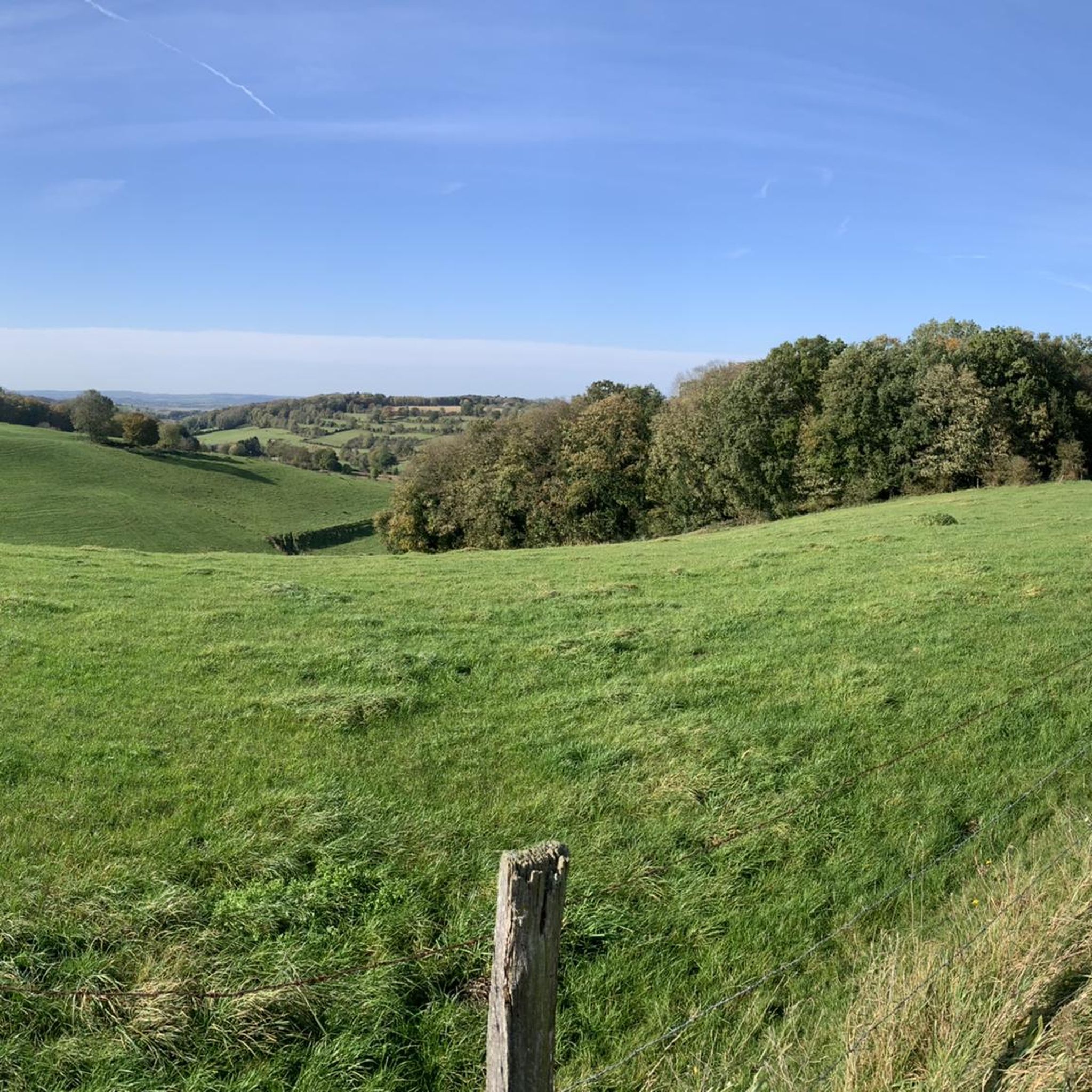
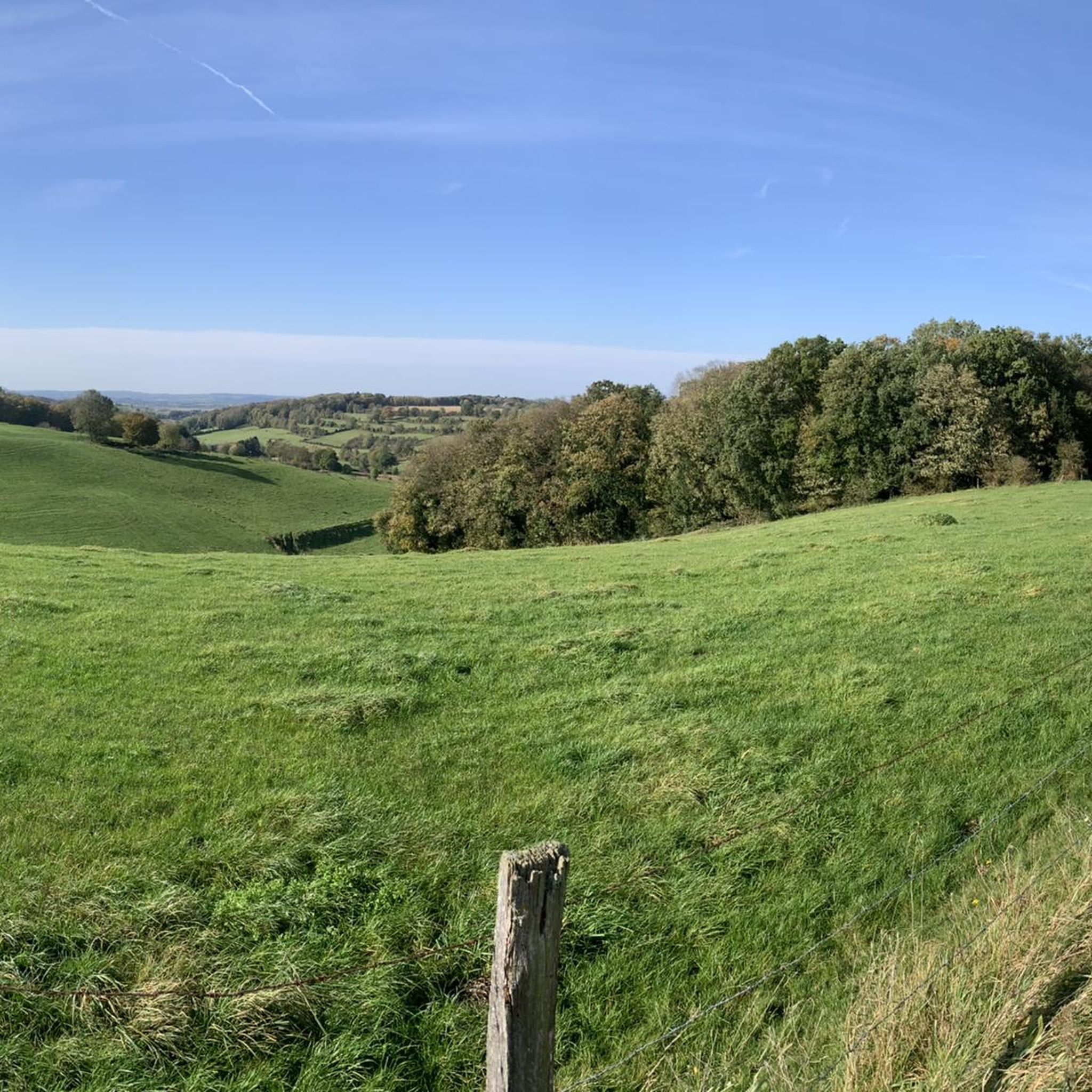
Best canyons around Voeren are characterized by the region's unique topography, featuring an alternation of hills and deep valleys. This landscape, influenced by the Meuse and Geer rivers, offers gorge-like features and significant geological formations. The area includes impressive limestone formations, former quarries, and deeply incised hollow roads, providing diverse natural experiences. These features collectively offer dramatic geological interest for exploration.
Best canyons around Voeren
- The most popular canyons is Marl Cliff along the Geul, a gorge that features…
Last updated: October 4, 2026
Marl Cliff along the Geul
Highlight • Gorge
Translated by Google •
Tip by

Hohnbach Valley
Highlight (Segment) • River
Translated by Google •
Tip by

Sign up now to discover places like this
Get recommendations on the best single tracks, peaks, & plenty of other exciting outdoor places.
Mine entrance and Geul sinkhole — Plombières Nature Reserve
Highlight • Cave
Translated by Google •
Tip by

Savelsbos Gravel Pit
Highlight • Natural Monument
Translated by Google •
Tip by

Blom Quarry
Highlight • Gorge
Translated by Google •
Tip by
Sign up for free to discover even more gorges around Voeren.
Already have an account?
Start today with a free account
Your next adventure awaits.
Tips from the Community

Along the road is the entrance to quarry Blom, as a hiker you have to go through the flap gate to enter the area
0
0

Along the rippling Geul River, an impressive marlstone wall rises, a silent witness to Limburg's underground landscape. These calcareous rocks were used for centuries for construction and crafts and now offer a fascinating sight for hikers and nature lovers. The wall forms a natural boundary along the water and, in some places, harbors small caves and niches where flora and fauna have found a home. The contrast of the white marl against the green foliage and the glistening water of the Geul makes this a particularly photogenic and tranquil spot during your walk.
0
0

Beautiful part of the walk along the Geul
0
0

In the mid-19th century, flooding from the Göhl River posed a major threat to the mine in Bleyberg/Plombières: Water repeatedly penetrated the tunnels and claimed lives. To prevent this, a diversion of part of the river was requested and approved in 1861. By 1862, a tunnel several hundred meters long was built beneath the rock, keeping the Göhl away from the mine. The construction cost approximately 200,000 francs. The tunnel is a technical monument to mining engineering from an era when hazards were deliberately controlled while simultaneously harnessing hydropower. It demonstrates how work-related accidents were prevented while simultaneously harnessing resources.
54
0

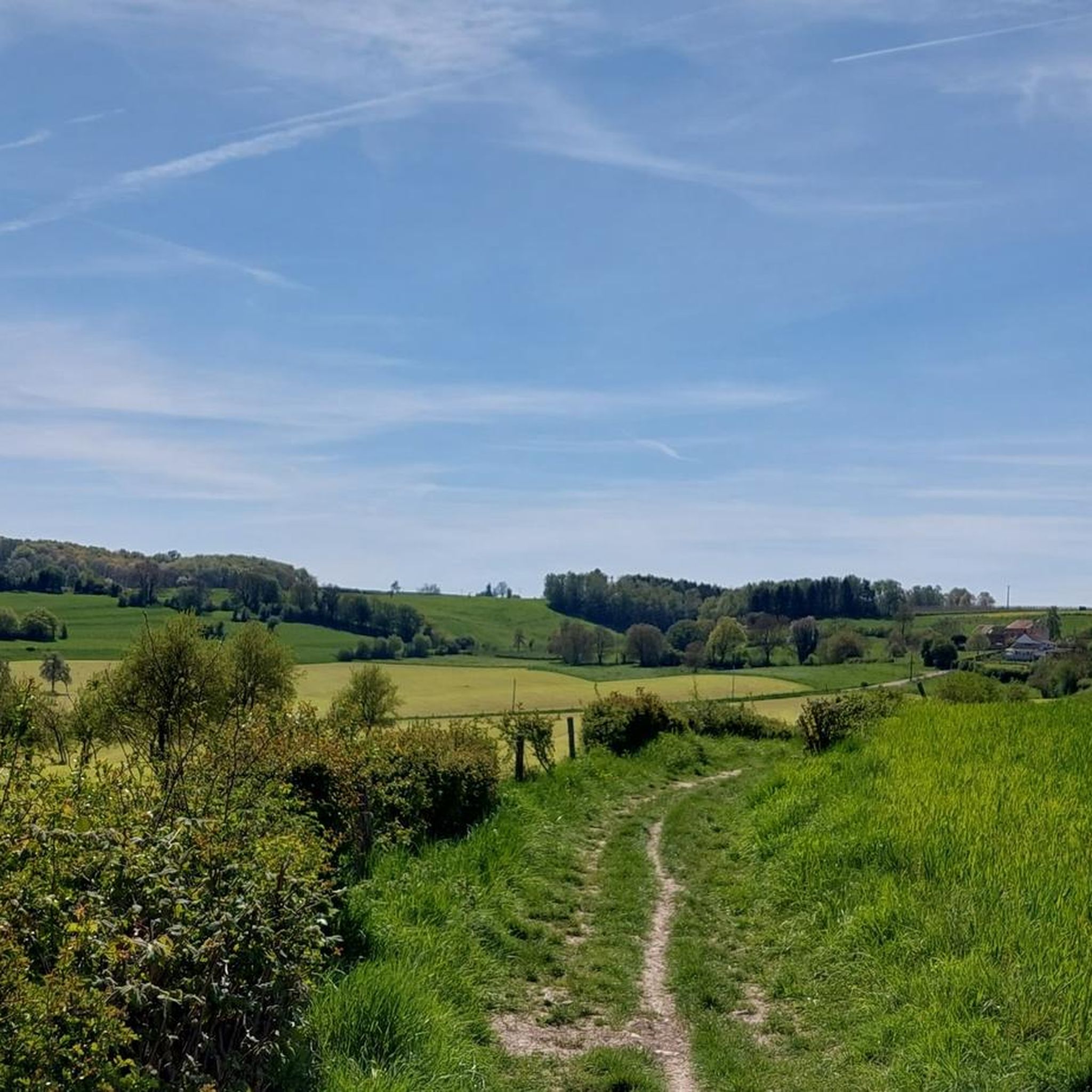
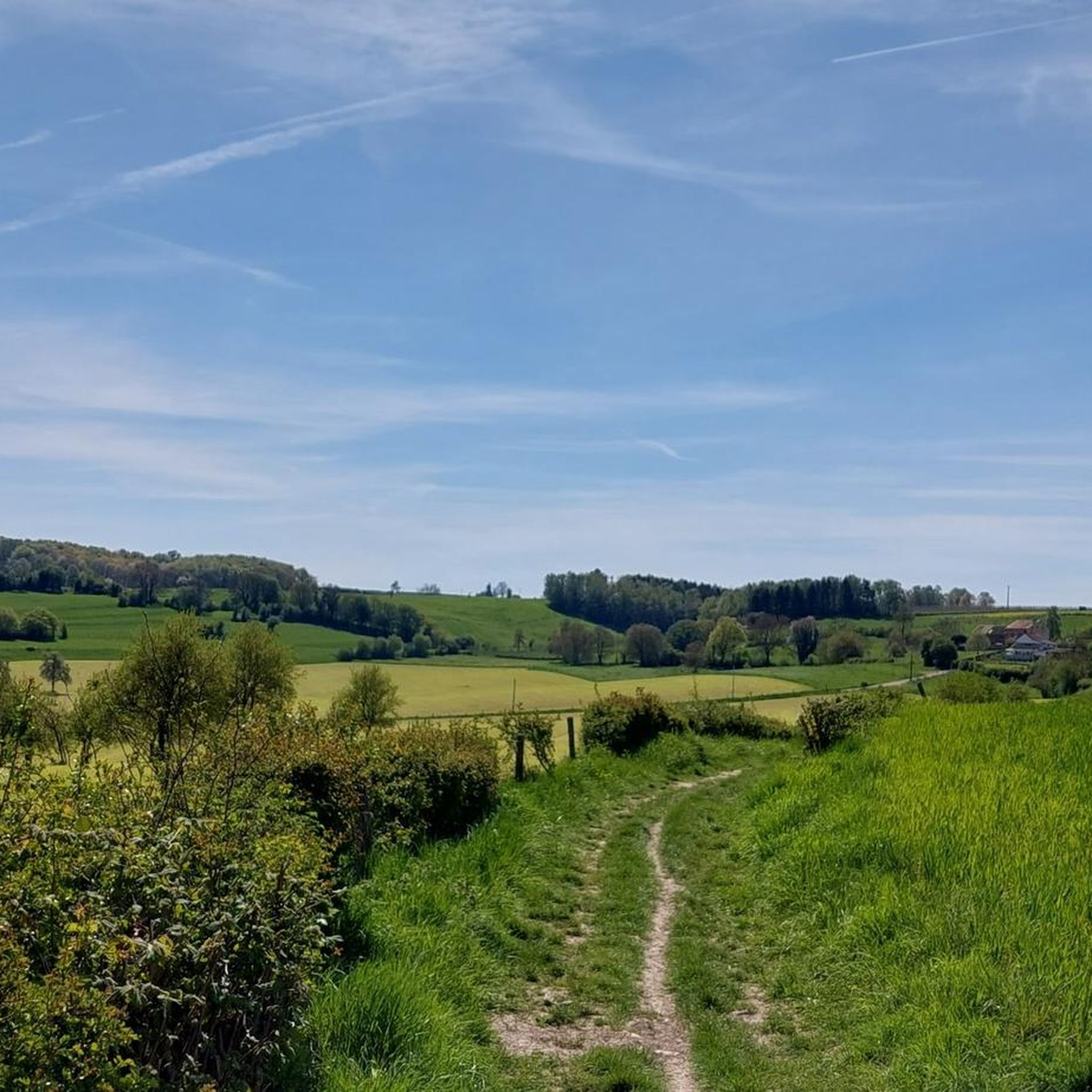
When the path that has been running between slopes and sloping forest on one side and the Geul on the other side suddenly starts to rise a bit, you know what is coming: part of the marl crops out and offers you a glimpse of what you can discover if you take one of the paths away from the Geul: quarries and marl.
6
0

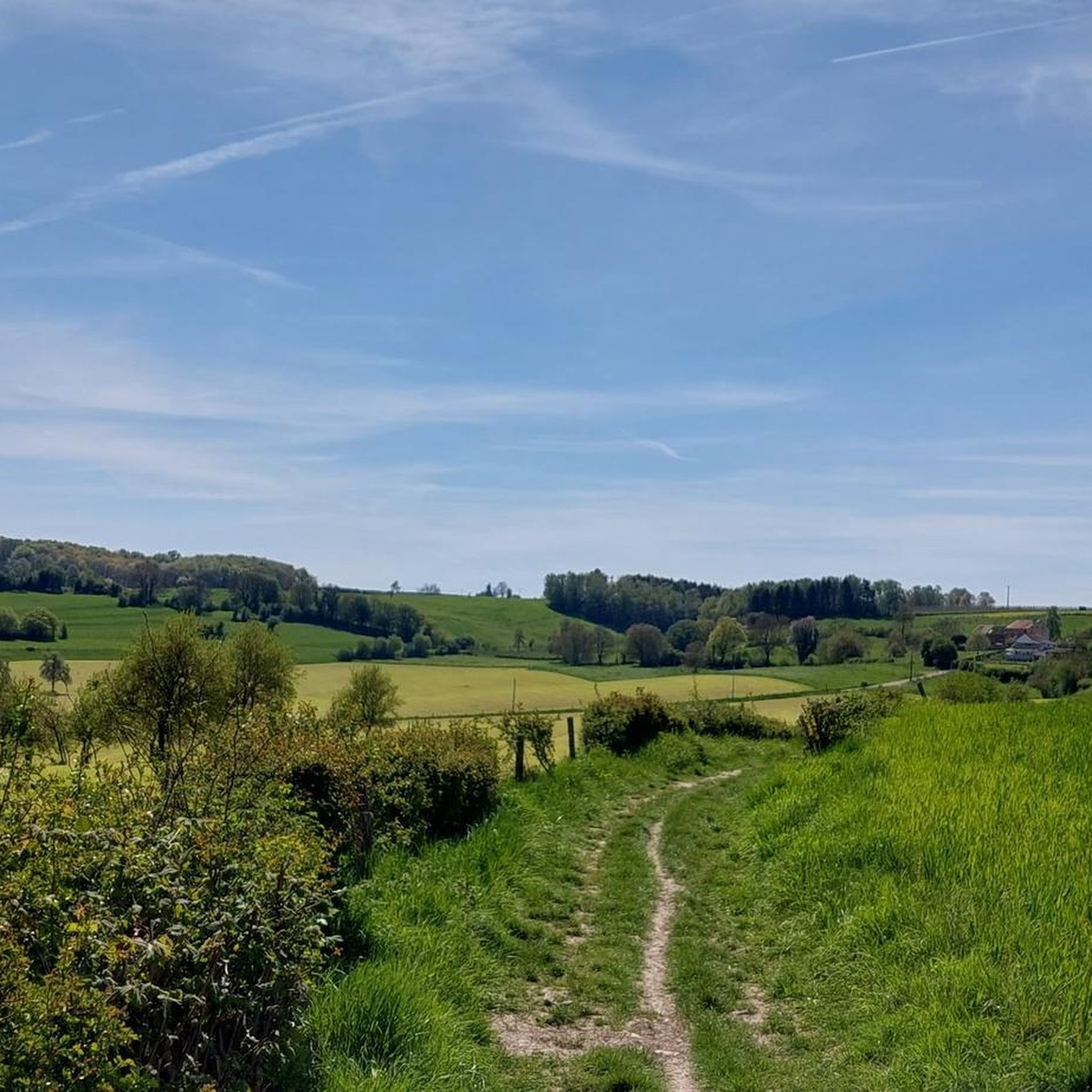
Wonderful single track with deliciously scented wild garlic on both sides.
1
0

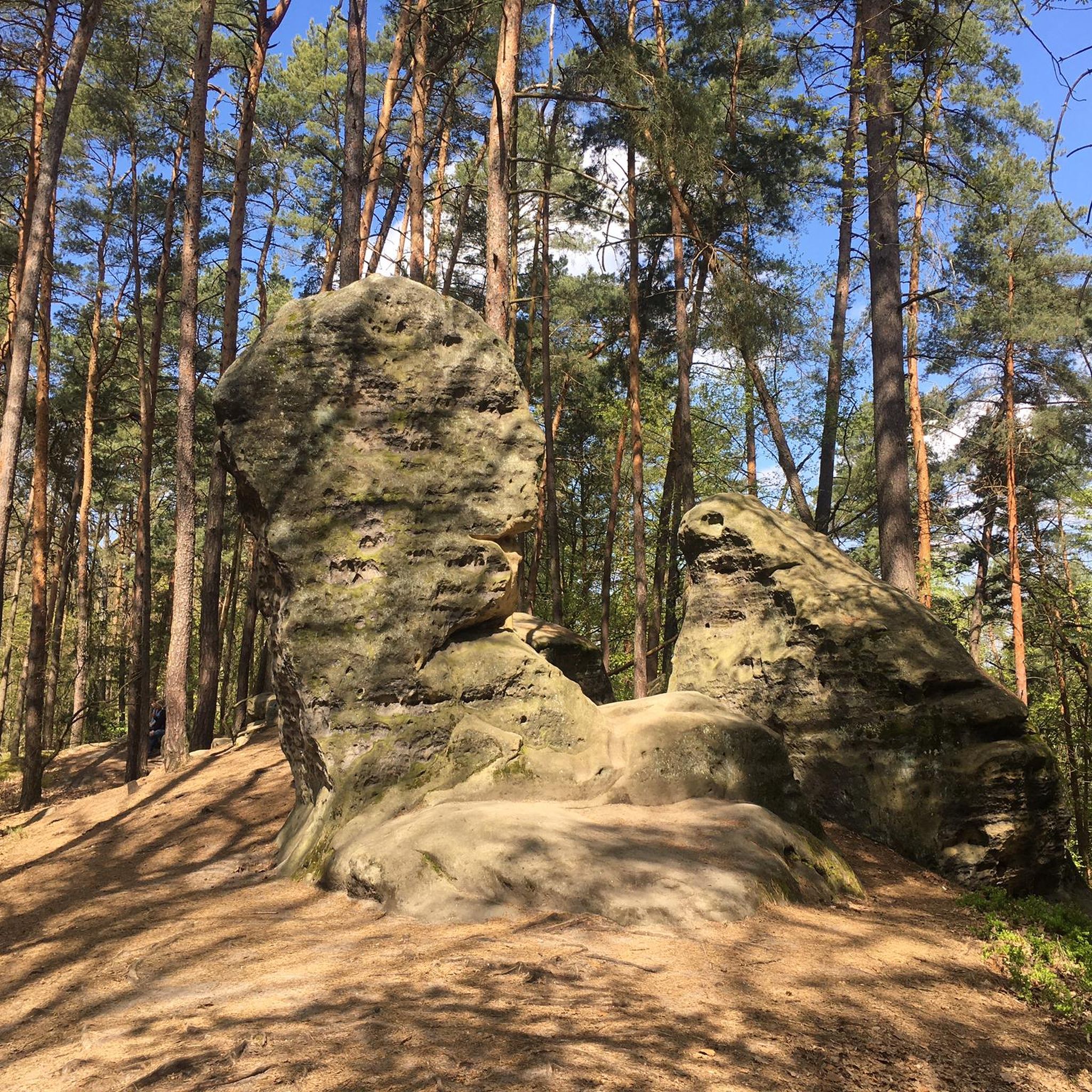
Text board [see photo] Gravel pit Savelsbos Geological monument 'Gravel pit Savelsbos'. From Roman times until around 1950, a mixture of sand and gravel was excavated in this pit to improve and harden roads. Around 1 million years ago, the Maas flowed from Eijsden towards Cadier en Keer. At the end of this period, the Maas valley was filled with a mixture of sand and gravel. The sand, gravel and stones present come from the Vosges and the Ardennes.
3
0
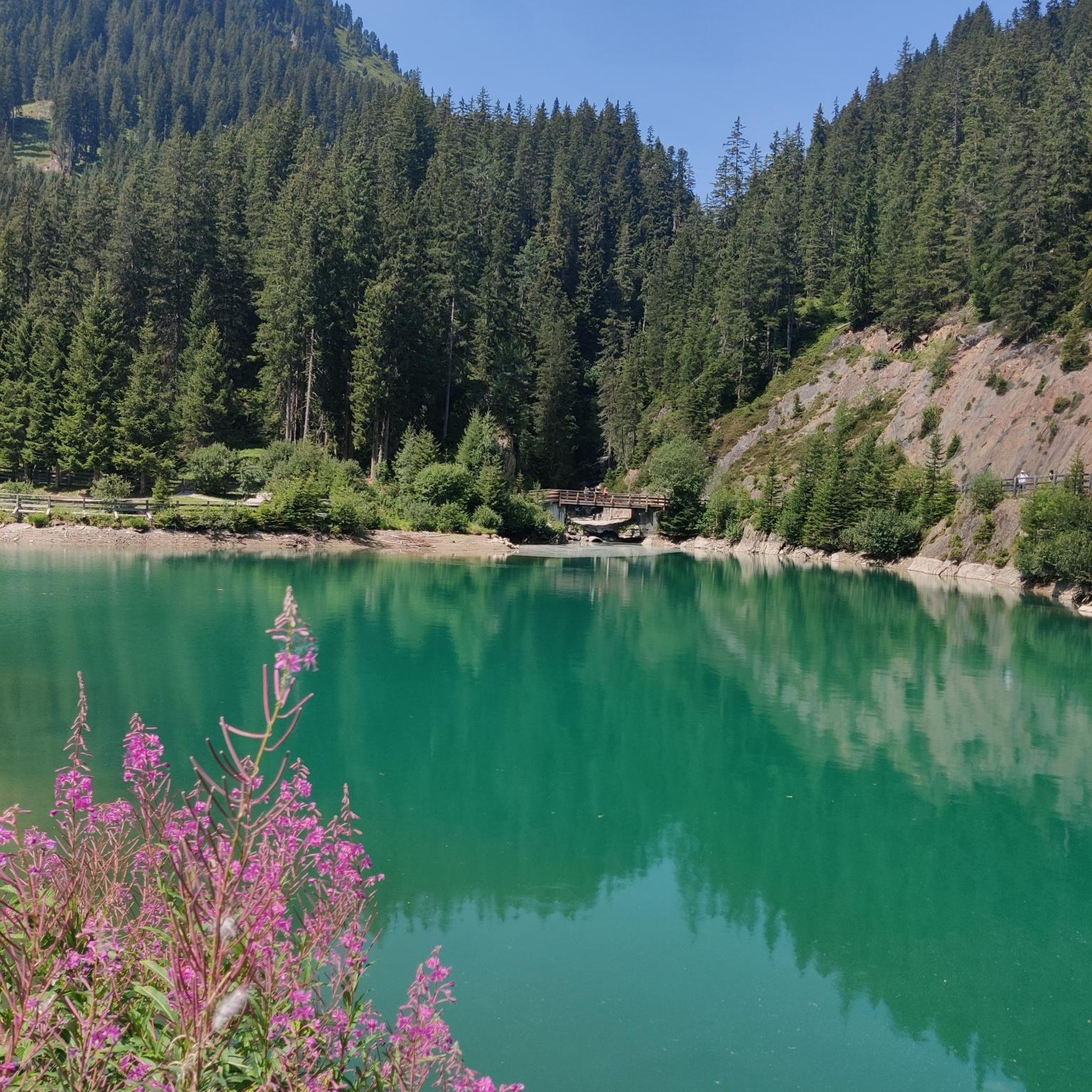
The site of the former Plombières mine is home to species-rich calcareous grassland meadows, now protected as a nature reserve. The exceptional flora and fauna of this area are due to the heavy metal-rich soils, particularly the presence of zinc in the subsurface. Among the natural meadow relics, visible traces of the former metal industry can still be found: – Walls from former foundry floors – Remains of old smelting furnaces – Stones from former industrial buildings A small stream meandering through the area further enriches the ecological diversity of this special place. The "Gueule" viewpoint, which offers a glimpse into a cave opening, is particularly impressive and worth a visit.
53
0
Frequently Asked Questions
What kind of "canyon-like" landscapes can I expect in the Voeren region?
The Voeren region is characterized by a unique topography of hills and deep valleys, shaped by rivers like the Meuse and Geer. You'll find gorge-like features, impressive limestone formations, and former quarries that offer dramatic geological interest. These areas provide a captivating landscape for exploration, even if not traditional canyons.
Are there any specific geological sites or former quarries worth visiting near Voeren?
Yes, several notable sites offer unique geological insights. The Trichterberggroeve Limestone Quarry is a designated Geological Monument with steep limestone walls and remnants of historical extraction. Another significant site is the Blom Quarry, a former quarry now transformed into a diverse nature reserve. Additionally, the Savelsbos Gravel Pit, used since Roman times, offers insights into different rock layers.
What are "hollow roads" and where can I experience them in Voeren?
Hollow roads (holle wegen) are deeply incised paths formed over centuries by erosion and human use. While not canyons, they create tunnel-like passages through the landscape, offering a unique and atmospheric hiking experience. You can find these characteristic features throughout the Voeren municipality, especially in areas with steep hillsides, providing a sense of immersion in nature.
Are there family-friendly options for exploring the valleys and natural areas around Voeren?
Yes, the region offers several family-friendly options. The Hohnbach Valley is known for its versatile trails and is considered family-friendly. The Trichterberggroeve Limestone Quarry is also suitable for families, offering an interesting natural monument to explore.
What are some popular hiking trails that explore these natural features?
For exploring the region's unique landscapes, you can find various hiking routes. The Marl Cliff along the Geul offers a narrow path alongside marl walls and the Geul river, showcasing unique geological features. The Hohnbach Valley provides beautiful and varied paths, including daffodil meadows in spring. For more hiking options, explore the Hiking around Voeren guide, which includes routes like the 'Voeren Villages and Veurs Valley Loop'.
What is the best time of year to visit the Voeren region for hiking and exploring its natural features?
The Voeren region is beautiful year-round. Spring is particularly enchanting when daffodil meadows bloom in areas like the Hohnbach Valley. Autumn offers stunning foliage, while summer provides pleasant conditions for longer hikes. Even winter can be rewarding for quiet exploration of the valleys and hollow roads.
What kind of wildlife can I spot in the valleys and natural areas of Voeren?
The diverse natural areas around Voeren, including rewilded quarries and deep valleys, support a variety of flora and fauna. For instance, the former ENCI quarry at Mount Saint Peter (partially extending into Belgian Limburg) is known for rare orchids and eagle owls. The region's unique microclimate and varied habitats make it a good spot for nature observation.
Are there good viewpoints to appreciate the landscape of Voeren's valleys and gorges?
Yes, the undulating landscape of Voeren offers several scenic viewpoints. The former ENCI quarry, part of Mount Saint Peter, features a viewing platform that provides magnificent panoramas over deep azure lakes and rewilded nature. Many hiking trails throughout the region also lead to elevated spots offering expansive views of the deep valleys and hills.
What other outdoor activities can I do near the canyon-like areas of Voeren?
Beyond hiking, the Voeren region is excellent for cycling. You can find various routes for touring bicycles and road bikes that traverse the scenic valleys and hills. For detailed routes, check out the Cycling around Voeren guide and the Road Cycling Routes around Voeren guide.
What makes the Voeren region's geological features unique compared to other areas?
The Voeren region stands out for its distinctive 'alternation of hills and deep valleys,' which, combined with its limestone geology, creates a mini-Ardennes feel. Features like the deeply incised 'hollow roads' and the rewilded former quarries, such as the Blom Quarry, offer a unique blend of natural beauty, geological interest, and historical significance, distinct from more dramatic, conventional canyons found elsewhere.
Can I find cafes or pubs near the hiking trails in Voeren's valleys?
The Voeren region is known for its charming villages nestled within the valleys. Many of these villages offer local cafes and pubs where you can relax and refuel after your hikes. While specific locations vary, you'll often find options conveniently located near popular trailheads or within a short distance of the natural areas.
Is it possible to explore the Voeren region's natural landmarks using public transport?
While public transport options exist to reach the Voeren municipality, exploring the more remote valleys, hollow roads, and specific natural landmarks often requires a combination of public transport and walking, or personal transportation. It's advisable to check local bus schedules to specific villages and plan your routes accordingly.
Most popular routes around Voeren
Most popular attractions around Voeren

Get inspired with the komoot mobile app


Explore more
Already discovered everything in this region? See additional gorges around Voeren for your next adventure:
