The best walks and hikes around Puurs
4.3
(698)
4,115
hikers
167
hikes
Hiking around Puurs offers routes through a predominantly flat landscape, characterized by historical forts, nature reserves, and agricultural fields. The region features waterways and estates, providing varied scenery for outdoor activities. Elevation changes are generally minimal, making many trails accessible. This area is suitable for exploring local history and natural areas on foot.
Best hiking trails around Puurs
- The most popular hiking route is Moorhoekweg - footpath 28 – Diepensteyn Farm loop from Fort Breendonk, a 14.7 miles (23.7…
Last updated: August 11, 2026
4.5
(55)
536
hikers
Hard hike. Very good fitness required. Easily-accessible paths. Suitable for all skill levels.
4.4
(71)
344
hikers
10.5km
02:38
10m
10m
Moderate hike. Good fitness required. Easily-accessible paths. Suitable for all skill levels.

Sign up for free
4.5
(49)
250
hikers
Easy hike. Great for any fitness level. Easily-accessible paths. Suitable for all skill levels.
4.4
(28)
177
hikers
Moderate hike. Good fitness required. Easily-accessible paths. Suitable for all skill levels.
4.5
(25)
118
hikers
Easy hike. Great for any fitness level. Easily-accessible paths. Suitable for all skill levels.
Get access to more routes and recommendations from other explorers.
Sign up for free
Already have an account?
Our route recommendations are based on thousands of hikes, rides, and runs completed by other people on komoot.
Start today with a free account
Your next adventure awaits.
Login or Signup
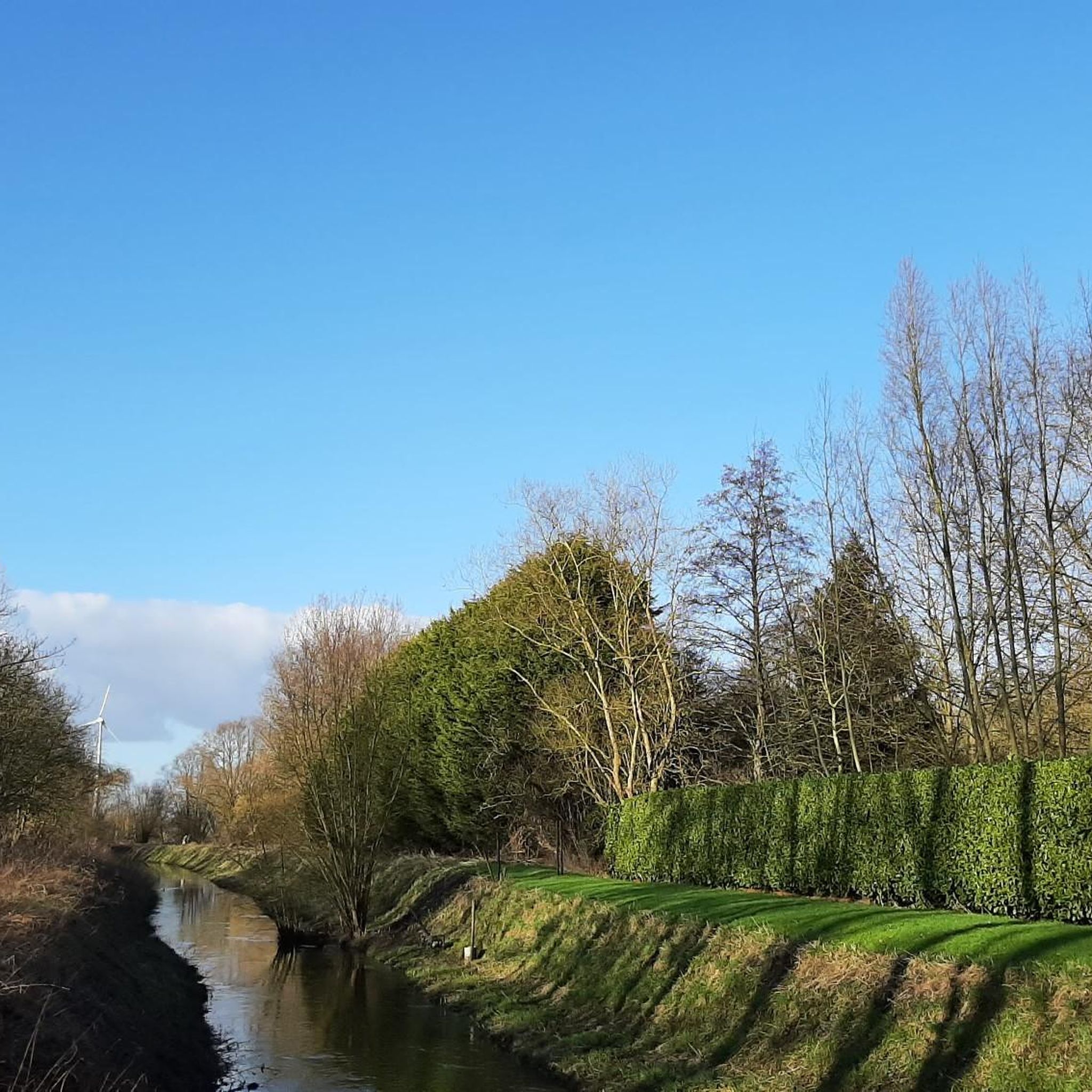
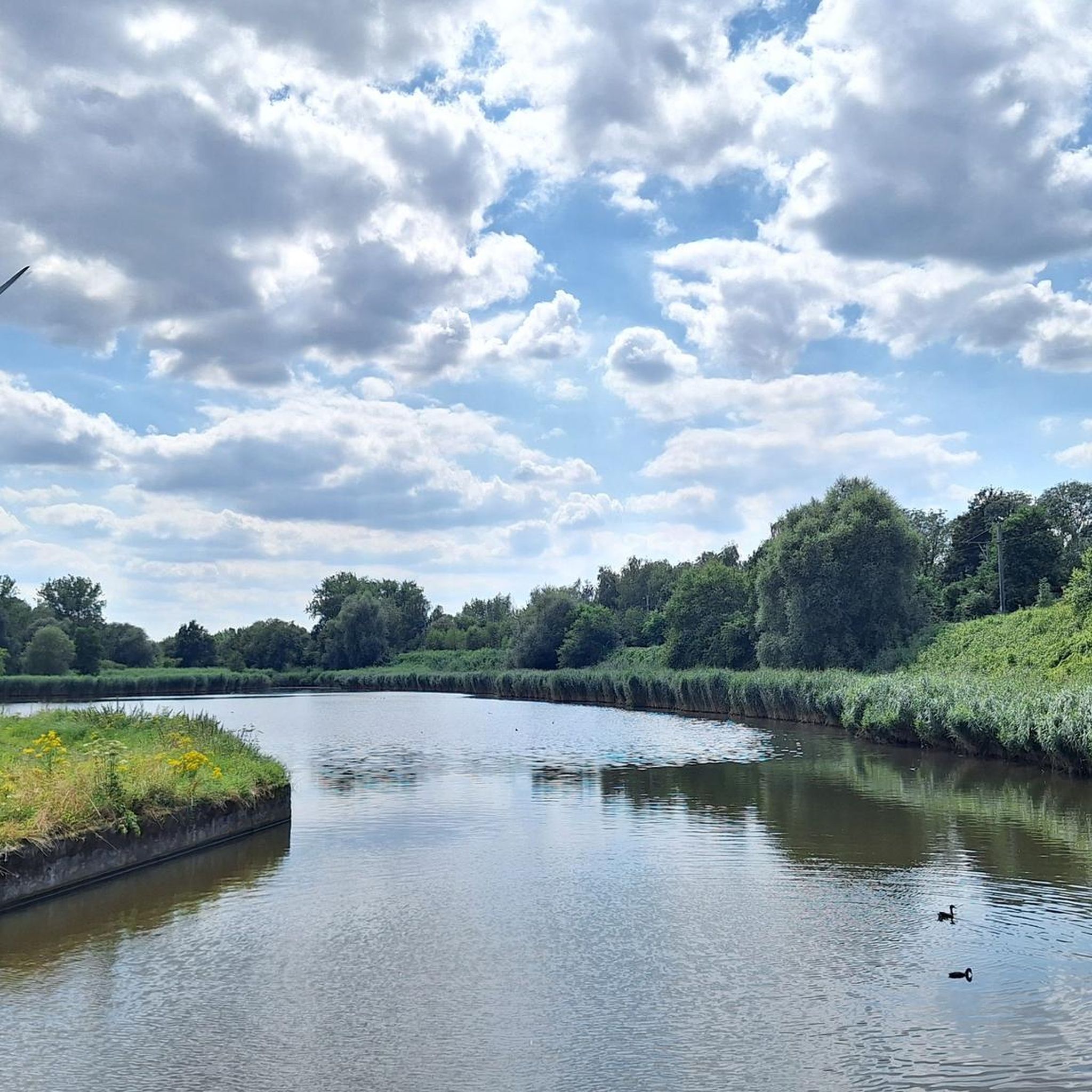
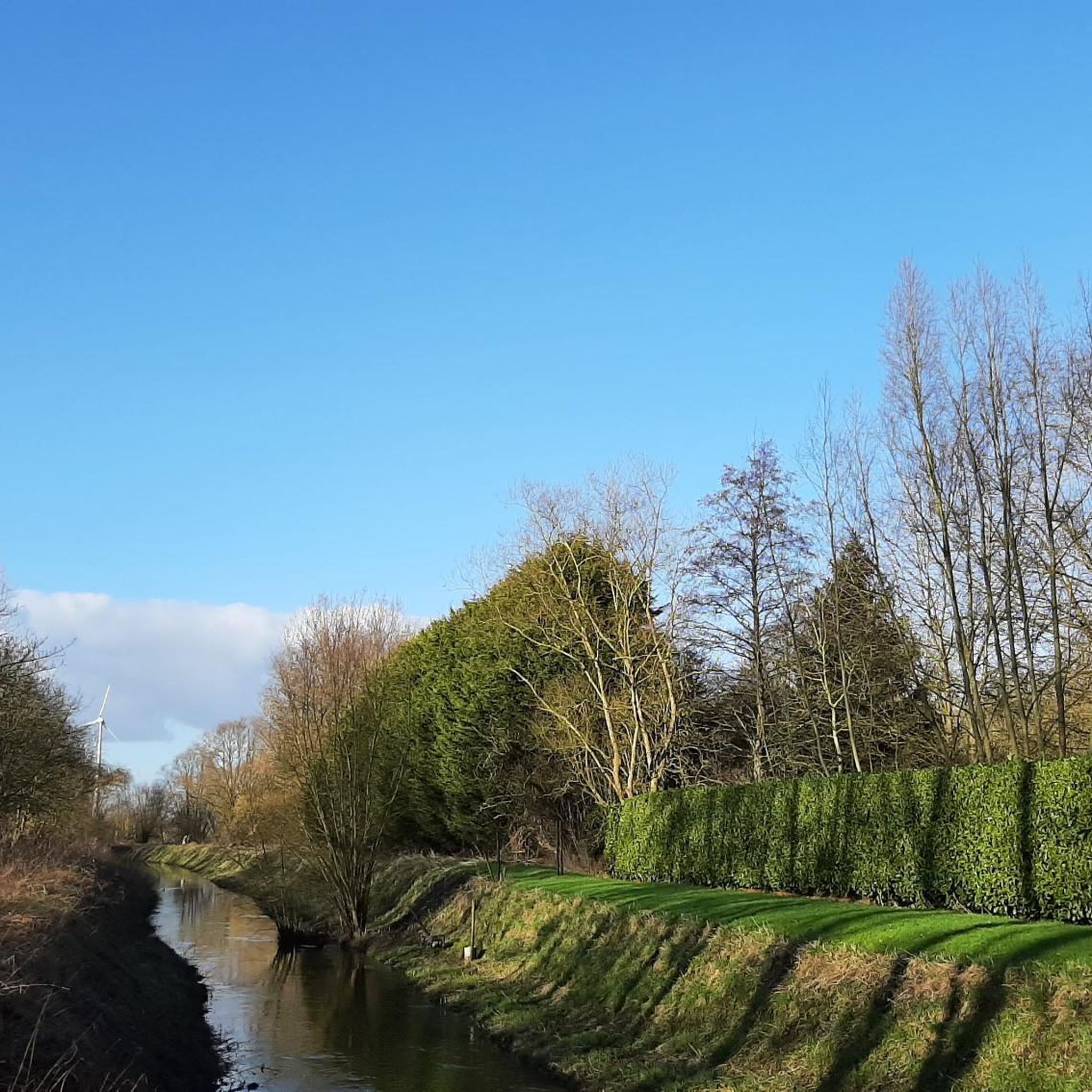
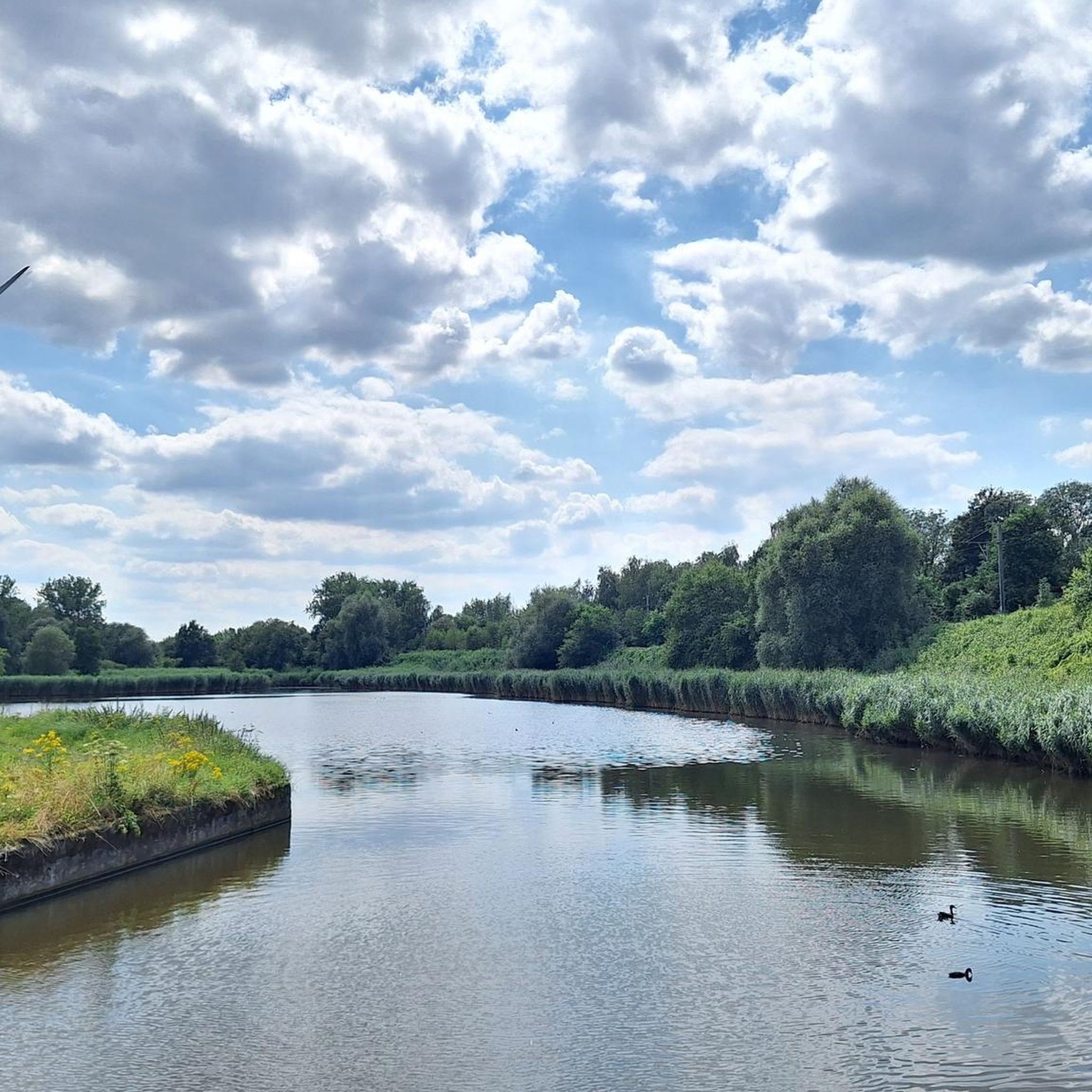
Tips from the Community

Discover the Art Route in Puurs-Sint-Amands Fancy a walk with that little extra something? Let yourself be surprised by the art route in Puurs, where art, nature and heritage blend seamlessly. From the impressive Fort van Liezele to hidden works of art along quiet paths and lively street art in the center — every step brings a new discovery. Along the way you will pass the church with the intriguing Le Souffle, walk through green areas and experience how art becomes part of the landscape here. ✨ A unique open-air gallery of ±4 km 🌿 Perfect to combine with nature and tranquility 📍 Ideal for a relaxing getaway close to home Let yourself be surprised. Slow down. And look differently.
3
0
On the edge of the water, these mysterious metal structures emerge. Once they had a clear function — today they mainly leave room for imagination. Are they old loading arms? Remnants of a forgotten installation? Or just silent witnesses of an industrial past? What is certain: their robust shapes and rough lines form an intriguing contrast with the tranquility of the surrounding landscape. Here, nature, history and a touch of mystery come together. A place where you stop to look... and maybe even come up with a story yourself.
4
0
There stands a boy, small and still, near arrows that indicate a direction. But before he continues walking, he considers where his path begins and ends.
4
0

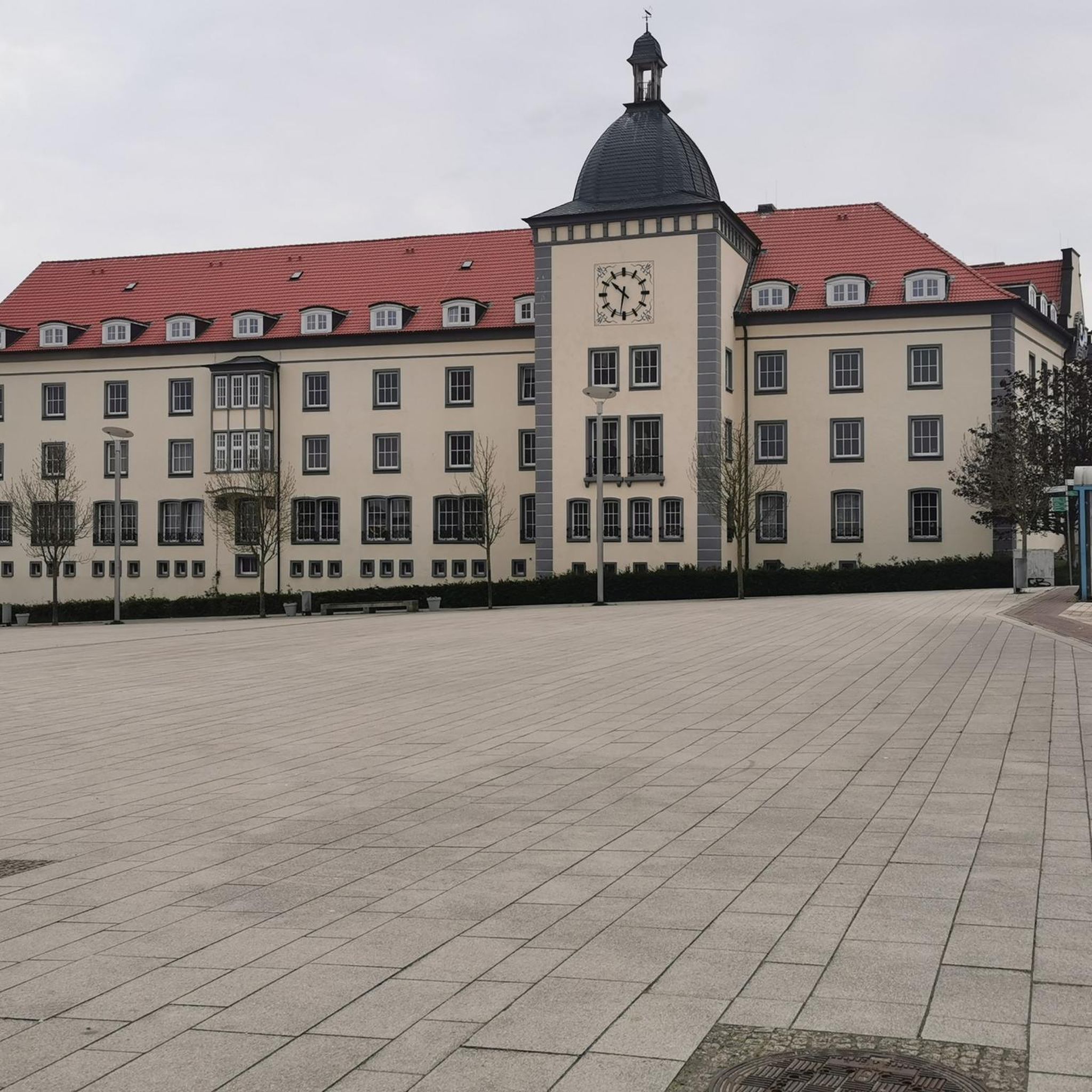
Imposing, detached, oriented church of sandstone with a slate roof, dating back to the first half of the 15th, 17th, and 18th centuries. Source: Heritage Inventory
2
0

The passenger tunnel is brightened up with colorful street art on the theme of 'train'.
4
0

Excavations carried out during the restoration revealed that a Carolingian wooden hall church with a semicircular sandstone choir, dating back to the 8th-9th century, was likely replaced before 1139 by a single-nave Romanesque church made of white natural stone. In the first half of the 12th century, a Romanesque tower was built on the south side, and in the mid-13th century, a Romanesque transept of white sandstone was added. This church was expanded in the first half of the 15th century with a larger choir and a west tower, both in Gothic style. Later renovations and repairs in the 17th, 18th, and 19th centuries shaped the church's current appearance, in which elements from various architectural periods and styles combine to form a harmonious whole. (Inventory of Immovable Heritage)
10
0
David Altmejd creates sculptures that often blur the distinction between interior and exterior, surface and structure, representation and abstraction. He works extensively with the human body in relation to processes of decay, renewal, and transformation. His sculptures often contain unexpected materials, the combinations of which are fascinating, disturbing, or extremely poetic. After each edition of the annual art route Kunst in Puurs KIP, a few works remain in Puurs-Sint-Amands. These works are now part of the municipality's permanent art collection. (Municipality of Puurs-Sint-Amands)
4
0
Relaxing at the water's edge is always fun
4
0
Frequently Asked Questions
What kind of terrain can I expect on hiking trails around Puurs?
The hiking trails around Puurs are generally characterized by a predominantly flat landscape. You'll encounter historical forts, various nature reserves, and agricultural fields. Many routes also feature waterways and estates, offering diverse scenery with minimal elevation changes.
Are there many easy hiking options in Puurs for beginners or casual walkers?
Yes, Puurs offers a good selection of easy hikes. Out of the 163 available tours, 100 are classified as easy, making the area very accessible for beginners or those looking for a relaxed stroll. An example of an easy route is the Emergency Church WWI - Liezele – Hof ter Bollen Estate and Moat loop from Puurs-Sint-Amands, which is about 6.9 km long.
Can I find long-distance hiking trails in the Puurs region?
Yes, for those seeking longer adventures, Puurs does have more challenging and extended routes. One notable long-distance option is the Moorhoekweg - footpath 28 – Diepensteyn Farm loop from Fort Breendonk, which covers approximately 23.7 km and explores historical sites and rural landscapes.
Are there any circular hiking routes available in Puurs?
Many of the hiking trails in Puurs are designed as circular routes, allowing you to start and end at the same point. For instance, the Fort Liezele – Hof ter Bollen Estate and Moat loop from Puurs is a popular circular path featuring historical estates and natural waterways.
What interesting landmarks or natural sights can I see while hiking in Puurs?
Puurs and its surroundings offer several points of interest. You can explore natural monuments like the Confluence of the Dijle and Nete = Rupel or the Zennegat Flood Area. There are also unique man-made structures such as the Geographical Center of Flanders and various bridges like the Blue Cycle Bridge over the Dijle.
What do other hikers say about the trails in Puurs?
The hiking routes in Puurs are highly regarded by the komoot community, holding an average rating of 4.36 stars from over 570 reviews. Hikers often praise the region for its accessible, flat terrain, the blend of historical sites with natural beauty, and the well-maintained paths through nature reserves and agricultural areas.
Are the hiking trails in Puurs suitable for families with children?
Given the predominantly flat landscape and the presence of many easy-rated trails, Puurs is well-suited for family-friendly hikes. Routes often pass through nature reserves and offer opportunities to explore historical sites, providing engaging experiences for children without significant elevation challenges.
Can I bring my dog on the hiking trails in Puurs?
Many trails in the Puurs region are dog-friendly, allowing you to enjoy the natural and historical landscapes with your canine companion. It's always recommended to keep your dog on a leash, especially in nature reserves or near agricultural areas, and to check specific trail regulations if available.
What is the best time of year to go hiking in Puurs?
Puurs offers pleasant hiking experiences throughout much of the year due to its generally mild climate and flat terrain. Spring and autumn provide comfortable temperatures and beautiful scenery with blooming nature or vibrant foliage. Summer is also popular, though it can be warmer, while winter hiking is possible, especially on clear, dry days, to enjoy the quiet, crisp air.
Are there opportunities for wildlife spotting on the trails around Puurs?
Yes, the nature reserves and waterways around Puurs, such as the Broek De Naeyer Nature Reserve, provide habitats for various local wildlife. Hikers may spot different bird species, small mammals, and aquatic life, particularly in quieter areas and during early morning or late afternoon walks.
Are there any hiking routes that pass by cafes or places to eat in Puurs?
While specific routes are not highlighted for cafes, many trails in Puurs pass through or near villages and towns where you can find local establishments to stop for refreshments. Planning your route in advance and checking local maps can help you identify suitable spots for a break.
How many hiking routes are available in the Puurs area?
There are over 160 hiking routes documented in the Puurs area on komoot, offering a wide variety of choices for different preferences and fitness levels. This includes 100 easy, 53 moderate, and 10 difficult trails.
Most popular attractions around Puurs

Get inspired with the komoot mobile app


Explore more
Browse the best Hikes in other regions.
