The best cycling routes around Moerbeke
4.5
(82)
790
riders
70
rides
Touring cycling around Moerbeke, located in the Flemish Region of Belgium, features generally flat terrain, making it suitable for various fitness levels. The landscape is characterized by extensive forested areas such as Heidebos and Kloosterbos, alongside tranquil waterside paths like the Moervaart Towpath and Stekene Canal. The region's well-developed cycling infrastructure includes a node network, facilitating navigation through its natural and historical settings.
Best touring cycling routes around Moerbeke
- The most popular touring cycling route is Chapel of the Cross – Ter Beuken Bicycle Bridge loop from Moerbeke, a 20.9 miles (33.6 km) trail that takes 2 hours 18 minutes to complete. This route offers a blend of waterside views and forested sections.
- Another top favourite among local touring cyclists is Fort Sint-Jacob – Groote Gat loop from Moerbeke, a moderate 42.6 miles (68.5 km) path. This trail navigates through the flat landscape, combining natural scenery with historical elements.
- Local touring cyclists also love the Wachtebeke–Moerbeke Rail Trail – Kloosterbos loop from Moerbeke, a 15.5 miles (25.0 km) trail leading through Kloosterbos and along a former rail line, often completed in about 1 hour 27 minutes.
- Touring cycling around Moerbeke is defined by flat paths, forested areas, and quiet waterside routes. The network offers options for different ability levels, from easy rides to more challenging distances.
- The routes in Moerbeke are highly rated by the komoot community with an average score of 4.6 stars from over 59 reviews. More than 600 touring cyclists have used komoot to explore Moerbeke's varied terrain.
Last updated: June 21, 2026
40
riders
68.5km
04:30
70m
70m
Moderate bike ride. Good fitness required. Mostly paved surfaces. Suitable for all skill levels.
4.0
(1)
35
riders
9.13km
00:45
10m
10m
Easy bike ride. Great for any fitness level. Mostly paved surfaces. Suitable for all skill levels.

Sign up for free
4.3
(3)
22
riders
Hard bike ride. Good fitness required. You may need to push your bike for some segments of this route.
3.8
(5)
104
riders
33.8km
02:17
30m
30m
Moderate bike ride. Good fitness required. Mostly paved surfaces. Suitable for all skill levels.
4.1
(10)
30
riders
Easy bike ride. Great for any fitness level. Mostly paved surfaces. Suitable for all skill levels.
Get access to more routes and recommendations from other explorers.
Sign up for free
Already have an account?
Our route recommendations are based on thousands of hikes, rides, and runs completed by other people on komoot.
Start today with a free account
Your next adventure awaits.
Login or Signup

Tips from the Community

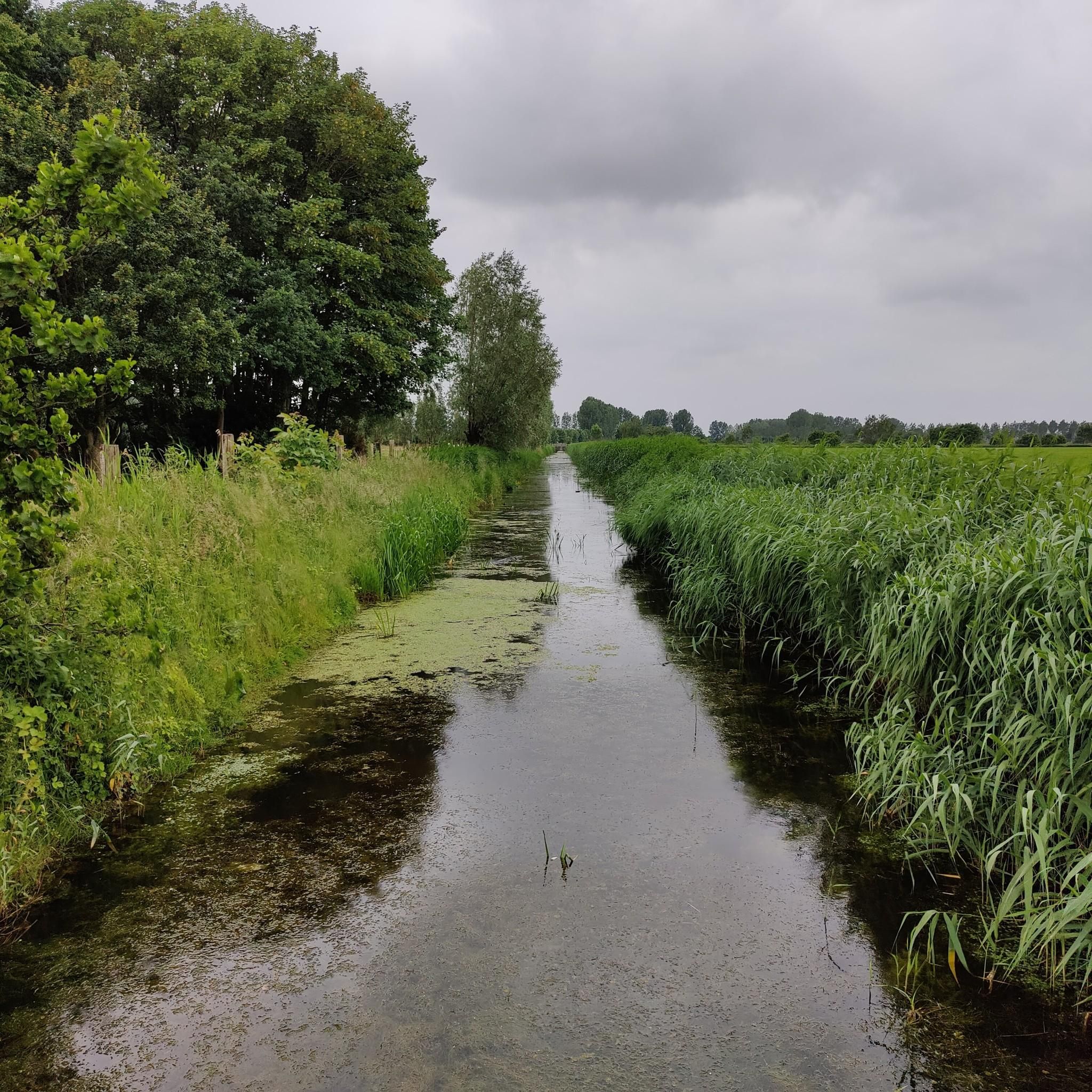
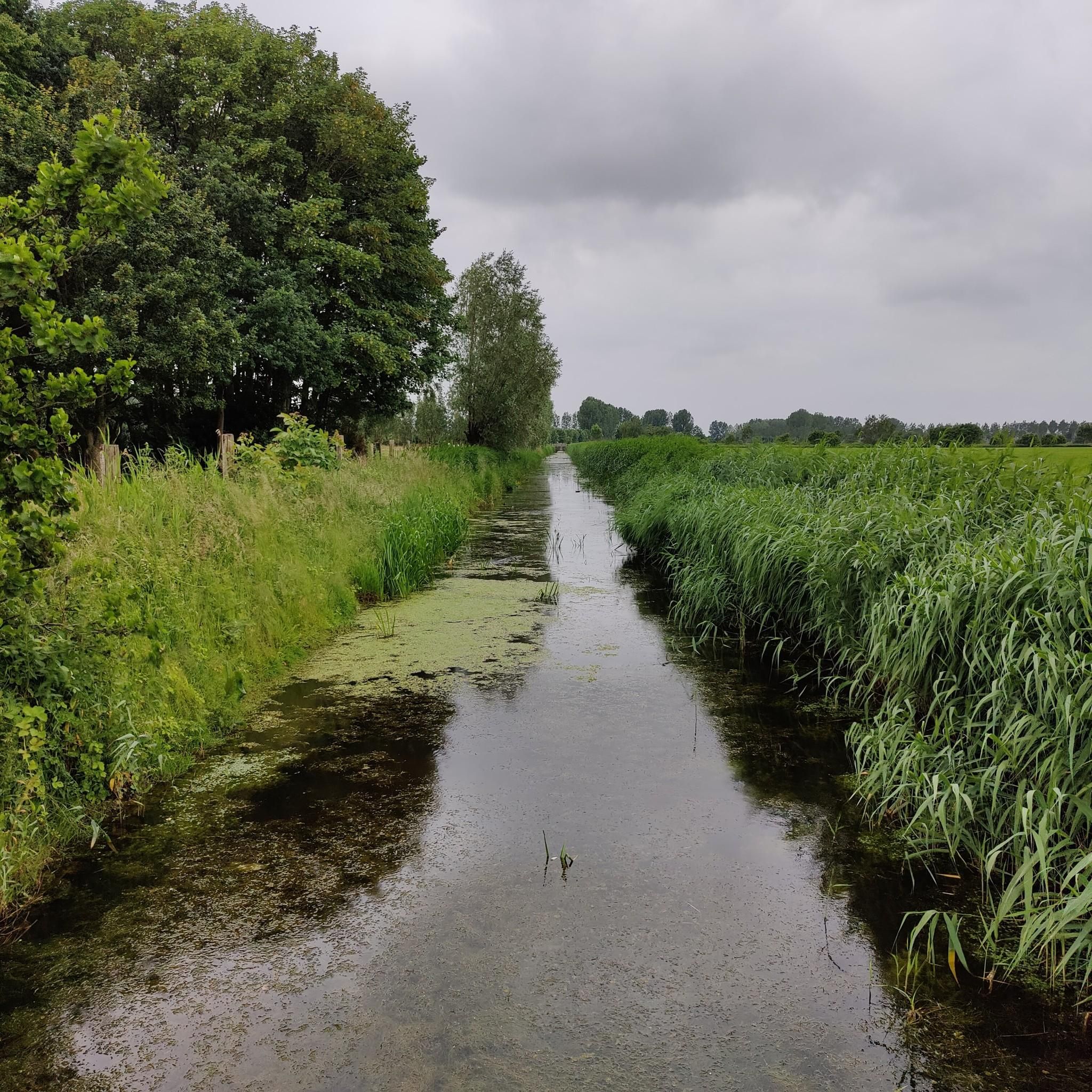
This open water (creek) is a remnant of a military inundation in the fight against the French in the War of the Spanish Succession - period 1701–1713. By breaching this dike, the polders behind it around Koewacht were flooded. When restoring the dike, they went around the deepest part of the stream channel.
6
0
An ideal stopping point on your cycling or hiking experience: Step back in time and discover a hidden piece of history: Fort Sint-Jacob. This fascinating remnant from the Eighty Years' War takes you back to a period when borders were still fought over and waterways made the difference between safety and danger. Located on the Passageule, this fort once formed a crucial link between the Spanish Netherlands and the States' territories. As part of the impressive States-Spanish Lines, Fort Sint-Jacob guarded the border and held back enemy infiltrations from the north. After the Peace of Münster, the fort lost its military function and slowly faded into obscurity. Nature took over, until around 2010 it was restored with care and respect for the past. Today, you can once again experience the contours of the past, including a replica of a cannon that symbolises the struggle that was once waged here. But Fort Sint-Jacob is more than just history. It is a place where peace and nature meet. The ramparts and moats now form a unique landscape where special plants and animals feel at home, typical of the brackish Zeeland area. Whether you are walking or cycling, this is an ideal place to pause, enjoy, and let yourself be carried away by the past. Let yourself be surprised and experience Fort Sint-Jacob for yourself.
3
0
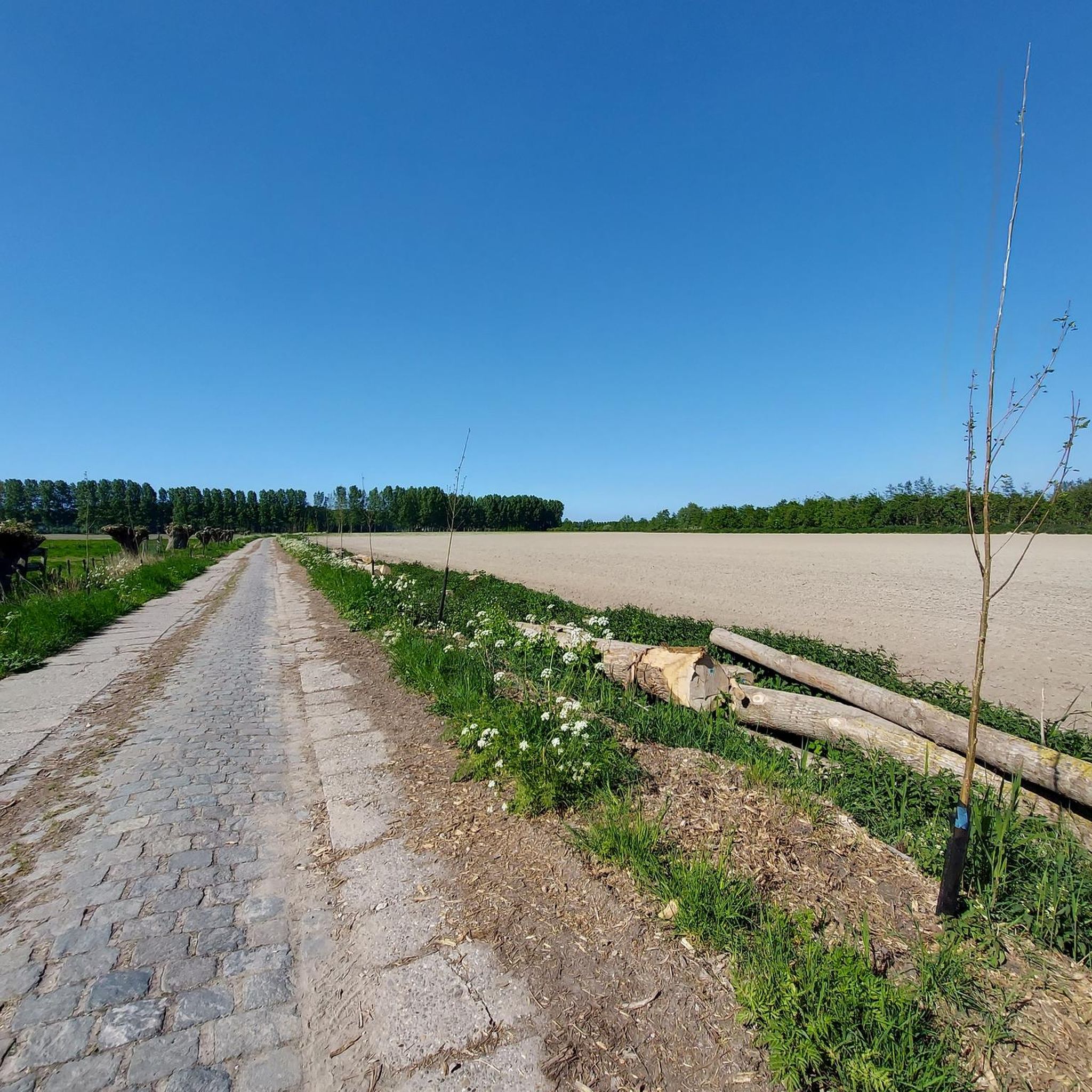
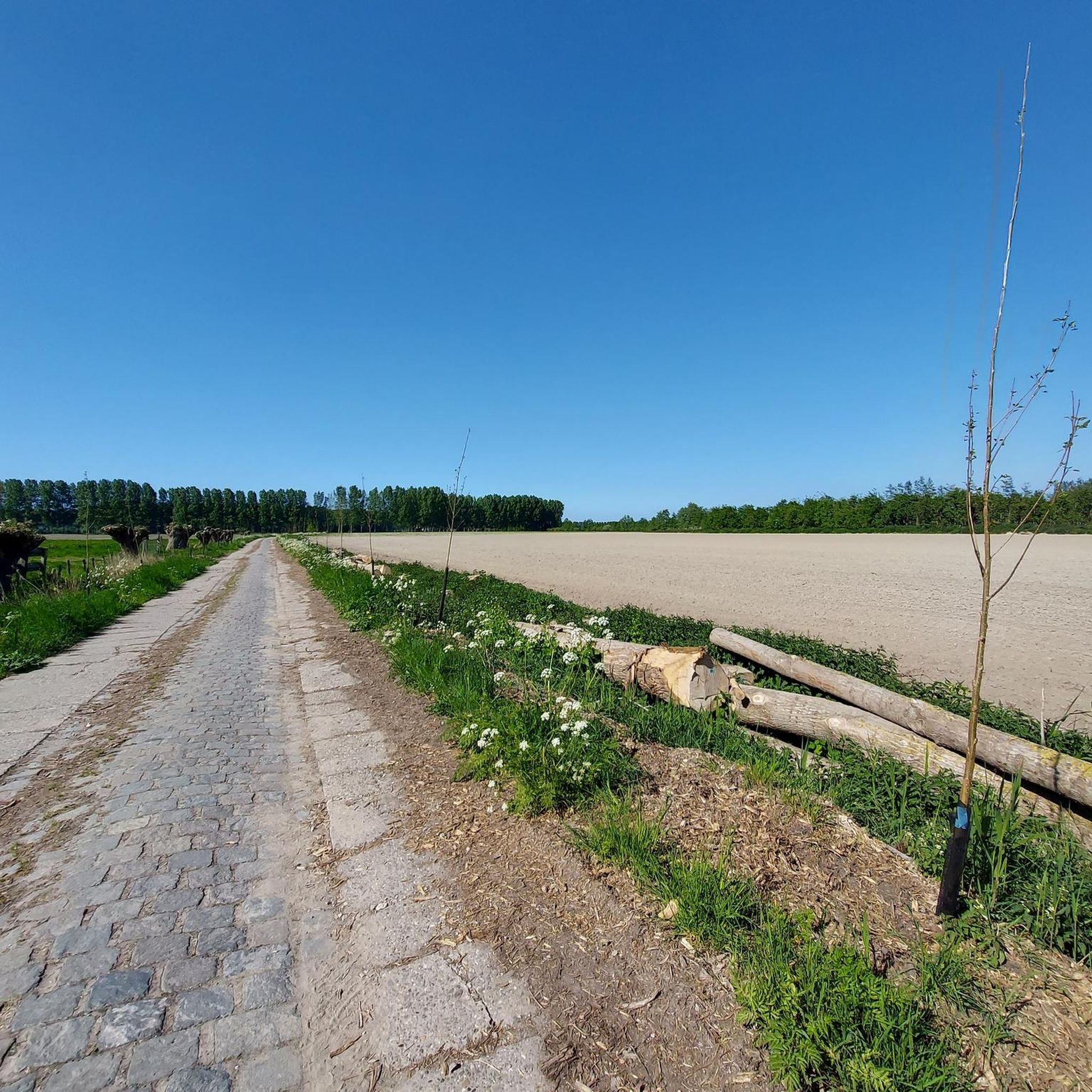
The gravel path is semi-hardened. The landscape you see here was partly shaped during the Spanish-Dutch struggle in the Eighty Years' War. Note the dikes and elevations in the landscape. These were important during the turbulent war years.
6
0
Discover Fort Sint-Joseph, a special place full of history in the Zeeuws-Vlaanderen landscape. Together with forts Sint-Jacob and Sint-Livinus, this fort is part of the historical line of communication between Sas van Gent and Hulst. These defensive structures were built in 1634 by the Spanish as simple, square forts and served as outposts along the creeks and salt marshes. On this historical line, you will encounter the remnants of the fort. Imagine soldiers once looking out over the landscape from watch houses – small observation towers that guarded the area. The forts were surrounded by a wide moat of over 10 meters and were only accessible via a bridge, making them extra defensible. 💡 Did you know… The name of a fort immediately revealed which side of the line it was on? Spanish forts, like Sint-Joseph, were named after saints. Dutch (Protestant) forts, on the other hand, had earthly, often humorous names that reflected the harsh soldier's life, such as Misère, Boerenverdriet, or Kaas en Brood. A visit to Fort Sint-Joseph is not just a walk in nature, but also a journey back in time along the borders of the Spanish-Dutch lines.
5
0

The Dambrug bridge dates from the interwar period and was restored and partially renewed around 1945 after war damage. Originally, the bridge was manually operated, but it now has hydraulic operation. Source: Inventaris Onroerend Erfgoed
3
0
On Friday, April 5, 1867, the Spletterenbrug was officially opened. Between Moerbeke and Lokeren, trains stopped in Daknam and Eksaarde. In Moerbeke, travelers could transfer to railway line 77 towards Zelzate or towards Sint-Gillis-Waas. That the intention was to one day double the 9-kilometer railway line to two tracks is still visible on the Spletterenbrug. Both bridge abutments are indeed twice as wide as the bridge deck itself. It never came to that. On the contrary. The railway line suffered during both world wars, causing traffic to be suspended for months. For example, retreating German soldiers blew up the bridge at the end of World War I. Less than a year after the armistice, in September 1919, the line was already restored and trains could run on the route again. In 1940, the Belgian army, in turn, tried to slow down the German advance by destroying the bridge. The bridge was repaired again. In 1971, the last train chugged along the route. After more than a century of train traffic, the tracks were dismantled and the route was redeveloped as a cycling and walking path from Lokeren to Moerbeke. The Spletterenbrug itself was preserved and restored in 2017. The seven layers of paint were removed, and the bridge regained its original, dark gray color. Source: industriecultuur.be
4
0
Bovendurme? The naming of the different waters in the vicinity is sometimes quite confusing and requires an explanation: The Bovendurme is the part of the Durme located in the Ghent canals basin. The river begins at the confluence between the Zuidlede and the Moervaart near Daknam. It then flows further along Daknam and through the center of Lokeren, and flows into the Benedendurme near the Molsbroek. Previously, the Bovendurme and Benedendurme were one river called the Durme. But due to regular floods, a dam was built at the Molsbroek, which split the river into two parts. Because of this, the Benedendurme is often still called the "Durme", but the Bovendurme is mistakenly referred to as the Moervaart. Wikipedia
4
0
Daknambrug in Daknam, a sub-municipality of Lokeren. This charming swing bridge over the Durme is located at the site of a former ferry crossing on the old Lille-Tilburg highway. Such a ferry served as a bridge to transport people, livestock, horses, and vehicles. The current swing bridge has replaced a small wooden bridge since the 1930s. At that time, the Durme was straightened here between the confluence of the Zuidlede and Moervaart at Spletterenbrug and the bend near Middendam. In the summer, you can see the bridge keeper opening the bridge to let pleasure boats pass, sailing to or from Lokeren.
5
0
Frequently Asked Questions
How many touring cycling routes are available in Moerbeke?
Moerbeke offers a wide selection of touring cycling routes, with over 60 different tours to explore. These routes cater to various preferences, ranging from easy rides to more challenging distances.
What makes Moerbeke a good destination for touring cyclists?
Moerbeke is an excellent destination for touring cyclists due to its generally flat terrain, which makes for comfortable riding. The region boasts an extensive network of cycling routes, including a well-developed node system, and features scenic natural areas like Heidebos and Kloosterbos, as well as tranquil waterside paths along the Moervaart Towpath and Stekene Canal.
What are the general difficulty levels of touring cycling routes in Moerbeke?
The touring cycling routes in Moerbeke are diverse, with options for all skill levels. You'll find approximately 44 easy routes, 17 moderate routes, and 5 more challenging routes, ensuring there's something for everyone.
Are there any easy touring cycling routes suitable for beginners or families?
Yes, Moerbeke has many easy routes perfect for beginners or family outings. An example is the Cathedral of Poplars – Puyenbroeck Provincial Domain loop from Moerbeke, which is a shorter, less strenuous ride through pleasant scenery.
Can I find longer or more challenging touring cycling routes in the Moerbeke area?
For those seeking a longer or more challenging ride, Moerbeke offers several options. Consider the Terwest Bridge, Moerbeke – Bridge over the Zuidlede loop from Moerbeke, which is classified as a difficult route, providing a more extensive touring experience.
What kind of landscapes can I expect to see while cycling in Moerbeke?
While cycling in Moerbeke, you can expect a blend of natural and historical landscapes. Routes often pass through picturesque forested areas like Heidebos and Kloosterbos, along quiet waterways such as the Moervaart Towpath, and even through unique heathland areas like Heather Stropersbos. The flat terrain allows for easy enjoyment of these varied sights.
What is the best time of year to go touring cycling in Moerbeke?
The months of May and August are particularly popular for touring cycling in Moerbeke, likely due to favorable weather conditions. However, the region's generally mild climate makes it suitable for cycling throughout much of the spring, summer, and early autumn.
Are there any circular touring cycling routes around Moerbeke?
Many of the touring cycling routes around Moerbeke are designed as loops, allowing you to start and finish at the same point. For instance, the Chapel of the Cross – Ter Beuken Bicycle Bridge loop from Moerbeke is a popular circular option.
What are some interesting landmarks or attractions I can see near the cycling routes?
Beyond the cycling routes themselves, the Moerbeke area is home to several interesting landmarks. You can explore historical sites like Puyenbrug Castle or Blauwendael Castle. The region also features natural highlights such as the Heather Stropersbos, offering a mix of nature and history.
What do other touring cyclists enjoy the most about touring cycling in Moerbeke?
The touring cycling experience in Moerbeke is highly rated by the komoot community, with an average score of 4.6 stars from over 59 reviews. Cyclists often praise the region's well-maintained paths, the serene waterside routes, and the peaceful forested sections that make for a relaxing ride.
Is it possible to access Moerbeke's cycling routes using public transport?
Moerbeke is part of the Flemish Region, which is known for its well-developed public transport network. While specific access points vary, the region's commitment to cycling infrastructure often includes connections to public transport hubs, making it feasible to reach many starting points without a car. For detailed planning, it's advisable to check local public transport schedules.
Are there places to stop for refreshments or cafes along the cycling routes?
Given the popularity of cycling in the Flemish Region, many routes pass through or near towns and villages where you can find cafes and eateries. While specific stops are route-dependent, the extensive network means you're rarely far from a place to refuel.
Most popular attractions around Moerbeke

Get inspired with the komoot mobile app


Explore more
Browse the best Cycling routes in other regions.
