The best walks and hikes around Moerbeke
4.5
(1384)
6,922
hikers
156
hikes
Hiking around Moerbeke offers diverse natural landscapes, characterized by regenerating heathlands and tranquil waterways. The region features the Stropersbos (Heidebos), an area of heathland interspersed with bushes and shrubs, and the Moervaart Valley, known for its Belgian polders. Picturesque waterways like the Moervaart Towpath and the Stekense Canal provide serene natural scenery. The terrain generally consists of low elevation changes, making it accessible for various hiking abilities.
Best hiking trails around Moerbeke
- The most popular hiking route is Moervaart Valley…
Last updated: August 17, 2026
4.6
(18)
111
hikers
24.5km
06:10
20m
20m
Hike the Moervaart valley trail, a challenging 15.2-mile route through tranquil Belgian polders and waterways, offering diverse wildlife and
4.5
(109)
514
hikers
12.6km
03:10
10m
10m
Moderate hike. Good fitness required. Easily-accessible paths. Suitable for all skill levels.

Sign up for free
4.5
(121)
563
hikers
15.2km
03:50
10m
10m
Moderate hike. Good fitness required. Easily-accessible paths. Suitable for all skill levels.
4.6
(128)
613
hikers
Moderate hike. Good fitness required. Easily-accessible paths. Suitable for all skill levels.
4.4
(60)
263
hikers
10.3km
02:35
10m
10m
Moderate hike. Good fitness required. Easily-accessible paths. Suitable for all skill levels.
Get access to more routes and recommendations from other explorers.
Sign up for free
Already have an account?
Our route recommendations are based on thousands of hikes, rides, and runs completed by other people on komoot.
Start today with a free account
Your next adventure awaits.
Login or Signup

Tips from the Community

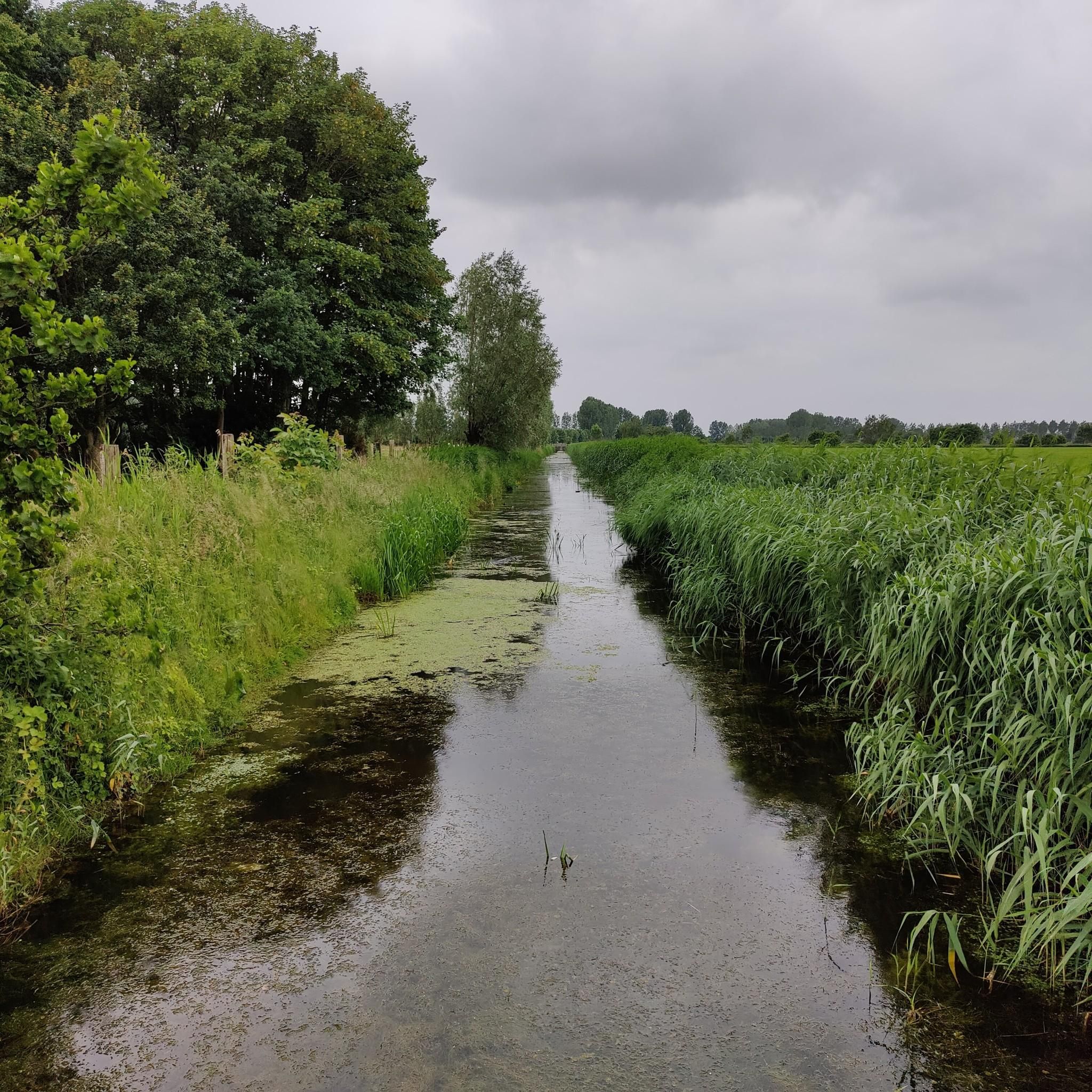
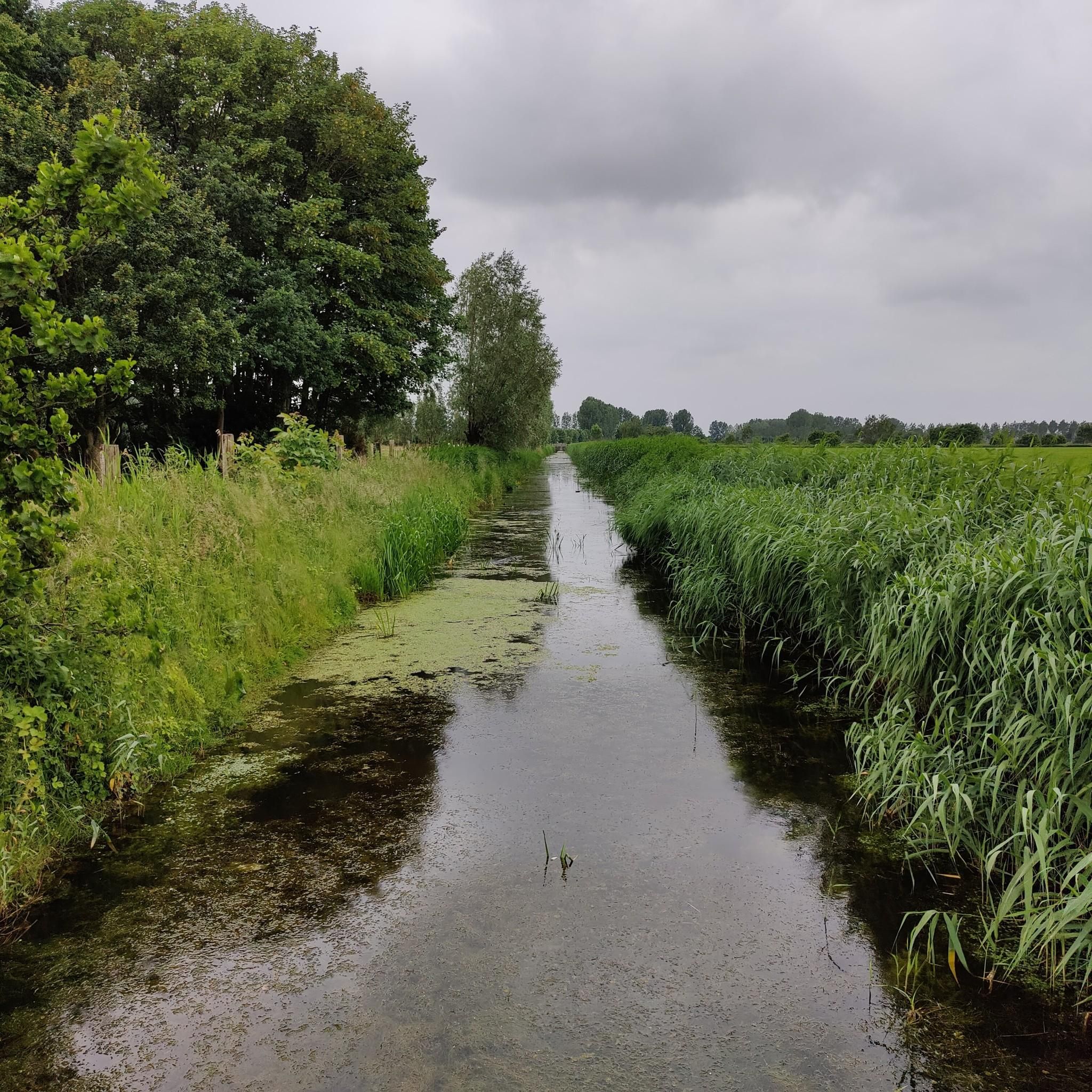
The Langelede was probably originally a tributary of the Durme, which was canalized as early as the early Middle Ages during the exploitation of the peat bogs. The Langelede was already mentioned in documents from the 14th century. It leads from the Moervaart (to the south) to the hamlet of Oudeburgse Sluis on the border with the Netherlands (to the north). In 1775 it was straightened with renewed bridge construction and a lock at the border with the Netherlands (the former so-called Sint-Eloyssluis, later Oudeburgse sluis). source: Inventaris Onroerend Erfgoed
2
0

beautiful bridge made of natural materials
1
0
The small bridge crosses the Hasselgracht, a watercourse that, with all its branches, plays an important role in draining water from Zaffelare to Zuidlede. That canal (or rather: canal network) is sometimes not sufficient; Zaffelare sometimes has to deal with waterlogging.
2
0
From the realization that breeds come and go in agriculture, the living heritage park wants to preserve the 'old' species. They possess genetic characteristics that have disappeared in their industrial counterparts, such as self-sufficiency and disease resistance. Moreover, these breeds are part of our cultural-historical heritage, just like historical buildings and works of art. They are intertwined with the region and its surroundings and are the result of years of breeding knowledge from our ancestors, which also deserves our appreciation... thus outlines an information board on site what the Living Heritage Park stands for. Several information boards provide some explanation of the different animal species and breeds.
2
0
The Kalvebrug is a bascule bridge over the Moervaart. The current bridge was built in 1945 to replace the bridge that was destroyed in World War II. The portal has an inscribed pointed arch and the superstructure is reinforced with crossing lattice girders. The bridge was mechanized in 2000. The Kalvebrug was protected as a monument in 2001. source: Wikipedia
2
0
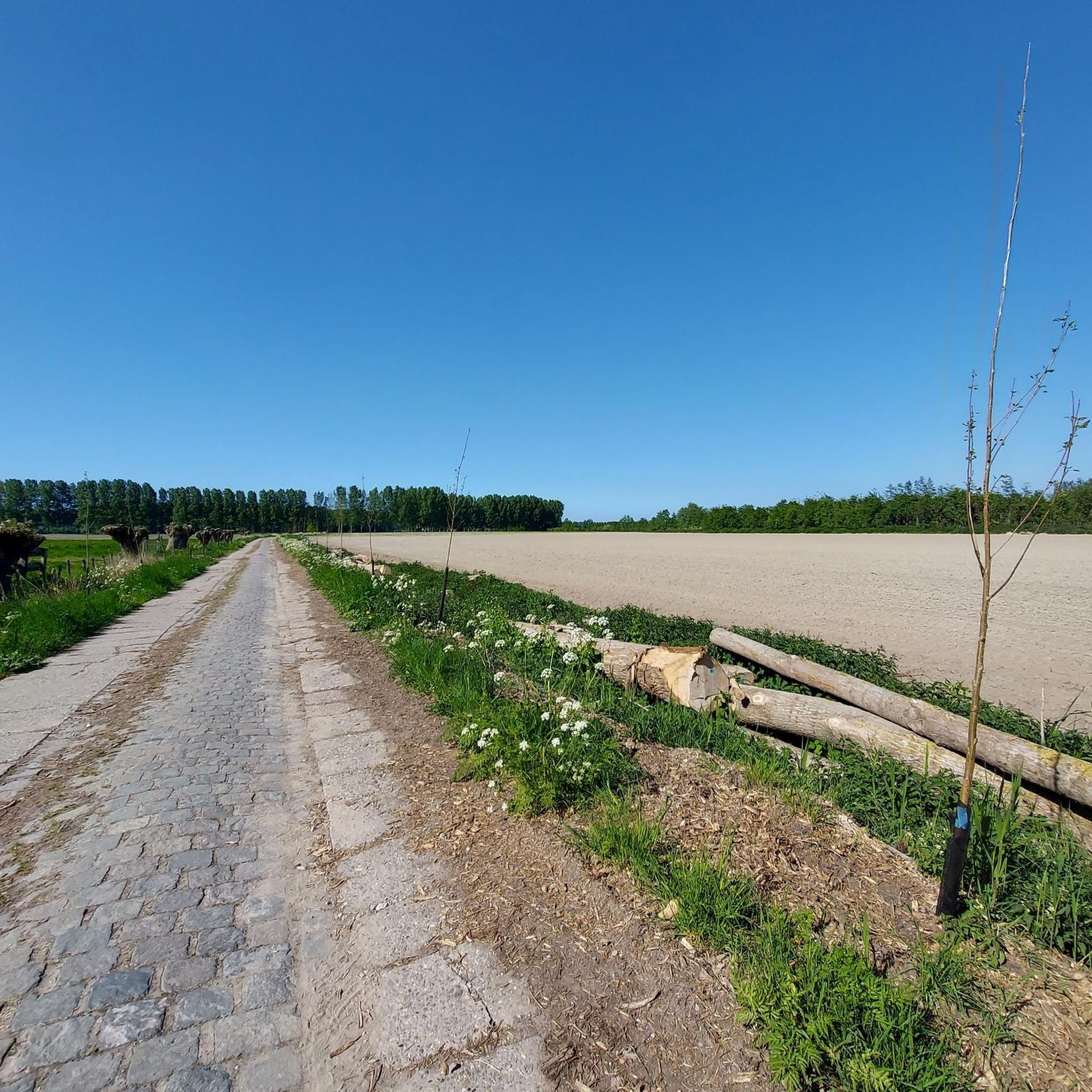
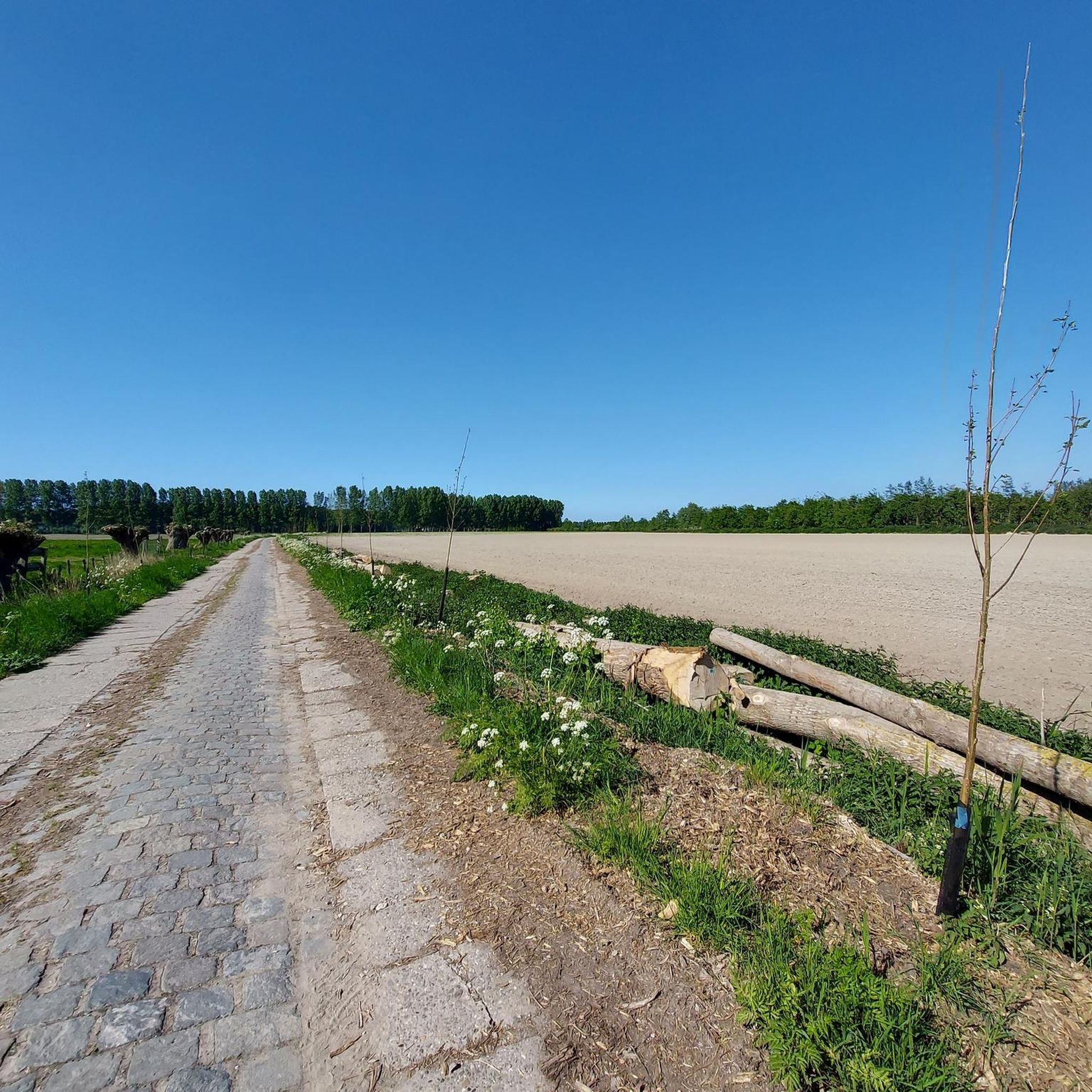
Contrary to the original name of this highlight, this beautiful path does not lead along the Durme, but along the western bank of the Grote Kreek, once an offshoot of the Axelse Kreek. So no river (like the Durme), but a remnant of a diked tidal channel. But whatever the case: this path is highly recommended!
2
0
The Zuidelijke Watergang of the Moerbekepolder connects to the southeastern point of the Grote Kreek. At that point, you can cross the Watergang via a wooden bridge, which also provides access to the walking path around the Grote Kreek.
2
0
Frequently Asked Questions
What kind of terrain can I expect on hikes around Moerbeke?
Hikes around Moerbeke feature diverse natural landscapes, including regenerating heathlands, tranquil canal paths, and open polder areas. The terrain generally has low elevation changes, making it accessible for various hiking abilities.
How many hiking routes are available in Moerbeke?
There are over 150 hiking routes around Moerbeke, offering a wide range of options for explorers. The komoot community has rated these routes highly, with an average score of 4.6 stars from over 1,200 reviews.
Are there options for different hiking abilities in Moerbeke?
Yes, Moerbeke offers routes for various abilities. You'll find a good selection of easy, moderate, and even some more difficult trails. For example, the Moervaart Valley Hiking Trail is considered difficult due to its length, while routes like Sturdy resting bench in Heidebos – Heidebos Nature Reserve loop from Moerbeke are easy.
What natural features can I explore while hiking in Moerbeke?
You can explore the expansive heathland of the Stropersbos (also known as Heidebos), which is particularly vibrant when the heather is in bloom. The tranquil waterways of the Moervaart Towpath and the Stekense Canal also offer picturesque scenery. The broader Moervaart Valley is known for its Belgian polders and diverse wildlife.
Are there any historical sites to see along the trails?
Yes, the Stropersbos holds historical significance. You can find remnants of the "Spanish Line" from the War of the Spanish Succession (1701), with a path named "Liniedreef" running alongside the "De Linie" canal. You can learn more about the Spanish Line in Stropersbos.
Where can I experience the heathland in bloom?
The Stropersbos (Heidebos) is the primary area to experience the heathland. It's particularly enchanting when the heather (Erica) is in bloom, transforming the landscape with vibrant purple hues. Grazing animals help maintain the young heathland, adding to the natural experience.
Can I see wildlife during my hike in Moerbeke?
Yes, the diverse landscapes of Moerbeke, especially the Stropersbos and Moervaart Valley, are habitats for various wildlife. You might spot field crickets and woodlarks in the heathland, and cows grazing freely in the open fields.
Are there family-friendly hiking options in Moerbeke?
Moerbeke offers several shorter, easier routes suitable for families. The low elevation changes across most trails make them generally accessible. Look for routes marked as 'easy' to find the best options for a family outing.
Are dogs allowed on the hiking trails in Moerbeke?
Many natural areas and trails in Moerbeke are dog-friendly, but it's always advisable to check local signage for specific rules, especially in protected areas like the Heidebos where grazing animals are present. Keeping dogs on a leash is generally recommended.
Are there circular hiking routes available?
Yes, many of the hiking trails in Moerbeke are designed as circular routes, allowing you to start and end at the same point. For example, the Zuidlede – Puyenbroeck Provincial Park loop from Eksaarde and the Donkey and Foal Sculpture – Zuidlede loop from Provinciaal Domein Puyenbroeck are popular circular options.
What is the best time of year to go hiking in Moerbeke?
Moerbeke is enjoyable for hiking throughout much of the year. Spring and autumn offer pleasant temperatures and beautiful scenery. Visiting when the heather in the Stropersbos is in bloom (typically late summer/early autumn) provides a particularly vibrant experience.
Is parking available at the trailheads?
Many popular hiking areas, such as the Heidebos, have designated parking facilities. For instance, the route Heathland Path – Car park 1 Heidebos, Moerbeke loop from Moerbeke indicates a starting point with parking access. It's always a good idea to check the route details for specific parking information.
Most popular attractions around Moerbeke

Get inspired with the komoot mobile app


Explore more
Browse the best Hikes in other regions.
