Attractions and Places To See around Wachtebeke - Top 20
Best attractions and places to see around Wachtebeke, a municipality in East Flanders, Belgium, include a blend of historical sites and natural landscapes. The region is characterized by its waterways, such as the Moervaart and Stekense Canal, which offer quiet natural scenery. Historical points of interest like the Chapel of the Cross provide insight into the area's past. Wachtebeke offers diverse opportunities for outdoor activities and cultural exploration.
Best attractions and places to see around Wachtebeke
- The most popular attractions…
Last updated: July 6, 2026
Moervaart Towpath
Highlight • Cycleway
Translated by Google •
Tip by

Terwest Bridge, Moerbeke
Highlight • Bridge
Translated by Google •
Tip by

Sign up now to discover places like this
Get recommendations on the best single tracks, peaks, & plenty of other exciting outdoor places.
Sign up for free
Stekense Canal
Highlight • River
Translated by Google •
Tip by
Spletteren Bridge over the Moervaart
Highlight • Bridge
Translated by Google •
Tip by

Chapel of the Cross
Highlight • Religious Site
Translated by Google •
Tip by
Sign up for free to discover even more attractions around Wachtebeke.
Sign up for free
Already have an account?
Start today with a free account
Your next adventure awaits.
Login or Signup

Tips from the Community

On Friday, April 5, 1867, the Spletterenbrug was officially opened. Between Moerbeke and Lokeren, trains stopped in Daknam and Eksaarde. In Moerbeke, travelers could transfer to railway line 77 towards Zelzate or towards Sint-Gillis-Waas. That the intention was to one day double the 9-kilometer railway line to two tracks is still visible on the Spletterenbrug. Both bridge abutments are indeed twice as wide as the bridge deck itself. It never came to that. On the contrary. The railway line suffered during both world wars, causing traffic to be suspended for months. For example, retreating German soldiers blew up the bridge at the end of World War I. Less than a year after the armistice, in September 1919, the line was already restored and trains could run on the route again. In 1940, the Belgian army, in turn, tried to slow down the German advance by destroying the bridge. The bridge was repaired again. In 1971, the last train chugged along the route. After more than a century of train traffic, the tracks were dismantled and the route was redeveloped as a cycling and walking path from Lokeren to Moerbeke. The Spletterenbrug itself was preserved and restored in 2017. The seven layers of paint were removed, and the bridge regained its original, dark gray color. Source: industriecultuur.be
4
0

Historical - informative - resting place - nature
1
1

Beautiful little church, a place to rest for a while
1
1

The old railway bridge over the Moervaart is a robust and distinctive structure that gives a nostalgic image of times gone by. The bridge forms a transition above the calm water and offers walkers and cyclists a special passage.
2
1

history (you learn something from the past)
2
1

nice cycle paths we also cycled through puiyenbroek
2
0

The legend of the origins of this chapel is described on a sign. Definitely read! You will never again shake your head to express your disbelief ;-)
3
0
Frequently Asked Questions
What natural features can I explore around Wachtebeke?
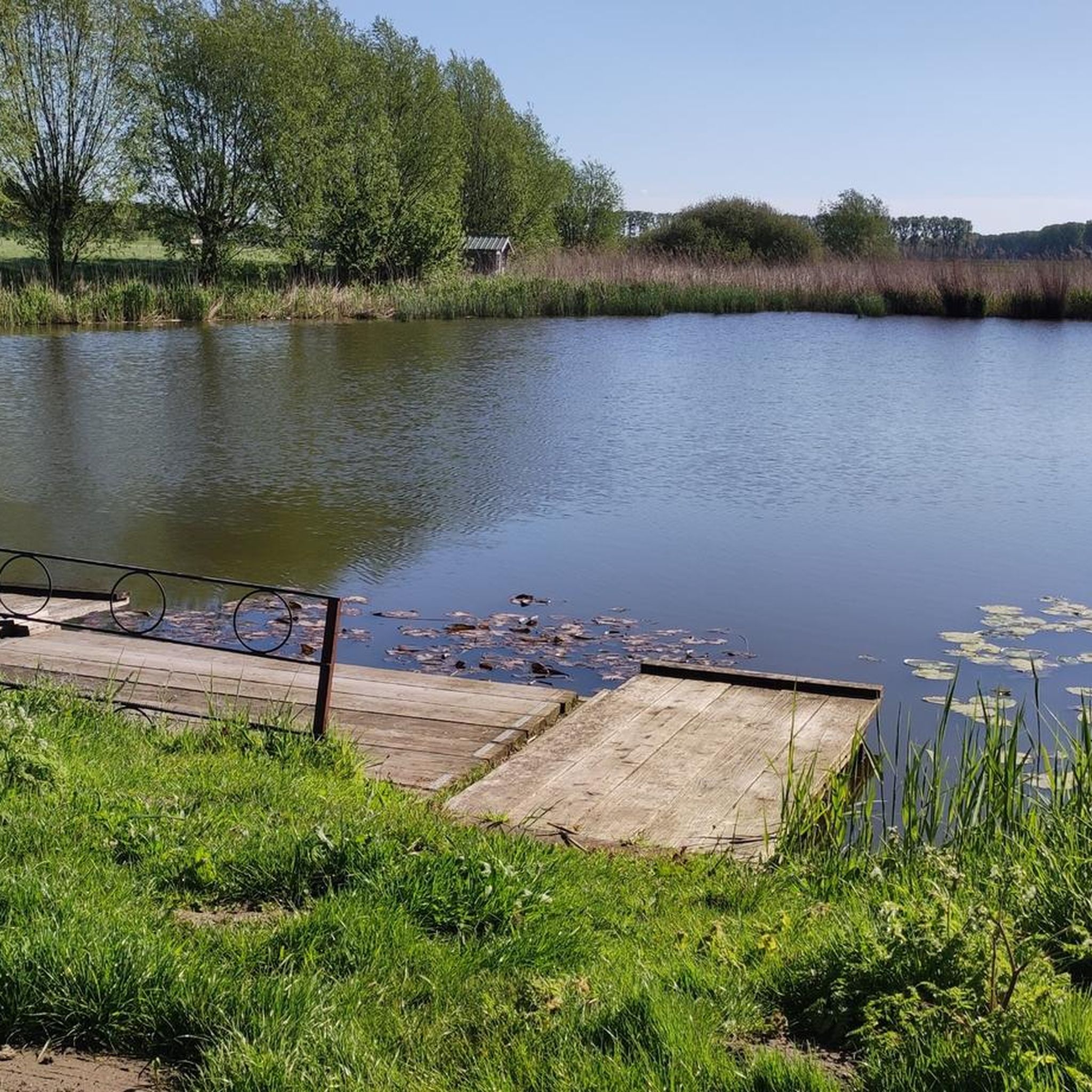
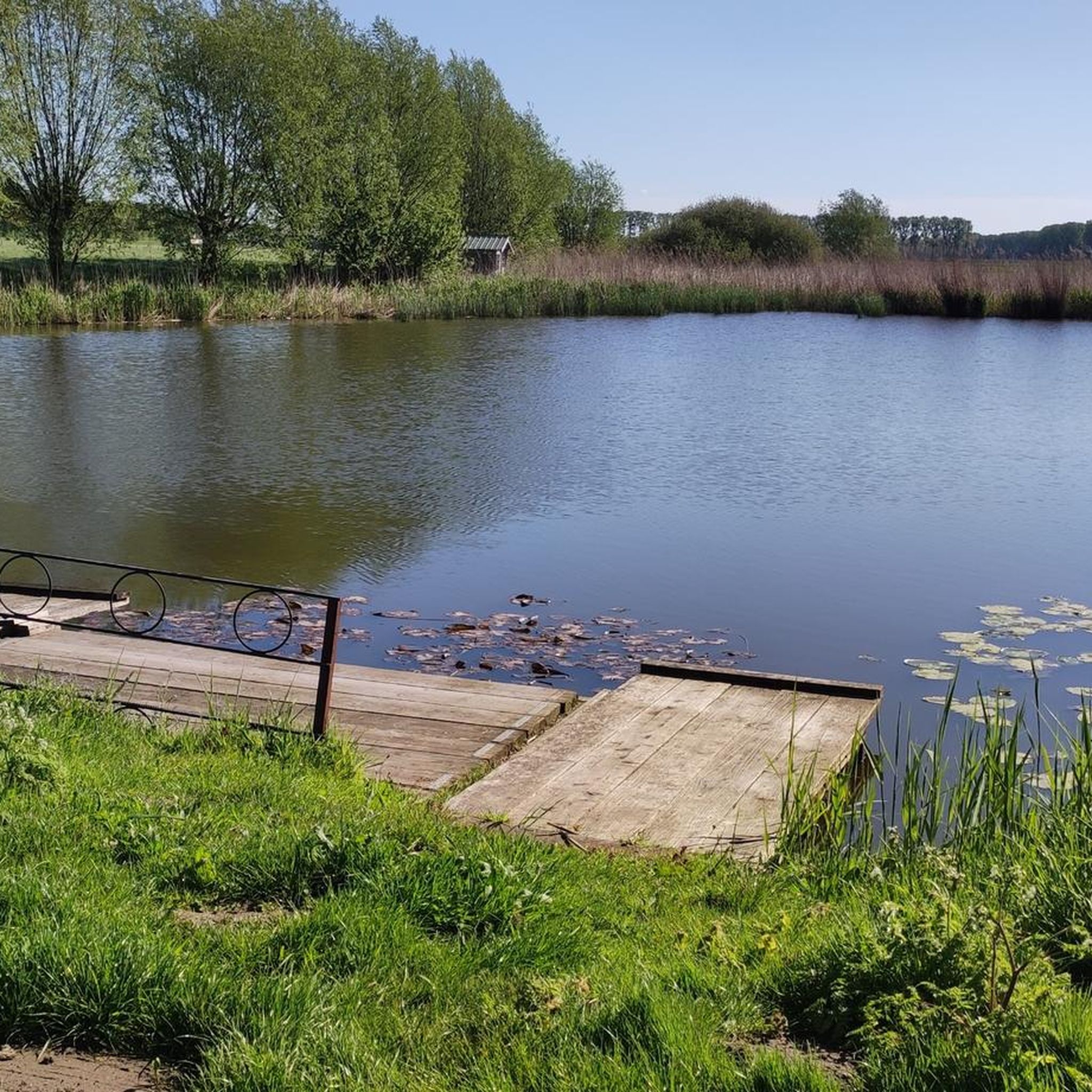
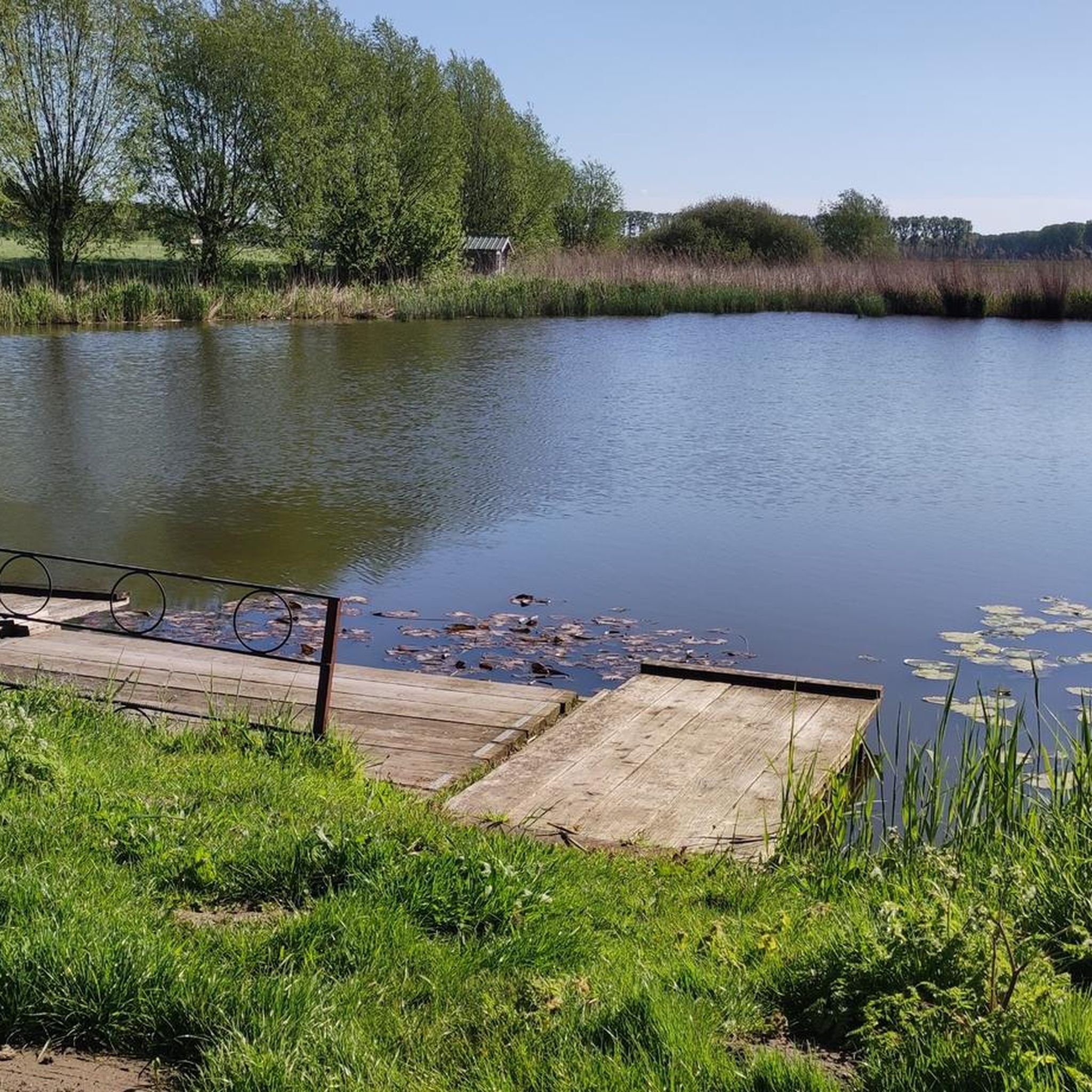
Wachtebeke is rich in natural beauty, particularly its waterways. You can cycle or walk along the Moervaart Towpath and the Stekense Canal. These areas offer consistently surprising natural scenery, with views over polders, ponds, and rows of trees. The Moervaart valley is a beautiful open space stretching from Stekene to Ghent, known for its water birds and peaceful environment.
Are there historical sites to visit in Wachtebeke?
Yes, Wachtebeke offers several historical sites. The most notable is the Chapel of the Cross, a pilgrimage chapel built in 1626 on the site where two crosses with superhuman powers were believed to have been found in 1317. The region also has historical significance related to the Moervaart and Stekense Canal, which were crucial for drainage and transport in medieval times.
What cycling opportunities are available near Wachtebeke?
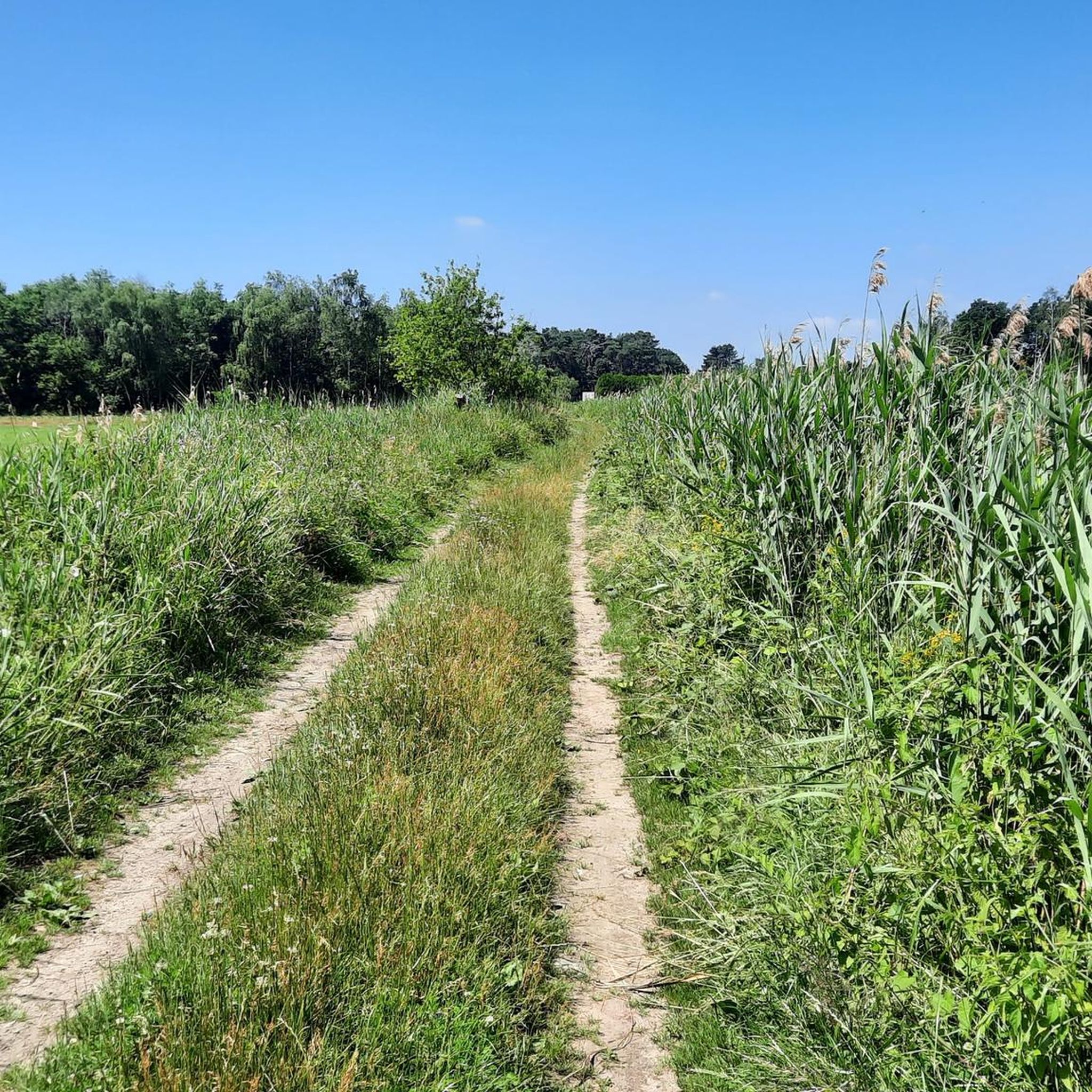
Cycling is a popular activity in Wachtebeke. The Moervaart Towpath and the Stekense Canal offer quiet, scenic routes through grass-green fields and past charming villages. These paths are ideal for leisurely rides, allowing you to enjoy the natural landscape. For more challenging routes, you can explore gravel biking options around Wachtebeke, with routes like the "Heidebos Singletrack – Stekense Canal loop" available. Find more cycling routes on the Gravel biking around Wachtebeke guide.
Are there family-friendly attractions in the Wachtebeke area?
Absolutely. Many attractions in Wachtebeke are family-friendly, including the Moervaart Towpath, Stekense Canal, and the Chapel of the Cross. Additionally, the nearby Puyenbroeck recreational domain offers a wide range of activities and facilities suitable for families and outdoor enthusiasts.
Where can I go hiking around Wachtebeke?
Wachtebeke offers various hiking opportunities. You can enjoy easy walks like the "Small loop in Puyenbroeck hiking trail" or more moderate routes such as the "Donkey and Foal Sculpture – Zuidlede loop from Provinciaal Domein Puyenbroeck." The area around the Moervaart and Stekense Canal also provides pleasant walking paths. Discover more options on the Hiking around Wachtebeke guide.
What is the significance of the Chapel of the Cross?
The Chapel of the Cross, also known as "Cross Chapel," holds significant historical and religious importance. Built in 1626, it stands on the site where two crosses, believed to possess superhuman powers, were discovered in 1317. It served as a pilgrimage chapel, quietly situated amidst fields and surrounded by red beech trees, with a holy well nearby where the miraculous crosses were supposedly found.
Can I find quiet places for nature observation in Wachtebeke?
Yes, Wachtebeke is known for its tranquil natural areas. Both banks of the Stekense Canal are recognized as quiet zones, offering exceptionally beautiful views. The Moervaart valley, with its polders and ponds, is a paradise for water birds and provides a peaceful setting for nature observation and relaxation.
What is the best time of year to visit Wachtebeke for outdoor activities?
The spring and summer months are generally ideal for outdoor activities in Wachtebeke, when the weather is mild and the natural scenery is at its most vibrant. However, the cycling and walking paths along the Moervaart and Stekense Canal can be enjoyed year-round, offering different charms with each season.
Are there any unique historical facts about Wachtebeke?
Beyond its ancient waterways and chapels, Wachtebeke has a darker historical note. It is recorded as one of the places where the 'breaking wheel,' an ancient method of public execution, was used. This method, also known as the Catherine Wheel, was primarily used in Europe from antiquity through the Middle Ages up to the 19th century.
What is the Terwest Bridge and its historical context?
The Terwest Bridge in Moerbeke is part of the historical infrastructure connected to the Moervaart. The Moervaart, a southern branch of the Durme, was straightened in 1531 and provided with several bridges, including the Terwest Bridge. These waterways were vital for the transport of peat and firewood to Ghent, playing a significant role in the region's economy during the Middle Ages.
Are there running trails available around Wachtebeke?
Yes, Wachtebeke offers a variety of running trails. You can find routes ranging from easy to moderate difficulty, such as the "Langelede loop from Langelede" or the "De Langelede – Kloosterbos loop from Wachtebeke." These trails often take you through scenic natural areas like Heidebos and Puyenbroeck. Explore more options on the Running Trails around Wachtebeke guide.
What do visitors enjoy most about the attractions in Wachtebeke?
Visitors particularly appreciate the quiet natural scenery and the extensive network of cycling and walking paths. The Moervaart Towpath and Stekense Canal are frequently highlighted for their peaceful atmosphere and beautiful views. The historical charm of sites like the Chapel of the Cross also adds to the appeal, offering a blend of nature and culture.
Most popular routes around Wachtebeke
Most popular attractions around Wachtebeke

Get inspired with the komoot mobile app


Explore more
Still not found the Highlight you’re looking for? See guides of the top attractions in other regions:
