The best road cycling routes around Cogorno
4.3
(632)
12,164
riders
111
rides
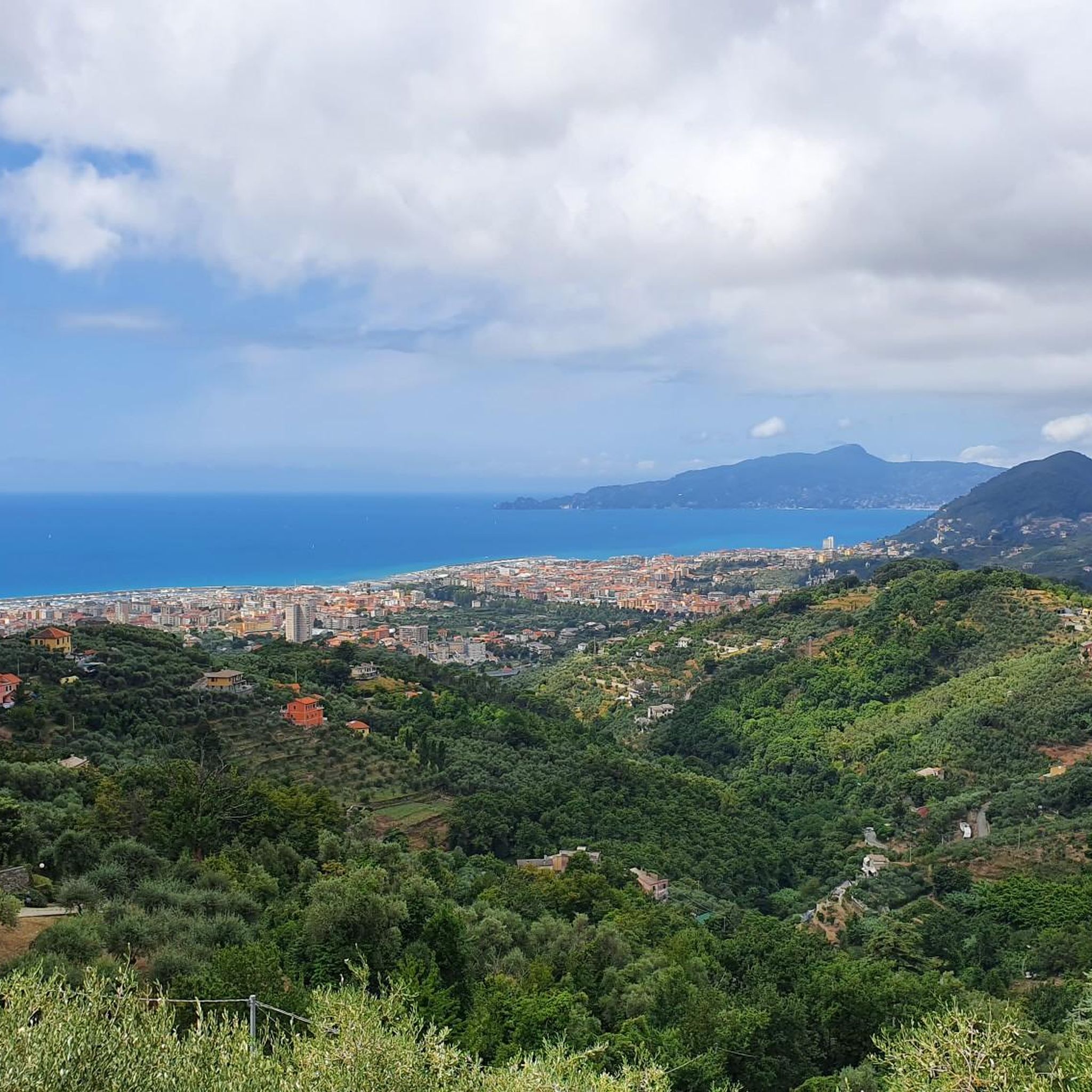
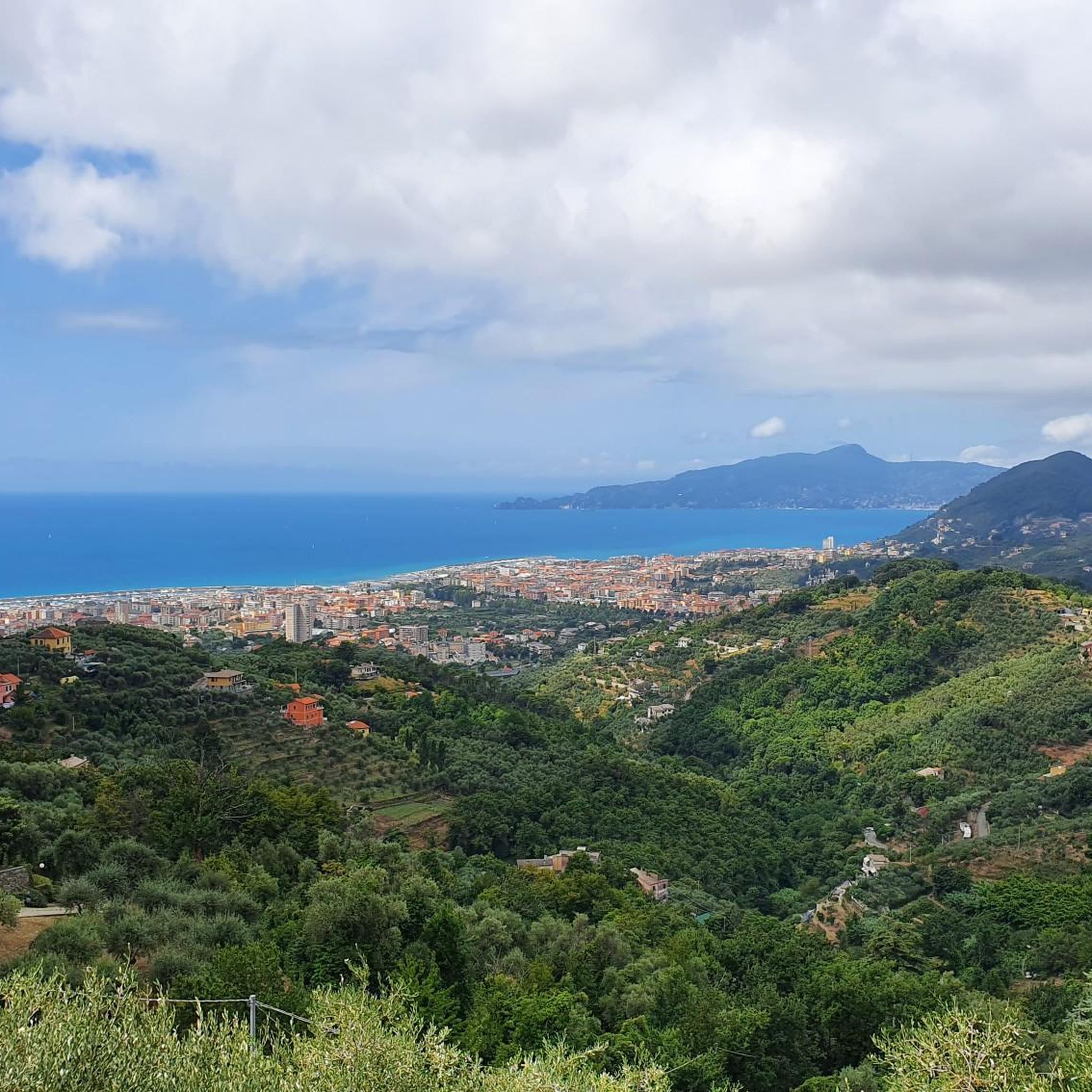
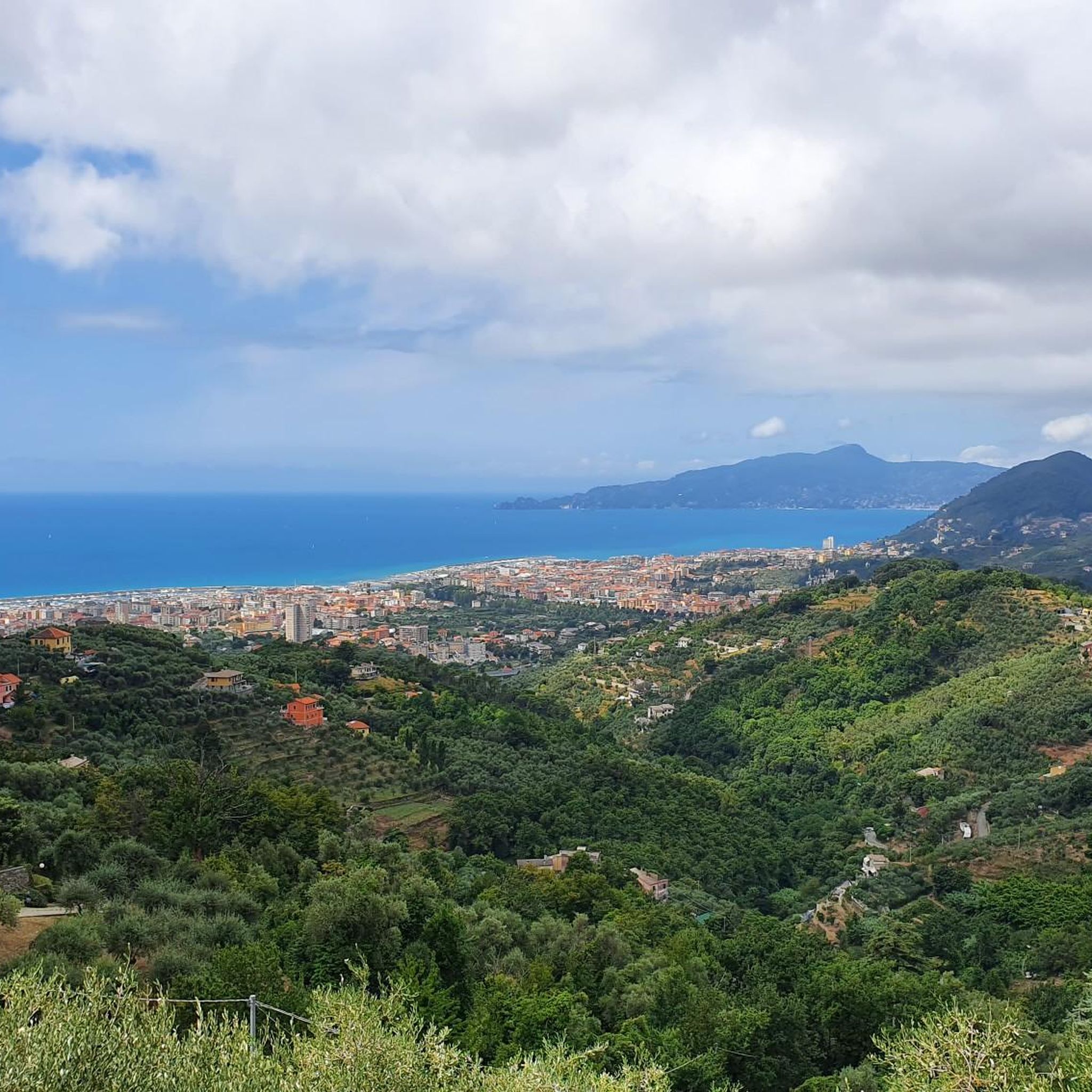
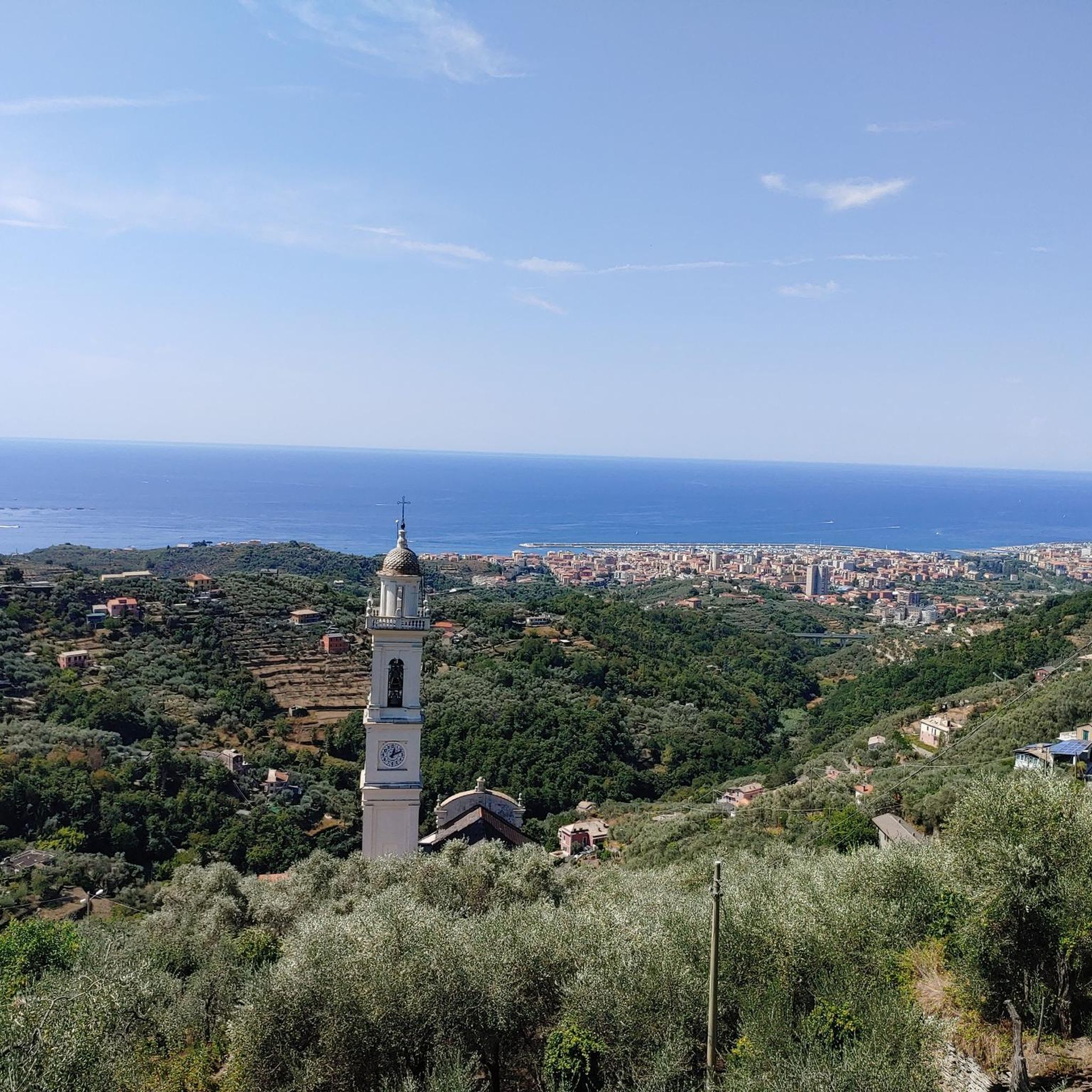
Road cycling around Cogorno is characterized by its hilly and mountainous terrain, situated above the Fontabuona and Grevaglia valleys. This elevated position provides expansive views of terraced hillsides adorned with olive groves and fruit trees, alongside the sparkling Gulf of Tigullio. Cyclists encounter constant ascents and descents, with winding roads that offer immersion in the natural landscape. The region's diverse topography makes it an excellent location for varied road cycling routes.
Best road cycling routes around Cogorno
- The most popular…
Last updated: July 1, 2026
3.9
(39)
473
riders
49.7km
03:06
1,270m
1,270m
Hard road ride. Very good fitness required. Mostly well-paved surfaces and easy to ride.
4.7
(15)
595
riders
63.1km
03:08
920m
920m
Hard road ride. Very good fitness required. Mostly well-paved surfaces and easy to ride.

Sign up for free
4.3
(7)
198
riders
83.1km
04:45
1,860m
1,860m
Hard road ride. Very good fitness required. Mostly well-paved surfaces and easy to ride.
4.2
(5)
100
riders
111km
05:51
2,010m
2,010m
Hard road ride. Very good fitness required. Mostly well-paved surfaces and easy to ride.
4.5
(2)
84
riders
74.0km
04:05
1,520m
1,520m
Hard road ride. Very good fitness required. Mostly well-paved surfaces and easy to ride.
Get access to more routes and recommendations from other explorers.
Sign up for free
Already have an account?
Our route recommendations are based on thousands of hikes, rides, and runs completed by other people on komoot.
Start today with a free account
Your next adventure awaits.
Login or Signup

Tips from the Community

Very beautiful views of Rapallo and the bay to Portofino
0
0

beautiful, quiet pass with picnic area
0
0

A beautiful village perched in the Ligurian Apennines. It's worth stopping to see the well-preserved walls of the Malaspina Fieschi Doria Castle, for an excellent coffee at Bar Leon D'oro, and especially for the "Gobeletti" pastries from the Chiesa pastry shop.
0
0
Climbing from Cicagna (north side) and passing through the hamlet of Dezerega, the road is mostly paved, with sections reaching gradients of over 20%. You gain 500 meters of elevation gain in about 5 km. It's very shaded, and from the Crocetta Pass, Rapallo is just a short drive away.
0
0

Situated at 956 meters between the Vara and Aveto Valleys, the Bocco Pass is one of the historic passes of the Ligurian Apennines, used since ancient times as a connection between the Tyrrhenian coast and the Po Valley hinterland. Already in Roman times, it was part of a secondary transit network, but it was especially in the Middle Ages and modern times that the pass assumed a central role in local traffic: a route for merchants, shepherds, and pilgrims, it connected Chiavari and the Riviera with Varese Ligure and the Emilian plains. Traces of the ancient paving are still visible today in the surrounding woods. During the Second World War, the area served as a refuge for partisan groups, thanks to its secluded location and dense forest cover. Today, the pass is a destination for cyclists and hikers, immersed in an unspoiled mountain landscape of beech and fir forests and highland meadows, at the gateway to the Aveto Regional Natural Park.
0
0

Beautiful view upon returning from the ring of the slate path.
0
0
February 15, 1945, La Squazza Massacre: On February 14, 1945, an Alpine soldier from Monterosa, a certain Mantovani, was in the La Squazza area (municipality of Borzonasca), heading towards the Forcella pass, where a contingent of Alpine soldiers was stationed. Some partisans recognized him as the one who had seen the mine system being laid around the Forcella stronghold. They then decided to capture him to get him to reveal the operation and exact location of the minefield and organized an ambush. But, while they were ordering him to “put your hands up!”, a group of German soldiers appeared on the road and a firefight ensued, during which Mantovani (probably shot by a Nazi) and a German were fatally shot. The partisans suffered no losses. The Nazi-fascist retaliation was immediate and ferocious and on February 15, ten partisans were taken from the prisons of Chiavari and transported on a truck to La Squazza, where they were murdered. The then deputy commissioner of the “Coduri”, “Miro” recounts that the ten partisans who were shot were left for three days in full view of everyone, with no one being allowed to attend to the funeral. The owner of the hotel in La Squazza, however, had approached the martyrs to try to bring them some, vain, help. "Miro" himself, when the news reached him, was charged, together with "Baffo", sent by the Area Command, to go to the site of the massacre to proceed with the identification of the bodies. Having arrived near La Squazza by chance, after having been targeted by mortar fire from the Alpine troops of Forcella, the two partisans took advantage of the guidance of an elderly local lady and her daughter, whom they met on the path, who collaborated with them until they got closer to the site of the massacre.
0
0

Frequently Asked Questions
What kind of terrain can I expect when road cycling around Cogorno?
Road cycling around Cogorno is characterized by its hilly and mountainous terrain, situated above the Fontabuona and Grevaglia valleys. You'll encounter constant ascents and descents, with winding roads that offer immersion in the natural landscape. This varied topography provides expansive views of terraced hillsides adorned with olive groves and fruit trees, alongside the sparkling Gulf of Tigullio.
How many road cycling routes are available in the Cogorno area?
There are nearly 100 road cycling routes available around Cogorno, catering to various skill levels. This includes 17 easy routes, 35 moderate routes, and 45 difficult routes, ensuring options for every cyclist.
What are some of the notable landmarks or viewpoints I can discover along road cycling routes near Cogorno?
The region offers stunning natural features and historical sites. You can find routes that pass by viewpoints such as the View of Sestri Levante and the Ligurian Sea from Punta Manara or the View of Sestri Levante and Baia del Silenzio from Punta Manara. Other highlights include the Basilica Sanctuary of Our Lady of Montallegro and the Ruins of the Church of Sant'Anna.
Are there any easy road cycling routes suitable for beginners or those looking for a relaxed ride?
Yes, Cogorno offers several easier routes. For example, the View of Lavagna loop from Carasco is an easy 30.3 km (18.8 miles) route with a modest elevation gain, perfect for a more relaxed ride.
What is the best time of year for road cycling in Cogorno?
Given Cogorno's Mediterranean climate, the best seasons for road cycling are typically spring (April to June) and autumn (September to October). During these months, the weather is generally mild and pleasant, avoiding the intense heat of summer and the cooler, potentially wetter conditions of winter. This allows for comfortable rides and clear views of the terraced landscapes and the Gulf of Tigullio.
Are there any circular road cycling routes available around Cogorno?
Yes, many routes in the area are designed as loops. An example is the challenging From Lavagna to Passo della Crocetta and back from Leivi - ring tour, which covers 49.7 km (30.9 miles) and offers significant elevation gain through varied inland terrain.
What do other cyclists say about road cycling in Cogorno?
The road cycling routes around Cogorno are highly rated by the komoot community, with an average score of 4.3 stars from over 500 reviews. Cyclists often praise the stunning coastal vistas, the challenging climbs, and the immersive experience of winding through the region's diverse landscapes.
Are there options for moderate difficulty road cycling routes?
Absolutely. A popular moderate route is the Climb to Zerli – Along the Entella River loop from Cavi. This 44.8 km (27.8 miles) trail leads through river valleys and hills, offering a balanced challenge for intermediate riders.
Can I find challenging road cycling routes with significant elevation gain?
Yes, the hilly and mountainous terrain around Cogorno is ideal for challenging rides. The Camogli – Rapallo Castle loop from Lavagna is a difficult 80.3 km (49.9 miles) route featuring extensive coastal views and demanding inland climbs, perfect for experienced cyclists seeking a rigorous workout.
Are there any road cycling routes that offer views of the Gulf of Tigullio?
Many routes in the Cogorno area provide breathtaking views of the Gulf of Tigullio. The region's elevated position and winding roads ensure numerous opportunities to enjoy the sparkling sea alongside the terraced hillsides.
Is there public transport available that can accommodate bikes in the Cogorno area?
While specific details on bike accommodation for all public transport options are not provided, the proximity to towns like Chiavari and Lavagna, which are well-connected by regional transport, suggests that options for transporting bikes on trains or buses might be available. It's advisable to check with local transport providers for their specific policies regarding bicycles.
Where can I find parking if I'm driving to start a road cycling route in Cogorno?
Parking is generally available in and around Cogorno, as well as in nearby towns like Chiavari, Lavagna, and Sestri Levante, which serve as common starting points for many routes. Look for designated parking areas in these towns, especially near the coast or main access roads, though availability may vary during peak seasons.
Most popular attractions around Cogorno

Get inspired with the komoot mobile app


Explore more
Browse the best Road cycling routes in other regions.
