The best cycling routes around Câdesédda/Calasetta
4.4
(389)
2,598
riders
24
rides
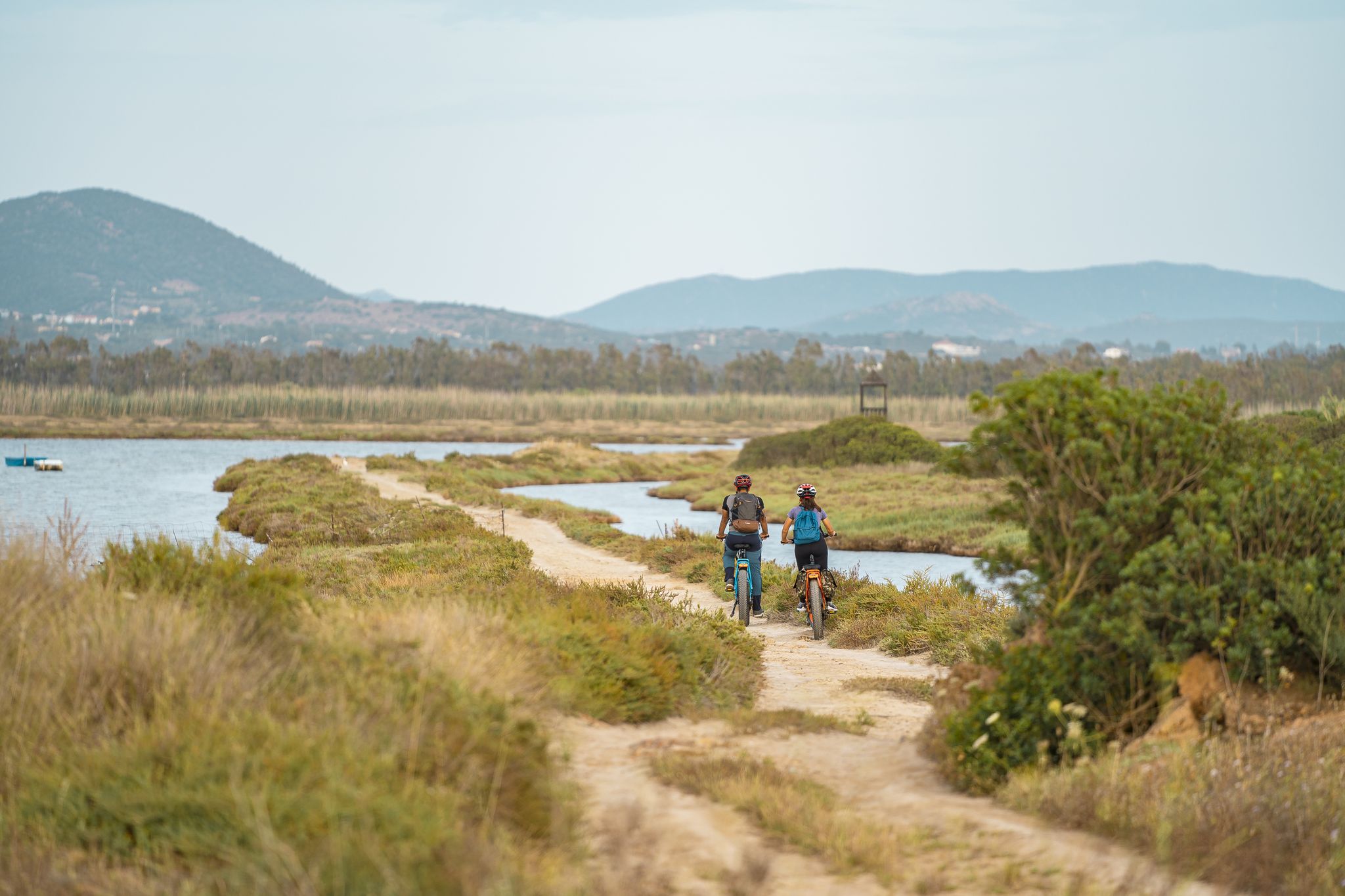
Touring cycling around Câdesédda/Calasetta features diverse landscapes, from low, sandy coastal stretches to dramatic cliffs overlooking the sea. The terrain includes both flat coastal paths and areas with elevation gains, providing varied riding experiences. Located on Sant'Antioco island, the region offers extensive routes exploring its natural beauty and historical sites.
Best touring cycling routes around Câdesédda/Calasetta
- The most popular touring cycling route is Calasetta Old Town and Cliffs – Cliffs of Calasetta loop from Sedda de Antiogu Selis, a…
Last updated: August 30, 2026
4.6
(35)
256
riders
27.8km
01:50
290m
290m
Moderate bike ride. Good fitness required. Mostly paved surfaces. Suitable for all skill levels.
4.3
(9)
86
riders
51.9km
03:12
460m
460m
Hard bike ride. Very good fitness required. Mostly paved surfaces. Suitable for all skill levels.

Sign up for free
4.1
(12)
89
riders
Moderate bike ride. Good fitness required. Mostly paved surfaces. Suitable for all skill levels.
4.2
(9)
46
riders
39.3km
02:32
410m
410m
Moderate bike ride. Good fitness required. Mostly paved surfaces. Suitable for all skill levels.
4.0
(2)
34
riders
Hard bike ride. Very good fitness required. Mostly paved surfaces. Suitable for all skill levels.
Get access to more routes and recommendations from other explorers.
Sign up for free
Already have an account?
Our route recommendations are based on thousands of hikes, rides, and runs completed by other people on komoot.
Start today with a free account
Your next adventure awaits.
Login or Signup
Popular around Câdesédda/Calasetta
Ciclovia del Cammino Minerario di Santa Barbara
Portoscuso to Cagliari on the Via del Martirio – Cammino 100 Torri
Hiking around Câdesédda/Calasetta
MTB Trails around Câdesédda/Calasetta
Road Cycling Routes around Câdesédda/Calasetta
Running Trails around Câdesédda/Calasetta

Gravel biking around Câdesédda/Calasetta


Tips from the Community

The small harbor, with its colorful houses and charming little restaurants, whose inviting aromas fill the air, gives the town of Sant'Antioco its characteristic maritime atmosphere. This famous town of the Sulcis archipelago, with 11,000 inhabitants and tens of thousands of visitors in the summer, is the most important town on the largest island of Sardinia, to which it is connected by an artificial strip of land probably created by the Phoenicians and improved by the Romans. The main sources of income are fishing, salt production, and agriculture, as documented by the Su Magasinu de su binu folklore museum.
3
0
Lots of information and amazing finds from an ancient culture. You have to be interested, though.
5
0
The crossing takes 35 minutes.
5
0
There are many interpretations of the name. Some trace its origin to the Campidanese-Sardinian contraction of Cala de Seda, or Cal'e Seda, or also Cala Seda, or Cal'e Sera, or "silk cove". In fact, in the Campidanese-Sardinian language, seda or sera means "silk", because the sea of the Sulcis archipelago was apparently rich in particular mollusks from which "sea silk" was obtained, that is, a type of "natural sea silk" obtained from the threads secreted by a species of marine bivalve mollusk endemic to the Mediterranean (Pinna nobilis), commonly known as "castanets" or "feather mice" (Pinnae margaritiferae). The threads obtained from their interior were used for weaving byssus.
5
0

The Basilica of Sant'Antioco Martire, in the historic center of the island of the same name, is one of the oldest places of worship in Sardinia. Built between the 4th and 7th centuries over a Punic necropolis, it houses the relics of Sardinia's patron saint, a physician originally from Mauretania. The building, enlarged by the monks of Saint Victor of Marseille and remodeled in the Baroque period, preserves a complex complex of early Christian catacombs beneath the altar, which are still open to visitors.
1
0
A pleasant, scenic walk along the harbor and the calm waters of the lagoon. From here, you can admire the sunset over the gulf, watch the fishing boats return, or simply enjoy the relaxed atmosphere of the seaside village.
1
0

I recommend the Sant Antioco-Calasetta trek, walking all along the coast and passing through Cussorgia, 24 km round trip, an experience not to be missed!!
0
0

Nice harbor with a bar. Great for a quick break and a drink. Very friendly staff. I would avoid the food. They serve burgers from a box that are quickly toasted. Stale buns, meat, and cheese. The coffee is excellent.
0
0
Frequently Asked Questions
How many touring cycling routes can I find around Câdesédda/Calasetta?
You can explore over 20 touring cycling routes in the Câdesédda/Calasetta area. These routes offer a diverse range of experiences, from easy coastal rides to more challenging paths with significant elevation gains.
What kind of terrain can I expect on touring cycling routes in Câdesédda/Calasetta?
The terrain around Câdesédda/Calasetta is quite varied. You'll find routes along low, sandy coastal stretches as well as dramatic cliffs overlooking the sea. While many paths are paved, some moderate to difficult rides may include unpaved sections. The region offers both flat coastal paths and areas with noticeable elevation gains, especially when exploring the island's interior.
Are there easy touring cycling routes suitable for beginners or families in Câdesédda/Calasetta?
Yes, Câdesédda/Calasetta offers several easy touring cycling routes perfect for beginners or families. Approximately half of the routes in the area are classified as easy, providing gentle rides along the coast or through less demanding terrain. For example, the Calasetta Old Town and Cliffs – Cliffs of Calasetta loop is a popular moderate option that offers scenic views without extreme difficulty.
What are some challenging touring cycling routes for experienced riders?
For experienced touring cyclists seeking a challenge, routes like the Cliffs of Calasetta – Cala Sapone loop offer difficult sections with significant elevation changes and expansive sea views. Another demanding option is the Coaquaddus Beach – Cannai Tower loop, which covers over 50 km and includes substantial climbs, leading through coastal areas and past a historic tower.
Are there any circular touring cycling routes in the Câdesédda/Calasetta area?
Yes, many of the touring cycling routes around Câdesédda/Calasetta are circular, allowing you to start and end at the same point without retracing your steps. Examples include the Vacca Point – Calasetta Old Town and Cliffs loop and the Cala Sapone – Cliffs of Calasetta loop, which both offer diverse scenery on a continuous path.
What kind of natural attractions can I see along the touring cycling routes?
Cycling routes in Câdesédda/Calasetta offer access to stunning natural attractions. You can encounter dramatic cliffs like those near Cliffs of Calasetta, beautiful beaches such as Coaquaddus Beach and Vacca Point, and unique geological formations like Arch of Kisses. There are also fascinating caves like Grotta delle Sirene and Cala Grotta.
Are there historical or archaeological sites to explore while cycling?
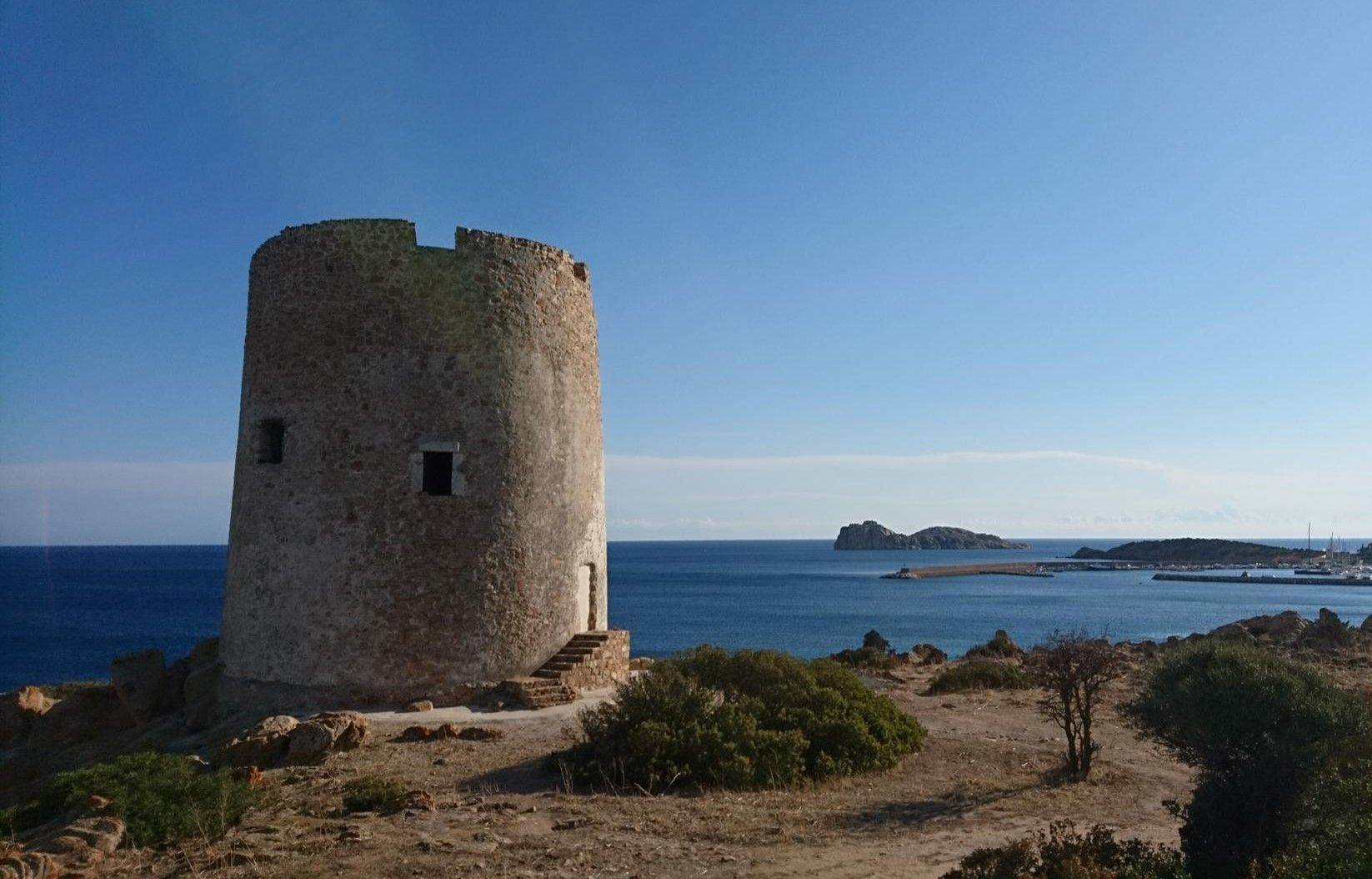
Absolutely. The region is rich in history. You can cycle past prehistoric heritage sites like the Domu de Janas of Tupei and various nuraghes. Roman-era remains and Phoenician-age rock inscriptions offer glimpses into the ancient past. Additionally, the 18th-century Tower of Calasetta stands in the town center, and you can visit the Grutt'i Acqua Nuragic Sacred Pond or the Tomb of the Giants su Niu 'e su Crobu.
What do other touring cyclists enjoy most about the routes in Câdesédda/Calasetta?
The touring cycling routes in Câdesédda/Calasetta are highly rated by the komoot community, with an average score of 4.5 stars from over 300 reviews. Cyclists frequently praise the diverse landscapes, from dramatic coastal cliffs to serene beaches, and the rich historical points of interest encountered along the way. The varied terrain also caters to different skill levels, making it enjoyable for many.
Is it possible to rent bikes, including e-bikes, in Calasetta?
Yes, e-bike rentals are available in the Calasetta area. This makes it easier to tackle the region's hills and longer distances, allowing you to explore both the historic town center and the natural and archaeological wonders of Sant'Antioco island without excessive fatigue.
Are there opportunities for birdwatching along the cycling paths?
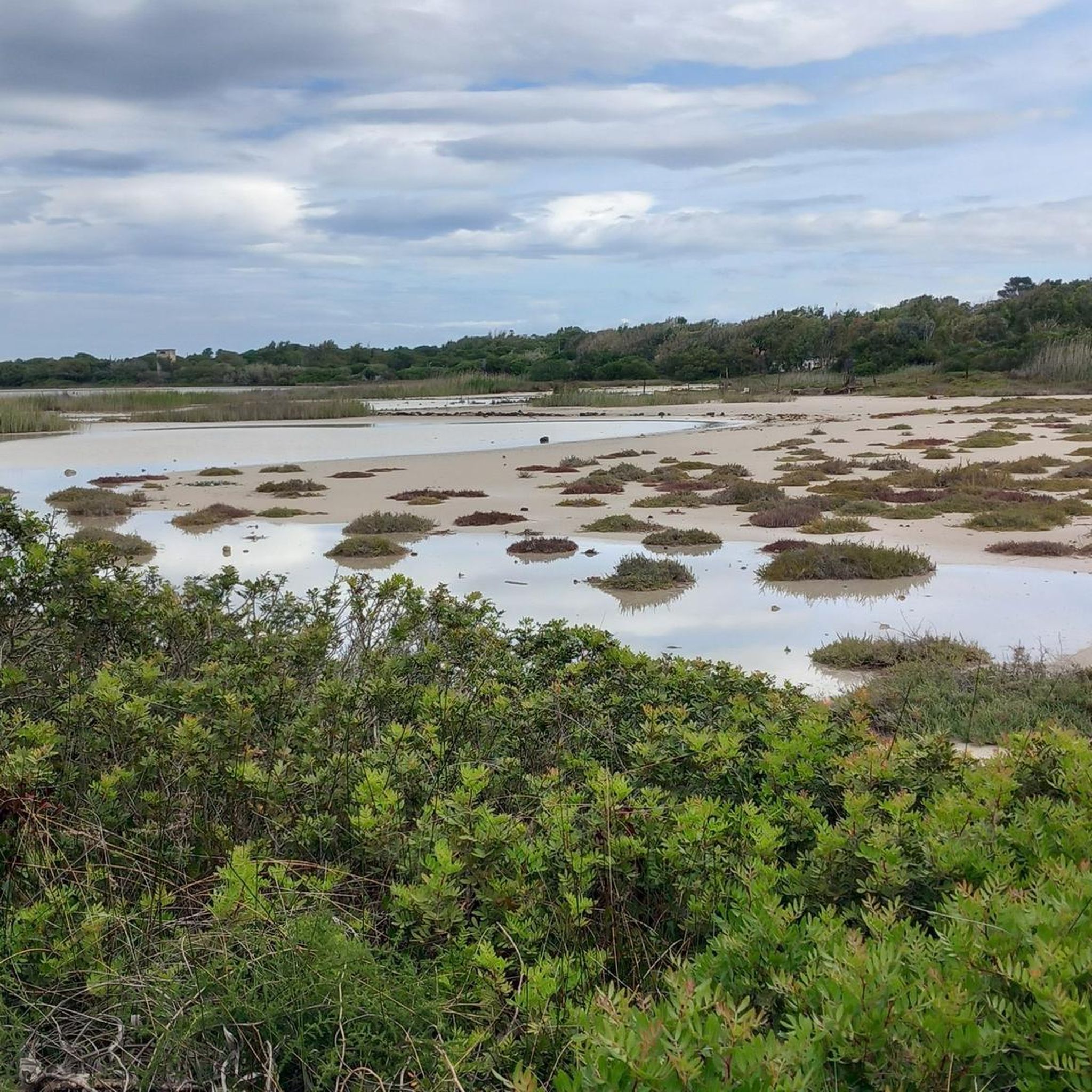
Yes, the area around Câdesédda/Calasetta offers excellent birdwatching opportunities. The Le Saline pond, for instance, is a recognized bird oasis. Additionally, the Tratalias–Sant'Antioco Cycle Path provides views overlooking the Santa Caterina pond, where pink salt is collected, and is another great spot for observing local birdlife.
What is the best season for touring cycling in Câdesédda/Calasetta?
While specific data isn't provided, the Mediterranean climate of Sardinia generally makes spring (April-May) and autumn (September-October) ideal for cycling. During these months, temperatures are pleasant, and the landscapes are vibrant, avoiding the intense heat of summer and the cooler, wetter conditions of winter.
Can I reach the cycling routes using public transport in Calasetta?
Calasetta is located on Sant'Antioco island, which is connected to mainland Sardinia by a bridge. While specific public transport details for reaching trailheads are not provided, the town itself is accessible, and many routes start directly from or near the town center, making them convenient to access.
Most popular routes around Câdesédda/Calasetta
Most popular attractions around Câdesédda/Calasetta

Get inspired with the komoot mobile app


Explore more
Browse the best Cycling routes in other regions.
