The best traffic-free bike rides around Câdesédda/Calasetta
4.4
(339)
2,335
riders
15
rides
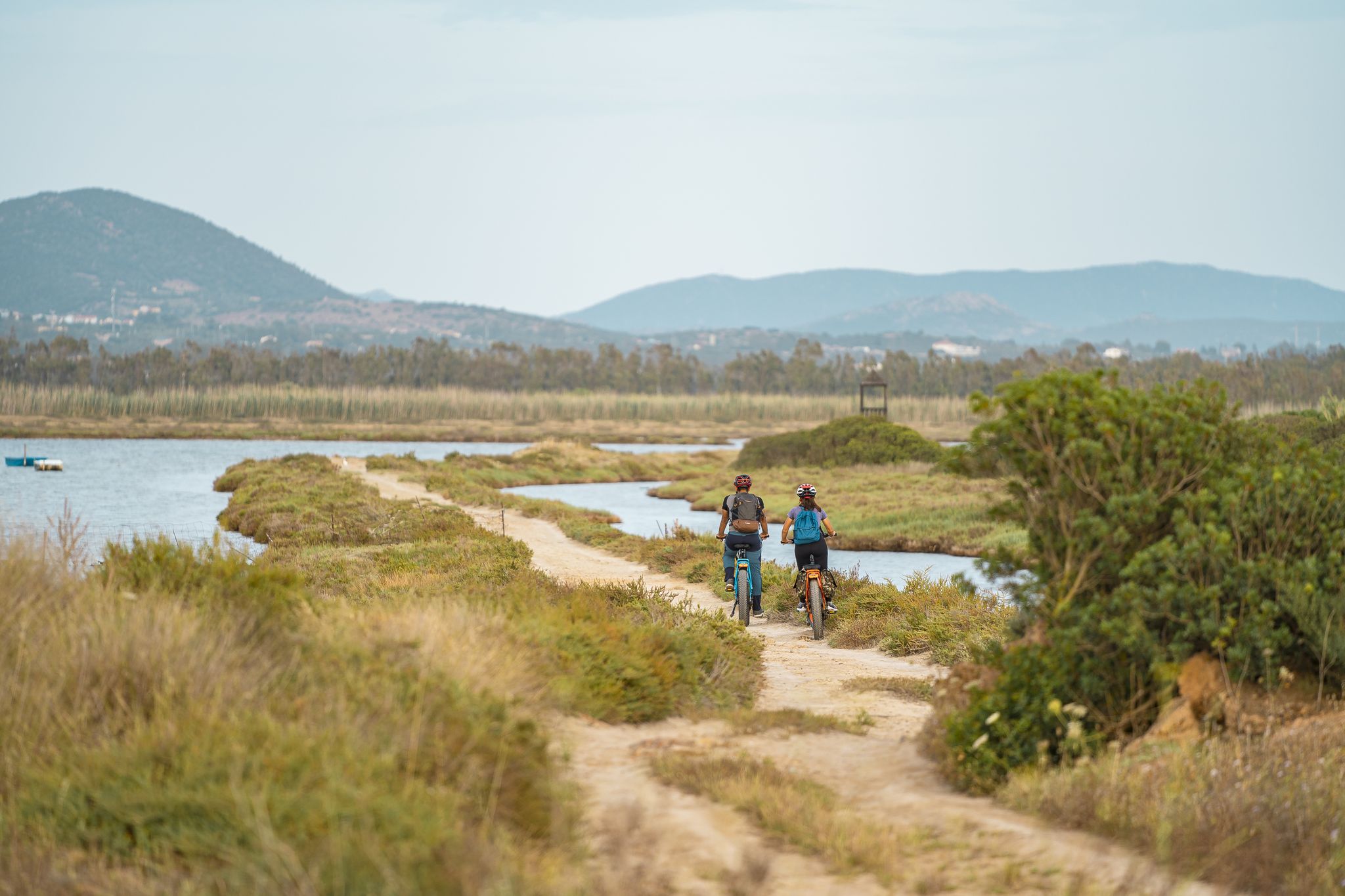
No traffic touring cycling routes around Câdesédda/Calasetta traverse a diverse landscape on Sant'Antioco island, featuring low, sandy coastal stretches, dramatic cliffs, and emerald-green fjords. The terrain offers a mix of flat coastal paths and areas with elevation gain, providing varied and engaging rides. Cyclists can explore quiet asphalt roads, low-traffic gravel roads, and some challenging dirt tracks, passing through olive groves, vineyards, and Mediterranean maquis. The region's natural beauty includes distinctive rock formations and numerous beaches with shallow, transparent waters.
…Last updated: June 30, 2026
4.6
(34)
247
riders
27.8km
01:50
290m
290m
Moderate bike ride. Good fitness required. Mostly paved surfaces. Suitable for all skill levels.
4.1
(12)
88
riders
Moderate bike ride. Good fitness required. Mostly paved surfaces. Suitable for all skill levels.

Sign up for free
4.0
(2)
34
riders
Hard bike ride. Very good fitness required. Mostly paved surfaces. Suitable for all skill levels.
4.7
(3)
33
riders
Easy bike ride. Great for any fitness level. Mostly paved surfaces. Suitable for all skill levels.
4.7
(3)
22
riders
63.3km
03:27
410m
410m
Moderate bike ride. Good fitness required. Mostly paved surfaces. Suitable for all skill levels.
Get access to more routes and recommendations from other explorers.
Sign up for free
Already have an account?
Our route recommendations are based on thousands of hikes, rides, and runs completed by other people on komoot.
Start today with a free account
Your next adventure awaits.
Login or Signup



Tips from the Community

The small harbor, with its colorful houses and charming little restaurants, whose inviting aromas fill the air, gives the town of Sant'Antioco its characteristic maritime atmosphere. This famous town of the Sulcis archipelago, with 11,000 inhabitants and tens of thousands of visitors in the summer, is the most important town on the largest island of Sardinia, to which it is connected by an artificial strip of land probably created by the Phoenicians and improved by the Romans. The main sources of income are fishing, salt production, and agriculture, as documented by the Su Magasinu de su binu folklore museum.
3
0
Lots of information and amazing finds from an ancient culture. You have to be interested, though.
5
0
Carloforte, still closely linked to Pegli and Genoa, is the island's only center, with 6,000 inhabitants. It enchants with its many narrow streets rising up a gentle slope, its colorful corners and sea views, its small harbor, and its former defenses, of which watchtowers and sections of walls with forts can still be seen, including La Porta del Leone. Among the architectural highlights of this town, which is included in the Club of the Most Beautiful Towns in Italy, are U Palassiu, dating from the early 20th century and now the Giuseppe Cavallera Cinema, and the Church of the Madonna del Naufrago, which houses the wooden statue venerated by the Tabarkin people, a symbol of the faith and solidarity of the community.
5
0
The crossing takes 35 minutes.
5
0
There are many interpretations of the name. Some trace its origin to the Campidanese-Sardinian contraction of Cala de Seda, or Cal'e Seda, or also Cala Seda, or Cal'e Sera, or "silk cove". In fact, in the Campidanese-Sardinian language, seda or sera means "silk", because the sea of the Sulcis archipelago was apparently rich in particular mollusks from which "sea silk" was obtained, that is, a type of "natural sea silk" obtained from the threads secreted by a species of marine bivalve mollusk endemic to the Mediterranean (Pinna nobilis), commonly known as "castanets" or "feather mice" (Pinnae margaritiferae). The threads obtained from their interior were used for weaving byssus.
5
0

The Basilica of Sant'Antioco Martire, in the historic center of the island of the same name, is one of the oldest places of worship in Sardinia. Built between the 4th and 7th centuries over a Punic necropolis, it houses the relics of Sardinia's patron saint, a physician originally from Mauretania. The building, enlarged by the monks of Saint Victor of Marseille and remodeled in the Baroque period, preserves a complex complex of early Christian catacombs beneath the altar, which are still open to visitors.
1
0
The Carloforte Tonnara is one of the last active tuna fisheries in the Mediterranean, testifying to a fishing tradition rooted in the island's history. Every spring, the "mattanza" (tuna slaughter) takes place, the traditional method of catching tuna, passed down for centuries and still practiced today using historic techniques. The tonnara, with its buildings overlooking the sea and ancient work tools, tells an important chapter in the island's economic and cultural history.
0
0
A pleasant, scenic walk along the harbor and the calm waters of the lagoon. From here, you can admire the sunset over the gulf, watch the fishing boats return, or simply enjoy the relaxed atmosphere of the seaside village.
1
0
Frequently Asked Questions
How many no-traffic touring cycling routes are available in Câdesédda/Calasetta?
There are 16 dedicated no-traffic touring cycling routes around Câdesédda/Calasetta. These routes offer a mix of easy, moderate, and challenging options to suit various skill levels.
What kind of terrain can I expect on these no-traffic touring cycling routes?
The routes in Câdesédda/Calasetta feature diverse terrain, from flat coastal paths and quiet asphalt roads to low-traffic gravel roads and some more challenging dirt tracks. You'll cycle through olive groves, vineyards, Mediterranean maquis, and along dramatic cliffs.
Are there any easy no-traffic touring cycling routes suitable for beginners or families?
Yes, there are 7 easy no-traffic touring cycling routes. While specific family-friendly routes are not explicitly listed, the easier options are generally suitable for those seeking a relaxed ride. The region's e-bike rentals also make it easier for all fitness levels to enjoy the varied terrain.
What are some notable natural features or landmarks I can see along the routes?
Many routes offer stunning views of natural landmarks. You can explore the dramatic Cliffs of Calasetta, visit Vacca Point for coastal vistas, or discover hidden gems like Grotta delle Sirene. The area also features beautiful beaches like Coaquaddus Beach and unique rock formations such as the Arch of Kisses.
Are there any circular no-traffic touring cycling routes?
Yes, many of the no-traffic routes are circular, allowing you to start and end in the same location. Examples include the Calasetta Old Town and Cliffs – Cliffs of Calasetta loop (23.8 km) and the more challenging Cliffs of Calasetta – Cala Sapone loop (31.7 km).
What is the best time of year for no-traffic touring cycling in Câdesédda/Calasetta?
Câdesédda/Calasetta benefits from a mild climate, making touring cycling enjoyable for much of the year. Spring and autumn offer pleasant temperatures and less crowded routes. Even winter can be suitable, though some services might be reduced.
What do other touring cyclists enjoy most about the no-traffic routes in Câdesédda/Calasetta?
The no-traffic touring cycling routes in Câdesédda/Calasetta are highly rated by the komoot community, with an average score of 4.4 out of 5 stars from 333 ratings. Reviewers often praise the stunning coastal views, the tranquility of the low-traffic roads, and the diverse landscapes that make each ride unique.
Are there any longer, more challenging no-traffic touring cycling routes for experienced cyclists?
Yes, for experienced cyclists seeking a challenge, there are 3 difficult no-traffic routes. The Cliffs of Calasetta – Cala Sapone loop (31.7 km) is one such option, featuring significant elevation changes and dramatic cliffside sections with expansive sea views.
Can I find places to eat or drink along the no-traffic touring cycling routes?
While the routes themselves focus on low-traffic areas, Câdesédda/Calasetta and nearby towns offer various cafes, restaurants, and shops. It's advisable to plan your stops, especially on longer routes, and carry sufficient water and snacks, as services may be sparse in more remote sections.
Are there any historical sites accessible by bike on these routes?
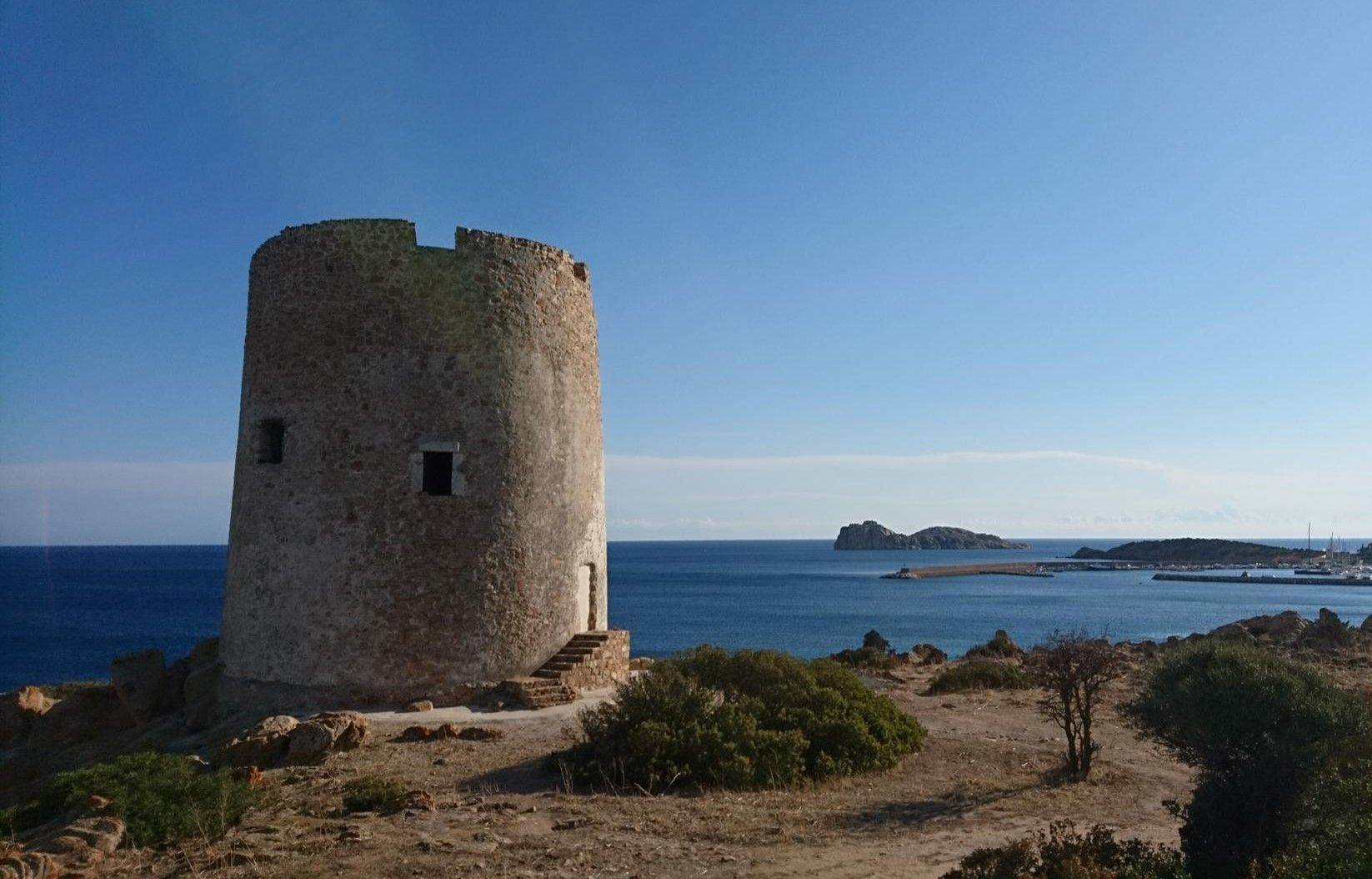
Yes, the region is rich in history. While cycling, you might pass by ancient sites like the Grutt'i Acqua Nuragic Sacred Pond or the Tomb of the Giants su Niu 'e su Crobu. The town of Calasetta itself has historical charm with its 18th-century Torre di Calasetta.
Is there a dedicated cycle path I can use for a traffic-free experience?
Yes, the Tratalias–Sant'Antioco Cycle Path offers a magnificent, well-paved route that connects to the mainland, providing an excellent option for a truly traffic-free cycling experience.
Most popular routes around Câdesédda/Calasetta
Most popular attractions around Câdesédda/Calasetta

Get inspired with the komoot mobile app


Explore more
Browse the best Cycling routes in other regions.
