Attractions and Places To See around Sant'Angelo Di Piove Di Sacco - Top 20
Best attractions and places to see around Sant'Angelo Di Piove Di Sacco include historical landmarks, natural areas, and cultural sites within the Province of Padua, Veneto. The region features a landscape shaped by the Brenta River and its canals, supporting agriculture and offering outdoor exploration. Historical structures, such as churches and noble dwellings, reflect its past from Roman times through Venetian influence. This area provides a blend of historical and natural attractions for visitors.
Best attractions and places to see…
Last updated: July 6, 2026
Villa Pisani
Highlight • Castle
Translated by Google •
Tip by

Villa Giovannelli Colonna
Highlight • Historical Site
Translated by Google •
Tip by

Sign up now to discover places like this
Get recommendations on the best single tracks, peaks, & plenty of other exciting outdoor places.
Sign up for free
Tergola Riverbank Trail
Highlight (Segment) • Cycleway
Translated by Google •
Tip by

Basilica of Santa Giustina
Highlight • Religious Site
The Basilica of Santa Giustina, which housed one of the most important and influential religious communities in Padua during the Middle Ages, has its origins …
Translated by Google •
Tip by

Dolo town center
Highlight • Settlement
Translated by Google •
Tip by

Sign up for free to discover even more attractions around Sant'Angelo Di Piove Di Sacco.
Sign up for free
Already have an account?
Start today with a free account
Your next adventure awaits.
Login or Signup
Popular around Sant'Angelo Di Piove Di Sacco

Tips from the Community

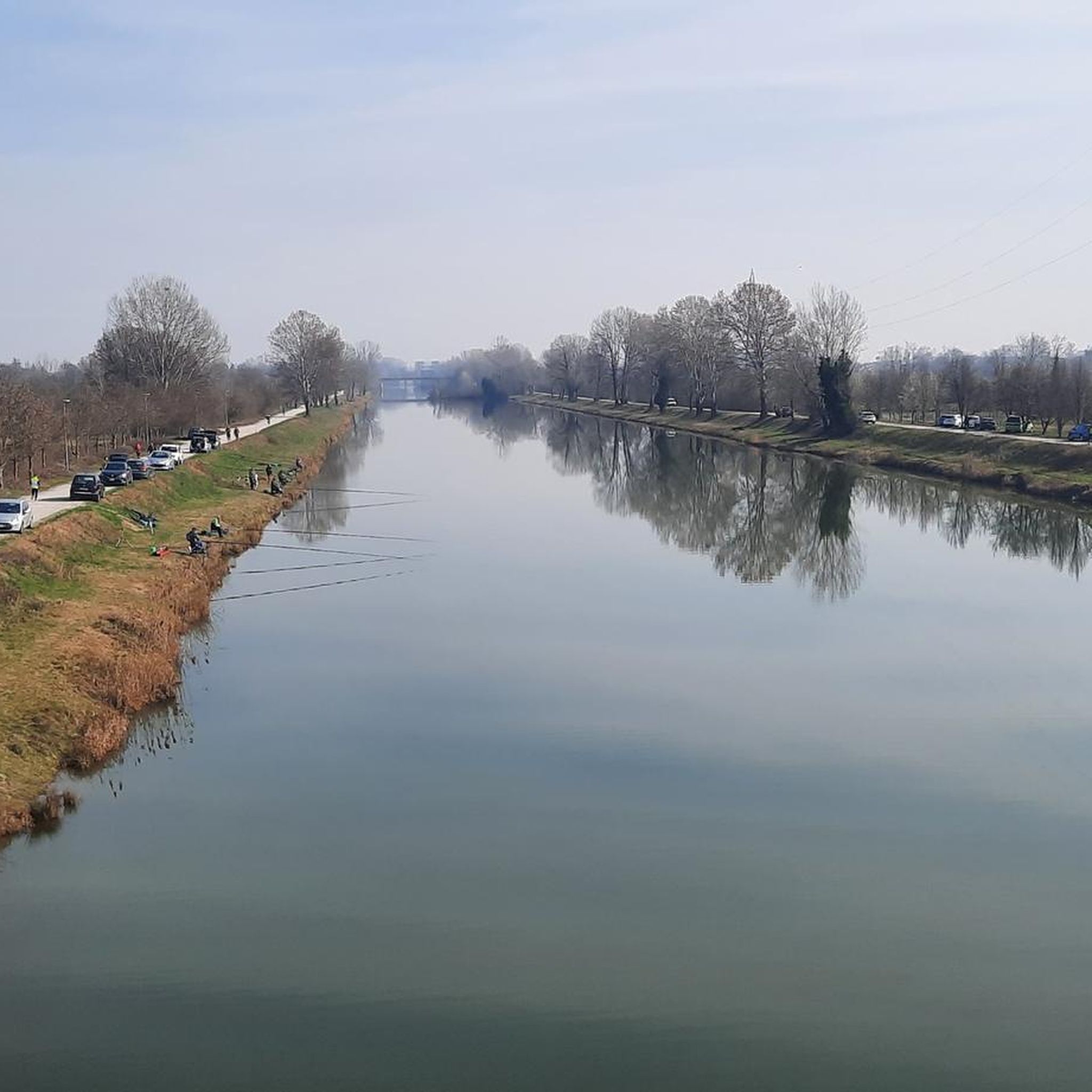
The historic center of Dolo is a gem of the Brenta Riviera, a place where water and history merge in a typically Venetian atmosphere. The beating heart of the town is the ancient monumental Squero from the 16th century, once a shipyard for the repair of boats that sailed up the canal, and the nearby Molini, today evocative venues overlooking the river. Strolling along the banks of Isola della Conca, you can breathe in the charm of yesteryear, with the Vincian locks that regulated the flow of water and the imposing bell tower of the Church of San Rocco dominating the panorama. The center unfolds through elegant historic palaces, small bridges, and lively squares that host markets and historic cafes, making Dolo a perfect and dynamic meeting point between the glorious past of the Serenissima and modern daily life.
0
0

Basilica of Santa Giustina, Padua The Basilica of Santa Giustina, which housed one of the most important and influential religious communities in Padua during the Middle Ages, has its origins long before the arrival of the monks: The first basilica was built in the 6th century on the site of the former cemetery of Prato della Valle, where the young martyr Giustina, a victim of Maximian's persecutions of Christians, was buried in 304 AD. The arrival of the Benedictines in Padua dates back to the 10th century. After their settlement, the remains of saints, hidden during the barbarian invasions, gradually came to light, including those of Saint Giustina and Saint Luke the Evangelist, author of the Third Gospel and chronicler of the Acts of the Apostles. His relics were brought from Thebes (Greece) to Constantinople and then from Constantinople to Padua. The present basilica dates from the 16th century and is 122 meters long, with three naves in the form of a Latin cross. The apse contains the remarkable carvings of the 15th-century wooden choir and the altarpiece by Paolo Veronese from 1575, depicting the Martyrdom of Saint Giustina. The transept houses the tomb of Saint Luke the Evangelist on the left and the tomb of Saint Matthias the Apostle on the right. From there, the impressive Martyrs' Corridor leads to the chapel in the form of a Greek cross, built at the end of the 6th century on the tomb of Saint Prosdocimus, the first Bishop of Padua. The monastery was dissolved by Napoleon in 1810 and served as a barracks until 1919, when the Benedictines returned to Sant'Giustina. Only with an authorized guide is it possible to visit the 14th-century Chapel of St. Luke, where Elena Lucrezia Cornaro Piscopia, the world's first female academic (1678), is buried, as well as the old 15th-century choir and the vestibule leading to the sacristy. Text / Source: Prato della Valle - Sagrato di Santa Giustina, Padova (PD) http://www.abbaziasantagiustina.org https://www.turismopadova.it/de/orte/benediktinerabtei-der-heiligen-giustina/
16
0

Dolo is a delightful town in the province of Venice along the Brenta. A characteristic village for the presence of an old water mill (immortalized by Canaletto), the Squero and the Da Vinci locks. The bell tower of the Church of San Rocco is beautiful and visible, reminiscent of the bell tower of San Marco in Venice, the second in height. An ideal place also for a fish meal.
1
0

This imposing cathedral is located on the corner of the Prato della Valle square with a crypt from 520. The evangelist St. Luke is buried here and also Helena Lucretia Cornaro Piscopia (in one of the chapels). She was the first woman to obtain a university degree (in philosophy).
9
0

If you like saints: St. Anthony is buried there.
2
12

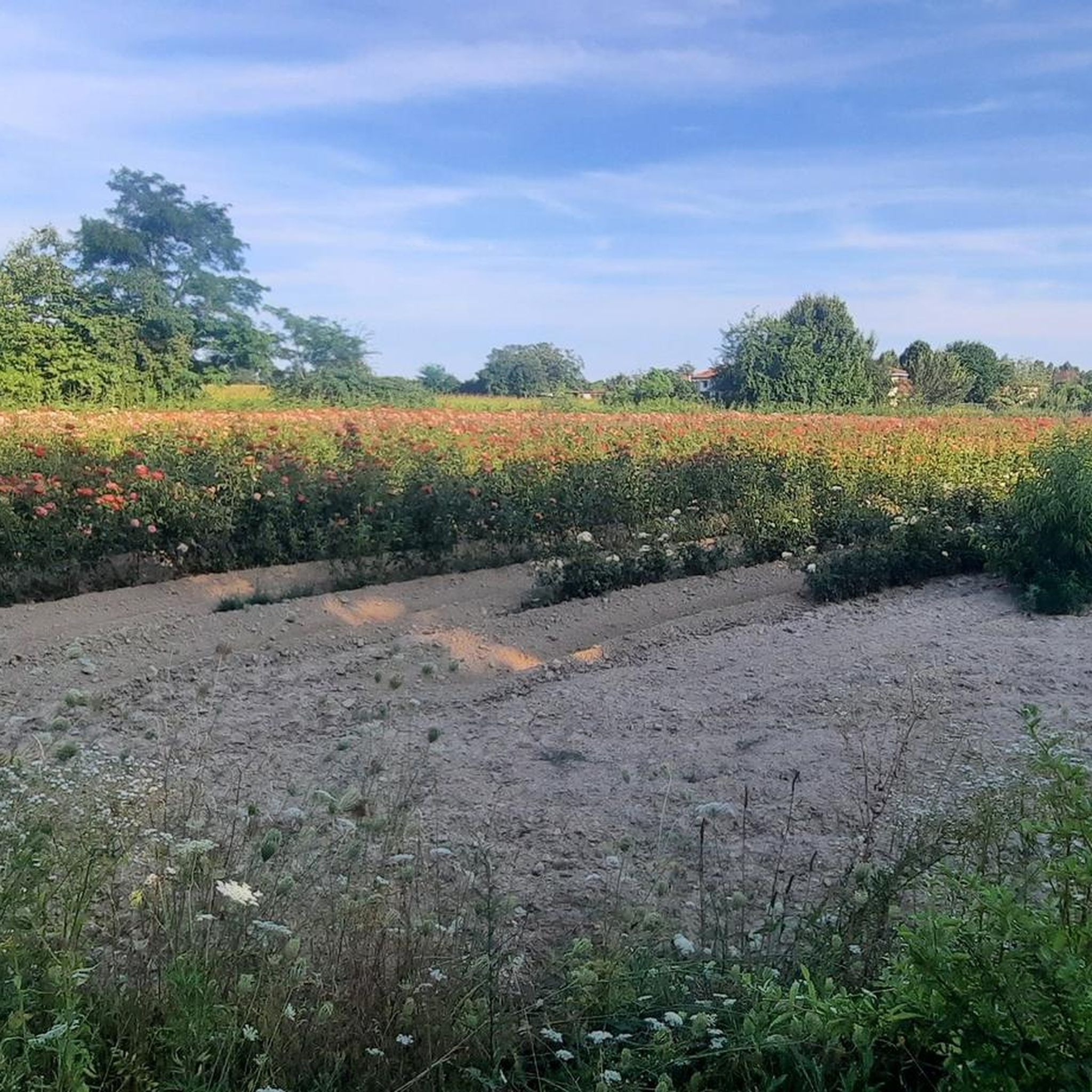
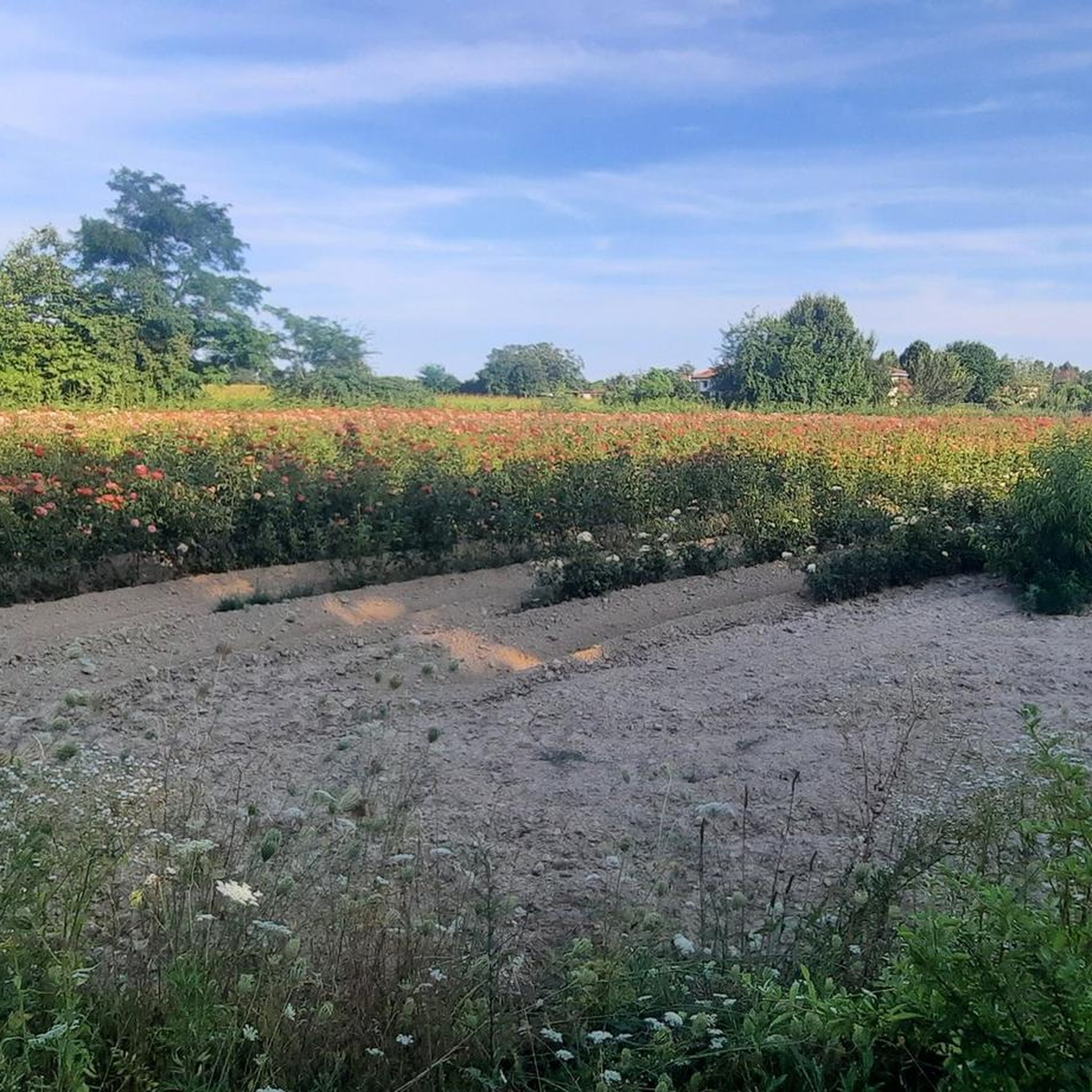
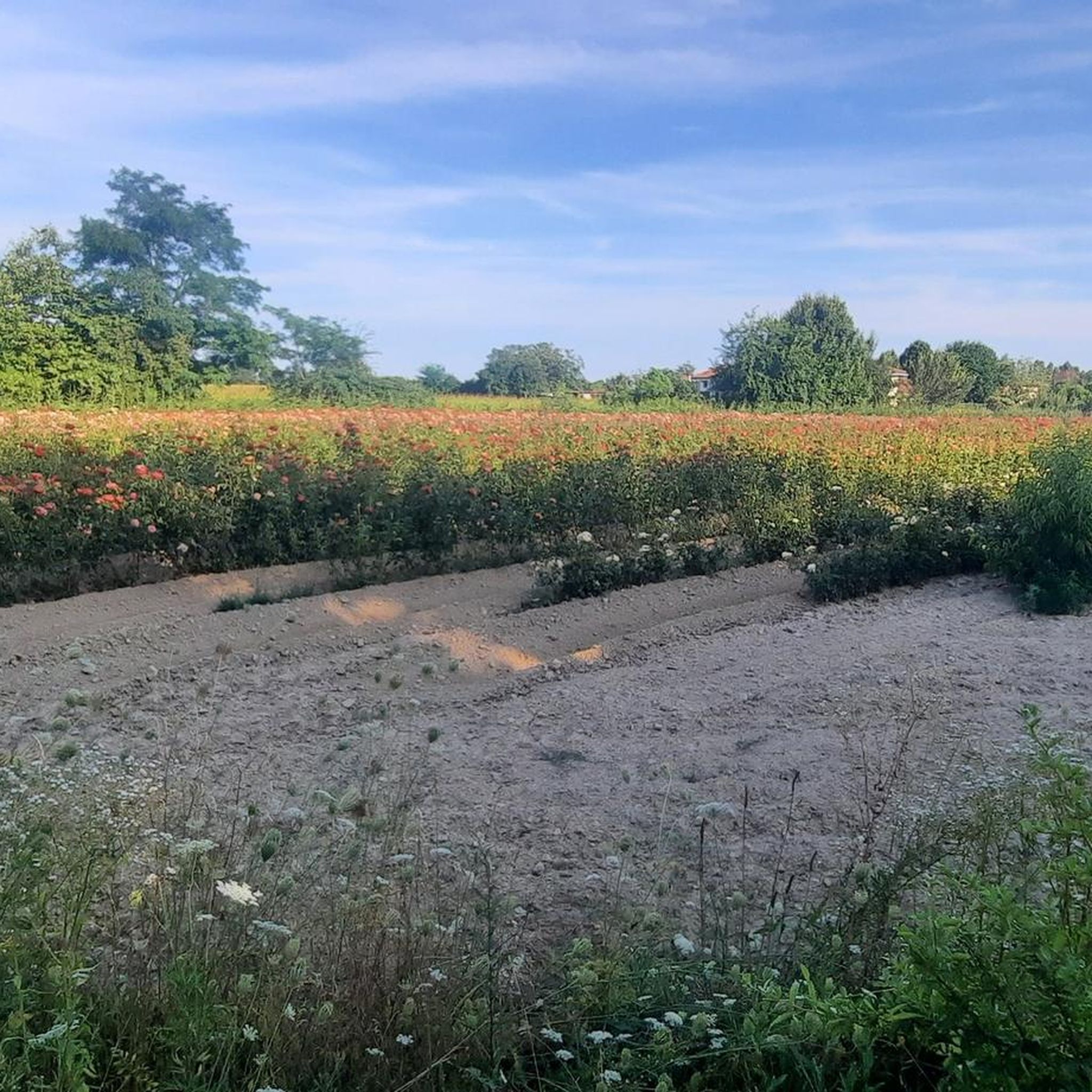
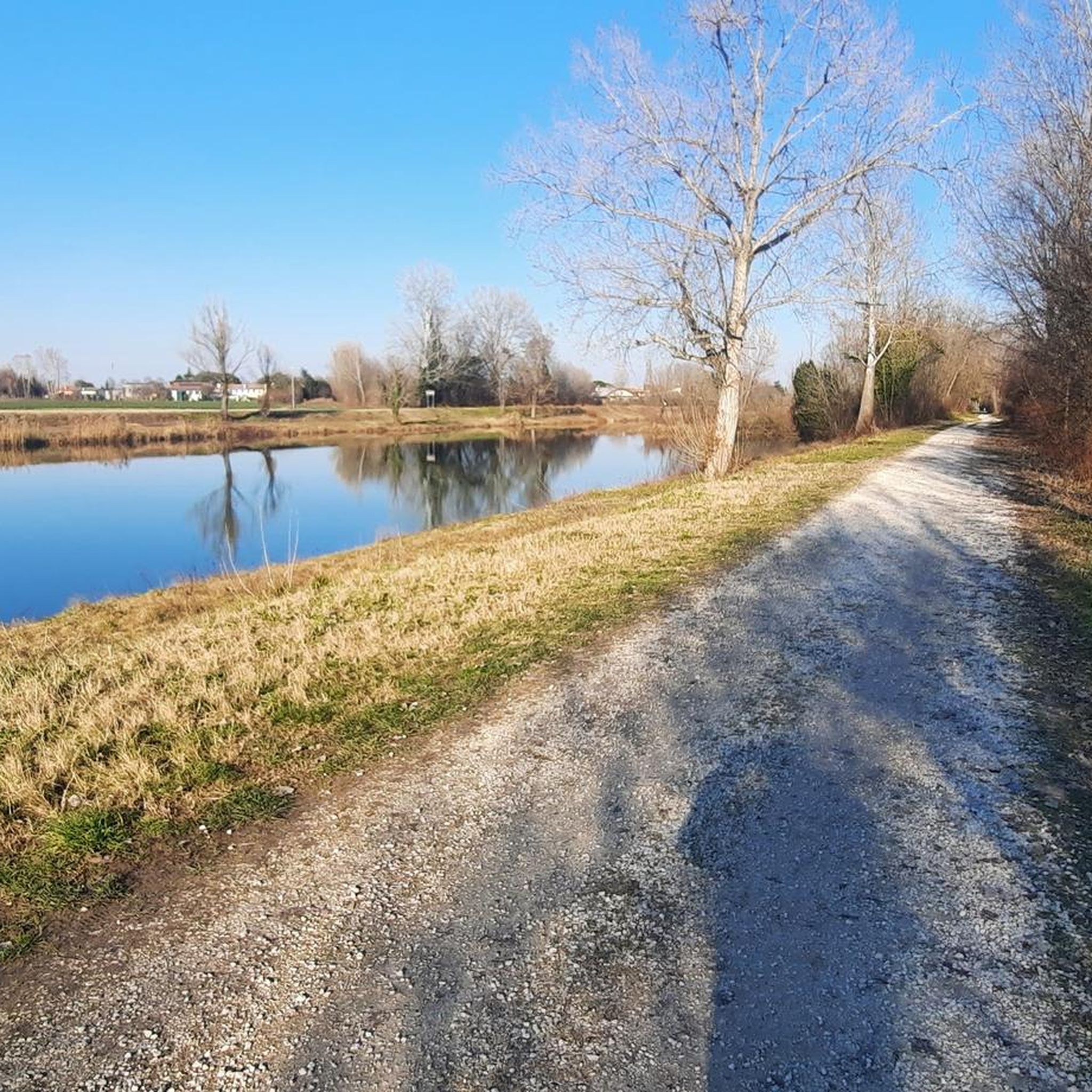
Tergolandia takes its name from the Tergola river that flows near it. It is a beautiful embankment that can be explored on foot or by bicycle, with very beautiful and fun works for adults and children. Along the way you can also stop to rest. If you reach the place by car I recommend parking in the area in front of the church of Bronzola. There are no refreshment points, you bring your own snacks, taking care not to leave rubbish in the area. N.B: I didn't post all the photos, so that you would be curious to go for a walk.
2
3

Villa Pisani is a magnificent villa located in the Veneto region, near the town of Stra. This architectural masterpiece is renowned for its grandeur, stunning gardens, and historical significance. Originally built in the 18th century for the powerful Pisani family, the villa has served various purposes over the years. Key features of Villa Pisani include its opulent interiors adorned with frescoes and artworks, expansive parklands featuring intricate mazes and statues, and a captivating view of the Brenta River. The villa has hosted notable figures throughout history, including Napoleon Bonaparte, who held a summit with other European leaders here in 1807. Visitors to Villa Pisani can explore its lavishly decorated rooms, stroll through the meticulously landscaped gardens, and immerse themselves in the rich history that this architectural gem embodies. The villa stands as a testament to the grandeur of Italian art and culture.
3
0

... and all of a sudden this big system is there.' Nice to look at.
5
1
Frequently Asked Questions
What historical landmarks can I explore in Sant'Angelo di Piove di Sacco?
Sant'Angelo di Piove di Sacco is rich in history. You can visit the Church of San Michele Arcangelo, which dates back to at least 1198, or the Oratory of San Marco in Celeseo, built in the 17th century. The Church of San Giacomo in Vigorovea, founded in 1322, is another significant site. Don't miss the unique 18th-century Gothic Building on Via Roma with its distinct red plaster and green windows, or the 17th-century noble dwelling, Maritan House.
Are there any museums in Sant'Angelo di Piove di Sacco?
Yes, the area offers a couple of interesting museums. You can visit the Museo Storico del Bottone "Sandro Partesotti", a historical button museum, or the Museo Archeologico Civico, which houses artifacts from the local territory, narrating the history of ancient local populations.
What natural attractions are there for outdoor enthusiasts?
For nature lovers, the Parco Fluviale del Bacchiglione is a protected natural area perfect for walks and enjoying the outdoors. The region is also characterized by the Canalizzo, an ancient riverbed canalized during the Lombard era, and a rich agricultural landscape with embankments and canals, offering scenic views.
What are some popular cycling routes near Sant'Angelo di Piove di Sacco?
The area offers several cycling opportunities. A popular choice is the Tergola Riverbank Trail, a cycle way offering a scenic gravel tour of approximately 30 km along the Tergola embankment. For more options, you can explore various road cycling routes around the region, including easy loops from Legnaro or moderate routes like the "Villa Giovannelli Colonna – Prato della Valle loop from Saonara." Find more details on these routes in the Road Cycling Routes around Sant'Angelo Di Piove Di Sacco guide.
Are there family-friendly attractions in the area?
Yes, several attractions are suitable for families. The Villa Pisani, Stra, a grand Venetian villa, offers extensive grounds and a museum that can be enjoyed by all ages. The Villa Giovannelli Colonna also features a park for visitors to explore. Additionally, the Tergola Riverbank Trail is a family-friendly cycle path.
What is the local cuisine like in Sant'Angelo di Piove di Sacco?
The local gastronomy is a significant attraction, featuring traditional dishes made with river fish and other local products. The region's agricultural heritage and proximity to waterways influence its culinary traditions, offering a taste of authentic Veneto flavors.
What is the best time of year to visit Sant'Angelo di Piove di Sacco?
The best time to visit Sant'Angelo di Piove di Sacco generally depends on your preferred activities. Spring and autumn offer pleasant temperatures for exploring historical sites and enjoying outdoor activities like cycling and walking. Summers can be warm, ideal for enjoying the natural river areas, while winters are cooler but still suitable for cultural visits.
What unique cultural traditions are associated with Sant'Angelo di Piove di Sacco?
Sant'Angelo di Piove di Sacco has a historical tradition of chair-making. "Caregheta" (chair makers) once traveled between villages to sell and repair chairs, a tradition that continues today at an industrial level. This reflects the region's artisanal heritage.
Where can I find mountain biking trails near Sant'Angelo di Piove di Sacco?
There are several mountain biking trails available. You can find easy routes like the "Camin Bridge over the Piovego – Villa Giovannelli Colonna loop from Legnaro" or the "Idrovia di Vigonovo – Torre Suspension Bridge loop from Vigonovo." For a comprehensive list and details, refer to the MTB Trails around Sant'Angelo Di Piove Di Sacco guide.
What do visitors enjoy most about the attractions around Sant'Angelo di Piove di Sacco?
Visitors particularly appreciate the scenic beauty of the cycle paths, such as the Tergola Riverbank Trail, which offers a varied gravel tour. Historical sites like Villa Pisani, Stra are highly regarded for their grandeur and historical significance, often described as the 'queen of Venetian villas.' The blend of historical and natural beauty, along with well-maintained parks, receives positive feedback from the community.
Are there any significant religious buildings to visit?
Yes, the region has several historically significant religious buildings. Besides the local parish churches like the Church of San Michele Arcangelo, you can also visit the impressive Basilica of Santa Giustina in nearby Padua. This grand basilica, with origins dating back to the 6th century, houses important relics and stunning art, including a Paolo Veronese altarpiece.
Can I find gravel biking routes in the area?
Absolutely. The flat terrain and network of canals and riverbanks make it ideal for gravel biking. You can find routes such as the "Piovego Canal Gravel Path – Camin Bridge over the Piovego loop from Campolongo Maggiore" or the "Brenta River in Vigonovo – Brenta River loop from Piove di Sacco." More options are detailed in the Gravel biking around Sant'Angelo Di Piove Di Sacco guide.
Most popular routes around Sant'Angelo Di Piove Di Sacco

Get inspired with the komoot mobile app


Explore more
Still not found the Highlight you’re looking for? See guides of the top attractions in other regions:
