The best cycling routes around Challand-Saint-Victor
4.6
(168)
3,438
riders
113
rides
Touring cycling around Challand-Saint-Victor, situated at 765 meters above sea level in Italy's Aosta Valley, offers diverse terrain. The region is characterized by extensive chestnut and walnut forests, ancient irrigation channels like the Ru d'Arlaz and Ru Herbal, and the Dora Baltea River. Its landscape includes a glacial amphitheater, providing varied routes from valley floors to mountain passes.
Best touring cycling routes around Challand-Saint-Victor
- The most popular touring cycling route is Dora Baltea Cycle Path: Verrès - Issogne Loop,…
Last updated: October 8, 2026
3.0
(1)
2
riders
10.9km
00:47
100m
100m
This easy 6.8-mile touring cycling route along the Dora Baltea river offers scenic views, charming villages, and historical landmarks.
5.0
(2)
157
riders
50.0km
03:45
1,180m
1,180m
Hard bike ride. Very good fitness required. Mostly paved surfaces. Suitable for all skill levels.

5.0
(1)
52
riders
33.7km
03:03
900m
900m
Hard bike ride. Very good fitness required. You may need to push your bike for some segments of this route.
43
riders
32.6km
02:43
1,100m
1,100m
Hard bike ride. Very good fitness required. Mostly paved surfaces. Suitable for all skill levels.
31
riders
96.5km
07:52
2,830m
2,830m
Hard bike ride. Very good fitness required. Mostly paved surfaces. Suitable for all skill levels.
Get access to more routes and recommendations from other explorers.
Already have an account?
Our route recommendations are based on thousands of hikes, rides, and runs completed by other people on komoot.
Start today with a free account
Your next adventure awaits.
Popular around Challand-Saint-Victor
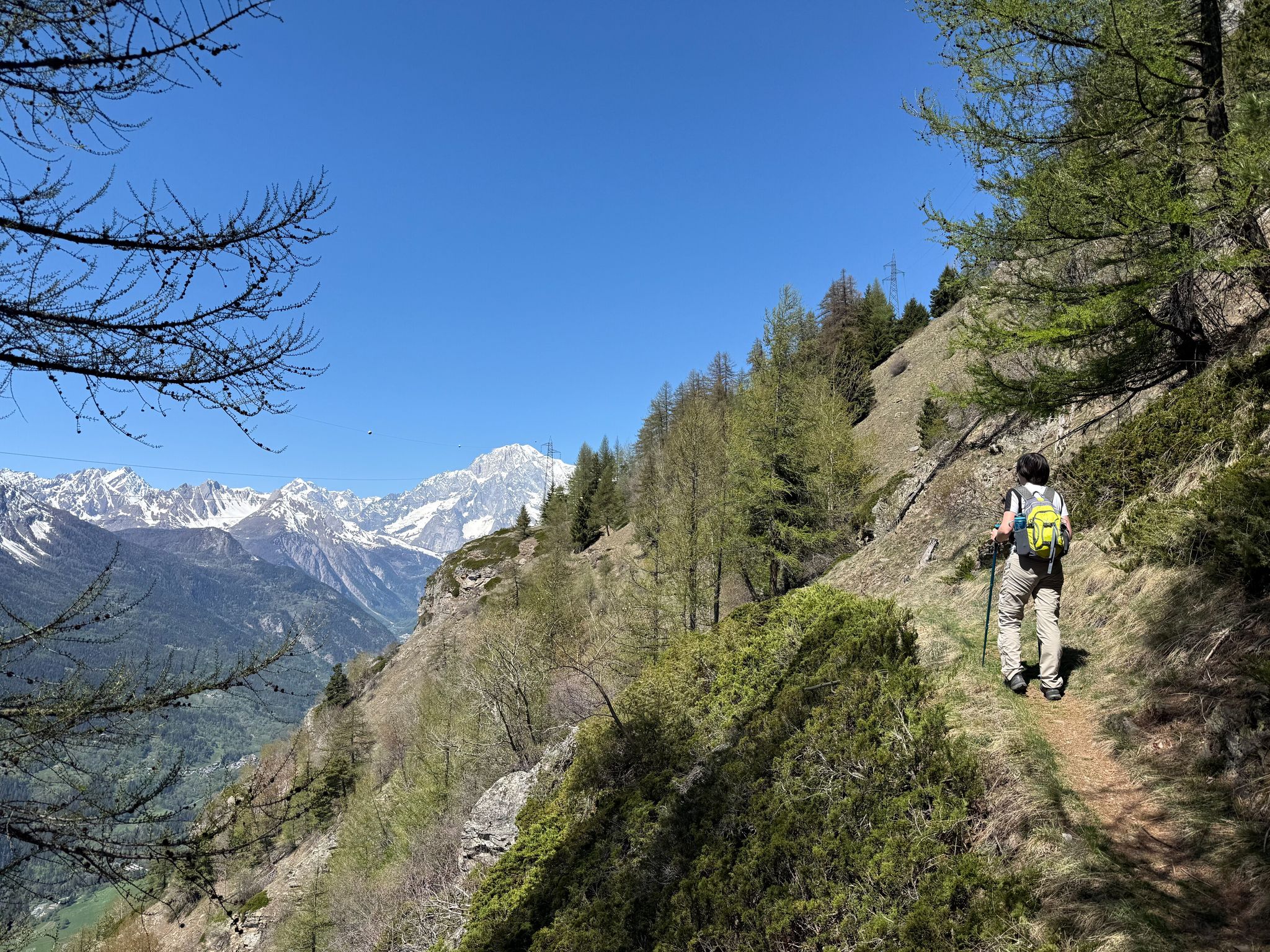
Cammino Balteo – castles, vineyards and trails of the Aosta Valley
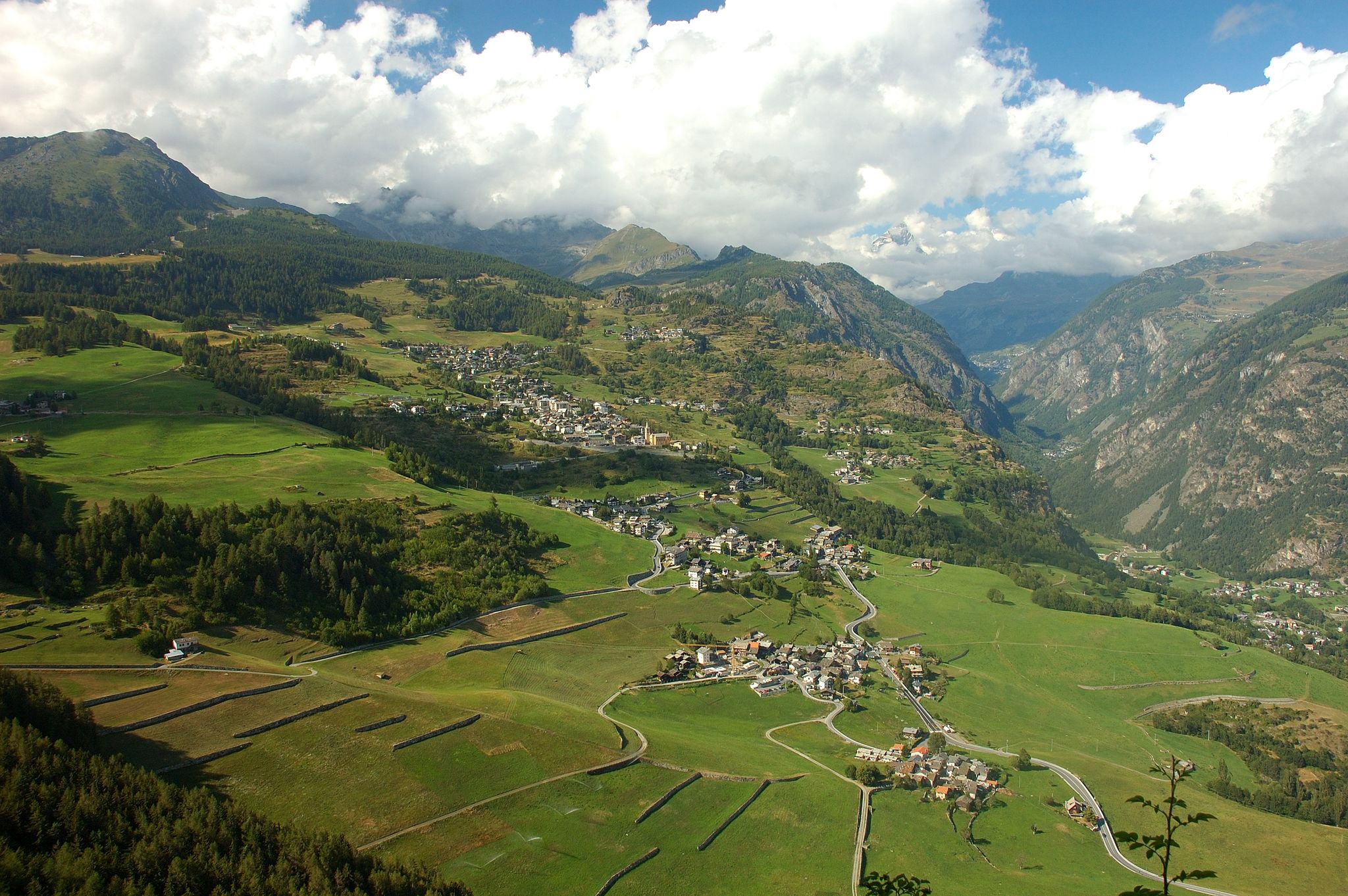
Paths, castles and views of Italy’s Aosta Valley – Cammino Balteo
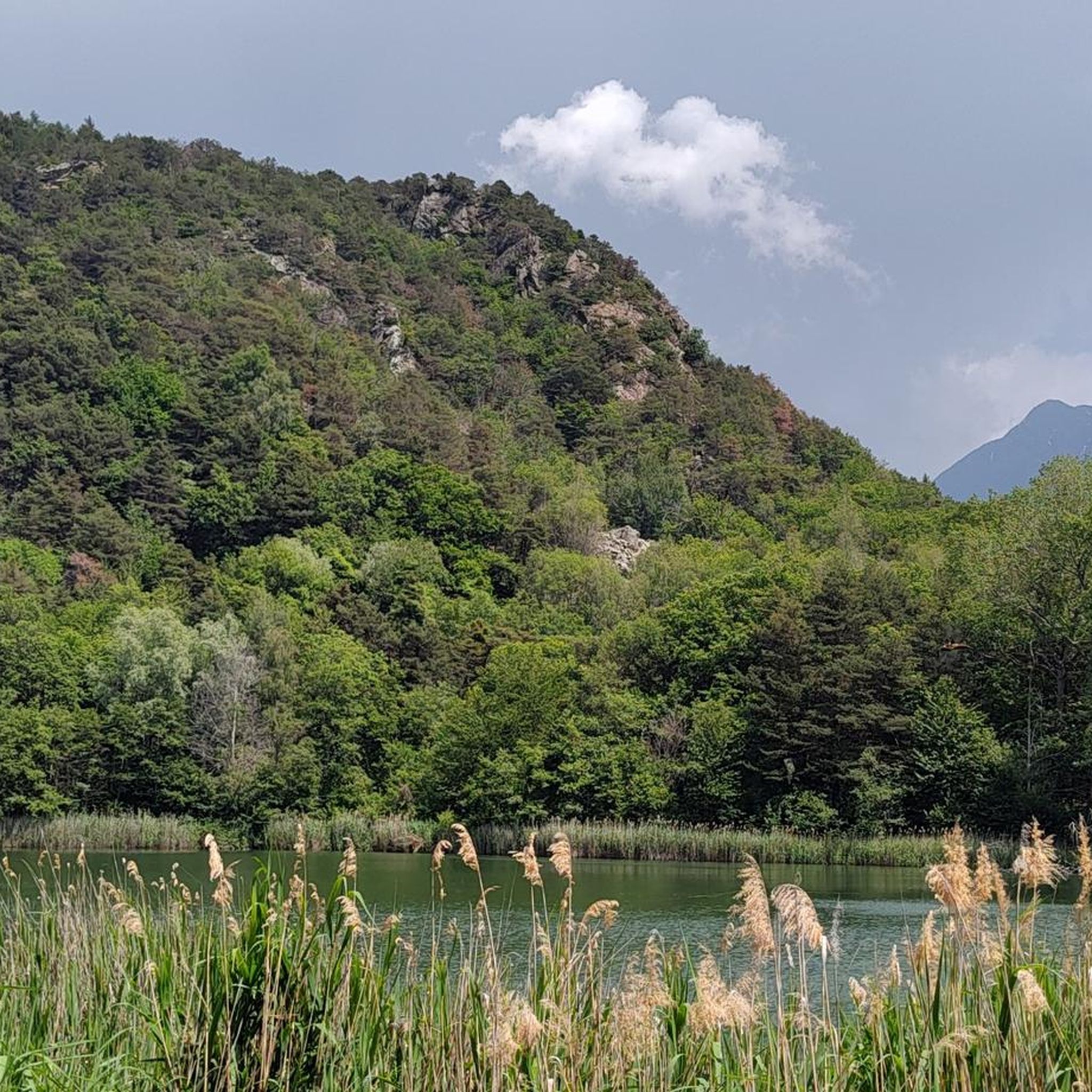
Road Cycling Routes around Challand-Saint-Victor
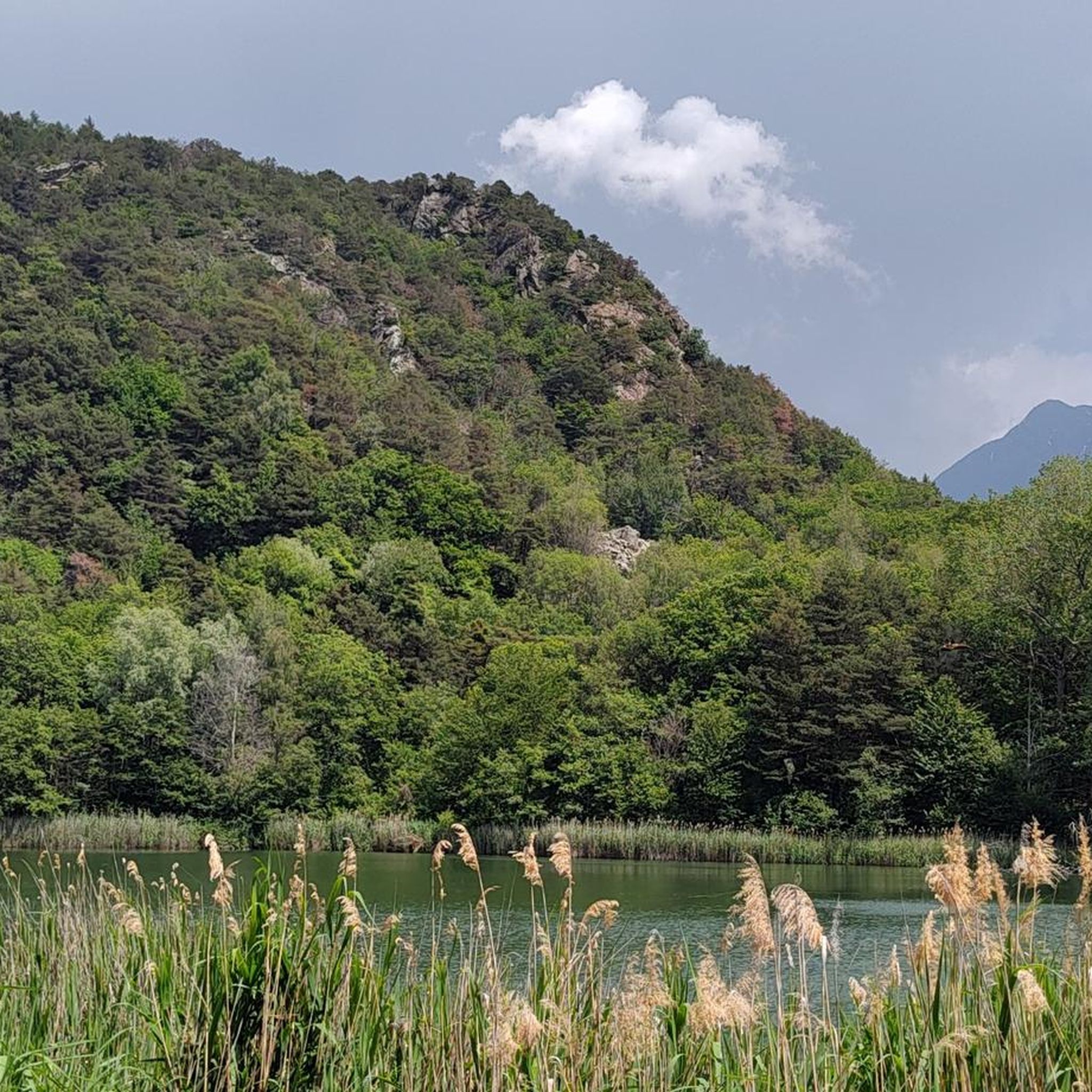
Hiking around Challand-Saint-Victor
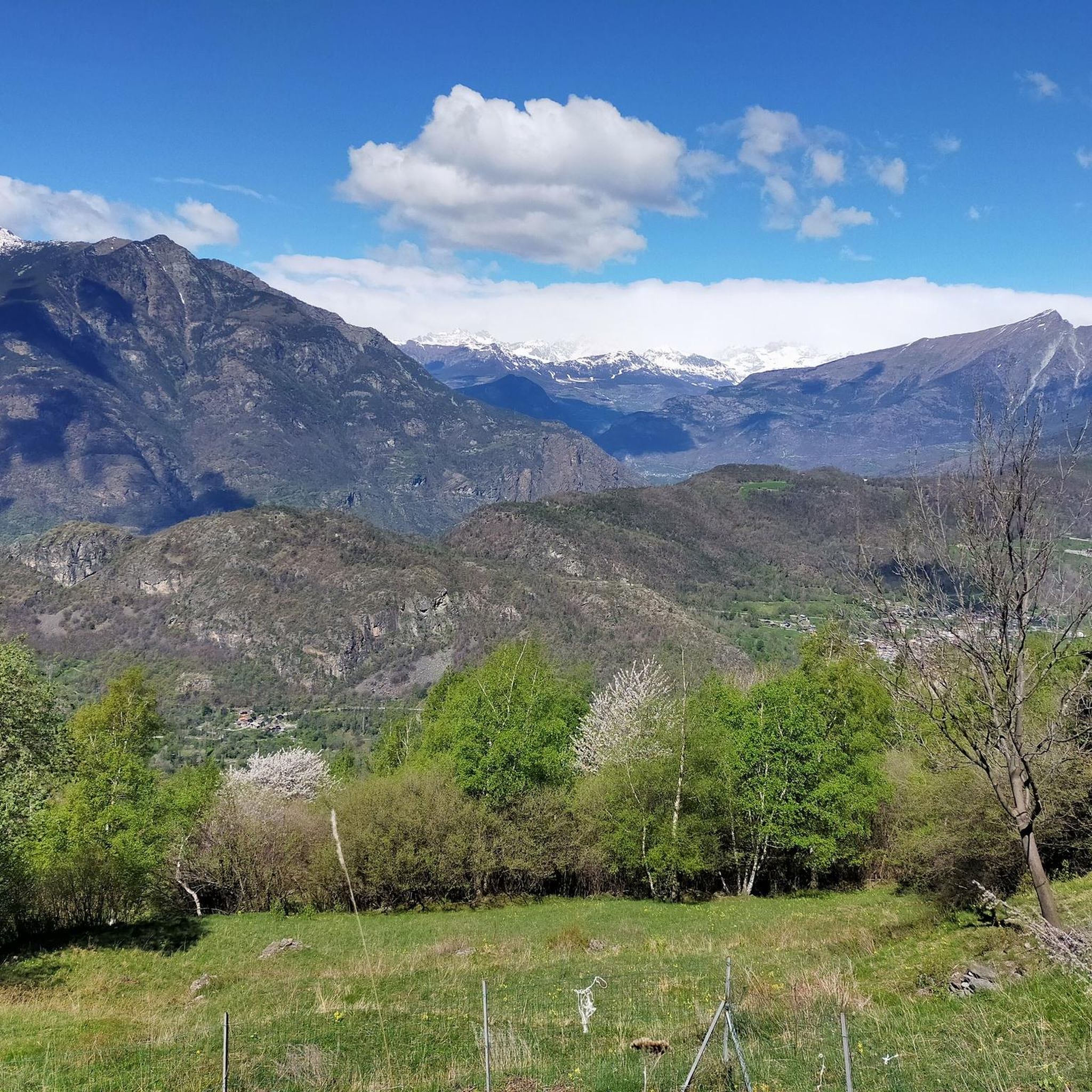
MTB Trails around Challand-Saint-Victor

Gravel biking around Challand-Saint-Victor
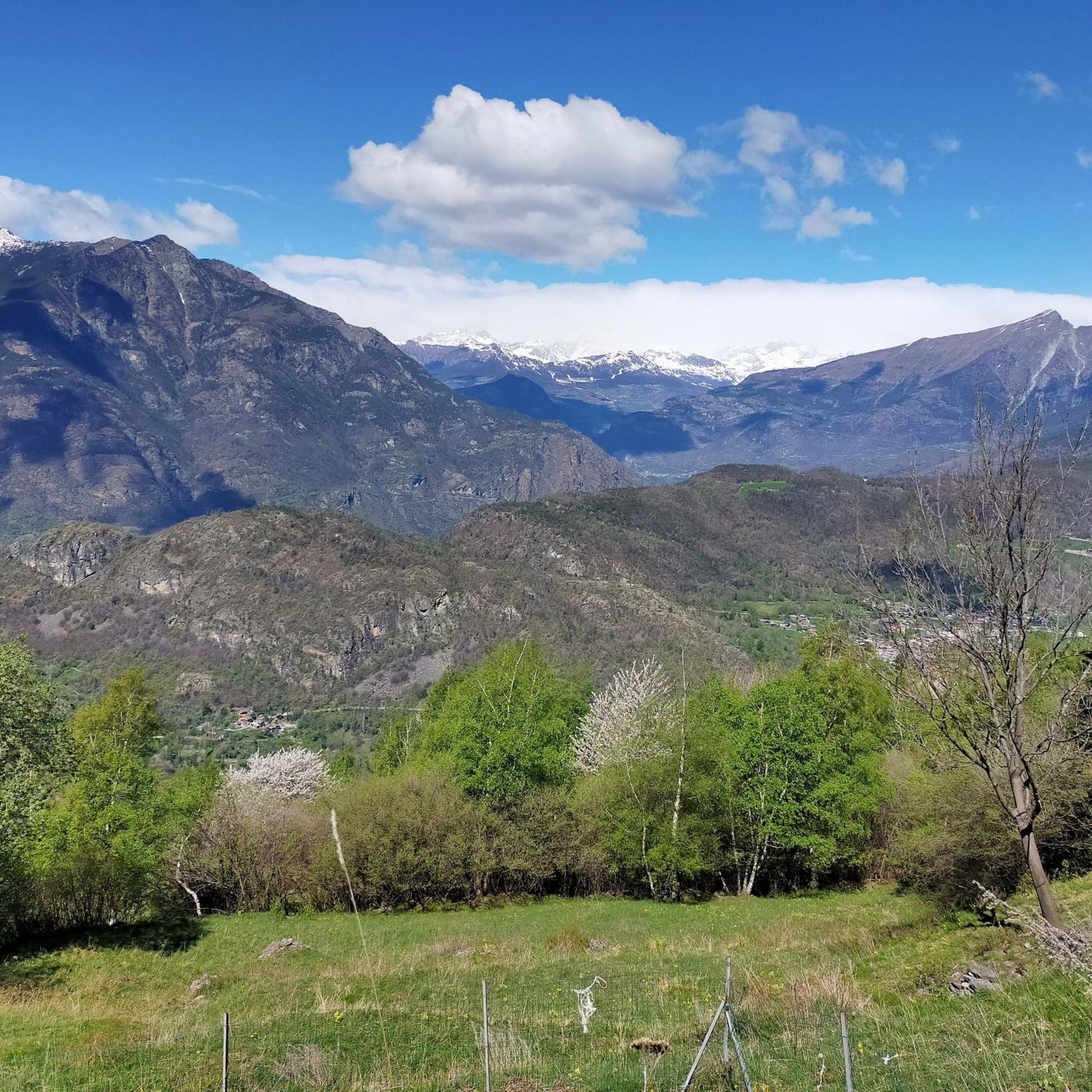
Running Trails around Challand-Saint-Victor

Mountain Hikes around Challand-Saint-Victor


Tips from the Community


The Fontana di Napoleone takes its name from a local legend according to which Napoleon Bonaparte and his troops stopped here to quench their thirst during their passage through the Alps. Even today, its name recalls one of the most famous anecdotes linked to the Col de Joux.
0
0

The Arlaz Waterfall can be reached either from the Col d'Arlaz or from the Orbeillaz car park, following path number 31 which runs alongside the Rû d’Arlaz, a 14th-century artificial canal that channels the water of the Evançon stream and carries it to the municipalities of Challand, Emarese and Montjovet.
1
0
From this point, you can enjoy a splendid view of Verrès Castle, an imposing 14th-century medieval fortress that dominates the valley and adds a fascinating historical touch to the surrounding landscape. Built by the Challant family for defensive and residential purposes, it is today one of the best-preserved medieval castles in the region.
2
0
Brusson is a renowned mountain resort, renowned for its tranquil atmosphere and Alpine landscapes. Its heart is the lake, an easily accessible body of water perfect for relaxing walks, picnics, and outdoor activities. In winter, the town becomes a hub for cross-country skiing.
1
0

a little shade under the greenery, always welcome
0
0


Going up from Saint Vincent, a pleasant climb with glimpses of the valley below, stock up on water at the start of the climb 💪
0
0
Frequently Asked Questions
How many touring cycling routes are available in Challand-Saint-Victor?
There are nearly 100 touring cycling routes around Challand-Saint-Victor. These include a variety of options, with 12 easy routes, 18 moderate routes, and 69 difficult routes, offering something for every skill level.
What is the best time of year for touring cycling in Challand-Saint-Victor?
Challand-Saint-Victor benefits from a mild, dry climate year-round, sheltered from strong winds. This makes it comfortable for cycling excursions across various seasons. Spring and autumn offer particularly pleasant temperatures and beautiful foliage, while summer is ideal for higher-altitude rides.
Are there any family-friendly cycling options in Challand-Saint-Victor?
Yes, the region offers options suitable for families. The tranquil Lake Villa nature reserve is accessible via a short, pleasant walk from the village, and the nearby Challand Art path provides a unique artistic and natural experience through a forest, suitable for families.
Are there any circular touring cycling routes in the area?
Yes, many routes in Challand-Saint-Victor are designed as loops. For example, the popular Along the Dora Baltea — Ring tour is an easy 6.8-mile loop. For a more challenging option, consider the difficult Brusson – Champoluc Village loop from Challand-Saint-Anselme.
What natural attractions can I see along the touring cycling routes?
You can explore diverse natural features. The Lake Ville nature reserve is a tranquil oasis with unique flora and fauna. The dramatic Isollaz waterfall, where the Evançon stream cascades nearly fifty meters, is another captivating sight. The routes also pass through picturesque woods of chestnut and walnut trees, and along ancient irrigation channels like the Ru d'Arlaz and Ru Herbal.
Can I visit historical sites while touring cycling in Challand-Saint-Victor?
Absolutely. The region is rich in history. You can find the ruins of the Villa Castle near Nabian, and medieval 'Roman' bridges in the hamlet of Verval. Further afield, you might encounter impressive structures like Fort Bard or Verrès Castle, which are often incorporated into longer routes.
What do other touring cyclists enjoy most about cycling in Challand-Saint-Victor?
The area is highly rated by the komoot community, with an average score of 4.3 stars from over 160 reviews. Reviewers often praise the varied terrain, from quiet woodlands and ancient mule tracks to scenic valley routes, and the opportunity to combine cycling with exploring natural and historical landmarks.
Are there any routes that offer panoramic views?
Yes, for those seeking panoramic views, the Col Dondeuil, a saddle between Becca Torché and Corno del Lago, offers beautiful vistas of the lower valley and Mont Blanc in the distance. While a challenging climb, the rewards are stunning.
Are there any longer, more challenging touring cycling routes?
For experienced cyclists looking for a challenge, routes like the difficult Andrate – Oropa Sanctuary loop from Verrès cover 74 miles (119.1 km) and lead through the wider region. Another demanding option is the Issogne Castle – Brusson loop from Verres, which is over 30 miles long with significant elevation gain.
What kind of terrain can I expect on touring cycling routes in Challand-Saint-Victor?
The terrain is quite diverse, ranging from forest paths and ancient mule tracks to scenic valley routes. You'll find paths suitable for robust touring bikes, gravel bikes, and hybrid bikes, allowing you to explore everything from riverside trails to more challenging mountain passes.
Are there any routes that follow rivers or water bodies?
Yes, the Along the Dora Baltea — Ring tour is an excellent example, following the Dora Baltea river and offering scenic views along the valley floor. Additionally, the region features ancient irrigation channels like the Ru d'Arlaz and Ru Herbal, which provide interesting routes.
Can I find routes that connect different villages or towns?
Many routes connect charming villages and towns within the Aosta Valley. For instance, the Brusson – Champoluc Village loop from Challand-Saint-Anselme links several communities, providing a great way to experience the local culture and landscapes.
Most popular routes around Challand-Saint-Victor
Most popular attractions around Challand-Saint-Victor

Get inspired with the komoot mobile app


Explore more
Browse the best Cycling routes in other regions.
