Attractions and Places To See around Polino - Top 20
Best attractions and places to see around Polino include a blend of historical landmarks, cultural sites, and natural beauty. This small municipality in Umbria is nestled in the Apennines, at the foot of Mount Petano. Visitors can explore its medieval urban fabric, historical sites, and surrounding natural landscapes. The region offers a variety of attractions for those interested in history, culture, and outdoor exploration.
Best attractions and places to see around Polino
- The most popular attractions is Marmore Falls, a waterfall that is among the highest in Europe, with a total height of 165 m. This controlled flow waterfall is divided into three jumps and is known for its impressive water flow during specific operating times.
- Another must-see spot is Arrone Historic Village, a settlement that takes its name from a Roman nobleman who founded it in the 9th century AD. The village retains its medieval appearance, dominated by a castle, and is included in the list of the "Most beautiful villages in Italy."
- Visitors also love Franciscan Sanctuary of Poggio Bustone, a religious building and one of the four great Franciscan shrines in the Rieti Valley. This site offers a serene atmosphere and historical significance related to Saint Francis of Assisi.
- Polino is known for its waterfalls, historic villages, and religious sites. The area provides a range of attractions to see and explore, from natural wonders to cultural heritage.
- The attractions around Polino are appreciated by the komoot community, with 197 upvotes and 136 photos shared by visitors.
Last updated: May 9, 2026
Marmore Falls
Highlight • Waterfall
Translated by Google •
Tip by

Third Drop of Marmore Falls
Highlight • Waterfall
Translated by Google •
Tip by

Sign up now to discover places like this
Get recommendations on the best single tracks, peaks, & plenty of other exciting outdoor places.
Sign up for free
Lake Piediluco
Highlight • Lake
Located in the southeastern foothills of Umbria, with a tributary bordering Lazio, Lake Piediluco, although 1.85 km² wide, is the largest natural lake basin in the region after Lake Trasimeno. Its name seems to be interpreted as "at the foot of the sacred grove."
Together with Lakes Lungo, Ripasottile, and Ventina, located in the province of Rieti, it represents one of the remains of the ancient Lacus Velinus, a large basin of alluvial origin formed starting in the Quaternary period.
The irregularly shaped lake, with a circumference of approximately 13 kilometers, is located at an altitude of 375 meters and has a maximum depth of approximately 19 meters. Its natural tributary is the Fuscello stream; the other two tributaries are represented by artificial canals. One connects it to the Velino River, while the other, 42 kilometers long, consists almost entirely of tunnels and diverts part of the waters of the Nera River into the lake. The inflow and outflow of water is entirely tailored to the energy needs of the industry in nearby Terni. The emissary, the Velino River, is diverted towards Marmoré, where it flows into the Nera River to form the Marmore Waterfall.
Text / Source: wikipedia.org
it.wikipedia.org/wiki/Lago_di_Piediluco
Translated by Google •
Tip by

Historic village of Arrone
Highlight • Settlement
iluoghidelsilenzio.it/castello-di-arrone-arrone-tr
Translated by Google •
Tip by

Franciscan Sanctuary of Poggio Bustone
Highlight • Religious Site
A beautiful view over the Rieti valley from here can be found under the following hiking highlight: komoot.de/highlight/3808179
Translated by Google •
Tip by

Sign up for free to discover even more attractions around Polino.
Sign up for free
Already have an account?
Start today with a free account
Your next adventure awaits.
Login or Signup
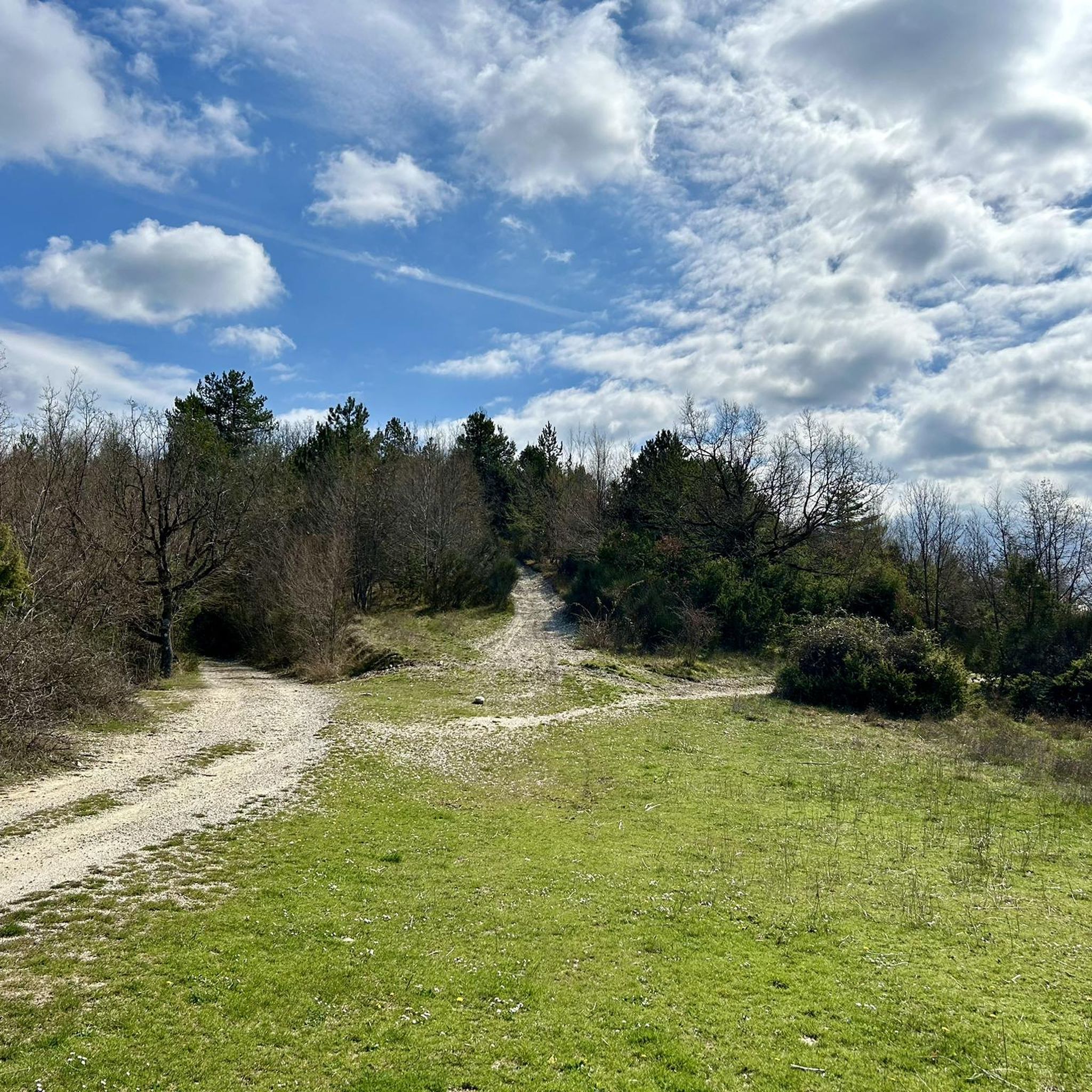
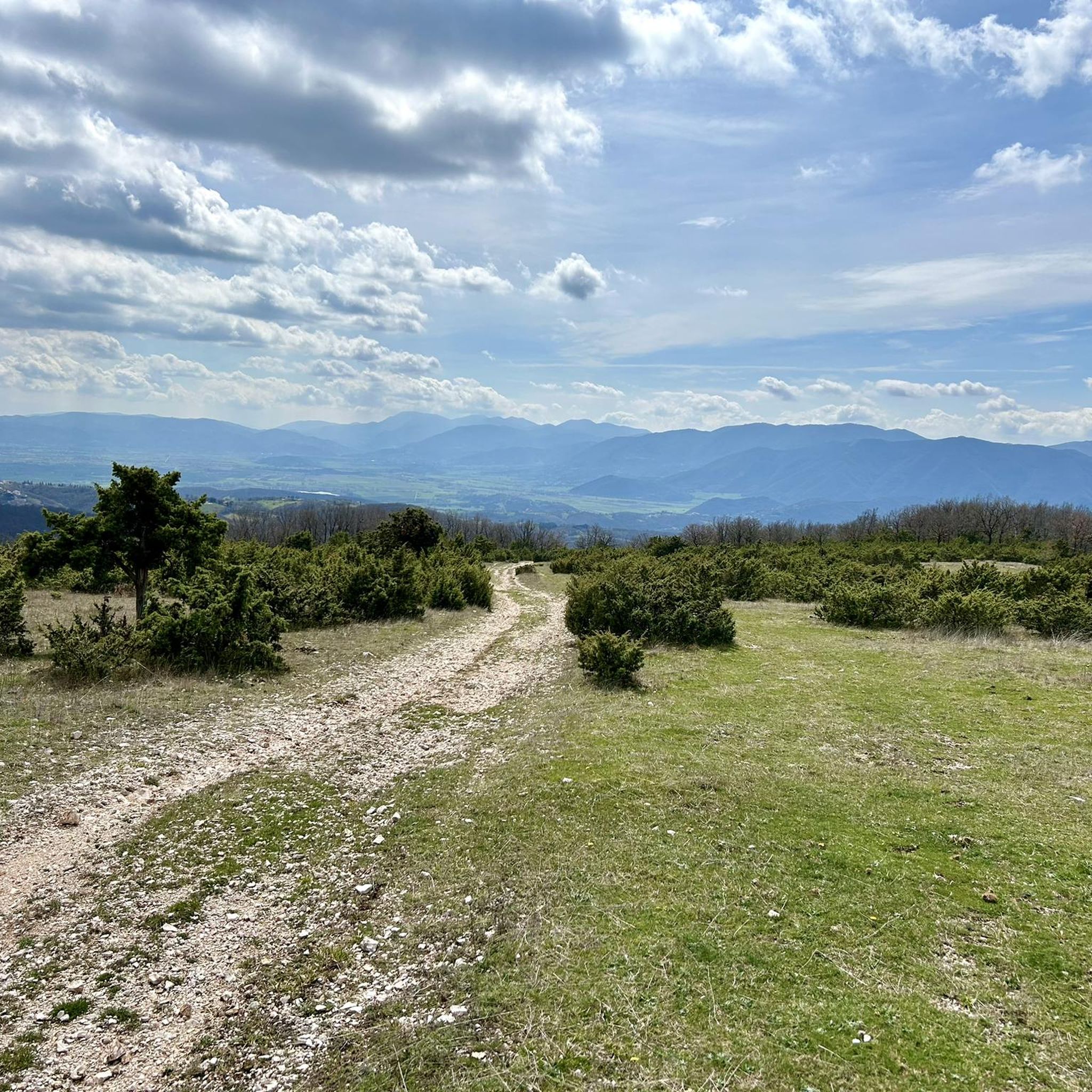
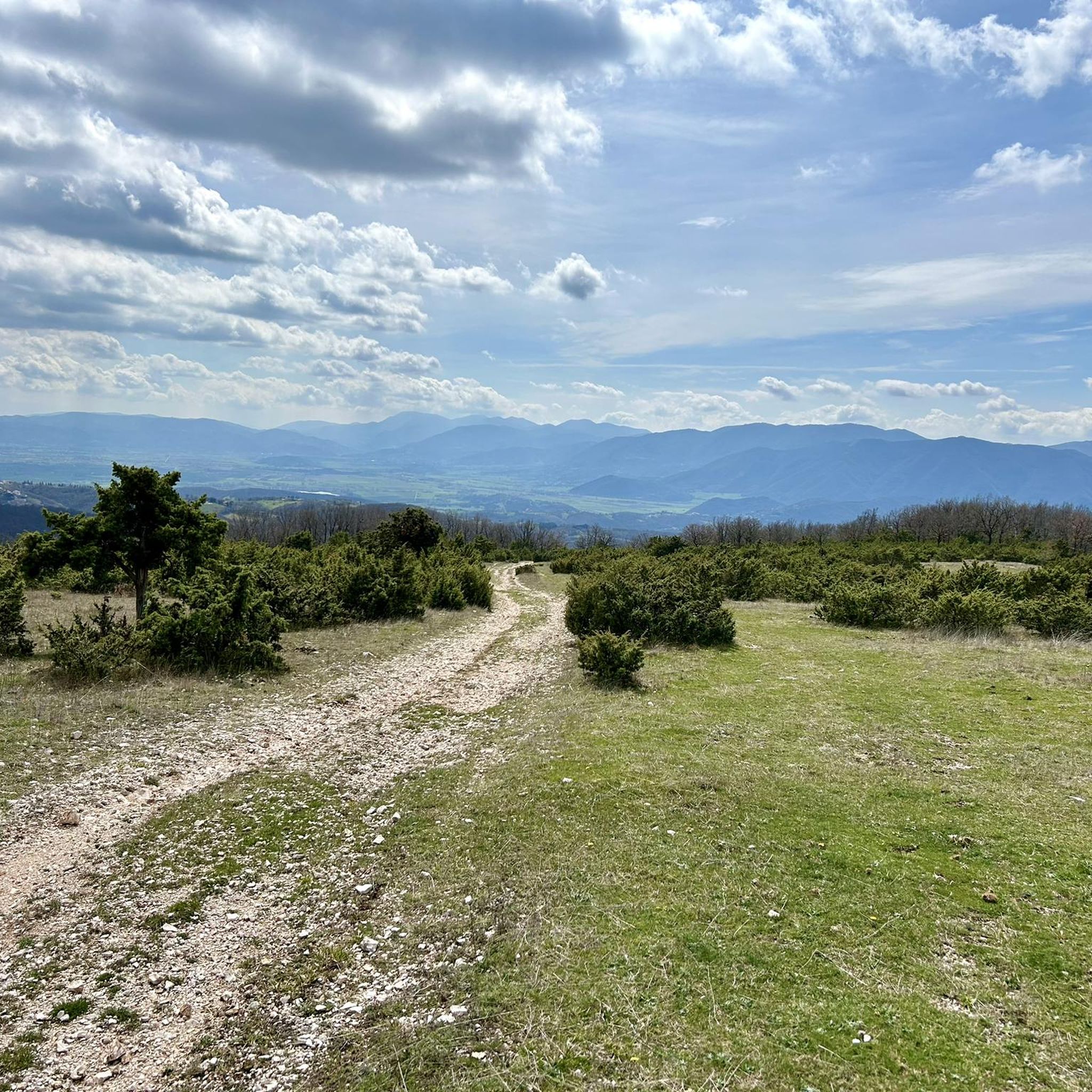
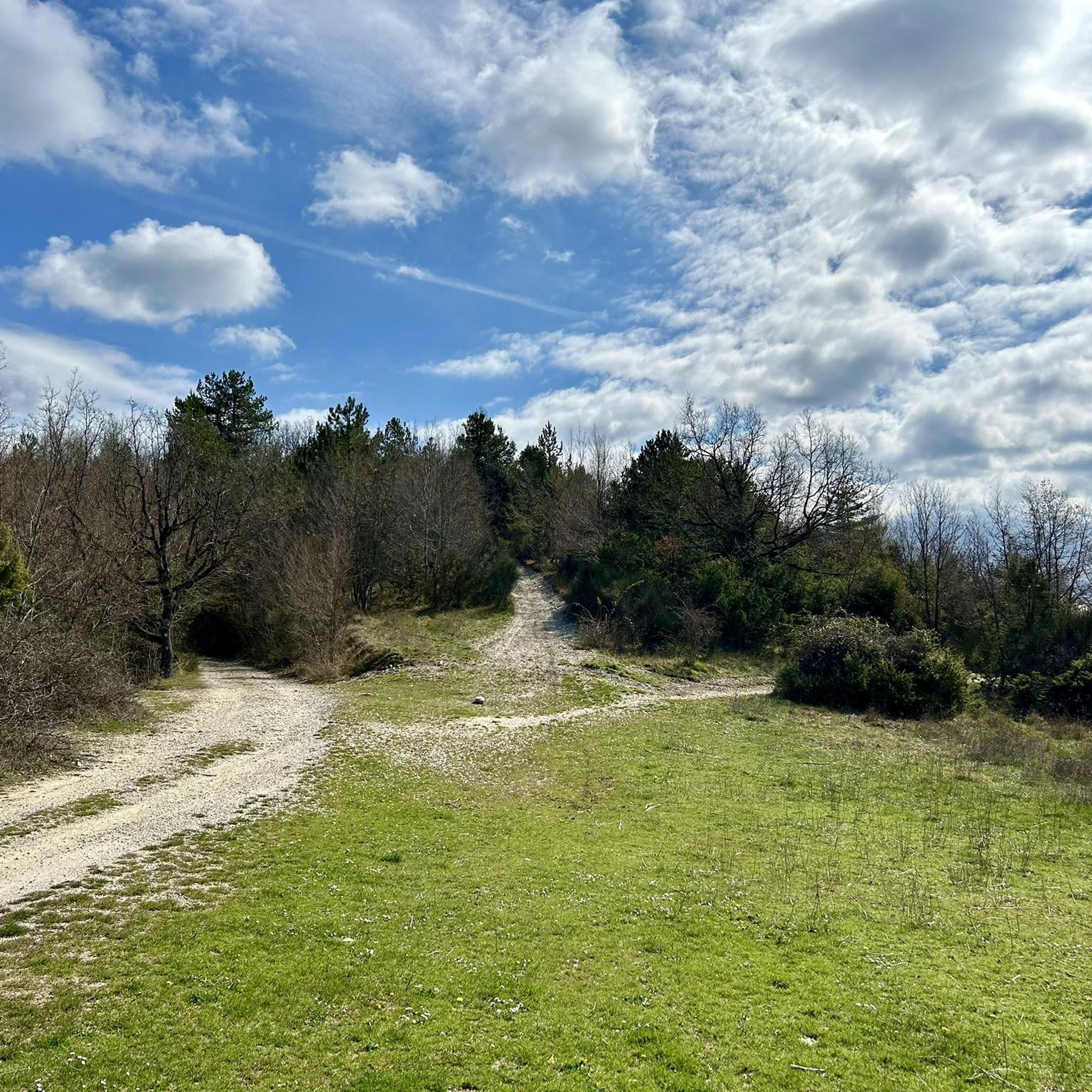

Tips from the Community

The climb to the top is worth it 👍💪🇮🇹
0
0

A stop at Piediluco Lake is highly recommended!
1
0

Lago di Piediluco / Lake Piediluco Located in the southeastern foothills of Umbria, with a tributary bordering Lazio, Lake Piediluco, although 1.85 km² wide, is the largest natural lake basin in the region after Lake Trasimeno. Its name seems to be interpreted as "at the foot of the sacred grove." Together with Lakes Lungo, Ripasottile, and Ventina, located in the province of Rieti, it represents one of the remains of the ancient Lacus Velinus, a large basin of alluvial origin formed starting in the Quaternary period. The irregularly shaped lake, with a circumference of approximately 13 kilometers, is located at an altitude of 375 meters and has a maximum depth of approximately 19 meters. Its natural tributary is the Fuscello stream; the other two tributaries are represented by artificial canals. One connects it to the Velino River, while the other, 42 kilometers long, consists almost entirely of tunnels and diverts part of the waters of the Nera River into the lake. The inflow and outflow of water is entirely tailored to the energy needs of the industry in nearby Terni. The emissary, the Velino River, is diverted towards Marmoré, where it flows into the Nera River to form the Marmore Waterfall. Text / Source: wikipedia.org https://it.wikipedia.org/wiki/Lago_di_Piediluco
14
0


Lovely place I'm happy I visited it
0
0

A hamlet of a thousand inhabitants in the municipality of Terni, Piediluco is known for the lake of the same name and is frequented by those visiting the nearby Marmore waterfalls. Of particular charm here is also the Rocca Albornoz, which stands on Monte Luco, abandoned since the end of the 18th century.
0
0

From here a cycleable climb up to Forca di Arrone to swoop down to Lake Piediluco.
0
0

beautiful waterfalls, you have to go there
0
0
Frequently Asked Questions
What historical landmarks can I explore in Polino?
Polino is rich in history. You can explore the impressive Rocca di Polino, a 12th-century fortress that dominates the village from a rocky spur, showcasing medieval military architecture. Don't miss the Monumental Fountain, built in 1615, a masterpiece of late Mannerist art adorned with lion heads and mythological figures. The village's cobbled alleys themselves reveal centuries of history with their stone buildings, arches, and portals.
Are there any significant natural attractions or viewpoints near Polino?
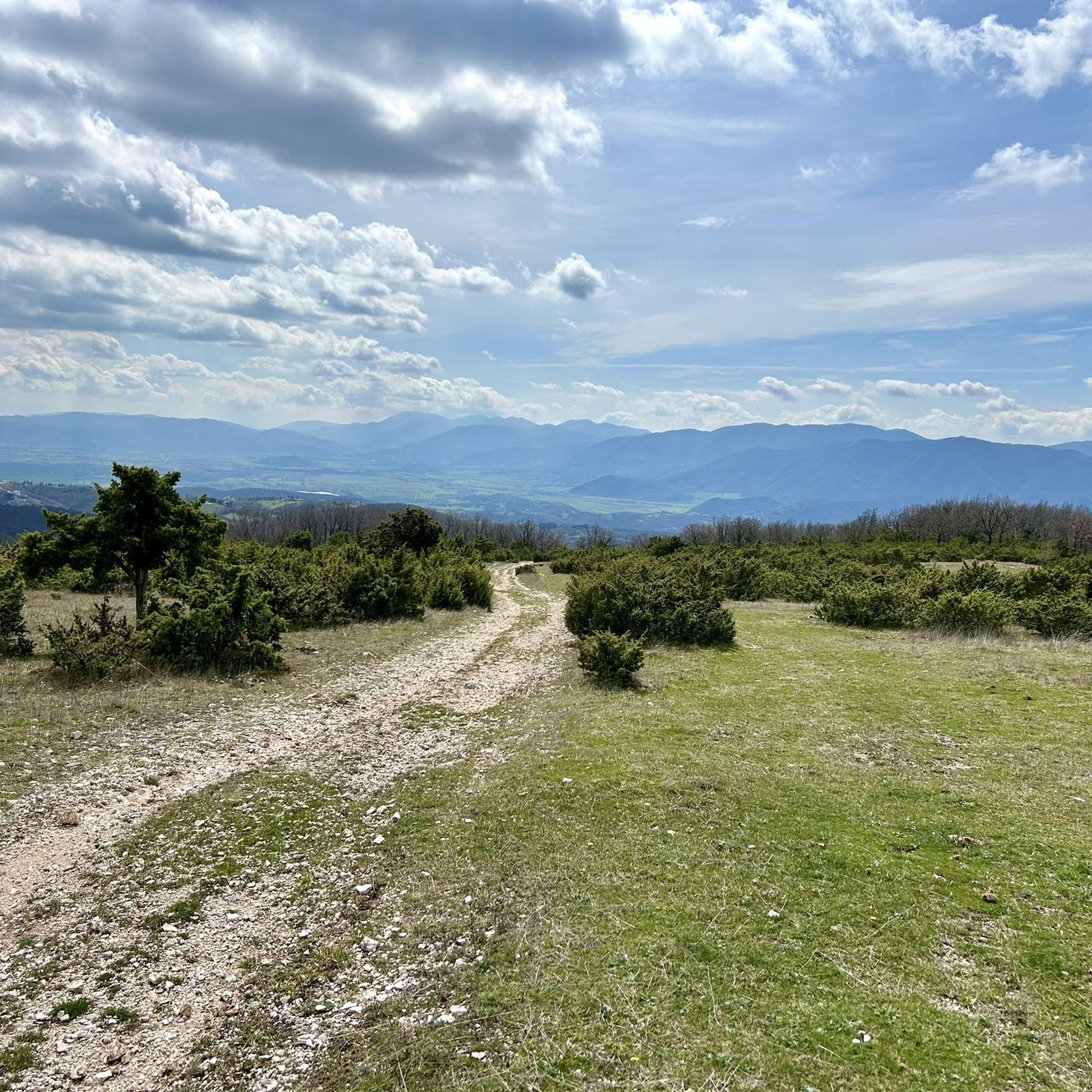
Absolutely. Polino is nestled in an extraordinary natural landscape. The most prominent natural attraction is Marmore Falls, one of Europe's highest controlled-flow waterfalls, with a total height of 165 meters. From Mount Petano, you can enjoy breathtaking panoramic views across the Valnerina, including sights of Greccio, Lake Piediluco, Rieti, and Leonessa.
What cultural sites are worth visiting in Polino?
Polino offers several cultural insights. The Church of San Michele Arcangelo, recently renovated, houses 17th-century elements like the baptistery and the 'Death of St. Joseph' altarpiece. Inside the Rocca di Polino, you'll find the "Sotto-Sopra" Museum-Workshop of the Umbrian Apennines, an interactive museum exploring the region's geological and natural history, including carbonate rocks and ammonite fossils.
Are there any family-friendly attractions around Polino?
Yes, several attractions are suitable for families. The Marmore Falls are a spectacular sight for all ages, with specific operating times for maximum flow. The interactive "Sotto-Sopra" Museum-Workshop within the Rocca di Polino offers engaging exhibits for children and adults alike, delving into the region's natural history.
What kind of outdoor activities can I do near Polino?
The area around Polino is perfect for outdoor enthusiasts. You can find numerous trekking trails in the Umbrian Apennines. For specific routes, consider exploring the Hiking around Polino guide, which includes routes like the 'From Polino to Monte La Pelosa – loop tour'. Cycling is also popular, with options like those found in the Cycling around Polino guide.
Can I find any unique historical mining sites in the Polino area?
Yes, the Polino region has a fascinating mining history. You can visit the Cava dell'Oro (Gold Quarry), a historically significant mining site along the "Ferrare" axis. This area was part of a network of iron and silver mines exploited by the Papal State, with minerals used to forge medals and coins. The Rosso Ammonitico Quarries, known locally as "marble," also highlight Polino's strategic importance for controlling local resources.
What is the best time of year to visit Polino for outdoor activities?
The Umbrian Apennines offer diverse experiences depending on the season. For trekking and exploring natural beauty, spring and autumn provide pleasant temperatures and vibrant landscapes. In the winter months, the region transforms into a small ski resort, featuring cross-country ski trails and downhill slopes suitable for beginners.
Are there any other notable villages or settlements nearby that are worth visiting?
Yes, just a short distance away is Arrone Historic Village. This settlement, founded in the 9th century AD, retains its medieval appearance, dominated by a castle, and is recognized as one of the "Most beautiful villages in Italy." It's located within the Nera river park and offers opportunities for various sports.
What do visitors particularly enjoy about the attractions around Polino?
Visitors frequently praise the spectacular nature of Marmore Falls, often noting its impressive scale and the unique experience of seeing the water flow activated. The historical charm of villages like Arrone Historic Village and the serene atmosphere of religious sites like the Franciscan Sanctuary of Poggio Bustone are also highly appreciated.
Are there opportunities for winter sports near Polino?
Yes, during the winter months, the region around Polino offers opportunities for winter sports. It features a small ski resort with a cross-country ski trail and downhill slopes that are suitable for beginners, making it a great destination for those looking to enjoy snow activities.
Where can I find more information about Polino's tourism offerings?
For additional information on Polino and the wider Umbria region, you can visit the official Umbria Tourism website: umbriatourism.it/polino.
Most popular attractions around Polino

Get inspired with the komoot mobile app


Explore more
Still not found the Highlight you’re looking for? See guides of the top attractions in other regions:
