Attractions and Places To See around Quincinetto - Top 20
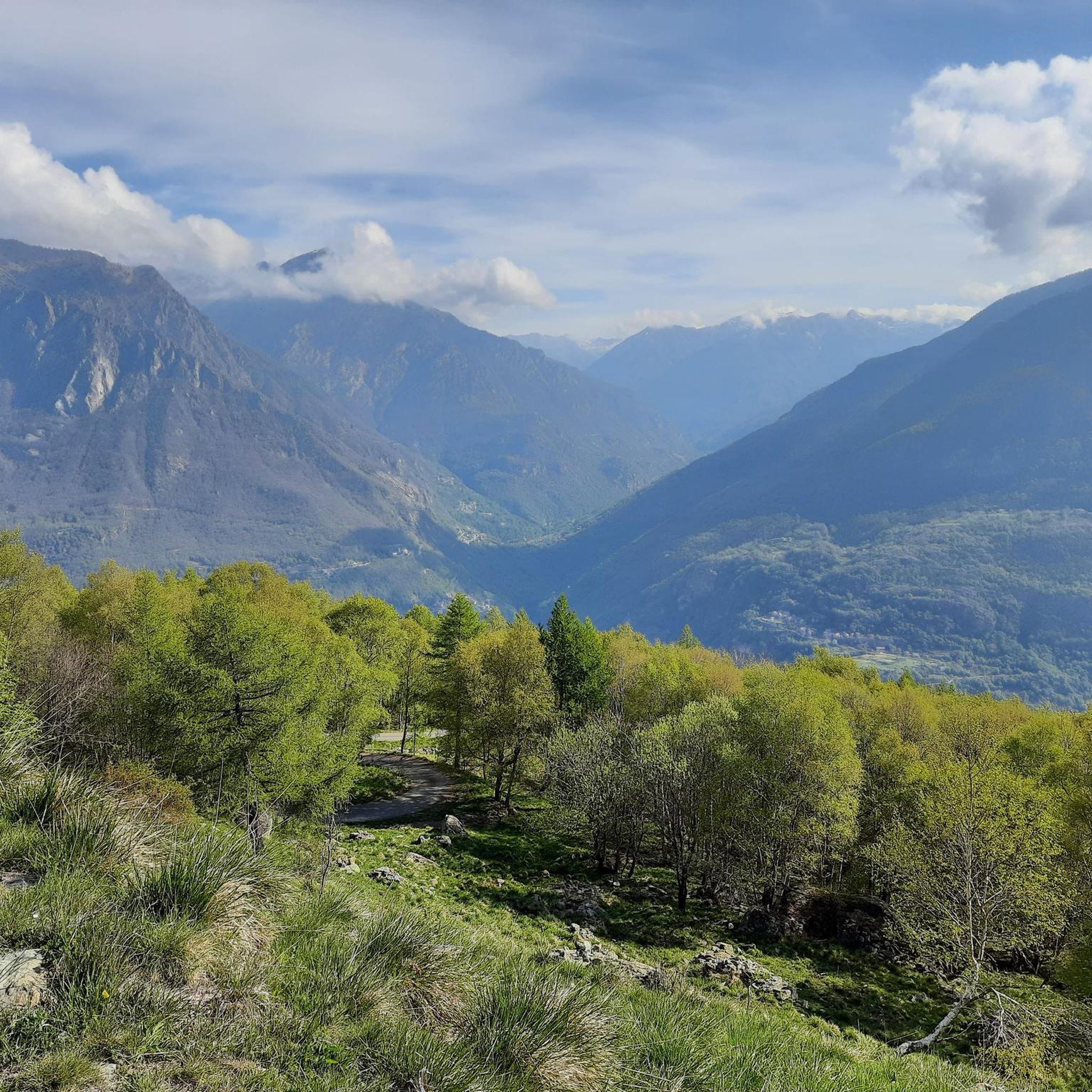
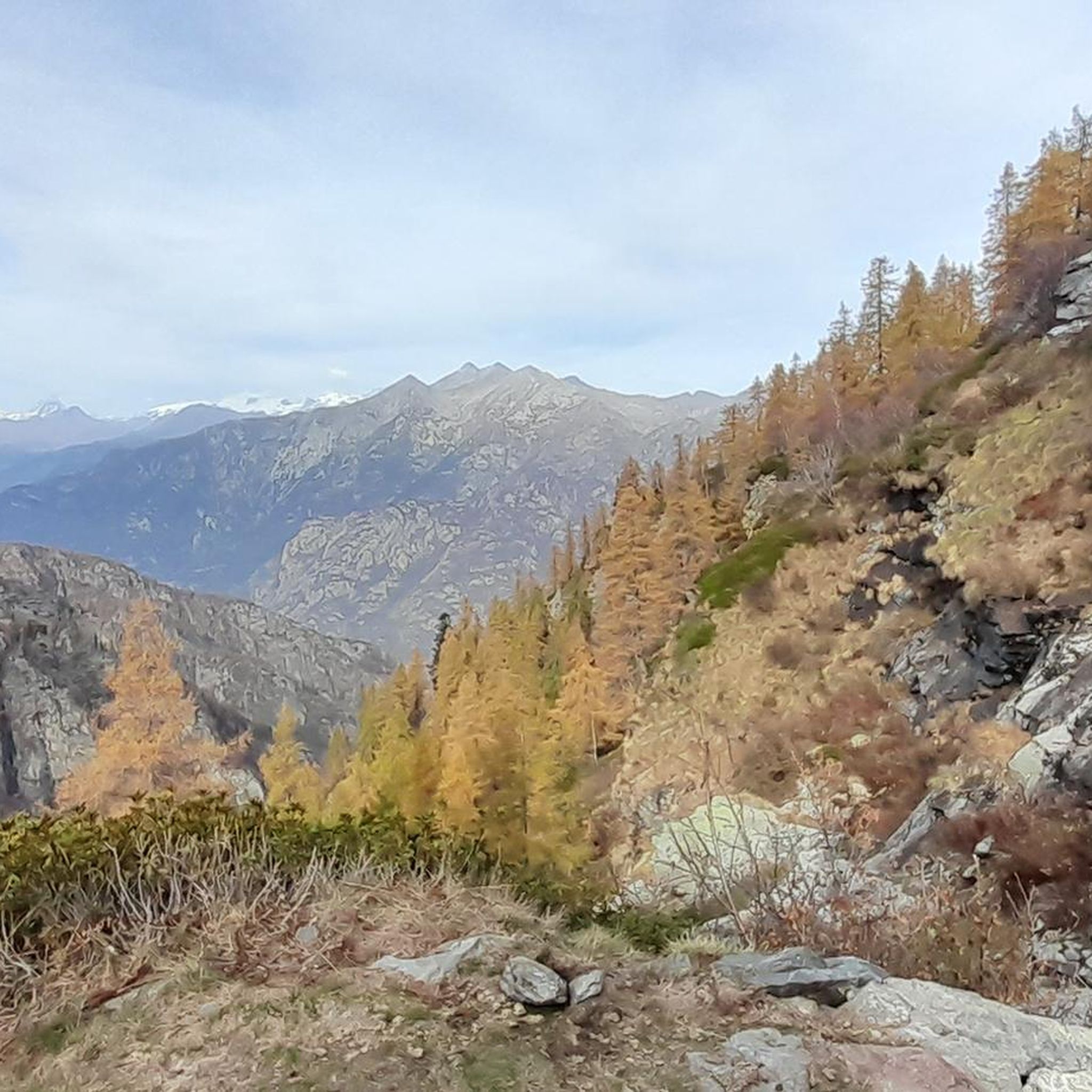
Best attractions and places to see around Quincinetto include a blend of natural beauty, historical landmarks, and unique cultural insights within the Metropolitan City of Turin, Piedmont. This area is characterized by its unique stone terraces used for cultivation and proximity to the Ivrea Lakes Reserve. Visitors can explore a variety of landscapes, from distinctive peat bogs to historical fortifications. The region offers opportunities for outdoor activities and cultural exploration.
Best attractions and places to see around Quincinetto
- The most popular attractions is Lake Pistono and the Archaeological Park of the Stilt Houses, a lake that features a full-scale reconstruction of a 6500-year-old stilt house village. This site provides insight into ancient life in Montalto.
- Another must-see spot is The Dancing Lands, a natural monument. Visitors can experience a unique peat bog where the ground feels elastic and nearby plants move when jumped on.
- Visitors also love Bastia Tower, a man-made monument. This tower offers panoramic views of the Canavese area and the Ivrea lakes from its upper levels.
- Quincinetto is known for its natural monuments, historical sites, and man-made structures. The area offers a variety of attractions to see and explore, from lakes and forests to ancient fortifications.
- The attractions around Quincinetto are appreciated by the komoot community, with more than 360 upvotes and over 250 photos shared by visitors.
Last updated: July 6, 2026
Lake Pistono and the Archaeological Park of the Stilt Houses
Highlight • Lake
Translated by Google •
Tip by

The Dancing Lands
Highlight • Natural Monument
It's definitely an experience worth trying 😉
Translated by Google •
Tip by

Sign up now to discover places like this
Get recommendations on the best single tracks, peaks, & plenty of other exciting outdoor places.
Sign up for free
Bastia Tower
Highlight • Monument
Go up the stairs of the tower to enjoy the view below (782m).
inalto.org/it/relazioni/escursionismo/torre_della_bastia_e_castello_rubino
Translated by Google •
Tip by

Roman Bridge of Fondo
Highlight • Bridge
Translated by Google •
Tip by

Fort Bard
Highlight • Castle
Translated by Google •
Tip by
Sign up for free to discover even more attractions around Quincinetto.
Sign up for free
Already have an account?
Start today with a free account
Your next adventure awaits.
Login or Signup

Other adventures around Quincinetto

Tips from the Community

The Torre della Bastia, located near Andrate, is one of the most beloved structures on the Alta Via dell'Anfiteatro Morenico (Morainic Amphitheater Trail). Built entirely of wood with iron details, it extends over three floors and offers breathtaking views of the Canavese area and, in particular, the Ivrea lakes. Easily accessible after a few kilometers of walking, it's an ideal place for a scenic stop, to take photos, or simply to enjoy a moment of contemplation at altitude.
1
0

It is a unique place of its kind. In a rather small and circumscribed area 2 steps from the Montalto lake (also called "Rabbit" lake) there is an area with a very dark soil composed of water, peat, earth and medium-sized trees. Especially when the ground is wet or it has rained previously if you jump on the surface, it moves creating small waves making the surrounding trees dance. A real show! You can reach the dancing lands from 2 different dirt tracks. For those with good technical skills the entry or exit paths in both directions are also fun to pedal.
0
0

Regardless of whether you reach the Serra di Ivrea or not, even wandering around these lakes, taking advantage of the good signage present, pays off! There is a nice variety of environments and paths, from single track to dirt road, ending on cobblestone sections, never too banal, especially in the wet... the lake environments are beautiful, given that most of these lakes are not very urbanized, the stilt houses rebuilt on the shore of Lake Pistono are very beautiful, they certainly deserve a stop. Places also suitable for children, given that in the lake area the differences in altitude are very modest... just watch out for hikers, because the paths are open to everyone!
3
0

From the Bastia tower there is a beautiful view of Ivrea and the surrounding lakes
1
0
On this wooden tower there is a staircase where you can climb to the top and admire the view of the Ivrea lakes from the balcony. Just be careful because a wooden step is missing! The ridge path to get there is not difficult, flat and accessible to everyone.
1
0

accessible tower rebuilt on the ruins of an ancient watchtower
1
0

Beautiful Valchiusella Bridge, similar to the Devil's Bridge of Lanzo Torinese
0
0
Last location in Valchiusella accessible by car
0
0
Frequently Asked Questions
What unique natural phenomena can I explore near Quincinetto?
Near Quincinetto, you can experience The Dancing Lands, a unique peat bog where the ground feels elastic, and nearby plants move if you jump. The area also features extraordinary stone terraces, reminiscent of Ireland, used for cultivation, creating a beautiful and unusual landscape for the Piedmont region.
Are there any lakes or water features to visit in the Quincinetto area?
Yes, the area is rich in water features. You can visit Lake Pistono and the Archaeological Park of the Stilt Houses, which features a reconstruction of an ancient stilt house village. Lake Sirio is also nearby, and the Chapel of St. Peter Martyr near Lake Sirio serves as a starting point for trails within the Ivrea Lakes Reserve.
Where can I find panoramic views of the region?
For breathtaking views, climb the Bastia Tower, which offers panoramic vistas of the Canavese area and the Ivrea lakes. The nearby Forte di Bard also provides commanding views of the Aosta Valley.
What historical sites or castles are worth visiting around Quincinetto?
The region boasts several historical sites. The ancient Castello Vescovile in Quincinetto, built on Roman ruins, is a notable landmark. A significant nearby attraction is Fort Bard, a majestic fortress housing three permanent museums. Other historical castles in the surrounding area include Castello di Parella, Castello di Montalto, and Castello di Pavone.
Are there any ancient religious sites to see?
Yes, the Chapel of St. Peter Martyr, a small church near Lake Sirio, is a historical religious site. It's also a convenient starting point for exploring the Ivrea Lakes Reserve.
Are there family-friendly attractions in Quincinetto?
Absolutely. Many attractions are suitable for families, including Lake Pistono and the Archaeological Park of the Stilt Houses, where children can learn about ancient life. The Dancing Lands offer a fun and unique natural experience, and the Bastia Tower provides an engaging climb with rewarding views. Fort Bard also has family-oriented exhibits.
What kind of outdoor activities can I do around Quincinetto?
The area around Quincinetto is excellent for outdoor enthusiasts. You can explore a variety of cycling routes, including mountain biking and road cycling. For detailed routes and trails, check out the MTB Trails around Quincinetto, Road Cycling Routes around Quincinetto, and Cycling around Quincinetto guides.
Are there hiking opportunities near Quincinetto's attractions?
Yes, the region offers numerous hiking opportunities. The Chapel of St. Peter Martyr near Lake Sirio is a great starting point for paths crossing the Ivrea Lakes Reserve. The area around The Dancing Lands also features trails. You can find more hiking options in the various cycling guides, as many routes are multi-use.
What is the best time of year to visit Quincinetto?
Quincinetto can be enjoyed throughout the year, but spring and autumn offer pleasant temperatures for outdoor activities and exploring the natural landscapes and historical sites. Summer is also popular, especially for lake activities, while winter can provide a different, quieter charm, though some higher trails might be less accessible.
Are there any 'hidden gems' or lesser-known spots to discover?
Beyond the main attractions, the extraordinary landscape of stone terraces used for cultivation is a unique sight. The ancient Castello Vescovile in Quincinetto itself, with its history dating back to Roman times, is also a fascinating, less-frequented historical gem.
What do visitors particularly enjoy about the attractions near Quincinetto?
Visitors frequently praise the unique natural experiences, such as the elastic ground at The Dancing Lands. The panoramic views from Bastia Tower are also highly appreciated. Many enjoy the blend of natural beauty, like the lakes, with the rich historical context of sites such as Lake Pistono and the Archaeological Park and Fort Bard.
Most popular routes around Quincinetto
Most popular attractions around Quincinetto

Get inspired with the komoot mobile app


Explore more
Still not found the Highlight you’re looking for? See guides of the top attractions in other regions:
