The best cycling routes around Quincinetto
4.5
(152)
2,495
riders
14
rides
Touring cycling around Quincinetto offers diverse landscapes shaped by ancient glaciers and the Dora Baltea river. The region features the Morainic Amphitheater of Ivrea, characterized by picturesque lakes and pre-alpine valleys. Stone terraces, used for grapevine cultivation, ascend hillsides, adding to the varied terrain. The area provides a network of routes through vineyards, historical villages, and alongside the Dora Baltea.
Best touring cycling routes around Quincinetto
- The most popular touring cycling route is Fort Bard – Echallod Stone Bridge loop from Pont-Saint-Martin, a 33.4 miles (53.8 km) trail that takes 3 hours 40 minutes to complete. This difficult route explores the Dora Baltea Valley.
- Another top favourite among local touring cyclists is Ponte in Pietra di Lillianes – Lago Gover loop from Pont-Saint-Martin, a difficult 51.2 miles (82.5 km) path. This route features significant elevation gain and varied terrain.
- Local touring cyclists also love the Path to Fiorano loop from Pont-Saint-Martin, a 28.9 miles (46.6 km) trail leading through the local countryside, often completed in about 2 hours 50 minutes.
- Touring cycling around Quincinetto is defined by the Morainic Amphitheater of Ivrea, stone terraces, and the Dora Baltea Valley. The network offers options for easy, moderate, and difficult ability levels.
- The routes in Quincinetto are highly rated by the komoot community with an average score of 4.3 stars from more than 100 reviews. More than 2000 touring cyclists have used komoot to explore Quincinetto's varied terrain.
Last updated: May 24, 2026
4.3
(3)
32
riders
35.0km
03:09
1,260m
1,260m
Hard bike ride. Very good fitness required. Mostly paved surfaces. Suitable for all skill levels.
5.0
(1)
30
riders
40.2km
03:07
930m
930m
Hard bike ride. Very good fitness required. Mostly paved surfaces. Suitable for all skill levels.

Sign up for free
4.0
(1)
9
riders
39.0km
03:17
930m
930m
Hard bike ride. Very good fitness required. Mostly paved surfaces. Suitable for all skill levels.
4.0
(2)
40
riders
30.7km
02:19
740m
740m
Hard bike ride. Very good fitness required. Mostly paved surfaces. Suitable for all skill levels.
5.0
(1)
22
riders
26.6km
02:10
620m
620m
Hard bike ride. Very good fitness required. Mostly paved surfaces. Suitable for all skill levels.
Get access to more routes and recommendations from other explorers.
Sign up for free
Already have an account?
Our route recommendations are based on thousands of hikes, rides, and runs completed by other people on komoot.
Start today with a free account
Your next adventure awaits.
Login or Signup
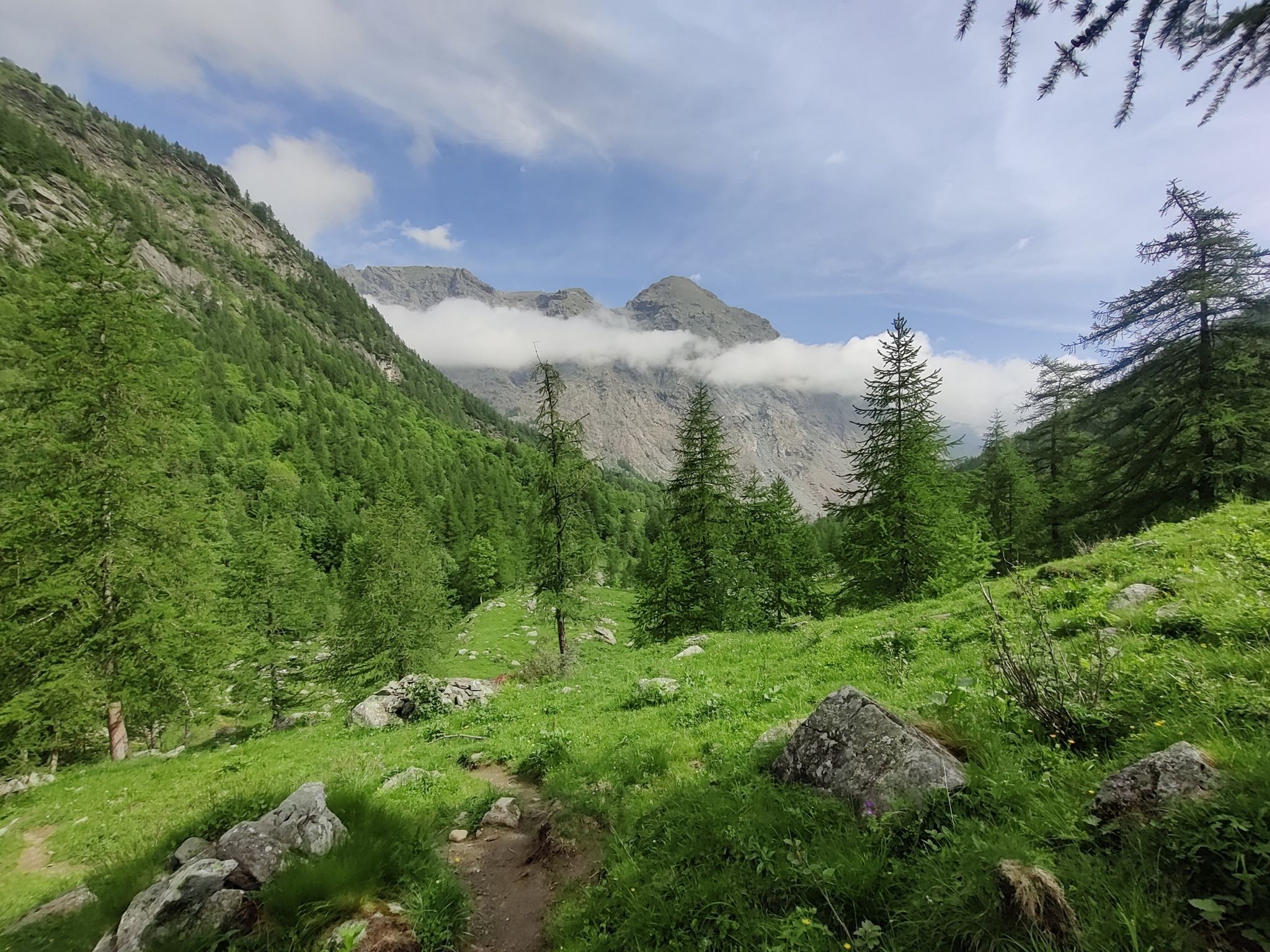
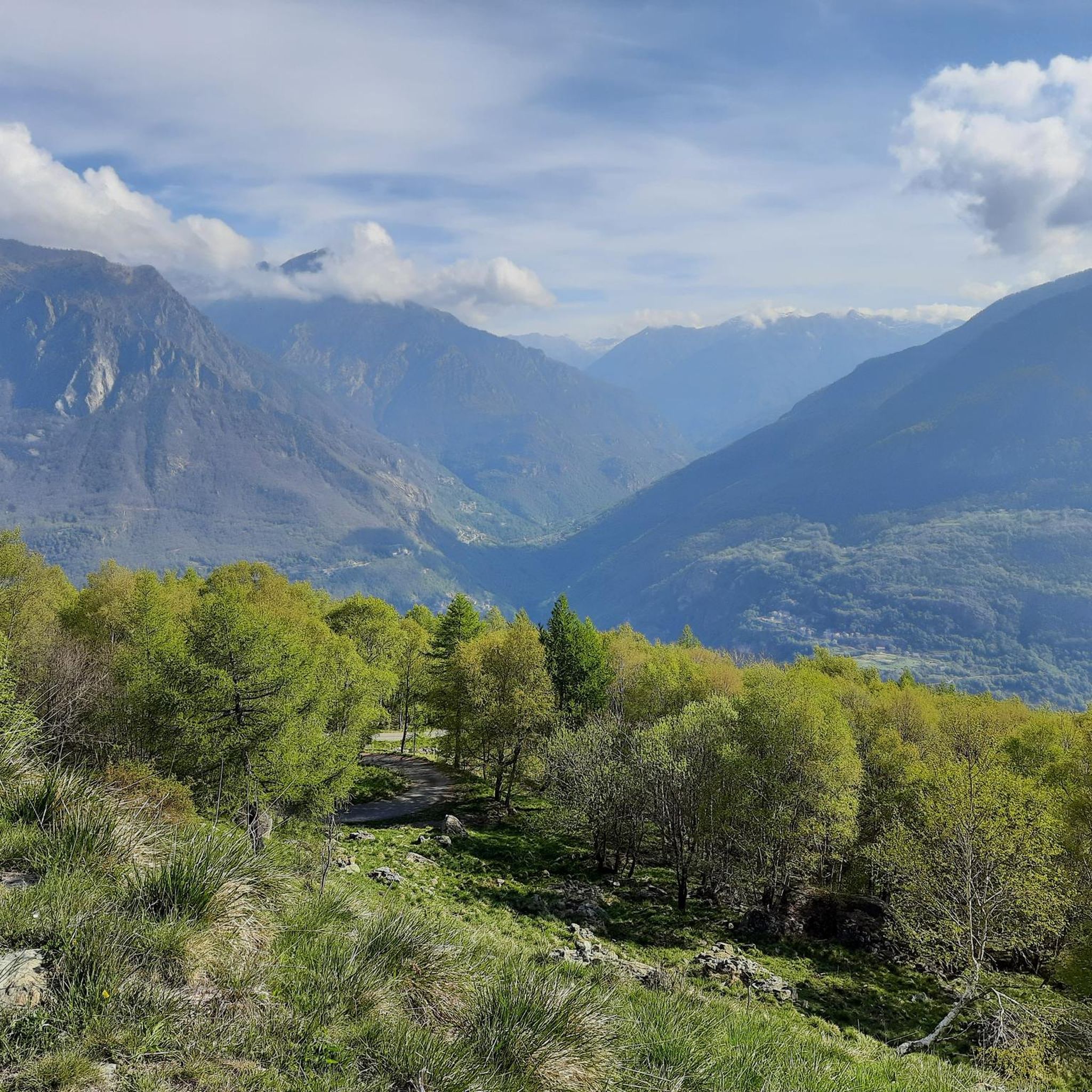
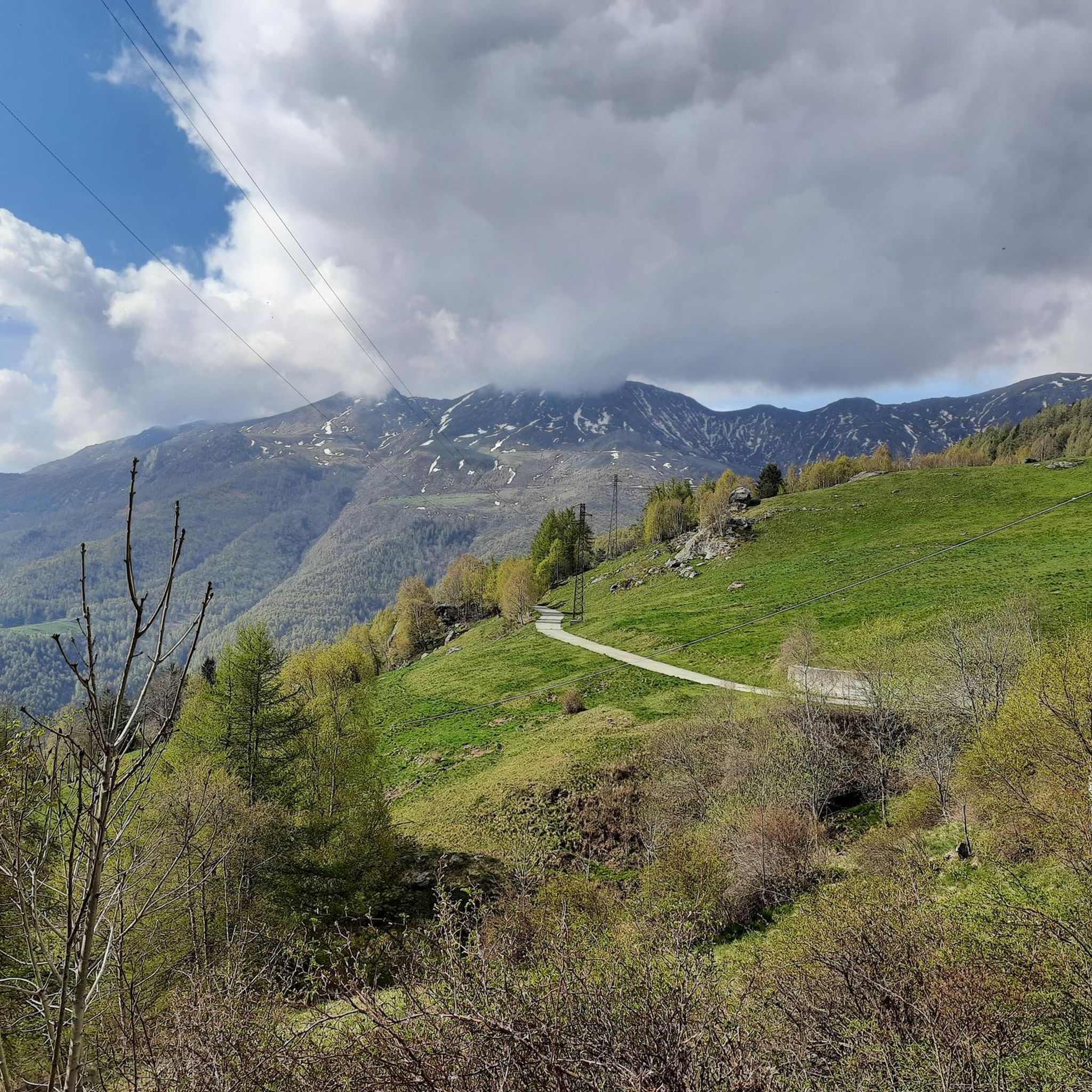

Other adventures around Quincinetto

Tips from the Community

On the shores of Lake Pistono stands the Archaeological Park, inaugurated in 2017, which features a life-size reconstruction of part of a Neolithic stilt village. In 2003, an excavation campaign promoted by the Soprintendenza per i Beni Archeologici del Piemonte had brought to light in the lake waters the traces of a stilt settlement dating back about 6500 years. The reconstruction includes a dwelling, a storehouse, and an animal shelter with an enclosure, built using the techniques and materials of the time — chestnut and hazel wood for the structure, straw and clay for the walls, lake reeds for the roof — and furnished with reproductions of everyday objects: fish traps, axes made of wood and green stone, baskets made of plant fiber. The park can be reached with a walk of about half an hour from the Exhibition Space housed in the municipal palace of Montalto Dora, where the original findings from the excavations are preserved and where thematic panels reconstruct the daily life, diet, and material culture of the village inhabitants. Lake Pistono is one of the five glacial lakes nestled among the morainic deposits of the Serra di Ivrea.
0
0
The Castello di Suzey stands on an inaccessible rocky spur, in a position that in the 14th century guaranteed absolute control over the transit of the Lys valley. The structure is a classic example of a medieval enclosure castle, dominated by a massive quadrangular tower and surrounded by the remains of a fortified village now swallowed by vegetation. This stronghold was the headquarters of the lords of Suzey, a branch of the Vallaise known for their bellicose nature and independence from central powers. A famous anecdote concerns the family's determination to defend their privileges: it is said that the lords of Suzey imposed such severe transit taxes that they sparked fierce disputes with merchants and neighboring communities, turning the castle into a sort of armed customs post. A local legend also tells that the castle was connected to the other Vallaise properties in Perloz via a network of secret passages dug directly into the rock, used to move troops and riches away from prying eyes during sieges. Another popular tale describes the castle's end as a dramatic event: a devastating fire, which broke out during an enemy attack, would have marked the definitive abandonment of the structure.
0
0
The historic center of Perloz constitutes an architectural nucleus of considerable interest for understanding the social and political dynamics of the lower Aosta Valley. The heart of the settlement is represented by the Casaforte Vallaise, a 14th-century quadrangular structure that served as the administrative and judicial center for the noble family of the same name. The building preserves medieval construction elements, including the coat of arms carved on the portals, a testament to the exercise of jurisdictional power over the territory. A short distance away stands the parish church of San Salvatore, characterized by a facade entirely frescoed with a representation of the Last Judgment dating back to the 17th century, a work that served as a tool for religious instruction for the local population. The monumental route continues with the Museum of the Resistance, housed in premises that recall the historical memory of the "Brigata Lys". Here, documents and artifacts related to the events of 1944 are preserved, when the village became a fundamental operational center for the partisan formations in the area. Walking through the narrow stone streets, one also notices the presence of numerous stone fountains and community ovens, symbols of the collective management of rural resources. This stratification of different eras, from medieval feudalism to contemporary history, makes the center of Perloz a relevant technical and cultural stop for those crossing the slopes of the Lys valley.
0
0

The first few kilometres starting from Andrate are on a dirt road that is not very smooth in some sections.
0
0


very useful fountain that helps on hot summer days. It has a cow shape and is particular, the water is very fresh and very good!
0
0

It is a unique place of its kind. In a rather small and circumscribed area 2 steps from the Montalto lake (also called "Rabbit" lake) there is an area with a very dark soil composed of water, peat, earth and medium-sized trees. Especially when the ground is wet or it has rained previously if you jump on the surface, it moves creating small waves making the surrounding trees dance. A real show! You can reach the dancing lands from 2 different dirt tracks. For those with good technical skills the entry or exit paths in both directions are also fun to pedal.
0
0
It's always worth stopping for a photo
0
0
Frequently Asked Questions
How many touring cycling routes are available around Quincinetto?
There are over 110 touring cycling routes around Quincinetto, catering to various skill levels. This includes 22 easy routes, 27 moderate routes, and 64 difficult routes, offering diverse terrain from valley floors to challenging ascents.
What kind of terrain can I expect on touring cycling routes in Quincinetto?
The terrain around Quincinetto is highly varied, shaped by ancient glaciers and the Dora Baltea river. You'll encounter the Morainic Amphitheater of Ivrea, picturesque lakes, pre-alpine valleys, and distinctive stone terraces used for grapevine cultivation. Routes often wind through vineyards, historical villages, and alongside the Dora Baltea, offering both flat sections and significant climbs.
Are there any family-friendly cycling routes in the Quincinetto area?
Yes, Quincinetto offers several easy touring cycling routes suitable for families. While specific family-focused routes aren't detailed, the region has 22 easy routes that generally feature less elevation gain and more gentle terrain, making them ideal for a relaxed ride with children. Look for routes that explore the flatter sections along the Dora Baltea river or around the Ivrea lakes.
What are some notable natural attractions or landmarks to see while cycling near Quincinetto?
Cyclists can discover several unique natural attractions and landmarks. Don't miss the Dancing Lands near Montaldo Dora, where peat bogs create a 'moving' ground sensation. Other highlights include Lake Pistono and its Archaeological Park, the scenic Pian delle Nere viewpoint, and the tranquil Black Lake. The region also features historical castles like Castello Vescovile and Castello di Montalto, often visible from various routes.
Are there any circular touring cycling routes around Quincinetto?
Yes, many routes around Quincinetto are designed as loops. For example, the Fort Bard – Echallod Stone Bridge loop from Pont-Saint-Martin is a challenging 53.8 km ride exploring the Dora Baltea Valley. Another option is the moderate Path to Fiorano loop from Pont-Saint-Martin, covering 46.6 km through the countryside.
What is the best time of year to go touring cycling in Quincinetto?
The best time for touring cycling in Quincinetto is generally from spring through autumn. During these seasons, the weather is most favorable, allowing you to fully enjoy the diverse landscapes, from the Morainic Amphitheater to the vineyards. Summer offers warm conditions, while spring and autumn provide milder temperatures and beautiful scenery.
What do other touring cyclists say about the routes in Quincinetto?
The touring cycling routes around Quincinetto are highly regarded by the komoot community, with an average rating of 4.3 stars from over 120 reviews. Cyclists frequently praise the varied terrain, the stunning views of the Canavese area and Ivrea lakes, and the blend of natural beauty with cultural immersion through historical villages and vineyards.
Are there any challenging touring cycling routes for experienced riders?
Absolutely. Quincinetto is home to many challenging routes, with 64 classified as difficult. A demanding option is the Ponte in Pietra di Lillianes – Lago Gover loop from Pont-Saint-Martin, an 82.5 km path featuring significant elevation gain. Another difficult route is the Pont-Saint-Martin – Roman Arch and Road in Donnas loop from Quincinetto, which covers 40.2 km with substantial climbs.
Can I find routes that offer panoramic viewpoints?
Yes, the region's glacial landscape and pre-alpine valleys provide numerous opportunities for panoramic views. The View of Andrate and the valley – Castello di Montestrutto loop from Quincinetto offers excellent vistas. Additionally, the Pian delle Nere viewpoint and the Colma di Mombarone Summit are popular spots for breathtaking scenery over the Canavese area and the Ivrea lakes.
Is Quincinetto part of any larger cycling networks?
Yes, Quincinetto is integrated into larger cycling networks, including sections of the historic Via Francigena, which is popular for cycling. Other options include the 'Ring of the Ancient Balteo Glacier' and the 'Ciclovia Francigena: from Pont Saint Martin to Santhià'. The area is also part of the 'Pedala in Piemonte' network, which offers diverse landscapes across valleys, hills, parks, and lakes. For more information on cycling in the wider region, you can visit visitpiemonte.com.
Are there any routes that pass through vineyards or historical villages?
Many touring cycling routes in Quincinetto wind through the region's characteristic stone terraces, which are used for grapevine cultivation, offering picturesque rides through vineyards. You'll also frequently pass through charming historical villages, providing a blend of natural splendor and cultural immersion. The area's rich history is evident in the numerous castles and ancient structures dotted along the routes.
Most popular routes around Quincinetto
Most popular attractions around Quincinetto

Get inspired with the komoot mobile app


Explore more
Browse the best Cycling routes in other regions.
